555-555-5555

Hotel Owners and Hospitality Groups

A hotel puts a guest room directly beneath its roof, and that is the one thing the class does to a budget: a single leak can take a room out of inventory, and a room out of inventory is revenue that does not come back. For a hotel owner or hospitality group in San Marcos, TX, the roof is a sales asset as much as a building envelope, because reviews follow wet carpet. We start with the roof inventory across the properties, walk every section, and return a replacement queue ranked by remaining service and by the number of rooms beneath each area.

A roof ranked early is a room kept in service. A roof ranked by a leak is a room lost.
Map the Rooms Under the Roof

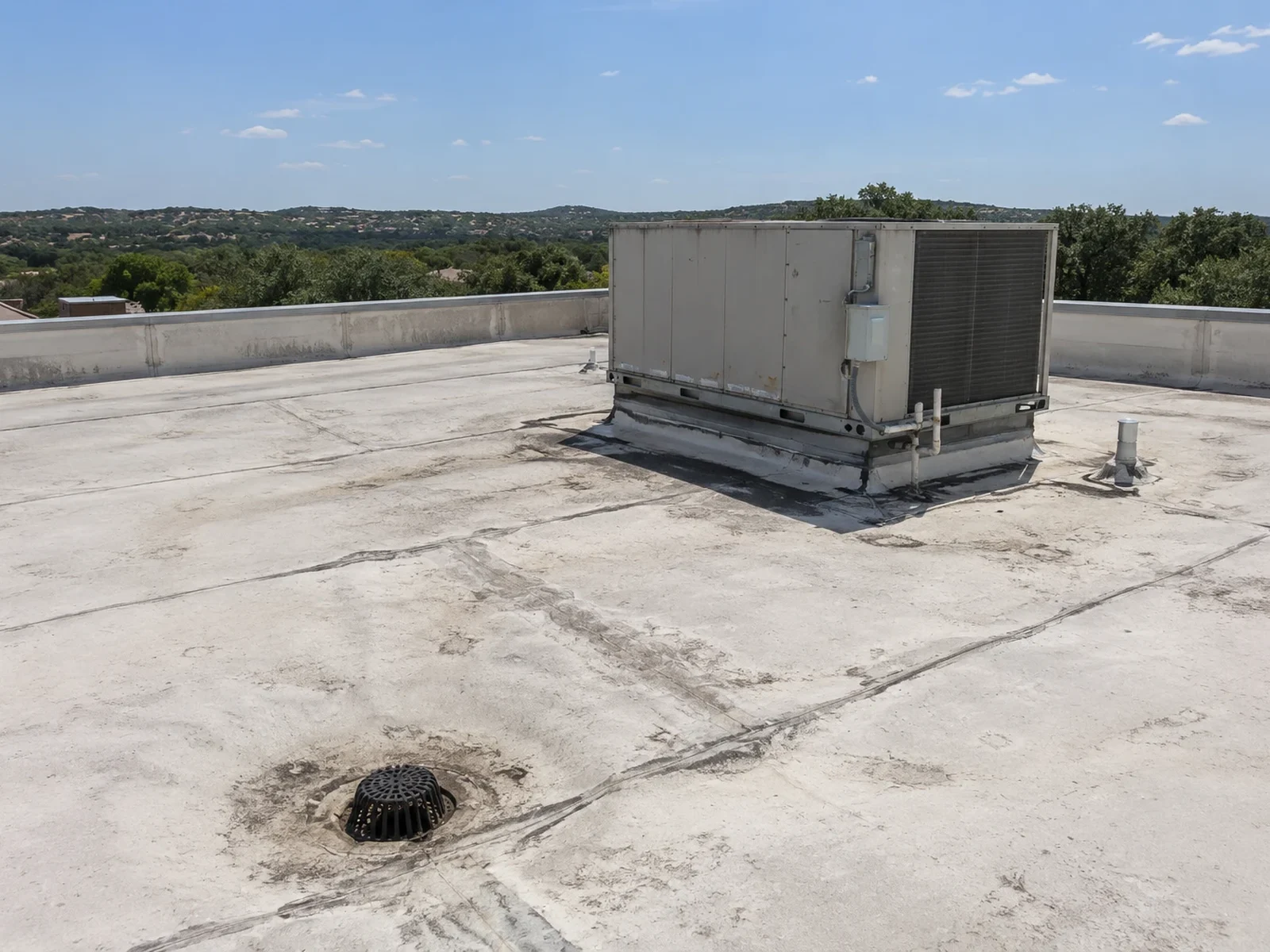
The first deliverable is a plan that overlays the roof on the room layout. Top-floor rooms, corridors, meeting space, pool equipment and kitchens each sit under a section, and each section gets a consequence score. A leak over a ballroom costs a different amount than a leak over a storage room, and a leak over a suite on a busy weekend costs more still.

We walk each section, probe seams, check flashings and drains and scan for moisture where the surface raises a question. The file records the system, age and condition of each section, and the room numbers beneath. When a guest reports a drip, the front desk gives us a room number, and the file tells us which section to open first. That link between room and roof shortens the response and keeps the room out of service for less time.

Management companies that run hotels for owners use the same file as a reporting tool. The property management format applies, with each property listed, each section rated and each cost range stated. A regional director can see which hotels need roof money this year and which can wait, without visiting each one.

Hotel Owners and Hospitality Groups

Watch the Mechanical Load

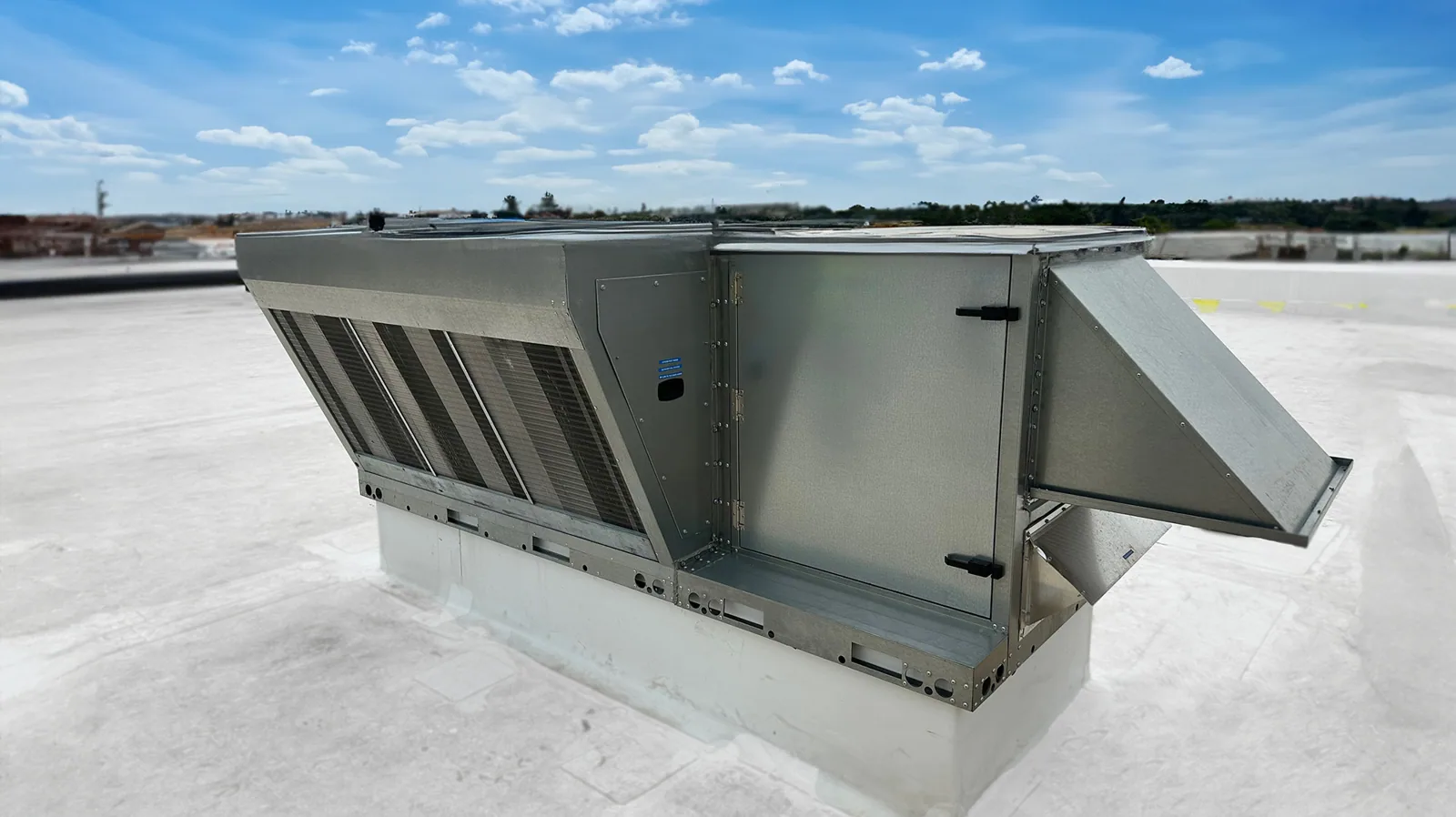
Hotels carry heavy mechanical systems on the roof. Rooftop units, exhaust fans for bathrooms and kitchens, makeup air, pool equipment and laundry vents all penetrate the membrane. Each penetration is a flashing detail that moves with heat and vibrates with the equipment. The more of them, the more places water can enter.

We inspect every curb and boot, mark worn routes and recommend walk pads where technicians cross the membrane. Kitchen exhaust adds grease, so the area around those fans gets extra attention. A rooftop equipment curb and support check follows every equipment change. Heat is context for the whole system, with August highs near 98 F at Austin Camp Mabry.

Pool decks and kitchens deserve a separate note. Humidity from a natatorium or a commercial kitchen pushes moisture toward the roof, and a damaged vapor retarder lets it condense in the insulation. We look for staining on the underside of the deck during interior walks and add a moisture scan where the signs line up. Early detection keeps a wet section small.

Respond Fast When a Guest Reports a Leak

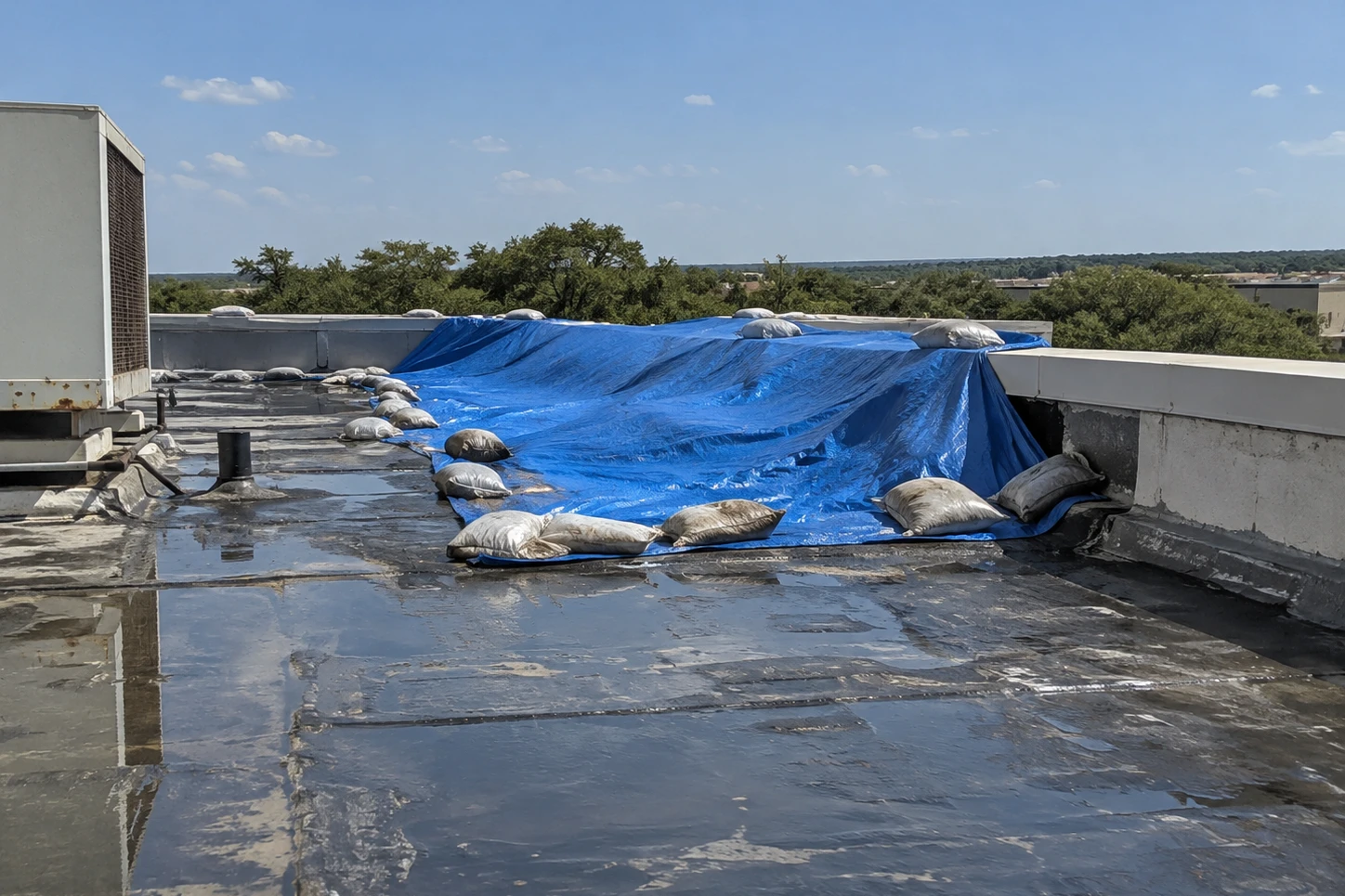
A leak during occupancy needs a calm, fast sequence. The front desk records the room, the time and what is wet. The room is taken out of service, belongings are moved and the area is protected. A crew goes to the roof, finds the likely source, and makes it safe with tape, a patch or a temporary cover.

Our emergency roof repair response follows that sequence and records each step with photos. The permanent repair is scheduled in the next dry period, and the file notes the room, the date and the section. If the same room leaks twice, the pattern shows, and the section moves up the replacement queue. The record also helps with insurance, since it documents what happened, when and what was done.

Aftercare matters too. When a room returns to service, we confirm the ceiling is dry with a moisture reading, not just by looking. Wet drywall and insulation above a finished ceiling can grow mold within days, and a room returned too early invites a worse problem. The reading goes into the file with the date, so the hotel can show it handled the event properly.

Work Around Guests and Events

Hotel work must avoid guests. Noise during sleeping hours, fumes near open windows and debris above entrances all hurt the stay. We schedule loud work for midday, close off the area below and keep entrances, drop-off lanes and patios clear. For large projects, we phase the roof so one wing is done at a time, and rooms below an open section are held out of inventory only during that phase.

San Marcos has demand drivers that shape the calendar. The outlet malls in the I-35 outlet and retail corridor draw about 14 million visitors a year, and Texas State University had a record 47,513 students in fall 2026, with Bobcat Stadium expanded to seat 30,000. Properties near the Texas State University district can check the academic calendar against their own. The owner's occupancy calendar tells us the busy weeks, and the roof scope fits the quiet periods. The occupied building reroofing plan sets out the sequence in writing.

Hotel Owners and Hospitality Groups

Time Roof Work to the Renovation Cycle

Hotels renovate on cycles, and the roof belongs in that cycle. When a property is closing floors for a refresh, the roof above those floors is easiest to replace. When it is rebranding, the roof can become part of the capital package. Doing the roof separately, after new finishes are in, risks a leak that ruins the work.

The roof file lets an owner see the timing. A section near the end of its service life sits in the same budget year as the renovation, and a section with years left is scheduled later. The queue lists costs and dates, and the owner can align them with the brand's renovation schedule. A hotel roof walk covers membranes, flashings, drains, mechanical curbs and the edge at every wing.

Hotel Owners and Hospitality Groups

Set the Budget Year

The deliverable is a ranked list with cost ranges for repair, restoration and replacement, and the cost of waiting. A replacement inside the city limits is designed to the 2021 International codes for building and energy.

Storms add context. What the weather service recorded at Johnson City on May 9, 2024, hail up to six inches across, came ahead of the storm over San Marcos. After an event like that, we walk the highest-consequence sections first, document findings with dated photos and separate new damage from age. The same file supports a chain-wide standard when the group also runs restaurants or retail on its properties.

Commercial Roofing Questions

What decides which hotel roof section goes first?

The rooms beneath it and the remaining service of the membrane. A leaking section over guest rooms moves up.

Can a roof be replaced while the hotel is open?

Yes, in phases, with rooms under an open section held out only for that phase.

How do you track repeat leaks?

By room number and roof section in the leak log. A second leak in the same room flags the section.

Should the roof be done with a renovation?

Often it saves cost and risk, since floors are already closed. The file shows whether the timing fits.

What happens to equipment during a re-roof?

Units are lifted or worked around, with shutdowns coordinated so guests are not left without service.

Send the Property List

Send the building list and any past roof reports, and we will sort the roofs into replace, repair and watch groups before your next budget year. Start from the contact form.

Request a Roof Assessment

Related Roofing Work

ServicesRoof SystemsIndustriesProperty TypesService AreasRoof Damage RepairCapabilitiesManufacturersAboutContactRequest a Roof Assessment555-555-5555
Call555-555-5555