555-555-5555

Retail and Restaurant Chains

A retail or restaurant roof does one thing a warehouse roof does not: it sits above a customer. A drip onto a sales floor or a stained ceiling over a dining room costs revenue the day it appears, and the brand pays for it at every location with the same problem. For a chain with sites in San Marcos, TX, the roof is therefore a brand asset, and the budget year has to carry a standard that holds across stores. The location list drives the first walk of each roof, and the replacement queue that follows weighs remaining service against the cost of a closed lane or a closed dining room.

A chain that treats each store separately pays for the same lesson many times.
Separate Retail From Restaurant

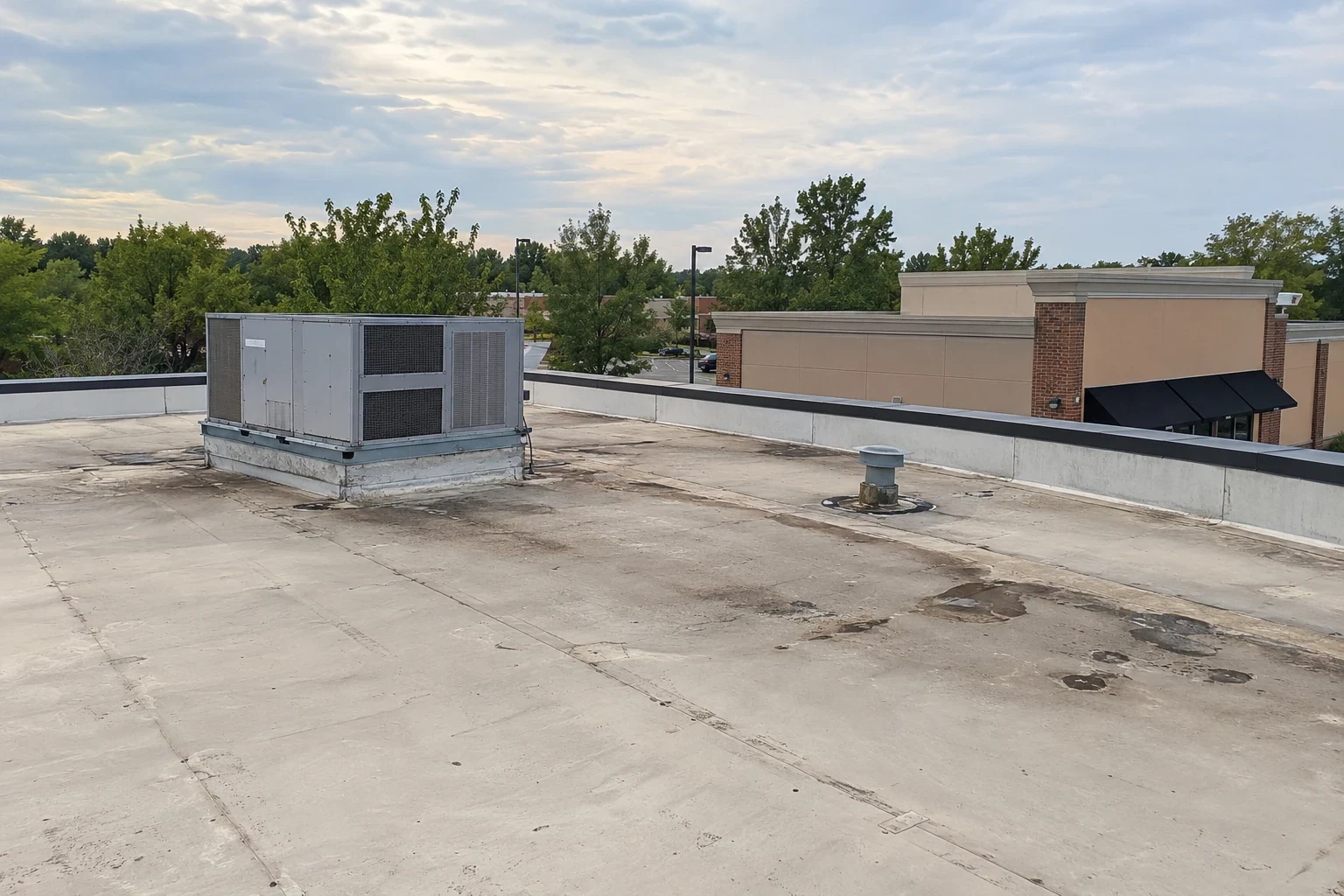
The two classes wear differently, so they are walked differently. A retail roof carries rooftop units, vents and tenant penetrations, and the stress is foot traffic and equipment. A restaurant roof carries kitchen exhaust, grease, heat and more moisture, and the stress is chemical and thermal. A big-box store adds long spans and wide fields, while a small inline shop may share a roof with neighbors.

San Marcos shows the range. East of I-35, retail runs along the corridor and the outlet malls draw about 14 million visitors a year, with San Marcos Premium Outlets and Tanger Factory Outlets employing roughly 1,600 and 1,540 people. Each location gets its own walk and its own file, since a storefront says little about the roof above it.

Retail and Restaurant Chains

Control Grease and Exhaust

Kitchen exhaust is the main threat to a restaurant roof. Hoods discharge grease, steam and heat onto the membrane near the fan, and grease softens some membranes and clogs drains. Without a catch system, the roof around the fan stains and the sheet degrades.

We inspect around every exhaust fan, looking at staining, softness, ponding and cracked sealants. Where grease reaches the roof, we recommend containment, a cleaning schedule and a protective layer at the discharge point. A restaurant roof gets this check on every visit. Drains near kitchens get extra attention, since grease can harden in a sump and block flow. The log records the condition of each fan area by date, so a trend shows early.

Cleaning methods matter. A pressure wash can force water under laps, and strong solvents can attack a membrane, so we use low-pressure cleaning and products suited to the sheet. Grease-laden debris is collected and removed, not rinsed into the drain. After cleaning we reprobe the nearby seams, because softened material shows its weak spots once the film is gone.

Manage Rooftop Traffic and Penetrations

Retail and restaurant sites see more roof visits than most buildings. Refrigeration technicians, HVAC crews, sign installers and telecom contractors all go up, and each can walk on the membrane or cut a hole. Most punctures on these roofs come from visits, not weather.

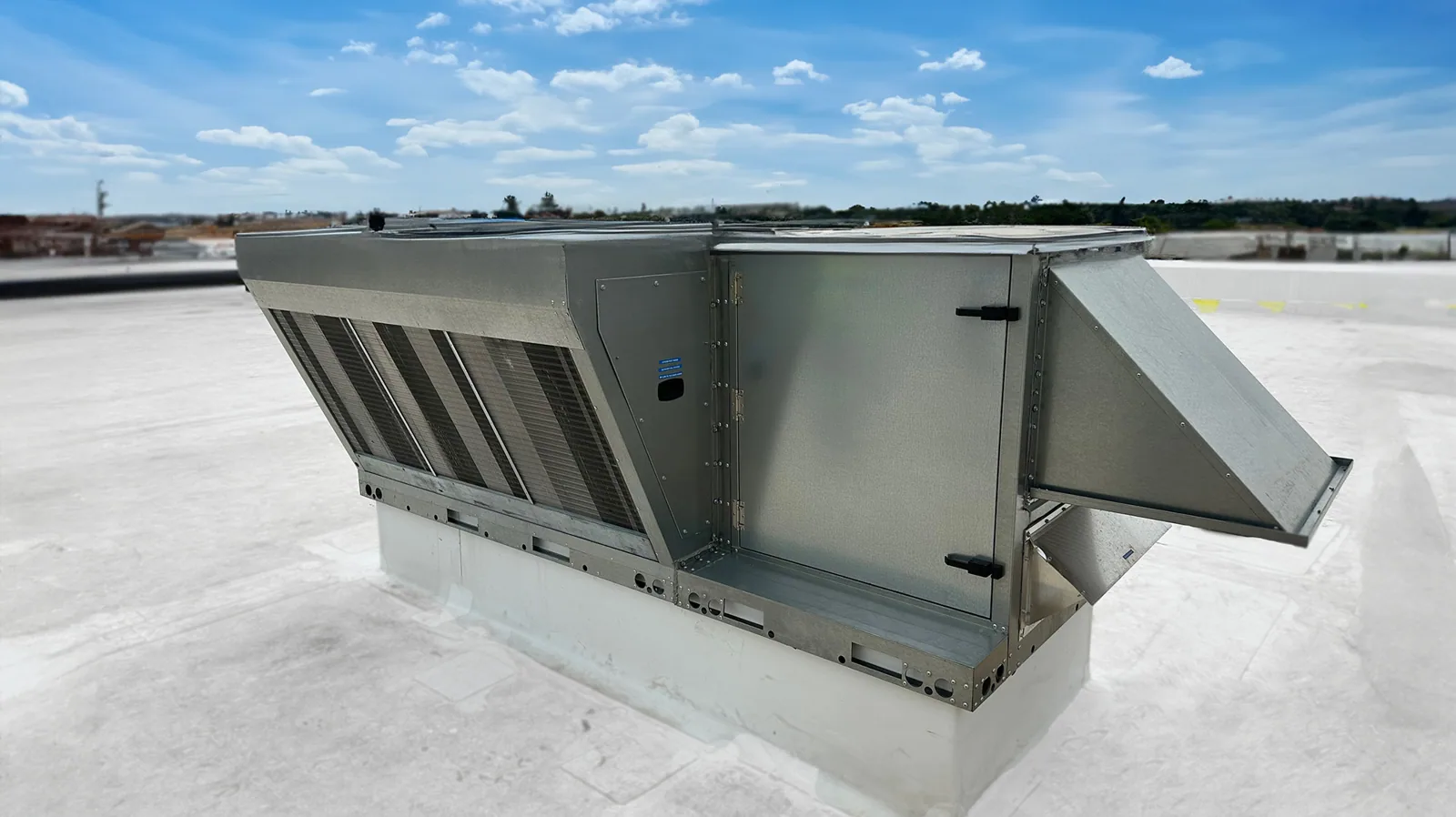
We recommend a hatch log, marked walk routes with pads and a standing rule that penetrations are made or flashed by a roofer. At a chain level, that rule goes in the vendor instructions for every store. When an extra unit is added, its curb and flashing are built to the same standard. A rooftop equipment curb check follows every unit change, because the base flashing is the first place water finds. The result is fewer leaks and a cleaner record when one does appear.

Records of visits are most valuable when a leak appears. If the log shows a refrigeration technician on the roof two days before a stain showed up over the walk-in cooler, the repair starts near that unit. If it shows nobody, the cause is more likely weather or age. Either way, the file narrows the search and saves a trip. We keep the log with the roof plan so the two stay linked.

Work Around Trading Hours

Revenue hours set the roof schedule. Retail has its busy seasons, and restaurants have meal peaks. Roof work happens early, late or in sections so customers are never under it. Noise, fumes and debris are managed so lanes, patios and entrances stay clear.

The plan names the crane pick, the debris path, the staging area and the hours. At an outlet center, where a large public stream passes through, we coordinate with property management so parking, fire lanes and delivery docks stay open. The I-35 outlet and retail corridor is the part of town where this planning matters most. When a leak does occur during trading hours, we make the area safe first, so the store can keep serving customers while the permanent repair is scheduled.

Hotels and restaurants sometimes share a parcel, and the planning for hospitality groups follows the same logic of guests below and a roof above. Patio covers, canopies and entrance overhangs belong in the plan too, since those are the roofs customers actually look at. We inspect them for sagging, ponding and failed fasteners, and we list repairs that can be done between service periods.

Retail and Restaurant Chains

Read Storm Events as Context

Hill Country hail is the shared regional risk. May 9, 2024 brought six-inch hail to Johnson City, in a storm the weather service tracked into San Marcos. For a chain, an event like that raises the question of which stores to check first.

We answer with a field review. Once a storm has passed, each site gets walked for hail-bruised field areas and tested for wet insulation, with edges and penetrations documented. The dated photos and notes separate new damage from age, which supports an insurance claim. A chain with many locations can then prioritize: stores with confirmed damage first, stores with older roofs next, newer roofs last. Heat is context too, with August highs near 98 F at Austin Camp Mabry.

Retail and Restaurant Chains

Set One Standard Across Sites

A chain benefits most from consistency. Every store walked the same way, rated on the same scale and filed in the same format means a regional manager can compare roofs across stores and across towns. The queue shows which stores need money first and which can wait.

That is the purpose of a multi-site roof program. It also helps the landlords and managers a chain works with, since the same file can go to a property management company that controls the roof. The city adopted the 2021 International Building Code under Ordinance 2023-09, and the energy code came with it. The standard lets a chain budget by store, by year and by region with the same assumptions.

Store openings and remodels are the best time to set the standard, because a new roof detail drawn once can be reused across sites and checked against photographs afterward.

Commercial Roofing Questions

Why are restaurant roofs checked more often?

Grease and heat from exhaust wear membranes and drains faster, so the fan areas get a look on every visit.

Can roof work happen while the store is open?

Often, in sections and at quiet hours, with entrances and patios kept clear.

What decides which store gets a new roof first?

Remaining service weighted by the cost of a closed store. A leaking roof over a sales floor moves up.

Who is responsible when a vendor damages the roof?

The hatch log and dated photos show it. We record the damage so the chain can pursue the vendor.

How does a chain compare stores in different cities?

By using one inspection format and one rating scale for every roof.

Send the Location List

Send the building list and any past roof reports, and we will sort the roofs into replace, repair and watch groups before your next budget year. Start from the contact form.

Request a Roof Assessment

Related Roofing Work

ServicesRoof SystemsIndustriesProperty TypesService AreasRoof Damage RepairCapabilitiesManufacturersAboutContactRequest a Roof Assessment555-555-5555
Call555-555-5555