555-555-5555

Acrylic Roof Coatings

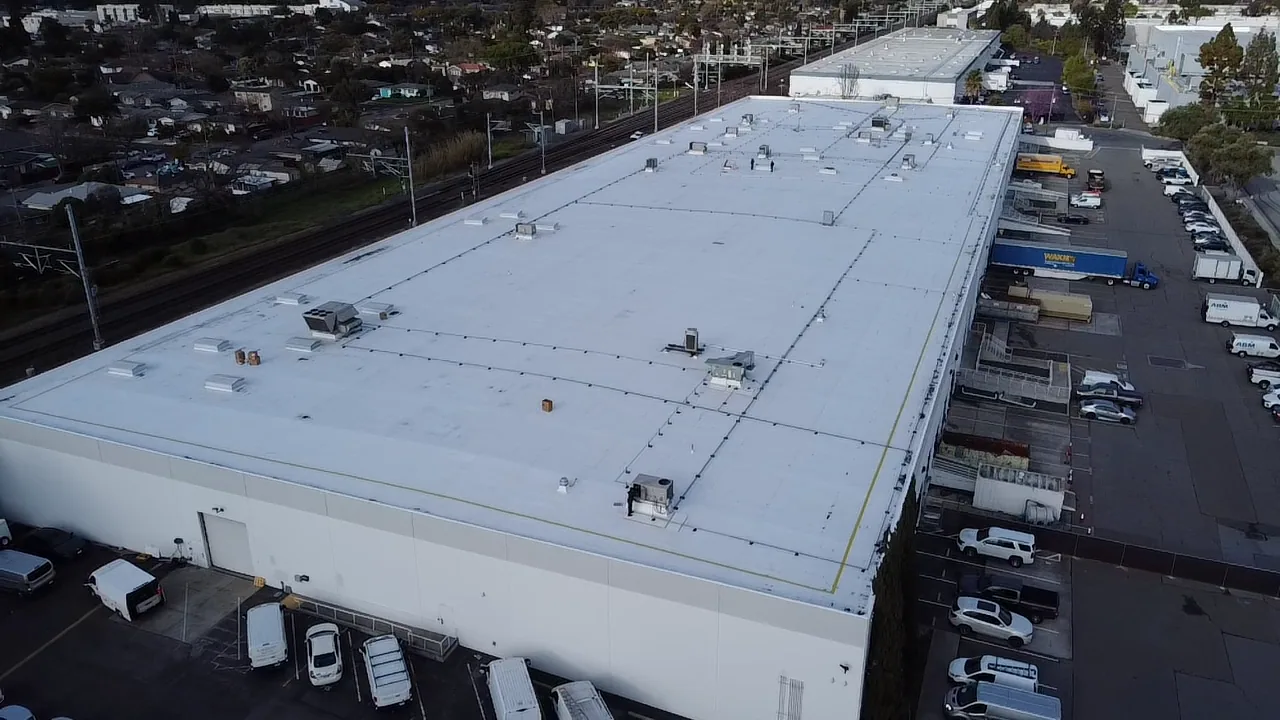
Acrylic coatings suit the building classes whose roofs drain well and whose owners want reflectivity at a modest cost: schools, offices, retail and institutional buildings, the classes found across a university campus like Texas State and around a courthouse square. In San Marcos, TX, where summer heat and long cooling seasons put real money into air conditioning, a reflective surface is a practical choice. The one thing that class does to the owner is ask whether an old roof can be extended for a few seasons for a fraction of replacement cost, and an acrylic system is one of the most common answers.

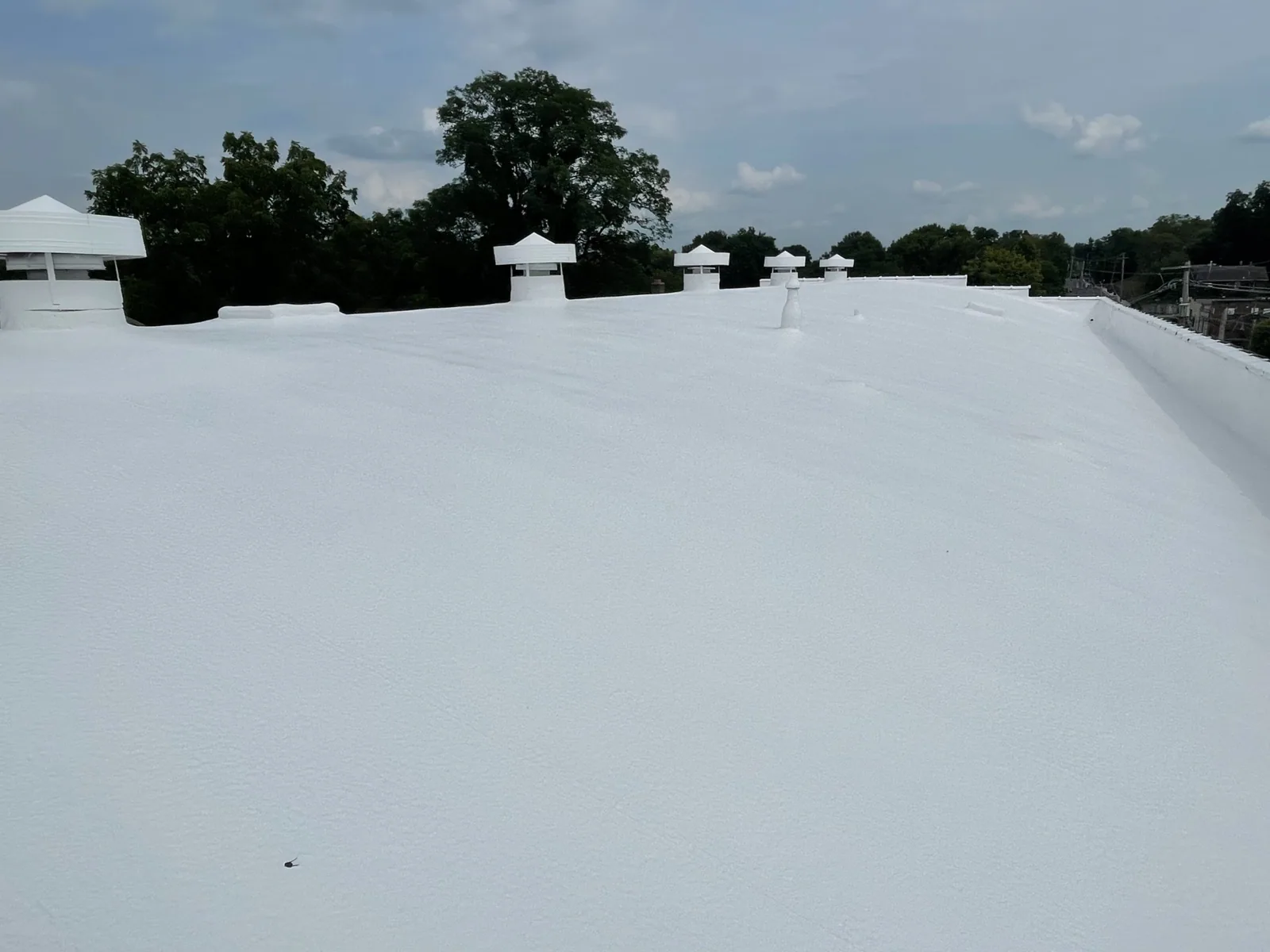
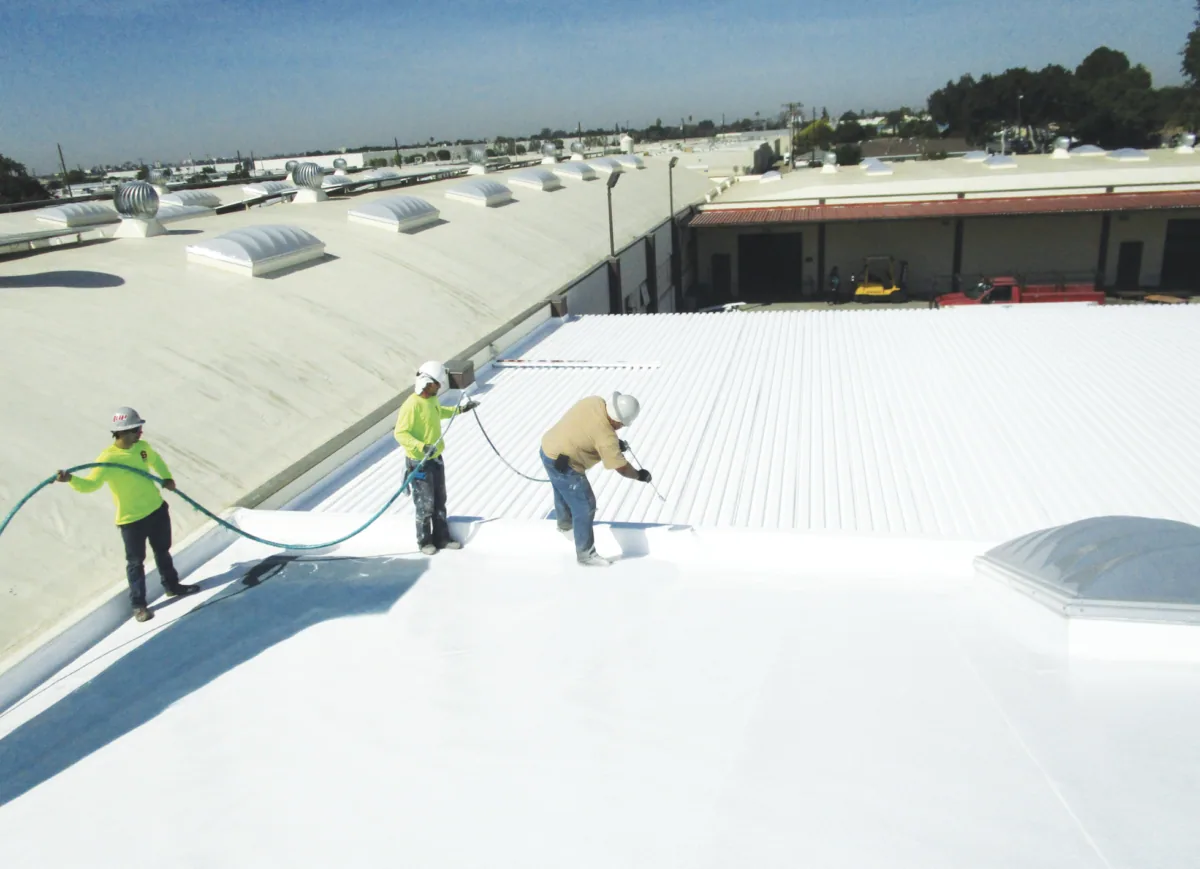
An acrylic roof coating is a water-based liquid applied over a clean, sound roof surface. It cures into a flexible white film that reflects sunlight and seals small defects. It does not repair a failing roof, and its limits are as important as its benefits.
What the system is

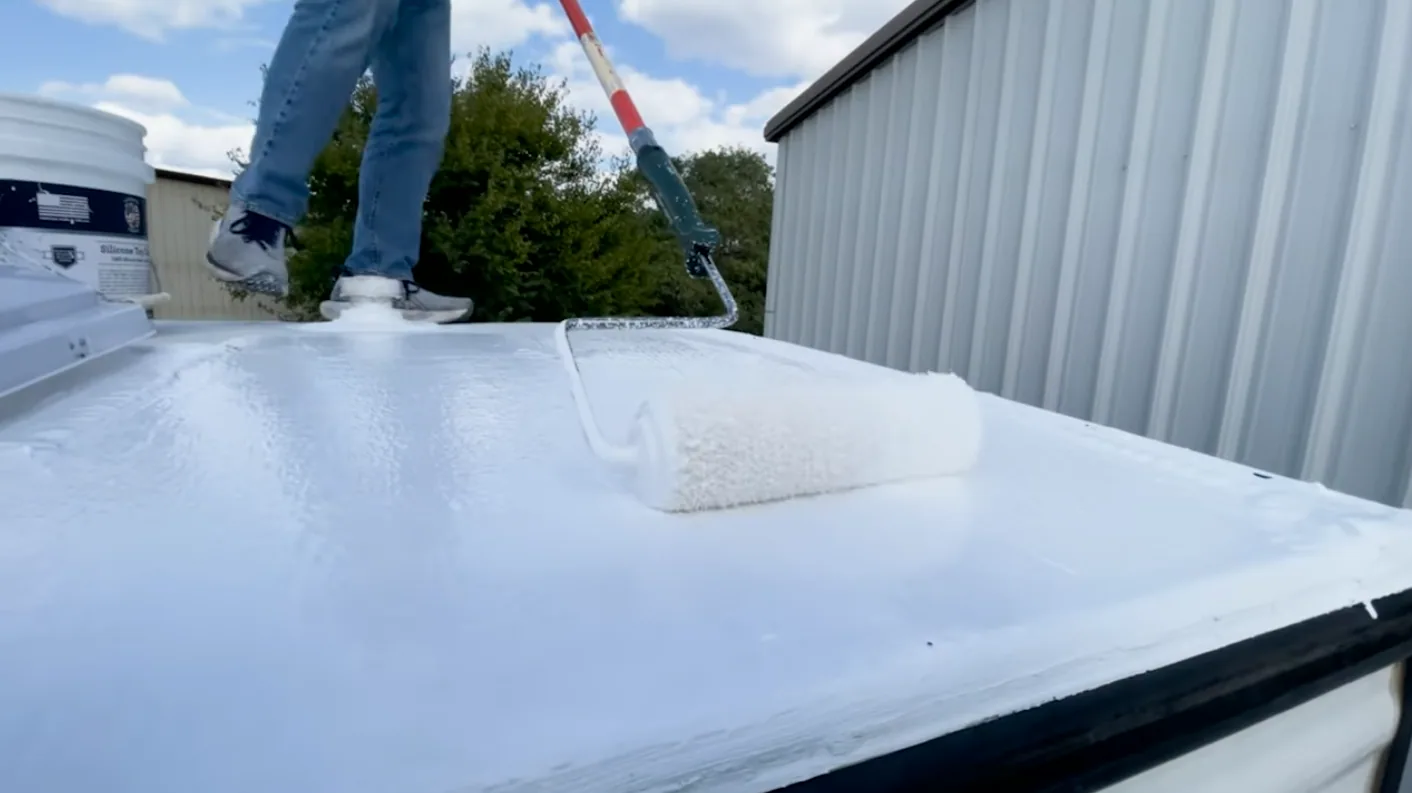
An acrylic job follows the same sequence as other coatings: clean, repair, prime if needed, then coat. Pressure washing removes dirt and mildew. Seams, flashings and fasteners are repaired. Reinforcing fabric and mastic go over seams and details. The coating itself goes on in one or more coats, brushed, rolled or sprayed, to the thickness the manufacturer specifies for the substrate.

Acrylic cures by evaporation, so weather matters. It needs a dry surface, moderate temperatures and enough hours without rain for the film to set. A storm that arrives before cure can wash out an uncured coat, and cold or damp nights slow the process. We schedule coating for stable weather and keep the forecast as a working tool, not a hope.

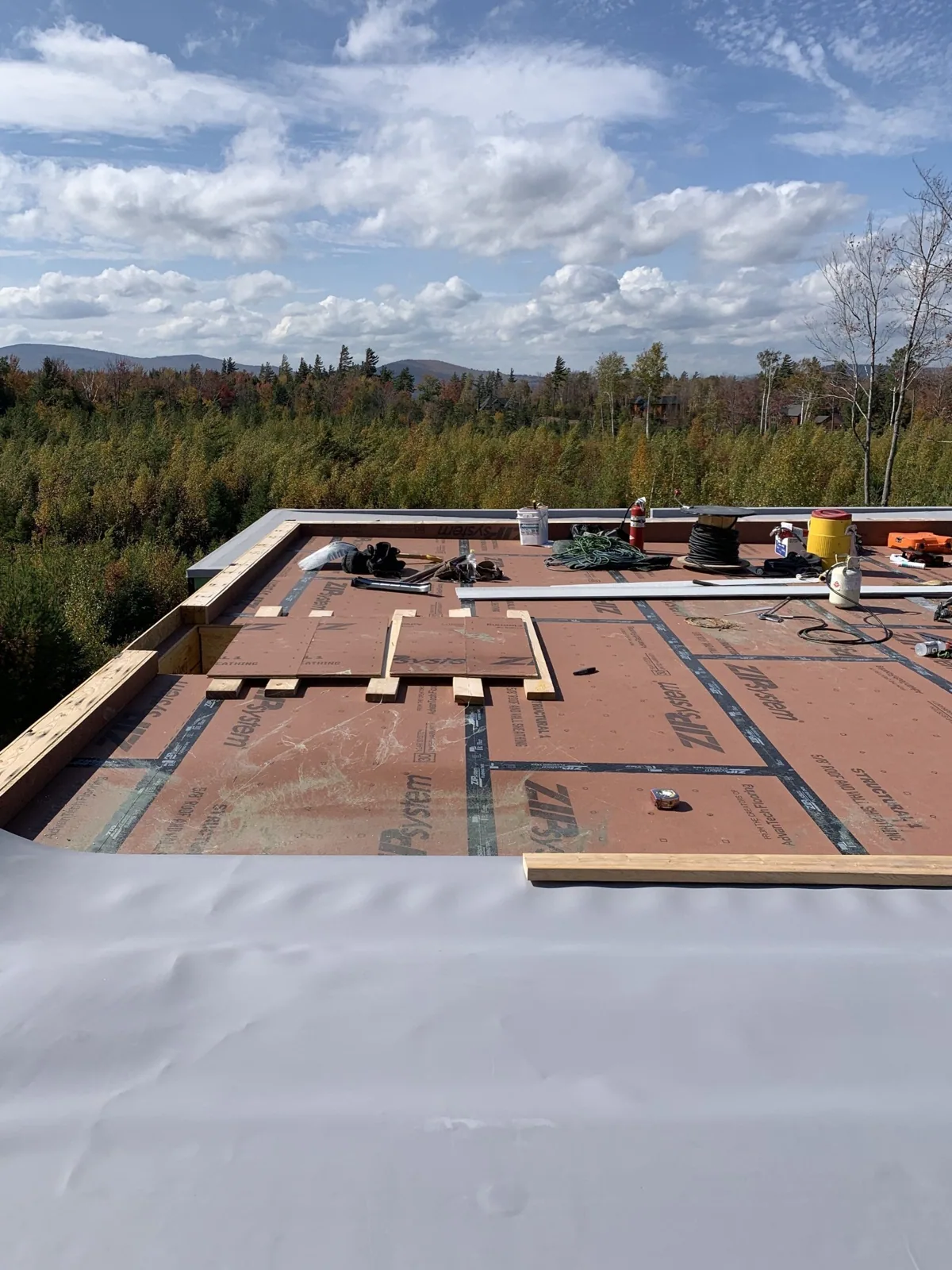
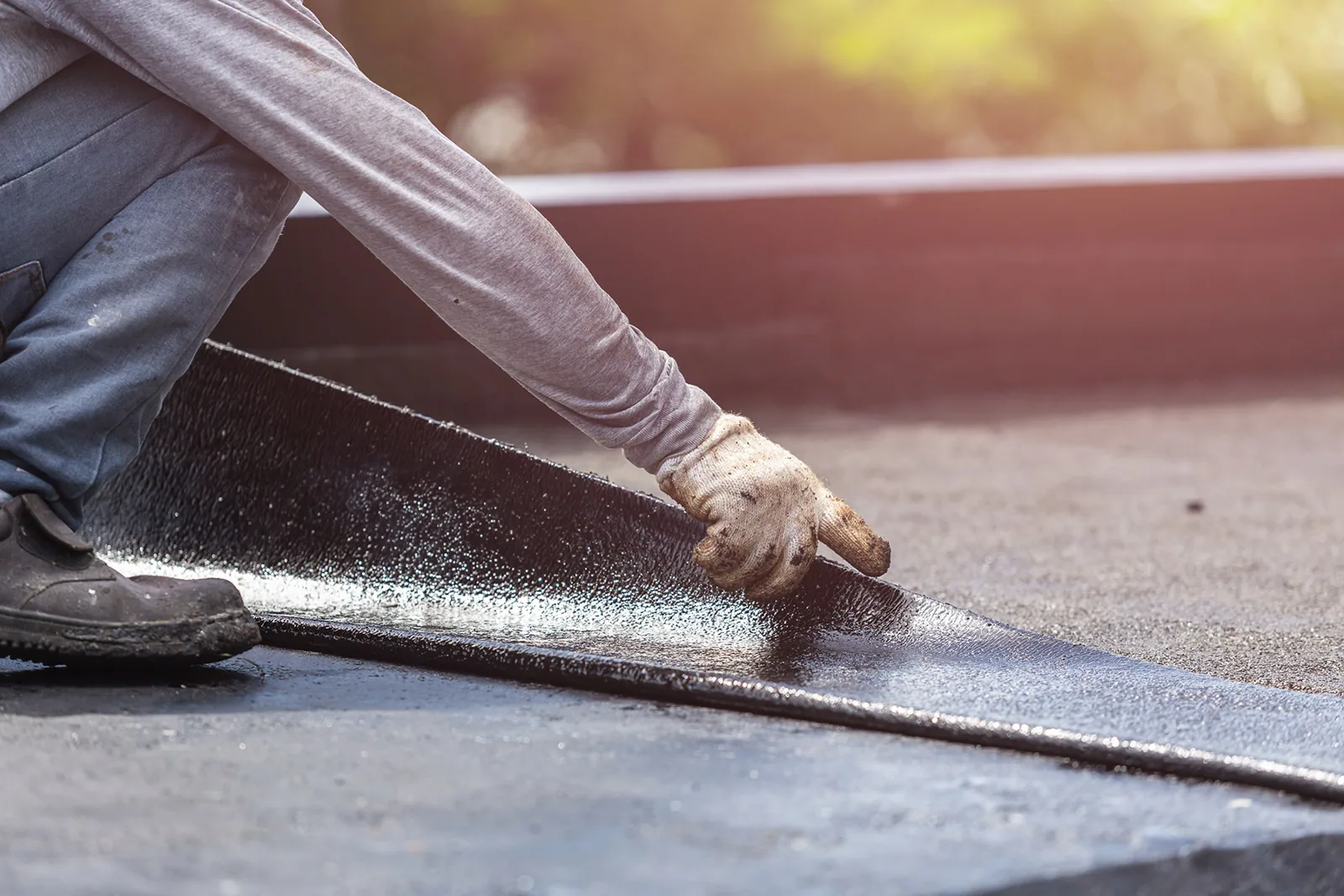
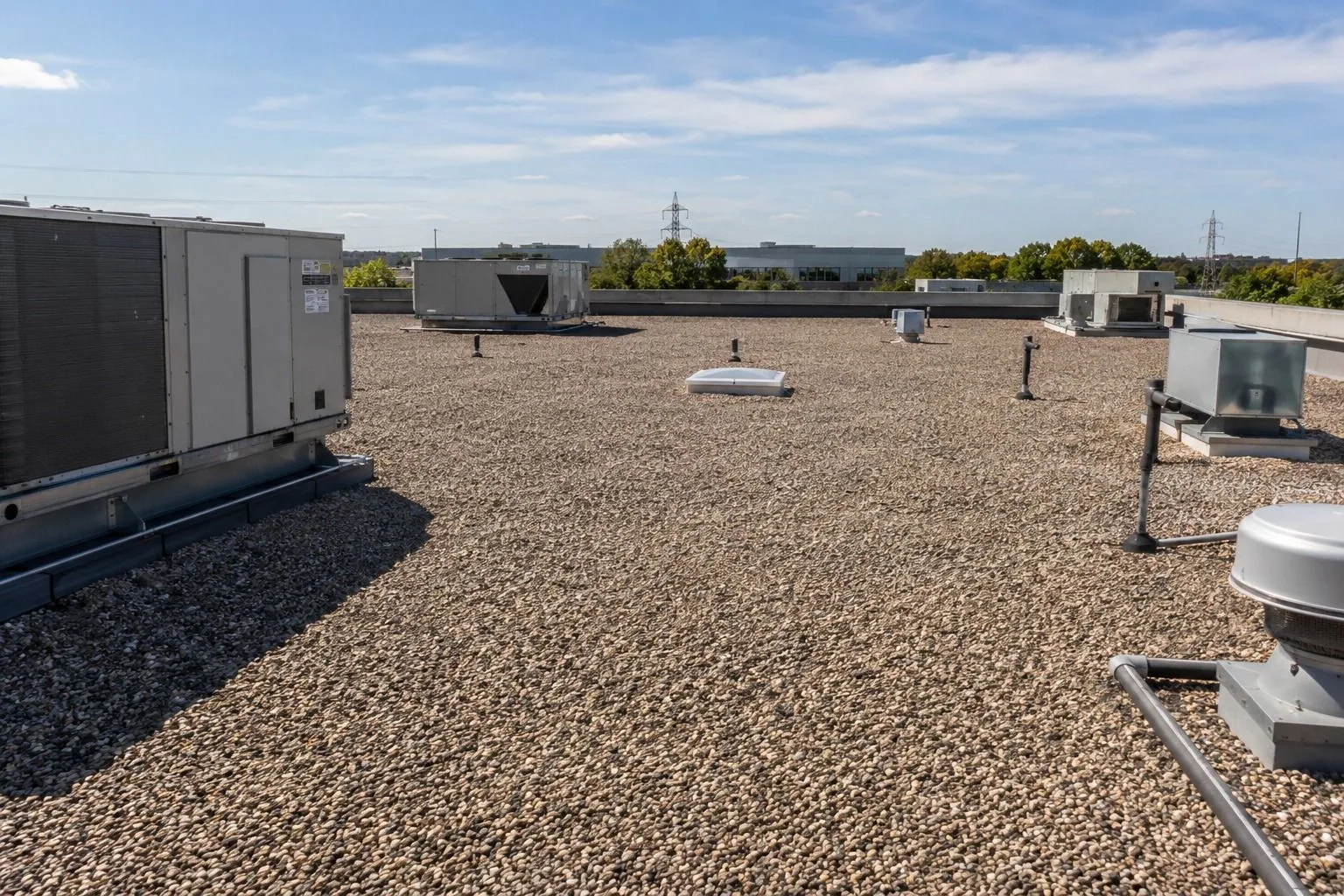
Substrates change the details. On a single-ply roof the coating bonds to a cleaned, primed surface. On spray foam it forms the protective skin the foam depends on. On a built-up roof it seals the gravel or cap sheet. On metal, rust must be treated before the coat, and fasteners must be tightened or replaced so the film does not crack over a loose head.

Rain is the main schedule risk, since an uncured acrylic film can wash out before it sets. That is why coating crews watch the afternoon forecast, start sections early in the day and hold the last section when a late storm is possible, rather than leaving a wet edge exposed overnight.

Acrylic Roof Coatings

Where acrylic stops

Acrylic's main limit is standing water. A coating that sits under a pool for days can soften, blister or wash away, so acrylic belongs on roofs that drain. A roof with ponding should have the drainage improved first, or be coated with silicone instead, which tolerates water better.

The second limit is the substrate. Acrylic bonds well to many smooth membranes, metal, built-up roofs and foam, but not to everything, and an adhesion test confirms the match before the roof is committed. Wet insulation is the third limit. A coating cannot dry a wet roof, and it will trap moisture that is already there, so moisture scans precede any coating job.

Temperature also limits the work. Applying acrylic in cold weather or on a hot, sun-baked surface harms the film, because it can skin over or crack. In Central Texas that means most coating work is scheduled in spring and fall, with early-morning starts in summer. We record surface temperature and humidity at application and keep the log with the building file.

What wears first

Acrylic films thin with sun, rain and traffic. Dirt and mildew collect on the surface and lower reflectivity. Edges, seams and penetrations lose coating first, since thickness is hardest to keep there. A film that has thinned enough shows the substrate through it, and that is the signal to recoat.

Heat is the background load. August afternoons average near 98 F at Austin Camp Mabry, the nearest long-running weather station, which is the regional measure of summer load. A reflective surface lowers roof temperature compared with a dark one, and that reduces thermal movement in the membrane beneath. We measure thickness at set points on a grid and record them, so recoat decisions rest on readings.

Edges and drains are the weak points. Water running along a parapet or settling at a drain sump attacks the film there first, and traffic paths to rooftop units wear it from above. We recommend walkway pads along those paths, and we clear drain strainers at every visit. A small repair coat at a worn edge costs little, and it keeps the main film intact for longer.

Hail and weather limits

Acrylic is a thin film, and hail can crack it. According to the weather service, Johnson City saw six-inch hail on May 9, 2024, and the storm then reached San Marcos. After a storm, we scan coated roofs for cracked film, wet insulation and dented substrate.

Hail-bruised areas are repaired first, then recoated. If damage is widespread or the substrate is crushed, the roof leaves the coating group and joins the replacement queue. We state that outcome plainly, because a coating cannot restore a failed assembly.

Acrylic Roof Coatings

Coat, repair or replace

The decision follows the condition of the substrate. A dry, bonded roof with sound seams is a coating candidate, and a roof coating restoration can extend its service. A roof with wet insulation in scattered areas needs sectional repair first. A roof with widespread wet board, open laps and sagging deck should be replaced.

Reflectivity can also serve energy goals. A cool roof installation is a design choice that can bear on energy-code compliance under the 2021 International Energy Conservation Code that San Marcos put in force in 2023. We confirm the applicable requirements with the building official before design.

Acrylic Roof Coatings

Where acrylic fits here

The Texas State University district centers on a campus of about 517 acres and roughly 250 buildings, and well-drained institutional roofs there are typical candidates. School roofs in the district, a class we handle under school roofing, often fit the same pattern, with summer windows for curing. Smooth metal roofs and sloped sections suit acrylic too.

For each building, we record the substrate, coating product, thickness and date, which becomes the recoat schedule.

The budget-year decision

The result is a ranked queue and a coating calendar. Wet insulation, failed seams, poor adhesion and ponding push a roof out of the acrylic group; dry readings, drainage and a bonded substrate keep it in. Costs depend on area, preparation, repairs, coat thickness, access and building use, and we price after the walk.

Recoat timing is the planning variable. A well-maintained acrylic roof can be recoated on a schedule that spreads cost across budget years, and the thickness readings show when each building is due. We note deferred areas with what to recheck, so a director can see which dollars can wait. That calendar replaces a surprise with a line item.

Commercial Roofing Questions

Can acrylic be used on a roof that ponds?

It is a poor match. Fix drainage first or choose a coating that tolerates standing water.

How long must it stay dry after coating?

Until the film cures, which depends on temperature and humidity. We schedule around the forecast.

Will acrylic stop a leak?

Only a surface defect. Wet insulation and failed seams must be repaired first.

How do I know when to recoat?

Thickness readings and condition. We measure at set points and recoat before the substrate shows through.

Does a white coating lower cooling cost?

It lowers roof surface temperature, which can reduce heat entering the building. Dirt reduces the effect over time.

Send the building list

Send the building list and any past reports, and we will sort the roofs into replace, repair and watch groups before your next budget year.

Request a Roof Assessment

Related Roofing Work

ServicesRoof SystemsIndustriesProperty TypesService AreasRoof Damage RepairCapabilitiesManufacturersAboutContactRequest a Roof Assessment555-555-5555
Call555-555-5555