555-555-5555

Fortuna Road and Yarrington Road Industrial Area

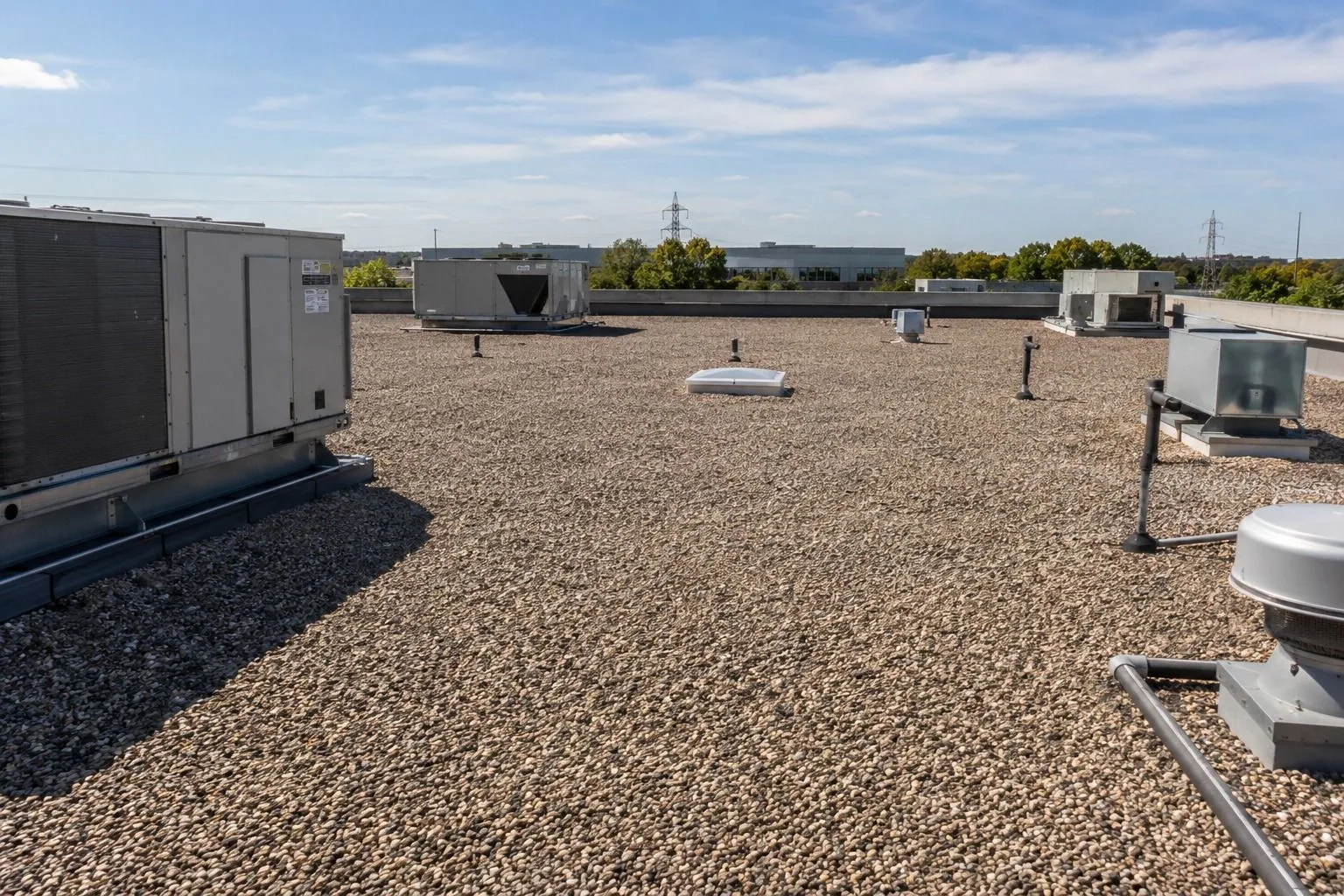
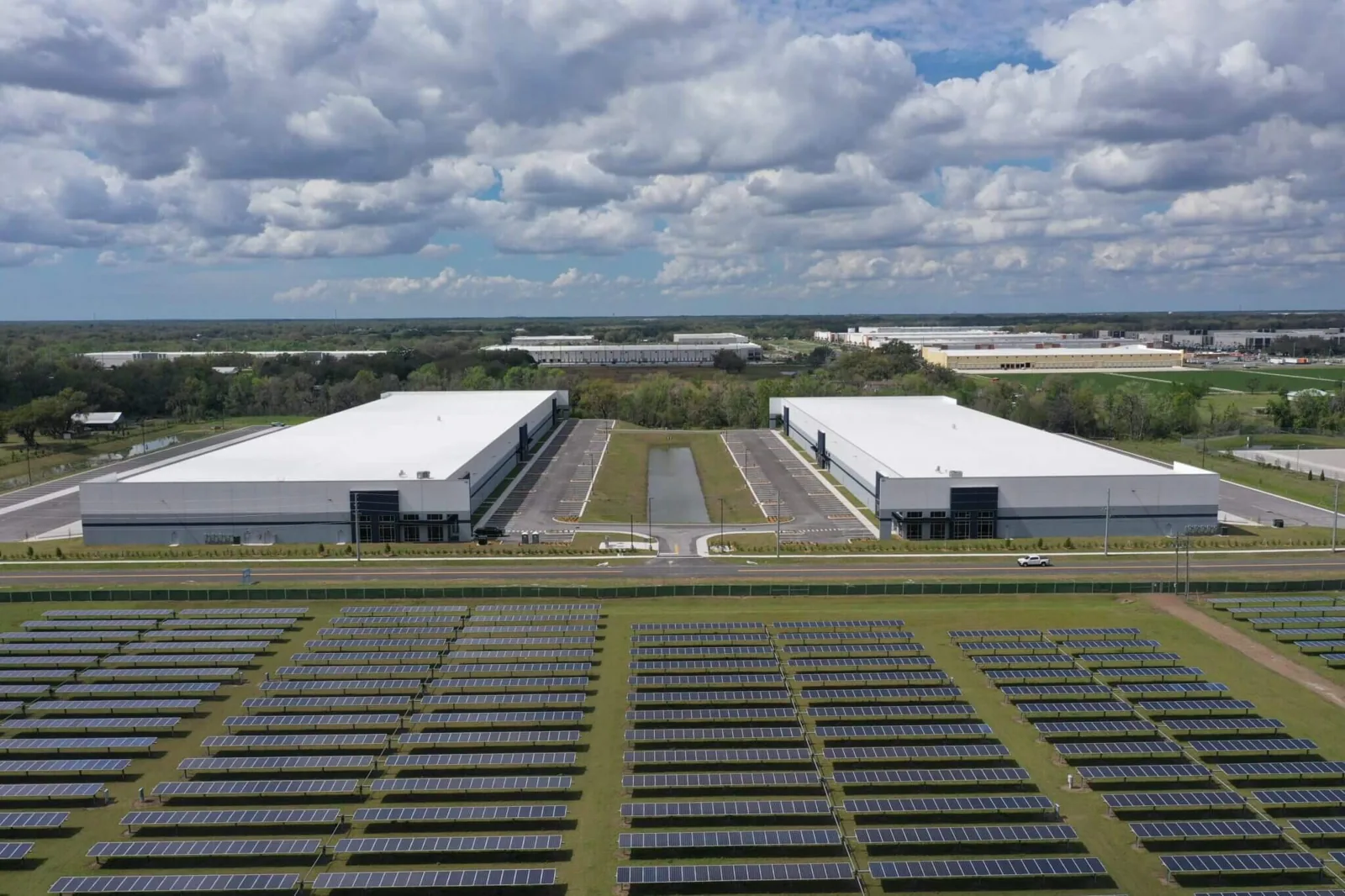
The fulfillment and distribution class does one thing to a roof that nothing else does: it makes every small defect large. A drain that clogs on a small building holds a puddle. On a building with a floor area measured in hundreds of thousands of square feet, the same clog can leave a pool across a wide sector of the deck. For an owner or operator on the Fortuna Road and Yarrington Road side of San Marcos, the budget year depends on catching those defects while they are still small.

Amazon's SAT2 fulfillment center in San Marcos is 855,000 square feet, the SAT6 delivery center was reported at 1,005,000 square feet, and another Amazon facility of over one million square feet was built on 70 acres of the Whisper development near Yarrington Road. An H-E-B distribution center, with 750 jobs, is among the city's largest employers. Floor area is not roof area, so each roof is measured on its own, but buildings of this class share a pattern that can be inspected.
Map the Drainage First

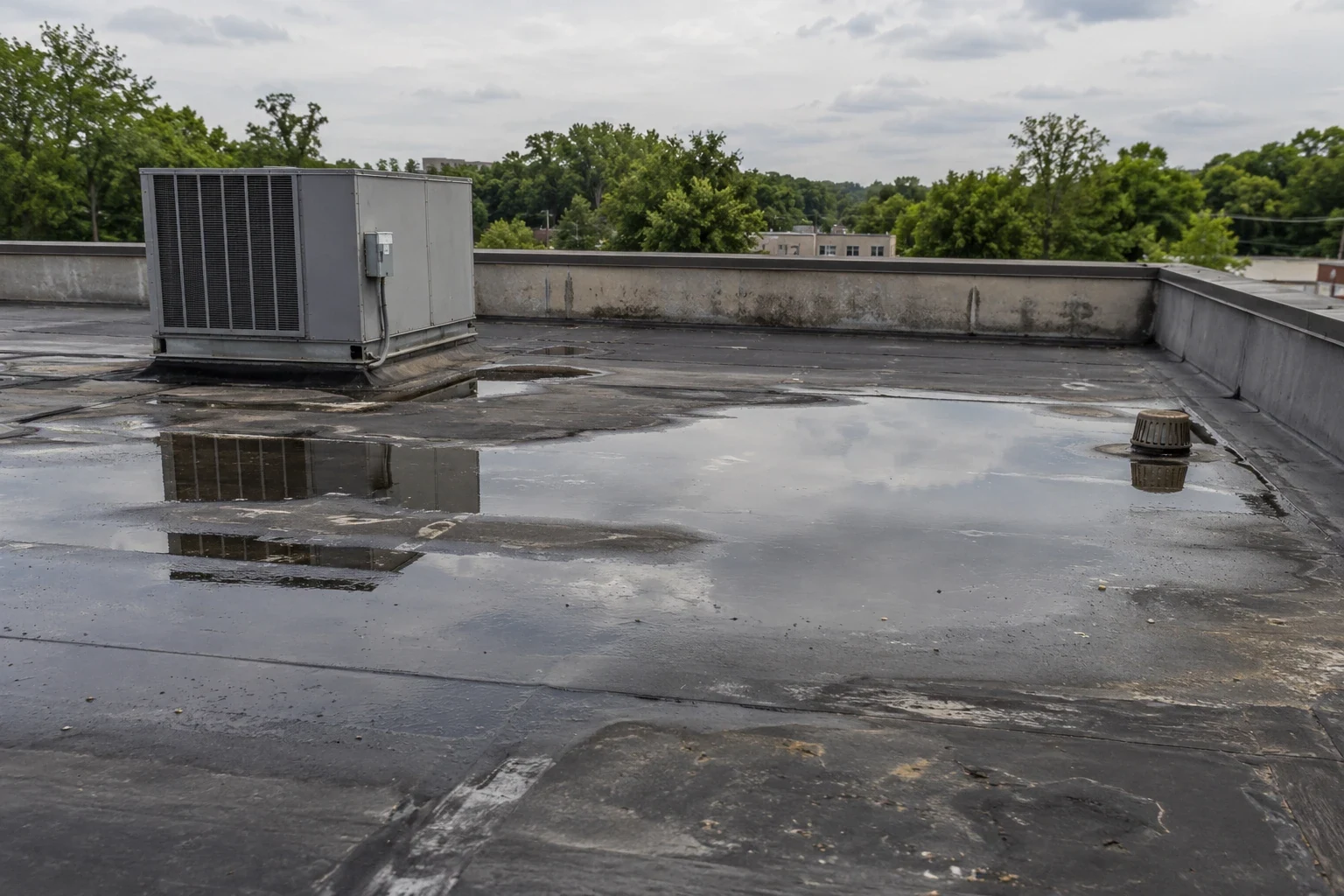
A wide, low-slope roof lives or dies by its drainage. Water needs a path to a drain or scupper at every point on the deck, and every pool that lingers longer than two days is a sign that the path has failed. We walk the roof the day after rain and mark each pool on the plan.

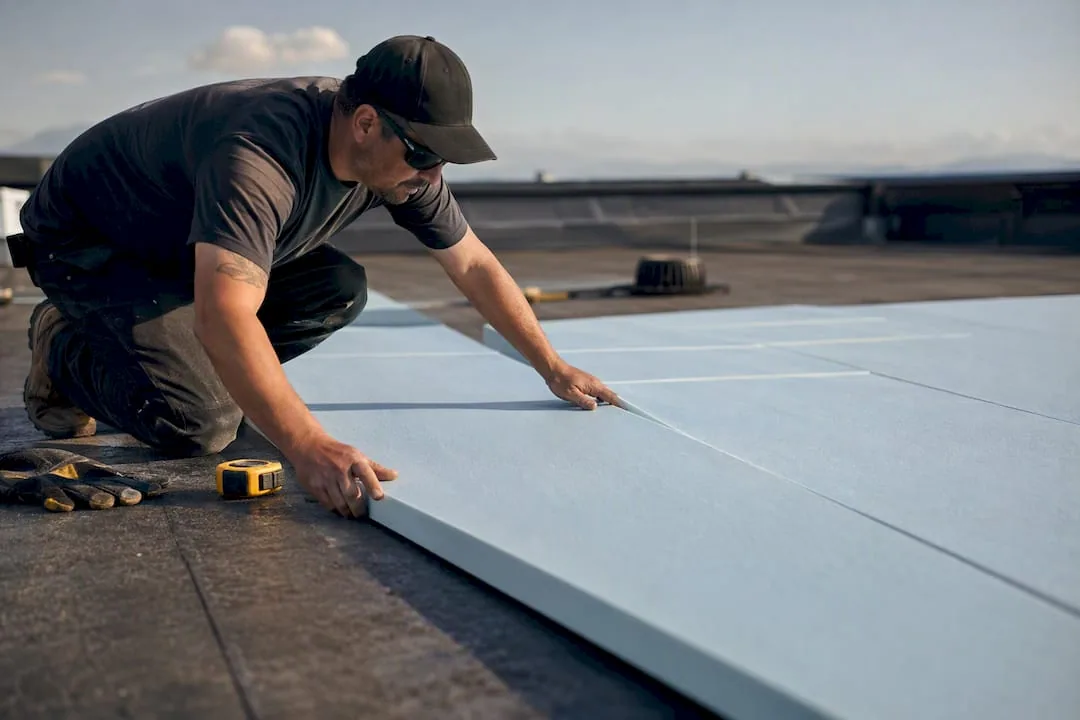
We then trace each pool to its cause. Sometimes a drain is blocked. Sometimes the deck has deflected between supports. Sometimes insulation has crushed under traffic. The cause determines the fix, from a cleared strainer to tapered insulation that adds slope. Overflow scuppers get the same attention, because a primary drain that fails with no clear overflow loads the deck with water at the worst time. A ponding water roof repair that ignores the cause fails again within a season. On the largest roofs we add a drone pass, which shows ponding lines and debris faster than a ground walk.

Fortuna Road and Yarrington Road Industrial Area

Walk the Dock-Side Edge

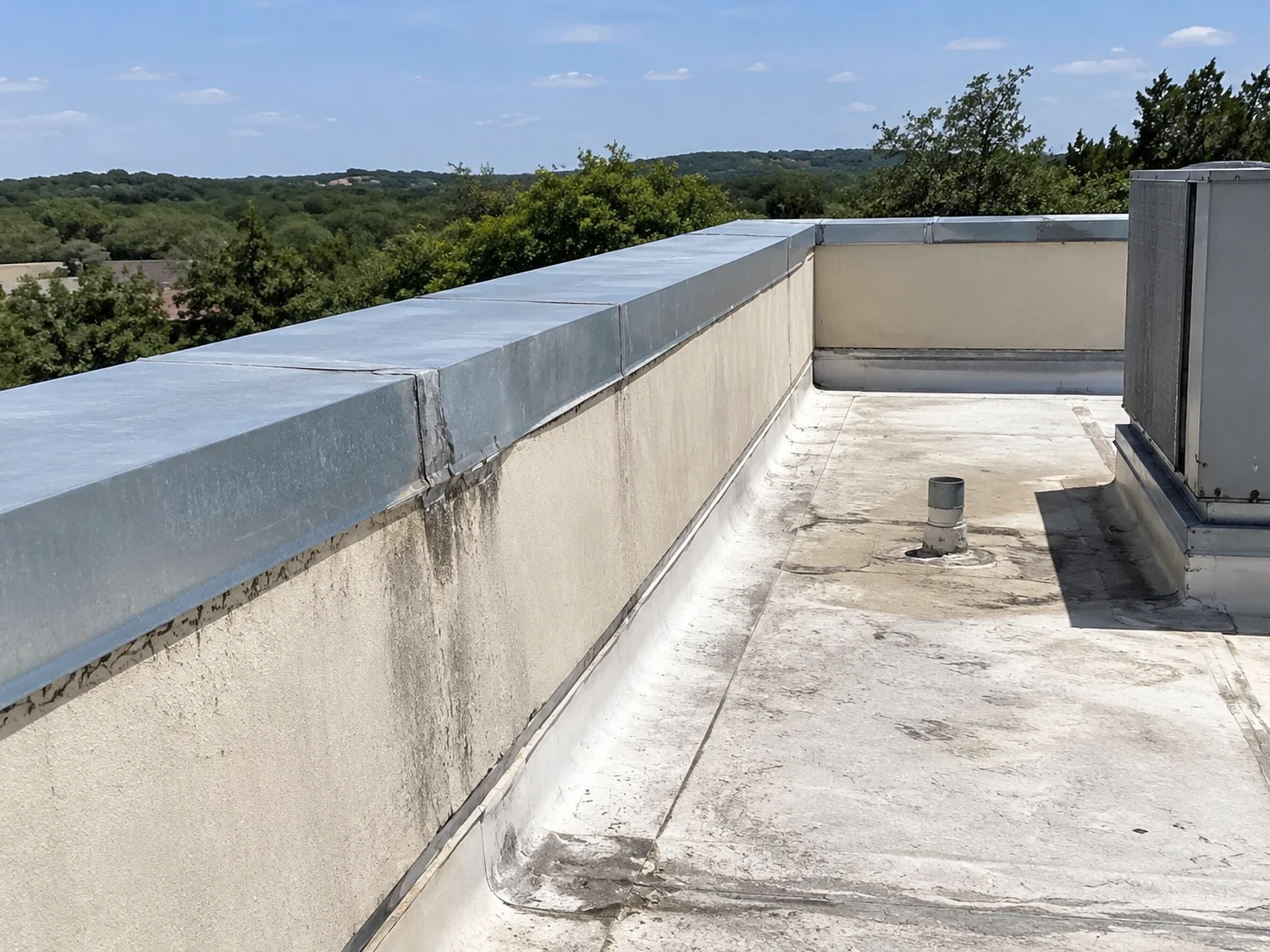
Dock-side edges carry trucks, canopies and constant vibration. The coping, termination bars and wall flashings on that side age faster than the field. We start every walk there, pressing each coping joint, probing each sealant bead and checking each fastener. On long runs, one open joint can let wind under a stretch of metal.

Wind is the second concern. Large, flat roofs generate high suction at corners and perimeters, so the first few feet from the edge carry the most load and get the most fasteners. If a perimeter fastener backs out, the sheet starts to flutter. We count and test them. The work on edge metal, coping and gutters usually pays back faster than any other line item on a distribution roof.

Trailer parking lines up against the dock side, and wheel-blown grit carries onto low roofs and into drains. A seasonal drain flush on the dock-side sectors keeps that grit from becoming a clog.

Plan Safe Access

A large roof needs a plan for people. Crews, inspectors and equipment service techs all go up. Edges need guarding, hatches need to be known, and routes need to be marked. A worker who steps off a path onto a skylight or a thin spot is a liability to the owner and a danger to themselves.

We map the safe routes and mark skylights, curbs and soft spots on the plan. We recommend walk pads along service paths and at the base of units. Our crews use fall protection on every visit, and we coordinate with the facility safety lead before we climb. On a building with an active operation below, we also agree on where lifts and material may stage, so trucks and the roof crew do not meet at the dock. A distribution center roofing plan includes those rules from the start.

Review Hail by the Field

The Hill Country shares one big weather risk: hail. A storm with six-inch hail at Johnson City on May 9, 2024 reached San Marcos afterward. That evening the weather service issued a tornado warning for downtown San Marcos.

None of that is damage on any single roof, so the field gets reviewed. A walk, a scan and a few cores show where the membrane is bruised and where insulation is wet. On a very large deck, hail damage is often patchy, and a sector-by-sector map lets the owner repair what changed and leave the rest. An infrared moisture survey across the deck turns a vague worry into a map.

Fortuna Road and Yarrington Road Industrial Area

Sort the Replacement Queue

With the inventory done, the roofs can be sorted. Replace is for sectors with widespread wet insulation. Repair is for defined problems. Watch is for sound sectors that get a scan next year. A roof can have all three groups on one deck, and phased replacement by sector is often the right answer for an operating building.

Roof work inside the city limits is held to the 2021 International Building Code that took effect in April 2023. A roof capital planning file ranks each sector by remaining service and spreads the work across years. Nearby work includes the Hunter Road and airport area and the I-35 business park corridor.

Fortuna Road and Yarrington Road Industrial Area

Time Work Around Operations

Fulfillment runs on peaks. Heavy volume around the holidays leaves little room for a roof crew, and a leak during peak is costly. We plan major work for slower seasons and keep emergency response ready year-round. A crew can respond at any hour, seal an opening and protect inventory below.

Phased sector work keeps most of the building running. Each sector is stripped, dried in and closed in a day or two, and the crew works away from active docks. We agree on quiet zones, hot-work rules and the hours when trucks have priority. The result is a roof program that fits an operating calendar. The calendar is shared with the facility manager, so a change on either side moves the other.

Respect Heat and Rooftop Equipment

Large buildings generate their own heat, and large roofs absorb the sun's. August highs average near 98 F at Austin Camp Mabry, which points to the sustained heat load a dark deck carries through summer. Sealants harden, laps open and fasteners work.

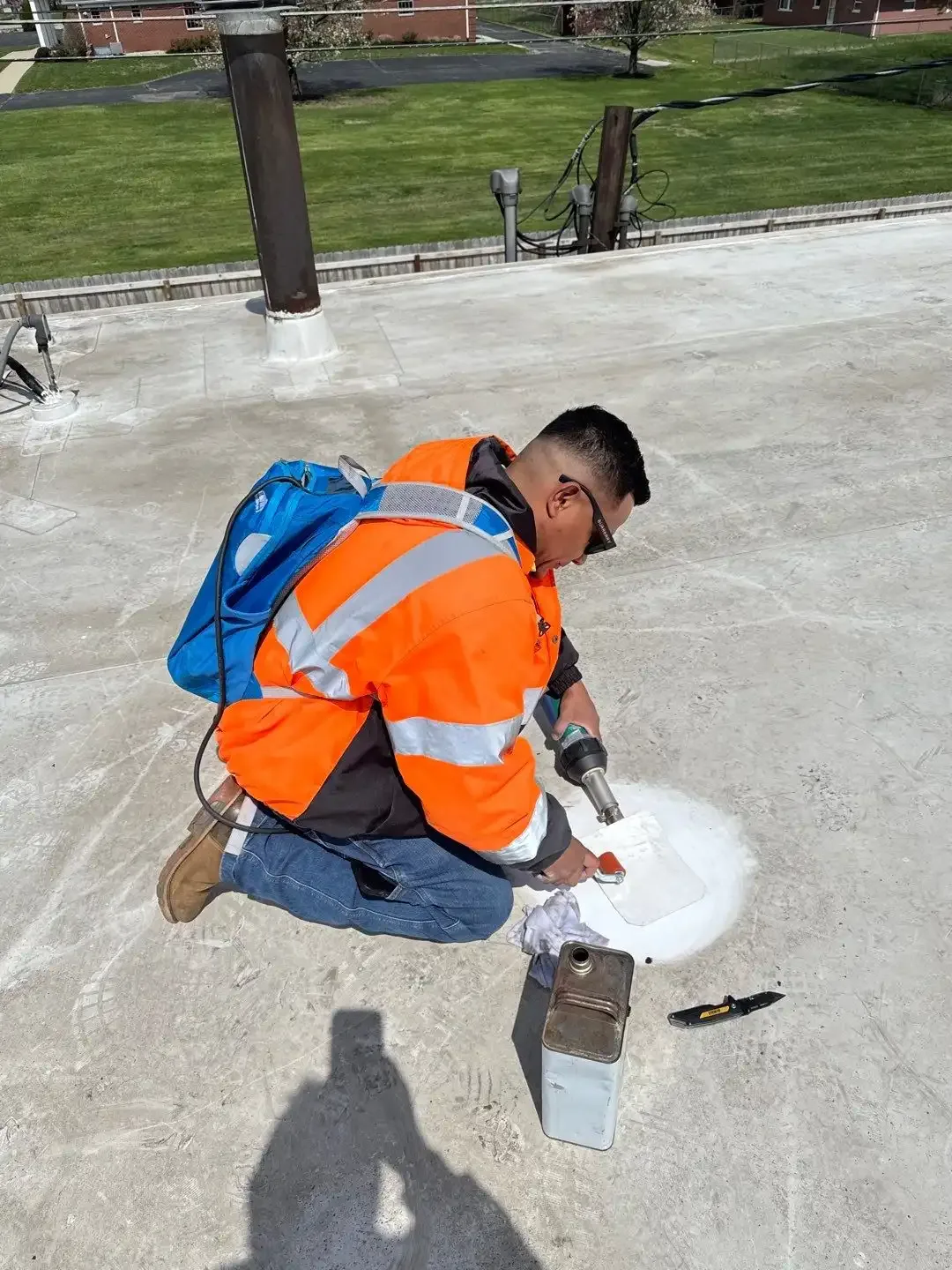
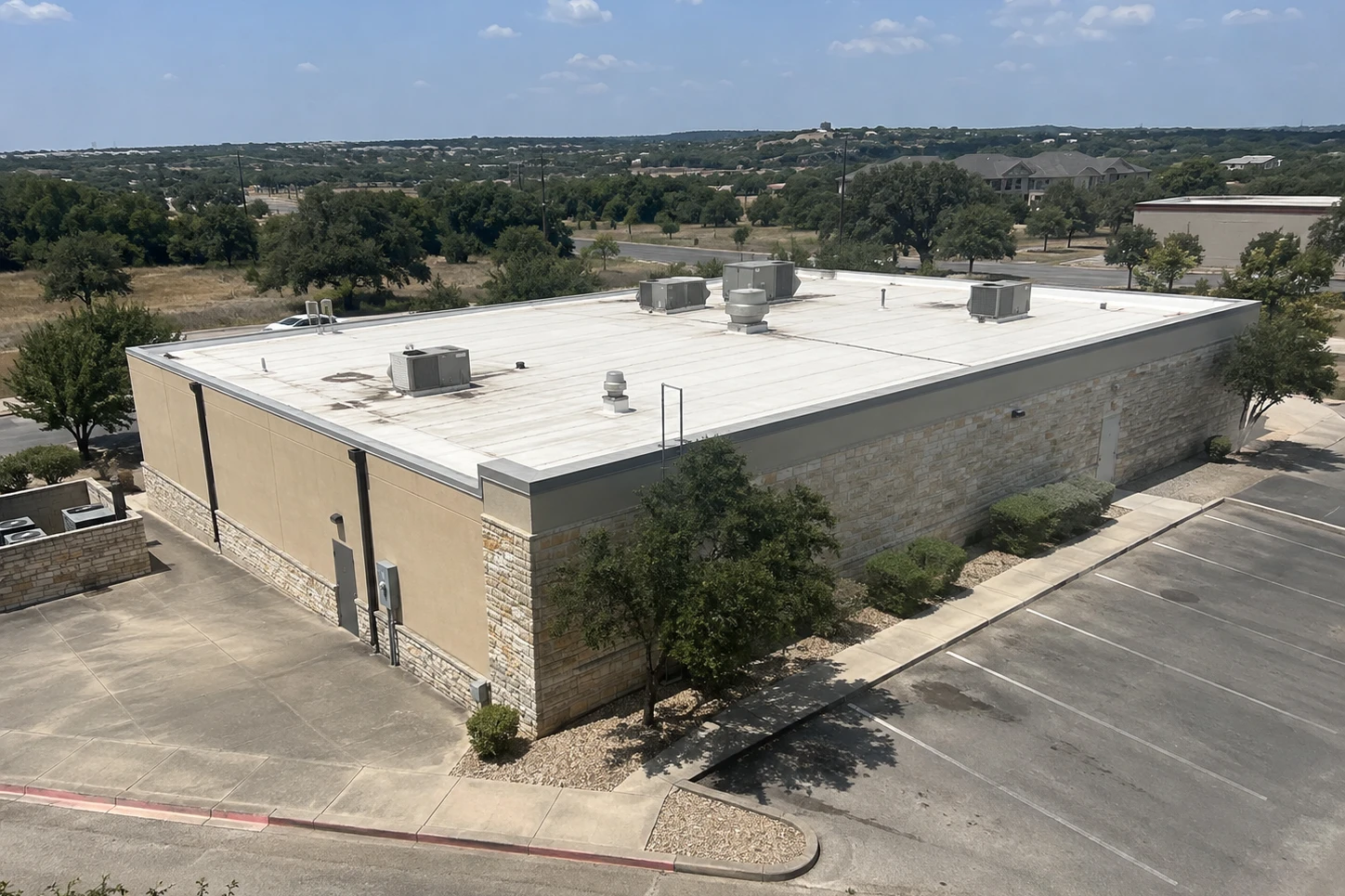
Rooftop equipment adds to it. Units shed heat, drip condensate and carry service traffic. Each curb is a joint that moves with the unit. We list every unit on the plan, check each curb flashing, trace each condensate line and note where a discharge falls on bare membrane. A rooftop equipment curbs and supports repair can stop a leak that looks like a membrane failure from below, and it often costs less than the interior damage it prevents.

Commercial Roofing Questions

What decides how a large roof is replaced?

Moisture findings by sector decide it. Dry sectors can wait, and wet sectors go first, so a phased plan fits an operating building.

How long can ponding sit before it matters?

More than two days after rain is a concern. The pool adds weight and speeds wear.

Are drones useful on large roofs?

Yes. A drone pass finds ponding, debris and open seams quickly, and a hands-on walk confirms them.

Who sets the safe access routes?

We propose them from the walk, and the facility safety lead approves.

What should I send first?

The building list and any earlier reports. We will turn them into a sector map.

Send the building list and past reports

Share the addresses and any earlier reports, and we will sort the roofs into replace, repair and watch groups before your next budget year.

Request a Roof Assessment

Related Roofing Work

ServicesRoof SystemsIndustriesProperty TypesService AreasRoof Damage RepairCapabilitiesManufacturersAboutContactRequest a Roof Assessment555-555-5555
Call555-555-5555