555-555-5555

Kyle

A fast-growing city is a building class of its own, and what it does to a roof inventory is skew it young. Roofs installed in the last decade have a different failure profile from roofs installed in the last century. They fail at details rather than fields, and they fail early if the installation was rushed. For an owner or facility director in Kyle, TX, the budget year depends on knowing which roofs are young enough to still be under paper and which have quietly moved out of it.

Kyle lies on I-35 about 22 miles southwest of downtown Austin, with SH 45, FM 150, FM 1626, SH 21 and SH 123 also serving it. The city grew from 28,016 residents in 2010 to 45,697 in 2020, with a 2025 estimate of 69,917. Hays CISD is Kyle's largest employer, and the Austin Community College Hays campus has operated there since 2014.
Check the Young Roof

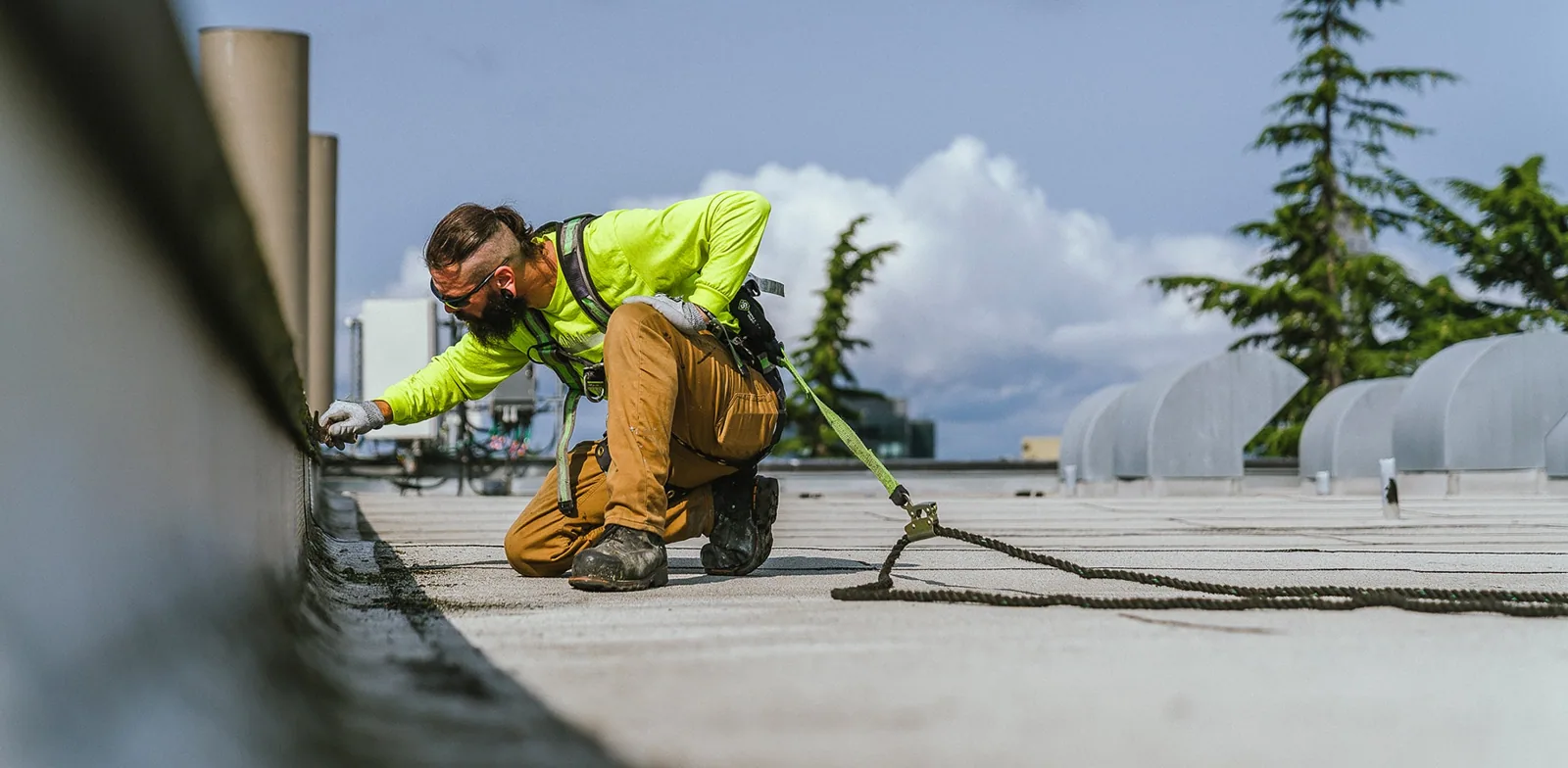
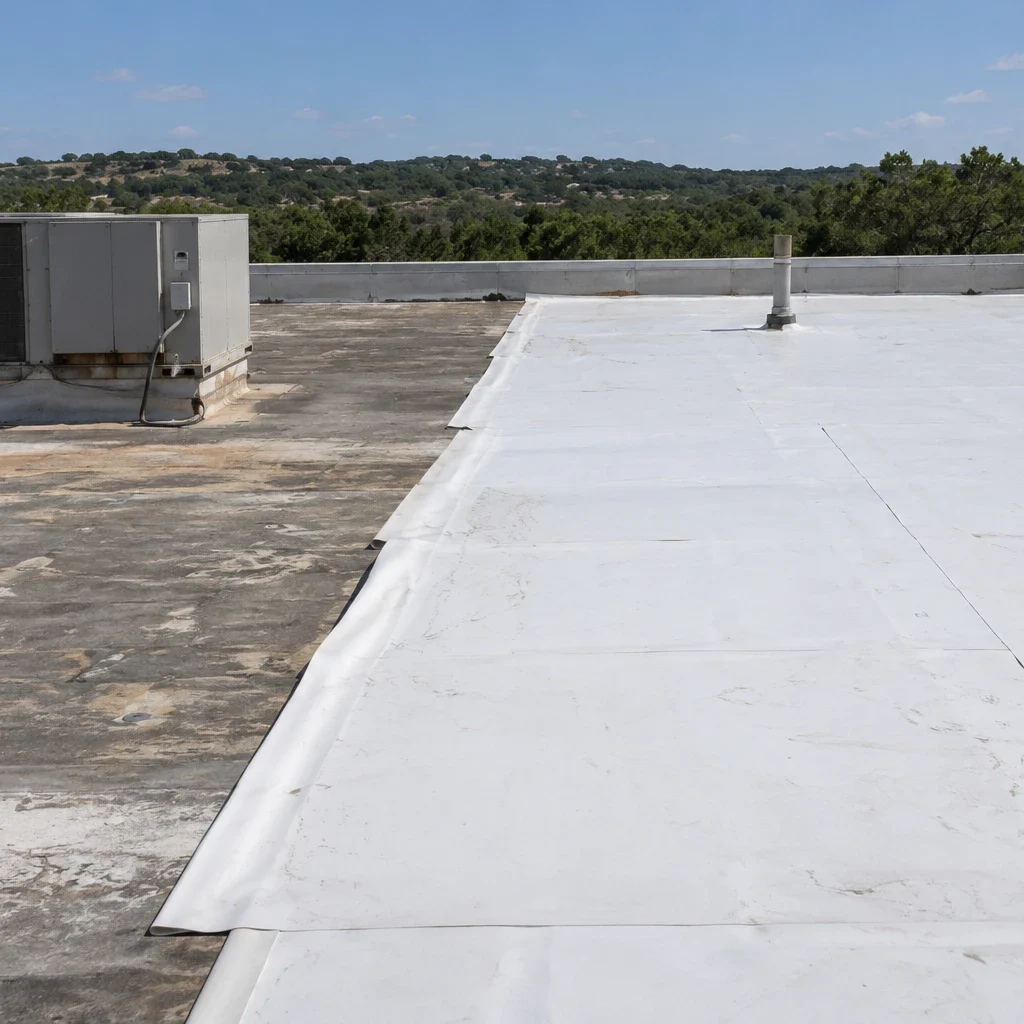
A roof under ten years old rarely fails across the field. It fails at the details. A flashing is cut short, a seam is welded cold, a fastener is driven off the rib, a drain is set a half inch high. These defects sit quietly for a few seasons, and the first heavy storm finds them.

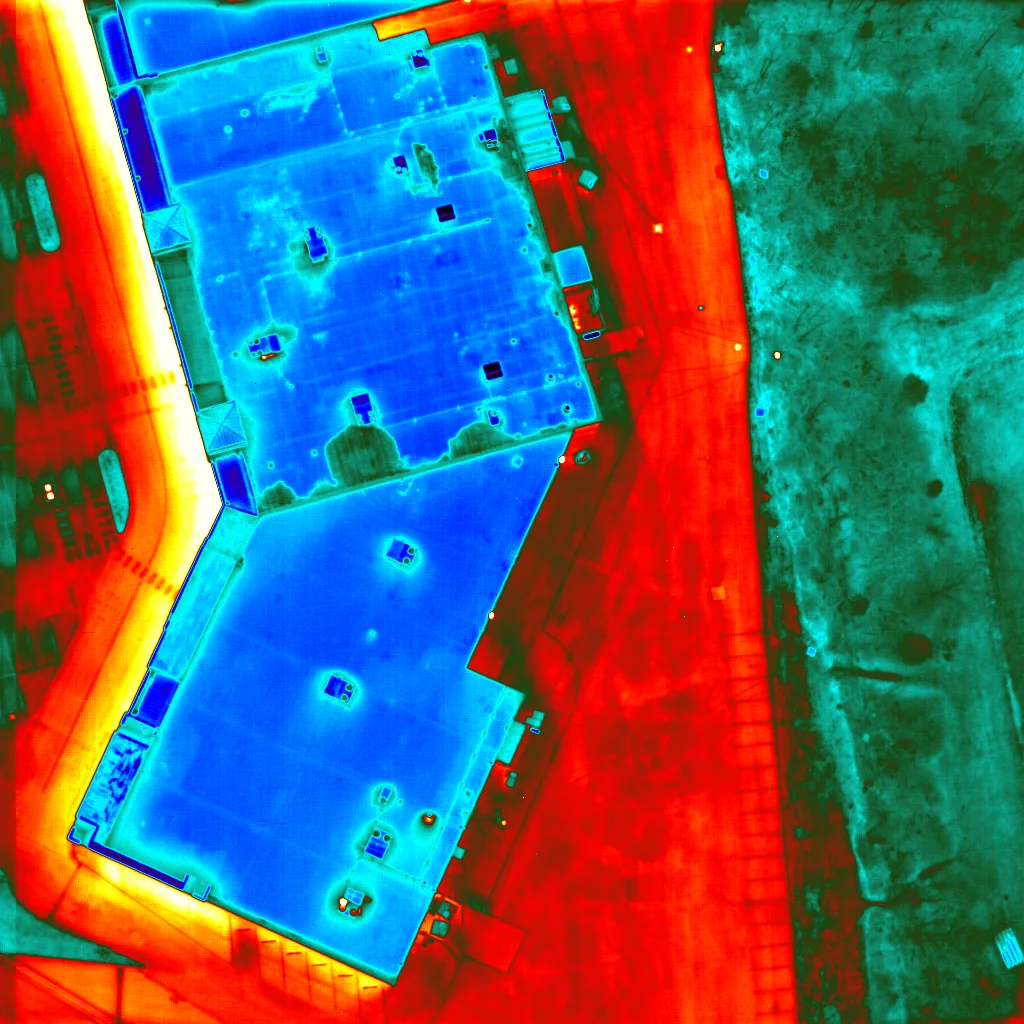
We check details first on any young roof. We walk every seam, probe the flashing at walls, look at drain rings and count fasteners at the perimeter. A moisture scan follows. A dry scan is useful, since it sets a baseline for later. If a defect is found early, the repair is small and the paper trail helps with any warranty question. An infrared moisture survey in the third or fourth year often catches the first slow leak before it shows inside.

Kyle
Kyle

Plan School and College Roofs

Hays CISD and the Austin Community College Hays campus bring institutional roofs to Kyle, and institutional roofs follow a calendar. Large work belongs in summer. Term time is for repairs on the roof surface, with crews kept away from intakes, entrances and play areas.

A school roofing scope names each phase, the staging area, the haul route, the quiet hours and the person who can pause work. A growing district may also have roofs added at different times, each with its own membrane and warranty position. We map each section and record what it is, so the facility office has a file that follows the roof and not the building name. A school district that adds buildings every few years benefits most from a single format.

School construction in a growing district often runs ahead of the roof file, so new campus roofs get a baseline walk at turnover, including drains and rooftop equipment curbs that were added late in the build.

Keep Small Commercial in View

Not each Kyle roof is a school or a warehouse. The city's growth brings retail strips, offices, medical suites and service buildings, many of them owned by investors who manage several. For those owners, a modest roof is still the largest single exposure on the building, and the budget year must include it.

We ask for the addresses and the roof ages if known. We visit, walk, scan and sort. Roofs with wet insulation across most of the area go in the replace group. Roofs with one defined problem and dry board around it go in repair. Sound roofs go in watch, with a scan next year. The groups turn into a replacement queue ranked by remaining service, and the queue turns into a plan. A multi-site roof program puts several small properties on one calendar and one report format.

Review Hail and Wind

Hill Country hail is the shared risk. The storm's hail at Johnson City on May 9, 2024, reported up to six inches across, came before its arrival in San Marcos. A Kyle roof deserves the same field review any regional owner would ask for after a storm like.

A report from another town is context, not proof, so the membrane gets pressed, wet insulation scanned for and bruises mapped on a plan. A hail damage repair scope states what was found, where, and whether it reached the insulation. A clean report is useful as well. It shows the roof was sound, which helps an owner who must answer a lender or an insurer later. We date every photo and tie it to a numbered area, so the comparison after the next storm takes minutes and not days.

Kyle

Price the Work by Scope

Cost follows scope. Roof area, access, insulation depth, deck condition and detail count all matter. A young roof with a few defects costs little. A roof with widespread wet insulation costs a great deal more. The earlier the scan, the more choices the owner has.

Hot Hill Country summers add a slow load. Camp Mabry in Austin averages near 98 F in August, which shows the heat a dark membrane carries each summer. A roof capital planning file puts those factors into a multi-year schedule.

Nearby work includes the FM 1626 medical and retail corridor and the city of Buda.

Kyle

Keep the Warranty Alive

A young roof usually has a manufacturer or installer warranty, and warranties have conditions. They ask for maintenance records, notice within a set time after a problem, and repairs by approved methods. A missed condition can void a claim that would otherwise be good.

We keep a file for each roof with the warranty papers, the installation date, the penetration list and every service visit. When a new unit goes in, the file records who cut the membrane and how it was flashed. When a leak appears, the file shows the date it was reported. A roof warranty management routine takes a few hours a year and protects a claim worth far more.

The file helps outside the warranty too. A buyer sees the history. A lender sees the plan. An insurer sees what the roof looked like before a storm.

Plan Around Operations

Kyle's growth means many buildings are occupied by tenants who need to keep working. We plan roof work around them. We ask when staff are present, where deliveries land, which rooms need protection and which areas must stay quiet. Loud work moves to slow hours. Intakes are covered during hot work. Interiors under the work area are protected.

We also limit how much roof is open at once. Each section is stripped, dried in and closed before the crew goes, with the forecast read every morning. If rain looks likely, work stops. Emergency response runs around the clock, so a leak on a weekend gets a crew and a temporary seal. The permanent repair follows after a scan shows how far the water traveled.

Commercial Roofing Questions

What decides whether a young roof needs a scan?

The age of its first leak decides it. A roof with no history can wait for a baseline, and a roof with any stain should be scanned now.

Can a new roof have defects?

Yes. Installation errors at flashings, seams and drains are common causes of early leaks.

Do school roofs need different work?

The roof is similar. The schedule, safety rules and paperwork are different.

How often should small commercial roofs be checked?

Once a year, and after any severe storm. A short walk and a scan keep problems small.

What should I send first?

Addresses, roof ages where known, and any reports on file.

Send the building list and past reports

Share the addresses and any earlier reports, and we will sort the roofs into replace, repair and watch groups before your next budget year.

Request a Roof Assessment

Related Roofing Work

ServicesRoof SystemsIndustriesProperty TypesService AreasRoof Damage RepairCapabilitiesManufacturersAboutContactRequest a Roof Assessment555-555-5555
Call555-555-5555