555-555-5555

Manufacturing Plant Roofing

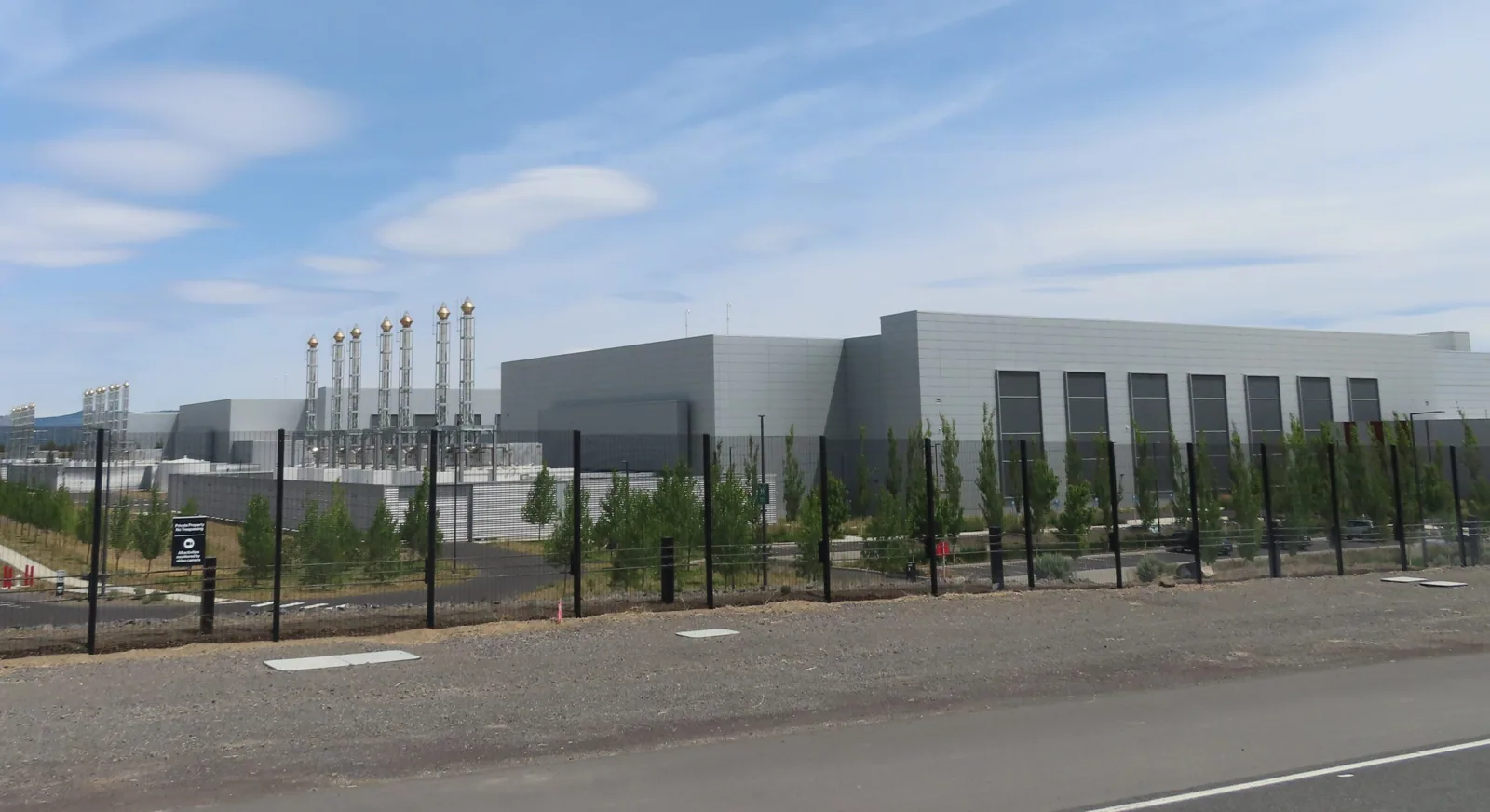
A manufacturing plant puts the roof to work in a way no other class does: it carries exhaust stacks, makeup air units, process piping, vibration and sometimes heat and chemical vapor, all above a floor where a leak can stop a line. In San Marcos, TX the larger employers include CFAN, listed at 500 jobs, and an H-E-B distribution center at 750, and for any industrial owner the roof question starts with what leaves the stacks. The one thing that class does to a roof is load it with equipment, and the owner's budget year has to account for the cost of keeping that equipment dry.

The first questions on a plant roof are what it vents, what sits below the openings, and how much downtime a leak would cause. Those answers shape the schedule, the materials and the order of repair.
The building class

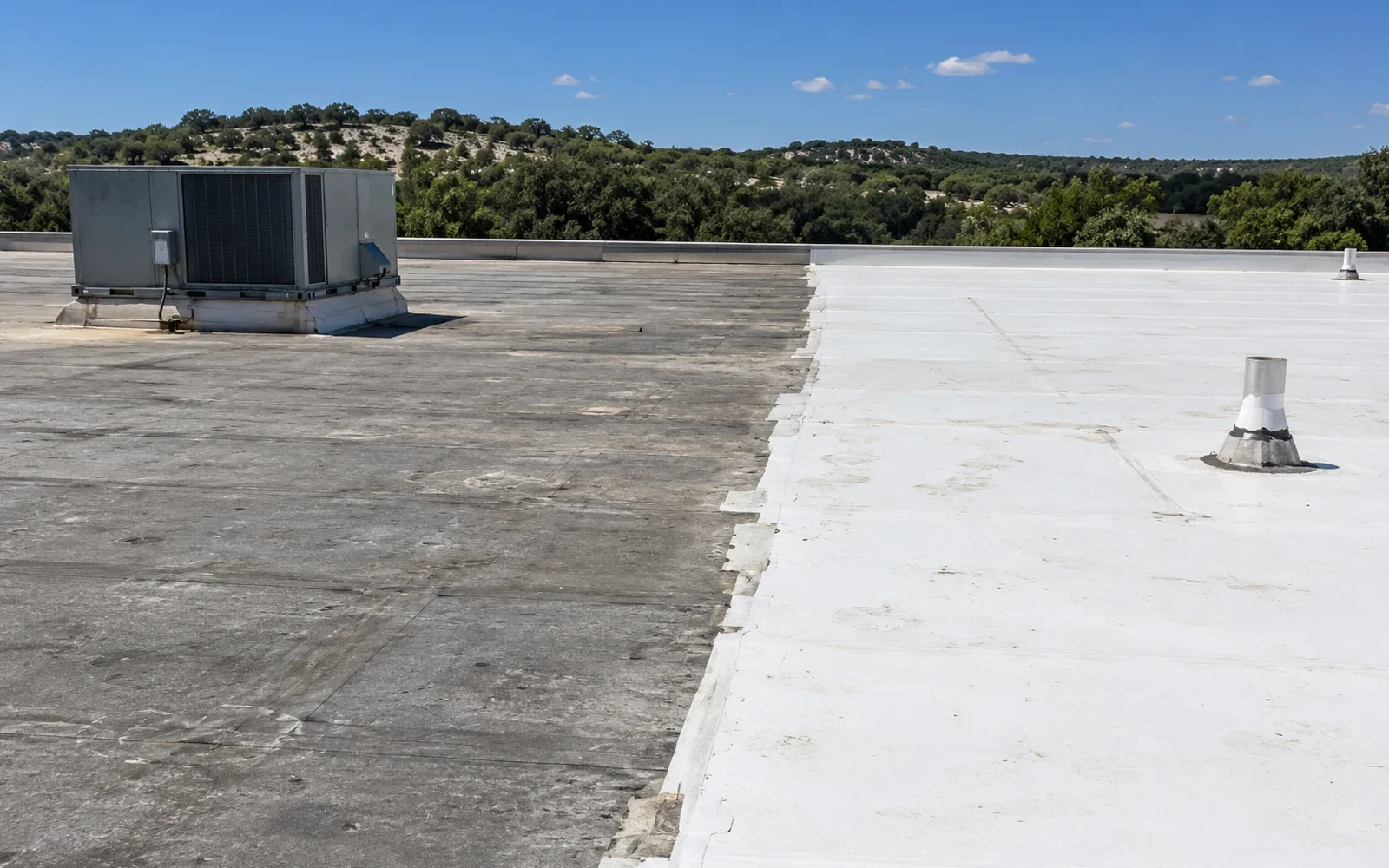
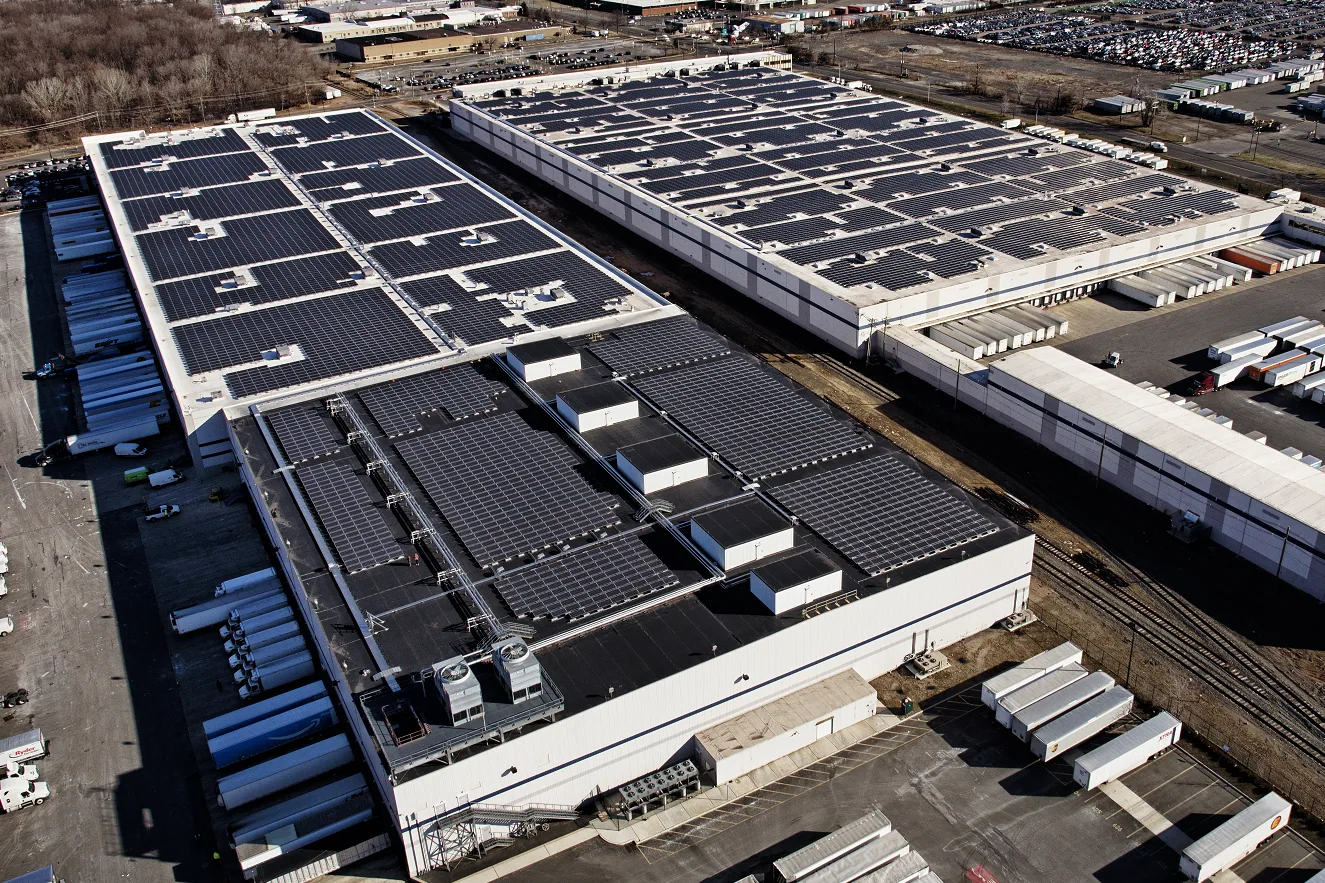
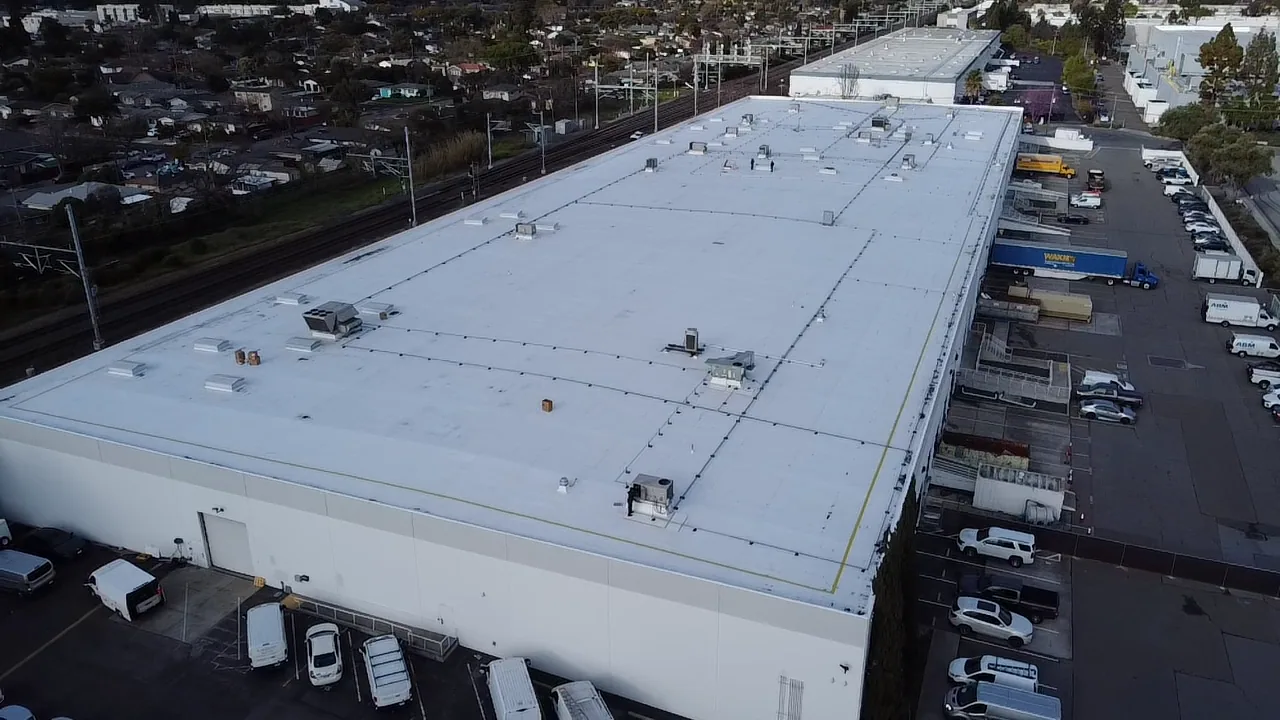
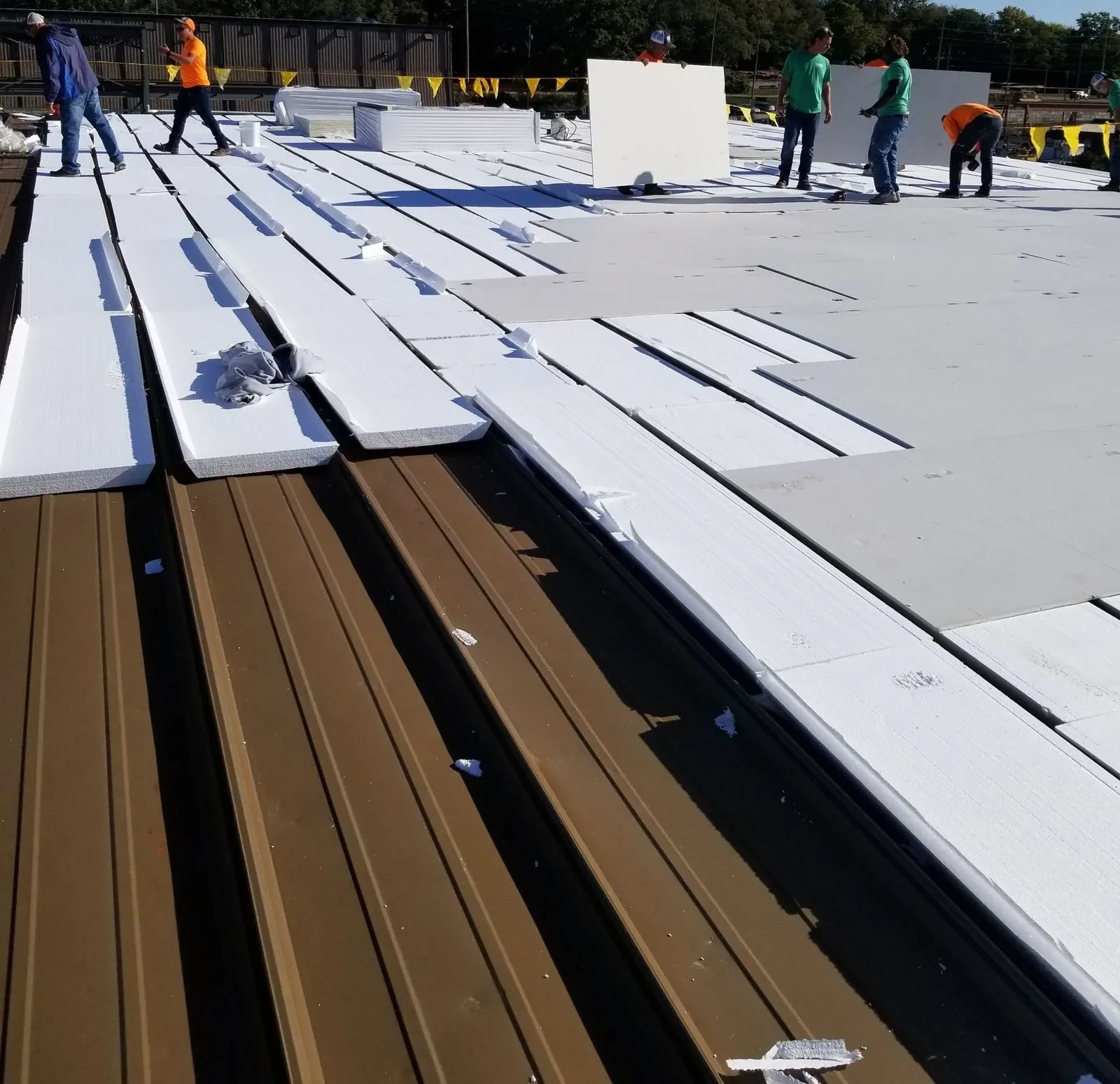
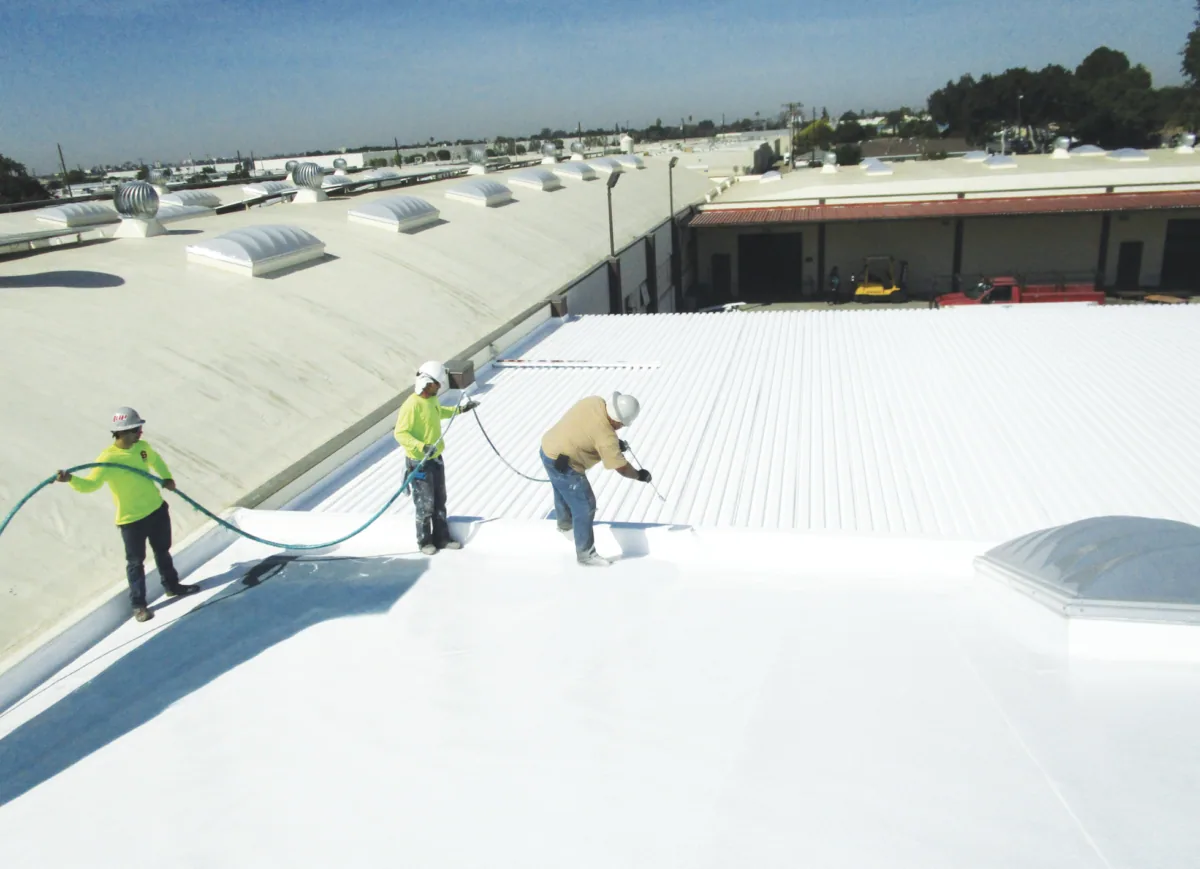
Plants vary, but their roofs share traits. They tend to have many penetrations in clusters: exhaust fans, stacks, process vents and utility lines. They have rooftop units and sometimes cooling towers or tanks. They may include sections added over time, so one building can carry several roof ages and several membrane types. They often need access for service crews on a regular schedule.

Because of these traits, a plant roof is judged by its details more than by its field. A sound membrane with failing curb flashings leaks as surely as a worn membrane, and the details are where most plant leaks start. We map every penetration and curb on a roof plan and rate each for condition.

Adjacent classes help frame the work. A warehouse shares the long field but not the equipment load, and a data center shares the equipment load but adds strict uptime rules. A plant sits between them, with a roof that must stay dry over equipment that must keep running. That is why the building file for a plant records not only the roof but also what sits beneath each section.

Manufacturing Plant Roofing

What wears first

Contamination and vibration are the plant-specific wear mechanisms. Exhaust deposits oils, dust or chemical film on the membrane, and some sheets soften or stiffen in response. Vibration from fans and compressors loosens fasteners and cracks sealants at the base of units. Heat from stacks and process equipment accelerates aging near the source.

Summer heat adds to the load: August highs average near 98 F at Austin Camp Mabry, and under exhausts, the surface runs hotter still. We read the membrane near each stack for chalking, softening and cracking, and we note the type of contamination so the material choice for repair or replacement can match it.

Drainage and ponding need their own look. Plants that have added equipment over the years often have changed the roof's slope or blocked a drain path without realizing it, and a pool that forms beside a new unit is the usual sign. We measure standing water after rain and mark the cause on the plan, whether a blocked sump, a deflected deck or an added curb that interrupts the flow.

Matching the sheet to the exposure

Exposure decides material. A plant that vents grease or oils is a candidate for PVC or KEE, whose formulations resist contamination better than a basic sheet. A plant with clean exposure may do fine on TPO. Hot-work areas and areas with chemical vapor need further review, and we ask the plant's environmental and safety staff what is vented before recommending anything.

The same questions apply to repairs. A patch of the wrong material can fail in months in an exhaust plume. For that reason, we identify the sheet, test a small repair, and record the material and method on the roof plan, so a later repair uses the same approach.

Roofs on older plants often carry several repairs layered over many years. We peel back what we can, read the layers with a core cut and note which repairs are still holding. Where a patchwork roof has more repair than original membrane, the cost of continuing repairs usually exceeds the cost of a planned replacement, and the numbers go into the scope so the director sees the comparison.

Hail and storm checks

Plants share the regional hail risk. When the May 9, 2024 storm reached San Marcos, it had already produced hail up to six inches across over Johnson City. That tells an owner the region is exposed, not that a given deck was hit.

After a storm, we scan for wet insulation, check rooftop units for dents and broken coils, and inspect skylights and vents. Equipment damage matters on a plant roof because a cracked coil or broken housing can be both a repair item and a production risk. The scan, the cores and the equipment check go into one report, which supports an insurance claim if one is needed.

Wind belongs in the same review. That evening winds put trees down across several blocks of northwest San Marcos, and a tall stack or loose unit panel can act as a sail on a plant roof. We check anchorage of units and stacks, tighten what has worked loose and note any housing that needs replacement before the next storm.

Manufacturing Plant Roofing

Scheduling around operations

Production sets the schedule. We coordinate with plant management on shifts, shutdowns and areas where overhead work is risky. Hot work needs permits and fire watches. Cranes and hoists need clear paths. Contractor orientation, badging and safety rules are handled before the first day. Where a line cannot be interrupted, repairs are staged so the area below stays protected.

The scope lists sections, dates, contacts and stop points. Equipment curbs and supports are handled in the same visit as membrane work, as in our rooftop equipment curb work, so units are not disturbed twice.

Safety and quality rules are respected on site. Crews carry the training and protective equipment the plant requires, follow lockout rules around rooftop equipment and keep tools and materials secured against wind. At the close of each day the roof is left watertight, and the plant's supervisor receives a short report on progress and next steps.

Manufacturing Plant Roofing

The budget-year decision

What the director receives is a replacement queue ranked by remaining service, with notes on exposure and equipment. An infrared moisture survey can map wet insulation across a plant roof without opening it, which helps decide where to spend first. Industrial owners in the Hunter Road and airport area and elsewhere in the corridor get the same method, and the result gives a director something to put in front of a budget committee.

Deferred areas are listed with what to recheck. A section with a recent repair and dry readings can wait, while a section under a failing curb cannot, and that distinction is what lets a director sequence spending across budget years.

Commercial Roofing Questions

Why do plant roofs leak at curbs?

Vibration, heat and repeated service loosen flashings and sealants. Curb details fail before the field.

Which membrane is best near exhaust?

PVC or KEE often resist contamination better. We confirm what is vented before recommending.

Can repairs happen without stopping production?

Usually. Work is staged by section, with protection below and stop points agreed in advance.

What does hot work require?

Permits, a fire watch and coordination with plant safety staff.

How do I find wet insulation without cutting the roof?

An infrared or capacitance survey maps wet areas, and cores confirm the worst points.

Send the building list

Send the building list and any past reports, and we will sort the roofs into replace, repair and watch groups before your next budget year.

Request a Roof Assessment

Related Roofing Work

ServicesRoof SystemsIndustriesProperty TypesService AreasRoof Damage RepairCapabilitiesManufacturersAboutContactRequest a Roof Assessment555-555-5555
Call555-555-5555