555-555-5555

I-35 Outlet and Retail Corridor

Outlet retail is a tenant-turnover class, and tenant turnover is what punishes a roof. Every new storefront brings a new rooftop unit, a new curb or a new vent, and each of those is a cut in a membrane that was installed for a different layout. For the owner of a retail property along Interstate 35 in San Marcos, TX, that means the roof inventory changes faster than the roof ages, and the budget year has to account for both.

East of I-35, the outlet malls draw about 14 million visitors a year, and San Marcos Premium Outlets and Tanger Factory Outlets rank among the city's top employers with roughly 1,600 and 1,540 employees. A facility director who manages this class needs each building sorted into replace, repair or watch before the next lease cycle, and a record that shows which tenant work touched which section.
Count the Penetrations

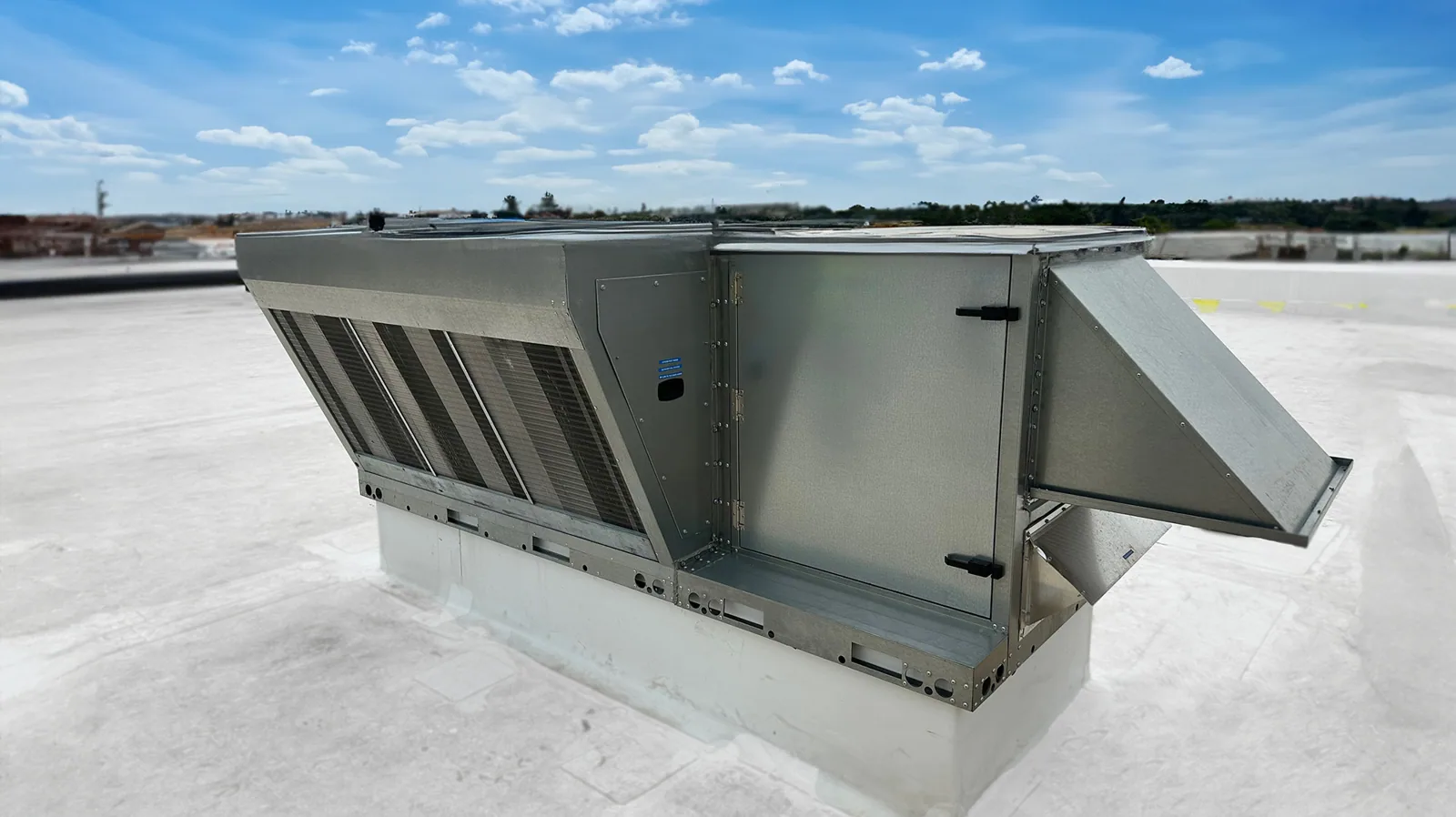
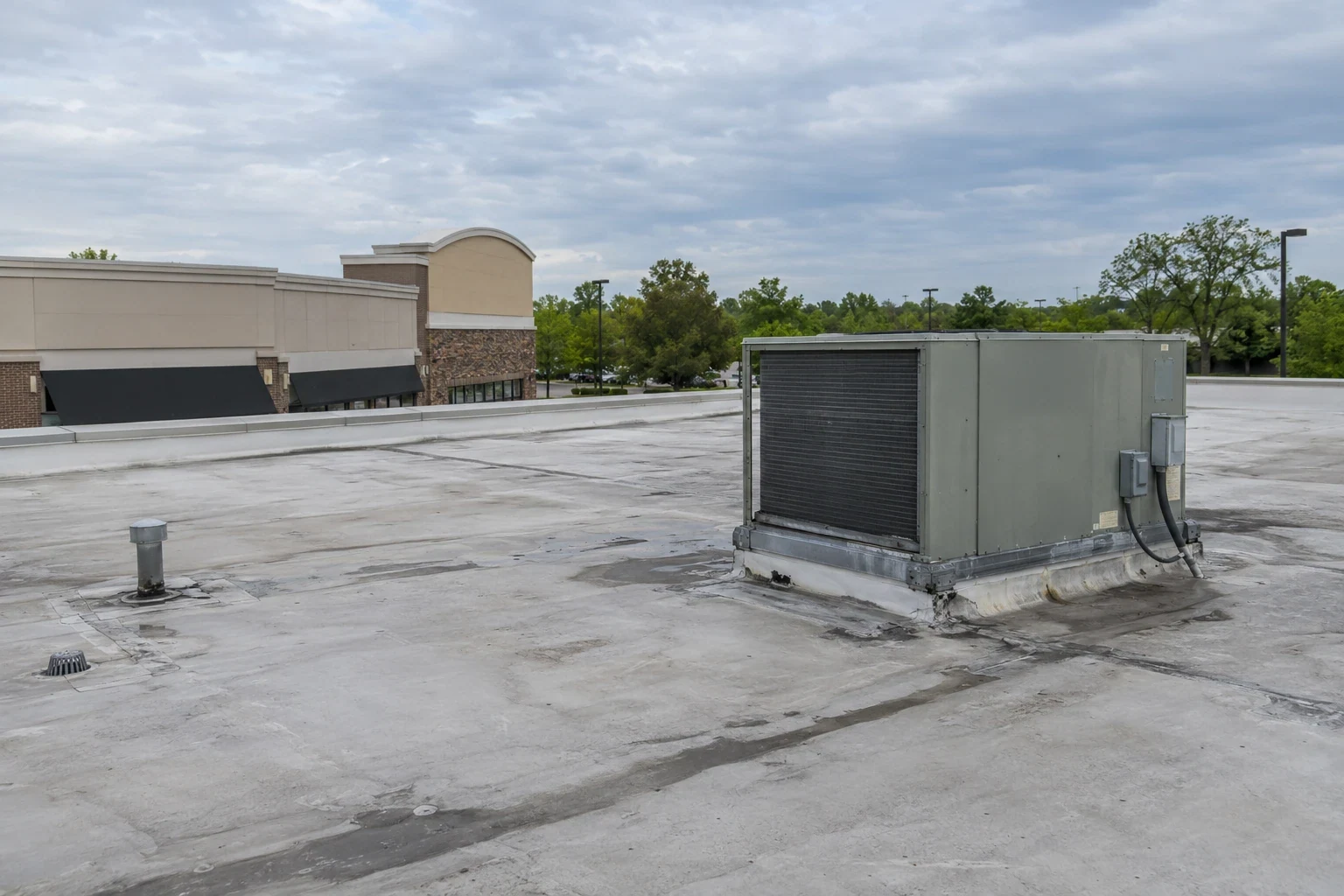
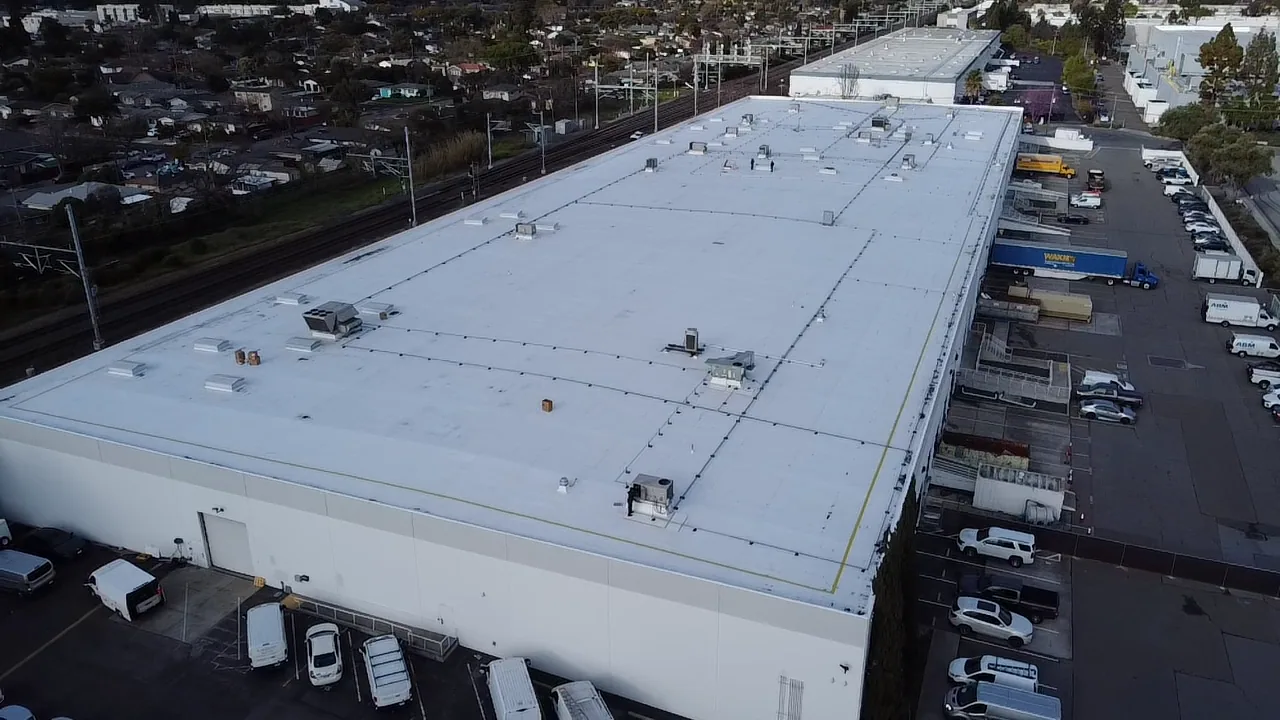
The first number we want on a retail roof is the count of penetrations, because it predicts leaks better than age does. Exhaust fans, restaurant hoods, rooftop air handlers, plumbing vents and conduit sleeves each need a flashing, and each flashing ages on its own schedule. A roof with forty penetrations has forty places where a sealant bead can crack, and a tenant who adds a unit adds another.

We walk the roof with a plan and number every one. We check the curb height, the flashing termination and the condition of the sealant, and we note which items were added after the original installation. Added items are the usual trouble spots, since a crew that cuts a hole for a tenant does not always follow the manufacturer's detail. A rooftop equipment curb and support repair often rebuilds a corner or replaces a boot, and it costs far less than the interior damage that follows a missed one.

I-35 Outlet and Retail Corridor

Match Work to Retail Hours

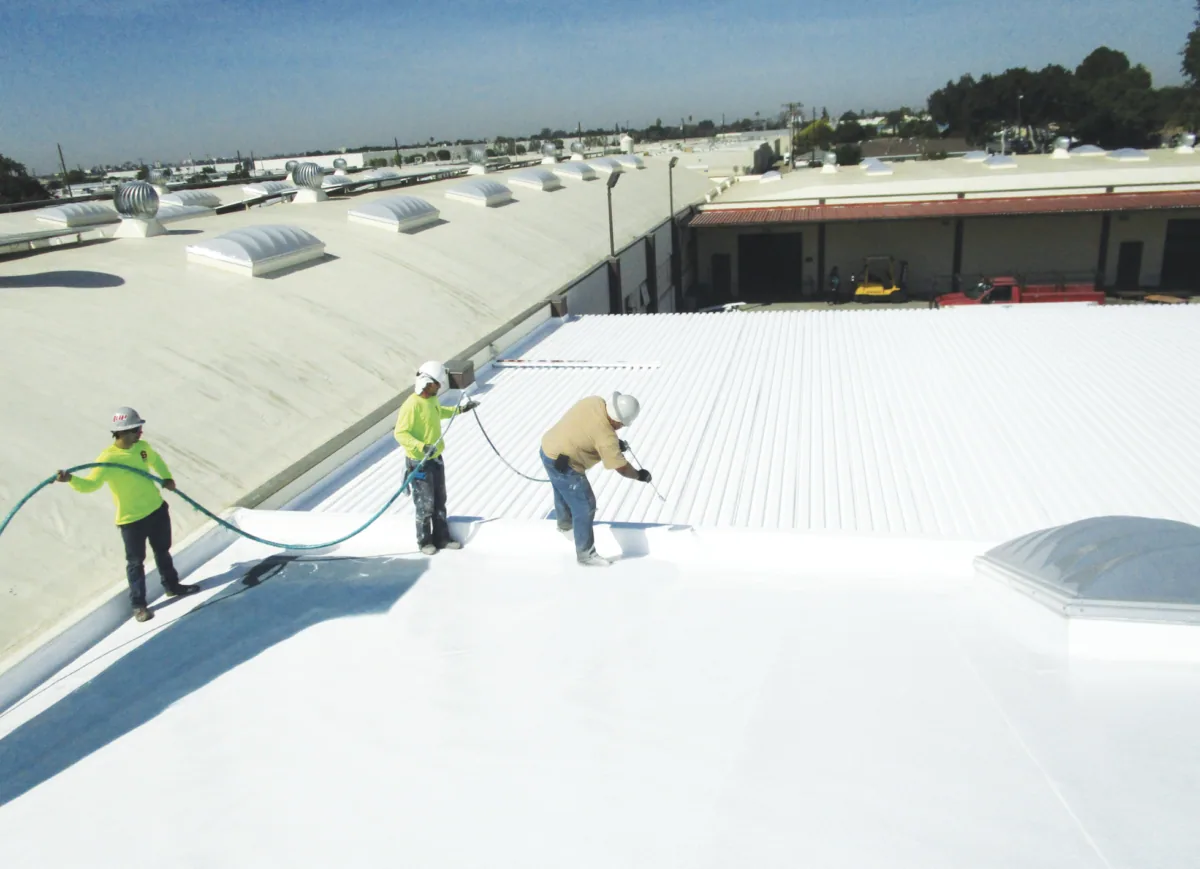
Retail traffic is not even. The outlet malls draw most of their visitors on weekends and holidays, which are exactly the days a roofing crew would prefer for access. We plan the opposite. Heavy work, such as tear-off, hoisting and hot application, belongs on weekday mornings and overnight hours, with the lot cordoned and deliveries routed around the work zone.

The shopping center roofing plan lists every phase, the staging area, the quiet hours and a contact who can pause work if a tenant complains. It also lists air intakes and restaurant exhausts that need cover during adhesive or torch work, since a smell drifting into a dining area costs a tenant sales. A storm leak on a Saturday night does not wait: emergency response runs around the clock, and a temporary seal goes on while the doors are still open. The permanent repair waits for dry weather and a scan, and the work order records both.

Holiday schedules compress the work window, so planning for the fall season begins in late spring. Pre-season walks clear the drains, check the equipment curbs and settle any open repair items so the center enters its busiest weeks with a quiet roof. A short written status per building, delivered before the peak, lets the property manager see which roofs are closed out and which carry a deferred item with a recheck date. If a storm does arrive in the busy season, the same file shows what was sound beforehand, which shortens the conversation with tenants and carriers alike.

Review Hail by the Field

Hill Country hail is the shared risk across the San Marcos area. The May 9, 2024 storm began producing six-inch hail at Johnson City before it reached San Marcos.

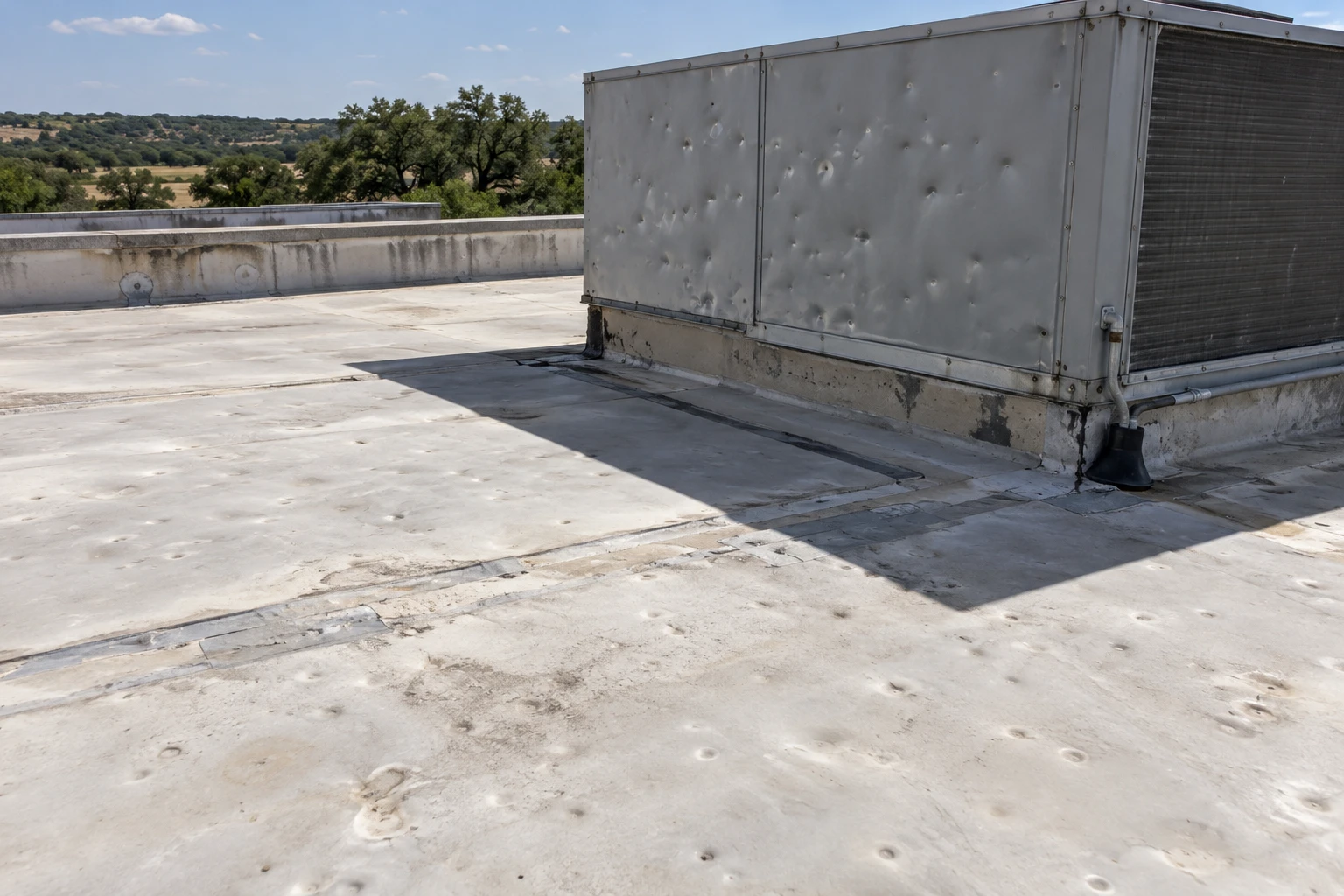
None of that tells us what happened on any one deck. A retail roof is a wide field with a few details, and hail bruises the field. We press the membrane, mark soft spots and scan for wet insulation under them, and note the count and depth on the plan, so a hail damage repair scope drawn from it lets an owner and an adjuster discuss the same facts. A clean field is reported as clean, and that gives the owner a baseline for the next storm. That baseline is worth having, because a landlord who can show the roof was sound in March has a stronger claim in June.

Weigh Heat and Cycling

Summer adds a slower load. August highs near 98 F at Austin Camp Mabry explain why dark membranes and sealants age quickly in the Hill Country. A roof expands through the afternoon and contracts overnight, and the movement works on laps, flashings and fasteners.

On a retail roof we check the places that move most: wall terminations, expansion joints and the edges of any added curb. A TPO roof with open laps gets a hot-air weld repair, and a roof with a chalked surface may be a candidate for restoration instead of replacement. The sorting depends on a scan and a few cores, not on appearance.

I-35 Outlet and Retail Corridor

Decide the Budget Year

The decision for a landlord is how many roofs go in each group. Replace covers wet insulation across most of a roof or a membrane beyond repair. Repair is for a defined problem with dry insulation around it. Watch is for a sound roof that gets a scan next year. From the groups comes a replacement queue ordered by remaining service, and from the queue comes a budget.

Because the two 2021 model codes now in force in San Marcos can change insulation and wind requirements compared with the original roof, a full replacement is scoped against them. A roof condition report keeps the findings, the photos and the grouping in one file, so the decision does not depend on anyone's memory.

Nearby work includes the I-35 Business Park corridor and downtown square.

I-35 Outlet and Retail Corridor

Keep Tenant Work on the Record

Tenant work is where retail roofs lose their warranties and their dry insulation. A contractor hired by a tenant climbs up, cuts a hole, sets a unit and leaves. Nobody tells the owner. Two years later a stain appears and the owner learns the roof was opened.

A simple rule fixes most of it: no one touches the membrane without a roof permit from the landlord, and every permit produces a photo and a plan entry. We can run that process for a landlord, or we can audit the roof once a year and reconcile what is up there against what the lease file says should be. The audit finds orphaned curbs, unsealed conduit and abandoned units, which are the cheapest leaks to prevent.

Those entries feed the replacement queue. A roof with many undocumented cuts moves up the list, and a roof with a clean log moves down it.

Commercial Roofing Questions

What decides whether a tenant unit needs a new curb?

The condition of the existing curb and its flashing decides it. A sound curb with a failed boot needs a boot, and a rusted or undersized curb needs rebuilding.

Can work happen during outlet hours?

Quiet tasks can. Hoisting, hot work and tear-off belong to early or overnight hours, with the work zone separated from foot traffic.

How is storm damage separated from wear?

By the pattern on the roof. Bruises in a consistent direction and dents on soft metal point to hail, while chalking and open laps point to age.

Who gets the report?

Whoever the landlord names. A lender, an insurer or a tenant can each read the same photo record.

What should I send first?

The building list, the roof ages if known and any past reports. That is enough to start the sorting.

Send the building list and past reports

Share the addresses and any earlier reports, and we will sort the roofs into replace, repair and watch groups before your next budget year.

Request a Roof Assessment

Related Roofing Work

ServicesRoof SystemsIndustriesProperty TypesService AreasRoof Damage RepairCapabilitiesManufacturersAboutContactRequest a Roof Assessment555-555-5555
Call555-555-5555