555-555-5555

Shopping Center Roofing

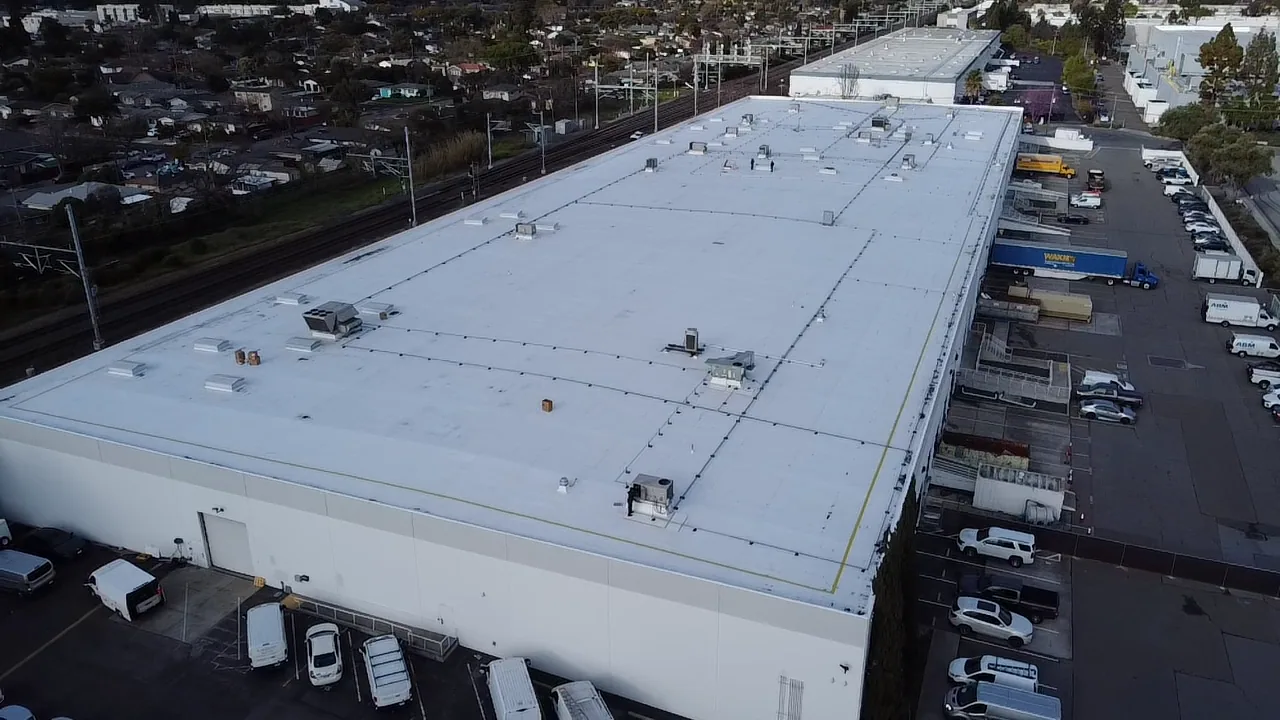
A shopping center is a roof with a changing cast underneath it, and the one thing that class does to a roof is wear it through turnover: each new tenant can bring a rooftop unit, an exhaust run or a sign, and the roof absorbs every change as another penetration. In San Marcos, TX an owner or asset manager has to weigh the additions the membrane has already absorbed against those it can still accept.

Retail owners near the outlet malls, which draw about 14 million visitors a year east of I-35, know that a leak over a sales floor costs more than one over a storeroom. The roof queue should be ranked with that in mind.

Retail owners also carry a shared-cost question. A roof serves every tenant and no single tenant pays for it directly, so repairs usually pass through common-area charges, and the owner needs a document that shows each dollar tied to a roof area.
Tenant Turnover Is a Roof Event

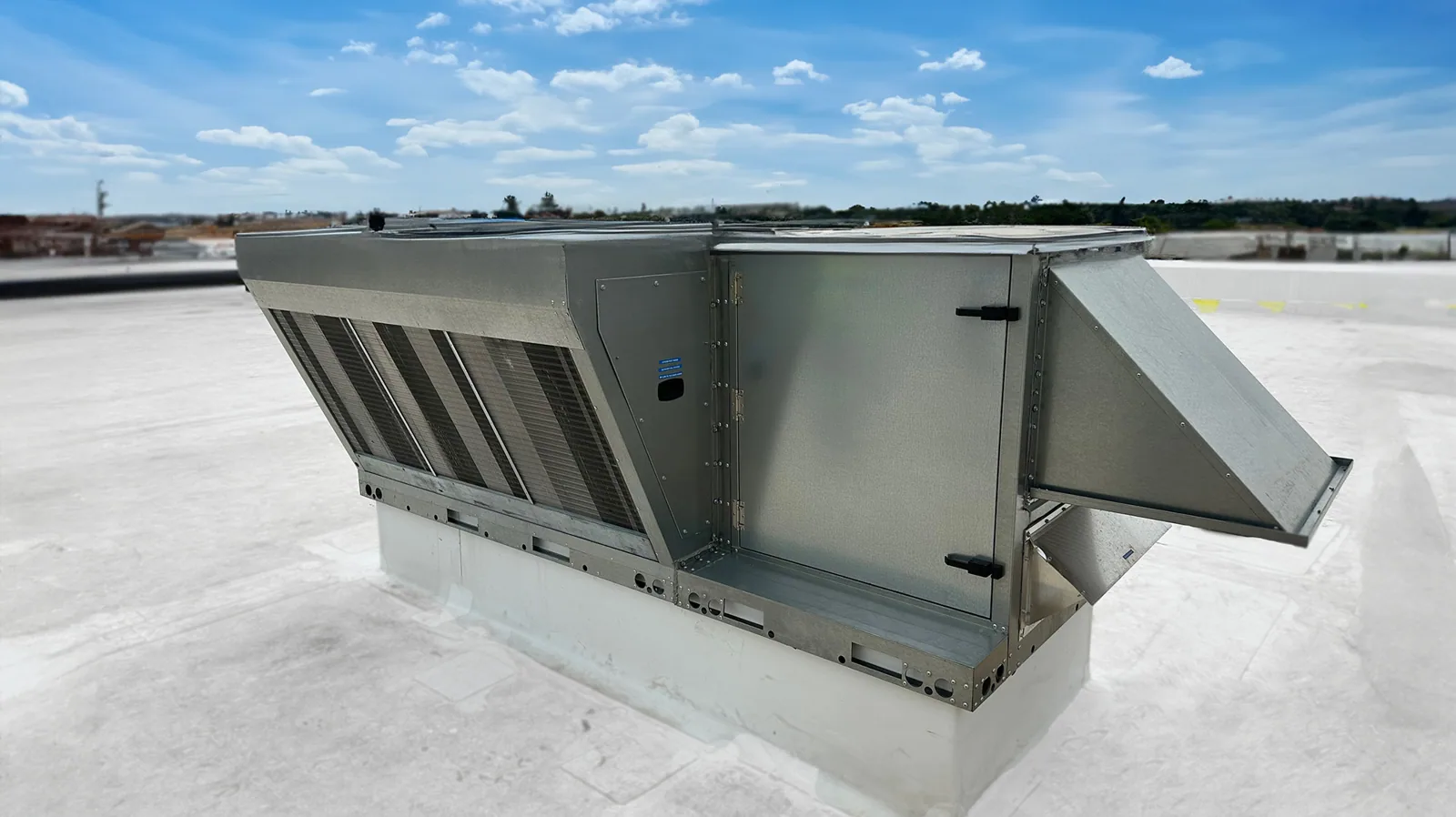
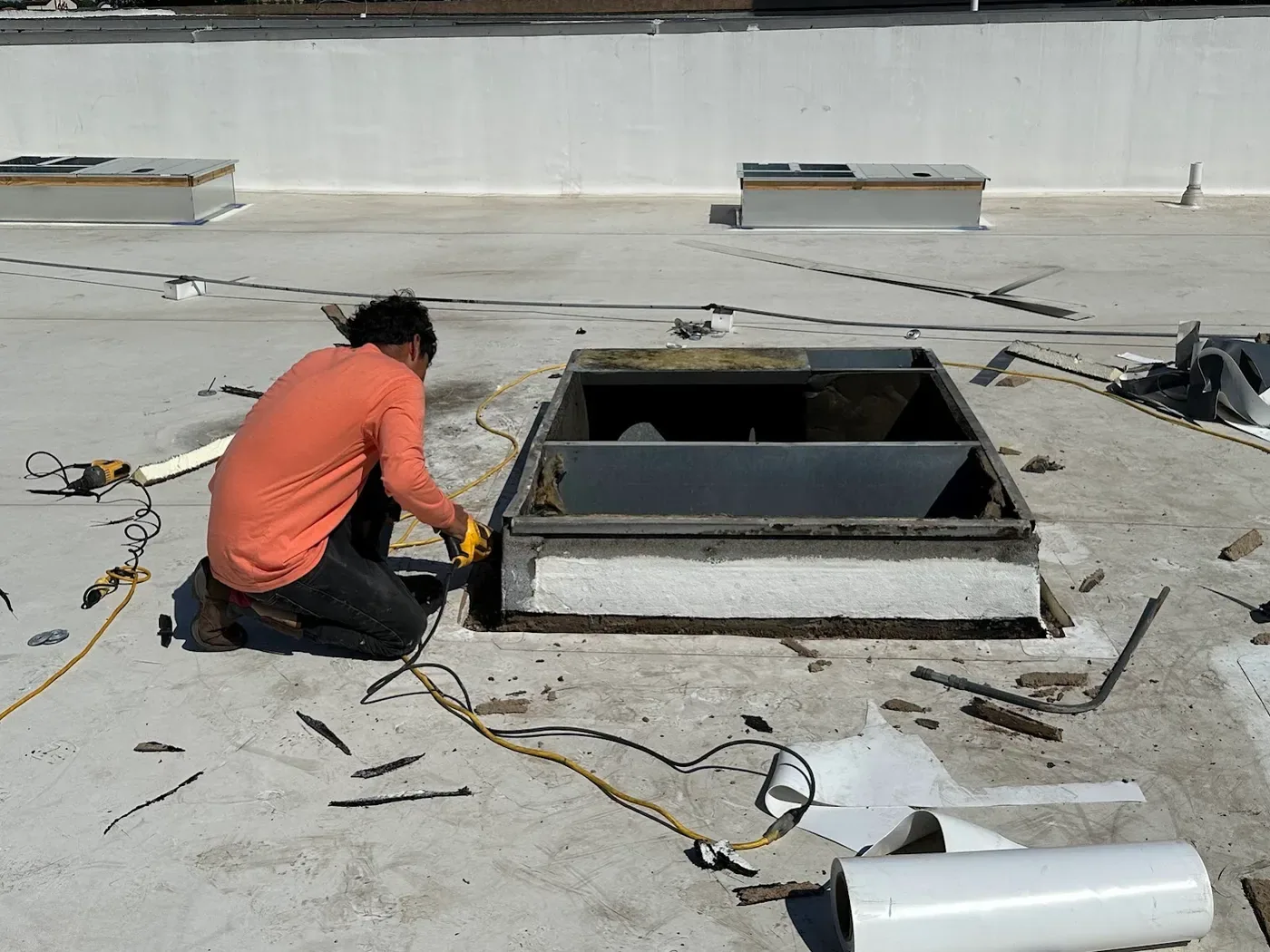
When a space turns over, the roof should be walked before the new tenant's equipment goes up. We check the curbs the previous tenant left, note any abandoned penetrations and mark where new units can sit without loading a weak area of deck. A capped, flashed stub left behind by a departed tenant is a common leak point, and it is cheap to fix while the space is vacant.

A running log lists equipment by bay, with unit count, curb type, flashing condition and the date of last service. An owner who asks which tenants add the most penetrations gets a clear answer, and a lease can require roof-access protocols that keep technicians off the membrane except on marked walk paths. Failed boots, low flashing and shifted units fall under a curb and support repair.

Signs and canopies belong in the same log. A pylon or fascia sign fixed through the roof edge, or a canopy bolted to a parapet, adds fasteners through flashing. Wind rocks the fixture, the seal loosens and water follows the fastener into the wall. We check each base plate and sealant bead, and recommend removal and a full patch where a sign has been taken down.

Seasonal tenants, such as pop-up shops and holiday leases, add short-lived rooftop equipment that is easy to forget; the equipment log notes each one with a removal date.

Shopping Center Roofing

Trace Leaks Along the Demising Walls

Water inside one bay often entered over its neighbor. Where storefronts sit under one continuous roof, the walls between them steer water along their length, and a stain in the third unit can trace back to a flashing above the second. We map every report on one plan and look for the shared line: a base flashing, a parapet cap, a seam near a drain.

That plan is also how the cost gets split. Repairs are scoped by bay and by roof area, so the landlord can allocate what each lease requires. A commercial roof leak repair lists the opening, the method and the tie-in. The report is written so each lease can be applied to it line by line.

Hail and the Retail Field

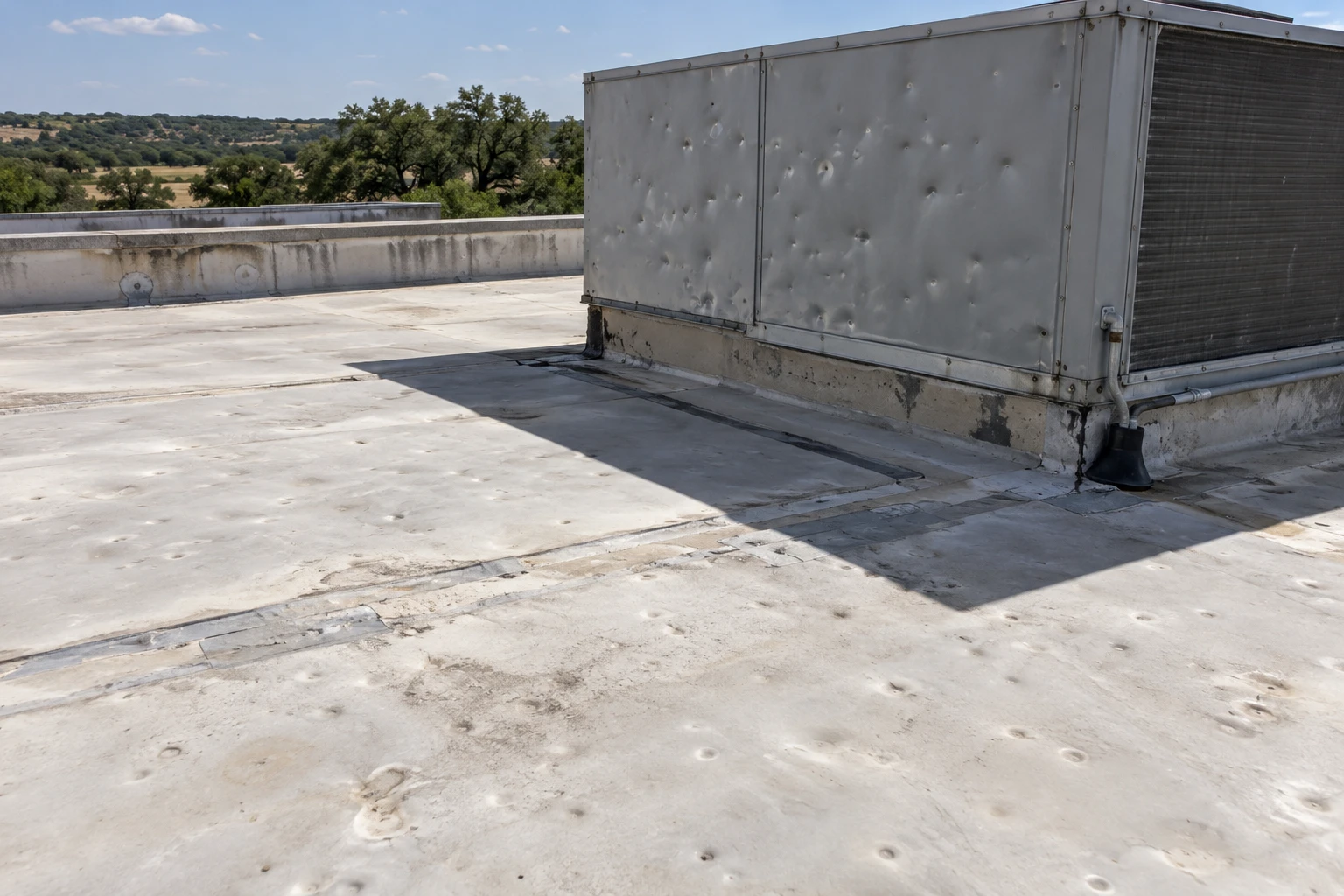
Wide retail fields catch hail across their full area. A six-inch hail report from Johnson City on May 9, 2024 preceded the storm's arrival in San Marcos. That tells an owner why a post-storm review is sensible, not what happened on a given roof.

We walk for bruised areas, scan for wet insulation and photograph everything from the field to the edge metal. Findings tied to a location, with storm damage kept apart from age, let the owner and the insurer read one record, which is what hail damage roof repair produces.

Edge metal and parapet caps take the first wind. Loose coping lets wind get beneath the membrane at the perimeter, so we pull-test fasteners at corners and check every joint for gaps. A replacement queue entry is often justified by perimeter condition as much as by the field.

Keep the Doors Open

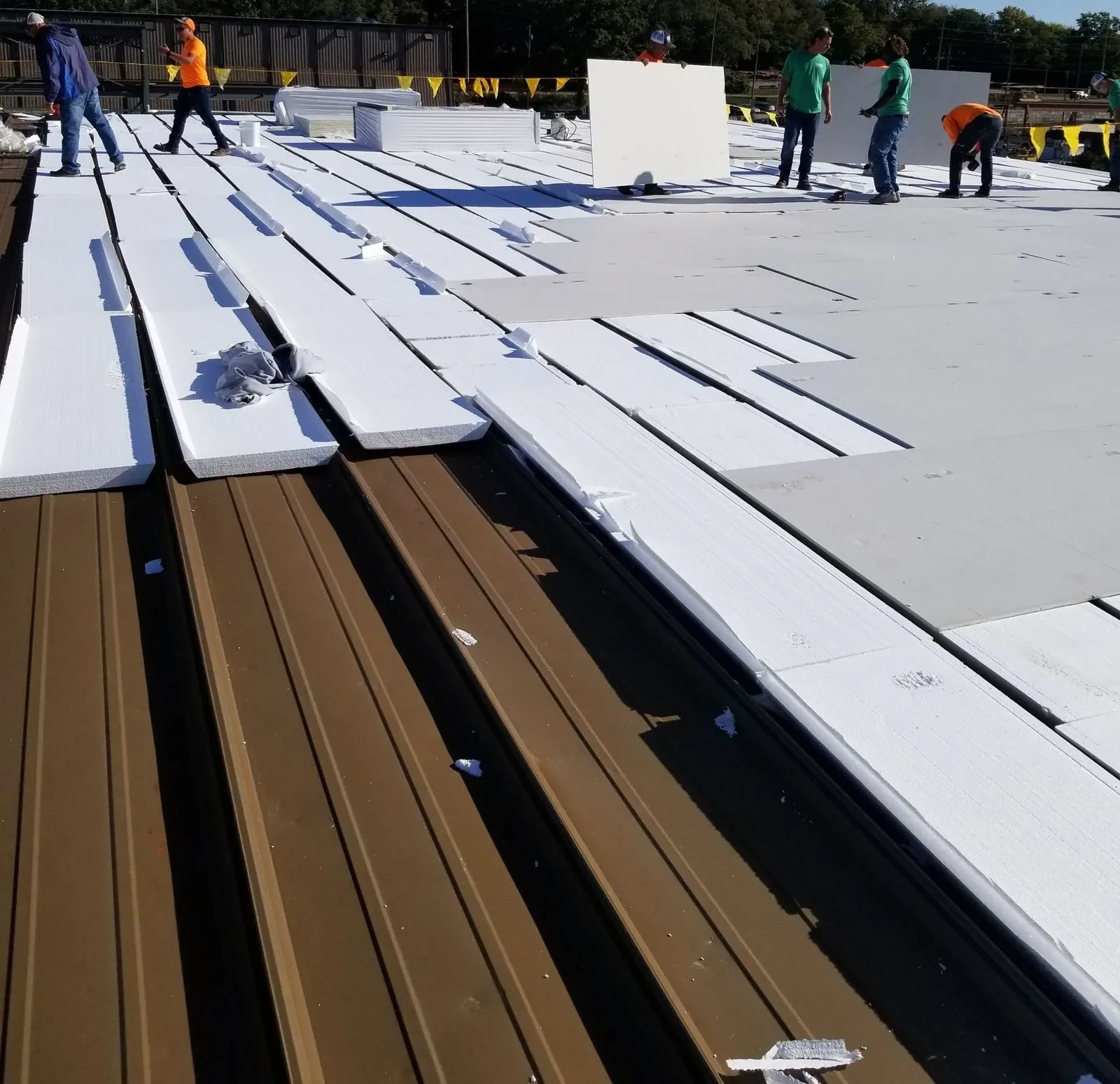
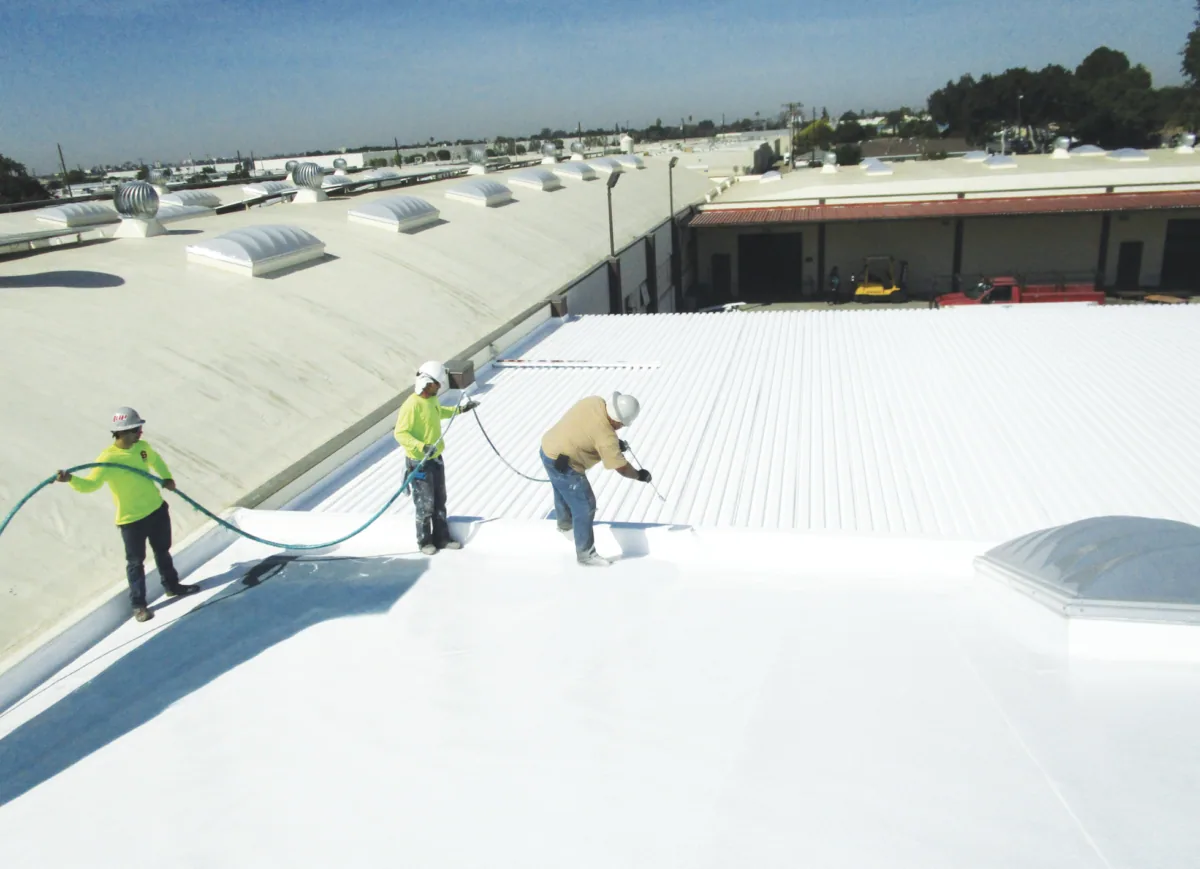
Storefronts stay open, and the plan has to keep customers walking. We ask for each tenant's hours, delivery windows, fire lanes and peak days, then sequence the work by bay so no tenant is left without cover. Staging goes at the rear or a side lot, debris nets go over entries and loud work moves to the quiet hours. Each day ends with a magnet sweep of the drives and parking.

An occupied building reroofing plan puts all of it in writing before the first load arrives. The center's manager receives the daily plan, tenants receive notice of the noisy hours and the roof is dried in at the end of each shift.

Holiday weeks are the other blackout. We ask the manager for the busiest dates and keep heavy work away from them, with temporary dry-in covering any bay left open between visits.

Shopping Center Roofing

Heat, Drains and Sealants

Rain totals about 36.55 inches a year, snow is effectively absent, and August highs run near 98 F at Camp Mabry in Austin. Heat cycling dries sealant at curbs and walls, so we press-test it on every walk.

Drains on a large retail roof are the other recurring item. One clogged scupper floods the low corner while a long field sends a lot of water to a single outlet, so a roof drain and scupper check ahead of the wet season is inexpensive and removes a frequent source of interior damage.

Interior finishes make leaks costly in retail. Ceiling tiles, lighting, displays and inventory all sit below the roof. We ask which bays hold the most valuable stock and put those first when a make-safe visit is needed, so the sequence follows what is at risk.

Shopping Center Roofing

The Budget-Year Decision

The ranked list for a center has three groups: replace, repair and watch. A roof with wet insulation across a wide area and repeated patches belongs in the replacement queue. A roof with isolated defects stays in service. The city adopted the 2021 International Energy Conservation Code alongside its building code in 2023, and both apply here.

A corridor of centers can be compared on one sheet; the I-35 outlet and retail corridor makes a good example, and the layout also serves big-box retail roofing and restaurant roofing in the same portfolio. A roof asset management file keeps the history.

Commercial Roofing Questions

How do you decide which bay a leak enters?

We plot every tenant report on one roof plan and look for the shared line, such as a demising wall flashing or a seam. Then we open the most likely detail and photograph it. The cause is confirmed before a repair is priced.

Should the roof be inspected when a tenant leaves?

Yes, while the space is empty. We check curbs, abandoned penetrations and drainage before new equipment goes up. Fixes cost less with no tenant below.

Can a center be reroofed without closing stores?

Yes, by working one bay at a time and drying in at the end of each day. Customer entries stay protected, and noisy work moves to quiet hours. The plan goes to the manager before the first load.

What goes in a scope sheet a landlord can allocate?

Each item has a bay, a roof area, a quantity and a price. That lets the landlord apply the lease terms line by line.

How often should a retail roof be walked?

At least once a year, and after any hail report in the area. Tenant changes and equipment additions are good triggers too.

Send the building list

Send the building list and any past roof reports. We will sort the centers into replace, repair and watch groups before the next budget year.

Request a Roof Assessment

Related Roofing Work

ServicesRoof SystemsIndustriesProperty TypesService AreasRoof Damage RepairCapabilitiesManufacturersAboutContactRequest a Roof Assessment555-555-5555
Call555-555-5555