555-555-5555

Roof Asset Management

A mixed portfolio does one thing to a roof inventory: it makes the average meaningless. In San Marcos, TX a facility director may hold a fulfillment-class building with wide, low-slope fields, a campus building with three roof ages under one parapet line, a storefront on the courthouse square and a medical suite in Kyle, and none of those roofs should be scored against the same yardstick. Asset management starts by treating each roof as a line in an inventory with its own age, system, area, condition and remaining service, then asking which lines will need money in which budget year.

The result is not a report that sits on a shelf. It is a working list that changes whenever a roof is walked, repaired, flashed around a new unit or hit by weather, and it tells the person holding the budget what to fund first.

Build the Inventory First

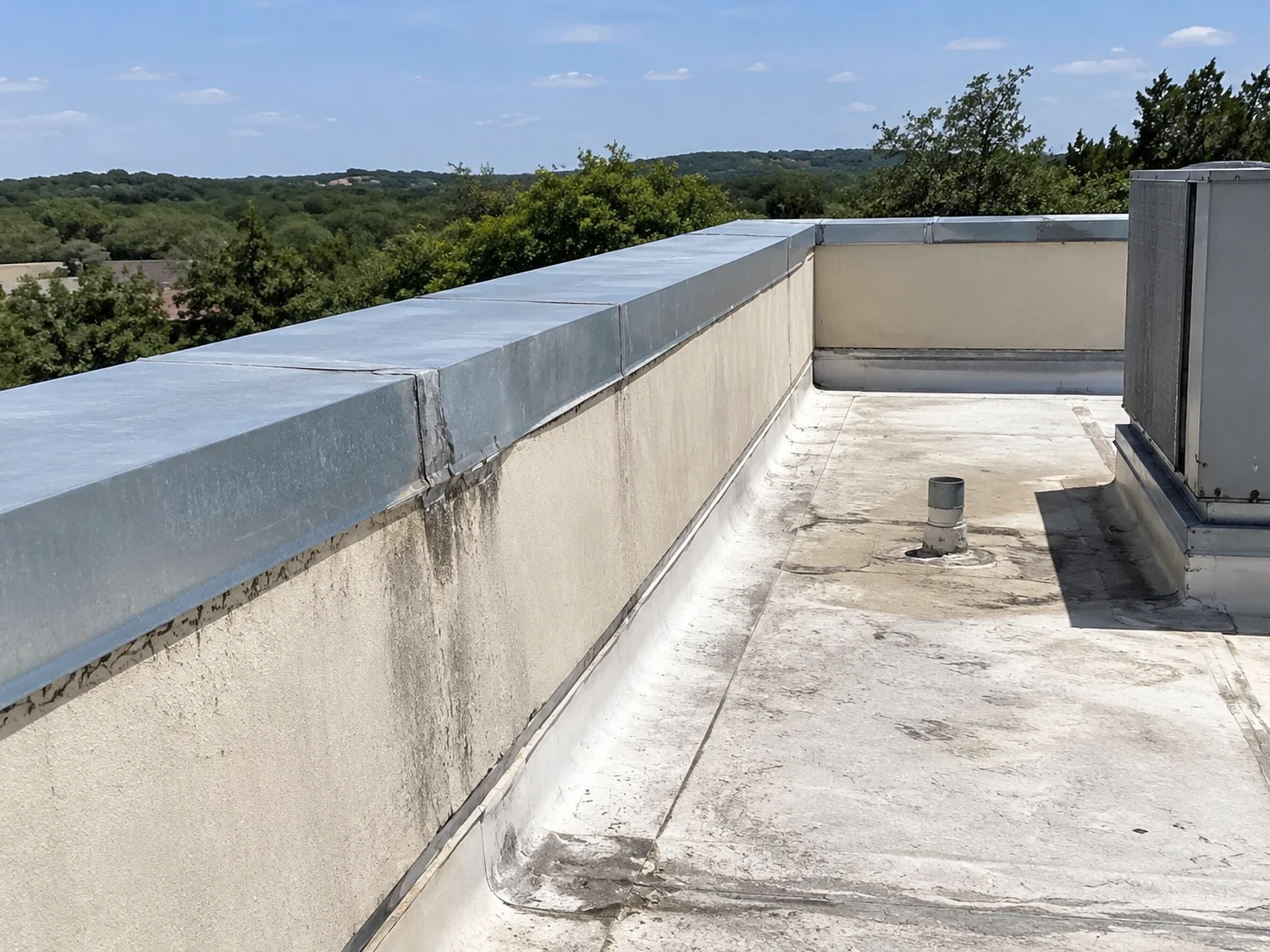
The inventory begins with facts that can be checked on site. We record the building address, the roof section, the system type, the approximate age, the area, the number of penetrations and the drainage path. Where records exist, we attach earlier reports, warranty papers and repair invoices; where they do not, the first walk creates them.

Each section then receives a condition note that reflects what we saw, not what the age suggests. A ten-year-old roof with open seams and wet insulation belongs near the front of the queue, while a fifteen-year-old roof with sound laps and dry cores can sit near the back. Age alone misleads in both directions, and a director who budgets by age alone usually replaces some roofs too early and others too late.

We keep roof sections separate even when they share a building. A school wing added later, a dock-side addition or a lower roof beside a higher wall each gets its own entry, because each fails differently and each is repaired at a different time.

Roof Asset Management

Sort by Building Class

San Marcos holds very different classes of property within a few miles of Interstate 35. The city has an 855,000 square foot Amazon fulfillment center, outlet malls east of the interstate that draw about 14 million visitors a year, and a Texas State University main campus of about 517 acres and roughly 250 buildings. A regional owner may hold roofs from several of these classes at once.

Each class sets its own priorities. A distribution building cares about drainage across long fields and the condition of the edge along the docks. A retail center cares about the rooftop units that tenants add and remove. A campus cares about the calendar. A school roof and a warehouse roof need different questions at the same walk, and the inventory records which questions were asked.

Measure What the Eye Cannot

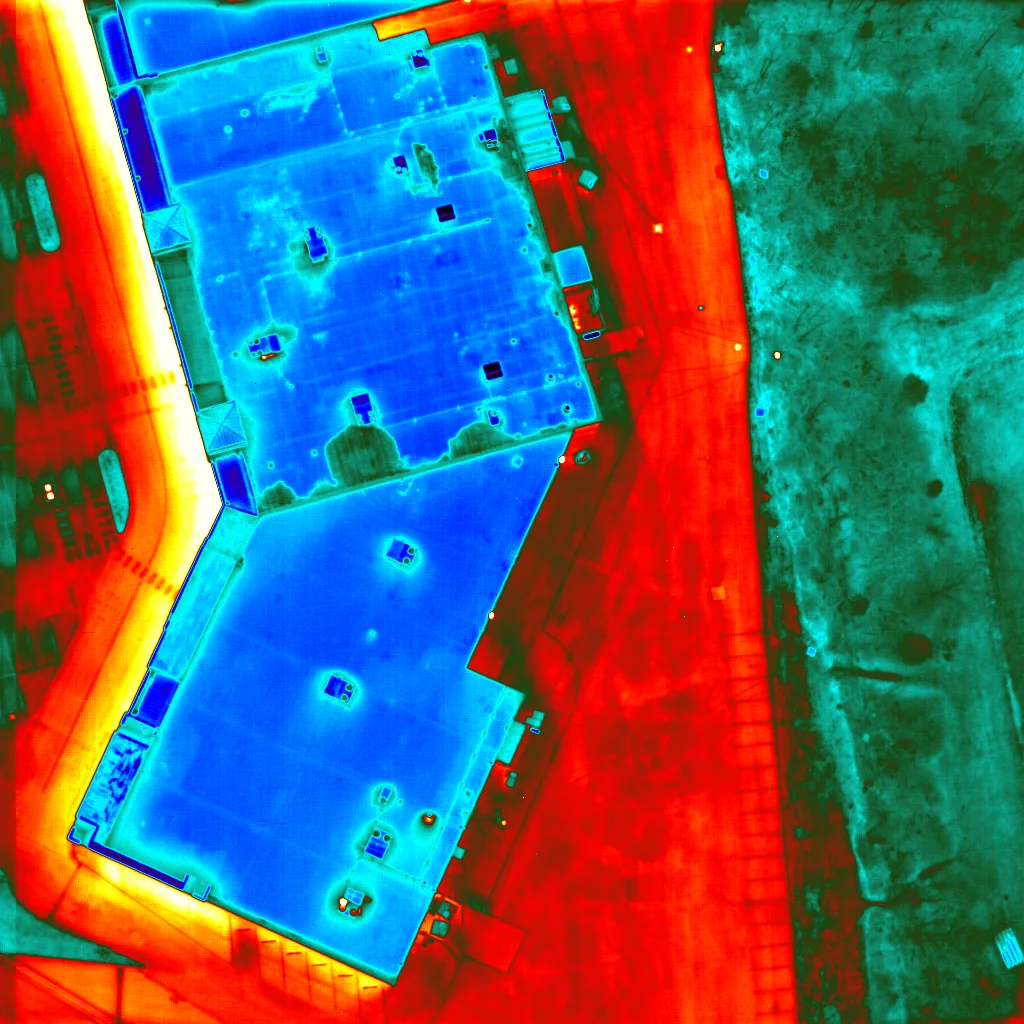
Condition scores that rest on a visual walk alone are guesses. Water travels under a membrane, and insulation can be soaked while the surface looks sound. We add an infrared moisture survey where the roof calls for it, cut cores at the edge of each wet zone and photograph what comes up.

The same discipline applies to storm review. Six-inch hail was the weather service's finding at Johnson City on May 9, 2024, with the system later reaching San Marcos, which says nothing about a particular deck. A scan and a few cores do. The findings go into the inventory as dated entries, so the next walk can compare against them.

Track Change Over Time

An inventory earns its value in the second and third year. When a section was repaired, when a unit was added, when a scan was last taken and what it showed all become fields that a facility director can read in minutes. A roof that shows the same stain after two repairs moves up the queue. A roof that has held steady through two summers can be moved back.

Heat is part of the picture. August highs near 98 F at Camp Mabry in Austin are a reminder that membranes, sealants and coatings age under sustained summer load, and we note which sections run hottest because of dark surfaces or crowded equipment.

Regular visits keep the file current. A preventive maintenance visit cleans drains, checks flashings and updates the entry for each section it touches.

Photographs from fixed positions make year-to-year comparison reliable, because the same corner shot from the same spot shows growth in a stain or a crack that a casual photo would miss.

Roof Asset Management

Turn the File Into Decisions

The inventory sorts each roof into replace, repair or watch. Replace means the roof is spent or wet across enough of its field that patching costs more over the next several years than a new system. Repair means a defined set of failures can be fixed and the rest of the roof has remaining service. Watch means the roof is sound today and gets a date for the next look.

Those groups feed a roof capital plan, which assigns the replace group to specific budget years and sizes the repair group so urgent work does not crowd out planned work. Where several buildings sit under one owner, the same file supports a multi-site roof program with one set of standards and one ranked list.

The code context belongs in the file as well. San Marcos moved to the 2021 International Building Code and energy code on April 1, 2023.

Roof Asset Management

Start With the Building List

The simplest start is a list of addresses with whatever the owner already has: roof ages, past reports, warranty papers, repair invoices and a note on which roofs have leaked. We sort the list by building class, walk the roofs that matter most and return a first inventory with a replace, repair and watch group for each building.

From there the file grows. Each repair, scan and storm review adds an entry, and each budget year starts from a current picture instead of a guess. A property manager can hand the file to a lender, a buyer or an insurer and know that it shows what was found and when. Owners in Kyle, Buda and the Texas State University district can keep all their buildings in one inventory, with each section scored on its own terms.

Commercial Roofing Questions

What decides which roof goes first in the inventory?

Moisture and open seams decide it, ahead of age. A younger roof with wet insulation outranks an older roof with dry cores, because wet insulation drives repair cost and shortens remaining service.

How many roofs does an inventory need to be worth keeping?

A single building with several roof sections already benefits. Each section has its own age and failure points, and the file stops a repair on one from being forgotten when the next one comes up.

Does a hail event change the inventory?

It adds an entry. After a storm like the one in May 2024 we scan the affected sections, cut cores where the scan flags, and record what the findings show. Roofs with no bruising stay where they were.

Who owns the file when the building changes hands?

The owner does, and it travels with the building. A buyer or lender can read the dated entries and see which sections were repaired, scanned or left alone.

Can the file support an insurance claim?

Yes, because dated photographs and moisture maps show the roof before and after an event. The carrier decides the claim; the file shows the condition we recorded.

Send the Building List

Share the addresses, roof ages and any past reports, and we will sort the roofs into replace, repair and watch groups before your next budget year.

Request a Roof Assessment

Related Roofing Work

ServicesRoof SystemsIndustriesProperty TypesService AreasRoof Damage RepairCapabilitiesManufacturersAboutContactRequest a Roof Assessment555-555-5555
Call555-555-5555