555-555-5555

Roof Capital Planning

Roofs are the one major building system that fails slowly and gets funded suddenly. A tilt-wall warehouse can look unchanged from the parking lot for years while insulation takes on water, and the first line item that reaches the budget committee is a leak during a rain. Capital planning exists to move that conversation earlier. For a facility director in San Marcos, TX it means knowing, for each building class in the portfolio, which roofs will need replacement in which budget year, what the likely scope is and how much of the cost can be reduced by acting before the roof is spent.

Hail raises the stakes in this region. Hail up to six inches across hit Johnson City on May 9, 2024, and the weather service tracked the storm into San Marcos. A plan that includes a reserve for storm years handles that kind of year better than one built on average weather.
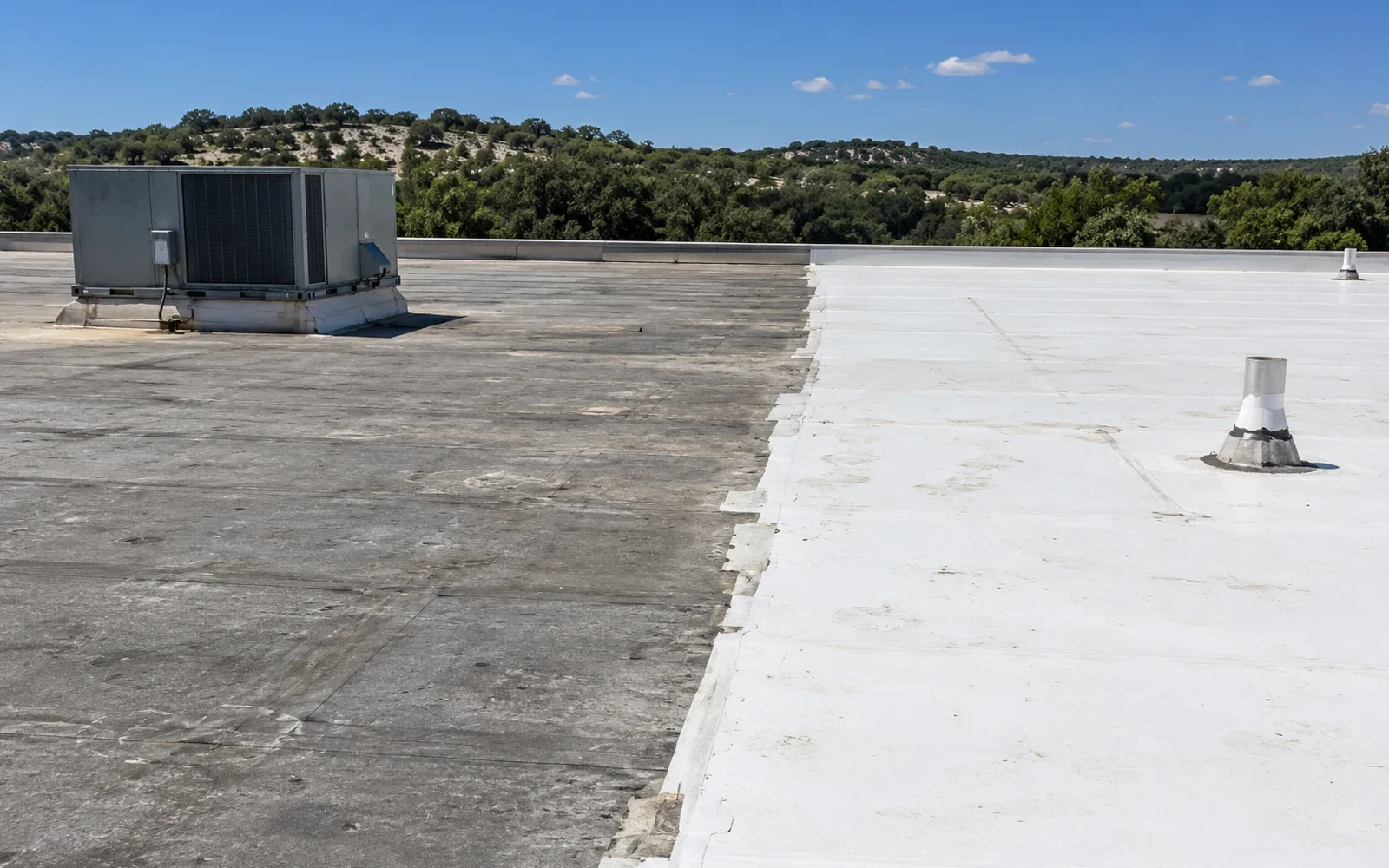
Build the Replacement Queue

The queue comes from the roof inventory. Each roof section carries a remaining service estimate based on moisture, seam condition, deck movement and the state of flashings, not on age alone. The sections with wet insulation and open seams go to the front, the sections with sound cores go to the back, and the sections in the middle get a date for another look.

A queue is a list of decisions, not a verdict. Each entry names the section, the likely scope (repair, coating, recover or tear-off), the quantities that drive the price and the budget year in which the scope should be funded. When a roof moves from watch to replace, the queue changes, and the budget changes with it.

The roof asset management file feeds the queue, and the queue in turn tells the file which sections need a fresh scan before the next budget meeting.

Roof Capital Planning

Price What Drives the Number

Four quantities set most of a roof's cost: the area of wet insulation that has to be removed, the number of penetrations and curbs that need new flashing, the access constraints for equipment and staging, and the system chosen for the next cycle. A dry roof with a sound deck can often take a recover at a lower cost than tear-off; a roof with soaked board cannot, and the survey is what separates the two.

Access carries real cost on a campus or a retail center. A building with a loading dock and open yard can stage cranes easily. A building on a tight square or inside an occupied campus needs hoisting windows and protection for walkways, and those items appear in the price. We list them separately so the committee can see what each one adds.

The system choice follows from the building. A fulfillment-class roof with long, low-slope fields and heavy rooftop traffic suits a different assembly than a courthouse-square storefront. Each option comes with its own cost, its own expected service and its own maintenance needs, and we put them side by side.

Reserve for the Storm Year

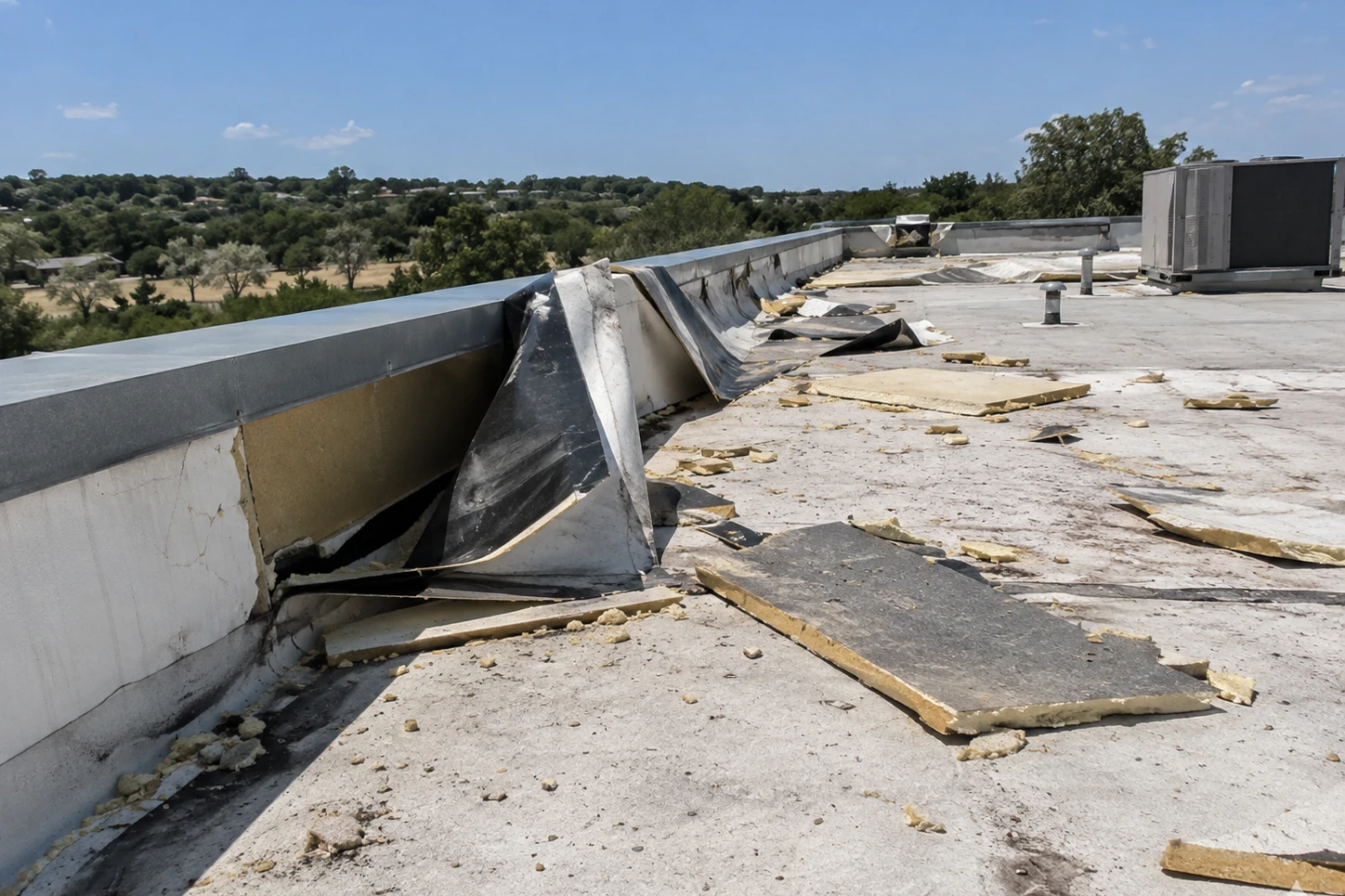
A capital plan that assumes calm weather gets rewritten by the first hard storm. After May 9, 2024, San Marcos CISD delayed school so staff could inspect buildings for damage, which shows how quickly a storm becomes an inspection question for a large owner. A reserve line in the plan, sized from the owner's inventory, gives a facility director room to respond without raiding the scheduled replacements.

We help size that reserve by looking at which sections are most exposed: the older membranes, the sections with unprotected insulation, the roofs with loose edge metal. The reserve is not a forecast. It is a way of saying that some part of every budget year will go to repairs nobody scheduled, and the plan should be able to absorb them.

Hail findings also belong in the file. A storm damage review records which sections show bruising and which do not, so later replacement decisions rest on documented condition.

Plan for Code and Energy Rules

Under the 2021 International codes that the city adopted, roof insulation and wind provisions are reviewed at permit. Those editions can shape a replacement scope, including insulation levels, wind uplift design and the way flashings and edges are detailed. A plan that ignores them risks a change order when the permit review arrives.

We check the edition in force with the permit office when a roof moves into the funded years, and we adjust the scope and the estimate to match. For a roof that is only being repaired or coated, the code questions are narrower, and the plan says so.

Roof Capital Planning

Fit the Work to the Operation

The calendar of the building decides when work can happen. Retail centers avoid the holiday season. Campuses wait for summer and breaks. Medical suites need quiet hours and clean air. Distribution buildings can often keep running if work moves in sections with daily seals.

Tenant turnover is a planning moment. When a space goes vacant, access to the roof section above it gets easier, and a repair or a flashing upgrade can be done with less disruption. A good plan flags those moments in advance. A director who hears that Suite 4 will empty in March can move the nearby roof work to that month. A shopping center roof benefits especially from this kind of coordination.

Roof Capital Planning

Present the Plan in Budget Language

The plan is written for the person who has to defend it. Each budget year shows the roofs scheduled for work, the scope, the estimate and the reason, in plain terms. A summary page gives the total and the groups: replace, repair and watch. The photographs and moisture maps from the written condition reports sit behind it, available if a board member asks why a roof moved up. A lender or insurer who asks for the roof history can be handed the same pages without extra preparation.

Owners with buildings in Kyle's FM 1626 medical and retail corridor, along the I-35 retail strip and in the downtown square can keep them all in one plan. Each building class gets its own assumptions, and the plan shows where those assumptions differ.

Commercial Roofing Questions

What moves a roof from repair to replacement in the plan?

The share of the field that is wet or failing. If cores show wet insulation across a large part of the roof, or seams are failing in many places, repeated patches cost more than a new system over the next several years.

How far ahead should a plan look?

Five budget years is a workable span. The first two years carry firm scopes and estimates, and the later years carry ranges that tighten as scans are updated.

Does a coating belong in a capital plan?

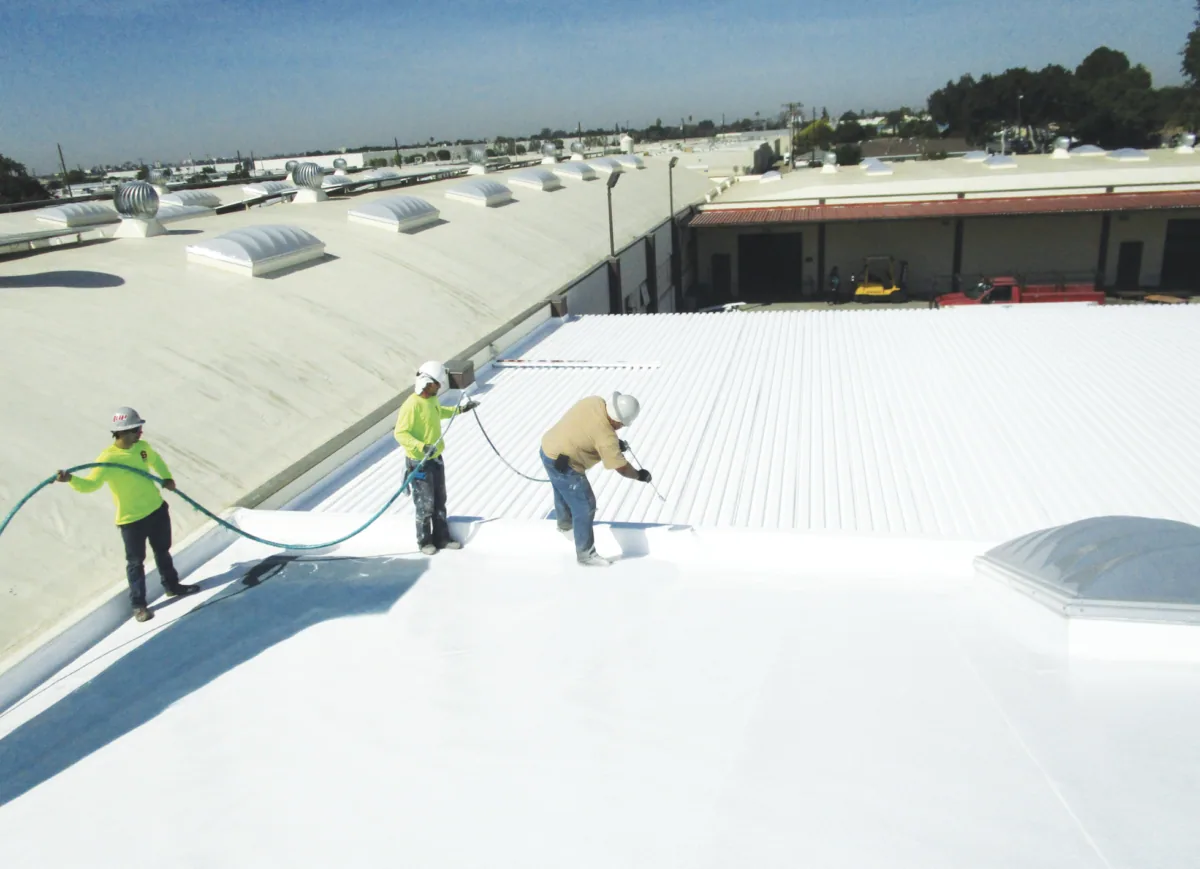
It can, when the membrane is sound and the insulation is dry. A coating restoration extends service at a lower cost than replacement, and the plan records the expected extension and the date for the next review.

How is a hail year handled?

With a reserve and a fast review. After a storm we scan the exposed sections, record bruising and update the queue. Scheduled replacements stay in place unless the findings change their rank.

What happens to the plan after a roof is replaced?

The new roof enters the inventory with a baseline scan and a warranty file. Its next review date goes into the plan, and the budget line for it moves to maintenance.

Send the Building List

Share the addresses, roof ages and any prior reports, and we will return a replacement queue sorted by remaining service before your next budget year.

Request a Roof Assessment

Related Roofing Work

ServicesRoof SystemsIndustriesProperty TypesService AreasRoof Damage RepairCapabilitiesManufacturersAboutContactRequest a Roof Assessment555-555-5555
Call555-555-5555