555-555-5555

KEE Roofing

KEE membranes serve the building class that exposes a roof to more than weather: food-processing and distribution buildings, laboratories, kitchens, plants that vent oils and solvents, and any roof that sits under a heavy exhaust stack. In San Marcos, TX the owners who ask about it are the ones with kitchens, plants and clinical exhaust, wherever they sit along I-35 or the Kyle medical corridor. The one thing it does to a roof is contaminate the sheet, which is the problem KEE was developed to resist, and a facility director has to decide whether that resistance is worth its price on a given building in a given budget year.

KEE stands for ketone ethylene ester, a plasticizer-retaining polymer blended into a PVC-alloy membrane. We install and repair these systems as a membrane type, describing what they do without claiming any one maker.
What the system is

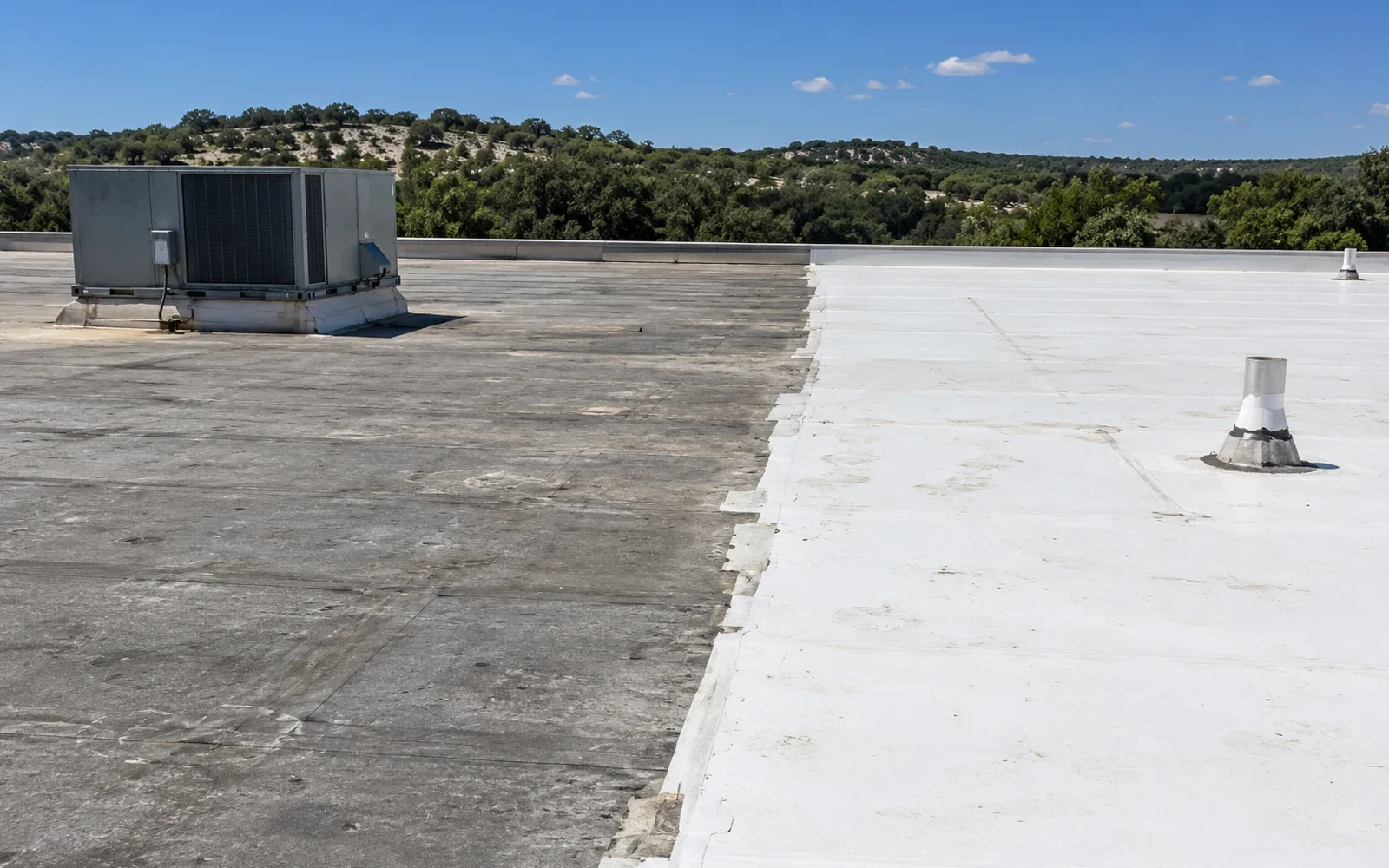
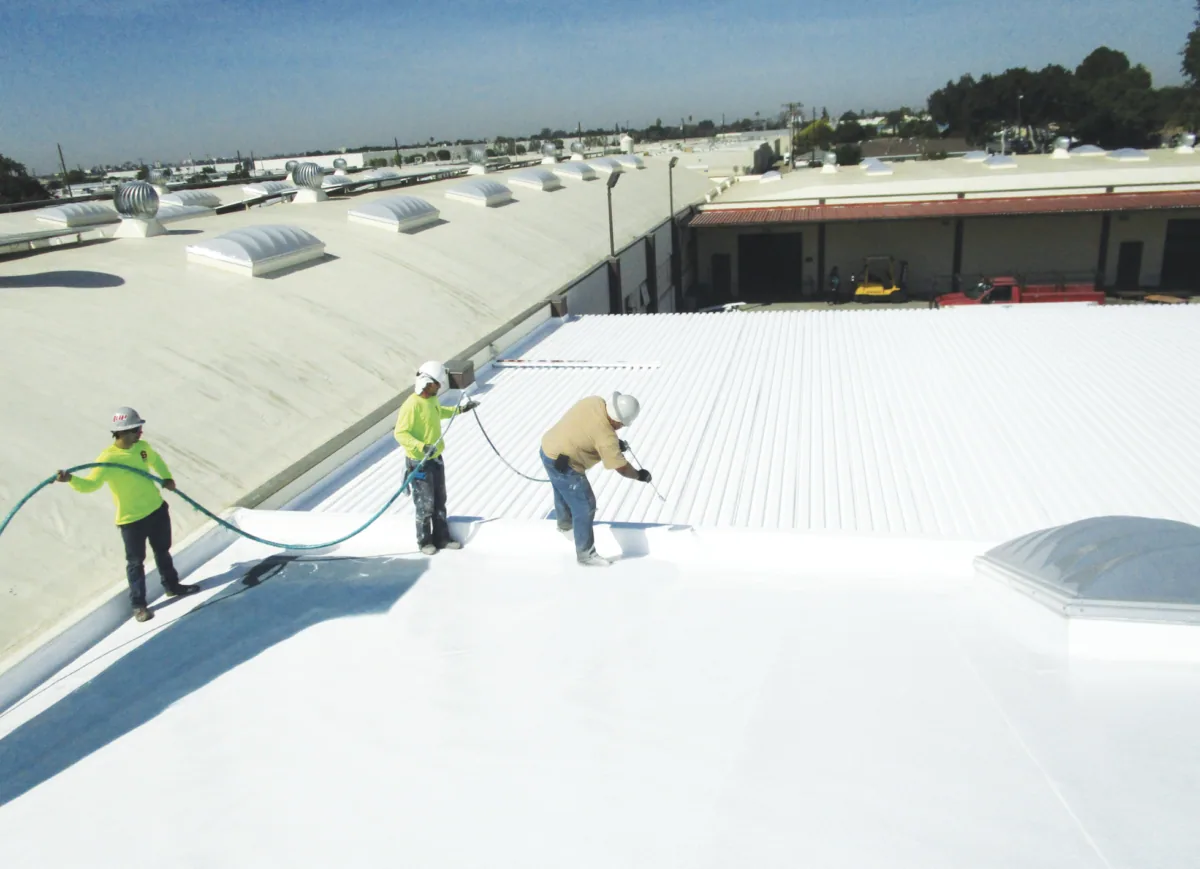
A KEE roof is a reinforced single-ply sheet, hot-air welded at the seams like PVC and TPO. The difference is in the polymer. In an ordinary PVC sheet the plasticizer that keeps the material flexible can migrate out over years. In a KEE blend the plasticizer is chemically tied into the polymer, so the sheet retains flexibility longer and resists attack by oils, fats and many chemicals.

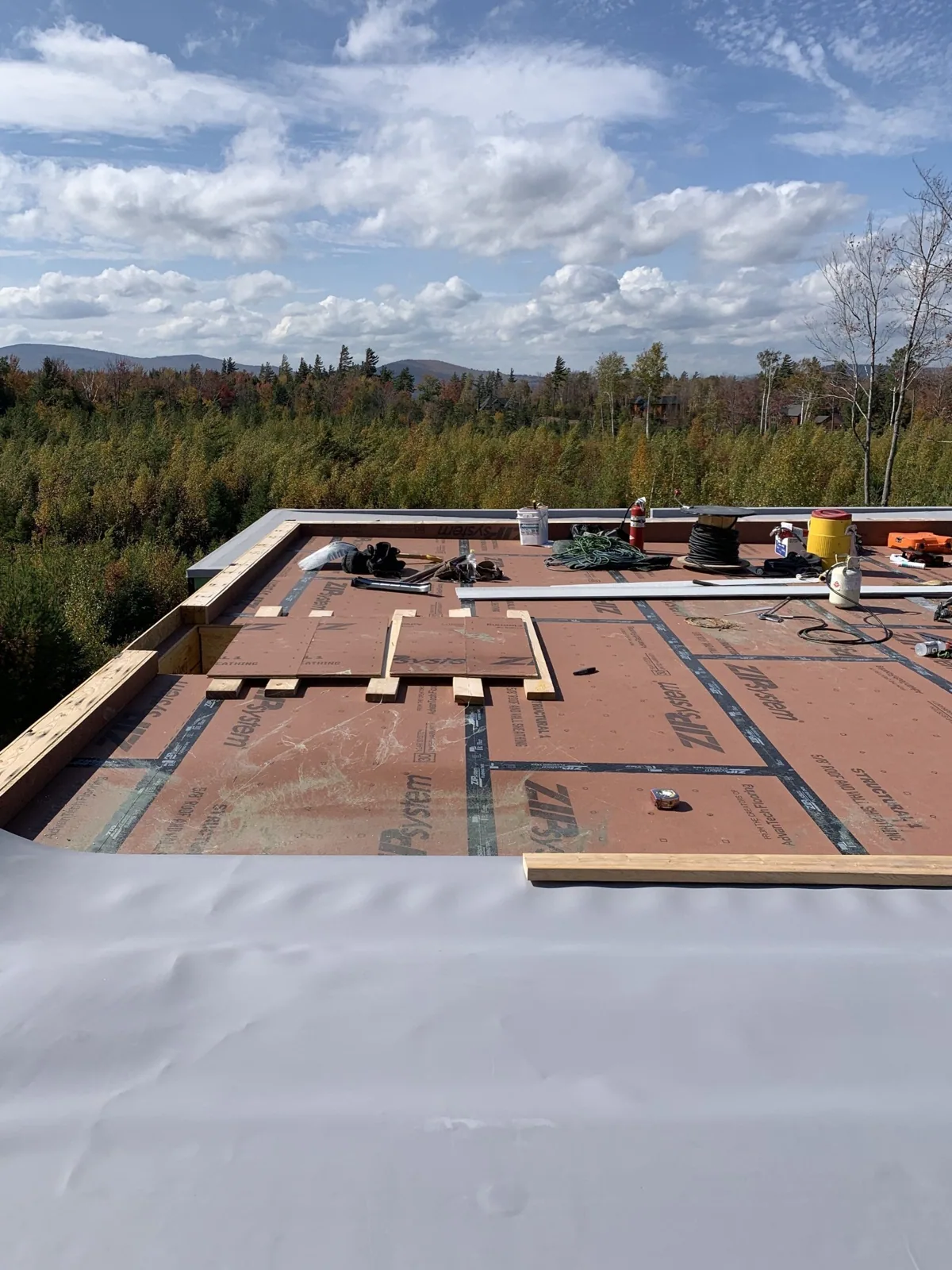
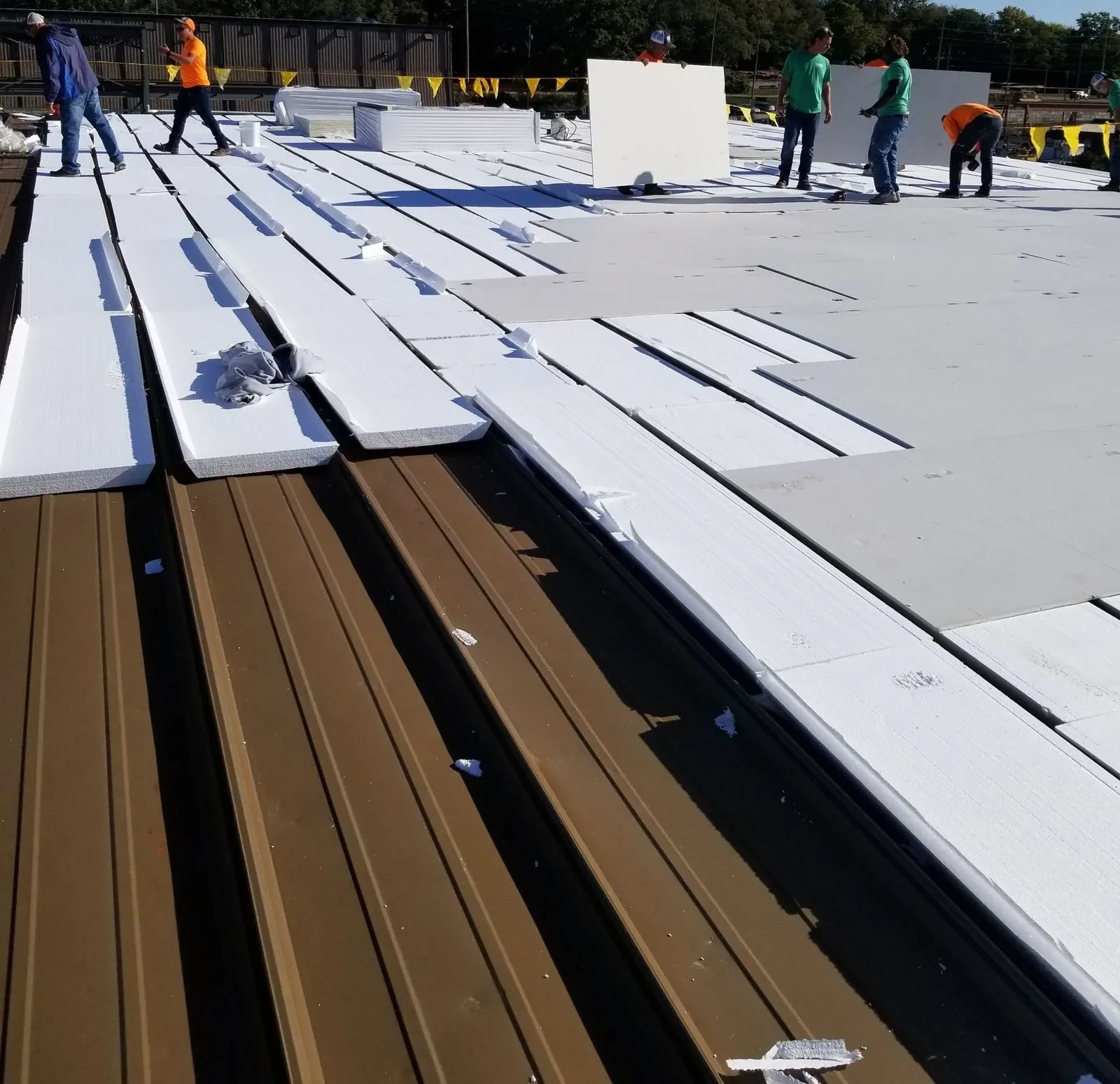
That makes KEE a candidate for roofs where an ordinary sheet would stiffen or soften early. The assembly beneath is conventional: deck, insulation, perhaps a cover board and then the sheet, either mechanically attached or fully adhered. The welding techniques and the detailing are familiar to anyone who has installed PVC, but the materials must match, since a KEE sheet and a PVC sheet are not always compatible at a weld.

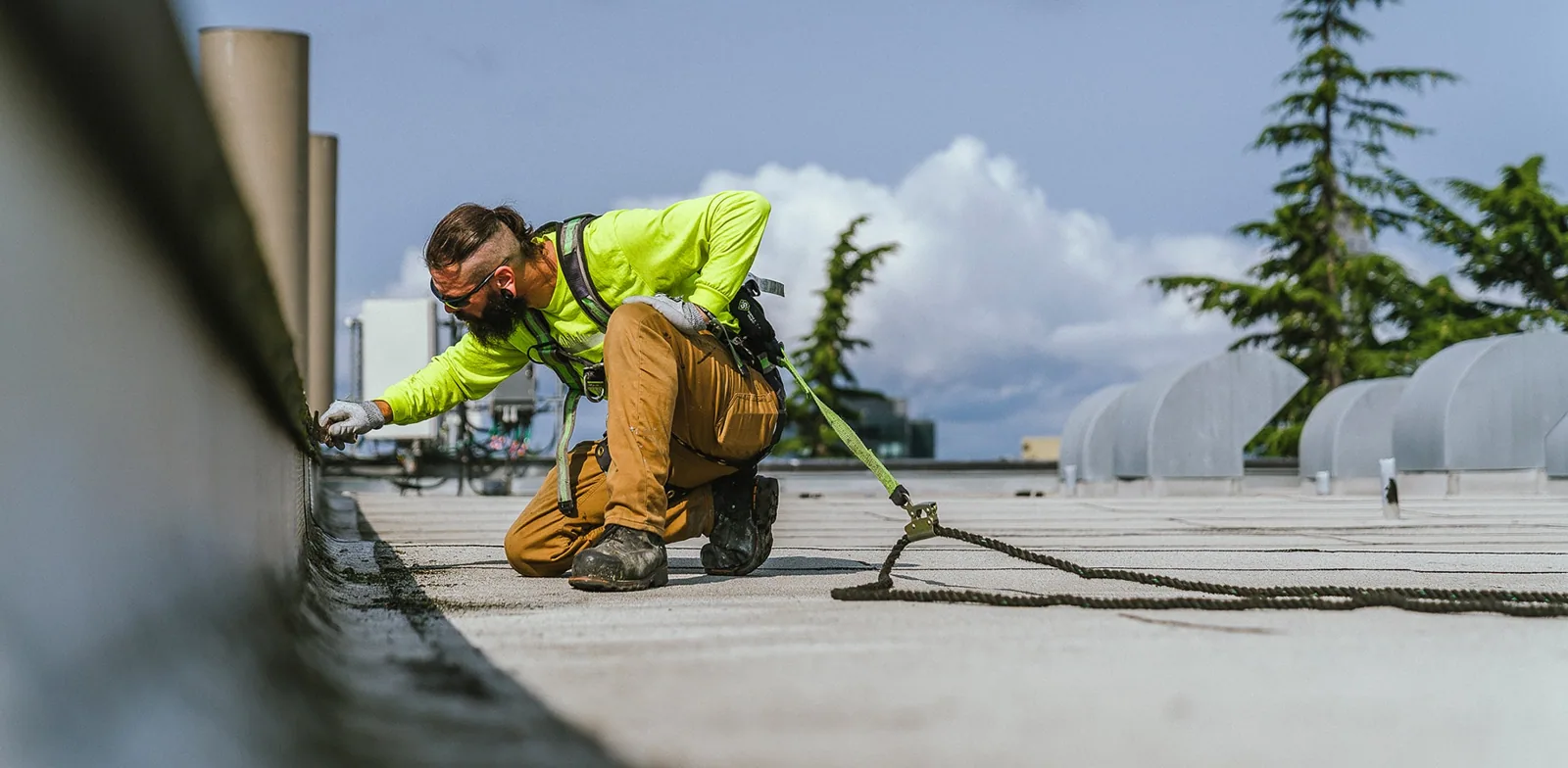
Detailing matters more than the sheet name. Curbs, pipe penetrations and parapet walls are flashed with the same sheet or with prefabricated corners, and terminations are fastened and sealed along the top edge. A roof with many penetrations has many welds, and the quality of each one is what keeps water out. We photograph the details during installation and repair, because they are the first things to be covered and the last things anyone can check.

KEE Roofing
KEE Roofing

What wears first

Even a resistant sheet ages at its details. Welds at laps and flashings can open, curbs and penetrations move with heat, and walkways wear where technicians cross the field. KEE tolerates grease, but exhaust fans still deposit dirt, and a film on the surface can hold moisture against the seams.

Heat is a constant. August highs near 98 F at Austin Camp Mabry explain why rooftop equipment pads, sealants and flashing terminations are inspected first in summer. Sunlight and heat change the surface of any membrane, and we note chalking, discoloration and loss of gloss on a roof plan so that change can be tracked from year to year.

Cleaning is part of maintenance. Exhaust residue is removed with a method the sheet tolerates, since a harsh cleaner can attack the surface or the seams. We walk the roof twice a year under a preventive maintenance routine, clear debris from drains, check sealants and record the condition of the surface near each stack, so a building file shows the pace of change.

Hail and heat on a firm sheet

A KEE sheet is firm, and firm sheets can fracture under hail without showing a hole. Hailstones up to six inches wide were logged at Johnson City on May 9, 2024, ahead of the storm's arrival over San Marcos. One report does not describe one roof. We scan for wet insulation, probe suspect areas and take core samples, and only then call an area damaged.

A hail-bruised field can leave the scrim, the reinforcing fabric inside the sheet, cracked. A cracked scrim wicks water along the sheet, so a small impact can feed a wide wet area. That is why the sample is taken at the center of the bruise and not at the edge.

A dated baseline photo set is what lets an owner separate storm damage from older wear on a sheet like this, and cores taken at the center of a bruise give that record its weight.

Repair, restore or replace

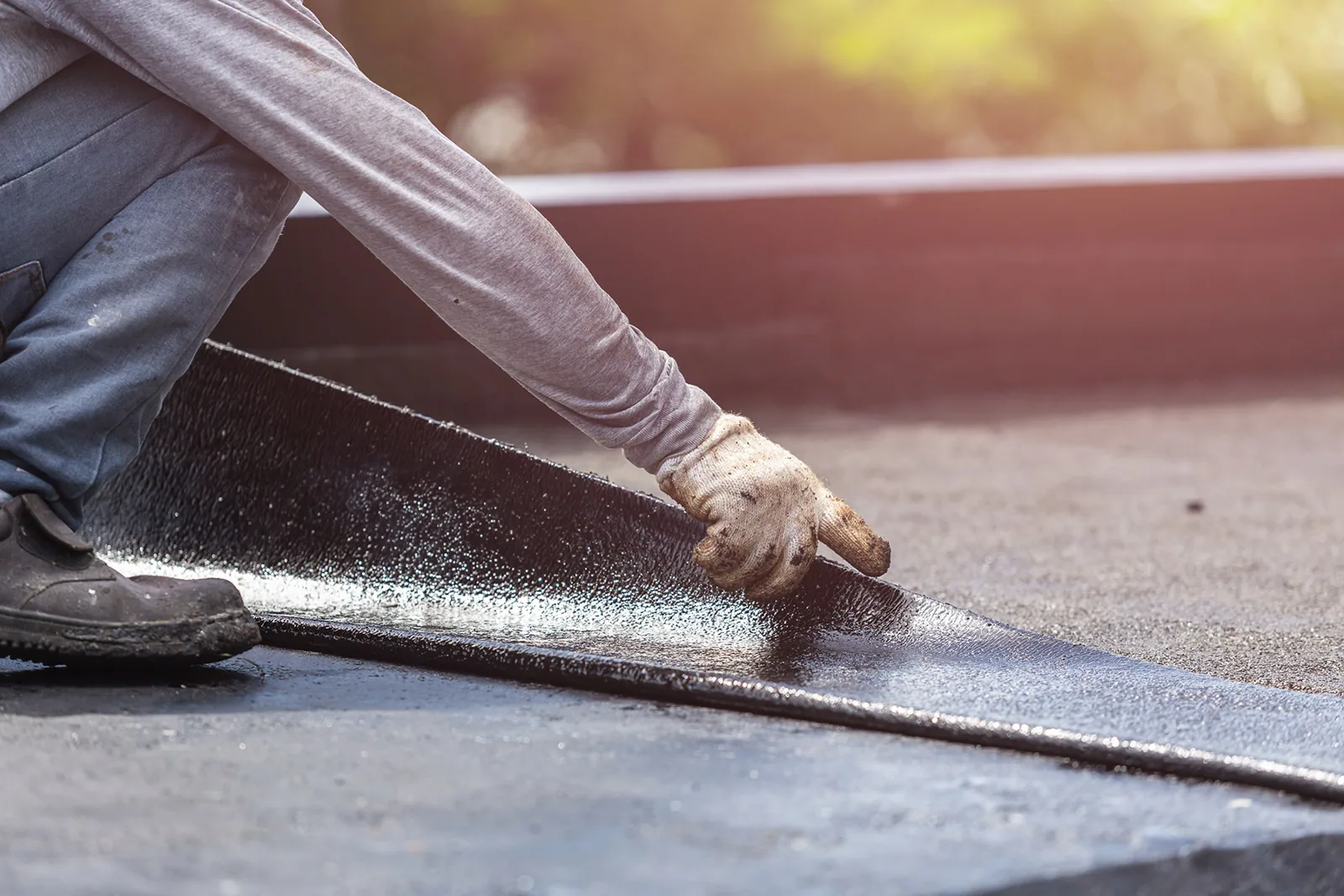
Repair of an in-service KEE sheet is routine when welds are sound. The area is cleaned with the proper solvent, a patch of matching material is welded over the opening and the edge is probed. A failed detail is rebuilt, and a damaged walkway section is replaced. We test a small weld on aged sheet before committing, since a contaminated surface may need extra preparation.

Where the sheet has lost flexibility, cracked at corners or soaked the insulation, the roof moves toward replacement. A PVC or KEE successor is typical when contamination continues, while a TPO system may suit a roof where the exhaust has been moved or reduced. The director gets the options with their cost drivers, not a single number.

Compatibility is the check that decides whether a repair holds. Before any patch goes down, we identify the sheet by core and label, confirm whether the existing membrane is a KEE blend or a conventional PVC, and test a small weld on the aged surface. If the test peels, the surface is cleaned again or a different detail is used. We also look at what the roof sheds onto itself: a fan that discharges oil onto one section will keep contaminating a patch placed beside it, so the repair plan covers the source as well as the sheet. Where an exhaust cannot be moved, a protected walkway and a cleaning schedule take its place, and the owner receives both in writing.

KEE Roofing

Where KEE fits here

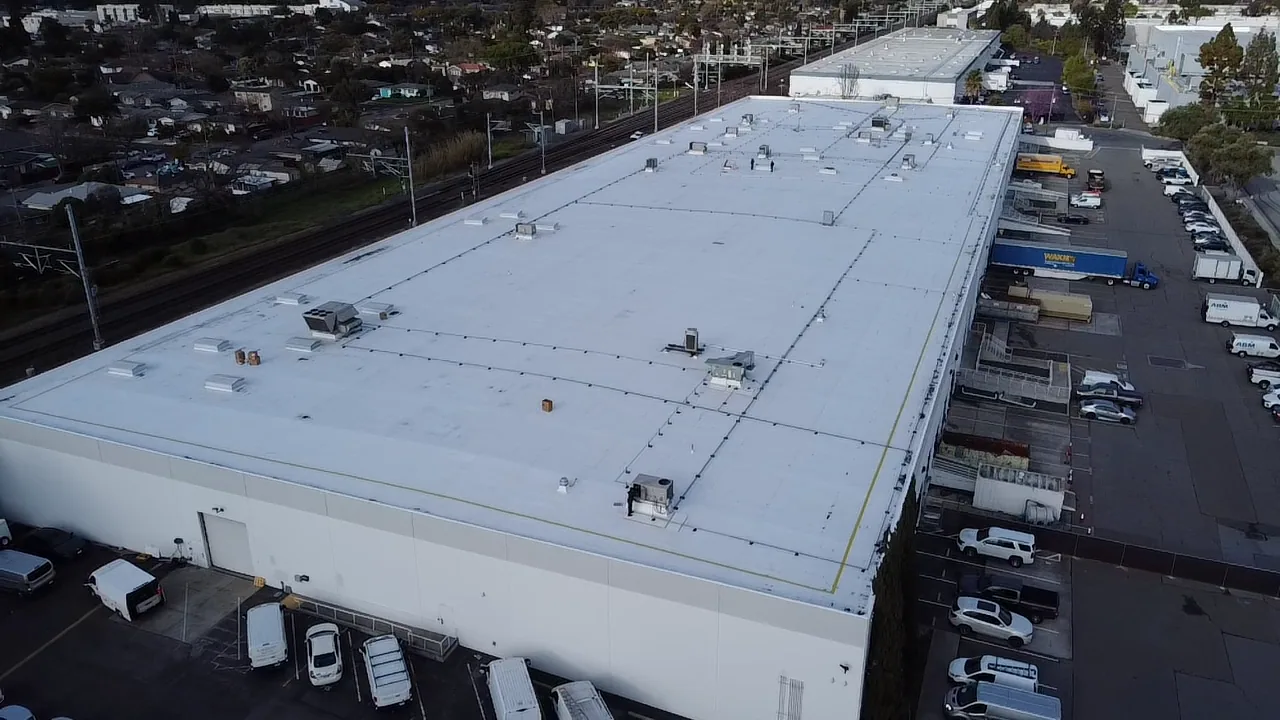
A distribution building with dry storage rarely needs KEE, but a food-service tenant in a retail center like those on the outlet and retail corridor and the exhaust-heavy equipment of manufacturing plants are better matches. Medical buildings with laboratory exhaust and kitchens fit the same pattern.

For each candidate, we ask what leaves the vents, how often it is cleaned and who services the units. The answers decide whether KEE earns its premium or whether a cheaper sheet with a cleaning plan will do.

Campus buildings add a different mix. A campus with roughly 250 buildings, as at Texas State, can mix laboratories, dining and mechanical spaces under the same roofline. Our hospital roofing approach to clinical exhaust follows the same questions about what leaves each vent.

KEE Roofing

The budget-year decision

The output is a ranked replacement queue. Cracked corners, repeated weld failures, wet insulation and unmanageable contamination move a roof up. Tight welds, flexible sheet and dry readings hold it down. We record deferred areas with a note on what to recheck. Costs depend on the sheet, insulation condition, number of details, access and building use, and we price once the readings are complete. Where several roofs share an owner, a single campus phase often lowers mobilization cost, and the queue shows which roofs to bundle.

Commercial Roofing Questions

What does KEE add over ordinary PVC?

The plasticizer is bonded into the polymer, so the sheet stays flexible longer and resists oils and chemicals.

Is KEE worth its price on every building?

No. Exposure decides it. A roof with no grease, oil or chemical load may be served well by a cheaper sheet.

Can KEE be welded to PVC?

Not always. Compatibility depends on the formulations, so we test a small weld before committing.

How do I know a roof is KEE?

A core cut, the underside of a lifted edge and any submittals identify the sheet. A label alone is not proof.

Does hail harm a KEE roof?

It can fracture the reinforcement without a hole. Moisture scans and cores show whether water has entered.

Send the building list

Send the building list and any past reports, and we will sort the roofs into replace, repair and watch groups before your next budget year.

Request a Roof Assessment

Related Roofing Work

ServicesRoof SystemsIndustriesProperty TypesService AreasRoof Damage RepairCapabilitiesManufacturersAboutContactRequest a Roof Assessment555-555-5555
Call555-555-5555