555-555-5555

Silicone Roof Coatings

Silicone coatings belong to the building classes with roofs that are sound but tired: warehouses and distribution buildings with decades left in the deck, light industrial space, retail with flat roofs that pond, and metal buildings whose panels are intact but whose finish is gone. In San Marcos, TX, an owner with that kind of roof faces a choice between spending the capital to replace a roof that still works and spending a fraction to extend it. A silicone coating is the second path.

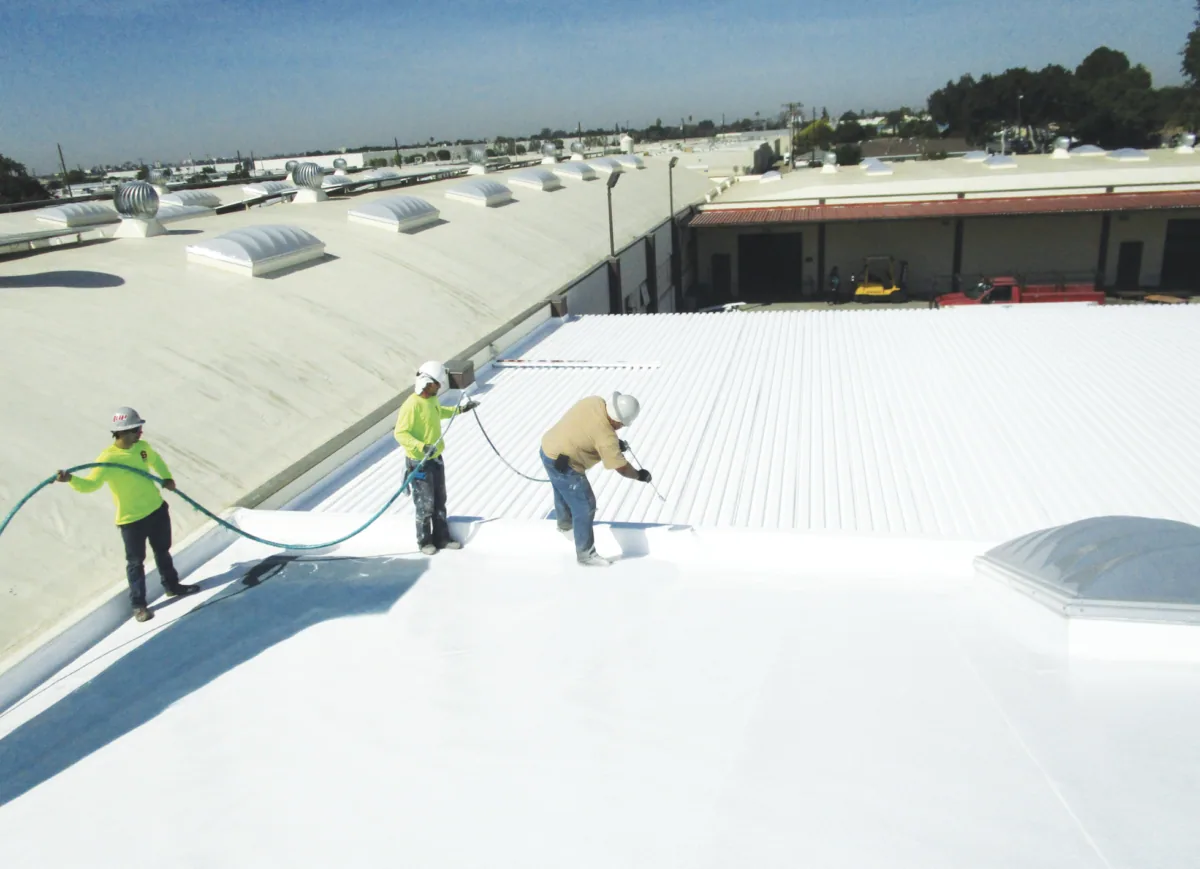
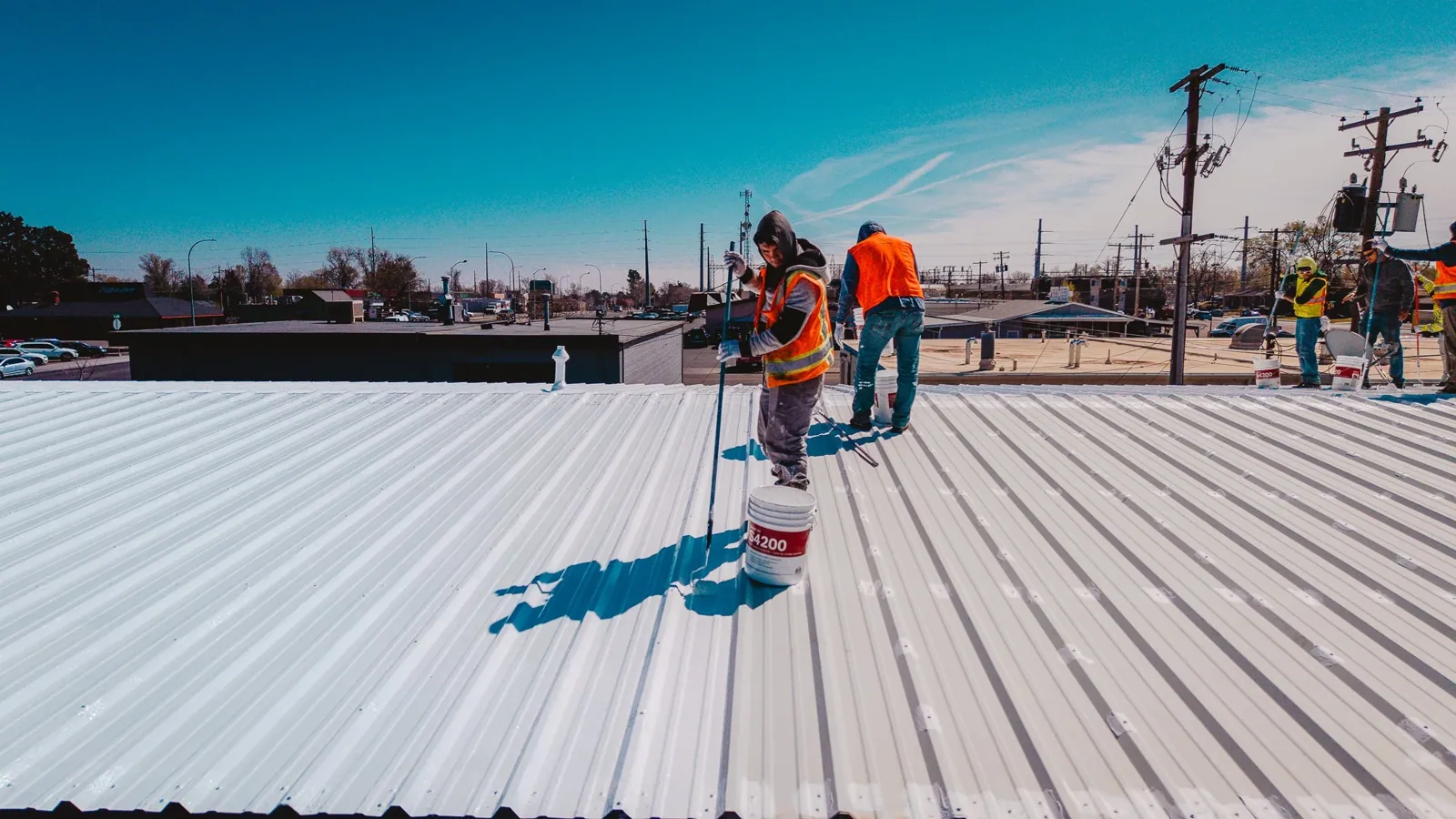
A silicone roof coating is a liquid applied over a clean, dry roof surface that cures into a flexible, waterproof film. It does not replace the membrane under it. It protects that membrane, seals small defects and reflects heat, and its value depends entirely on the condition of what it covers.
What the system is

The system has four steps: clean, repair, prime if needed and coat. Cleaning removes dirt, mildew and loose material. Repair fixes seams, flashings, fasteners and open laps before anything is sealed over them. A primer improves adhesion on some surfaces. The coating goes on in one or two coats to a specified thickness, measured wet and verified dry.

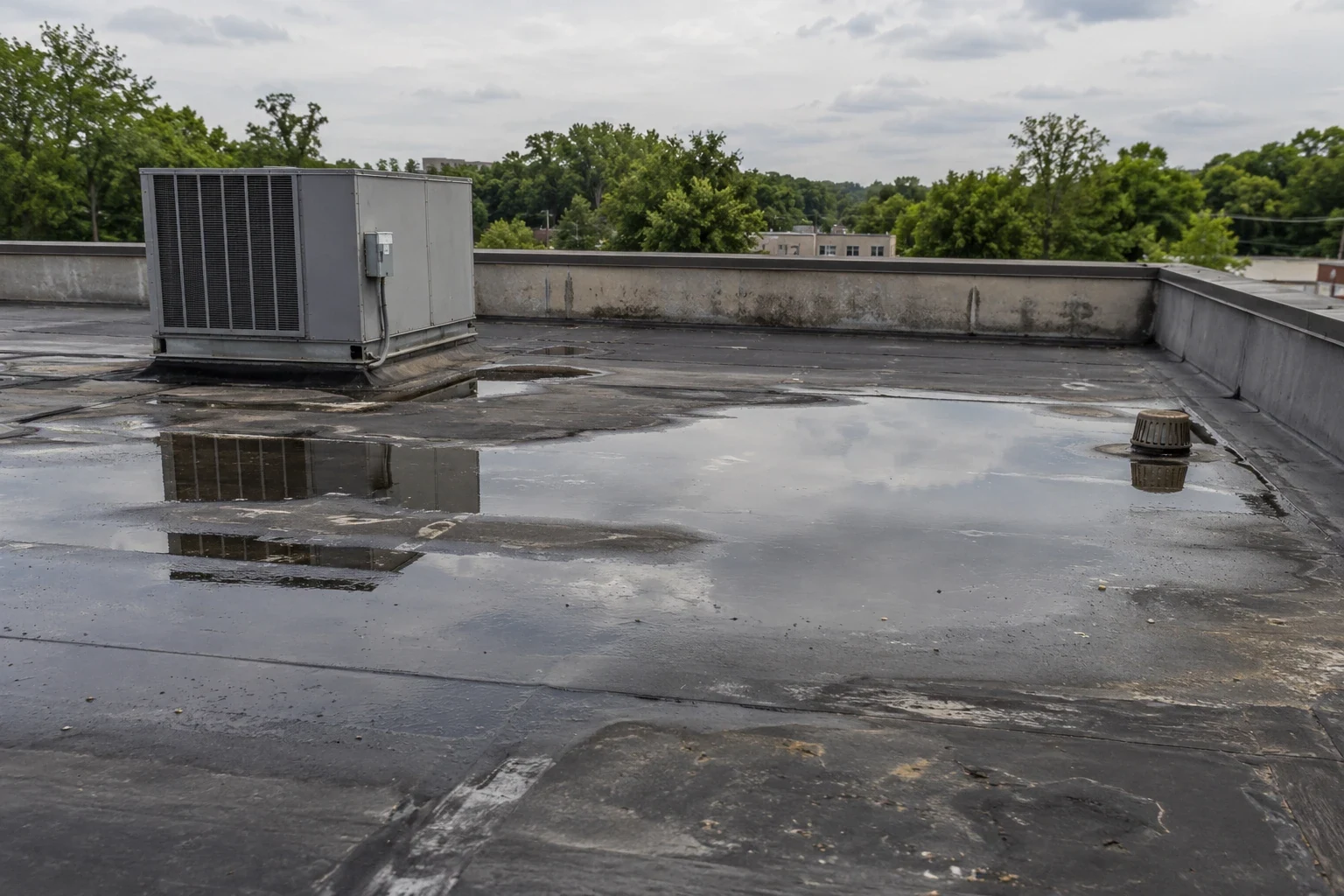
Silicone's main strength is that it tolerates standing water. Many coatings soften or break down when a pool sits on them for days, but silicone cures into a film that resists it. That makes it a candidate for roofs with low spots and ponding that cannot be corrected cheaply. Its main constraint is that once a roof is coated with silicone, other coating families generally will not bond to it, so future recoats are usually silicone as well.

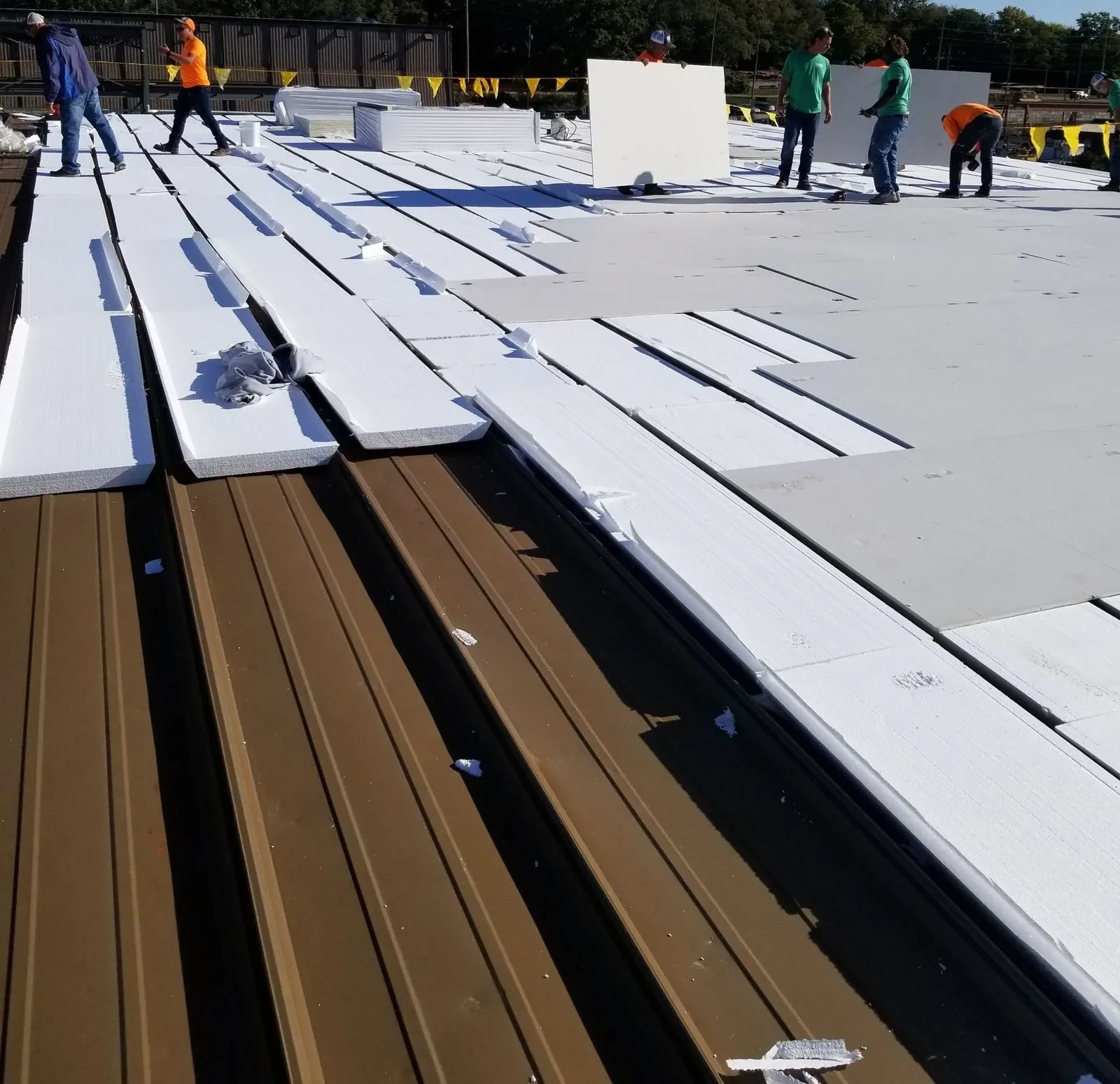
Preparation is most of the work. Pressure washing removes the film that would block adhesion, and loose coatings from earlier jobs are scraped or removed. Rust on metal is wire-brushed and treated. Seams on single-ply roofs are reinforced with fabric and sealant. Penetrations get extra material, since they are the places where a thin coat most often fails. A roof that skips this step leaves the leaks under a fresh-looking surface.

Silicone Roof Coatings

What wears first

A silicone film wears slowly but visibly. It collects dirt, which dulls reflectivity, and traffic paths thin the surface. Edges, penetrations and seams are the places where coating thickness is hardest to maintain, and cracks there let water reach the substrate. Fastener heads and sharp corners can poke through a thin coat.

Heat is the constant. At Austin's Camp Mabry station, the August normal high is about 98 F, which sets the regional pace for summer roof heat. We measure thickness at set points and record them, so wear can be tracked year to year.

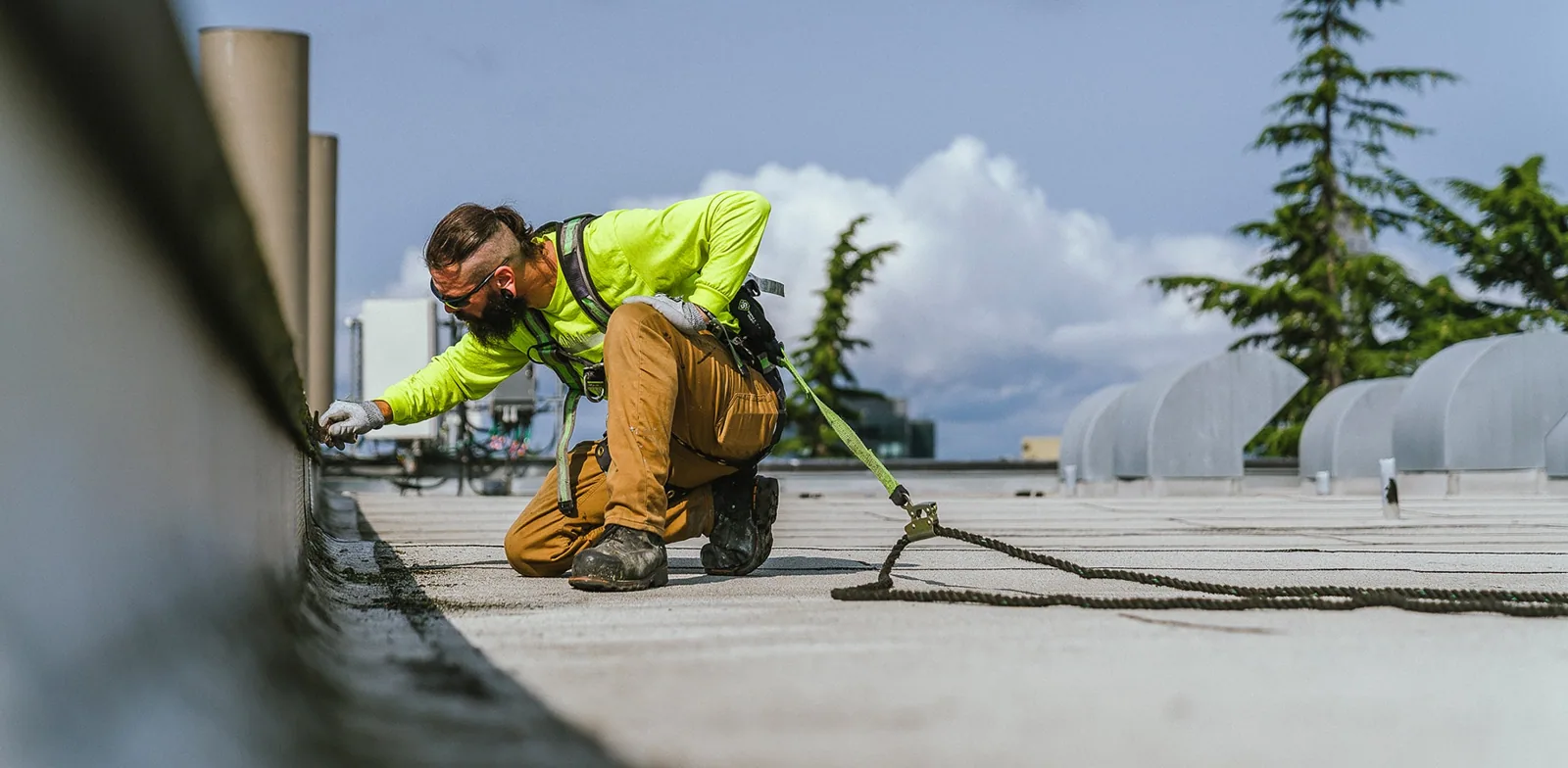
Slipperiness is a safety note. A wet silicone surface is slick, so walkway pads and granule-textured paths are placed along routes to equipment. Service technicians should be told about the surface, and a short sign at the roof hatch reduces the risk. We also record dirt pickup near exhaust and in low spots, because a washed roof reflects heat better and shows defects more clearly.

Dirt pickup is the practical complaint with silicone, since the cured film stays slightly tacky and holds airborne dust. A yearly wash restores much of the reflectivity and gives a clear look at the coating underneath.

Hail and the limit of a coating

A coating is a skin, not armor. Before reaching San Marcos on May 9, 2024, that storm had already put hail up to six inches across on Johnson City. Large hail can bruise the substrate beneath a coating or tear the film. That is regional context, not a finding for any roof, but it explains why we scan before and after any coating job.

Moisture scans matter most. A coating applied over wet insulation traps the water, and the problem grows underneath. We take cores at the worst readings and refuse to coat an area that tests wet. Hail-damaged areas are repaired first, then coated, and the scan is repeated to confirm the roof is dry.

Ponding is the problem silicone was chosen for, but it is still worth fixing at the source. A pool at a drain may call for a new sump or a resized outlet, and a pool in the field may call for tapered insulation. Where those fixes are practical, ponding water repair comes first, and the coating goes on a roof that drains better than it did before.

Coat, repair or replace

Substrate condition drives the decision: a dry, bonded membrane with sound seams is a coating candidate. A roof with scattered wet insulation may need sectional repair first. A roof with widespread wet board, failed laps and deteriorated deck should be replaced. Coating the wrong roof wastes the money and delays the real fix.

An adhesion test comes first. A test patch is cleaned, primed and coated, then checked after cure for bond. Some surfaces, including certain aged membranes, need special primer, and a few will not accept silicone at all. Every roof coating restoration begins with that test, and acrylic is weighed against silicone when ponding is not a concern.

Warranty is part of the discussion. A coating may carry its own manufacturer terms, and applying one over a roof with an existing warranty can affect that coverage, so the paperwork is reviewed first. We note the status of any existing warranty in the building file, together with the coating product, the thickness and the date, so a future owner can see what was done. If the building is financed, the lender's reporting requirements are considered at the same time.

Silicone Roof Coatings

Where silicone fits here

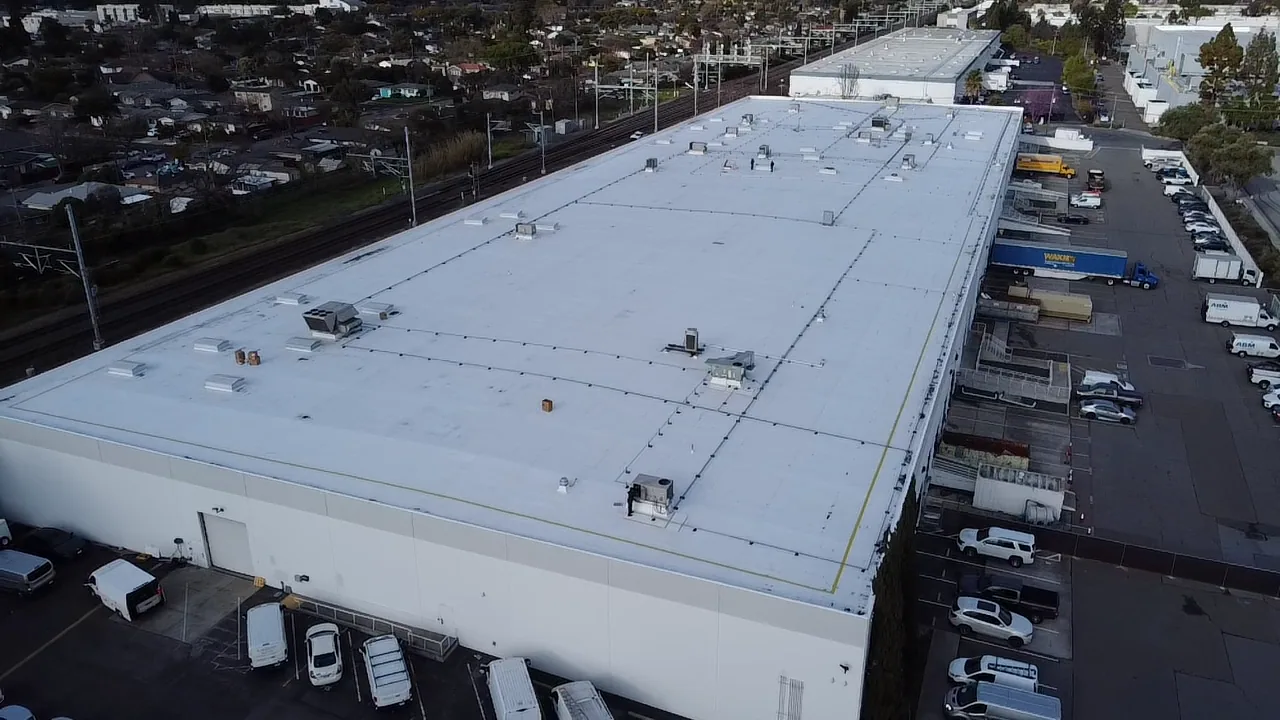
Warehouse and logistics roofs of the kind planned in Buda and the Kyle corridor, and flex space or metal buildings elsewhere in the region, are typical candidates when the membrane or panels are sound. A warehouse roof with a sound membrane and ponding near drains can be coated and have its low spots addressed. Exposed-fastener metal roofs are another fit, once the fasteners are replaced in a metal roof retrofit.

Each coated roof gets a file listing substrate, product, thickness and date, and that file sets the recoat schedule.

Silicone Roof Coatings

The budget-year decision

The deliverable is a ranked queue with a coating calendar. Wet insulation, failed seams, poor adhesion and heavy rust drop a roof out of the coating group, while dry readings, a bonded substrate and sound details keep it in. Area, substrate preparation, repairs, coat thickness, access and building use drive cost, and the schedule bends to operations and weather once the walk is done.

Recoats follow the film's condition. We measure thickness each year, clean the surface and add a maintenance coat when readings fall toward the minimum, which is cheaper than a full second coat later. The calendar goes into the building file beside the cores and photos.

Commercial Roofing Questions

Why choose silicone for a roof that ponds?

The cured film tolerates standing water better than most coatings. Drainage should still be improved where practical.

Can anything be coated over silicone later?

Generally only silicone. Other coating families do not bond well to it, so plan recoats accordingly.

Will a coating stop an active leak?

Only if the cause is a surface defect. Wet insulation or failed seams must be repaired first.

How is a coating job checked?

Thickness is measured at set points, adhesion is tested and a moisture scan confirms dry readings.

Does silicone make a roof cooler?

A reflective white coating lowers surface temperature compared with a dark roof. Dirt reduces the effect over time.

Send the building list

Send the building list and any past reports, and we will sort the roofs into replace, repair and watch groups before your next budget year.

Request a Roof Assessment

Related Roofing Work

ServicesRoof SystemsIndustriesProperty TypesService AreasRoof Damage RepairCapabilitiesManufacturersAboutContactRequest a Roof Assessment555-555-5555
Call555-555-5555