555-555-5555

Roof Coating and Restoration

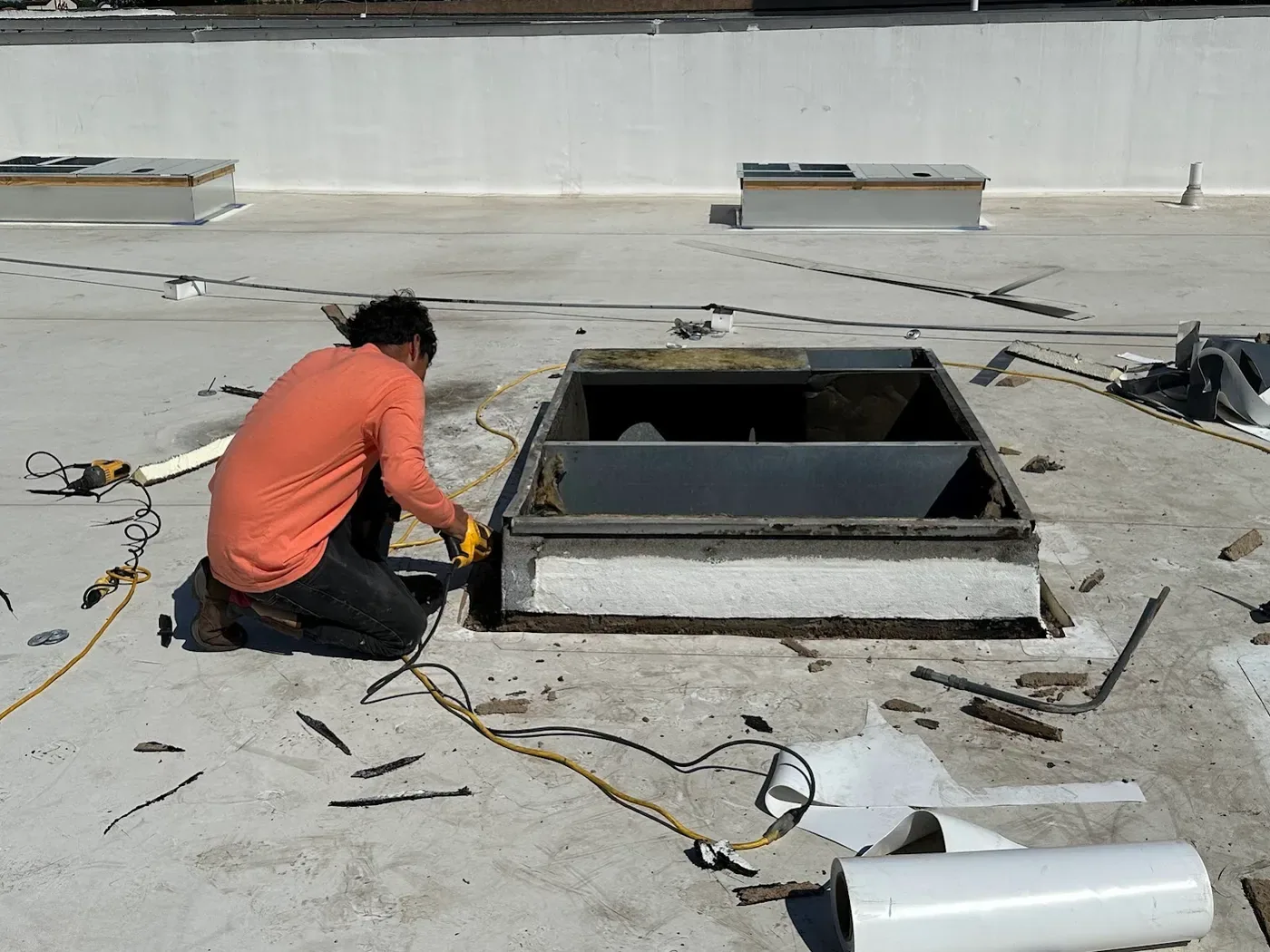
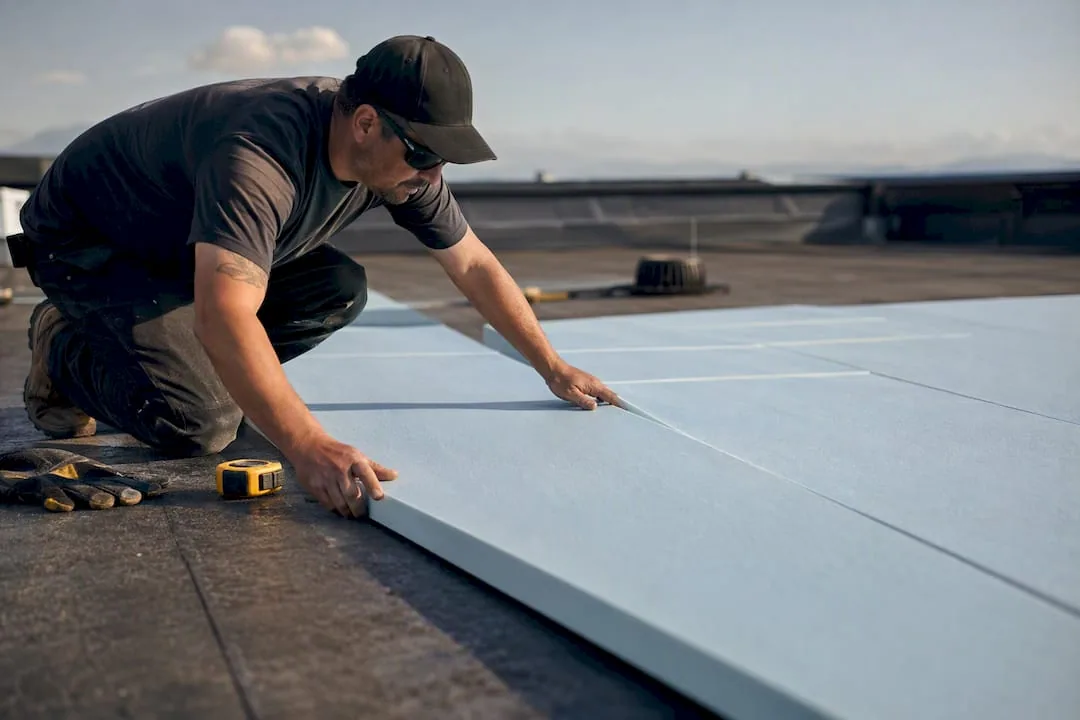
The roofs that qualify for a coating are a building class of their own: low-slope fields with years of service left, a dry deck and a membrane that has weathered rather than failed. What that class does to a budget year is simple and valuable. A coating can move a replacement several years down the queue, and it can do so at a fraction of the disruption, because nothing comes off the building. The catch is that most of the work is in deciding which roofs belong in that class. A coating on a wet roof traps the water, and a coating on a roof past repair only dresses up the problem. We sort first, then coat the roofs that earn it.
What the coating does

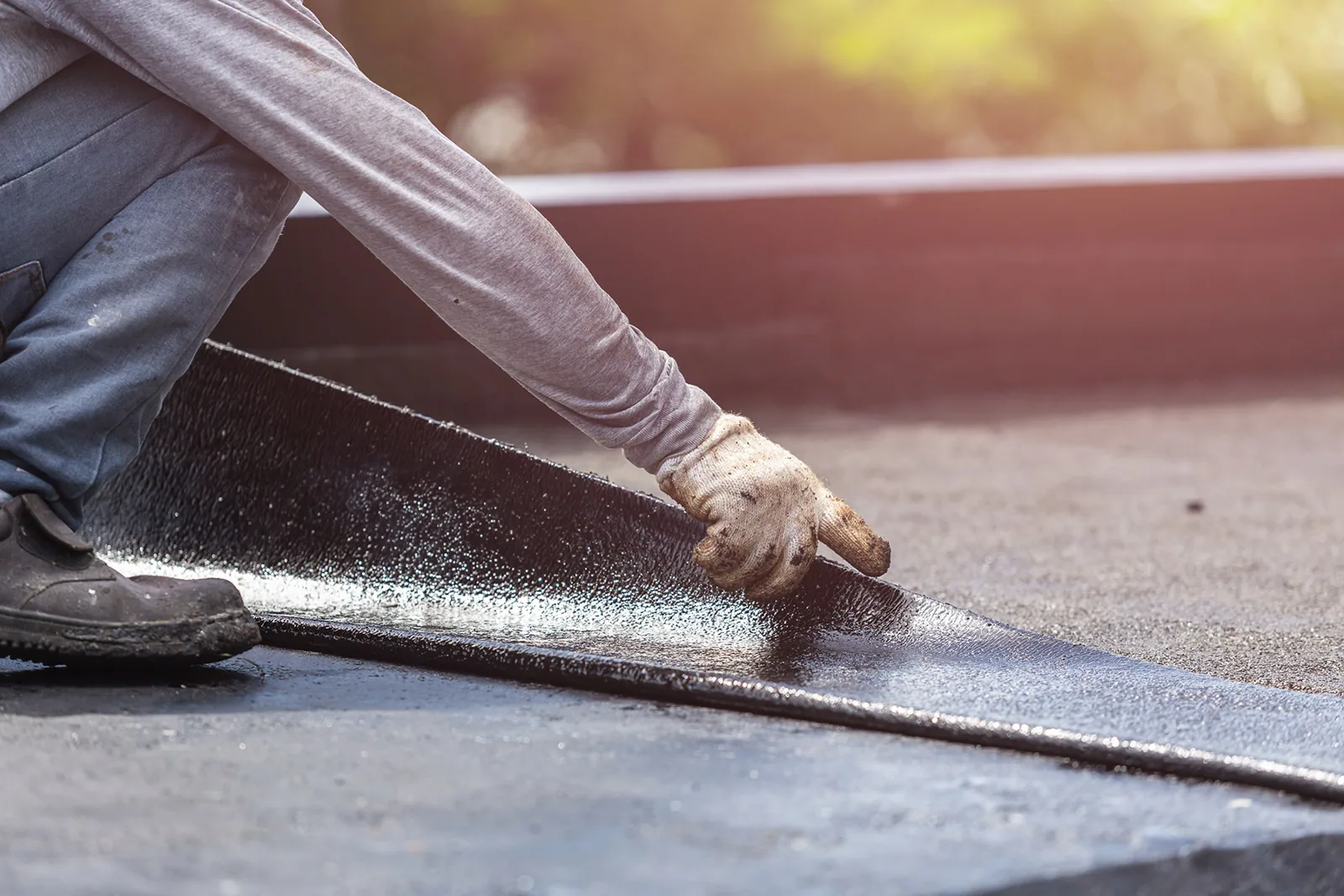
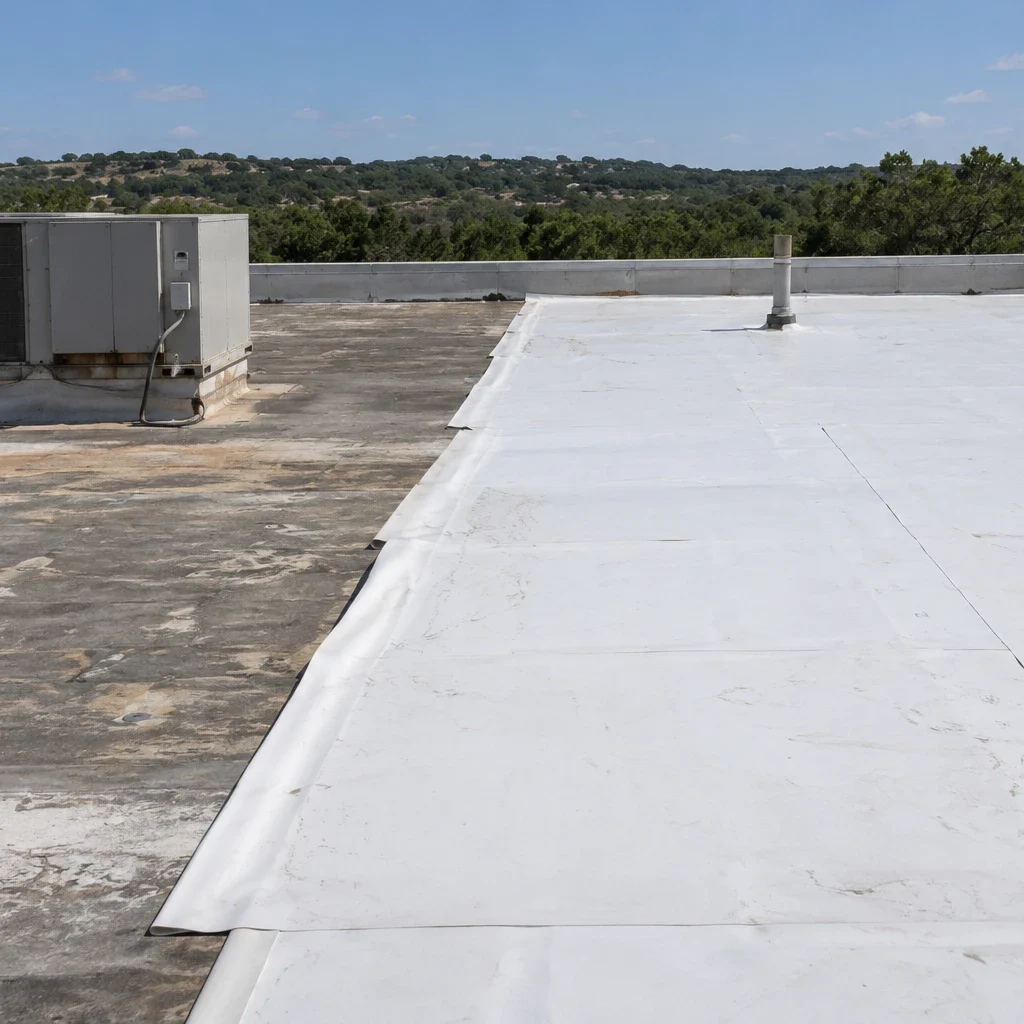
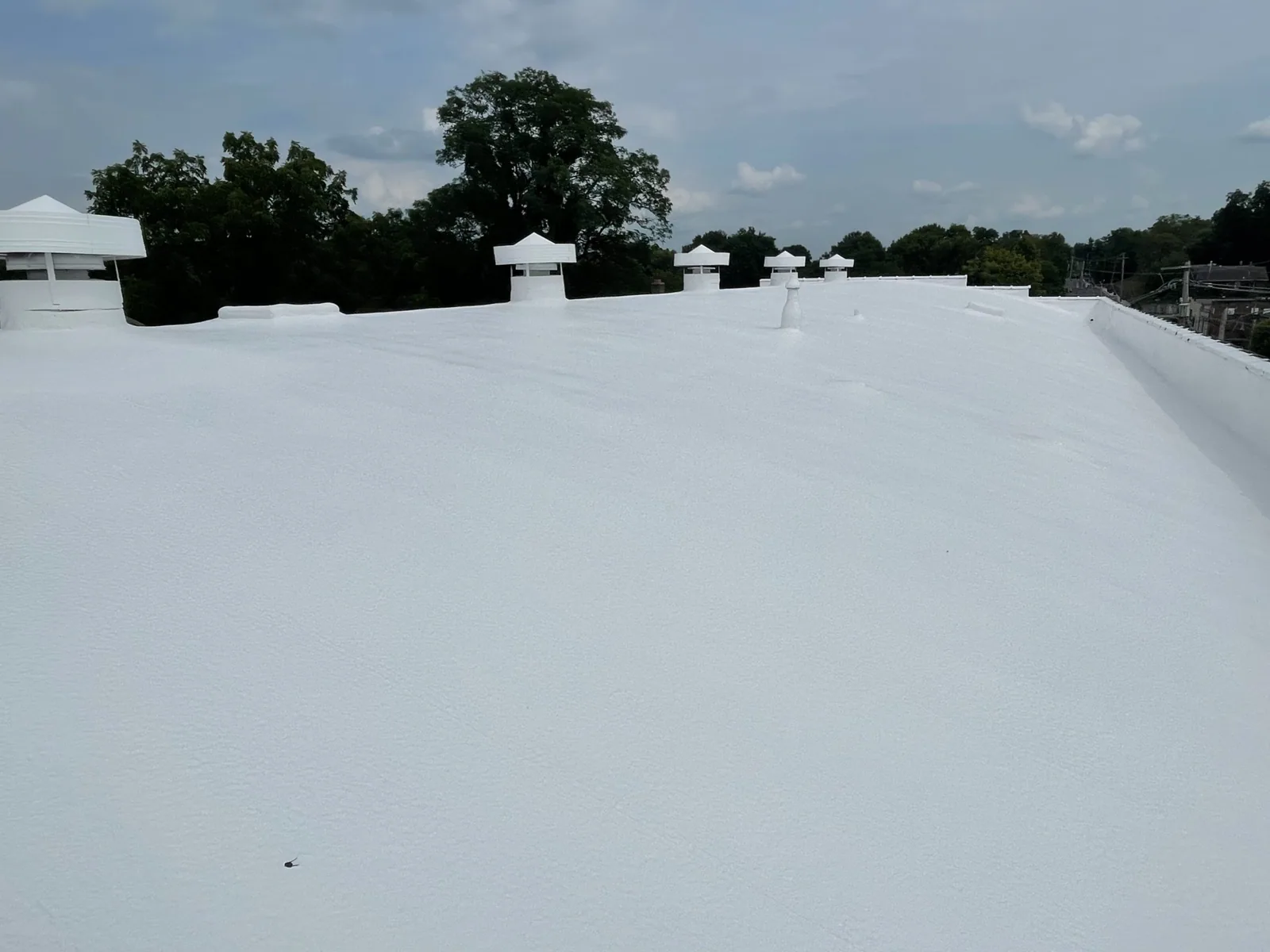
A liquid-applied coating cures into a continuous film over the existing surface. It seals small splits, locks down seams and flashings, restores reflectivity and adds a layer of weather protection that the old membrane has lost to sun and years. It does not add structure or fix a leaking deck. The film is thin, usually described in mils, and its protection depends on how well it bonds and how evenly it is applied. Silicone and acrylic are the two systems we install most, and each suits a different roof. The wide, low-slope fields common on warehouse and fulfillment buildings are natural candidates, because the roof is mostly open surface and the cost per square foot falls as the area grows.

Reflectivity is a second benefit. A white or light coating sends sunlight back instead of absorbing it, which lowers the temperature of the roof surface during the long summer afternoons. Lower surface temperatures mean less thermal movement in the membrane, and less movement means fewer opened seams over the years. For tenants, a cooler roof can reduce the load on rooftop units, though the saving varies with insulation, equipment and use, and we do not promise a figure.

Roof Coating and Restoration

Which roofs qualify

Four conditions have to hold. The insulation and deck must be dry. The existing membrane must still be attached and free of widespread blisters or open seams. The roof must drain, since coatings do not cure well under standing water, and silicone is the usual exception for ponding areas. And the roof must have enough service left to justify the spend. A roof with scattered splits and chalked, faded surface usually qualifies. A roof with saturated insulation or a membrane that peels at the touch does not. We confirm all four with a walk, probe cuts and a moisture scan, and we put the results in writing so a director can read the reasoning for each roof in the portfolio.

Edges and details need a separate look. Even when the field qualifies, parapet walls, curb flashings and drain sumps may be too worn to coat, and those get rebuilt first. The cost of that detail work is often the real swing in the budget, which is why we price it as its own line instead of folding it into the per-square-foot rate.

What the test shows

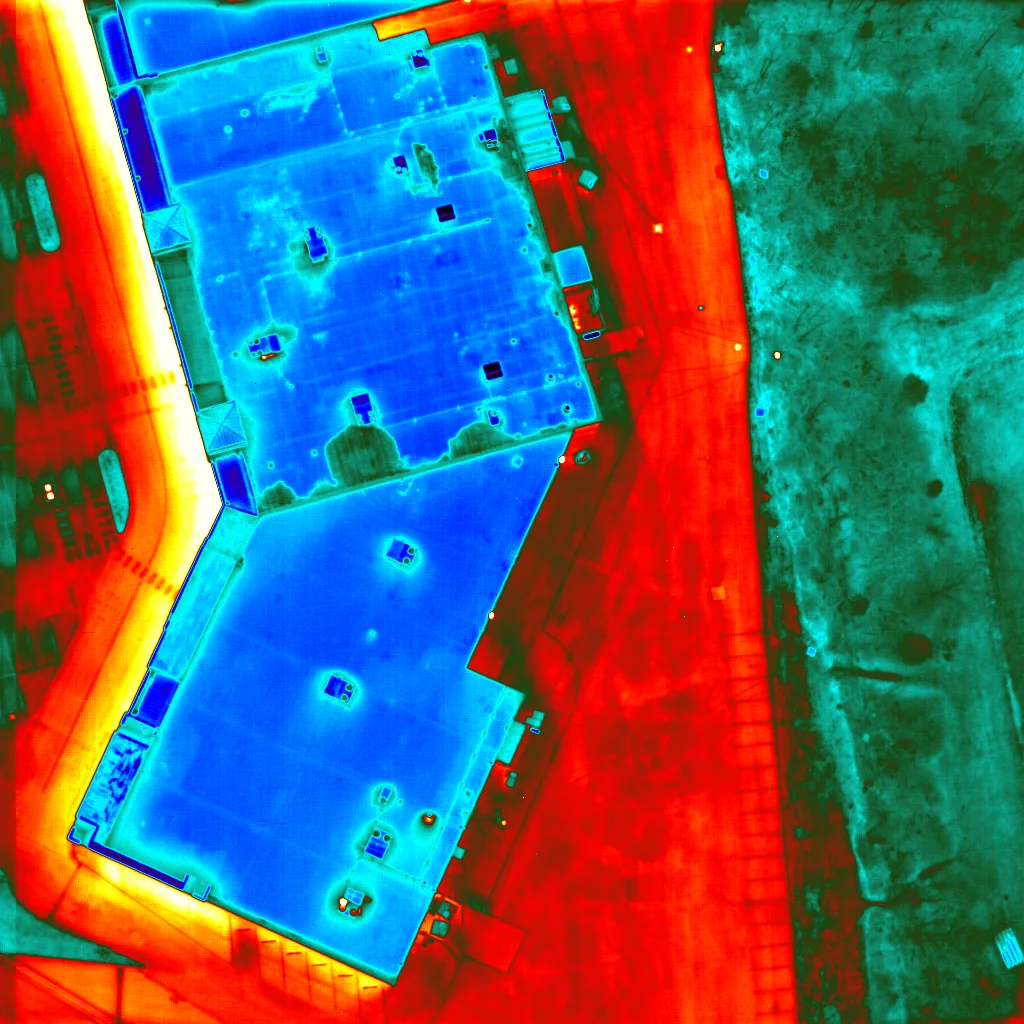
The moisture test is the gate. An infrared moisture survey maps wet areas across the field, and core samples confirm what is under the membrane and how wet it is. Adhesion tests on a small patch show whether the coating will bond. If the survey finds a limited wet area, we cut it out, replace the insulation and patch the membrane before coating. If the wet area is widespread, replacement is the right scope, and a full replacement becomes the plan. For roofs in between, a recover may fit better than a coating. Hail adds a wrinkle. A hail-bruised field may look fine from above and hold broken cells below, so we test those areas before promising a coating will hold.

Silicone, acrylic and the choice

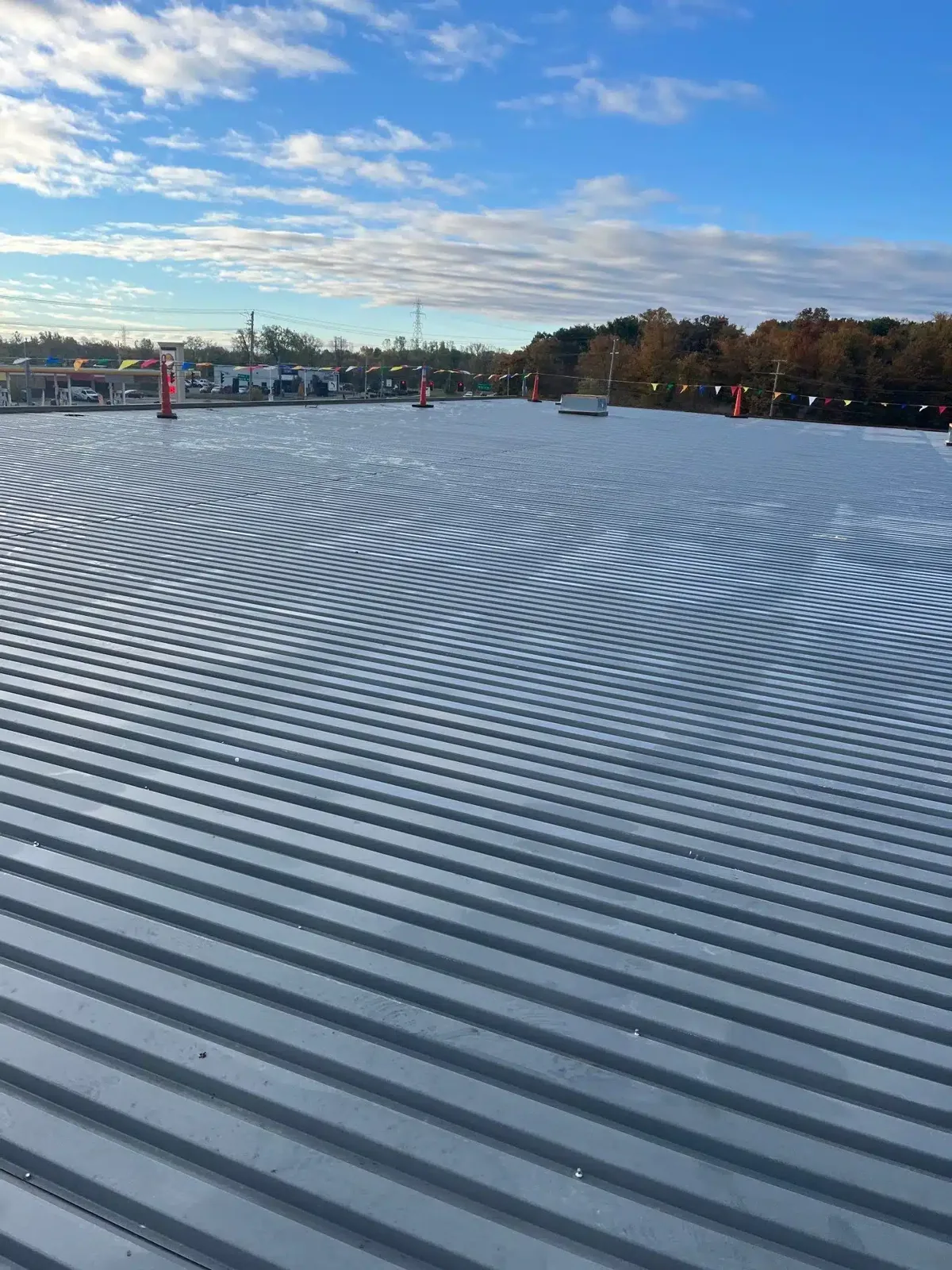
Silicone holds up under ponding water and sheds dirt reasonably well, but it attracts dust over time and few products stick to it later. Acrylic is cost-effective on sloped roofs that drain freely, and it reflects heat, but it needs dry weather to cure and does poorly under standing water. The choice rides on the roof. A flat field with known ponding points toward silicone roof coatings. A drained metal or modified roof may suit acrylic roof coatings. Heat is a factor either way, since August afternoons average near 98 F at Austin Camp Mabry and a reflective coat lowers the surface temperature the membrane carries.

Roof Coating and Restoration

Prep carries the result

Most coating failures trace to preparation. The surface is cleaned and pressure washed to remove dirt, chalk and biological growth. Seams are reinforced, flashings are re-detailed and open splits are patched. Primer goes on where the substrate calls for it. Then the coating is applied in measured coats to the specified thickness, with the wet film checked as the crew works. We record the product, the coverage rate and the weather on the day. San Marcos has the 2021 International Energy Conservation Code in force, so a coating picked for reflectivity should be checked against the energy provisions before it is specified.

Weather windows matter. Silicone and acrylic both need a dry surface and suitable temperatures at the time of application, and a storm cell that rolls through before the coat cures can ruin a day's work. We watch the forecast, stage the crew in sections and close in each section before leaving it, so a surprise shower hits a cured area or a protected one.

Roof Coating and Restoration

The budget-year decision

The coating is a deferral tool, and it works best when the director treats it that way. A coated roof gets the same inspection schedule as any other, and the recoat date goes on the replacement queue like a service item. For outlet and retail buildings along the I-35 outlet and retail corridor, where roofs share space with signage, rooftop units and visitors below, a coating avoids the tear-off dust and the crane days. For a warehouse with a large field, the savings grow with the area. The same logic supports a cool roof program where heat load matters. We state the cost drivers in the scope: area, prep scope, number of penetrations, detail work and the number of coats.

Commercial Roofing Questions

How long does a roof coating last?

Service life depends on the system, the thickness applied and the condition of the roof underneath. A properly prepped roof with a full-thickness coating can hold for years, and we record the install conditions so the recoat date is a plan and not a surprise.

Can a coating go over wet insulation?

No. Moisture trapped under a coating blisters the film and spreads rot in the deck. We scan first, remove the wet sections and coat only the dry roof.

Is a coating cheaper than replacement?

Usually, since nothing is torn off and disposed of. The comparison should include the recoat date, because a coating buys time and does not make a roof permanent.

Will a coating stop hail damage from leaking?

Not by itself. Bruised or broken areas need repair first, then the coating seals the surface. A coating also adds some protection against later impacts, though not enough to count on.

Who warrants the work?

The coating manufacturer and the installer each have a role, and terms vary by product and roof condition. We provide the paperwork for the system we install and keep the application record in your roof file.

Send the Roof List and Past Reports

Send the building list and any past reports, and we will sort the roofs into coat, replace and watch groups before the next budget year. Use the contact form.

Request a Roof Assessment

Related Roofing Work

ServicesRoof SystemsIndustriesProperty TypesService AreasRoof Damage RepairCapabilitiesManufacturersAboutContactRequest a Roof Assessment555-555-5555
Call555-555-5555