555-555-5555

Commercial Roof Replacement

A replacement is the largest single roofing decision a facility director makes for a building, and in San Marcos, TX it lands on very different kinds of property: fulfillment and delivery buildings along the I-35 corridor, outlet retail, campus buildings, courthouse-square storefronts and the growing medical corridor in Kyle. Each class loads a roof differently, so the first step is never the tear-off itself. It is sorting the roof inventory into the areas that are spent, the areas that can wait and the areas that only look bad. Full replacement work begins with that sort, because the budget year, not the weather, usually sets the real deadline.

From there the decision runs through building class, the removal sequence, the system choice and the paperwork an owner should have in hand before approving a scope.
Start With the Building Class

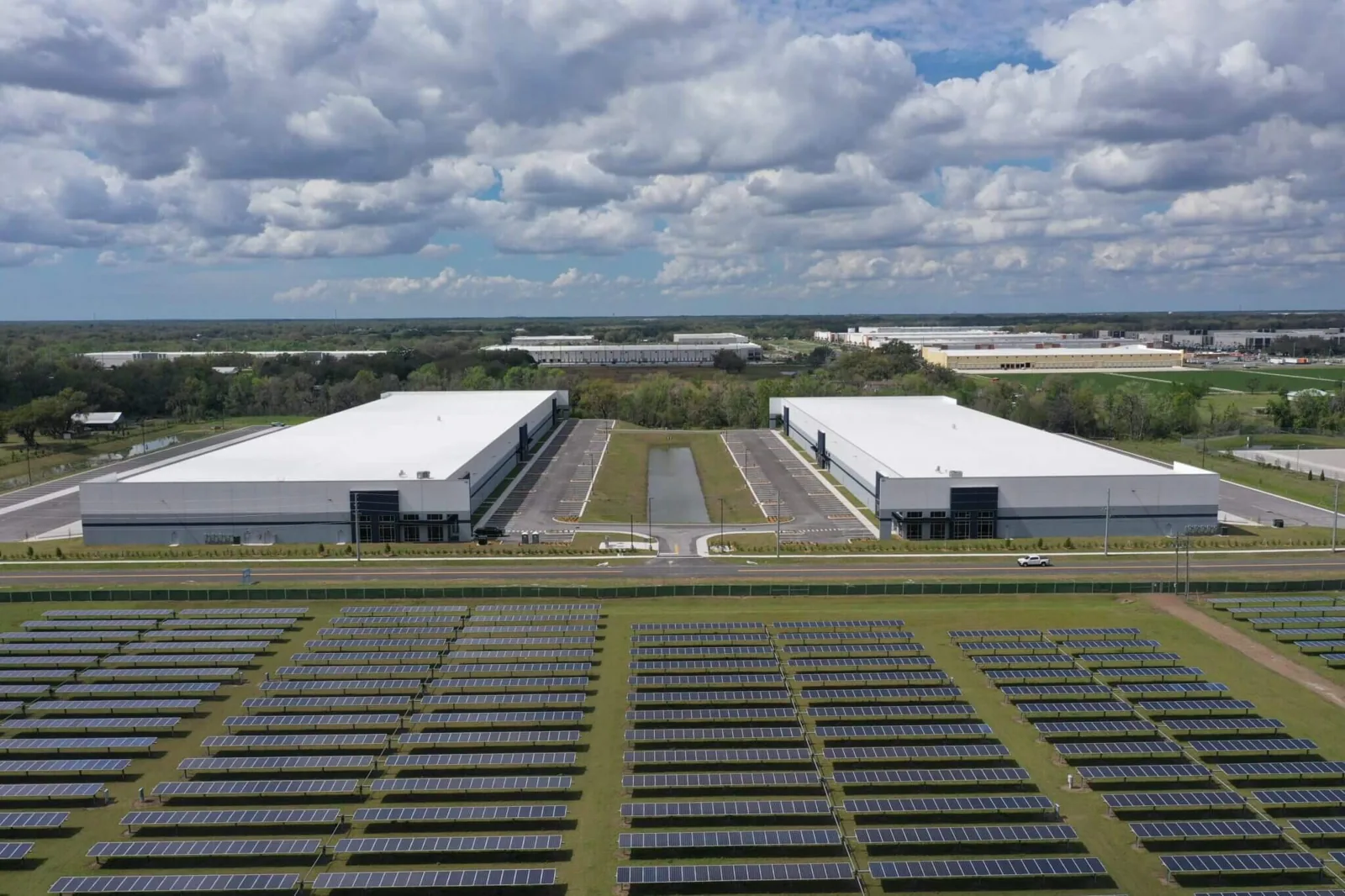
A distribution building has long, uninterrupted fields, a dock-side edge that takes constant abuse and rooftop equipment that was probably added in stages. A hospital or medical office has mechanical penetrations clustered over critical rooms and very little tolerance for noise or dust. A school or campus building may have several roof ages sharing one parapet line. A storefront on a historic square has tight access, shared walls and drainage that depends on the neighbor. None of these should be priced from the same assumptions, and a replacement scope that treats them alike is usually wrong on at least one of them.

San Marcos carries all of these classes within a few miles of each other. Amazon operates an 855,000 square foot fulfillment center in the city, and Texas State University alone runs about 250 buildings across its main campus. For a director responsible for a mixed portfolio, that variety is why we price by building class first and square footage second.

Commercial Roof Replacement

Read the Roof Before Pricing It

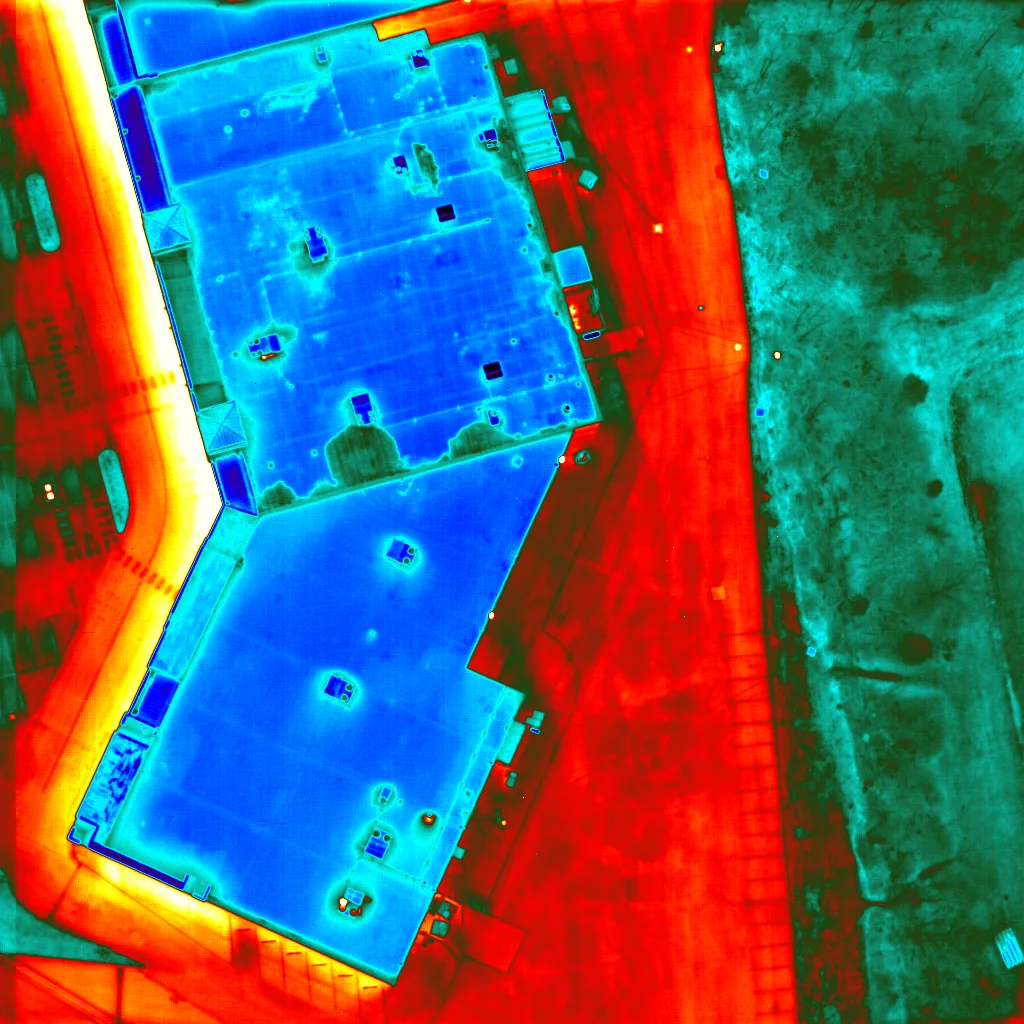
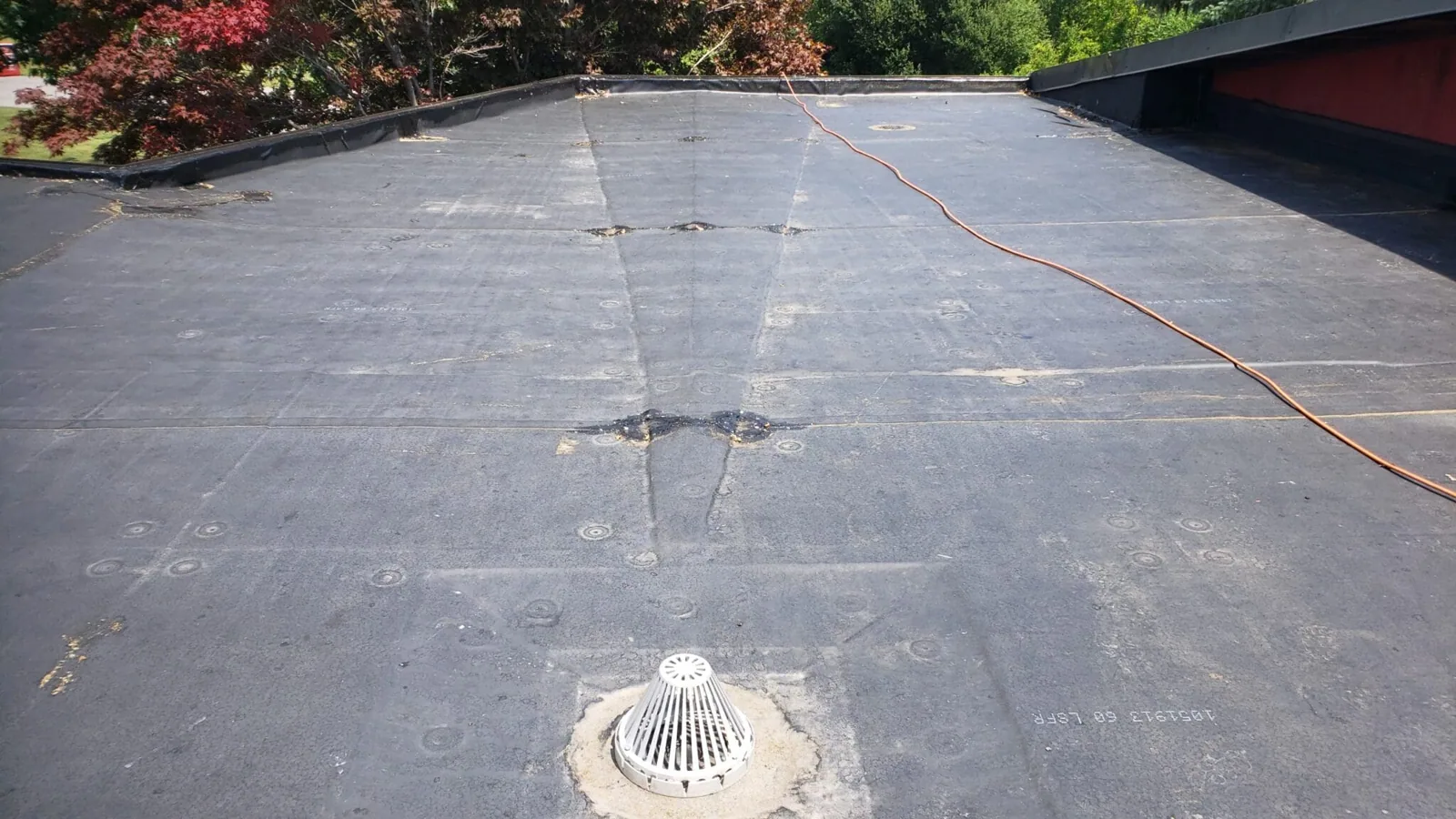
Replacement scopes go wrong when the roof was never actually read. We walk the full field and record membrane condition, seam and flashing failures, ponded areas, deck movement at fasteners and the state of curbs and penetrations. Where moisture is suspected, an infrared and core-cut moisture survey tells us how much insulation is wet, which is the quantity that most often changes the price between a recover and a tear-off.

The findings go into a written condition record with photographs, sorted into replace, repair and watch groups. For a director with several buildings, that record becomes the replacement queue: the roofs at the front are the ones with wet insulation or open seams, and the roofs at the back are the ones with remaining service worth protecting.

Hail Changes the Timeline

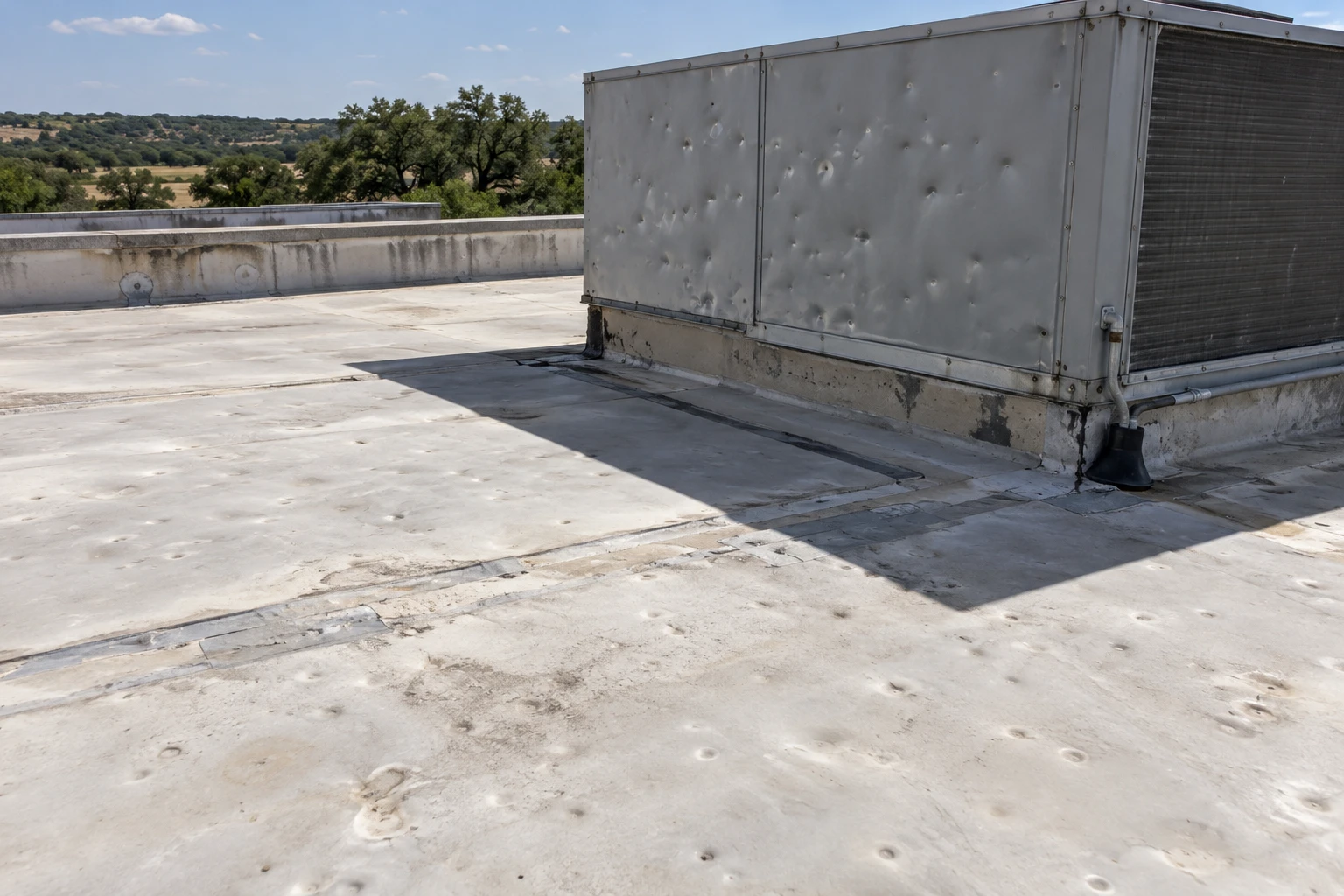
Johnson City took hail the weather service put at six inches across on May 9, 2024, and the same storm went on to reach San Marcos. A regional event like that is a reason to look at a roof, not a verdict on it. We check for fractured or bruised membrane, dented metal, crushed insulation under the surface and displaced flashing, and we document what we find building by building.

When the damage is real and widespread, a hail-damaged roof can move from the repair column to the replacement column, and the paperwork behind that decision matters. Photos, dates and a clean scope description support an insurance conversation. When the damage is isolated, repair and a short inspection cycle usually serve the owner better than a full tear-off.

Tear-Off Is a Sequence

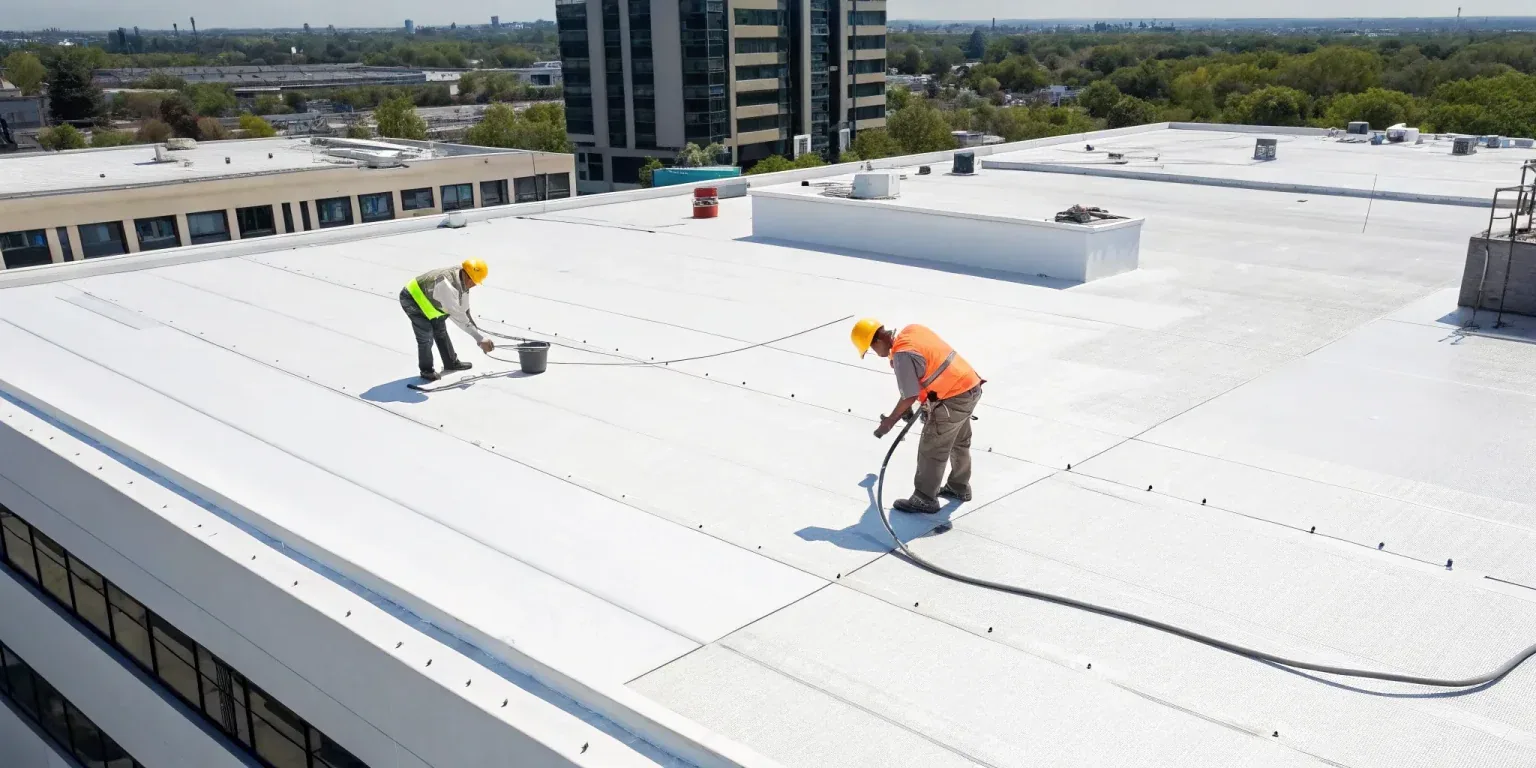
Full replacement runs in a deliberate order. We stage materials and set protection over entries, intakes and walkways, remove the old system in sections sized to what can be dried in the same day, inspect the exposed deck, replace damaged decking, then install insulation, cover board and the new membrane before opening the next section. The point of working in sections is that the building is never left open to a late-afternoon storm, which matters in a part of Central Texas where heat builds quickly and storms form fast.

An occupied building adds access windows, noise limits around sensitive spaces and temporary protection for tenants below. We agree on those limits with the facility director before the first panel comes off.

Commercial Roof Replacement

Choose the System for the Next Cycle

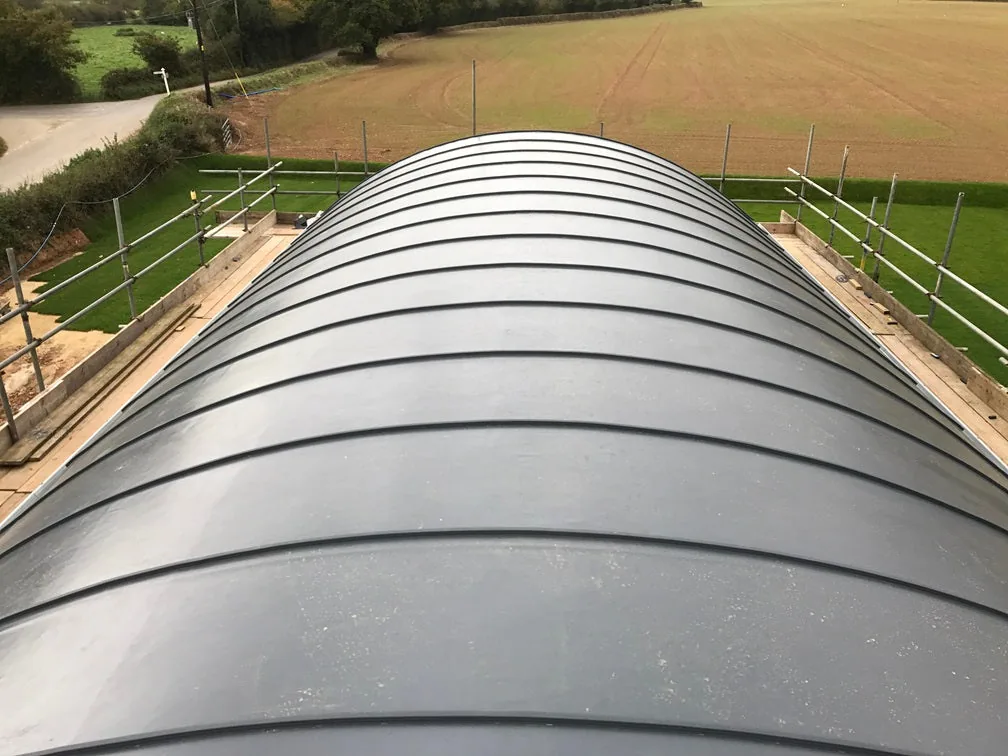
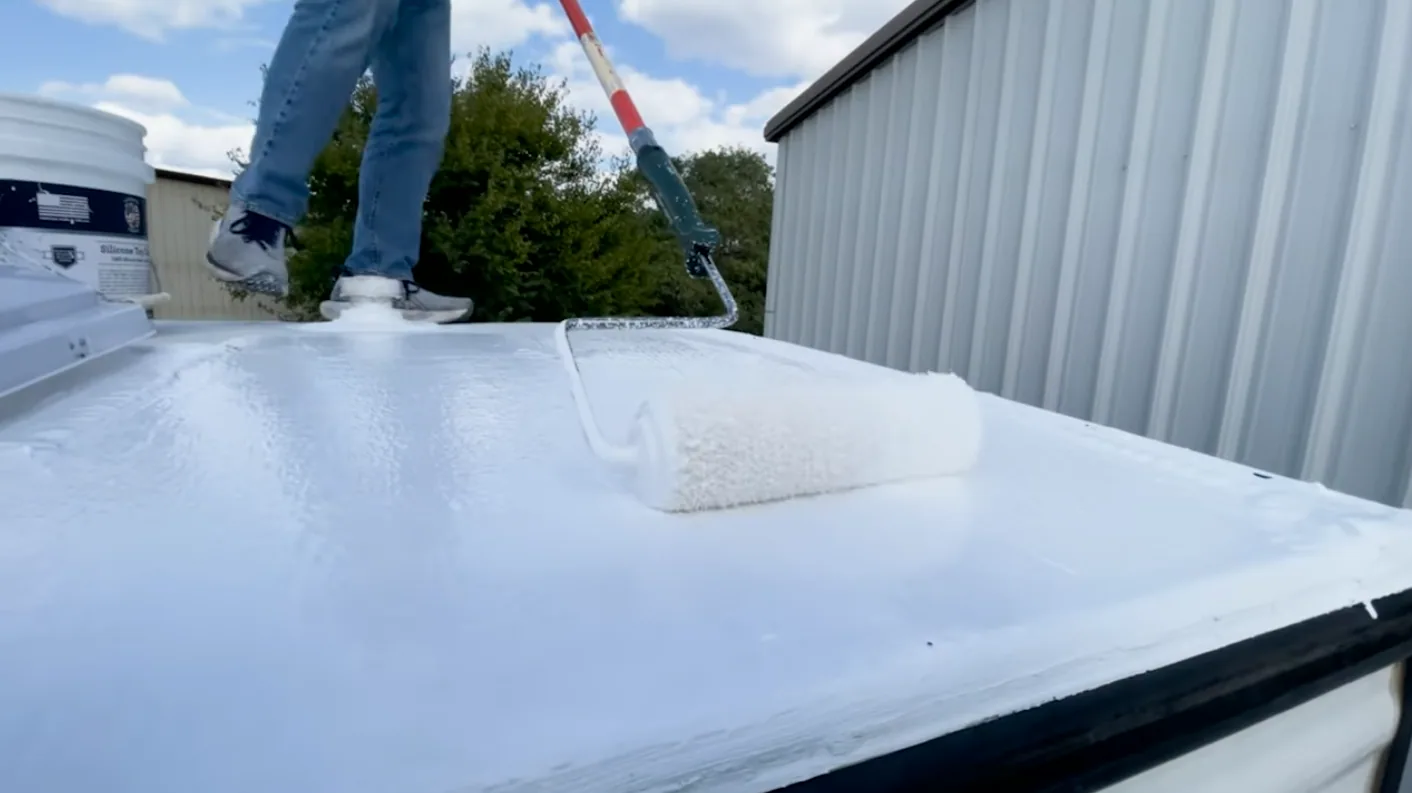
The new assembly should be chosen for the next replacement cycle, not just the next invoice. Heat load matters here: the 1991 to 2020 normal August high at Austin Camp Mabry, the nearest long-running NWS station, is 97.8 F, and a dark membrane on a south-facing field absorbs that day after day. A white TPO or PVC membrane reflects much of it, while a reinforced EPDM or modified bitumen build may suit roofs that see heavy foot traffic or frequent equipment service.

Insulation thickness, cover board and fastener pattern are specified to the 2021 International Building Code and 2021 International Energy Conservation Code the City of San Marcos adopted under Ordinance 2023-09, in effect April 1, 2023. Where the roof is in Kyle, Buda or Lockhart, we confirm the local adoption before we finalize details.

Commercial Roof Replacement

The Budget-Year Decision

The financial question is not whether a replacement costs money but which year it costs the least. A roof left past its working life tends to pull in interior damage, wet insulation and emergency repairs that raise the eventual number. A roof replaced too early wastes remaining service. We help a director place each building on a schedule, so the capital plan shows which roofs are funded now, which are deferred with a stated repair threshold and which are being watched.

Send us the building list and any past reports, and we will sort the roofs into the three groups before your next budget year. We take roof work along the San Marcos I-35 business park corridor and in the surrounding towns.

Commercial Roofing Questions

How do I know if a roof needs replacement or only repair?

Moisture and age of the insulation decide it. If a survey shows wet insulation across a large share of the field, or seams are failing in more than a few places, a replacement usually costs less over the next ten years than a string of patches. If the damage is isolated and the insulation is dry, repair with a scheduled inspection is the stronger choice.

Can a new membrane go over my old one?

Sometimes, and the roof tells us. A recover over a dry, well-adhered system can save tear-off cost, but wet insulation, multiple prior layers or weight limits rule it out. We check core samples before recommending it, and we compare it with a full removal on the same building.

What does hail history change about the scope?

It changes how closely we look at the field, the metal and the insulation below the surface. A storm such as the May 2024 event is a prompt to inspect, and the photos and notes from that inspection show whether replacement, repair or no work is the right call for that building.

Will my tenants lose operations during a reroof?

Not as a rule, because we work in sections and plan protection over entries and sensitive spaces. Loud work can be scheduled for off hours, and we name the access windows and any equipment shutdowns with the facility director in advance.

Which code edition governs the work in San Marcos?

The City of San Marcos adopted the 2021 International Building Code and the 2021 International Energy Conservation Code, in effect as of April 1, 2023. Insulation levels, wind uplift resistance and fastening follow those editions, and we confirm the local adoption for projects outside the city.

Send the Building List

Share the addresses, roof ages and any prior reports, and we will return a replacement queue sorted by remaining service before your next budget year.

Request a Roof Assessment

Related Roofing Work

ServicesRoof SystemsIndustriesProperty TypesService AreasRoof Damage RepairCapabilitiesManufacturersAboutContactRequest a Roof Assessment555-555-5555
Call555-555-5555