555-555-5555

Commercial Roof Inspections

An inspection earns its cost when it changes a decision, and the decision it most often changes is the order in which an owner spends roof money. For a facility director in San Marcos, TX with a handful of buildings, or a campus with hundreds, the useful product is not a stack of photographs but a ranked list: which roofs need replacement soon, which need repair now, which need a watch date and which can be left alone. We walk the roof by hand, record what we see in a consistent format and hand back findings that fit a budget calendar.

The same method scales from a single retail building to a portfolio, and it works best when it is repeated on a schedule.
What the Walk Covers

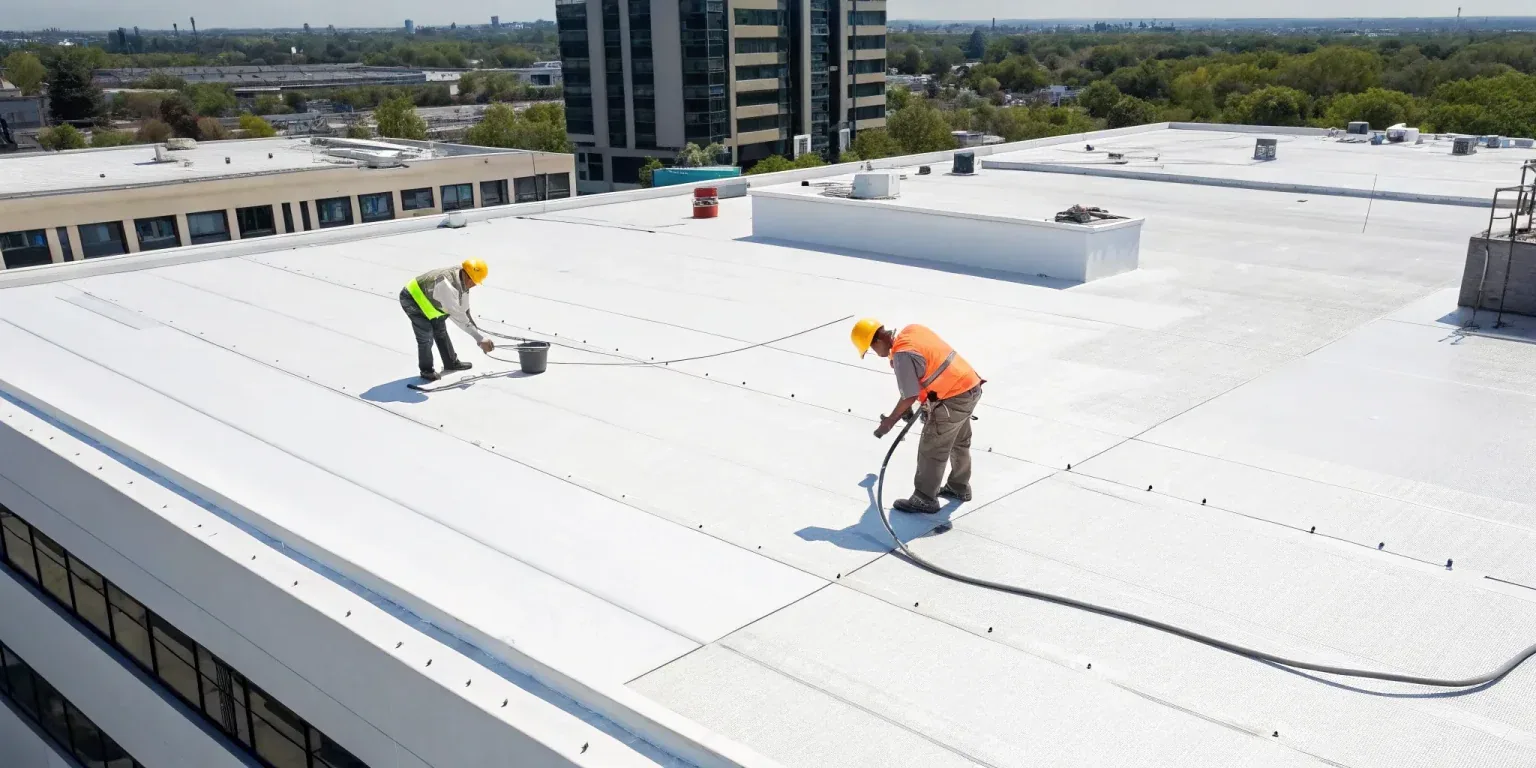
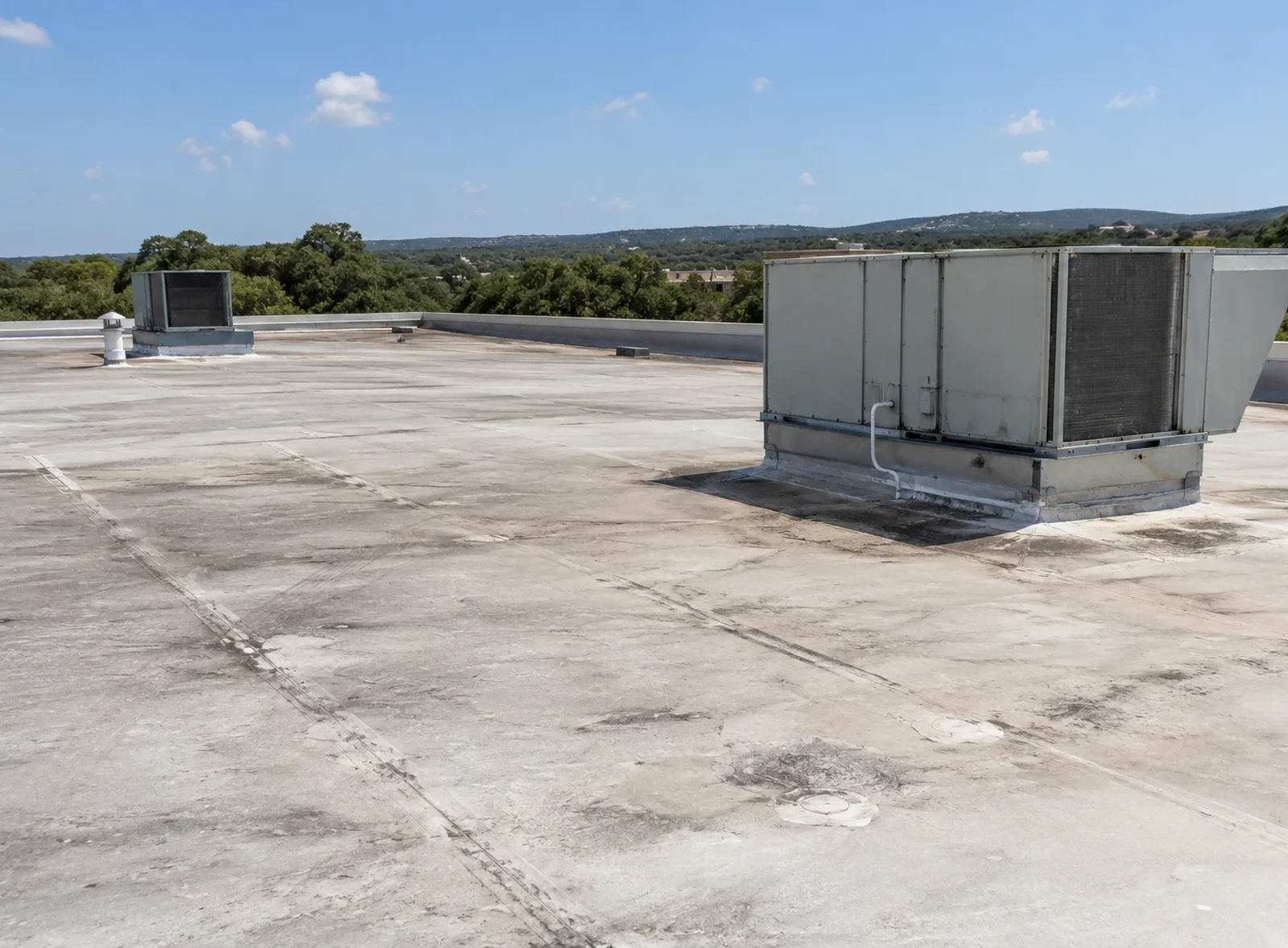
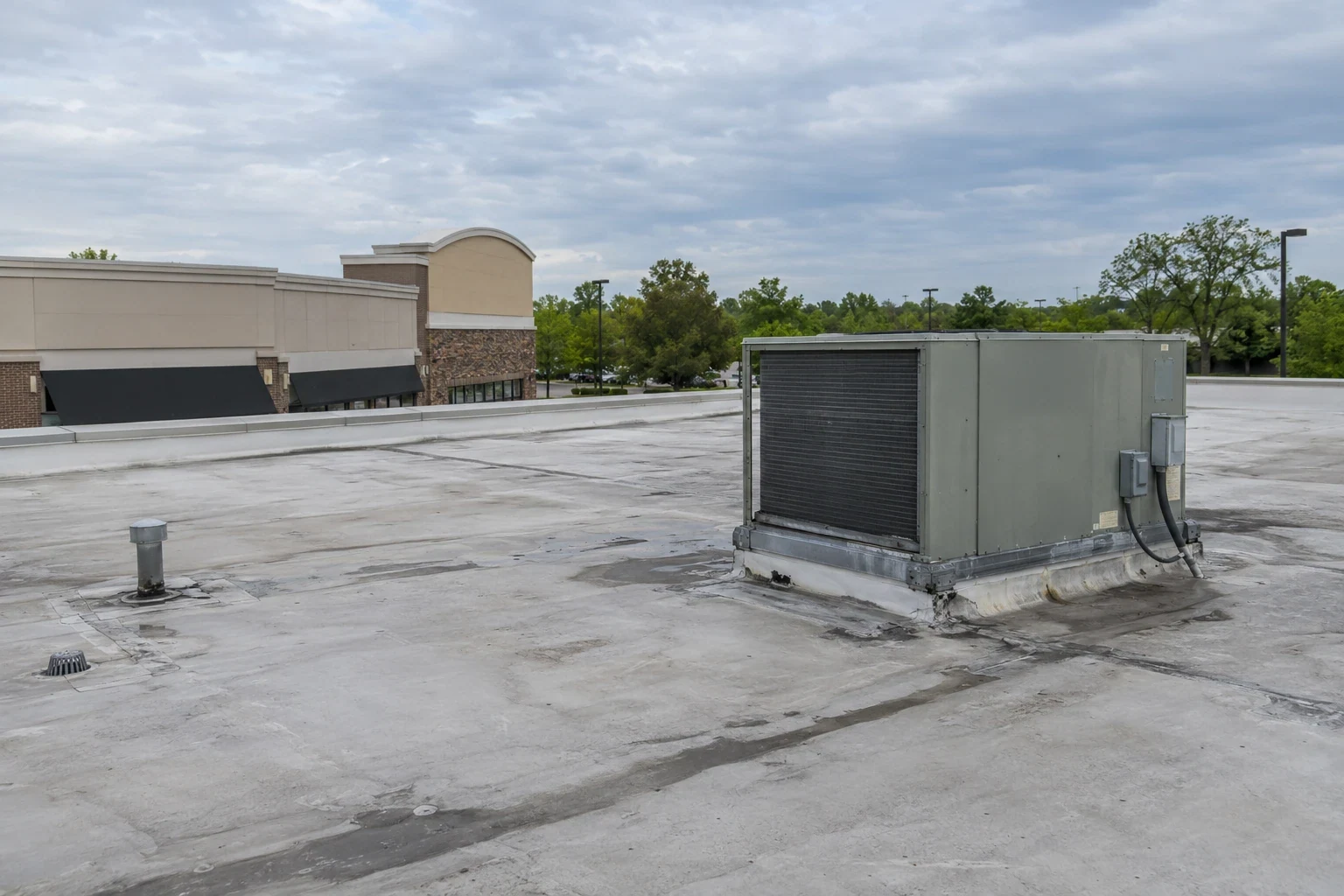
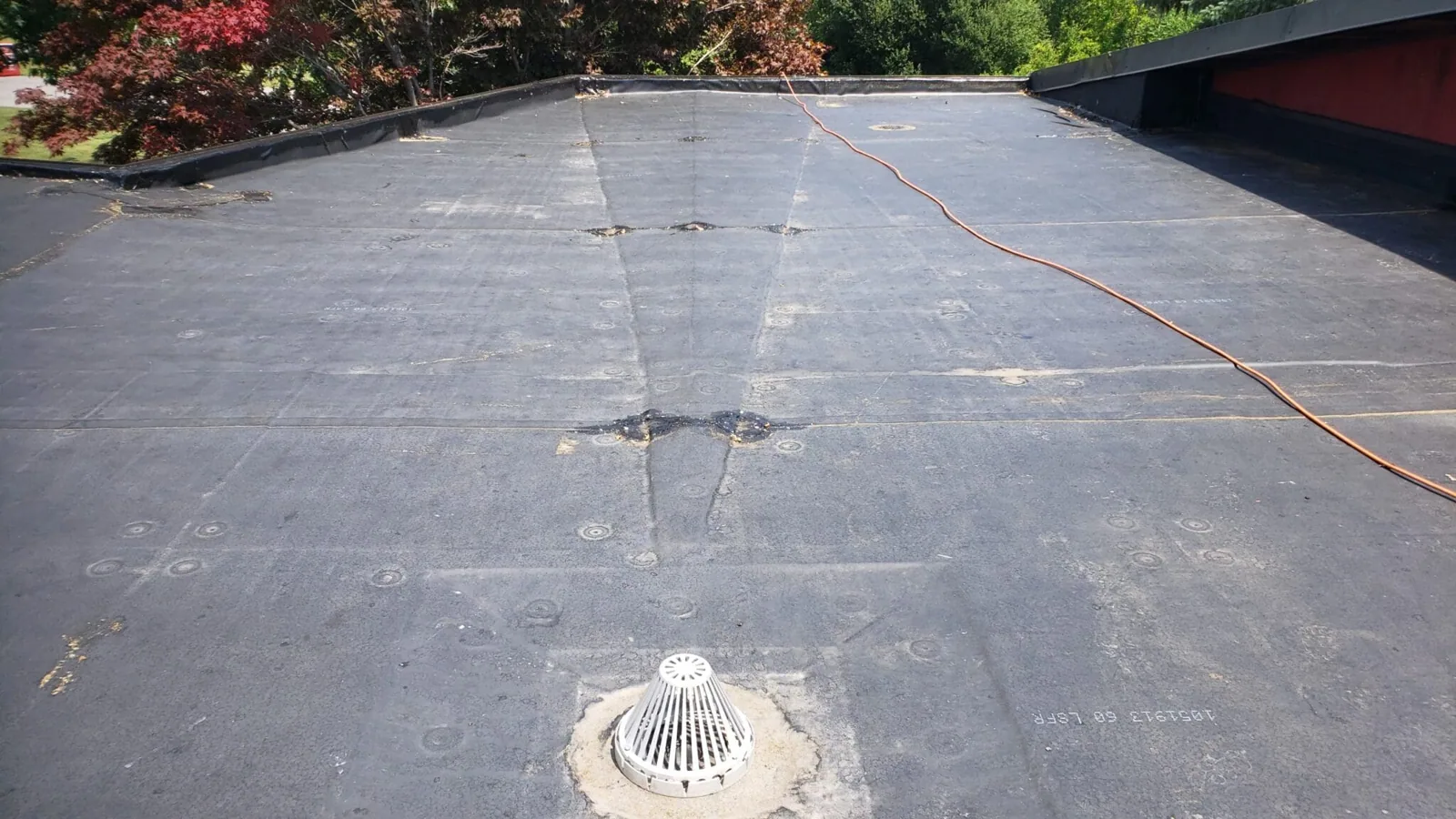
A hands-on walk takes in the field, the perimeter, the penetrations and the drainage. In the field we look at membrane surface, seams, blisters, punctures, ponding and signs of foot-traffic wear. At the perimeter we check edge metal, coping, parapet flashings and gutters. At penetrations we check curbs, pipe boots, roof hatches, skylights and equipment supports. We trace drainage from the highest point to each drain, scupper or gutter and note whether the path is clear.

Underneath, we look at what the interior reveals: stained tiles, rust on deck fasteners, daylight at the edges. For a lot of buildings those interior signs are the best early warning, so we ask to walk the top-floor space or the underside of the deck when access allows.

Commercial Roof Inspections

Different Classes, Different Findings

Building class shapes what we look for. On a distribution building we spend time at the dock-side edges and around rooftop units added over the years. On a school or campus building we look for separate roof ages under one parapet line, since a campus with roughly 250 buildings, as Texas State has, will not see its roofs wear out together. On retail and outlet buildings east of I-35 we look at the high-traffic service areas and the drains behind parapets.

For a campus or a shopping center, the same inspection finds different problems, so the report format stays constant and the checklist adapts.

After Hail, Inspect Early

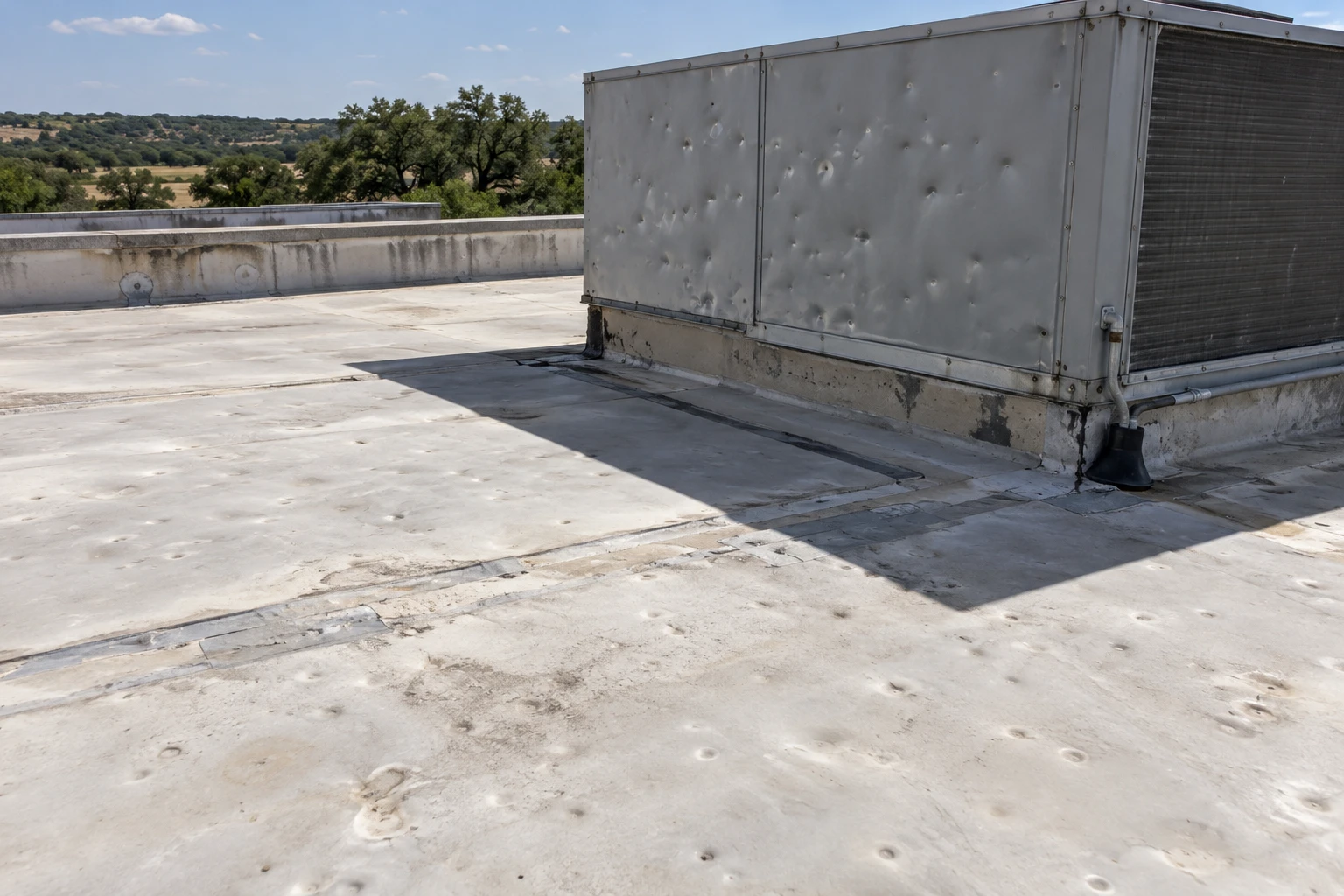
On May 9, 2024 a severe storm sent hail the National Weather Service reported up to six inches across in Johnson City toward San Marcos, where high winds put trees onto fences and homes in the northwest part of the city. Inspections after an event like that look for fractured or bruised membrane, dented metal, displaced flashings and crushed insulation under the surface. They also record the roof's condition on a known date, which becomes the baseline for any claim and for the next inspection.

A regional storm does not mean every building was hit. An early look sorts the roofs that need a hail damage repair or claim from those that came through with no change, and it prevents unnecessary work on the second group.

Findings That Fit a Budget

The written report states what we found at each roof section, with photographs and a rating. We tie each finding to an action: repair now, repair within a named period, monitor with a re-inspection date or plan for replacement. We estimate remaining service as a range, not a promise, because the roof may age faster or slower than the model.

For directors preparing a capital request, those ratings are the raw material for a condition report and for a multi-year replacement queue. Where the finding is uncertain, we say so and name the test that would resolve it, such as a core sample or a moisture scan.

We also separate defects by cause. Wear from age, damage from a storm, workmanship problems from earlier repairs and damage from other trades on the roof all point to different fixes and different responsibility. When a rooftop unit service call has left a puncture or a missing fastener, the report says so, which helps the owner correct the practice and not just the patch.

The rating scale stays the same from building to building, so a director comparing a distribution building with a retail strip is comparing like with like.

Commercial Roof Inspections

When the Walk Needs a Second Tool

A visual walk cannot see wet insulation. Where moisture is suspected, we add an infrared and core-cut moisture survey. For very large roofs or roofs with difficult access, a drone inspection speeds the survey and captures images of areas that are unsafe to walk.

Each tool answers a specific question. The walk finds defects. The moisture survey finds trapped water. The drone shows overall pattern and hard-to-reach areas. We choose among them based on the building and the question the owner is trying to answer.

Commercial Roof Inspections

Access Is Part of the Scope

Before we walk, we confirm how the roof is reached: interior ladder and hatch, exterior ladder, lift or stair tower. Roofs with no safe access get a fall-protection plan or a drone pass in place of a walk, and the report notes which areas were not walked and why. We ask for building contacts, alarm requirements and any areas where roof access is restricted by tenants or equipment owners.

On healthcare and campus sites we also ask about air intakes, labs and quiet hours, so the walk does not disturb operations. A short pre-walk call with the facility director saves time on site and ensures the report covers every roof section the owner expects.

If a roof is found to be unsafe to walk, we stop, report the condition and recommend the stabilizing work before any further survey.

Put It on a Calendar

A single inspection is a snapshot. Repeating it each year, and after major storms, shows how fast the roof is changing. We recommend a baseline inspection when an owner takes over a building, a re-inspection each year for roofs in their second half of service and an event inspection after hail or high wind. On sites along the I-35 corridor, from the San Marcos business park corridor to the Hays Commerce Center on the west side of I-35 in Kyle, a regular cycle keeps repair spending predictable.

Each visit adds to the same record, so the report shows changes over time and not just current condition.

Commercial Roofing Questions

What does the inspection report actually contain?

Photographs and ratings by roof section, a map of defects, notes on drainage and penetrations, and a ranked action list. Each finding is tied to a repair, a monitoring date or a replacement window so the facility director can fold it into a budget. Photos are labeled by location so the next inspector can find the same spot.

Can an inspection tell me how many years a roof has left?

It gives a range based on the membrane condition, seam performance, moisture and repair history. The number is an estimate that improves with repeated inspections, and we state the evidence behind it.

Do I need an inspection when buying a building?

A roof inspection during due diligence prevents surprises, especially on older low-slope roofs. We report condition, remaining service and near-term repair needs so the buyer can price the roof into the offer.

How soon after a hailstorm should the roof be inspected?

As soon as it is safe to walk. Damage is easiest to separate from older wear while the storm is recent, and the report helps with any claim deadlines the owner's insurer sets.

Will an inspection disrupt tenants?

Rarely, since the work happens on the roof. We coordinate access with the property manager and, if we need to see ceiling spaces, we schedule that around tenant hours.

Schedule the Baseline Walk

Send the building list and any past reports, and we will propose a walk order that puts the oldest and most exposed roofs first.

Request a Roof Assessment

Related Roofing Work

ServicesRoof SystemsIndustriesProperty TypesService AreasRoof Damage RepairCapabilitiesManufacturersAboutContactRequest a Roof Assessment555-555-5555
Call555-555-5555