555-555-5555

Roof Condition Reports

A school district, a campus facilities office and a retail landlord read a roof report for three different reasons, and the report has to answer all of them. The district wants to know which buildings can wait until summer. The campus office wants to know which wings share a parapet line and a failure pattern. The landlord wants to know whether a tenant's new unit cut the membrane in the wrong place. In San Marcos, TX, where building classes range from fulfillment space along Interstate 35 to a 1908 courthouse on the Public Square, a written condition report is the document that lets each owner act on what the roof is actually doing.

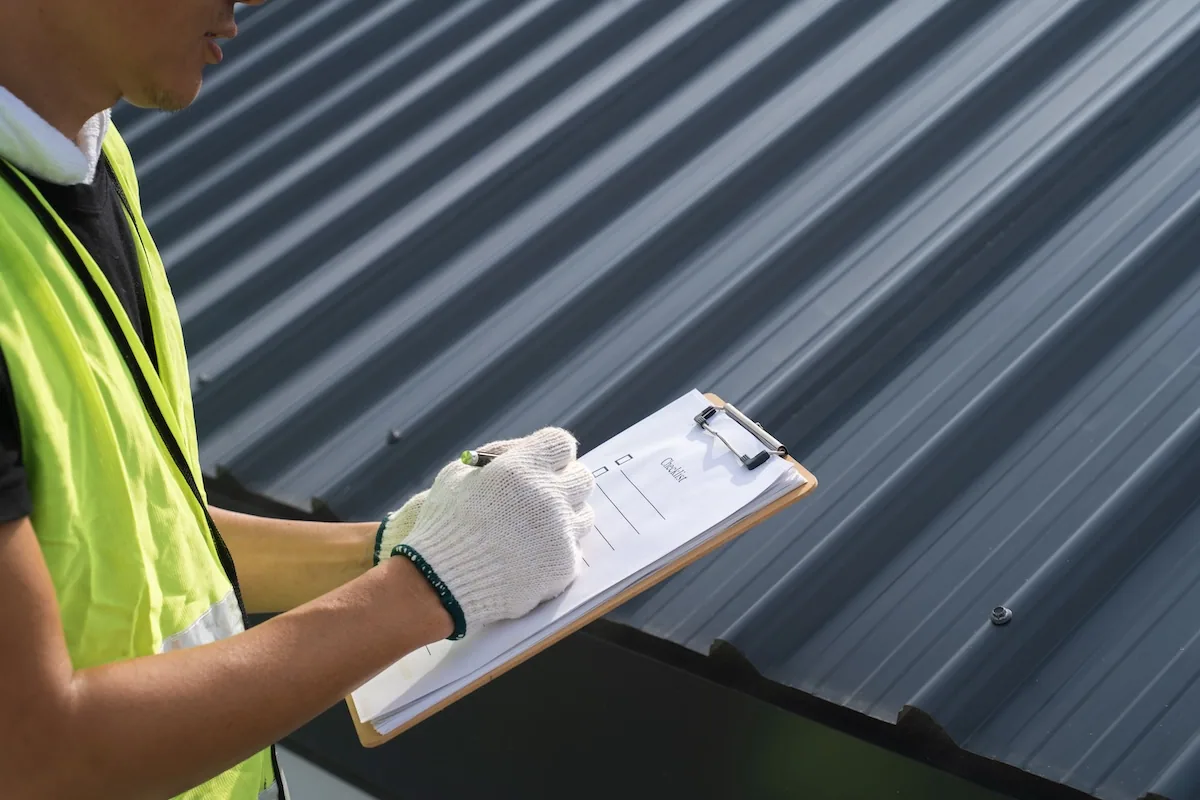
We write the report after a hands-on walk, with photographs for every finding and a plain statement of what was measured. The goal is a file the facility director can hand to a board, a lender or an adjuster without translation.
What the Report Contains

The report opens with a summary page: the building, the roof sections, the systems, the approximate ages and a condition note for each section. Behind it come the findings, each with a number, a photograph, a location on the roof plan and a short description of what it is and why it matters.

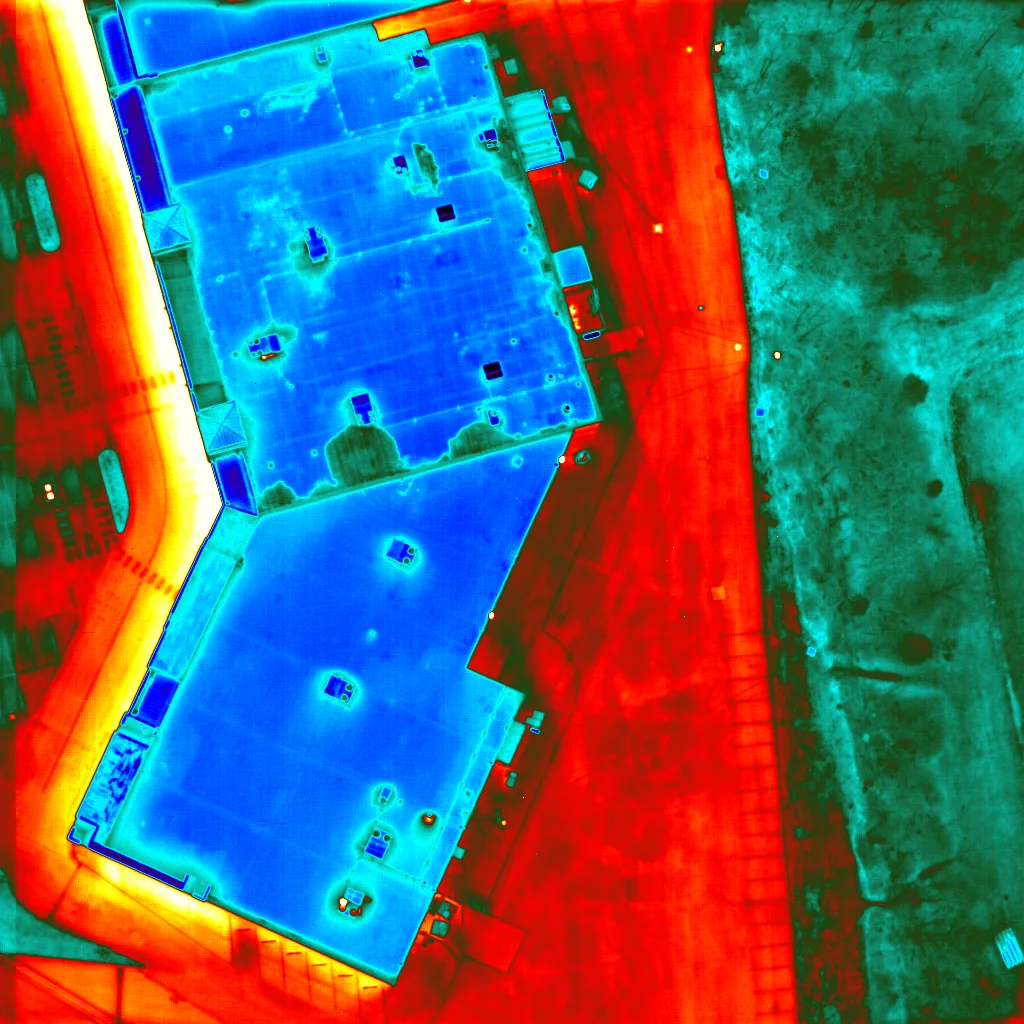
Moisture results follow. Where we ran an infrared scan, the thermal images sit beside the visual photographs, and the core locations are marked with the layer-by-layer results. A section that shows wet insulation across a large share of its field reads differently from a section with one wet corner, and the report says so in numbers and in words.

The last pages hold the recommendations, sorted into replace, repair and watch. Each recommendation names the scope, the quantities that drive it and the budget year in which it should be funded. If the building has earlier reports, the new one notes what changed.

Roof Condition Reports

How the Walk Is Done

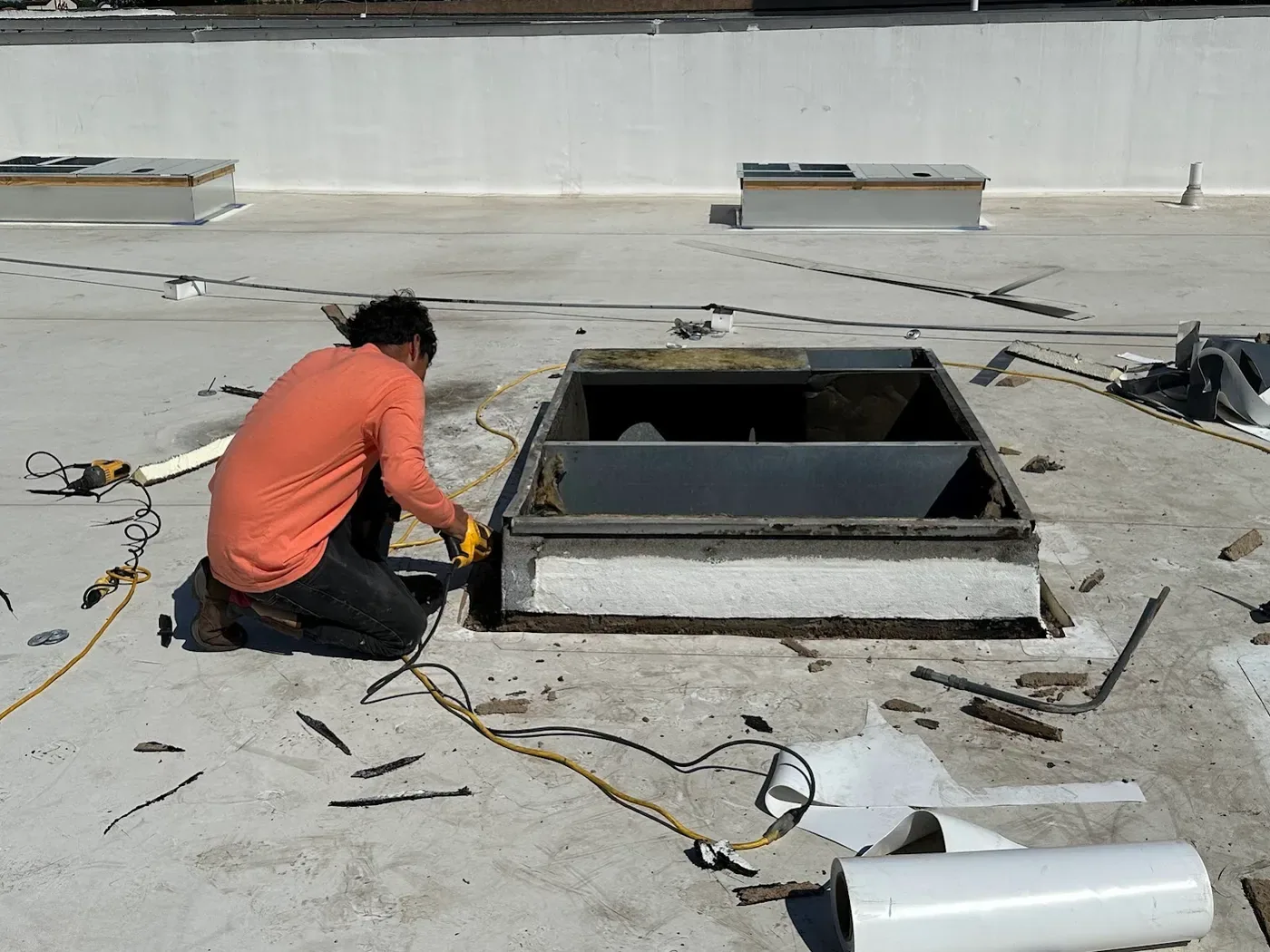
The walk follows a fixed route so nothing is skipped. We start at the access point, check the roof edge and parapets, then cross the field in lanes, probing seams and pressing laps. We look at every drain and scupper, every curb and penetration and every piece of rooftop equipment. Where drone images help with an area that is hard to reach, we use them, and we still touch the roof where it matters.

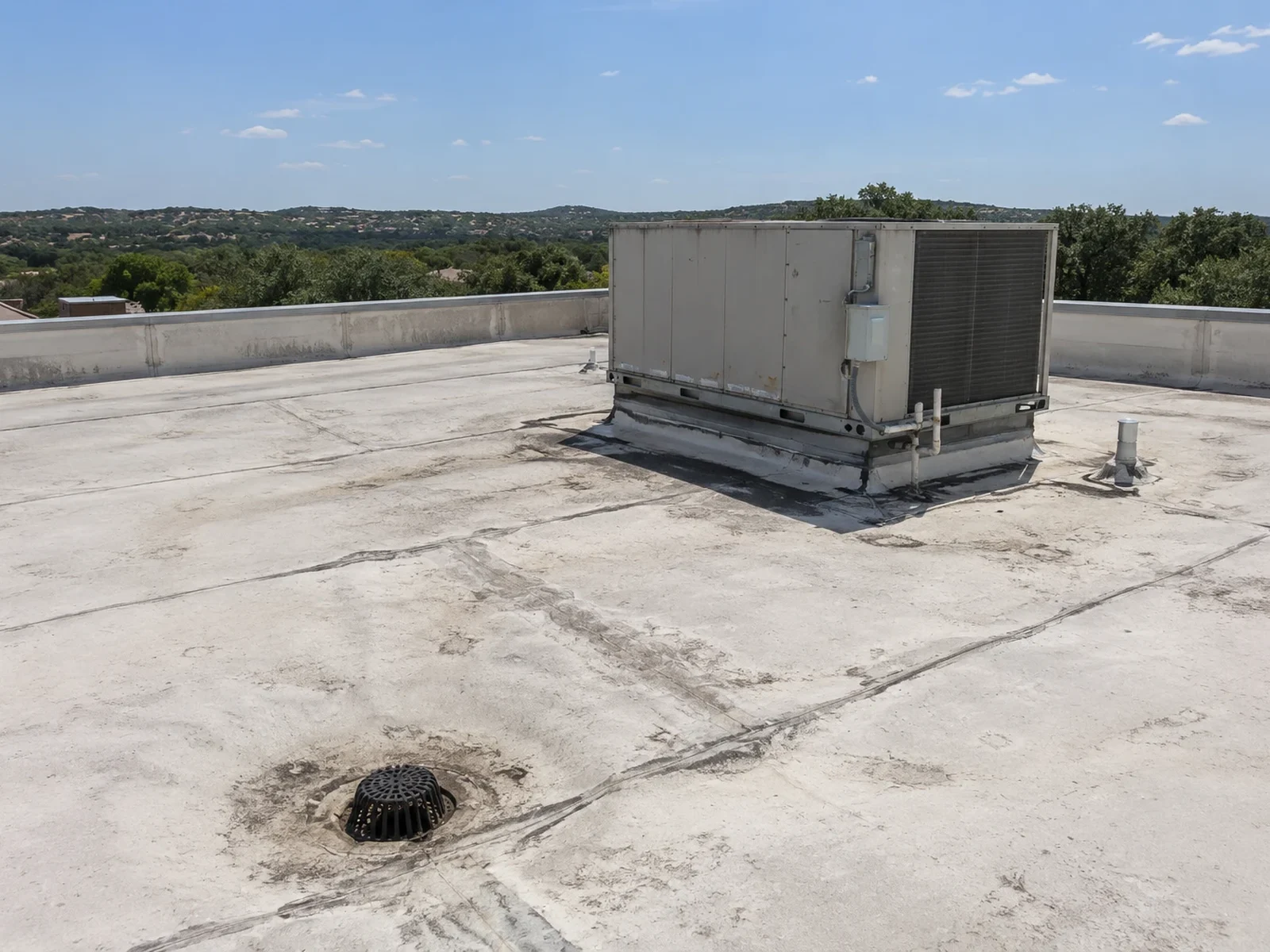
We record ponding after rain and slope with a level where the roof calls for it. Water that stays two days on a flat roof shortens membrane life and adds weight to the deck, so each pond gets a location and a depth. We also note the walk paths worn into the membrane, because foot traffic to rooftop units is one of the quieter causes of early failure.

If the roof is on a school campus or an occupied building, the walk is scheduled around the operation. The report records the access conditions so a later crew knows what to expect.

Where roof hatches, ladders or guardrails are part of the access route, those get a line in the report too. A hatch that does not seal admits water, and a loose ladder is a hazard for every crew that follows. We photograph both and note what needs repair. Our commercial roof inspection work covers that route end to end.

Moisture Findings and Cores

Visual condition and moisture condition are separate readings. A membrane can look worn and sit on dry insulation, and a membrane can look clean over a soaked field. An infrared moisture survey maps the warm and cool patches, and cores confirm what the scan suggests.

Each core is photographed with a tag, and the layers are described: membrane, cover board, insulation and deck. We note the thickness of each, the moisture level and whether the fasteners show rust. That detail is what lets a director weigh a recover against a tear-off, because a recover requires dry insulation and a sound deck.

After hail, the same method finds bruising. A storm tracked into San Marcos on May 9, 2024 after dropping hail up to six inches across at Johnson City, and a report written after an event like that records the bruised areas, the cores that confirm them and the sections that show nothing.

Score Without an Age Bias

Age is a poor guide to condition. Heat is part of the reason: August highs near 98 F at Camp Mabry in Austin load every roof, and different roofs take that load differently depending on color, slope and rooftop equipment. A ten-year-old roof under a crowded equipment zone may be in worse shape than a fifteen-year-old roof with a clean field.

Our condition notes weigh what we measured: seam integrity, flashing condition, moisture, drainage, deck movement and the state of penetrations. The scores feed the roof inventory, so a later report can be compared against this one.

Roof Condition Reports

Read Historic Buildings Carefully

The Hays County Courthouse on the Public Square was built in 1908 in the Classical Revival style, and it is a contributing building in a historic district designated in 1992. Older commercial buildings around a historic square can carry roofs with their own constraints: tight access, shared walls, original details and drainage that depends on masonry. A report for an older commercial building on the square starts with the walls, parapets and flashings, since those are where water enters.

We photograph the existing conditions in more detail on this class of building and note anything the owner or a preservation reviewer would want on file before work starts. The report describes what the cores and the probe show.

Roof Condition Reports

Put the Report to Work

A report earns its cost when someone uses it. A facility director brings it to the budget meeting, where the replace group becomes the funded list. An asset manager attaches it to a refinancing package. A property manager sends the relevant pages to the insurer after a storm. A buyer reads it during due diligence. In each case the dated photographs and the moisture maps carry the weight.

The same file feeds the capital plan and the due diligence surveys that accompany a sale or refinance. Owners in the downtown San Marcos square and along the interstate retail strip can keep their reports in one set, with the same format for every building.

Commercial Roofing Questions

How long does a report take after the walk?

The timing depends on the size of the roof and on whether cores or a scan are included. A single-building report usually follows the walk within days, and larger portfolios are delivered building by building.

Do you test every part of the roof?

We walk and probe all of it, scan where the roof calls for it and cut cores at the edges of wet zones and at one dry control spot. Cores are targeted, not scattered.

Can a report be used for a warranty question?

It can document the roof's condition and any additions that cut the membrane, which are the details a manufacturer's reviewer will ask about. The manufacturer decides coverage.

What if I disagree with a recommendation?

The photographs and cores are in the file, so the reasoning can be checked. If you want a second look at a particular section, we walk it with you.

Does the report cover rooftop equipment?

It covers the roof around the equipment: curbs, flashings, supports and the membrane near each unit. Mechanical performance belongs to the mechanical contractor.

Send the Building List and Past Reports

Share the addresses and any earlier reports, and we will sort the roofs into replace, repair and watch groups before your next budget year.

Request a Roof Assessment

Related Roofing Work

ServicesRoof SystemsIndustriesProperty TypesService AreasRoof Damage RepairCapabilitiesManufacturersAboutContactRequest a Roof Assessment555-555-5555
Call555-555-5555