555-555-5555

Downtown Square District

A historic downtown is a building class defined by constraint. The roofs are older, the walls are shared, the parapets are tall and the room to maneuver is small. What that class does to a roof is concentrate risk at the edges and the drains, where many years of movement have opened joints that a newer building would not have. For an owner on the square, the budget year depends on knowing which of those details are failing now and which can be watched.

The Hays County Courthouse stands on the San Marcos Public Square, built in 1908 in Classical Revival style by C.H. Page and Brothers, and the Hays County Courthouse Historic District around it was designated September 10, 1992. San Marcos is the Hays County seat, and county government is a top city employer with 885 employees. The buildings around a square like that serve offices, shops and public uses, and each deserves a roof plan of its own.
Do Not Assume the Material

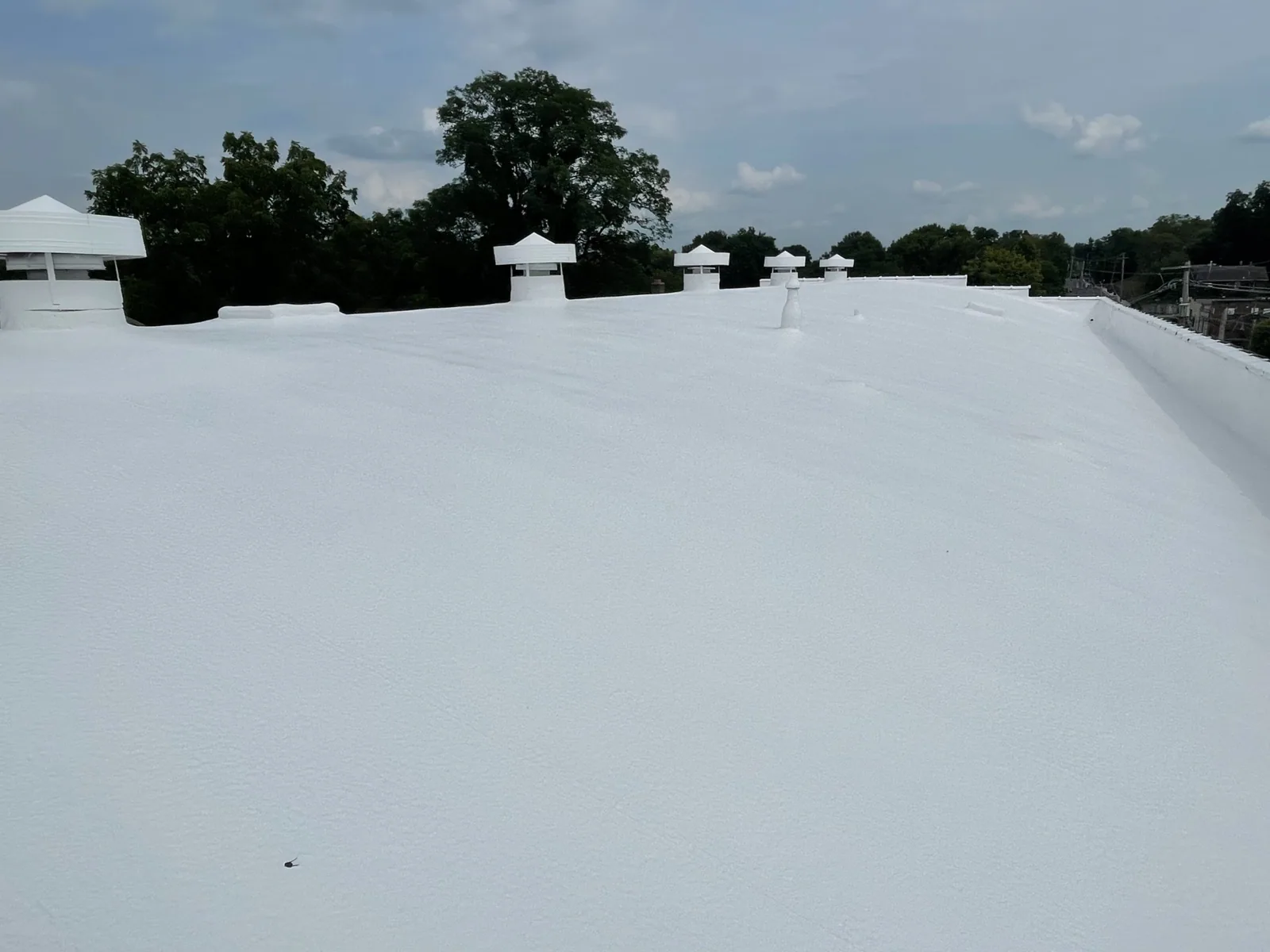
A historic address does not tell us what is on the roof. A building from the early twentieth century may have been reroofed several times, converted to low slope, patched with whatever was available or covered by a modern membrane. Assumptions cost money, so we start by opening the roof in a few small places and reading what is there.

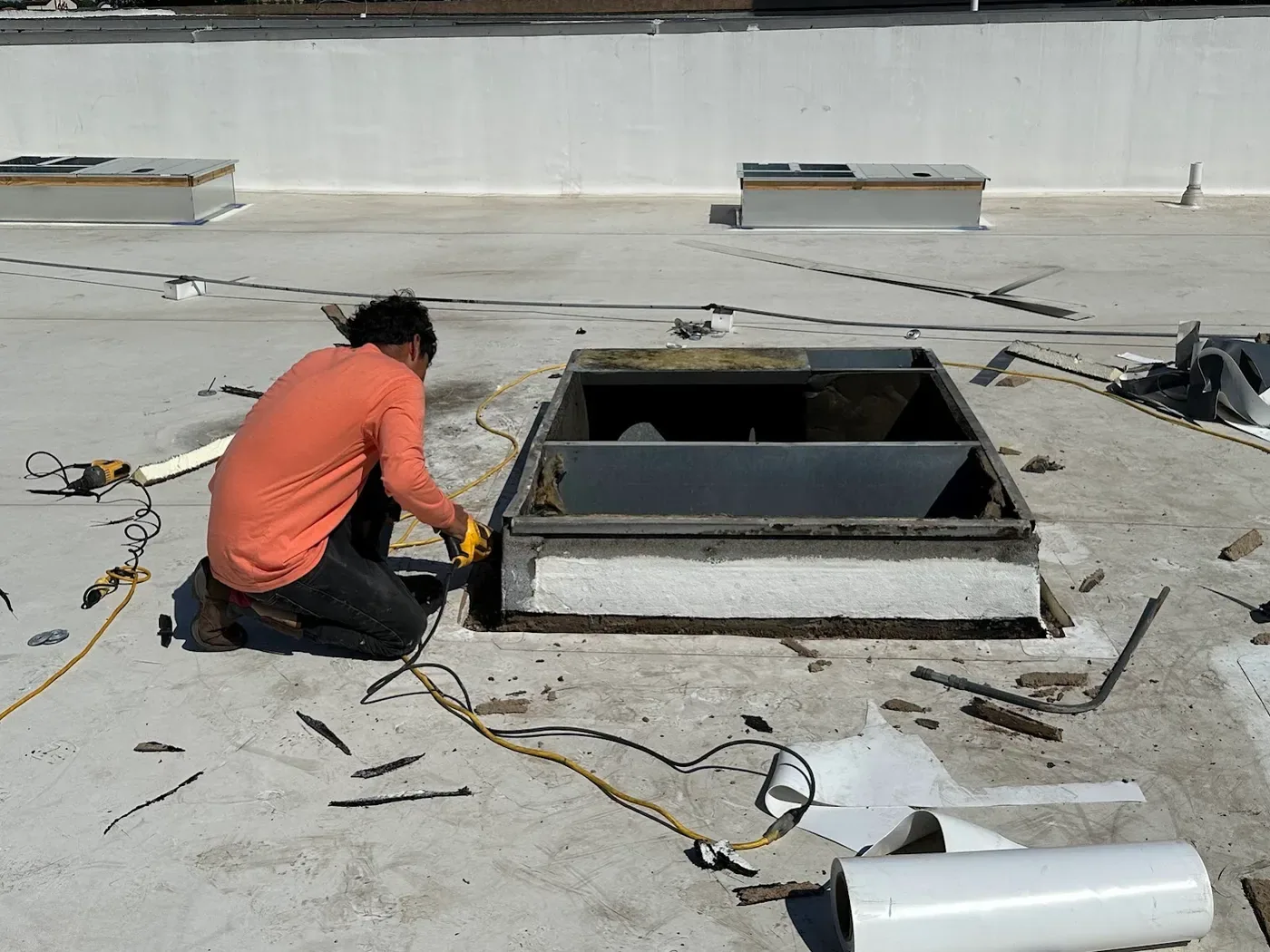
A core cut passes through every layer and shows the membrane, the insulation, the old roofing underneath and the deck. It also shows moisture. Our crews patch the cut the same day. The core data goes into the report with photos and a location, and it tells the owner whether the roof is a single layer that can be repaired or a stack of old layers that will need a tear-off. A commercial roof inspection on a building of this age should always include cores.

Downtown Square District

Watch the Parapet Line

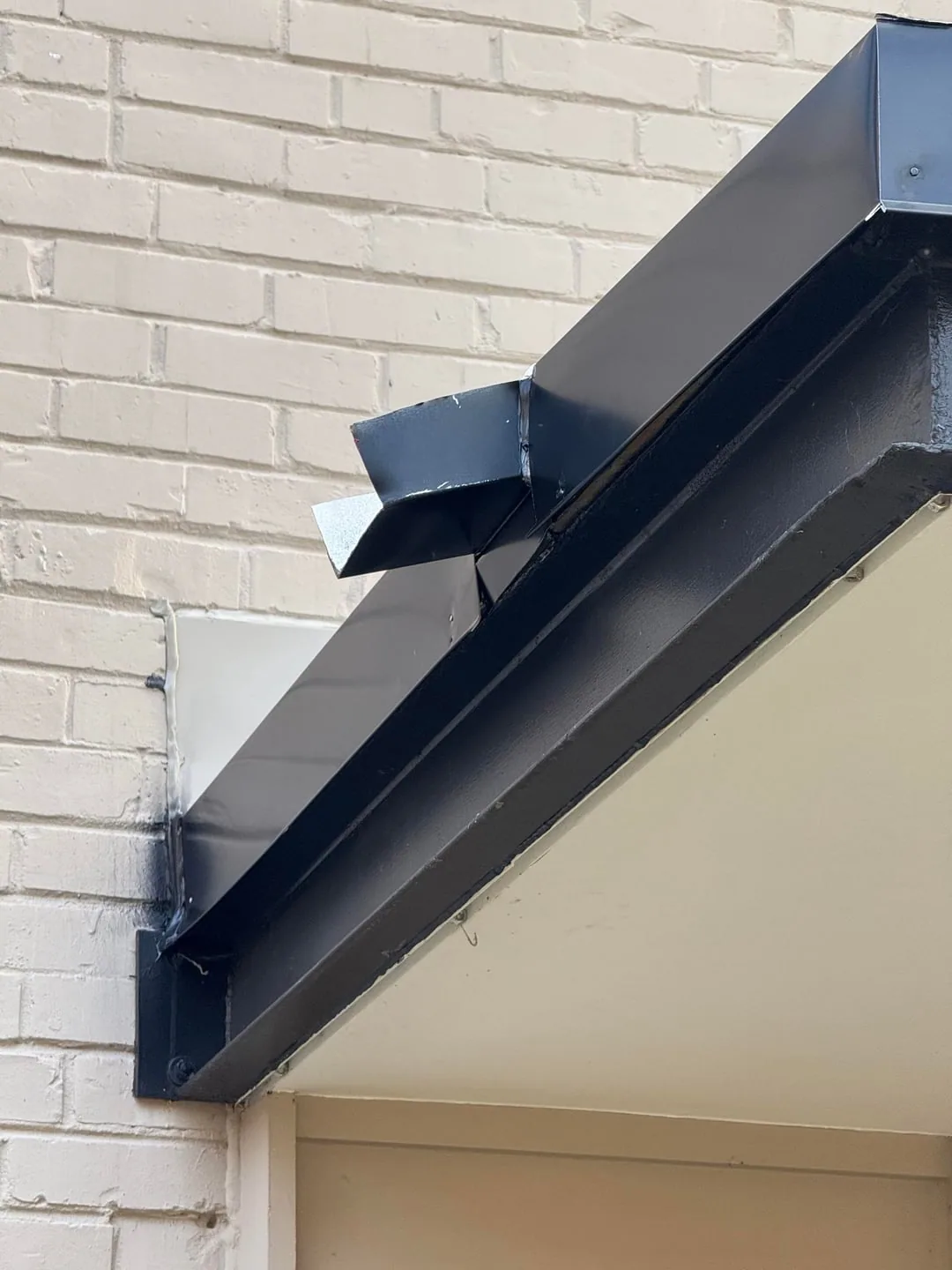
Parapets are the weak line on an older building. They are tall, exposed on both faces and capped with metal or masonry that has had a long time to loosen. Water enters through open coping joints, cracked mortar and failed counterflashing. It then moves down the inside of the wall and shows up as a stain on a plaster ceiling or a damp patch in a party wall.

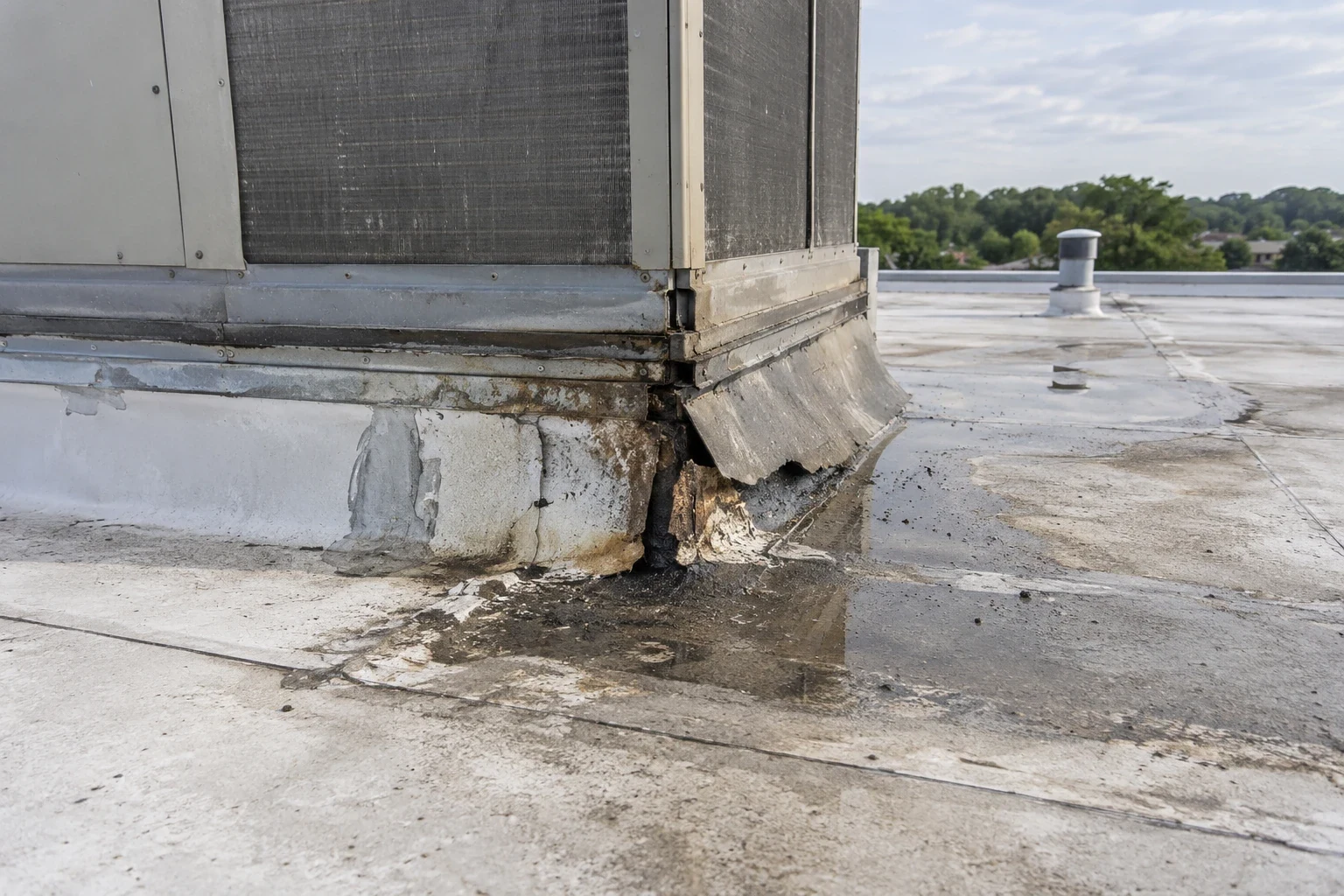
We walk each parapet joint by joint. We press the coping, probe the mortar, check the flashing termination and look at the face of the wall below for stains and efflorescence. If water has been getting in, we open a small area and dry it before rebuilding the flashing. A flashing failure repair that skips the wall will fail again, and on a shared wall it can leak into the neighbor.

Clear the Drains and Scuppers

Downtown roofs often drain through interior leaders or small scuppers, and both clog. A drain that backs up puts water against a parapet, which finds every open joint. On a roof with little slope, a few inches of ponding adds real weight and speeds wear.

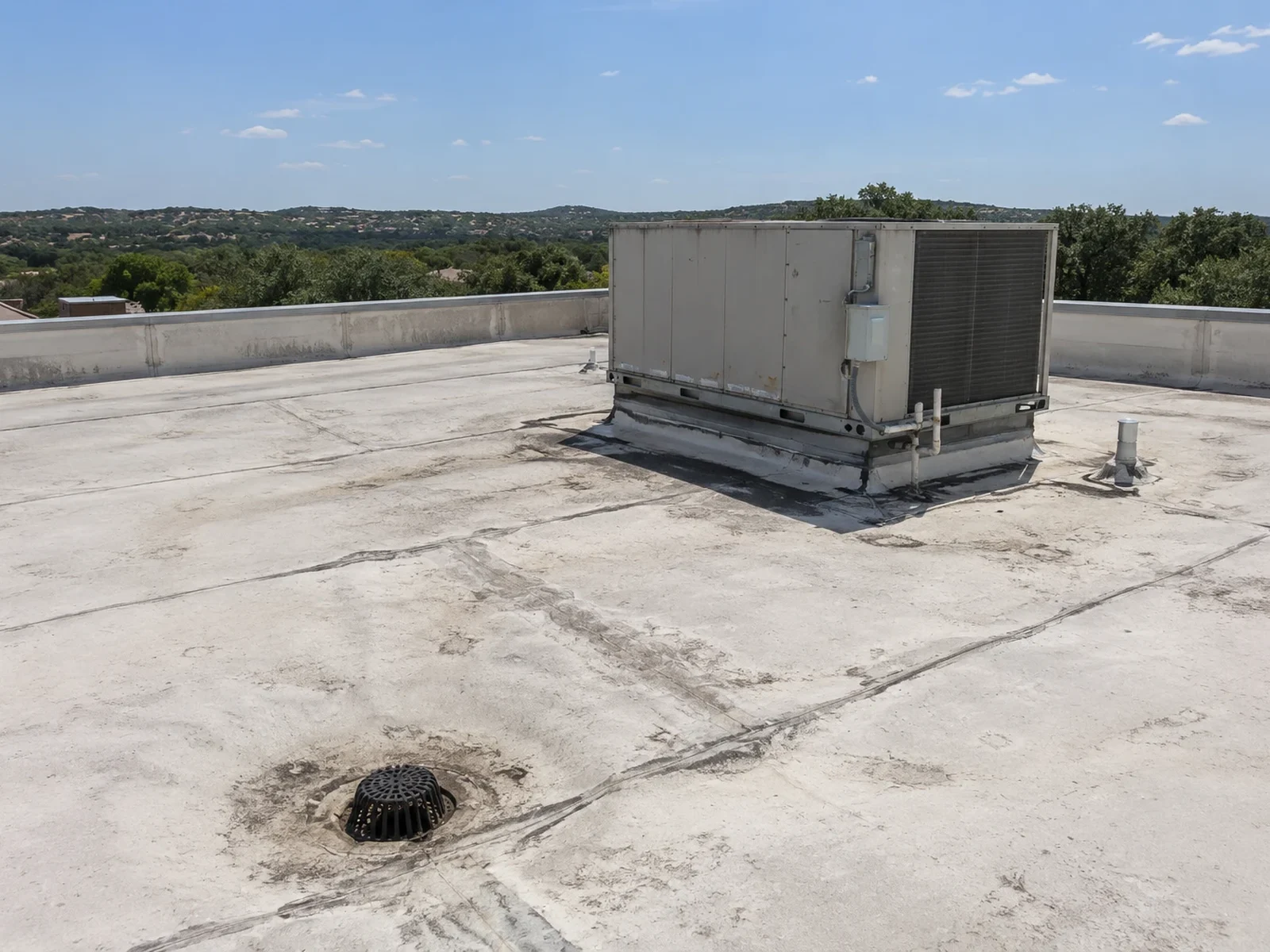
We clear and test every drain. We pour water through each leader, check the strainer and look for cracks in the sump. We measure scupper height against the roof surface, since a scupper set above the deck holds a permanent pool. Overflow paths matter as well. If the primary drain fails, water needs another way out before it reaches the weak joints. The work on roof drains and scuppers is among the cheapest leak prevention a downtown owner can buy.

Awnings and canopies over sidewalks drain onto pedestrians, so we check their gutters and downspouts and route water to the curb or a drain rather than the walkway.

Plan Around Approvals and Neighbors

Work on the square involves more than the roofer. Building owners deal with permits, possible historic review, shared walls, sidewalk access and merchants who do not want a lift blocking the door. We plan the scope with those constraints in mind, and we ask early who must sign off.

A replacement is scoped against the 2021 International Building Code and Energy Conservation Code that San Marcos enforces. We confirm what review applies before pricing, since a requirement for matching materials or limited visible change can alter the specification. Deliveries are scheduled early in the day, and sidewalk protection goes up before the first hoist. Emergency response runs around the clock for leaks that cannot wait.

Downtown Square District

Read the Weather in Context

The storm that struck San Marcos on May 9, 2024 had produced six-inch hail at Johnson City beforehand. Winds put trees down across several blocks in northwest San Marcos. San Marcos has about 36.55 inches of precipitation in a year and effectively no snowfall, so the load on a roof is rain, heat and hail, not snow.

That context shapes our checks. After a storm we look at coping, flashing and rooftop equipment first, then press the membrane for bruises. A wind damage roof repair on an older building often starts at a loose cap. A clean report is as useful as a damage report, because it shows the roof was sound before the next storm. Heat adds a slower load, with August highs near 98 F at Austin Camp Mabry hardening sealants on any older building.

Downtown Square District

Sort Buildings by Remaining Service

An owner with several downtown buildings needs the same sorting every facility director needs. Replace is for roofs with wet insulation across most of the area or a membrane past repair. Repair is for defined problems. Watch is for sound roofs that get a scan next year. The groups form a queue ranked by remaining service.

A roof condition report holds the grades, photos and cores for each building. It also gives a buyer or lender a clean picture of the roof. Nearby work includes the Texas State University district and the I-35 outlet corridor.

Protect Ceilings and Contents

Older buildings hold finishes that are hard to replace: plaster ceilings, wood floors, records rooms and shop inventory. A roof opening over any of them needs a plan. We cover interiors where it matters, set a dry-in point for each section and keep only as much roof open as can be closed before dark.

When water is already inside, the first step is to stop it. A temporary seal goes over the opening, and we photograph the stain, the ceiling and the nearest roof feature for the file. Wet plaster and insulation should be removed promptly, since moisture left in place invites mold. We tell the owner what to pull and what can dry in place. The permanent repair follows once a scan shows how far the water went, and the photos support any claim.

Commercial Roofing Questions

What decides whether a parapet needs rebuilding?

The condition of the wall behind the flashing decides it. Sound masonry with a loose cap needs a cap repair, and wet or crumbling masonry needs to be opened and dried first.

Do older roofs always need a tear-off?

No. A single dry layer can often be repaired or recovered, and a stack of wet layers cannot.

Can work happen while shops are open?

Yes, with sidewalk protection, early deliveries and a stop-work contact. Loud tasks move to quiet hours.

How is a leak traced on a shared wall?

From the interior stain back along the wall line, with a scan and a water test to confirm the entry.

What should I send first?

Addresses for each building, plus whatever reports or invoices exist on the roofs.

Send the building list and past reports

Share the addresses and any earlier reports, and we will sort the roofs into replace, repair and watch groups before your next budget year.

Request a Roof Assessment

Related Roofing Work

ServicesRoof SystemsIndustriesProperty TypesService AreasRoof Damage RepairCapabilitiesManufacturersAboutContactRequest a Roof Assessment555-555-5555
Call555-555-5555