555-555-5555

College and University Roofing

A university campus is the building class with the longest roof inventory, and the one thing it does to a roof program is stretch it across decades: residence halls, labs, libraries, a stadium and service buildings were each built in their own campus phase, so no two roofs reach the end of their service on the same date. For a facilities director in San Marcos, TX, the budget year is a sequence of choices about which phase to renew next.

Texas State University covers about 517 acres with roughly 250 buildings, and Bobcat Stadium has been expanded to seat 30,000. Those numbers describe the scale of the stock, not the condition of any roof, so the starting point is a count of roofs and a sort by remaining service.

The same method applies to a K-12 campus, and the layout used for school roofing carries over almost unchanged. What differs on a university is the number of buildings, the research load on the roof and the event calendar.
Build the Roof Inventory

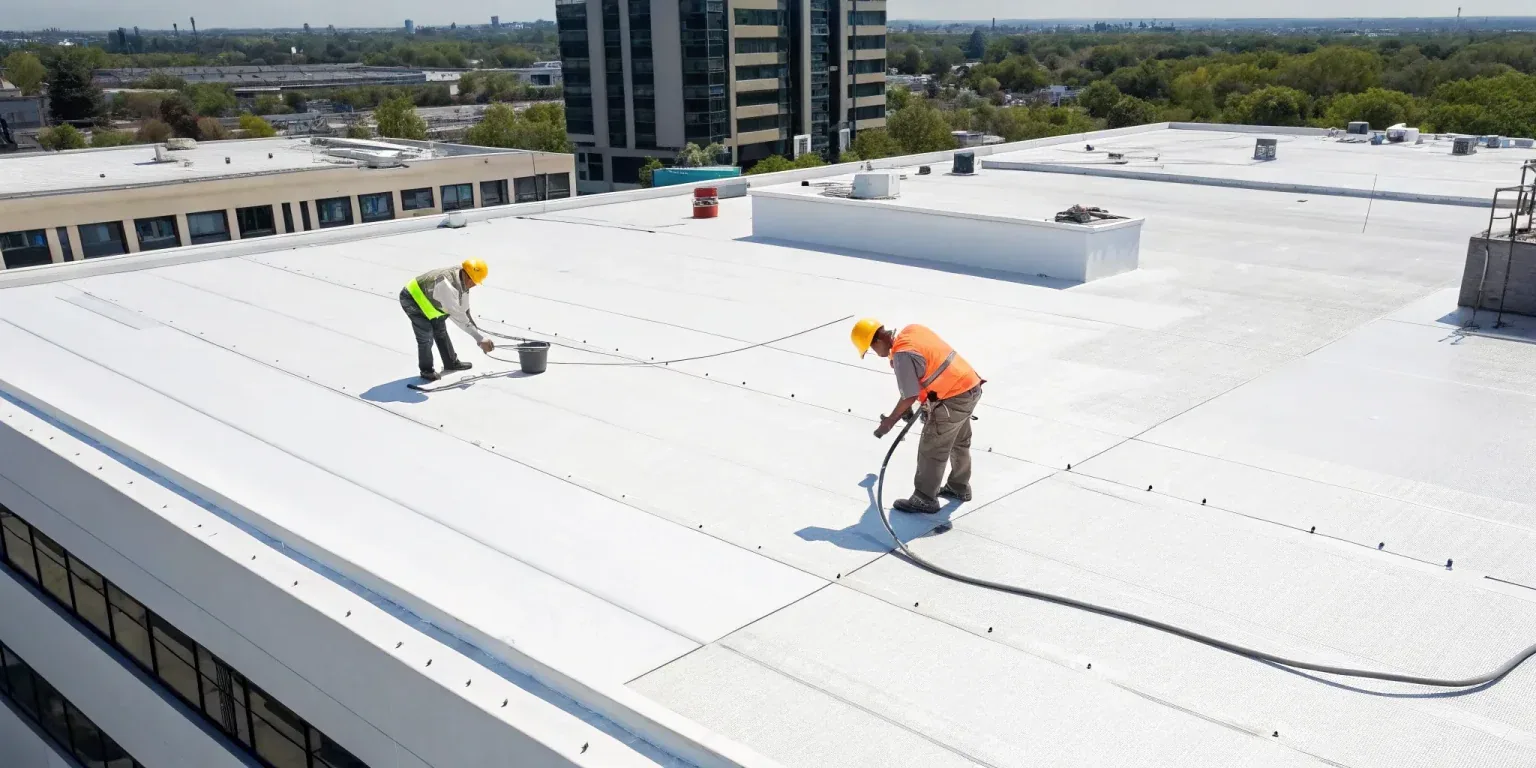
With about 250 buildings on a main campus, the inventory itself is a project. We begin with a list from the facilities office, add what the walk finds, and record each roof as a row: building, section, system type, approximate age, area, drainage type, equipment count, repair history and warranty status. Photographs attach to each row, and the sections carry locations so a later crew can find the same spot.

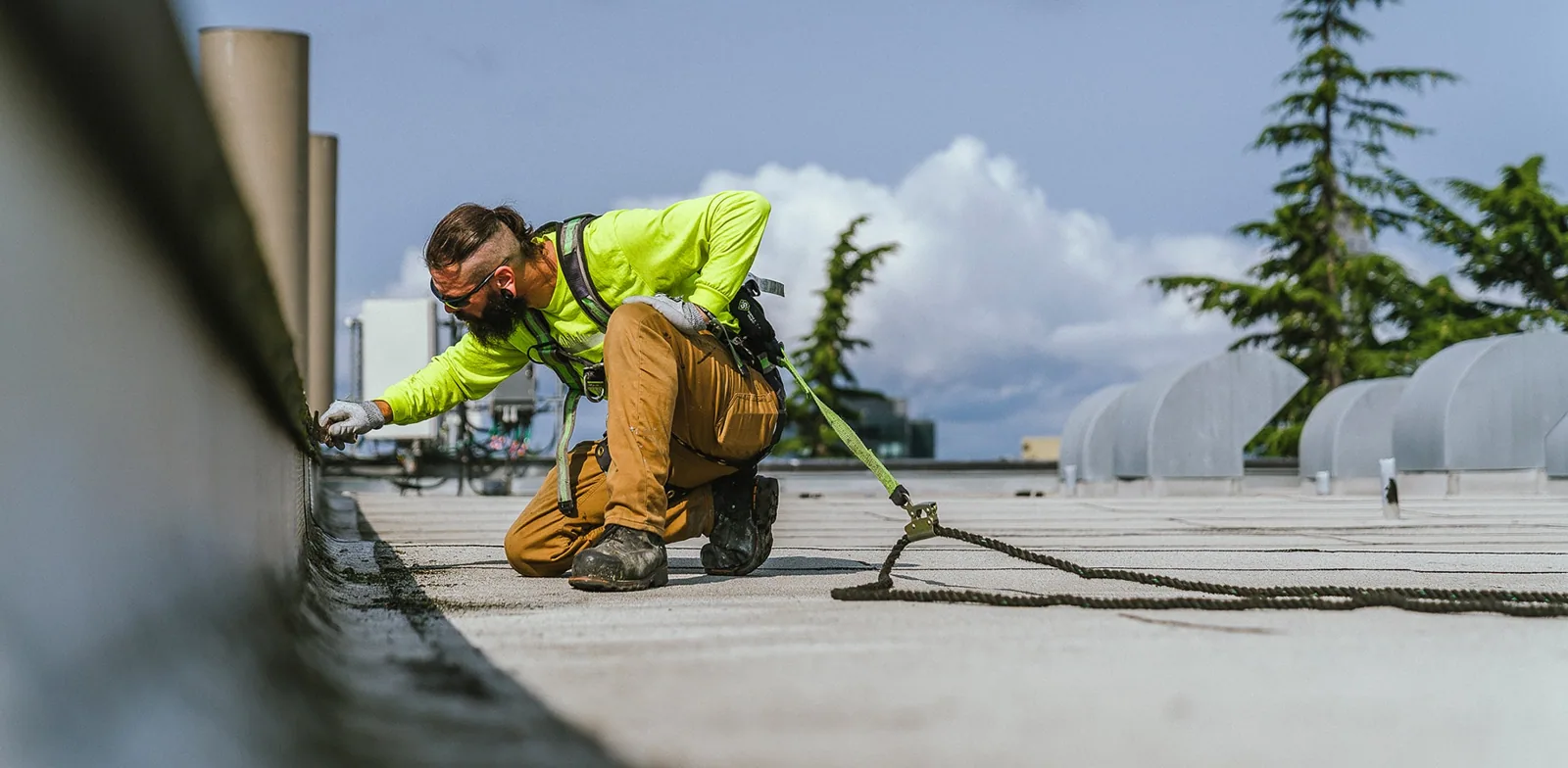
An aerial pass speeds the first sort. A drone roof inspection covers dozens of roofs in a day, flags ponding, patched areas and displaced equipment and tells us which buildings need a hands-on walk first. The drone does not replace the walk. It points us to the roofs that deserve one.

Satellite and research sites belong in the same inventory. Texas State's STAR Park on Hunter Road is one such address, and the Hunter Road and airport area is near San Marcos Regional Airport, so lift and crane heights get checked before any pick. Each site gets its own rows, and the director can filter the list by location, by age or by system type when planning a budget year.

Warranty paperwork goes into the inventory at this stage. A roof still under manufacturer coverage needs repairs matched to the warranty terms, or the coverage can be lost. We note the expiry date beside each section, so the replacement queue and the warranty calendar stay in step.

College and University Roofing

Read the Campus Phases

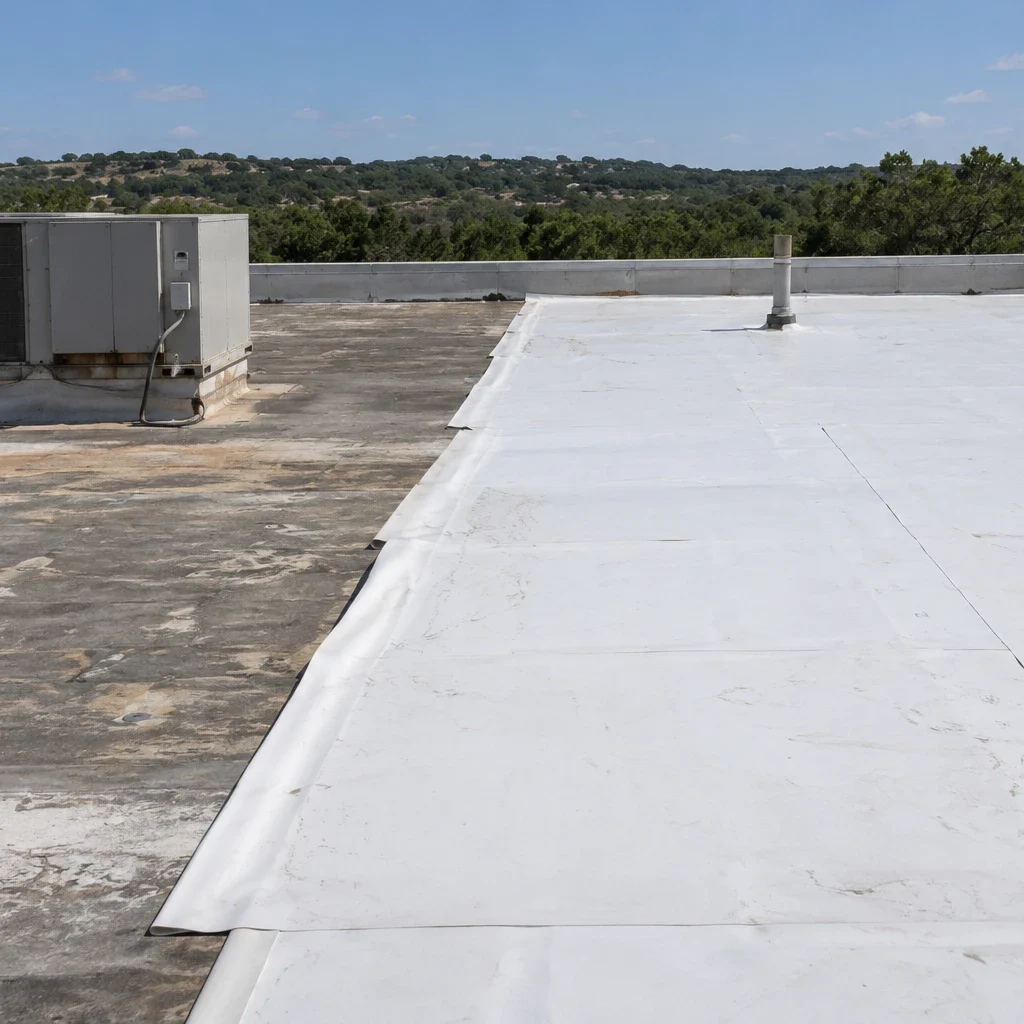
Older halls tend to carry layered built-up or bituminous assemblies that have been recovered or patched, while newer residence and lab buildings often carry single-ply membranes with more rooftop equipment. We confirm each roof's system by walking it or taking a core, since a campus phase says little about a roof type. Labs and research space add exhaust stacks and curbs that multiply the penetration count.

Moisture is the hidden variable. After a core or two, an infrared moisture survey maps wet insulation across a large roof without opening it, which lets the director separate a roof that is aging from one that is already holding water. That distinction moves a building from the watch group to the replacement queue.

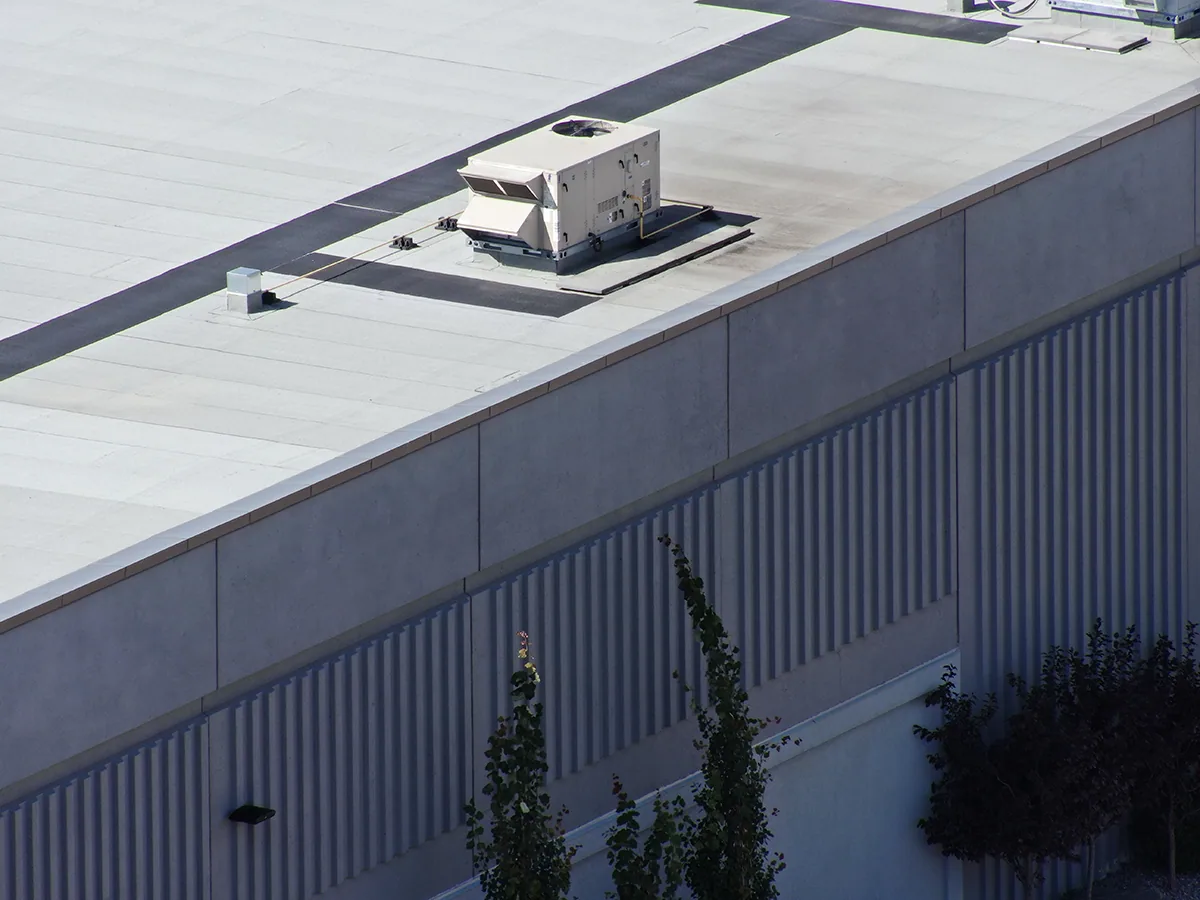
Rooftop equipment on research and residence buildings changes more often than the roof does. A new chiller, a relocated exhaust fan or a solar array each adds curbs and conduit. We record the date each addition went in and inspect its flashing on the next walk, since new penetrations are where early leaks start.

Assembly Space and Event Days

Stadium and arena roofs, concourses and gym spans bring a scheduling problem that classroom halls do not. Texas State draws crowds to Bobcat Stadium, and a record 47,513 students enrolled in fall 2026. Work on assembly spaces has to avoid game days, commencement and move-in weeks, and the plan names the dates that are off limits.

Crowd areas also change safety planning: debris nets, covered walkways, controlled access to roof hatches and clear paths for emergency vehicles. A written logistics plan, approved by the facilities lead and campus police, sits beside the scope. We would rather lose a day to planning than lose a lane to a surprise.

Plan Around Breaks

Summer and winter breaks are the work windows, with spring break useful for small jobs. Large tear-off and recover belong in summer, when residence halls and classroom blocks are emptiest. During the term, repairs stay on the roof side and avoid air intakes and entries. An occupied building reroofing plan lists phases, noise hours and the contact who can pause the crew.

Move-in week is the hard stop. A residence hall roof not finished by then is stopped, dried in and resumed after the move, and the make-safe note says exactly what the temporary cover protects.

Spring break works for contained repairs: a failed boot, a split seam, a clogged scupper. Each is scoped, priced and finished inside the week, with the photographs filed the same day. Winter break suits recovers and smaller tear-offs, with the usual caution about cold slowing adhesives and curing.

College and University Roofing

Weather Context for the Campus

A May 9, 2024 storm that reached San Marcos had earlier delivered six-inch hail in Johnson City, according to the weather service. None of that is proof of damage to a campus roof. A post-storm walk records bruised areas on the roofs that face the weather and tests the wet ones. San Marcos averages about 36.55 inches of rain a year, and summers are hot and humid, so heat cycling and water management shape the wear pattern.

In northwest San Marcos the storm's high winds toppled trees onto fences and houses over several blocks.

College and University Roofing

Run It as a Program

A multi-site roof program turns the inventory into a rolling plan: replacements ranked by remaining service, repairs sized to the sections on watch and inspections scheduled by risk. Texas State also has a 101-acre Round Rock campus in north Austin, and the same record format keeps both campuses comparable. Local code in San Marcos is the 2021 International Building Code, adopted with the 2021 energy code under Ordinance 2023-09.

A director who also oversees residence halls can use the same record format for apartment roofing, and the buildings in and around the Texas State University district get the same walk.

Commercial Roofing Questions

Where should a campus roof program start?

Start with a complete inventory, one row per roof section, then sort by remaining service. A drone pass identifies the roofs that need a hands-on walk first. The first deliverable is a replace, repair and watch list.

How do you schedule around game days and move-in?

The facilities lead gives us the blackout dates, and the plan builds around them. Large tear-off goes into summer. If a residence hall roof is open at move-in, we dry it in and resume after.

Does a drone survey replace a roof walk?

No. It sorts a large roof list quickly and flags ponding and displaced equipment. Walks and cores confirm what the images suggest.

How do labs change the roof scope?

Exhaust stacks, curbs and extra penetrations raise the number of details that can fail. They also limit when a roof can be opened. The scope lists each unit and the shutdown it needs.

Can one record format cover two campuses?

Yes. The same row layout and photograph set work on a main campus and a satellite campus. That lets a director compare roofs across both when ranking the replacement queue.

Send the campus building list

Send the building list and any past roof reports. We will sort the roofs into replace, repair and watch groups before the next budget year.

Request a Roof Assessment

Related Roofing Work

ServicesRoof SystemsIndustriesProperty TypesService AreasRoof Damage RepairCapabilitiesManufacturersAboutContactRequest a Roof Assessment555-555-5555
Call555-555-5555