555-555-5555

Apartment Roofing

An apartment community is a count of roofs before it is anything else, and that count multiplies the program: a single property can hold a dozen or more buildings, each with its own roof, its own breezeways and its own age. For an owner or asset manager in San Marcos, TX, the budget year is a replacement queue measured in buildings, with residents living under every one of them.

Texas State University reported a record 47,513 students in fall 2026, and at a property that houses students, lease turnover can cluster in summer. That calendar is a useful constraint for roof work, and a pressure too: a roof that fails in August fails while units are being turned.

Insurers and lenders look at the same table. A schedule that shows each building's roof, its age, its last repair and its position in the queue answers most underwriting questions without a site visit, and it gives the owner a defensible reason when a premium or a loan term depends on roof condition.
Count the Buildings, Then the Sections

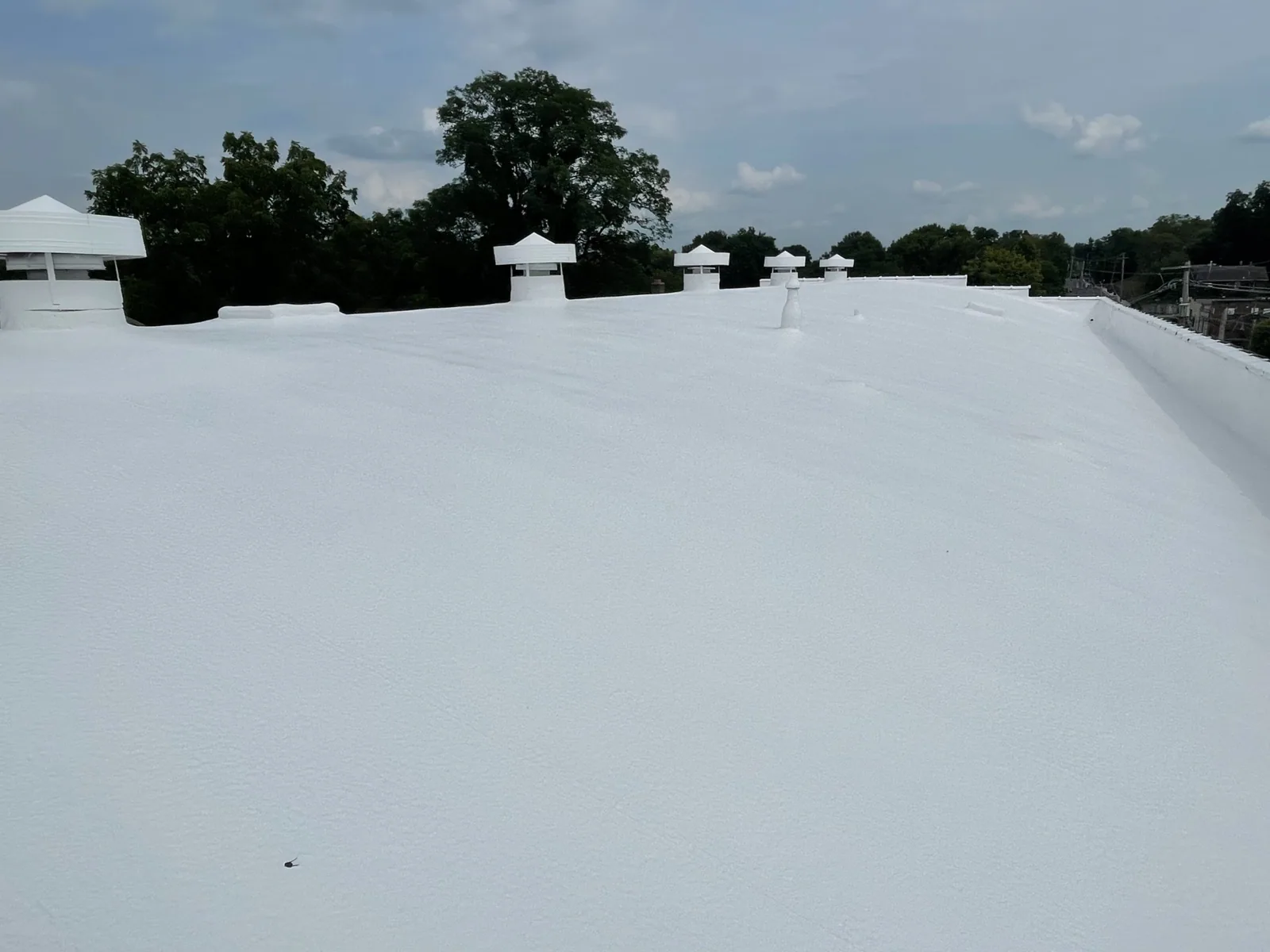
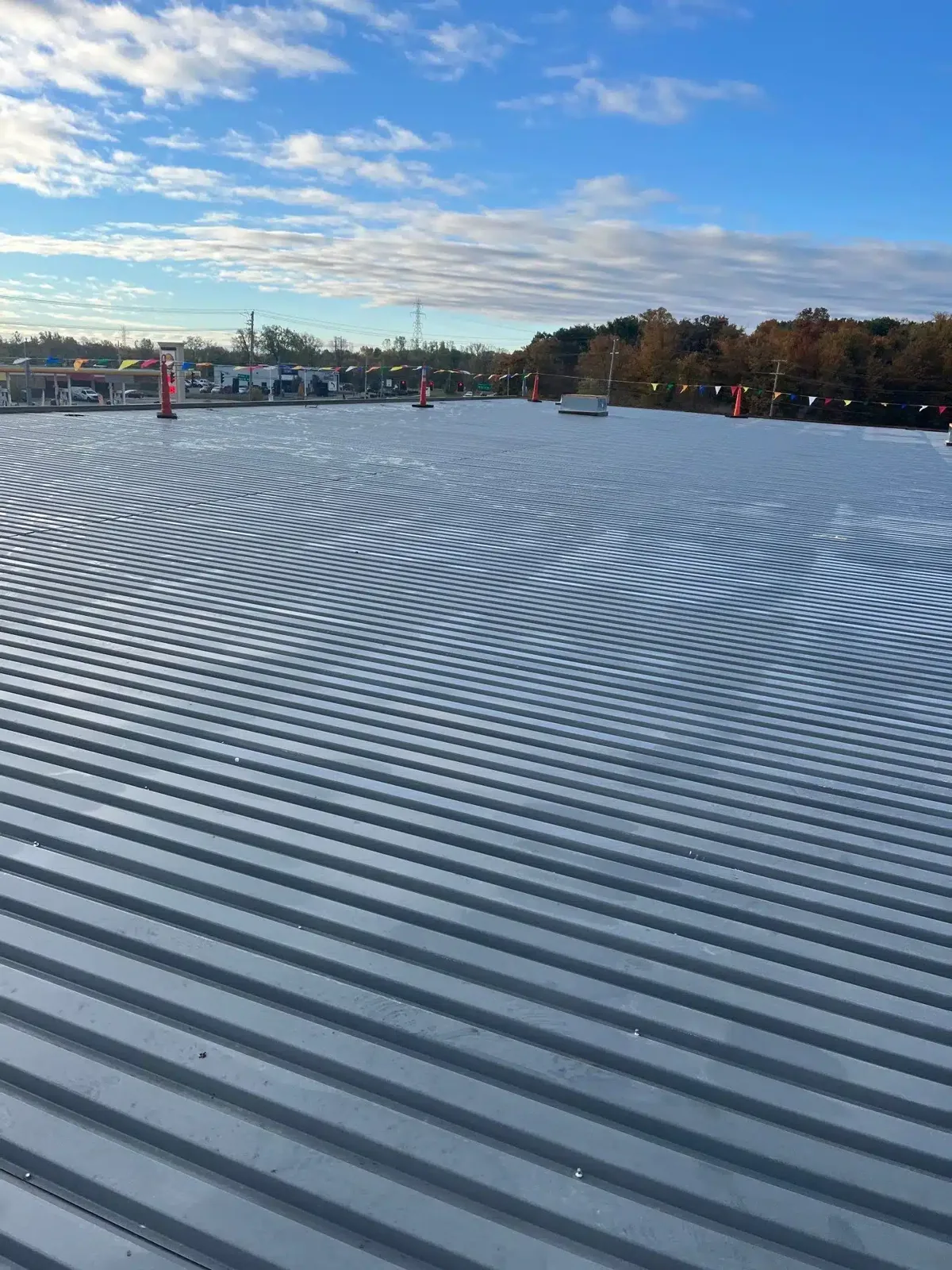
We begin with a site plan and a list from the property manager: building numbers, unit counts, roof forms and any known repair history. Then we walk each building. A multifamily property commonly mixes roof forms: pitched shingle or metal over the units, low-slope sections over breezeways and stair towers, and flat sections over clubhouses and leasing offices.

Each form fails differently. Pitched roofs lose granules or fasteners and show wear at ridges and valleys. Low-slope sections hold water and open at seams and flashings. We record every section as a row, so the owner sees the whole property in one table and the queue can rank sections, not just buildings.

Access to each roof is part of the record. Some buildings have interior hatches, some have exterior ladders and some have neither, which means a lift or a staging plan before the first walk. We note the access method, any fall-protection tie-off points and whether a hatch opens into a unit or a common corridor, because that decides how and when the roof can be visited without disturbing a resident.

Drainage gets a pass of its own. Gutters, downspouts and internal drains on multifamily roofs collect leaves and shingle grit, and a clogged downspout at a breezeway sends water down a wall. We clear and flush what we can reach and list what needs a repair crew.

Apartment Roofing
Apartment Roofing

Breezeways, Balconies and Wall Joints

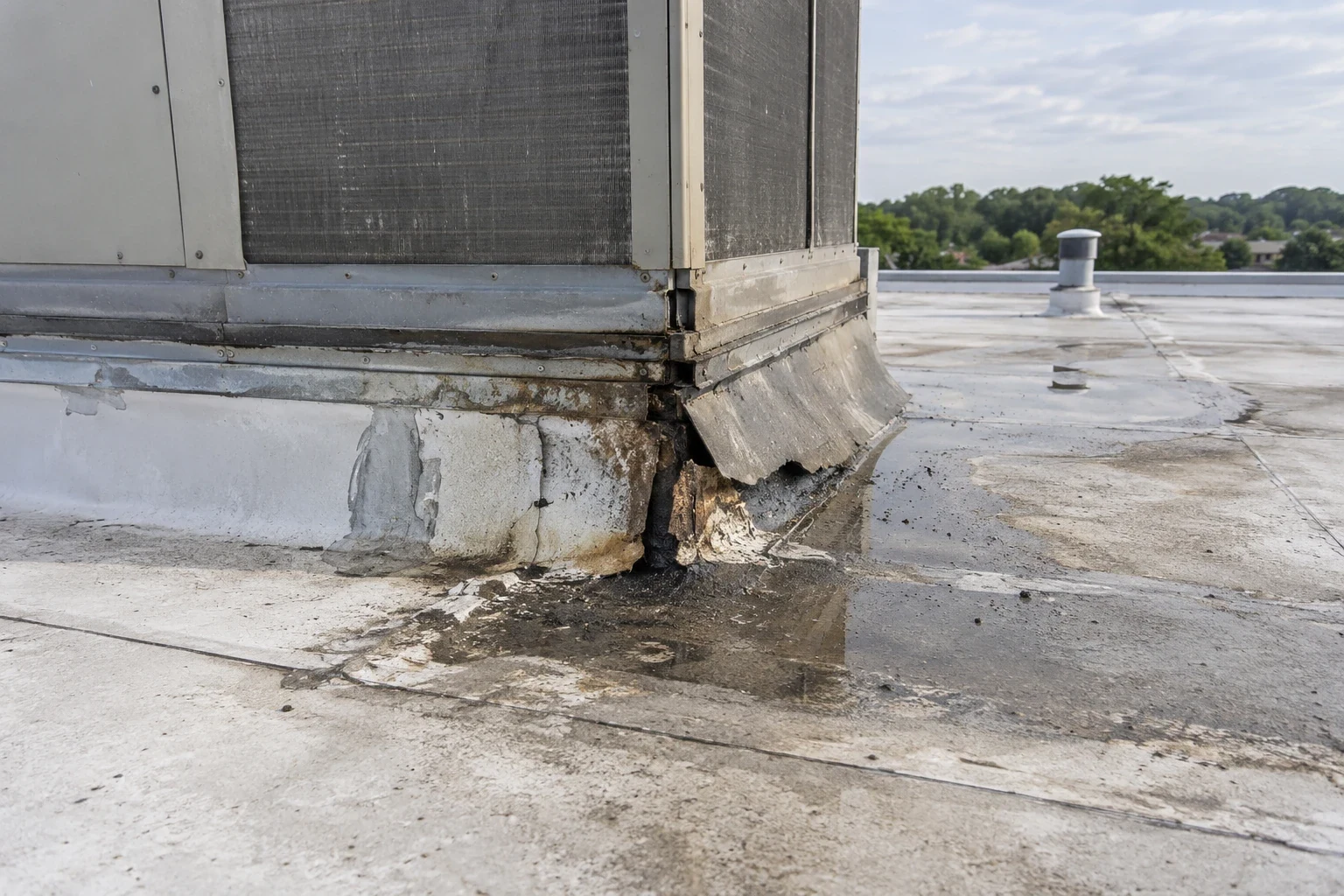
The expensive leaks in apartments are not usually in the field of the roof. They are where the roof meets something: a breezeway wall, a balcony slab, a chimney chase or a stair tower. Each junction needs flashing that was set correctly and sealed well, and each moves with the building.

We check step flashing, counterflashing, sealant joints and drains at every junction, and we mark the ones that show staining below. A flashing failure repair removes the failed piece, prepares the substrate and sets new flashing tied into sound material. Leaks at junctions often reach interior walls, so we ask the manager to flag any unit with wall staining.

Chimney chases, vent stacks and plumbing boots are the small penetrations that multiply on a residential roof. Rubber boots crack in sun, sealant dries, and a single boot over a bathroom can wet a ceiling. We replace boots in groups by building, since the cost per boot falls when the crew is already up there and the fix prevents the most common small leaks.

Residents Are Living Under the Work

Residents need notice, a schedule and a way to reach someone. We write a short notice for the manager that states the dates, the noisy hours, the areas where parking is blocked and a phone number. Crews do not enter units. Balcony and breezeway access is closed during work, and walkways under the roof get overhead protection.

An occupied building reroofing plan sequences the buildings so residents are disturbed once, not repeatedly. Work starts early, ends by an agreed hour and leaves each building dried in. A magnet sweep clears parking and drives daily, and the manager receives a status note at day's end.

Complaints are part of the plan. We ask the manager to route roof questions to one number and we answer the same day. If a resident reports a leak during work, the crew checks it first and the manager receives a note of what was found.

Plan the Calendar With Turnover

Because turnover clusters in summer, vacant units give a window for interior repair after a leak. We coordinate with the manager so roof work above a vacant building comes first when possible, and repairs above occupied units wait for a dry window. Interior damage found during turnover goes in the file with a date and photograph.

Texas State is among the city's largest employers and a major source of renters, and the Texas State University district is one local area where an owner may keep several buildings. A record format that works for one property carries across the rest.

Apartment Roofing

Hail, Wind and Summer Heat

The weather service's May 9, 2024 hail report for Johnson City gave a size of up to six inches across, and the storm kept moving toward San Marcos. That is regional context, and it explains why owners ask for post-storm reviews. A hail damage roof repair scope lists bruised areas by building and section, so the owner and the insurer read one record.

San Marcos summers are hot and humid, and the year brings about 36.55 inches of rain. The 1991 to 2020 August normal at Austin's Camp Mabry sits near 98 F, a regional gauge of how hard the summer sun works.

Wind finds loose ridge caps, lifted shingle tabs and unsealed edge metal first. After a storm we walk each building, count missing or lifted pieces and photograph them with dates, which gives the owner and the insurer the same list and keeps a dispute about cause from stalling the repair.

Apartment Roofing

Phase the Replacement Queue

The ranked list for a property has three groups: replace, repair and watch, with a price beside each section. Replacing every roof at once strains a budget and disturbs every resident, so the queue is phased, a few buildings a year, with the worst sections first.

Inside the city, the 2021 International Building Code and Energy Conservation Code govern, so replacement scopes list code items on their own lines. A multi-site roof program keeps several communities in one file, and the same layout supports senior living roofing and hotel roofing. For a community in Kyle, the format stays the same.

Commercial Roofing Questions

How many roof sections does a typical community have?

Count them on site. Each building can hold pitched sections, breezeway roofs and stair-tower roofs. We list every section, so the queue ranks sections instead of buildings.

Where do apartment roofs leak most often?

At junctions: breezeway walls, balconies, chimneys and stair towers. Flashing and sealants move there. We check every junction and flag units with wall stains.

How are residents protected during work?

Notice goes out ahead, walkways get overhead protection, and balcony access closes during work. Crews do not enter units. Each building is dried in daily.

Can you coordinate with summer turnover?

Yes. We start with vacant buildings where we can and schedule repairs above occupied units for dry windows.

Do shingles and low-slope sections age alike?

No. Shingles lose granules and fasteners; low-slope sections hold water and open at seams. Each needs a different check and a different budget line.

Send the community list

Send the building list and any past roof reports. We will sort the roofs into replace, repair and watch groups before the next budget year.

Request a Roof Assessment

Related Roofing Work

ServicesRoof SystemsIndustriesProperty TypesService AreasRoof Damage RepairCapabilitiesManufacturersAboutContactRequest a Roof Assessment555-555-5555
Call555-555-5555