555-555-5555

Buda

Big-box and strip retail is a building class that lives on its roof's reputation with the landlord, because a retail roof carries the most tenant traffic and the most rooftop equipment per square foot of any common class. What that does to the roof is wear it from above and from below: service crews walk it, units cut it and customers' leaks arrive as complaints. For an owner on the I-35 corridor in Buda, TX, the budget year depends on knowing which retail roofs have taken that wear and which have not.

Buda sits on I-35 about 15 miles southwest of Austin, and I-35 is its main commercial corridor, with SH 45 running just north of the city. Buda's population rose from 7,295 in 2010 to 15,108 in 2020. Retail along I-35, including a Cabela's store, has lifted the city's sales tax revenue, and a cement plant was drawn to the area by the mid-1980s.
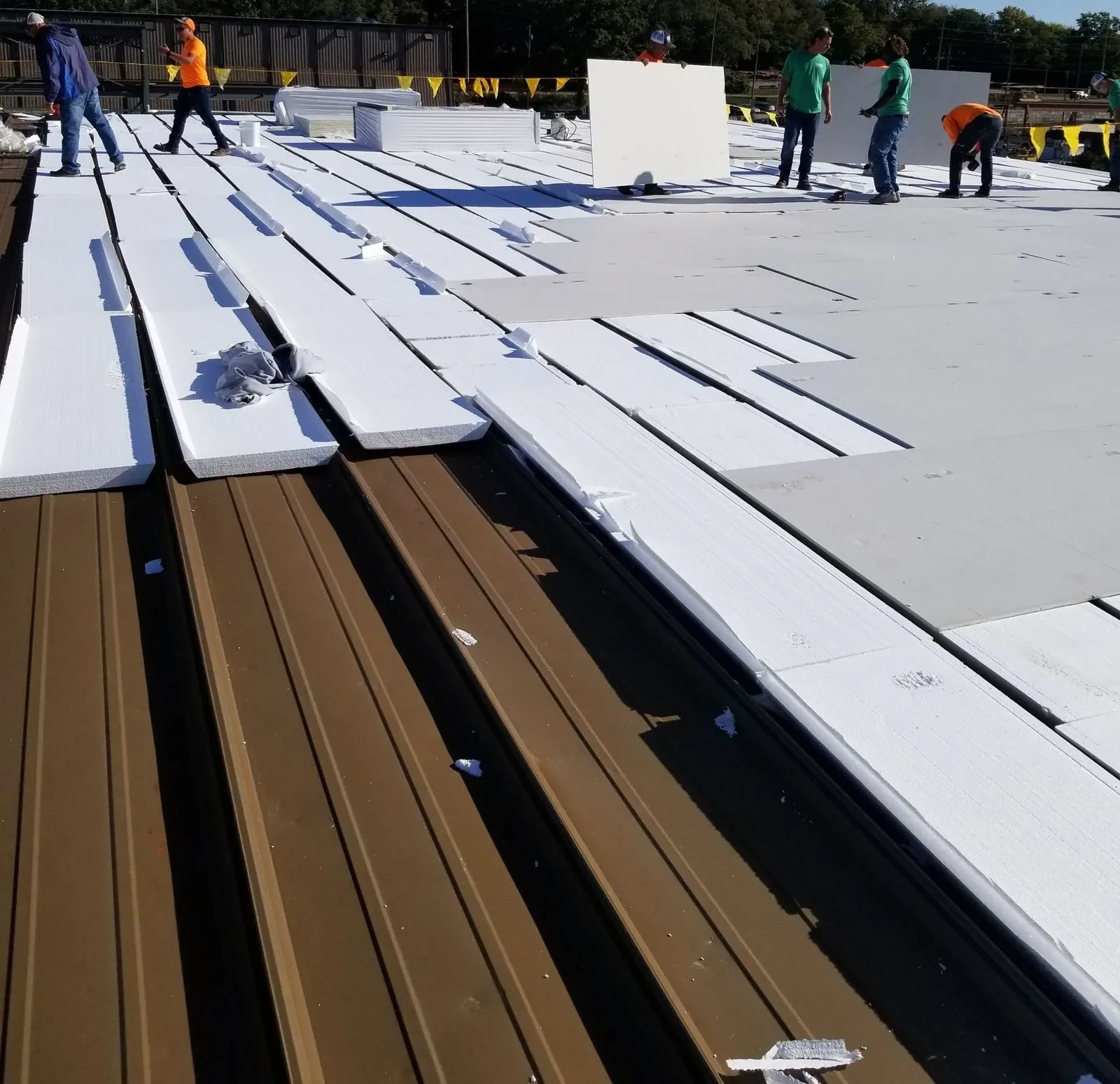
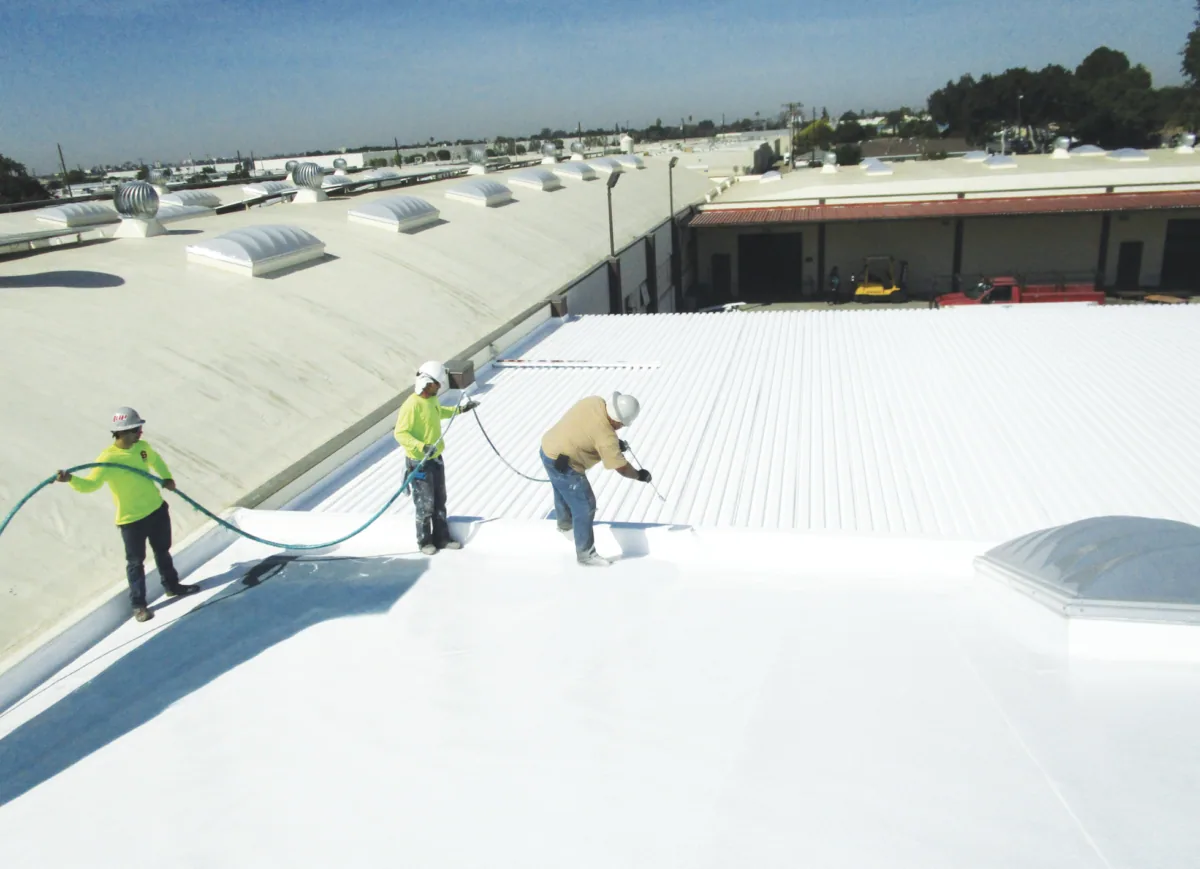
Read the Retail Roof

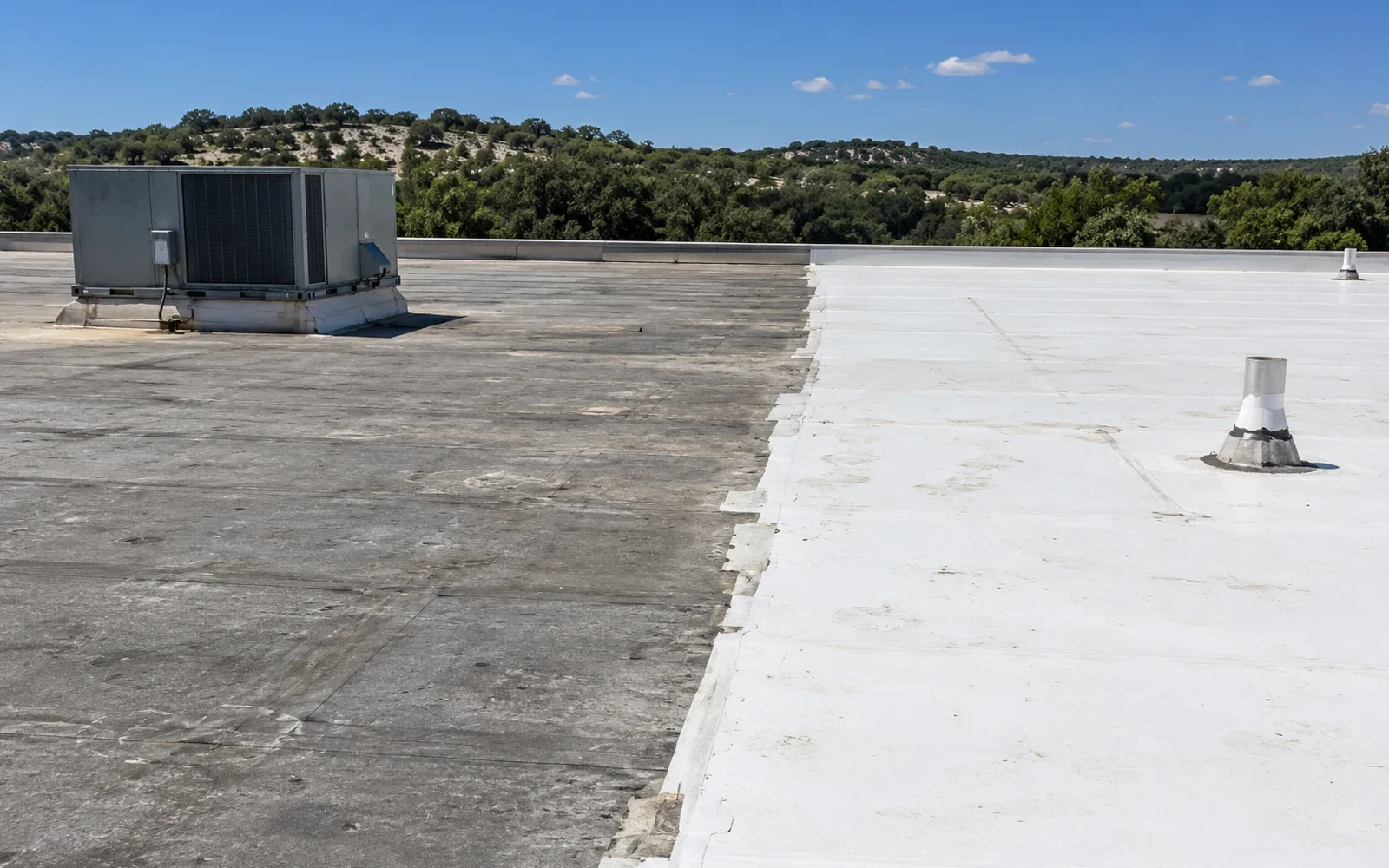
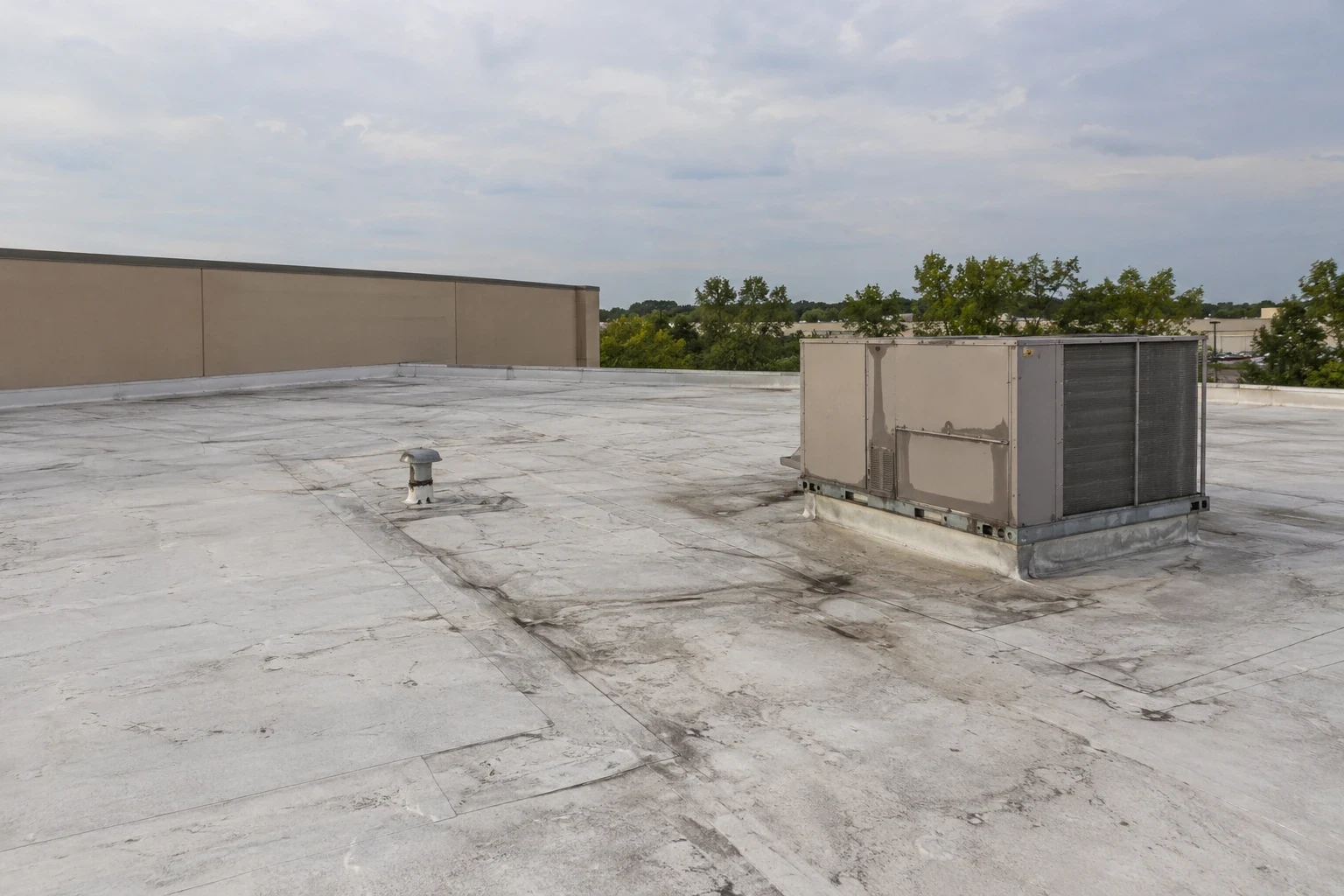
A retail roof is a wide field with perimeter details and a crowd of penetrations. It usually carries rooftop air handlers, exhaust fans for food tenants, plumbing vents and sometimes signage supports. Every penetration is a flashing, and every flashing ages on its own schedule.

Our first walk numbers every penetration on a plan. We check the curb height, the boot or flashing, the sealant and the discharge point of any condensate line. We also look at parapet tops and wall terminations, since retail buildings often have tall front parapets that catch wind. A big box retail roofing plan lists all of it in one document, and a shopping center roofing plan does the same for strips with several tenants.

Buda
Buda

Account for Two Roof Ages

A city that doubles in a decade has two roof populations. One set was installed before the growth and has aged through a full cycle of Hill Country summers. The other was installed during the growth, often on a tight schedule. The two fail differently. Older roofs wear at the surface and the seams. Younger roofs fail at details that were done too quickly.

We sort Buda roofs by what we find, not by assumption. A core sample cuts through every layer and shows the membrane, the insulation, the deck and the moisture. Cores and a scan together build a grade for each roof. The grade drives the queue: wet and failing roofs first, defined repairs next, sound roofs last. A roof that grades sound but is old gets a shorter watch interval than a young one. Austin Camp Mabry averages about 98 F in August, the regional marker for the sustained heat that ages older membranes and sealants.

Plan Work Around Customers

A retail roof cannot be closed for a week. Customers arrive, deliveries come and tenants run their kitchens. We plan work so most of it happens before opening, after closing or on slow weekdays. Lifts and material stage away from entrances and fire lanes. Walkways below the work get covered.

Odor matters more in retail than in most classes. A restaurant tenant loses covers when adhesive fumes drift into an air intake. We cover intakes during adhesive or torch work, and we choose welded or cold-applied methods when the specification allows. Emergency response runs around the clock, so a storm leak at night gets a crew and a temporary seal before the next day's customers arrive. The permanent repair waits for a scan and dry weather.

Review Hail as a Regional Risk

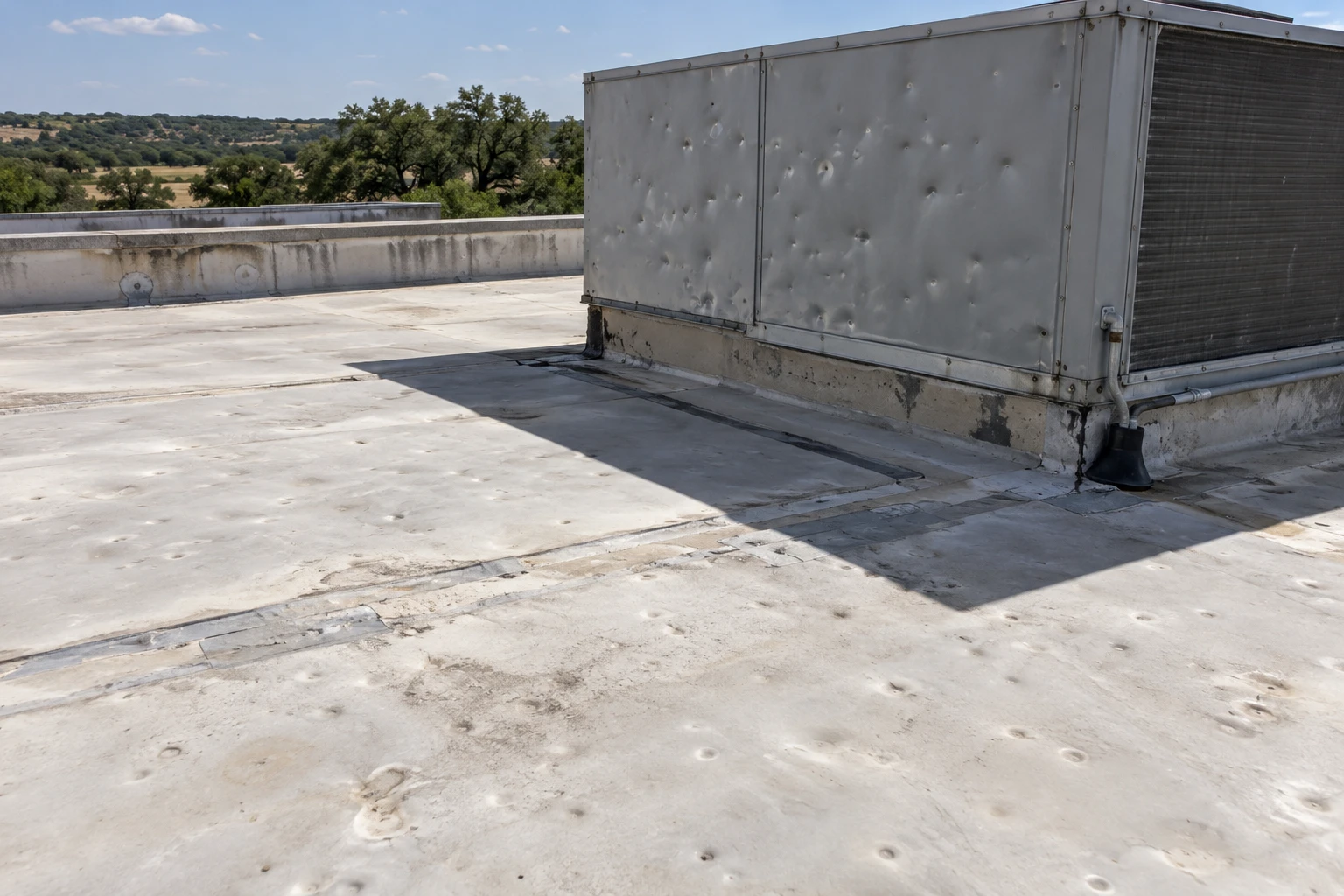
The Hill Country storm record frames the risk. The weather service reports for May 9, 2024 list hail up to six inches across at Johnson City and a storm that then reached San Marcos. Winds then put trees down across several blocks of northwest San Marcos, and a tornado warning covered downtown San Marcos.

For a Buda owner, that report is a reason to look and not a verdict. We press the membrane, mark soft spots, scan for wet insulation and record the count and depth on the plan. A hail damage repair scope covers what changed. When the field is clean, the report says so. A clean report is a useful baseline for a landlord who may need to answer a lender, a tenant or an insurer after the next storm.

Buda

Sort the Portfolio

An owner with several retail properties needs one answer for the whole set: which roofs go in the replacement queue, which get repairs, which get watched. Replace means wet insulation across most of a roof. Repair means one defined problem, dry board around it. Watch means a sound roof with a scan next year.

A multi-site roof program puts the properties on a single calendar and report format. A roof condition report for each building holds the grade, photos and cores. The sorting turns into a queue ranked by remaining service, and the queue turns into a budget. Nearby work includes the Buda industrial and logistics corridor and Mountain City.

Buda

Control Tenant Work

Retail turnover is steady. A tenant leaves, another arrives and a new unit goes on the roof. Each change is a cut in the membrane, and each should follow the same rules. We write a short rule set for the landlord: roof access by permit only, approved curb details, photo before and after, and a notice to the roofer.

Without the rules, roofs collect abandoned curbs, unsealed conduit and sealant patches. We audit the roof once a year against the lease file. The audit finds orphaned items, which are the cheapest leaks to prevent. It also catches units that shed condensate onto bare membrane, which wears a spot and holds a pool. Corrections are small if made early, and the owner decides which to fund this year.

The log that results helps in a dispute. If a tenant's contractor damaged the roof, the photos show it. If the landlord's roof failed, the photos show that too.

Handle Edges and Drains

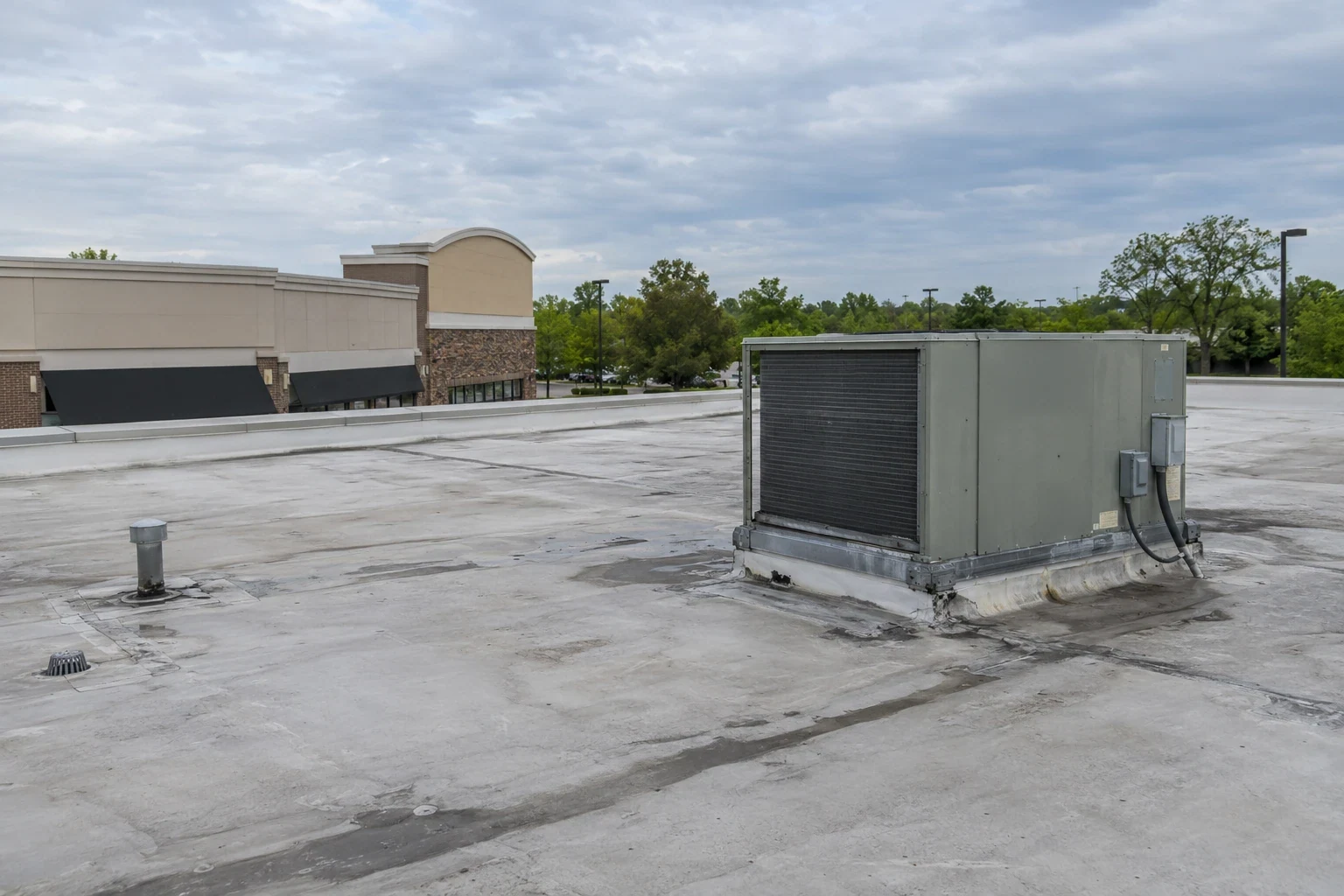
Retail parapets and canopies take wind, and retail drains take debris from tenant work and nearby trees. Both need attention before the weather tests them. We press every coping joint, check termination bars and tug edge fasteners. We clear drains, test flow and measure scupper heights.

Ponding is a signal. A pool that lingers more than two days after rain means a drain problem, a low spot or crushed insulation. We trace the cause and write the fix. Sometimes the fix is a cleared strainer and sometimes it is tapered insulation to add slope. The report lists the options and the cost drivers side by side, so the owner can choose. A ponding water roof repair that treats the cause lasts. One that treats the symptom returns within a season.

Commercial Roofing Questions

What decides whether a retail roof is replaced?

The extent of wet insulation decides it. A roof with dry insulation and a few defects can be repaired, and one with widespread wet board cannot.

How are tenants kept informed?

With a written schedule, quiet-hour rules and a named contact for each phase.

Why do retail roofs leak at units?

Curbs and boots are joints, and tenant work adds more of them. Sealant ages, and crews cut membrane without matching the original detail.

Can a leak over a restaurant be fixed fast?

A temporary seal can go on the same night, and the permanent repair follows after a scan.

What should I send first?

Addresses, a tenant list and any earlier reports on the roofs.

Send the building list and past reports

Share the addresses and any earlier reports, and we will sort the roofs into replace, repair and watch groups before your next budget year.

Request a Roof Assessment

Related Roofing Work

ServicesRoof SystemsIndustriesProperty TypesService AreasRoof Damage RepairCapabilitiesManufacturersAboutContactRequest a Roof Assessment555-555-5555
Call555-555-5555