555-555-5555

Preventive Roof Maintenance

A building on a maintenance program is a roof inventory with a calendar attached, and the one thing that calendar does to a roof is slow its decline. Small defects are cheap on the day they appear and expensive a season later, so a facility director who owns several buildings along I-35 benefits most from a fixed rhythm of visits, a dated photo file and a short list of what changed since the last walk. That rhythm tells the budget year what is coming. A roof that is clean, dry and tight can be scheduled for replacement on purpose. A roof left to itself gets replaced on the day it fails, usually at the least convenient price.
The building class sets the visit

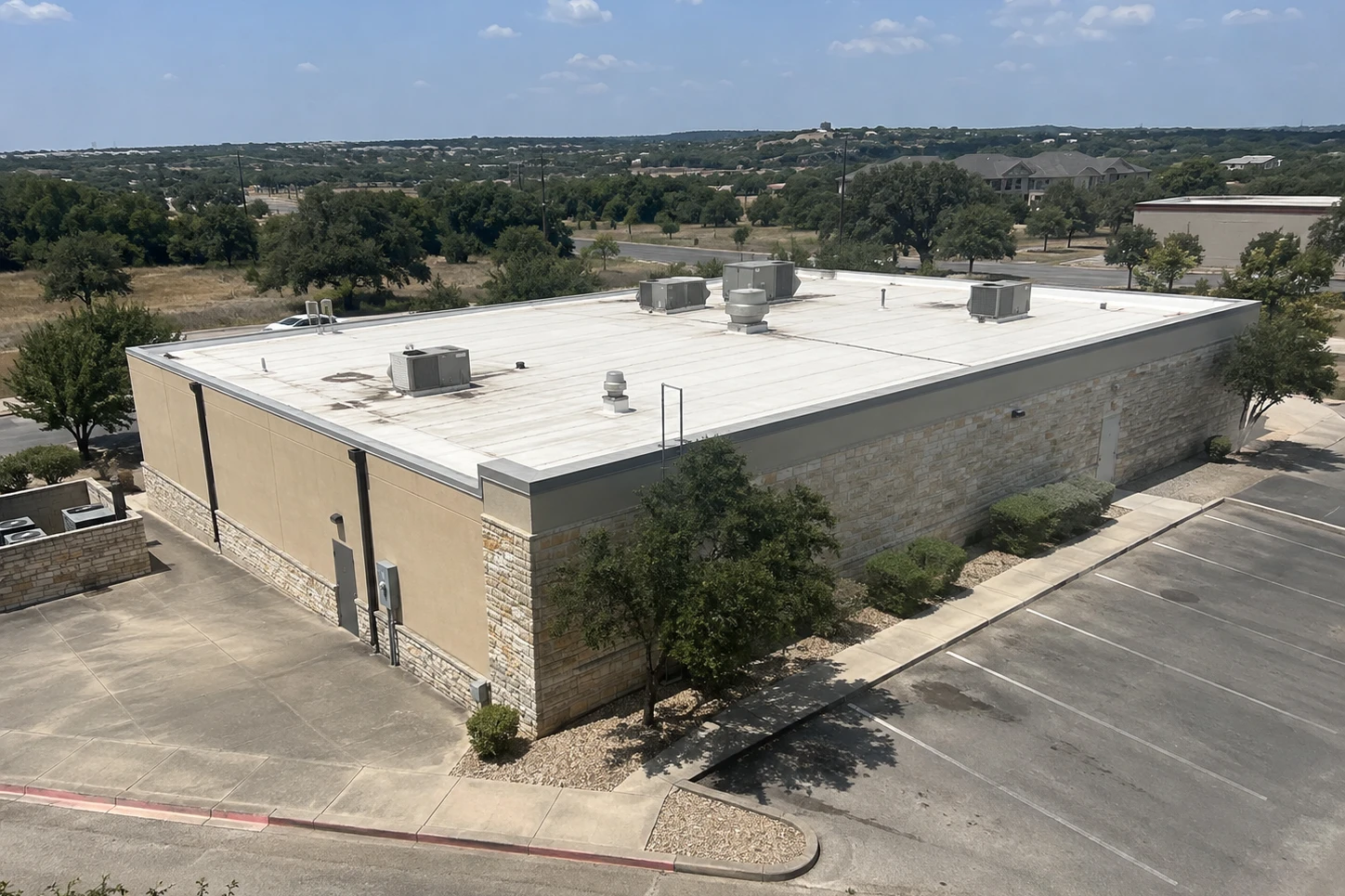
A visit to a distribution building is not a visit to a courthouse. The fulfillment class carries wide, low-slope fields, long dock-side edges and a scatter of rooftop units, so the walk spends its time on edge metal, scupper lines and curbs. The historic and institutional class has smaller, more detailed roofs where flashing at walls and slow drainage deserve more minutes than the field. Retail and outlet buildings sit between the two, with parapets, signage mounts and heavy mechanical traffic. One city holds an 855,000 square foot Amazon fulfillment center and outlet centers east of the interstate that see about 14 million visitors a year, and those two buildings need very different visits. We write a checklist for each class before the first visit so the walk matches the roof.

Preventive Roof Maintenance

What the visit covers

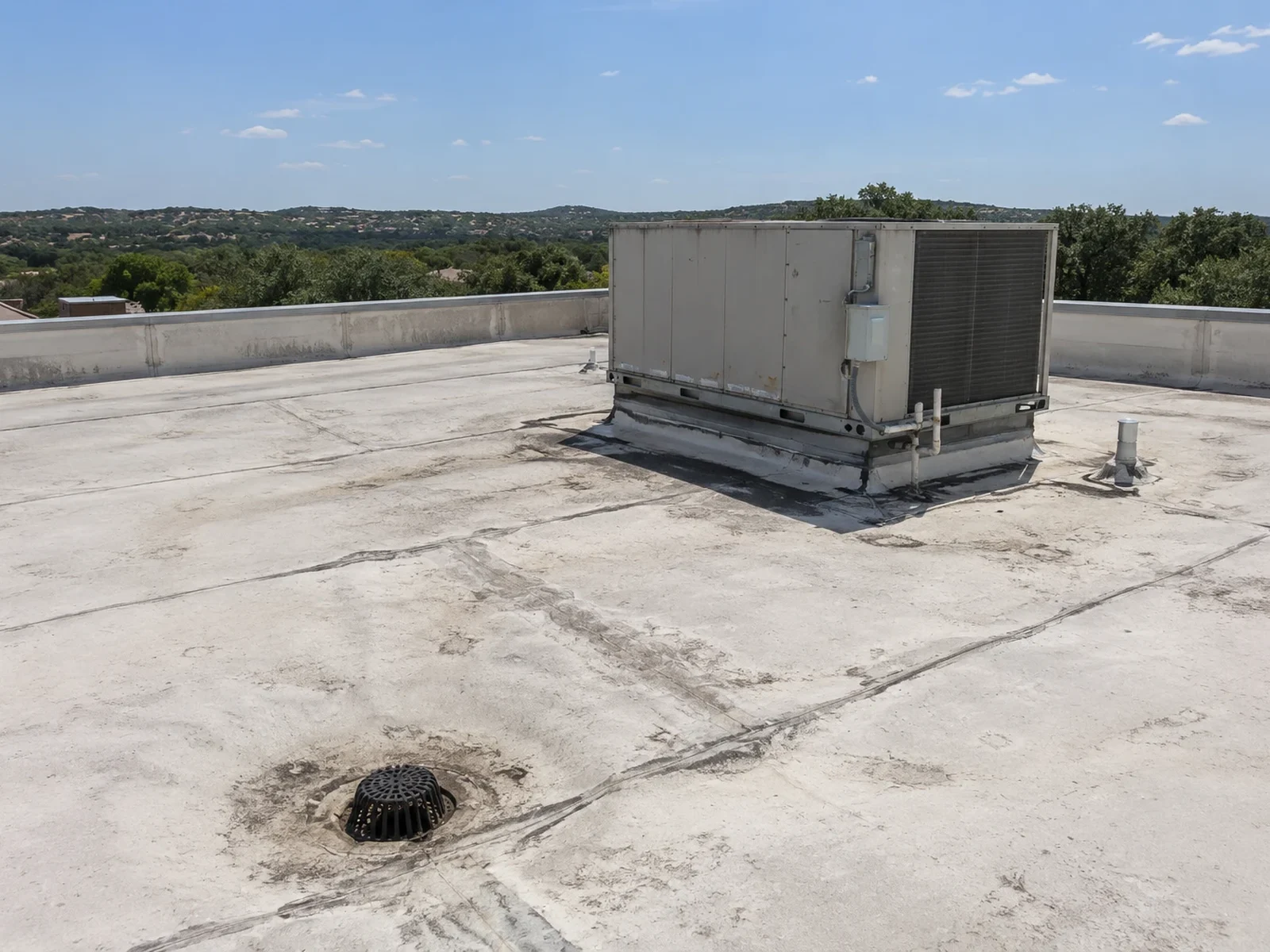
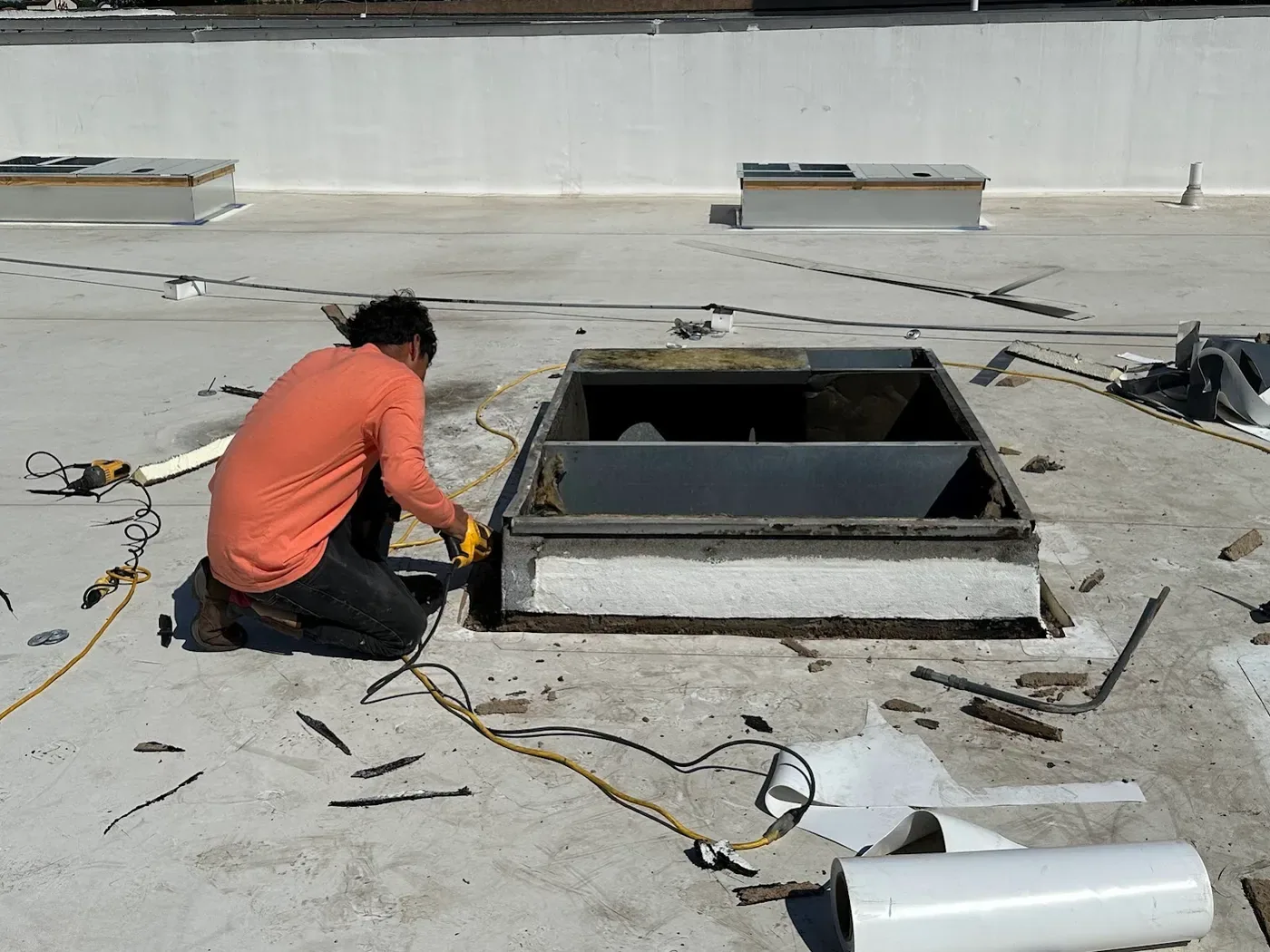
Each visit follows the same sequence. We clear drains, strainers and scupper lines first, the same work a full drain and scupper review goes deeper on, because water that leaves the roof does less harm than water that waits. We then walk the seams, laps and field for splits, punctures and open edges, check the base flashings at walls and curbs, and look at the sealant around every penetration. Loose fasteners get tightened, small splits get patched with the repair method the membrane requires, and debris comes off the roof. We photograph each area before and after, and we record anything that needs a larger scope. Minor work is done on the spot. A finding that needs a quote gets a short written note, a photograph and a rough size, so the director can decide without a second site visit.

What wears first

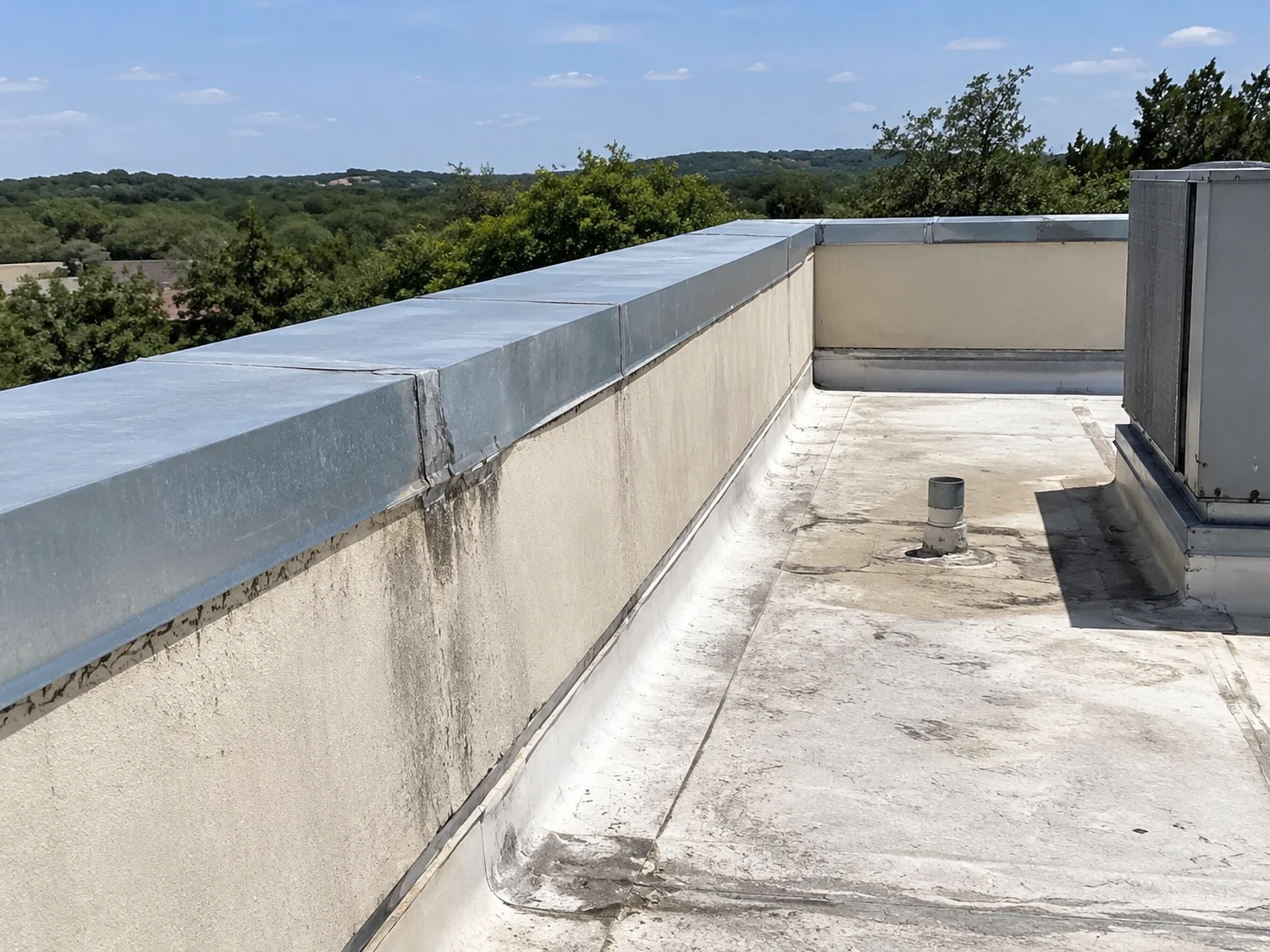
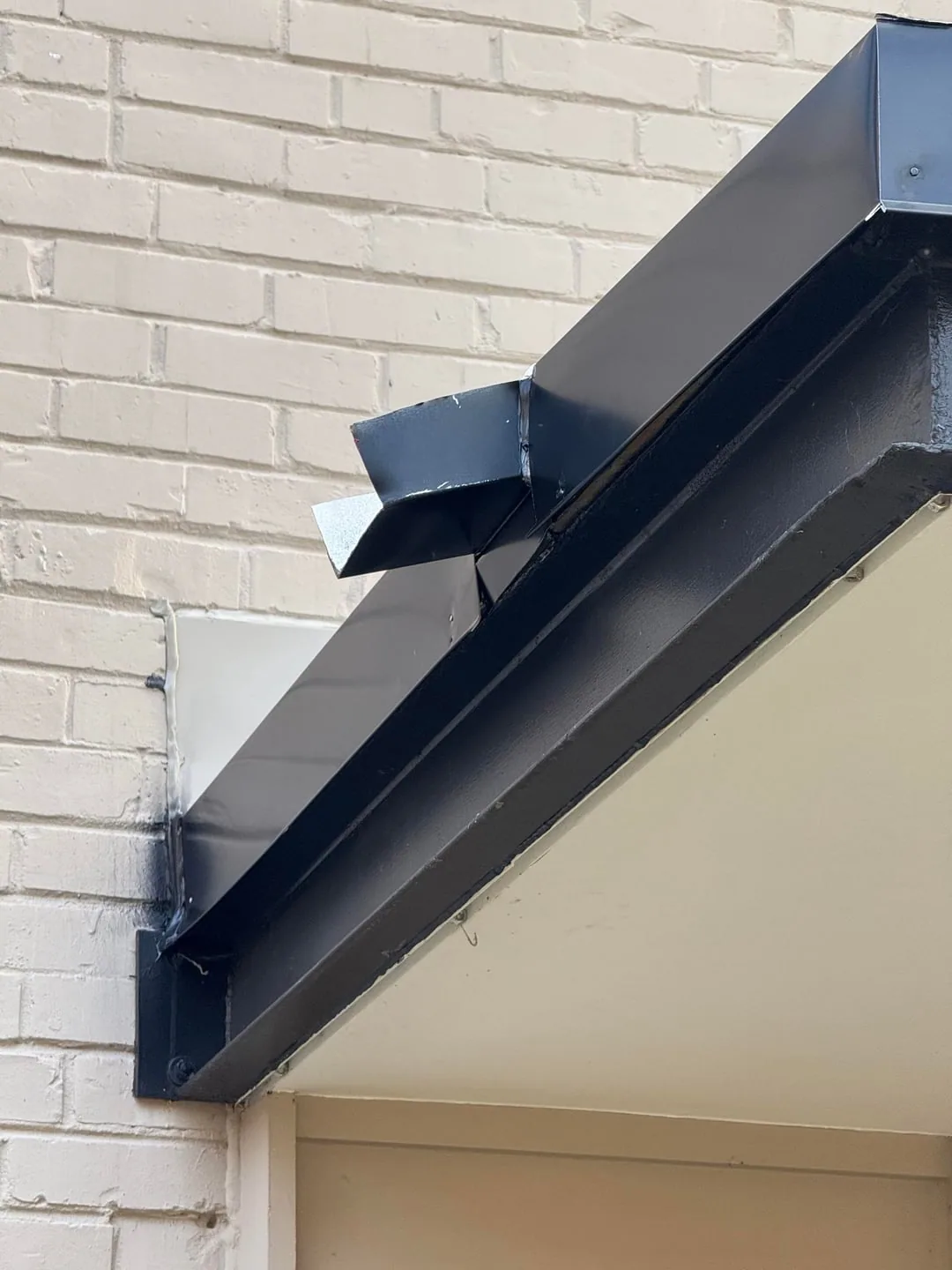
Drains clog first. Leaves, windblown trash and construction debris collect at the outlets, and a blocked drain turns a sloped roof into a pond within one storm. Flashings wear next. They sit at the junction of two materials that move at different rates, so the sealant cracks and the metal lifts. After that come the seams, which open slowly under heat cycling, and the exposed edges, where wind finds a loose fastener. Regional heat adds to all of it. August averages near 98 F at Austin Camp Mabry, and a dark membrane carries more heat than that. We read the wear in that order and put the budget where the next failure is likely.

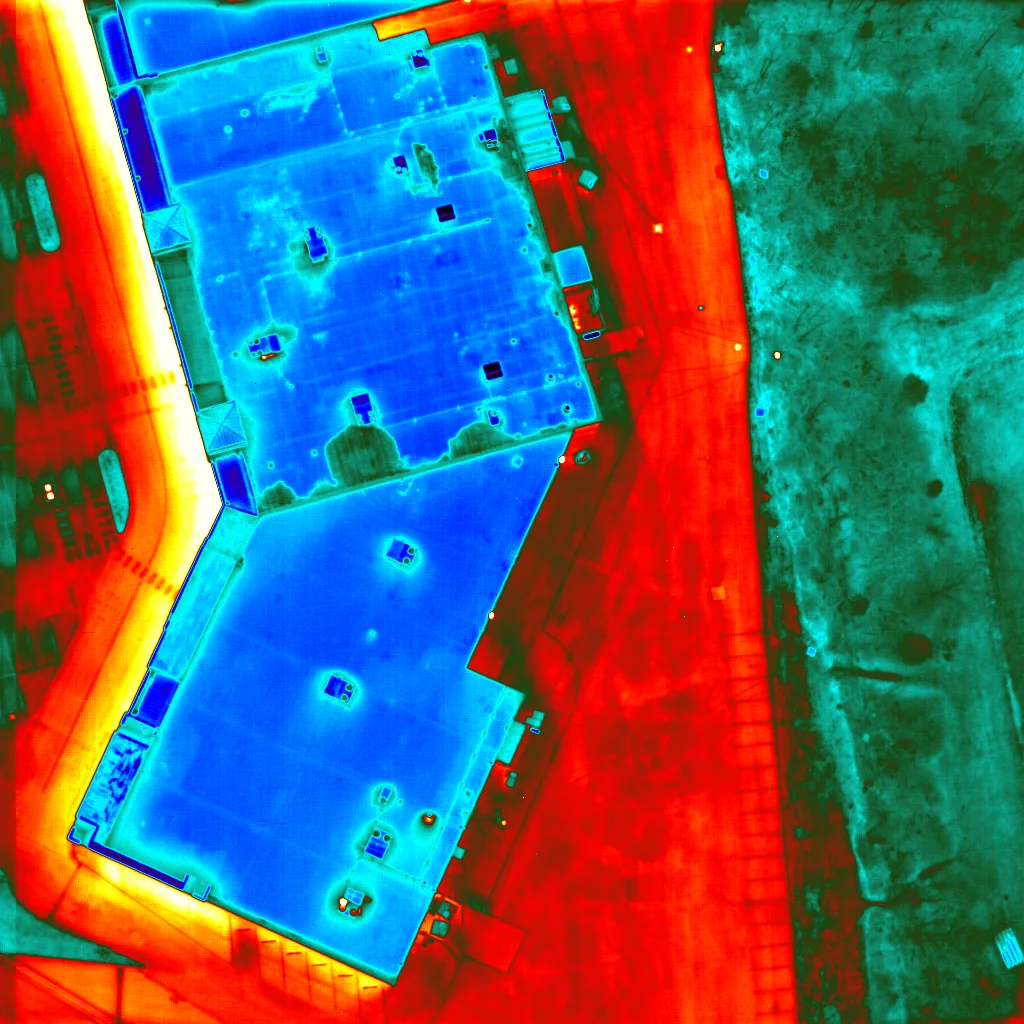
A visit also finds what a stand-alone commercial roof inspection would, only more often and with a prior file to compare against. Where a roof shows stains or soft areas, we suggest an infrared moisture survey to learn whether the insulation under the membrane is holding water.

Reading the roof inventory

The file is the product. Each roof gets a page with its area, membrane type, approximate age if known, drain count, penetration count and a condition grade. Photographs carry dates. Open items carry a status, so a director can see what was fixed, what was deferred and what grew. Over a few visits the file shows which roofs hold steady and which lose ground, and that pattern sorts the portfolio into replace, repair and watch groups. The same file serves other readers. A lender wants proof of care, an insurer wants proof of condition before a storm, and a buyer wants a record. Our roof asset management work builds on exactly this file, and the condition reports pull their numbers from it.

Seasonal timing is part of the file. A late-winter visit finds what the previous summer loosened and clears winter debris before spring storms arrive, while the autumn visit documents what leaf fall left behind and what the heat did to sealants. Each visit is entered against the same roof sections, so a director can see which sections needed attention in both seasons and which stayed quiet.

Preventive Roof Maintenance

Scheduling around operations

Visits are timed to the building. A fulfillment site wants the crew off the roof during peak shipping weeks and clear of dock edges when trucks are staged. A campus wants quiet during exams and move-in. A campus program, like one at Texas State with roughly 250 buildings, is usually phased by building group and by term. Two visits a year suit most low-slope roofs: one in late winter, before hail season, and one in autumn, after leaf fall and before the first cold front. Roofs with heavy mechanical traffic or known ponding earn a third. After any named storm we add a targeted walk of the roofs in its path, since a regional storm is context for where to look and says nothing yet about a given deck.

Preventive Roof Maintenance

The budget-year decision

Maintenance changes what the budget year looks like. A director who knows which roofs have years of remaining service can defer replacements with confidence and spend the savings on the roofs that cannot wait. The program cost is steady and small against a single interior loss. It also supports the capital plan, which needs remaining-service estimates that come from visits, not guesses. Where a portfolio stretches along the I-35 business park corridor, a multi-site roof program puts every building on one calendar. Any repair that touches the roof assembly follows the code the city has in force, which for San Marcos is the 2021 International Building Code.

The file also carries a warranty value. Many membrane warranties expect evidence of upkeep, and a dated record of drain clearing, repairs and photographs is the simplest way to show it. When a claim or a dispute arrives years later, the facility director is not reconstructing history from memory or from a former vendor's inbox.

Commercial Roofing Questions

How many visits a year does a commercial roof need?

A sound roof with good drainage does well on two visits. A roof with known ponding, heavy equipment traffic or an aging membrane earns a third, and any storm in the area earns a targeted walk.

Does maintenance extend the life of an old roof?

It extends the life of what remains. Clear drains, tight flashings and sealed seams stop the damage that shortens service. A roof with wet insulation or a failed membrane still needs a larger scope, and the file tells you early.

What does a maintenance file prove to an insurer?

It shows condition before a loss. Dated photographs of drains, seams and edges let an adjuster separate a new storm hit from older wear, which shortens the claim and limits disputes.

Should every building in a portfolio get the same plan?

A dock-side edge needs frequent checks, while a historic roof may need a slow, detailed flashing review. We write a plan for each class and keep one reporting format across all of them.

Who handles repairs found during a visit?

We do. Small items are fixed during the visit, and larger items come back as a written quote with photographs, so you can approve the work in your own budget cycle.

Send the Building List and Past Reports

Send the building list and any past reports, and we will sort the roofs into replace, repair and watch groups before the next budget year. Start from the contact form.

Request a Roof Assessment

Related Roofing Work

ServicesRoof SystemsIndustriesProperty TypesService AreasRoof Damage RepairCapabilitiesManufacturersAboutContactRequest a Roof Assessment555-555-5555
Call555-555-5555