555-555-5555

Spray Polyurethane Foam Roofing

Spray polyurethane foam, or SPF, is the roof for building classes whose shapes or uses make sheet goods awkward: cold storage and freezer buildings, roofs crowded with penetrations, irregular or curved decks, older roofs that need more insulation, and light industrial space where a continuous surface is worth more than a quick install. In San Marcos, TX an owner with cold storage, an equipment-heavy plant and a light industrial shell in the same portfolio can have all of those classes in one budget conversation. The one thing SPF does to a roof is turn it into a single bonded layer, which solves some problems and creates others.

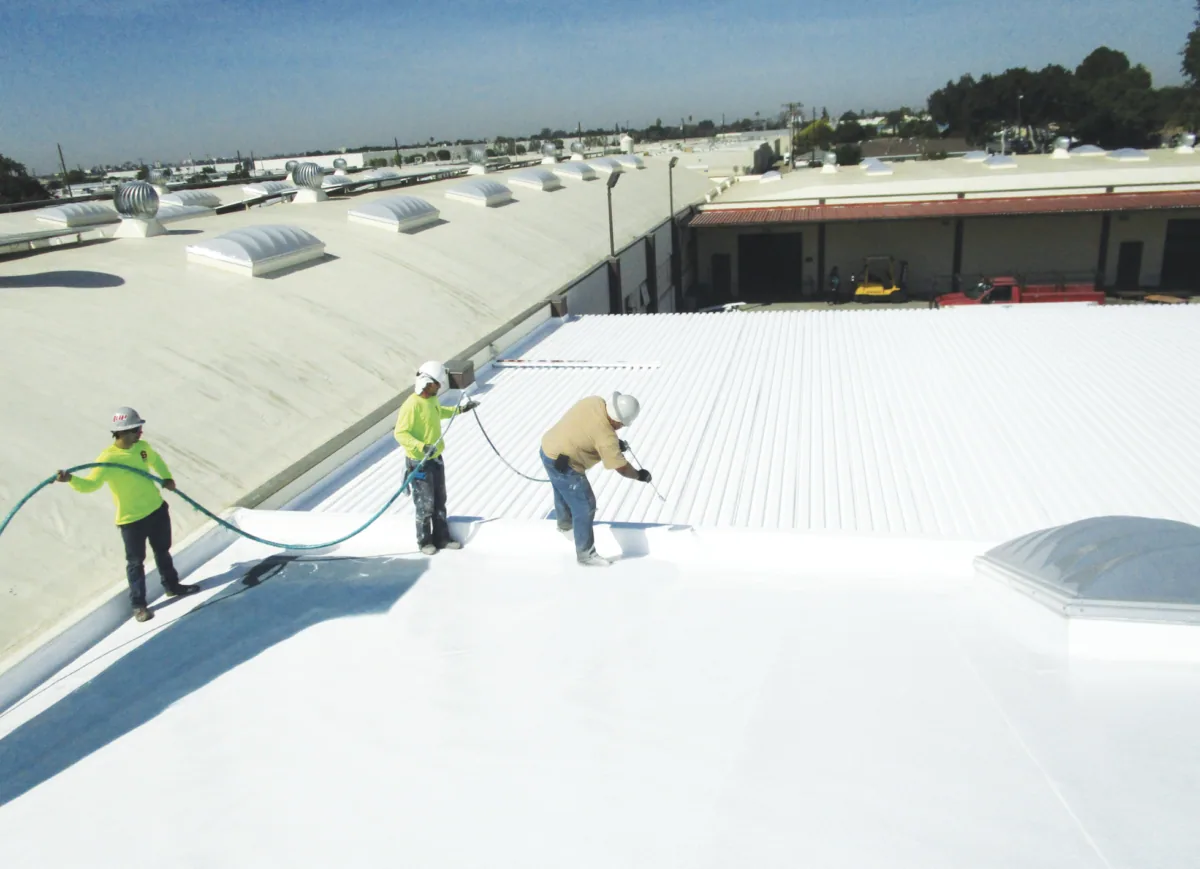
An SPF roof is two liquids sprayed on the roof, where they expand into rigid foam, then topped with a protective coating. The foam insulates and waterproofs. The coating protects the foam from sun, and without it the foam degrades within a short time. We treat the coating as part of the system and plan its renewal as an item in the budget year.
What the system is

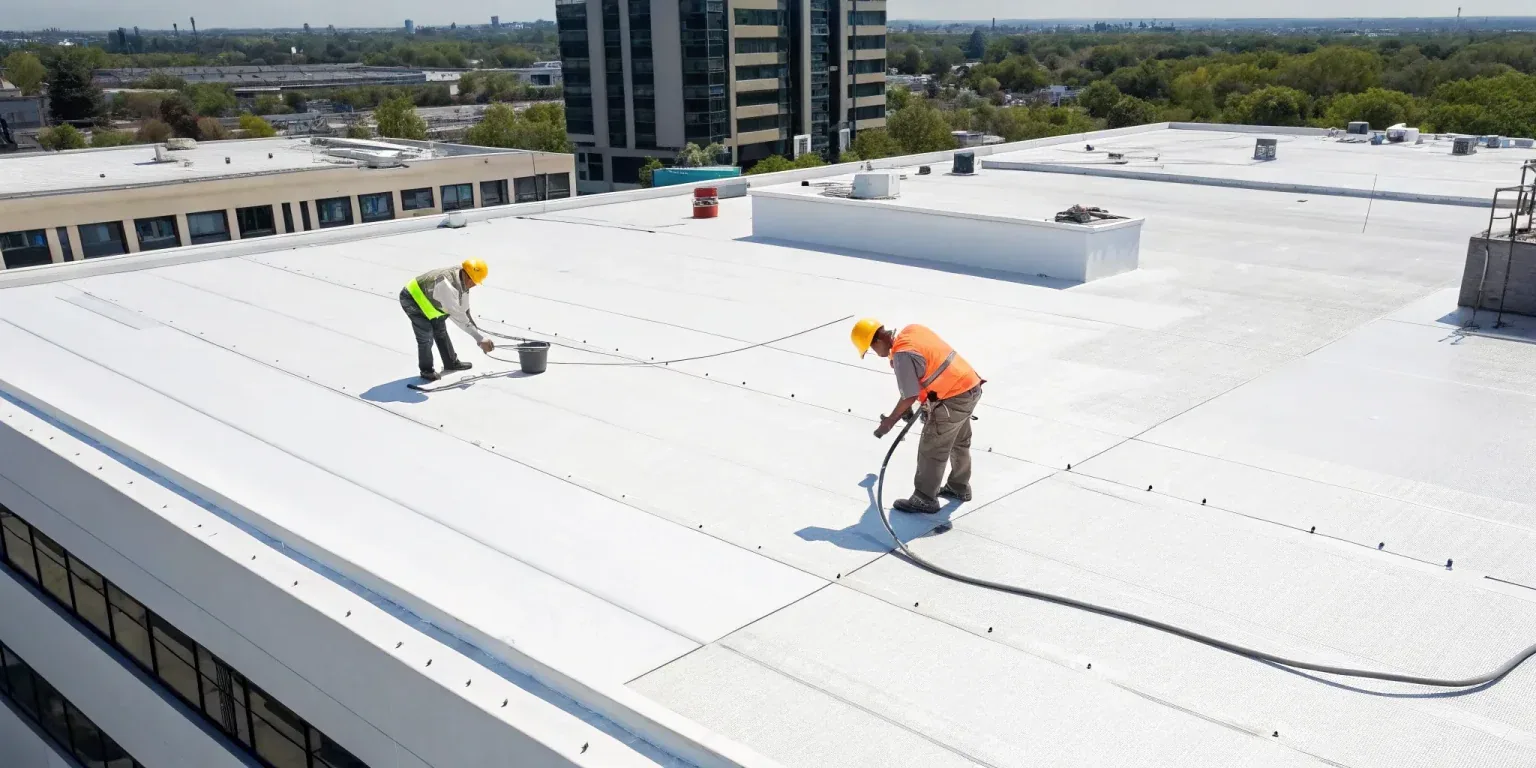
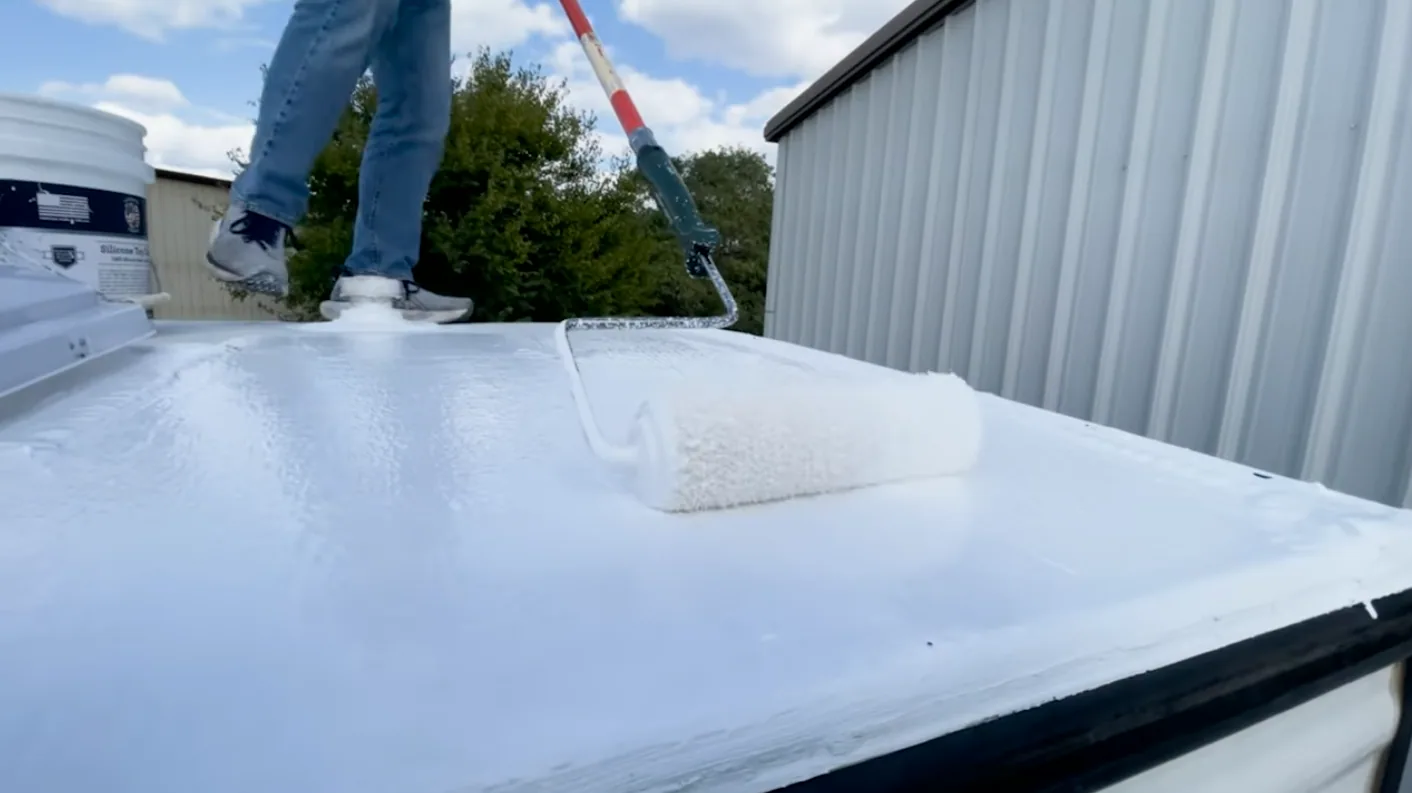
The crew sprays foam in passes, building thickness in layers. The surface can be sloped to drains by varying thickness, which solves ponding on some roofs without adding a separate tapered layer. Foam fills irregular gaps around pipes, curbs and equipment, forming its own flashing. The coating then goes on in one or two coats, with granules sometimes broadcast into it for traction and impact resistance.

Conditions during application matter. Foam needs a clean, dry substrate, moderate temperatures and low wind, because overspray drifts onto cars and buildings. Cold, damp or windy days stop work. We plan the schedule around Central Texas weather, mask neighboring property and verify the substrate with moisture readings before the first pass.

Thickness is the design variable. Thicker foam gives more insulation value and more slope, and thinner foam saves money where the existing roof already insulates. We take thickness readings across the roof, because spray application varies, and thin spots are where hail and traffic do their damage first. A roof plan with thickness marked on a grid gives the owner a baseline for every later comparison.

Spray Polyurethane Foam Roofing

What wears first

The coating wears first, as designed. Sun, rain and foot traffic thin it over the years, and the thinning shows as chalking, color change and eventually bare foam. Bare foam absorbs water and breaks down under ultraviolet light, so recoating is scheduled before that happens.

Camp Mabry in Austin averages near 98 F on August afternoons, the nearest long-running record of summer heat. Penetrations, drains and edges are the other places that wear: coating cracks at the joint between foam and metal, and birds or tools can pierce the surface. Walkway pads and clear paths prevent most of this damage.

Maintenance is light but regular. A twice-yearly visit cleans the surface, clears drains, checks the coating at penetrations and edges, and photographs any change. Debris that sits on the coating holds moisture, and a pool that stays for days attacks acrylic coatings faster than silicone. Small repairs made early cost far less than a patch after the foam has soaked up water.

Hail and the foam question

Foam is the system most worried about hail, because stones can punch through the coating and into the foam below. In Johnson City the May 9, 2024 hail measured up to six inches across by the weather service's account, and the storm continued toward San Marcos. That is regional context, not a finding about any roof, but it explains why we scan SPF roofs promptly after severe weather.

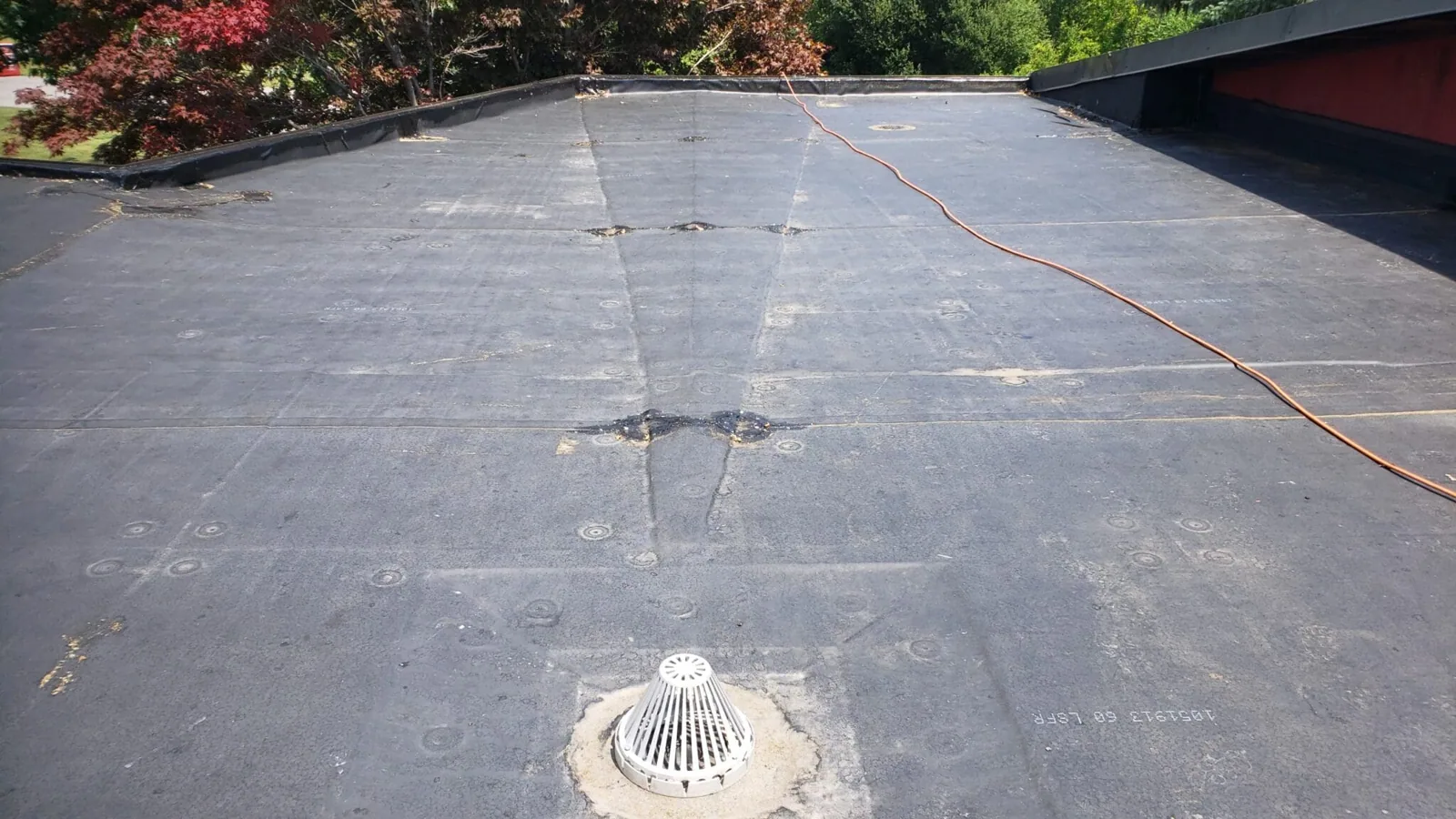
A hail-bruised foam roof shows pitted, cracked coating and dents. We repair small breaks with coating and foam patches. Large areas of damage may need cutting out and respraying. Moisture scans identify any wet foam, and cores show thickness and bond. A coating with granules resists hail better, and we weigh that option when a renewal is scheduled.

Repair, restore or replace

Small repairs are quick: clean, patch the foam if needed and recoat. A planned renewal puts a fresh coat on the whole roof after cleaning, extending service for many years if the foam is dry and bonded. Silicone and acrylic are the two common coating families, and each has trade-offs for ponding, dirt pickup and recoat: silicone tolerates standing water, while acrylic suits well-drained surfaces.

Wet foam is the dividing line. Foam that has absorbed water cannot be saved, and it must be cut out and replaced. A roof where wet areas are widespread usually moves to full tear-off or a recover with another system. Because SPF bonds fully to the deck, removal is more labor than for loose-laid sheets, and the plan should reflect.

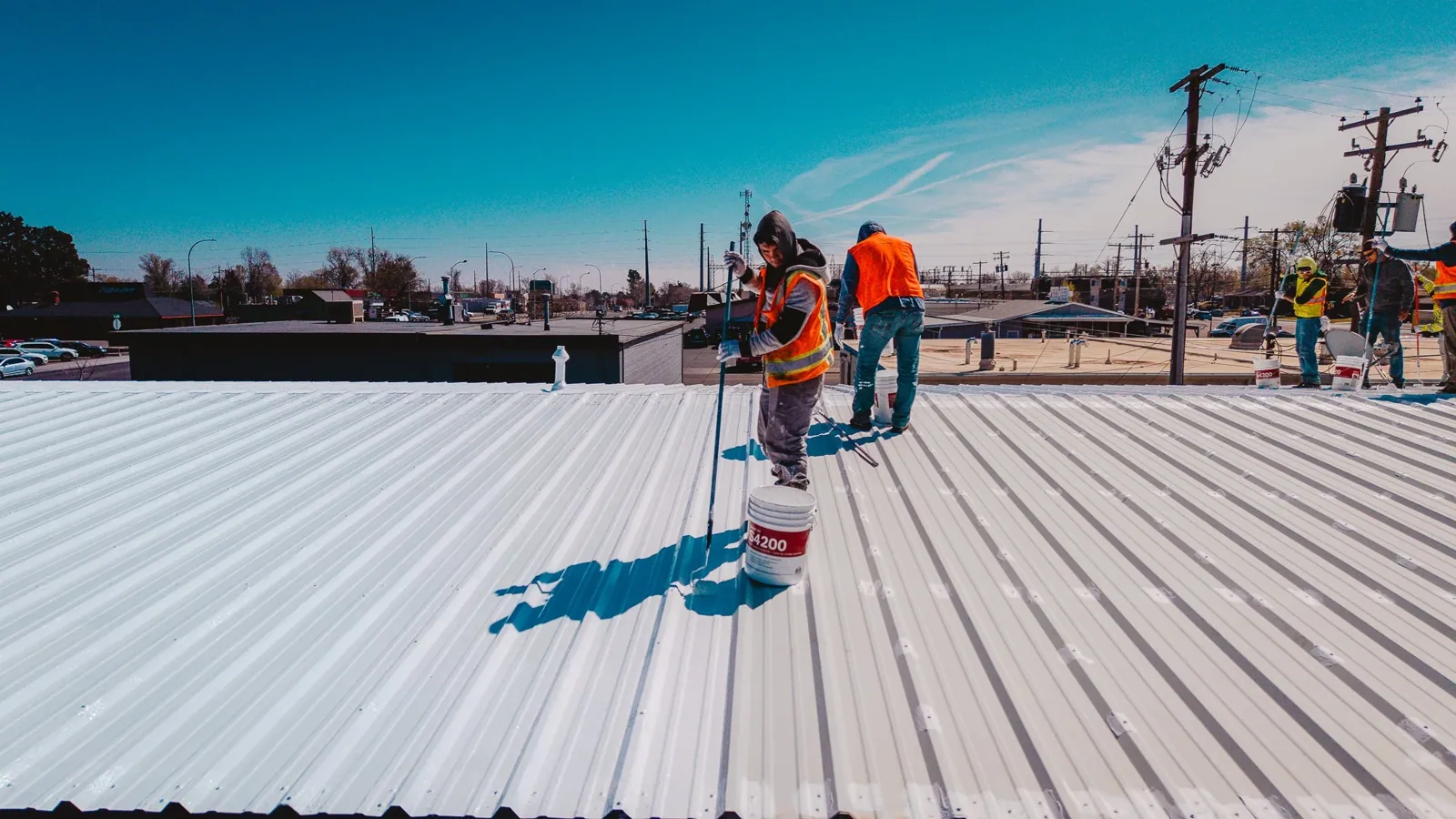
A coating restoration over existing foam is the most common service. It starts with a pressure wash, repairs to blistered or cracked areas, primer where needed and two coats applied to a specified thickness. We verify thickness with gauges, photograph each stage and record the product and lot in the building file. That record matters when a warranty question arises years later.

Spray Polyurethane Foam Roofing

Where SPF fits here

Cold storage is the natural fit, since the foam adds insulation value and avoids joints that sweat; the cold storage roofing class is where we see it most. Roofs crowded with equipment, such as those on plants and food-handling buildings, also suit it, as do older roofs that need more thermal resistance without a tear-off.

Each building gets a roof plan with foam thickness readings, coating type and recoat date. That record turns the recoat into a scheduled event, and the cool roof benefits of a reflective coating can be tracked.

The Kyle logistics corridor includes Hays Commerce Center, a 108-acre mixed-use development west of I-35, and Buda has an Amazon delivery station of 305,000 square feet. Buildings of these classes are usually roofed with sheet membranes, but equipment-heavy or irregular roofs among them can be strong candidates for foam. We evaluate each building on its own roof inventory and do not assume a roof type from its use.

Spray Polyurethane Foam Roofing

The budget-year decision

The deliverable is a queue and a recoat calendar. Wet foam, cracked coating over wide areas and bare foam move a roof up, and intact coating, dry readings and good adhesion keep it down. Costs depend on roof area, foam thickness, coating type, access and building use. Pricing waits for the walk, and the schedule bends to operations and the forecast.

The recoat calendar is the part directors tend to value most. It lists each roof with its coating date, thickness readings and next planned renewal, so spending can be spread across years instead of arriving in one lump. A roof with a fresh coat and dry readings moves to the bottom of the queue and stays there.

Commercial Roofing Questions

Why does foam need a coating?

Sunlight breaks down bare foam. The coating shields it and sheds water.

How often is a recoat needed?

It follows the coating's wear, so we check thickness and condition each year and schedule a recoat before foam is exposed.

Is foam a good choice in hail country?

It can be, with a granule-surfaced coating and prompt repairs. Hail history belongs in the decision.

Can foam be sprayed over a wet roof?

No. The substrate must be dry. Moisture readings come before any spraying.

What happens if foam gets wet?

Wet foam is cut out and replaced. Moisture scans and cores locate it.

Send the building list

Send the building list and any past reports, and we will sort the roofs into replace, repair and watch groups before your next budget year.

Request a Roof Assessment

Related Roofing Work

ServicesRoof SystemsIndustriesProperty TypesService AreasRoof Damage RepairCapabilitiesManufacturersAboutContactRequest a Roof Assessment555-555-5555
Call555-555-5555