555-555-5555

Distribution Center Roofing

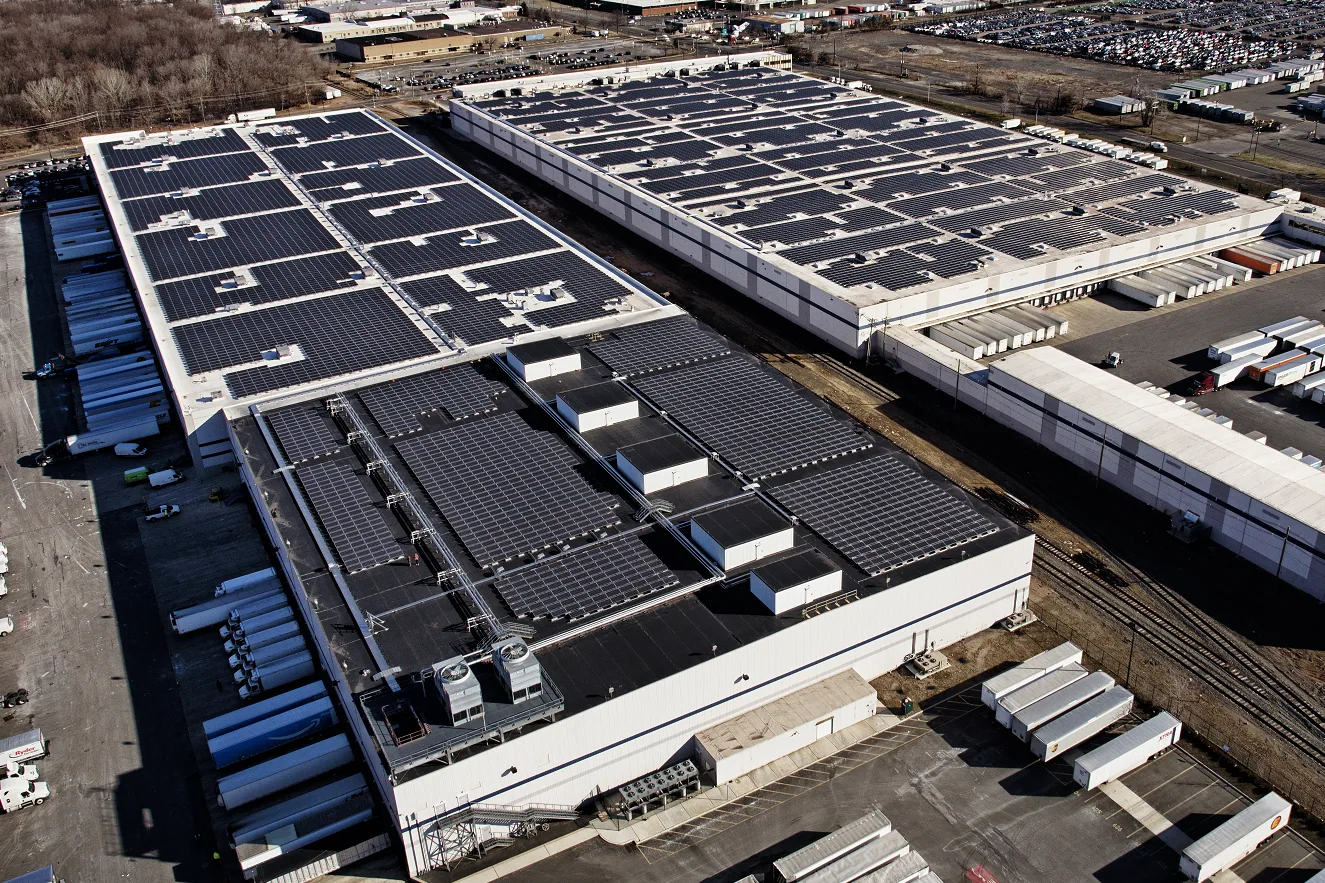
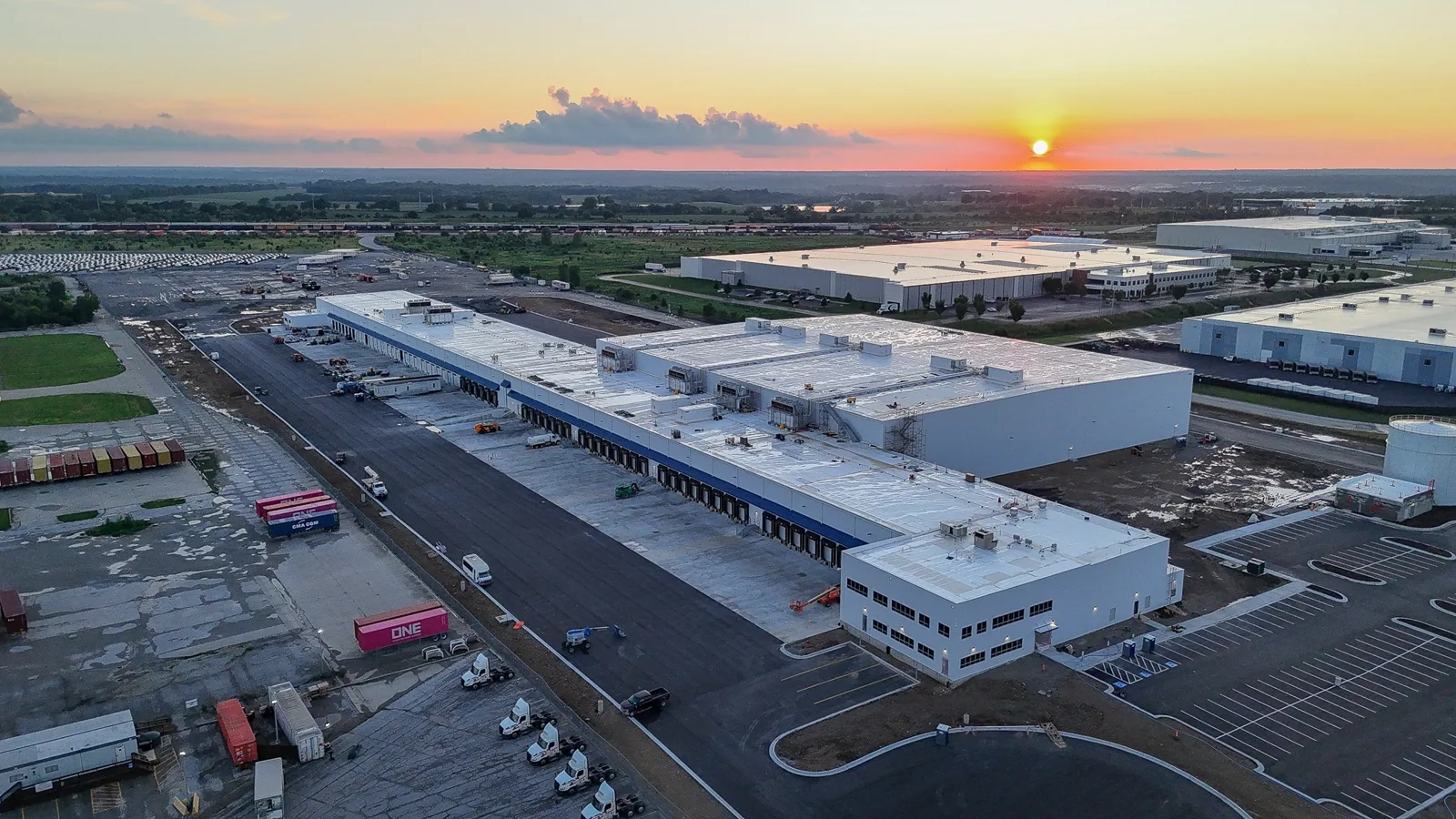
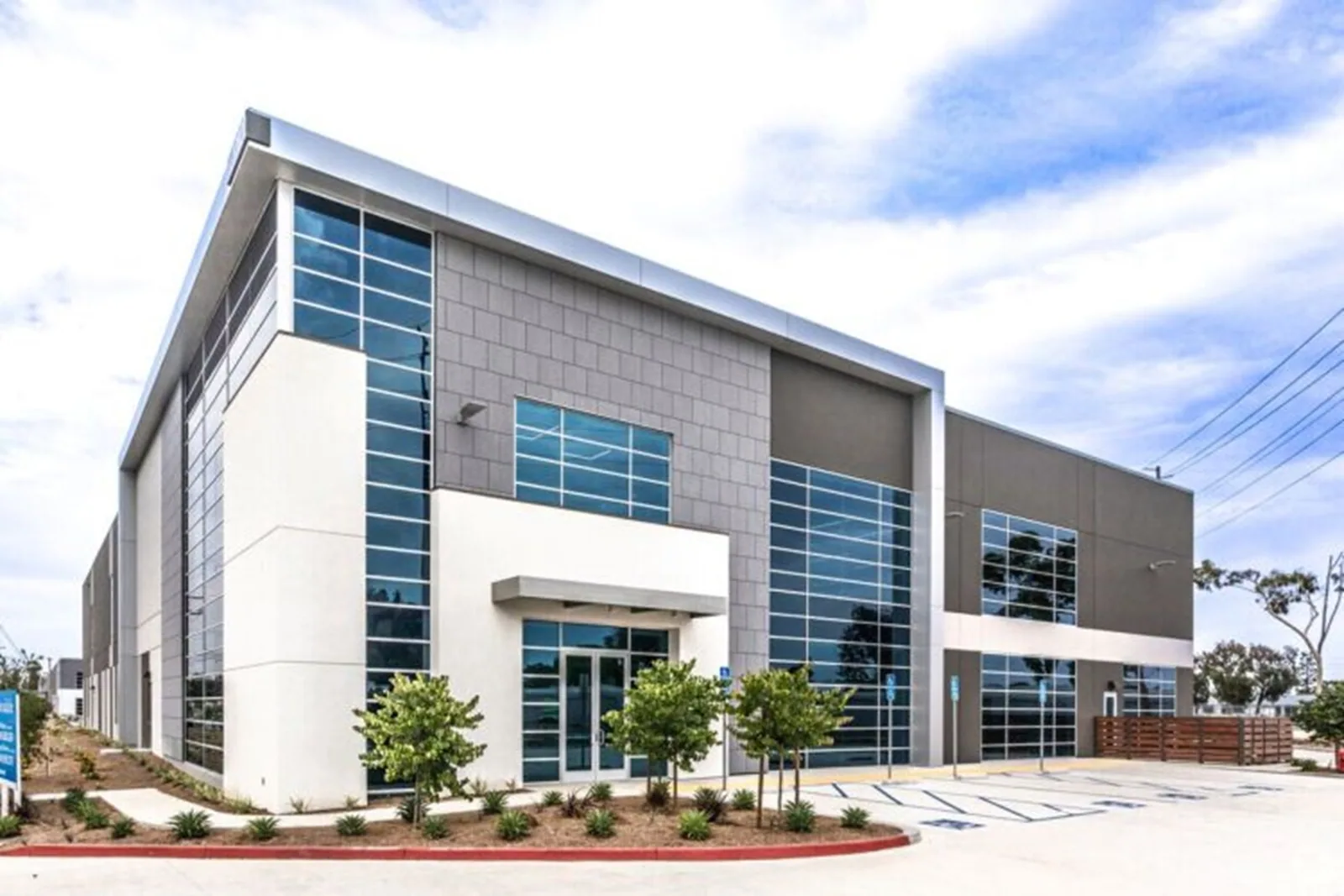
Distribution and fulfillment buildings are the class that defines the San Marcos, TX corridor, and the one thing that class does to a roof is multiply it: wide, low-slope fields, long dock-side edges, rooftop units and process exhaust spread across a footprint that can run to hundreds of thousands of square feet. The city has an 855,000 square foot Amazon fulfillment center, a delivery station of about 1,005,000 square feet reported as planned, and a facility on 70 acres near Fortuna Road and Yarrington Road expected to exceed a million square feet. Kyle and Buda add more of the same.

For the facility director who manages several such buildings, the question is not whether a roof will need work but which of the many sections is next. The answer comes from a roof inventory sorted by remaining service, and from knowing what a leak costs in the operations beneath.
The building class

A distribution building is a big box with a particular rhythm: truck courts on one or two sides, dock doors along the wall, a high interior with racking, sprinklers and sortation equipment, and a roof designed to cover all of it with as few penetrations as possible. The floor area tells us how much deck there is to inspect, not what condition the roof is in, so we begin every building with a walk and not with an assumption.

Newer buildings in the class are young, and their roofs are largely under their first warranty. Older ones are approaching the age when seams, flashings and sealants need attention. Both need baselines: a roof plan with every curb, drain and unit marked, a set of moisture readings and a photo set that later visits can be compared against.

The class sits beside close relatives. A warehouse carries storage with fewer moving systems, a cold storage building adds refrigeration and vapor concerns, and a manufacturing plant brings process exhaust. A distribution building may combine pieces of all three in different zones, which is why a single roof can hold several kinds of condition.

Distribution Center Roofing

What wears first

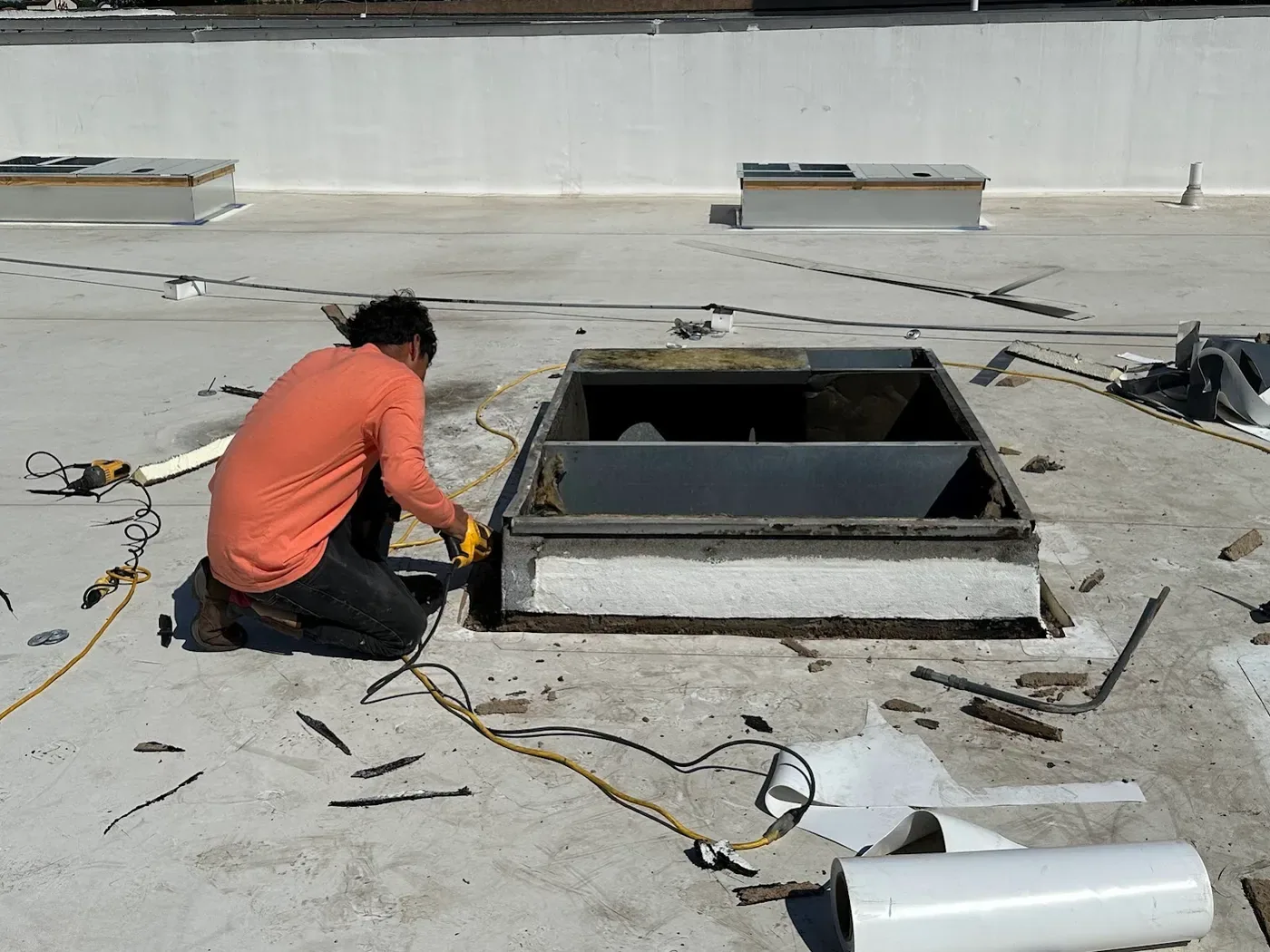
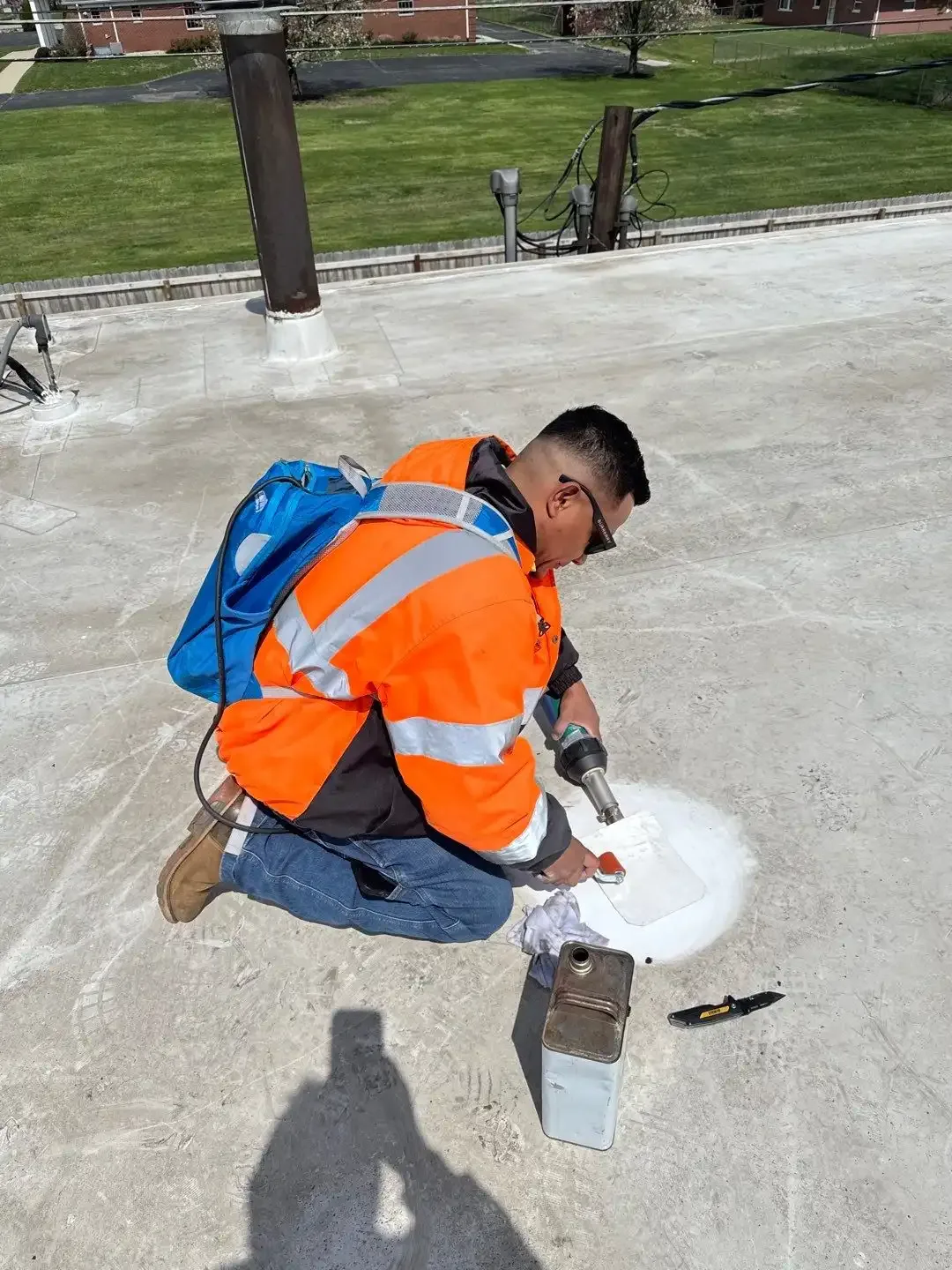
The first wear sits at dock-side edges, scupper lines and rooftop units. Edge metal takes wind and the vibration of trucks below. Scuppers collect debris. Rooftop units, often dozens on one building, bring curbs, gas and refrigerant lines, and service traffic. A path to a unit that has been walked many times shows as a worn track, and a puncture on that track is only a matter of time.

Large fields move with heat. Camp Mabry in Austin averages near 98 F in August, the regional measure of summer load. A very long roof expands noticeably between night and afternoon, and expansion joints, seams and flashings take the movement. We check each one and log its condition.

Drainage on a long roof is a system, not a set of separate drains. Water must travel to the outlets, and the slope, the sumps and the pipes must carry it. We trace drain lines, test flow after rain and record any standing water with its depth and location. A roof that holds water in the same bay after every storm is telling us where the deck has deflected, and that information matters when a replacement is planned.

Hail across a large field

Hail damage on a large roof is rarely uniform. The weather service logged six-inch stones at Johnson City on May 9, 2024, and the storm tracked on toward San Marcos. That is regional context. On any one building, a hail-bruised field may cover part of the roof and leave the rest alone, depending on the storm track.

A scan and a sample plan are essential. We divide the roof into grid sections, scan each for wet insulation and cut cores where readings are high. The result is a map showing bruised areas, wet areas and sound areas, and it supports both a repair scope and, where applicable, an insurance claim. Hail damage repair on a large roof is done by section, so operations continue.

Repair, restore or replace

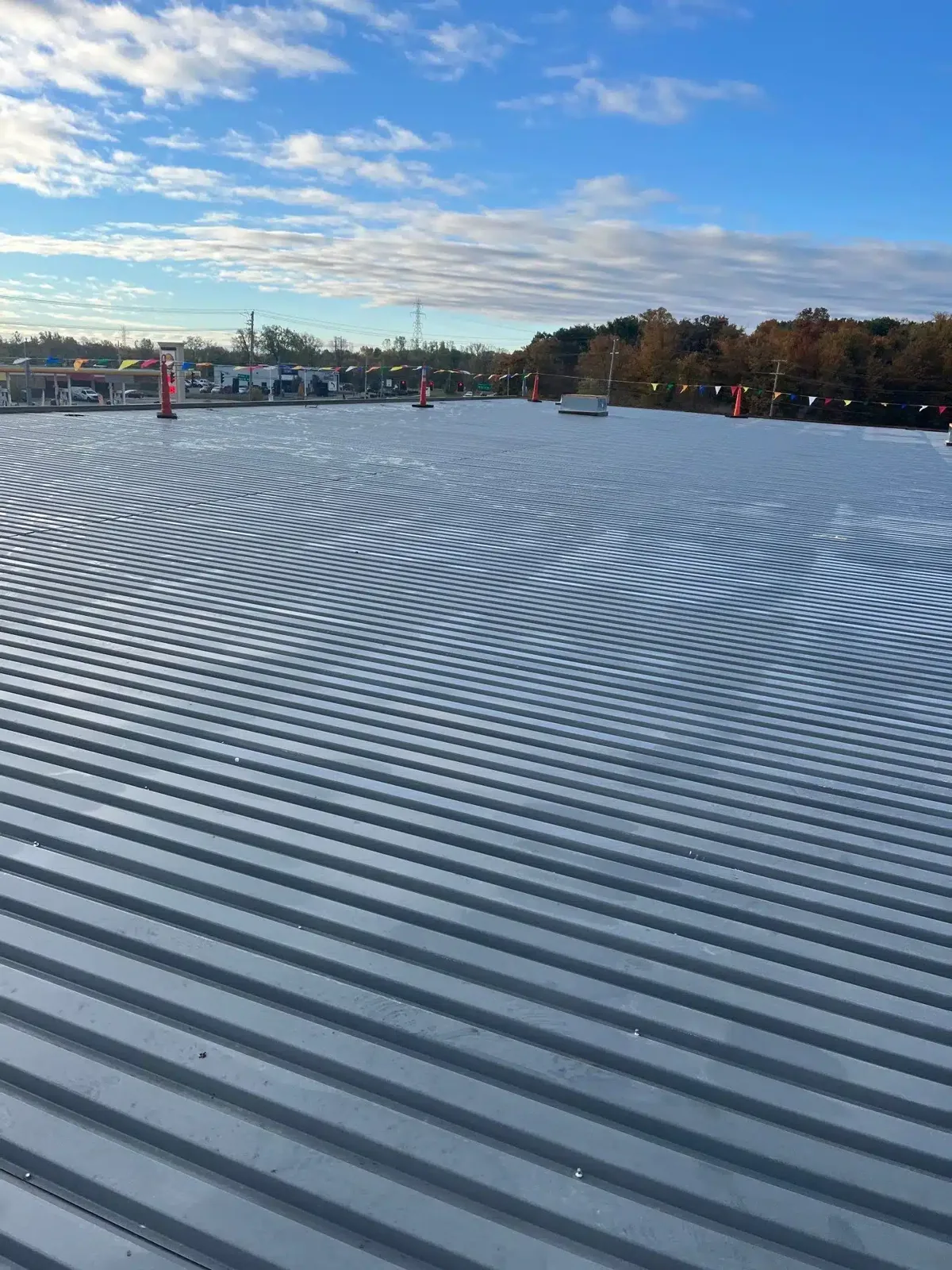
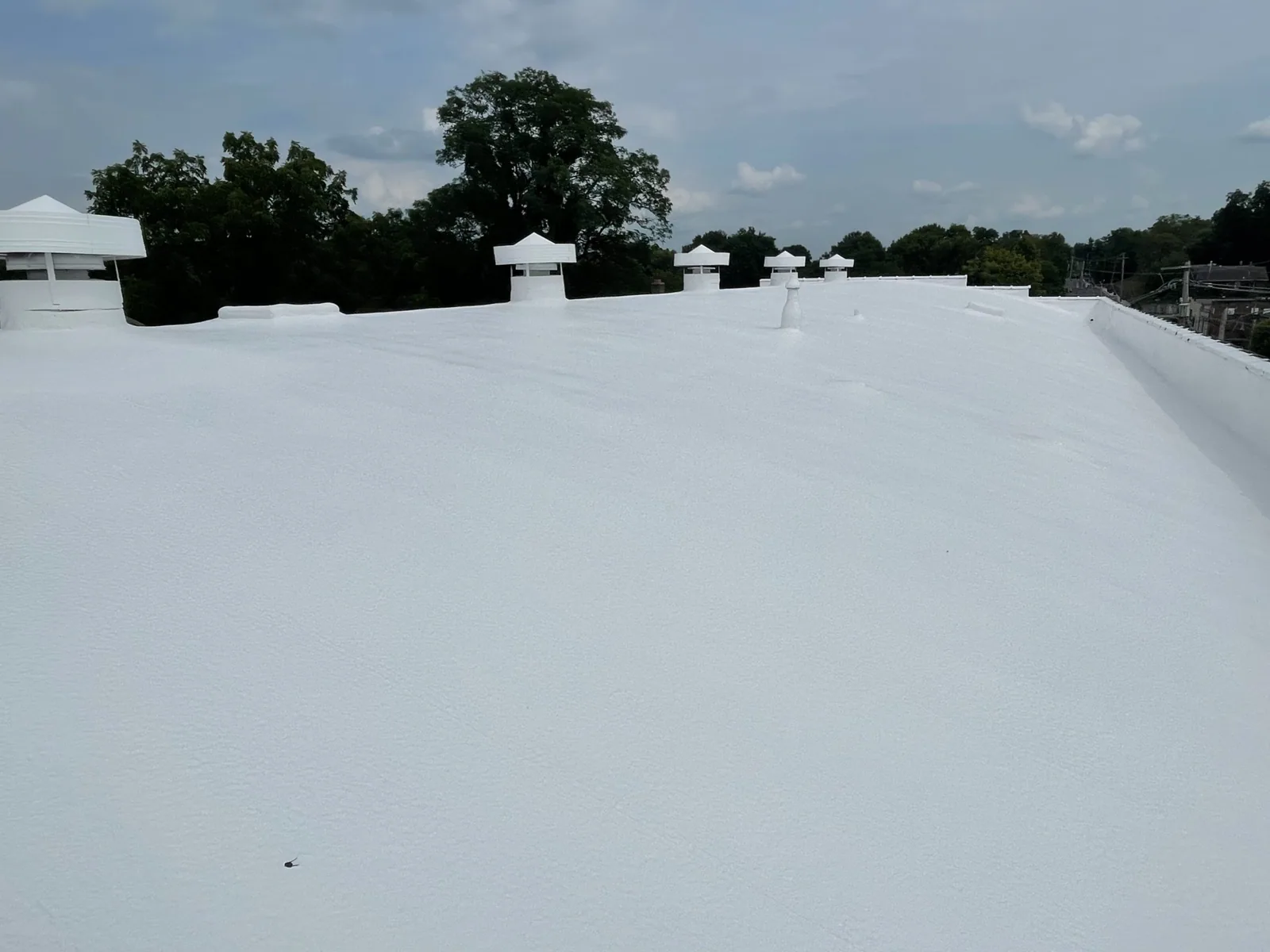
For most distribution roofs the main choices are repair, coating restoration and replacement. Repair handles open seams, failed flashings and punctures on a sound roof. Coating restoration extends a dry, bonded membrane. Replacement is for roofs with wet insulation across wide areas, failed seams and a deck that has lost its integrity.

Single-ply membranes dominate the class. A TPO roof over insulation is the common assembly, and our scope states the attachment method, since wind uplift and fastener pull-out depend on it. We compare each option with its cost drivers: area, wet insulation, access, details and schedule around the building's operations.

Warranty status enters the decision. A young roof may still carry a manufacturer's warranty with conditions on maintenance and repairs, and a repair done outside those terms can put coverage at risk. We read the terms before any work, log each visit and keep the paperwork in the building file. When a roof is out of warranty, the same discipline of records still helps with insurers and lenders.

Distribution Center Roofing

Scheduling around operations

A fulfillment building does not stop for a roof. Peak seasons, shifts and truck schedules set the windows, and a plan that ignores them fails. We agree with operations on quiet periods, on which dock doors and truck courts can be used for staging, and on how overhead work is communicated to the floor. Crews work in sections, and each section is closed in before the shift ends.

Safety planning covers fall protection near edges, hoisting, traffic control and noise. For buildings in the Fortuna Road and Yarrington Road area, truck courts are working space, so material deliveries are timed to avoid conflicts. Sprinkler and fire-alarm impacts are considered whenever hot work is on the table.

Communication reduces friction. A one-page plan goes to operations and security before the first day, naming the sections, the hours, the contacts and the gate for deliveries. The crew checks in daily, and any change in scope is reported at once. When the work is done, the owner receives photos, readings and a closeout summary that goes into the building file.

Distribution Center Roofing

The budget-year decision

The deliverable is a replacement queue ranked by remaining service, with repair and watch groups. Across the Kyle logistics corridor, where Hays Logistics Center was built as two distribution buildings totaling over 400,000 leasable square feet, and Amazon operates a 370,840 square foot sortation center, the same method applies. The queue puts the oldest or wettest roofs first and shows what can wait.

Commercial Roofing Questions

Does a bigger distribution building mean a more expensive roof?

Area adds cost, but condition, access, details and operations schedule drive the price. We price after the walk.

Can roof work happen during peak season?

Often, in sections with safe access. We plan with operations and avoid the busiest windows for noisy steps.

How do you handle rooftop unit service traffic?

Walkway pads on marked paths, a roof access log and a short rule sheet for contractors.

What if hail hit only part of the roof?

A grid scan and cores map the affected sections, so repairs target what was damaged.

Will a leak trigger a sprinkler or alarm?

Water near sprinkler lines and electrical gear is a risk. We make the area safe first and coordinate with building systems staff.

Send the building list

Send the building list and any past reports, and we will sort the roofs into replace, repair and watch groups before your next budget year.

Request a Roof Assessment

Related Roofing Work

ServicesRoof SystemsIndustriesProperty TypesService AreasRoof Damage RepairCapabilitiesManufacturersAboutContactRequest a Roof Assessment555-555-5555
Call555-555-5555