555-555-5555

General Contractors

A building under construction exposes its roof to more trades than it will see in a decade of service, and that is the one thing a new-build or renovation does to a roof: it asks the membrane to survive the people who finish the building. For a general contractor in San Marcos, TX, the roofing scope is a schedule dependency before it is a trade package, because interior finishes cannot start until the building is dry. We read the drawings, set the sequence with the superintendent, and return a roofing plan that fits the critical path and holds up under the trades that follow.

A roof that goes in clean and stays clean is the cheapest roof a contractor can deliver.
Start With a Complete Scope

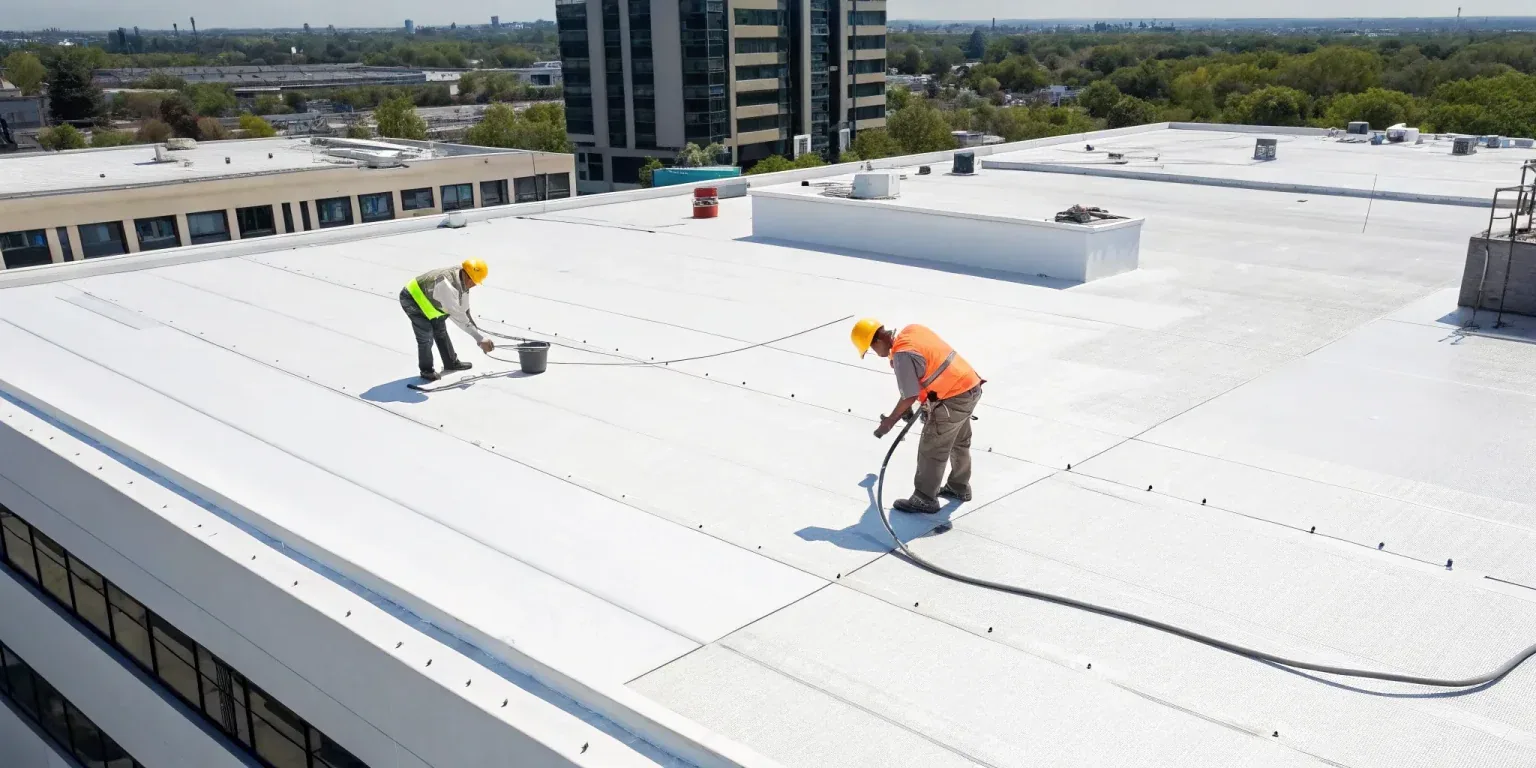
Most roofing disputes begin with scope gaps. Who provides the cover board? Who flashes the mechanical curbs? Who installs the edge metal, and who sets the sleepers for rooftop equipment? We read the roofing drawings, the specification and the addenda, then write a scope that names each item, its material, its attachment and its responsible party.

Gaps get flagged before bid day. If the drawings show a curb without a flashing detail, or a drain with no sump pan, we raise it as a question and propose a solution with a price. A roof insulation and cover board package, an edge metal and coping package and a flashing package can each be broken out as separate lines, so the contractor sees what is included and what is not.

Pricing follows the scope. Unit prices for tear-off, insulation, membrane, flashing and metal are stated separately, with allowances for unknowns such as deck repair. A contractor can compare bids line by line and see where one bidder carried a cost another left out. When a renovation hides conditions, we list the assumptions and the unit price for changes, so surprises on the roof become priced events and not arguments.

General Contractors
General Contractors

Set the Sequence With the Superintendent

The roof has to be dry before finishes start, and it has to be installed after the structure and before the heavy mechanical loads. That window is narrow. We agree with the superintendent on the delivery date for material, the crane or lift plan, the hours and the order of areas. If the mechanical contractor will set units during the roof install, the curbs go in first, and the sequence is written down.

Weather is part of the sequence. San Marcos averages about 36.55 inches of annual precipitation, and storms can arrive quickly. We keep a rain plan, tie in each day's work and close the open area before the crew leaves. Johnson City hail of six inches across on May 9, 2024 was the weather service's headline number for a storm that went on to reach San Marcos.

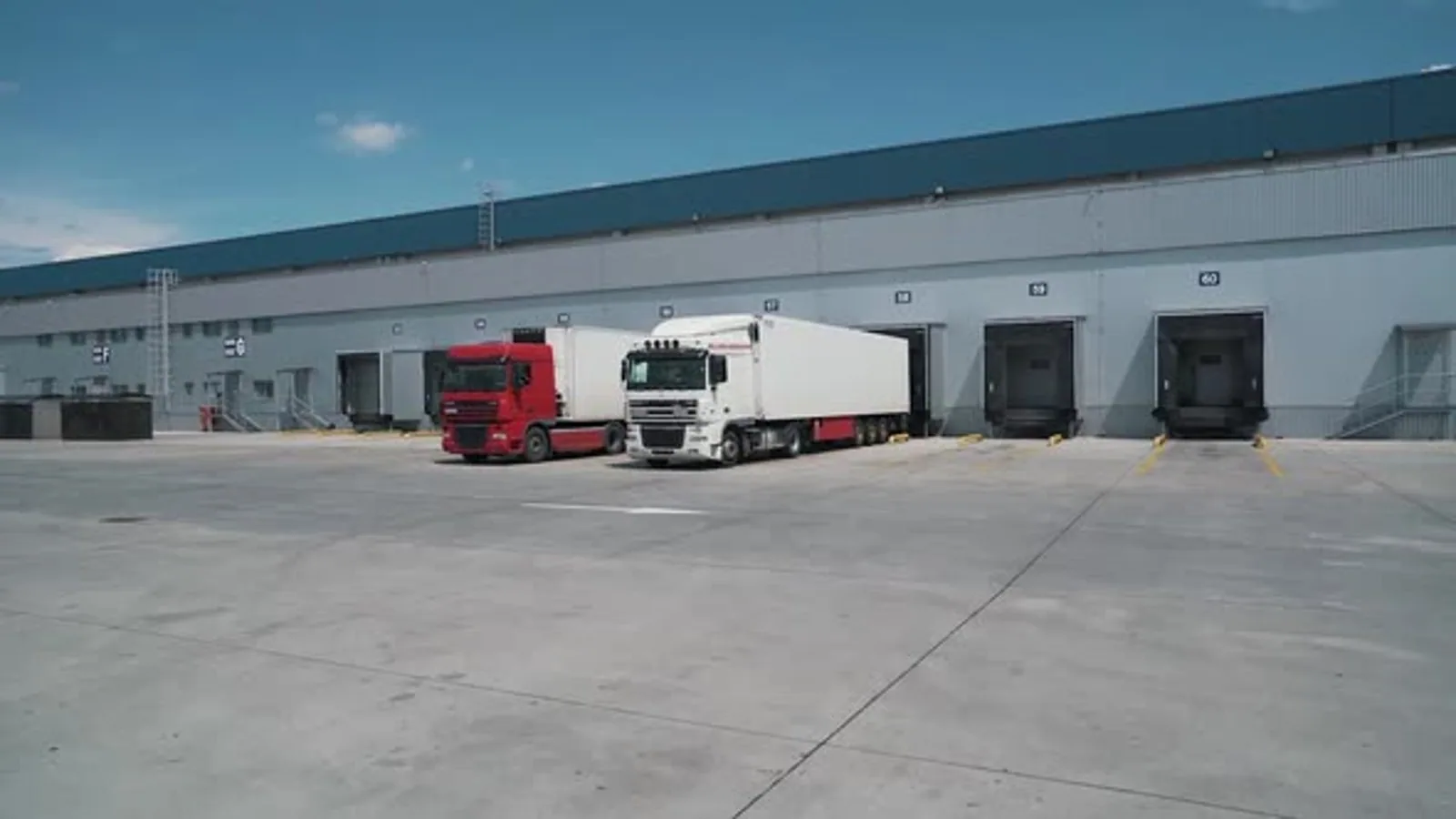
Logistics matter on tight sites. Roofing material is heavy and bulky, and a crane pick or a hoist can block other trades. We propose delivery windows, staging areas and lift times that fit the site plan, and we avoid pours, inspections and other critical activities. On logistics buildings with wide roof areas, this planning decides whether the roof finishes on time.

Protect the Roof From the Next Trade

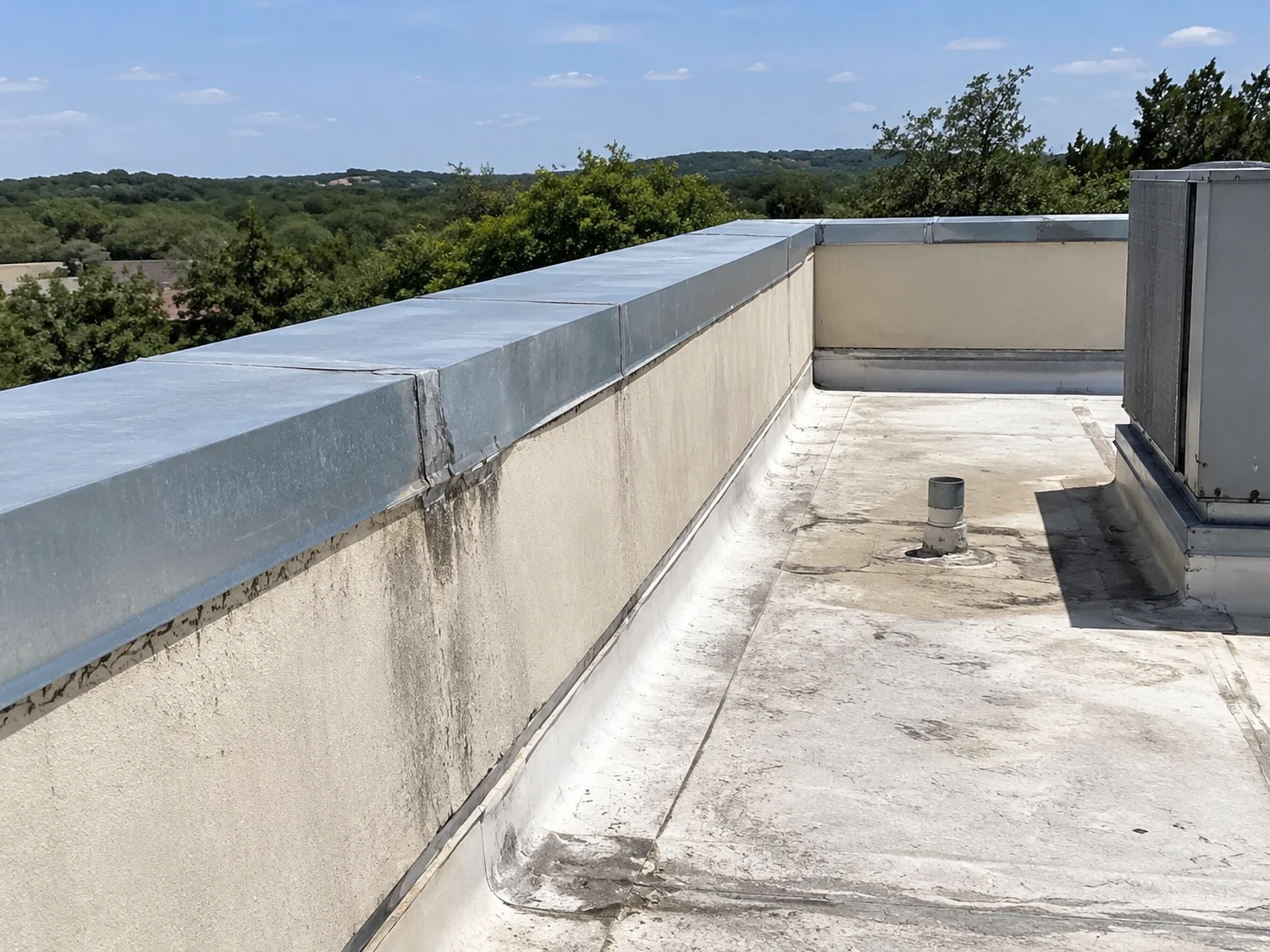
After the roof goes in, other trades go up. Mechanical crews set units, electricians run conduit, low-voltage crews mount antennas and inspectors walk the surface. Every one of those visits can puncture the membrane. We recommend protection boards on traffic routes, a hatch log and a rule that anyone cutting a penetration calls the roofer first.

Where the building will have heavy rooftop equipment, we set walk pads and equipment sleepers during the install, so the unit weight spreads and drains still work. A pre-turnover walk records the roof condition with dated photos, so any damage after that date has a known cause. The photos protect the contractor in a punch-list dispute and the owner in a warranty question.

Temporary conditions need attention as well. Construction roofs collect dust, fasteners, cut-off pieces of metal and wet debris, all of which can damage a membrane under foot traffic or clog drains. We schedule a cleanup before turnover, check drains and scuppers and walk the roof with the superintendent. The walk produces a short list of items to fix before the owner takes over, and each item is photographed and closed out.

Plan the Inspection Hold Points

Roofing has inspection points that should not be skipped. The deck is checked before insulation. The insulation is checked before membrane. Flashings are checked before the work is covered. Third-party inspectors and manufacturer representatives may attend, and an owner may ask for core cuts or an electronic leak survey at the end.

We list the hold points in the schedule, so the superintendent can book inspectors in time. Ordinance 2023-09 is the San Marcos adoption of the 2021 International codes for building and energy. If the code and the drawings disagree, we raise it before material is ordered. A missed hold point costs more than the inspection would have.

General Contractors

Know the Projects in the Market

San Marcos has large industrial and commercial projects under way. At 377,000 square feet, Building C is the first phase of the San Marcos Business Park along I-35, and the I-35 business park corridor is where that activity sits. Amazon's SAT2 fulfillment center in San Marcos covers 855,000 square feet.

What the roof system will be comes from the drawings. On a warehouse roof the questions are area, dock-side edges and drainage. On a renovation, the questions are existing conditions, tie-ins and what can be saved. Either way, the first step is the drawings and a site walk.

General Contractors

Close Out With Records

The roof's paper trail finishes the job. We assemble a closeout package: as-built notes, product data, installation records, inspection reports, photos, warranty documents and maintenance instructions. The package goes to the general contractor for turnover to the owner, organized by roof section.

Owners value that package later, since a roof with a clear record is easier to maintain and to sell. The warranty management file starts here, and owners who hold investment property, as described for real estate investors and REITs, carry the record through their hold. For the contractor, a clean closeout means fewer callbacks and a faster final payment.

Warranty start dates deserve attention on a construction schedule. The roofing warranty usually begins at substantial completion, so punch-list items and delayed finishes can shorten the useful life of the coverage. We keep a dated record of when the roof was completed, inspected and handed over, and we flag items that remain open at turnover so the general contractor can close them before the owner's walk-through. A short written handoff lists the roof access rules, the walk-pad routes and the people to call, which keeps later trades from damaging a finished roof.

Commercial Roofing Questions

What decides how early a roofer joins a project?

The critical path. If interior finishes wait on a dry building, the roofer should be in the schedule from the first sequence meeting.

Who sets rooftop equipment curbs?

The scope names the party. We prefer curbs set before the membrane so flashing can be built in.

Can you price from drawings alone?

Yes, with questions flagged. Gaps in the drawings get a proposed solution and a price.

What happens if another trade damages the roof?

The pre-turnover photos and the hatch log show it. We repair and record the cost for the responsible party.

Do you coordinate with third-party inspectors?

Yes. Hold points are scheduled in advance and the inspector gets access and documents.

Send the Drawings and the Schedule

Send the roofing drawings, the project schedule and any past roof reports, and we will return a scope and a sequence that fit your critical path. Start from the contact form.

Request a Roof Assessment

Related Roofing Work

ServicesRoof SystemsIndustriesProperty TypesService AreasRoof Damage RepairCapabilitiesManufacturersAboutContactRequest a Roof Assessment555-555-5555
Call555-555-5555