555-555-5555

Manufacturers

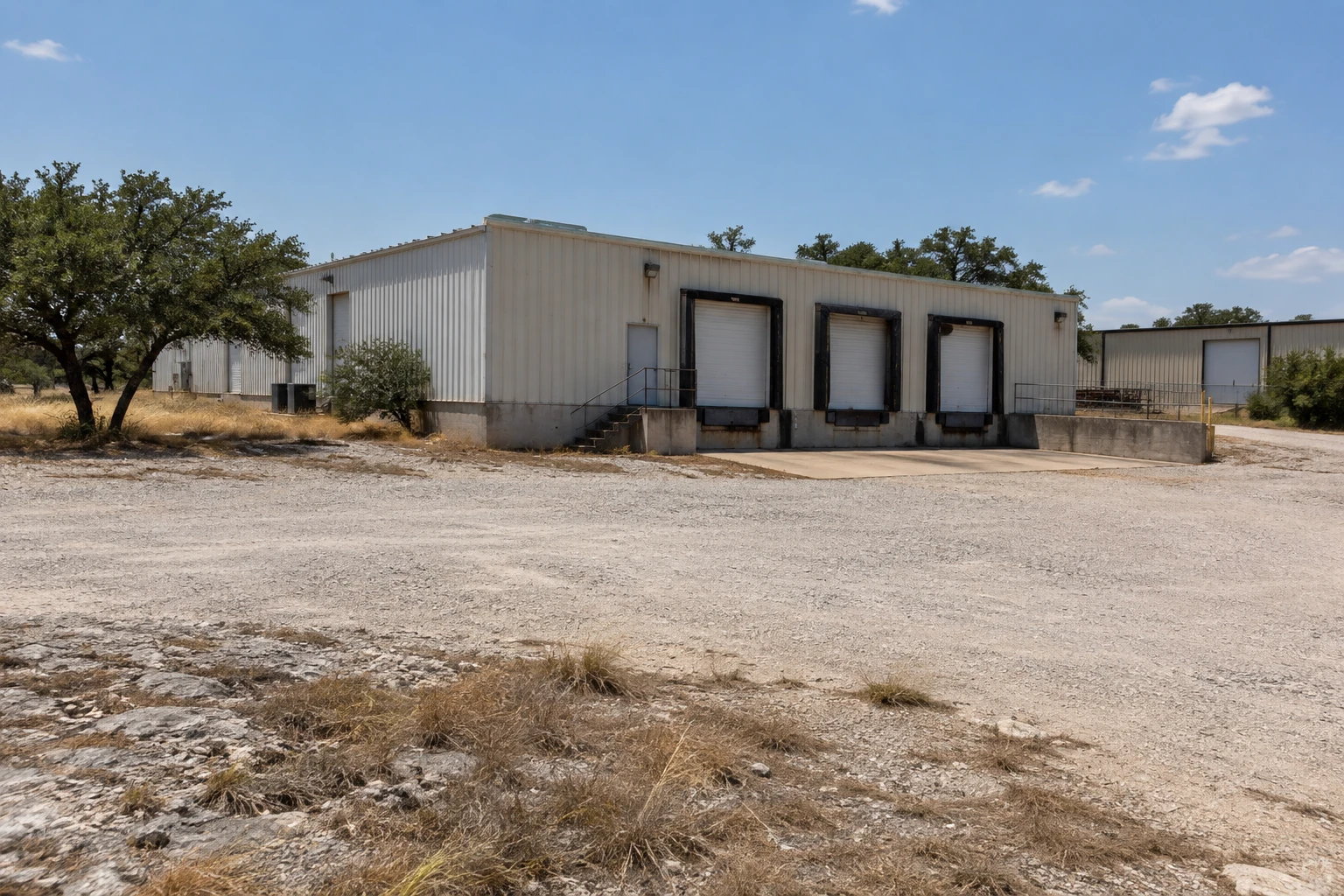
A manufacturing building asks more of its roof than any shell around it. Process exhaust discharges onto the membrane, heavy equipment hangs from the structure below, humidity and temperature are held on purpose, and production does not stop for a leak. For a plant operator in San Marcos, TX, that makes the roof a production asset whose failure costs shifts, not just ceiling tiles. The budget year has to carry both the roof and the schedule, and the two are best planned together. The plant roofs go into an inventory sorted by what happens beneath each section, and the replacement queue that comes back weighs remaining service against the cost of an interruption.

A roof that fails during a run is the most expensive way to learn its condition.
Map the Process Under the Roof

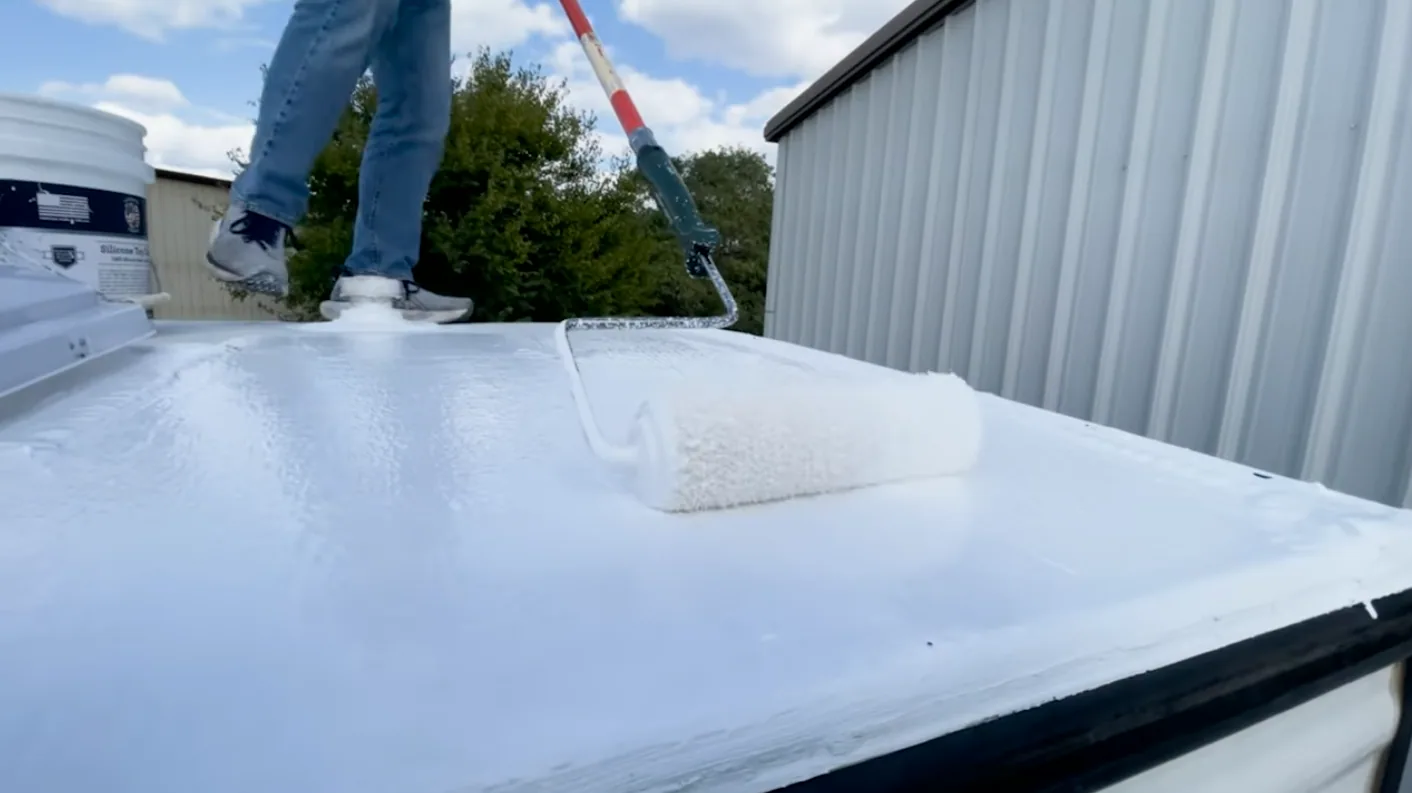
Before we walk a plant roof, we ask what runs below each section. A paint line, a wet process, a clean assembly area and a storage bay all call for different levels of protection, and a leak over each costs a different amount. We mark the sections on the plan by consequence, and the walk and the repair order follow that map.

Plant roofs can carry things other buildings do not. Exhaust stacks, make-up air units, dust collectors and process piping all penetrate the membrane, and each penetration is a flashing detail that vibrates and heats. We inspect them one by one and note staining, residue and corrosion around each. Residue from process exhaust can attack membranes and sealants, and the roof surface near a stack tells us what the exhaust is doing before a leak does.

The map also tracks humidity. A plant that holds a controlled interior pushes moisture toward the roof, and where a vapor retarder is missing or damaged, that moisture condenses in the insulation. We look for staining at the underside of the deck during interior walks, compare it with the roof plan and add a moisture scan where the two line up. Finding condensation early keeps a small insulation repair from becoming a section replacement.

Manufacturers
Manufacturers

Know What Wears First

On plant roofs the first wear is rarely in the open field. It shows at the edges of exhaust stacks, at the curbs of large units, along the routes maintenance crews walk and at the low spots where condensate drains. Those are the areas we check first and most often.

Heat plays a part. August highs near 98 F at Austin Camp Mabry mean a membrane softens and moves. We probe seams for lift, check sealants for cracking and look for scuffing on routes without walk pads. A preventive maintenance visit before summer and another after catches the early signs and logs them with dates.

Walk routes need their own plan. Maintenance staff, vendors and inspectors all use the roof, and without marked routes each person picks a path. Over a year those paths become worn lines that thin the membrane. We mark approved routes with walk pads, put a short access log at the hatch and add sign-in rules so a roof visit leaves a record. When a puncture does appear, the log shows who was up there and which route they took.

Read the Roof Inventory

The roof inventory for a plant lists each section with its system, age, drainage and the equipment on top. It also records the building's phase history, since plants grow by additions and each addition has its own roof. Where an older section meets a newer one, the tie-in is flagged for extra attention.

San Marcos employers include CFAN, which appears among the city's larger employers at 500 jobs, and the city has industrial ground in the Fortuna Road and Yarrington Road industrial area and the Hunter Road and airport area. Each plant gets its own walk, and a manufacturing plant roof is rated against the process below it, not against its neighbors.

Keep Water Moving Off Large Roofs

Plant roofs are wide, and wide roofs rely on their drains. A clogged drain or a blocked scupper on a large roof can hold a surprising weight of water. Standing water adds load to the structure, speeds membrane wear and gives leaks a head of pressure.

San Marcos receives roughly 36.55 inches of rain a year, and a storm can deliver much of it fast. We clear the drain sump, check strainers, test the scupper line and watch how the roof drains after a heavy rain. Our roof drain and scupper work includes adding overflow openings where the roof lacks them. A secondary path for water is a cheap safeguard for a building whose contents are worth far more than the roof.

Manufacturers

Schedule Around Shutdowns

The best time for roof work in a plant is a planned shutdown, when equipment is idle and fewer people are below. We ask for the shutdown calendar early and fit the roof scope to it, sequencing sections so the most critical areas are done while the plant is quiet. Where no shutdown exists, we work in sections and keep each one dry-in at day's end.

Access and safety get the same attention. Hot work needs permits and fire watches. Cranes and lifts need clear paths and often fall inside forklift routes. Fall protection, roof edges and skylights are marked before work starts. An occupied building reroofing plan lays out these steps in writing, so production managers, safety staff and the crew read the same sequence.

Material handling is part of the plan. New insulation and membrane arrive by the truckload, and old material leaves the same way. We plan the staging area, the crane pick and the debris path so they stay clear of dock doors, truck routes and employee entrances. If the plant runs shipping at set hours, deliveries are timed to avoid them. The written scope lists the lifts and the traffic control, so the plant's logistics staff can approve the plan before the first load arrives.

Manufacturers

Make the Budget-Year Decision

The budget-year deliverable is a ranked list: sections to replace, sections to repair and sections to watch, with cost ranges and the production exposure beside each. A roof over a critical line moves up the list even if its membrane is in better shape than another.

Inside the city, the building code edition is 2021, and the energy code edition is the same year. Hail adds context. Johnson City's May 9, 2024 hail report, six inches at its largest, set the scale for the storm that then reached San Marcos. A field review after a storm like that separates new damage from age, which supports an insurance claim. The same file serves logistics operators and general contractors who coordinate roof work with plant staff.

Commercial Roofing Questions

What decides which plant roof gets replaced first?

Remaining service weighted by what sits below. A critical line moves a roof up the list.

Can roof work happen during production?

Often, if the sections over sensitive areas are scheduled for shutdowns and the rest is phased.

How does process exhaust affect a membrane?

Residue can soften or attack the surface and sealants. We check around each stack and recommend protection where needed.

Do you work around hot-work permits?

Yes. We plan fire watches and permits with the safety team, and choose cold methods where they fit.

How is a roof tie-in between additions inspected?

We probe the joint, check flashing and look at drainage across the junction, since movement and water both concentrate there.

Send the Plant List

Send the building list and any past roof reports, and we will sort the roofs into replace, repair and watch groups before your next budget year. Start from the contact form.

Request a Roof Assessment

Related Roofing Work

ServicesRoof SystemsIndustriesProperty TypesService AreasRoof Damage RepairCapabilitiesManufacturersAboutContactRequest a Roof Assessment555-555-5555
Call555-555-5555