555-555-5555

Occupied Building Reroofing

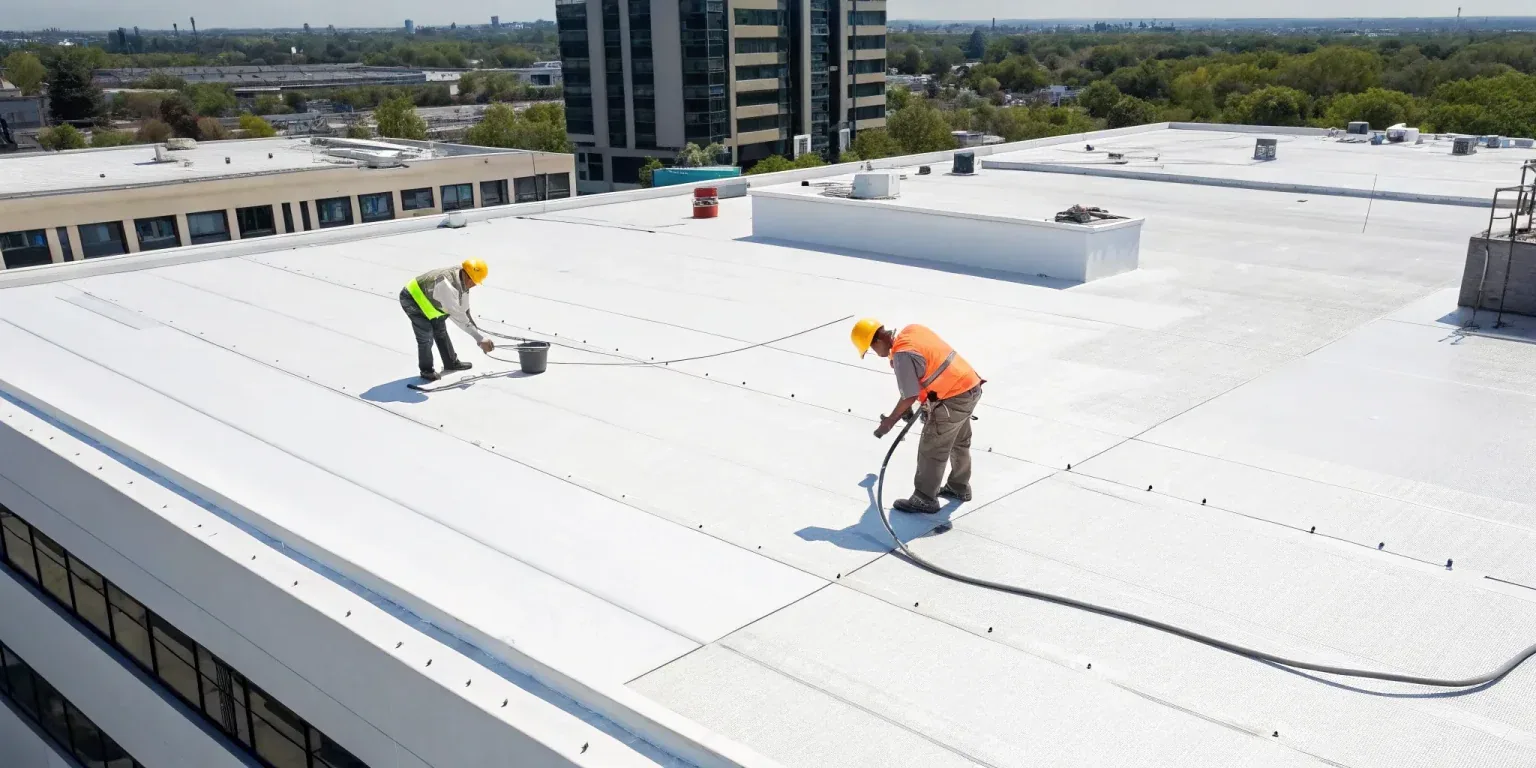
Most buildings that need a new roof cannot afford to close while it goes on. A hospital wing, a campus building in term, an outlet store in season and a fulfillment dock in peak shipping all keep running, and each class defines a different tolerance for noise, dust, odor and interruption. What this does to a budget year is that the schedule becomes part of the price. A roof that is cheap on paper but forces a shutdown costs more than a roof that is phased around operations. We plan occupied reroofing as an operations problem first and a roofing problem second, and we put the phasing plan in front of the owner before the scope is final.
Start with the phasing plan

The plan divides the roof into sections that can be opened, replaced and closed in a day or a short run of days. Each section is sized to the crew and the weather, and each ends with a watertight tie-in to the existing roof before the crew leaves. The order of sections follows the building: areas over sensitive spaces last or at the quietest hours, areas over loading or exits at times that avoid traffic, areas with the worst leaks first. A drawing marks the sections, the staging areas, the crane or lift positions, the debris routes and the keep-clear zones. Owners and tenants see the drawing before the work starts and sign off on it.

Communication keeps the plan alive. A short daily note goes to the facility contact: which section opens, where the lift sits, what noise to expect and when it ends. A weekly look-ahead goes to the wider group. When weather moves a section, the note says so before anyone asks. The notes become part of the project file, which helps if a question comes up later about when a given area was opened or closed.

Occupied Building Reroofing

Protecting the people and property below

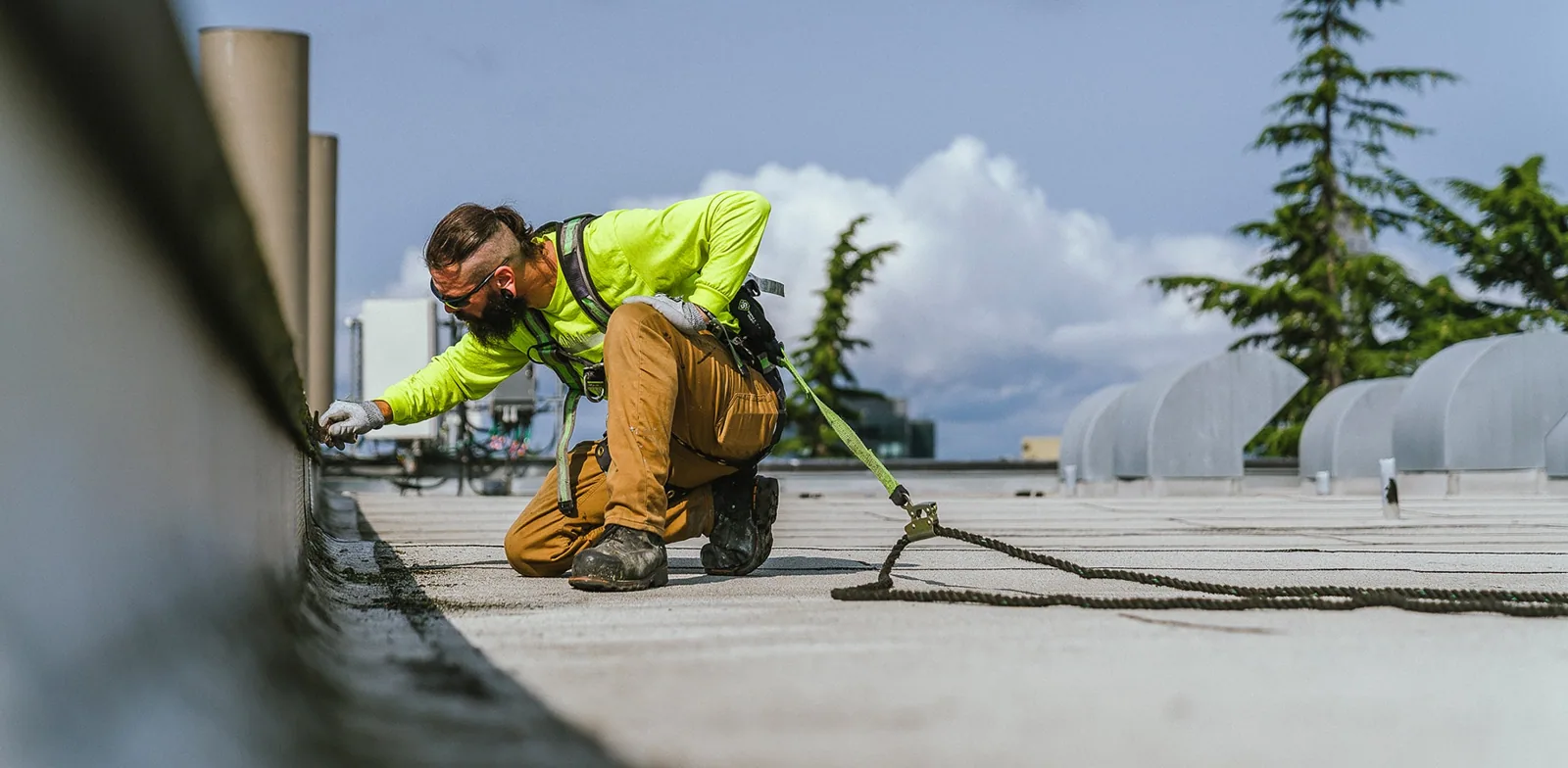
Protection runs on two levels. On the roof, we keep debris contained, use covered chutes or hoists and sweep with magnets for fasteners. Inside, we coordinate with facility staff to cover or move sensitive items, protect ceilings with plastic and screens and set up catch frames where tear-off is close to the interior. Dust, odor and noise each get their own plan. Cold-applied and heat-welded systems avoid open flame and strong fumes, and low-odor adhesives suit buildings with fresh-air intakes on the roof. We locate every intake before work begins and agree with the owner on how to protect or shut them off during certain steps.

Fire safety adds its own layer. Hot work near occupied space needs a fire watch, a permit where the building requires one and extinguishers at hand. Where torches are avoided, the risk drops but does not vanish, since heat guns, welders and fuel for equipment all appear on the roof. We store fuel off the roof when possible and keep the roof clear of waste at day's end.

Hospitals, campuses and retail

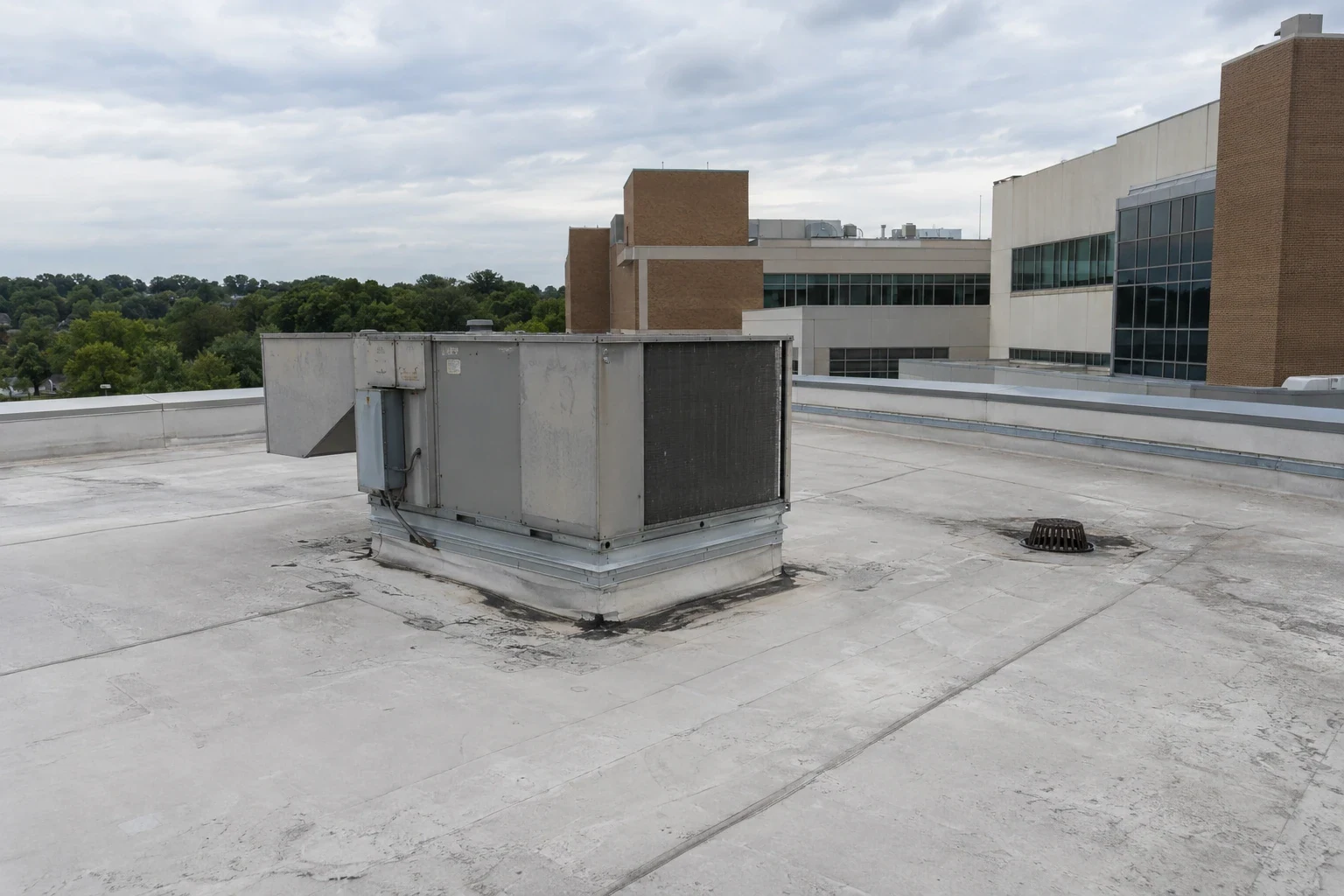
Each class gets its own rules. San Marcos has Christus Santa Rosa Hospital-San Marcos, and the Kyle FM 1626 corridor has Ascension Seton Hays, which completed a labor and delivery expansion in 2021; hospitals like these are where occupied reroofing is hardest. For a hospital roof, infection control, air-handler intakes and quiet hours drive the plan, along with a named contact on the facility side. With roughly 250 buildings on its main campus, Texas State makes the Texas State University district a place where roof work is timed to the academic calendar. After the May 9, 2024 storm San Marcos CISD delayed school so staff could inspect its buildings, a reminder that a school roof job has to finish dry and clean before students return.

Retail, tenants and shared roofs

The San Marcos outlet malls sit east of I-35 and draw about 14 million visitors a year, so the retail class wants work that stays clear of customers and peak seasons. A shopping center roof is shared among tenants with different hours and different leases, and a leak in one bay is another tenant's problem. We notify each tenant before work above their space, keep entrances and parking open, stage materials away from storefronts and schedule loud steps for early mornings or after closing. Lifts and hoists sit on the service side. A tenant contact list, kept current on the day, lets the foreman call the right person when something changes.

Access control is the quiet issue. Roof hatches, ladders and stair doors open into tenant spaces or service corridors, and crews passing through those routes must be known and escorted. We agree on routes, hours and badge rules in advance, and we keep a sign-in sheet so the manager can confirm who was on the roof and when.

Occupied Building Reroofing

Weather and the open roof

The rule on an occupied building is that nothing is left open. Every section is closed in each day with a temporary or final tie-in, and the forecast decides what is opened. Central Texas storms can build fast. The evening of May 9, 2024 brought a tornado warning for downtown San Marcos on the heels of very large hail in Johnson City, and a warning like that is the reason tarps, sandbags and a standby crew stay on site while a section is open. We watch radar, stop early when cells approach and secure the work before leaving the roof.

Heat is the other weather condition. Summer afternoons can make a roof surface unsafe for crews and hard on adhesives, so work starts early and stops when conditions turn. The August normal high at Austin Camp Mabry, about 98 F, is the regional guide for how hot the surface gets. We schedule heat-sensitive steps for cooler hours, provide water and shade for crews and adjust the day's section size to match the conditions.

Occupied Building Reroofing

The budget-year decision

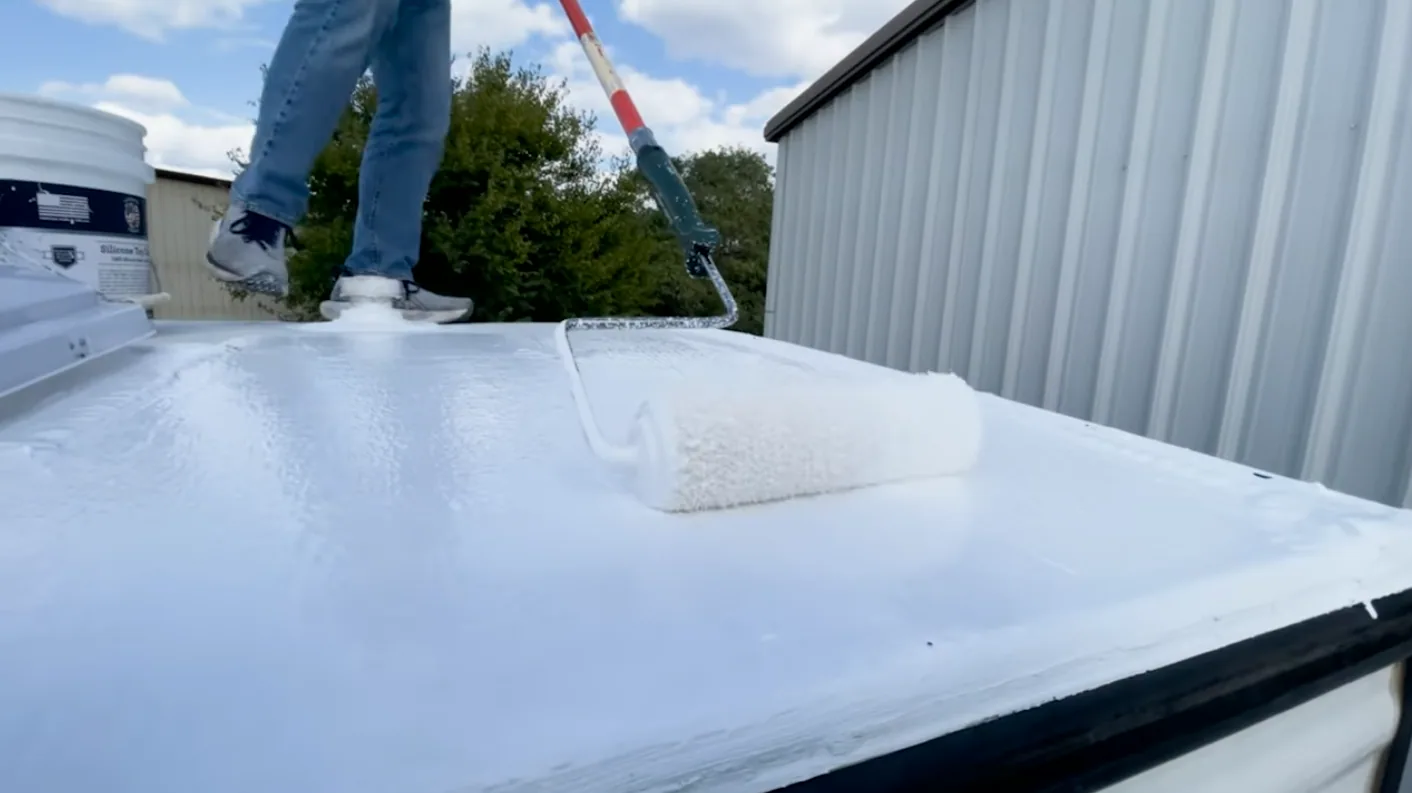
Phasing adds cost and removes risk. Smaller sections mean more tie-ins, more mobilization and a longer schedule, but they keep the building open and the interior dry. We price the phasing as a line, with the cost drivers named: section count, access limits, hoisting, protection materials and overtime or off-hour work. Occupied work also pairs with the choice of system. A recover or a coating may suit a building that cannot take a tear-off, while a full commercial roof replacement suits a roof with wet insulation. Owners with several buildings can sequence them through a multi-site roof program that spreads the disruption across budget years.

Closeout matters on an occupied building. When the last section is done, we walk the interior with the facility contact, check ceilings for stains or dust, remove protection and photograph the finished roof. The file gets the phasing drawing as built, the section dates and the tie-in photographs, so the owner can show what was done to each part of the roof and when.

Commercial Roofing Questions

How do you keep the building dry during tear-off?

We open only what can be closed the same day. Every section ends in a watertight tie-in, and a standby crew and tarps stay on site in case weather moves in.

What about noise and odor?

We schedule loud steps for quiet hours, use low-odor and cold-applied or welded systems where intakes are near and agree on intake protection before work begins.

Who talks to the tenants?

The owner or manager gives us the contact list, and we issue notice before work above each space. A foreman on site handles questions during the day.

Can work happen at night or on weekends?

Often, depending on the building and local rules. Off-hour work costs more, and we price it as a separate line so the owner can choose.

Does phasing make the roof less durable?

No. Each section is finished and tied in to the same standard, and the tie-ins get extra inspection. The schedule is longer, but the finished roof is the same.

Send the Building List and Operating Hours

Send the building list, the hours each one operates and any calendar limits, and we will sort the roofs into phase-now, phase-later and watch groups before the next budget year. Use the contact form.

Request a Roof Assessment

Related Roofing Work

ServicesRoof SystemsIndustriesProperty TypesService AreasRoof Damage RepairCapabilitiesManufacturersAboutContactRequest a Roof Assessment555-555-5555
Call555-555-5555