555-555-5555

Roof Recover and Overlay

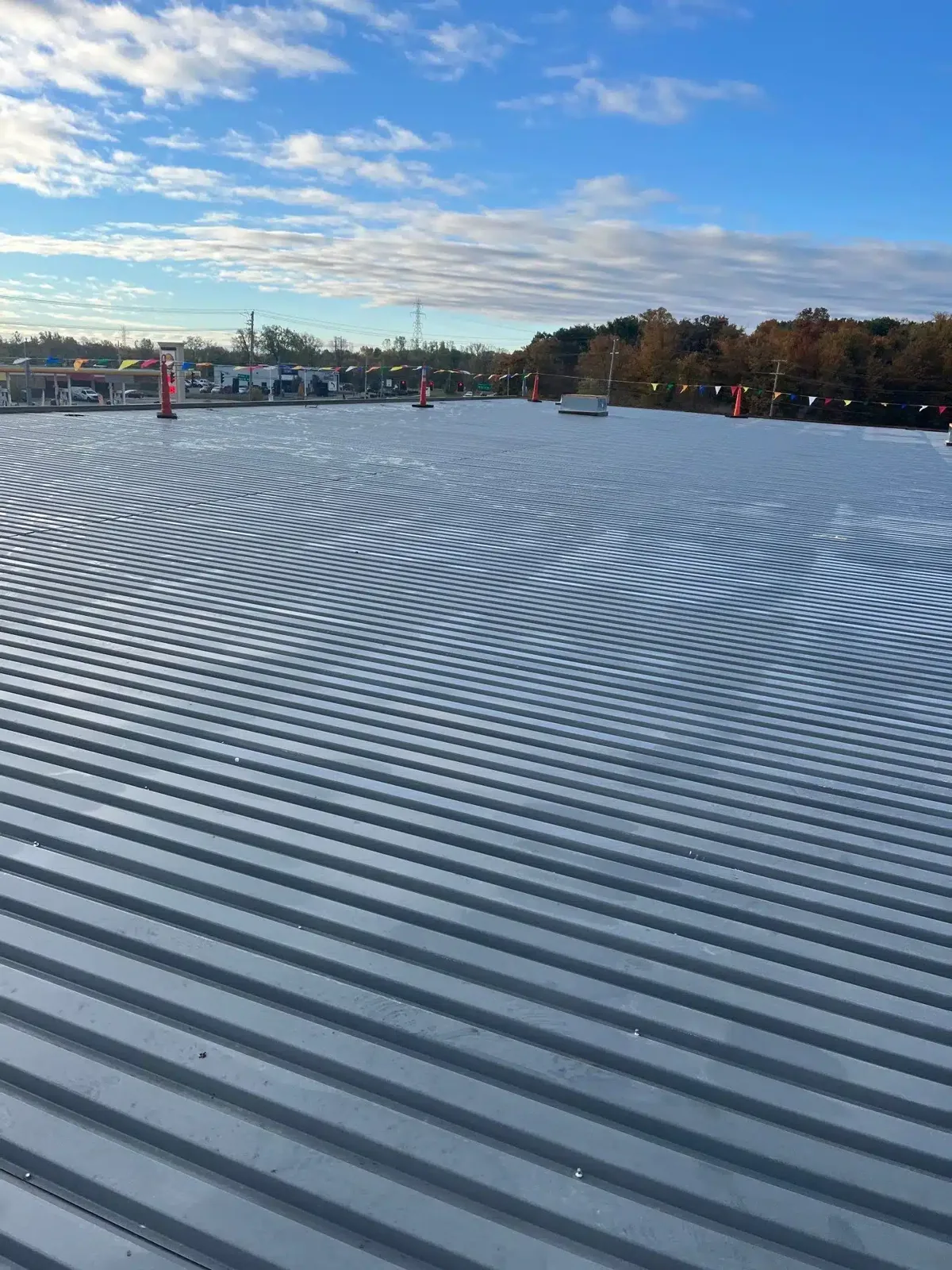
Tear-off is the expensive line in most reroof budgets, so a recover, where a new membrane goes over the existing system, tempts every facility director who manages a long list of buildings. In San Marcos, TX the temptation is strongest on large, low-slope roofs where the existing assembly still has life in it and the decision is about stretching one more budget year. The recover is legitimate when the conditions are met and costly when they are not. We treat it as a building-by-building test, not a standing preference.

The test has four parts: how much moisture is in the insulation, how many layers already sit on the deck, how much weight the structure can carry and what the adopted code allows. Skip any of the four and the overlay becomes a delay that costs more later.
Wet Insulation Ends the Conversation

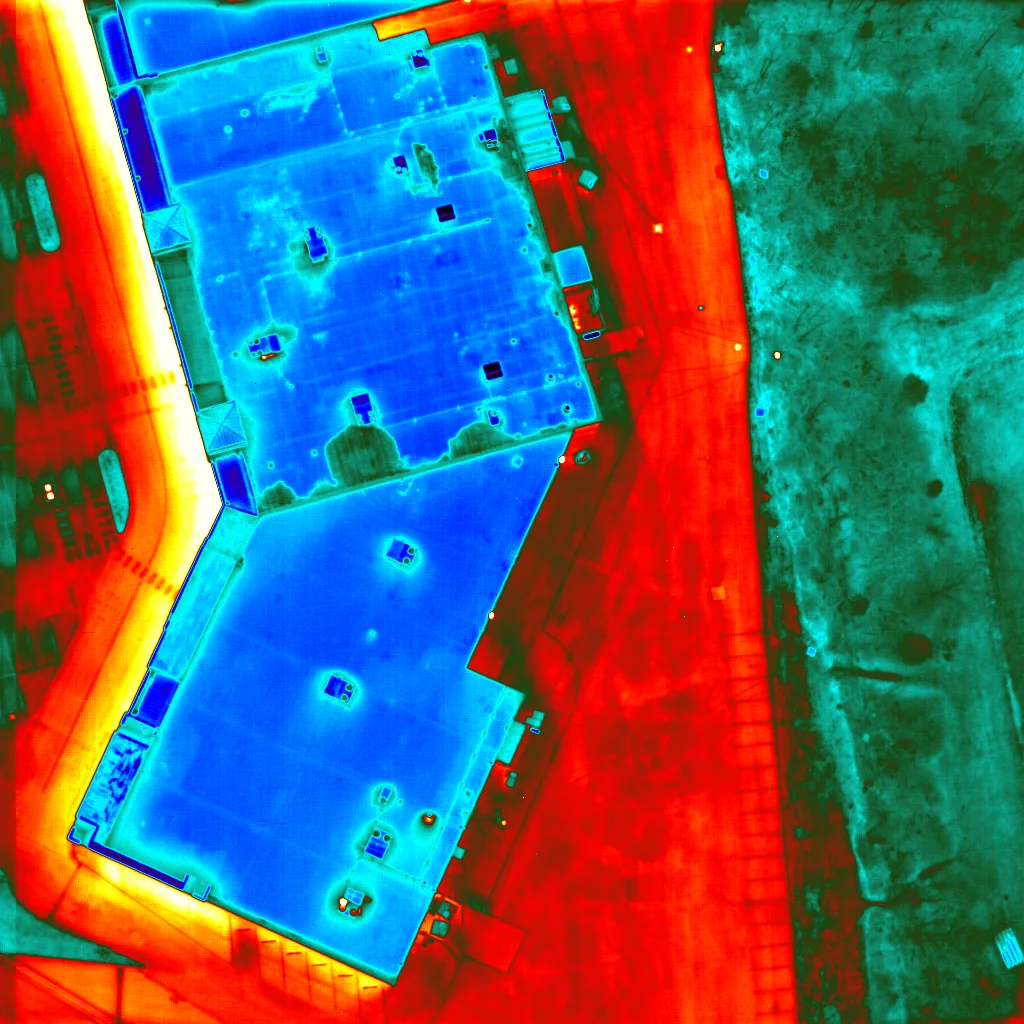
An overlay seals moisture in. If the old insulation is wet, the new membrane traps that water against the deck, and the saturated board loses its insulating value and begins to soften or corrode the deck fasteners below. Before we recommend a recover we take core samples across the field and run an infrared scan on a day when the surface temperatures make wet areas visible.

The pattern matters as much as the percentage. A few wet pockets around a drain or curb can be cut out and replaced, and the rest of the field can then be covered. Wet areas spread through the middle of the roof usually mean the whole assembly is finished, and we say so in the report.

Roof Recover and Overlay

Count the Layers and the Load

A roof that already carries more than one system has used its margin. Added insulation, cover board and a new membrane add weight, and the building code limits how many layers of roofing can remain before removal is required. We confirm the layer count from cores, check the adopted edition of the International Building Code, which for the City of San Marcos is the 2021 edition effective April 1, 2023, and ask the owner for structural information when the deck is steel and the field is large.

This is why a building class matters. A big-box or warehouse roof with a single older membrane over steel deck is often a good candidate. A building that has already been recovered once, or one with a lightweight deck, usually is not.

The Old Surface Has to Hold the New One

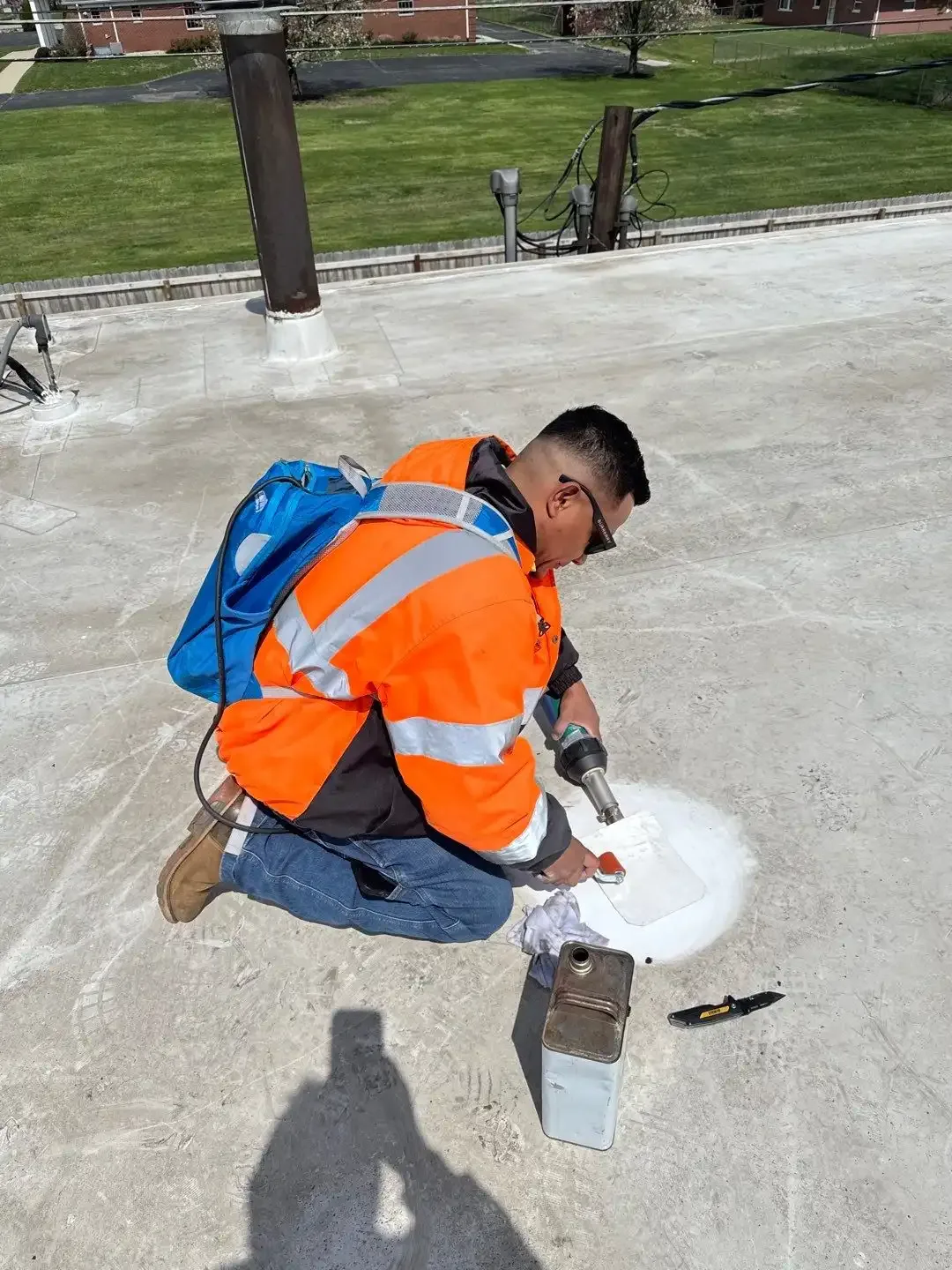
Surface condition decides how the new membrane attaches. A well-adhered smooth membrane can take a mechanically fastened or adhered cover board. A blistered or lifted surface needs cutting and patching first, and a granulated surface has to be vacuumed clean. Chalked or UV-degraded single-ply may not accept an adhesive at all.

Heat makes this more demanding. Long August afternoons age a membrane, and the older it is the more likely it has shrunk or cracked at laps and flashing. We probe laps, check flashing terminations and mark each defect before the overlay design is finalized, because repairs hidden under a new layer are repairs we cannot revisit.

After Hail, Look Under the Surface

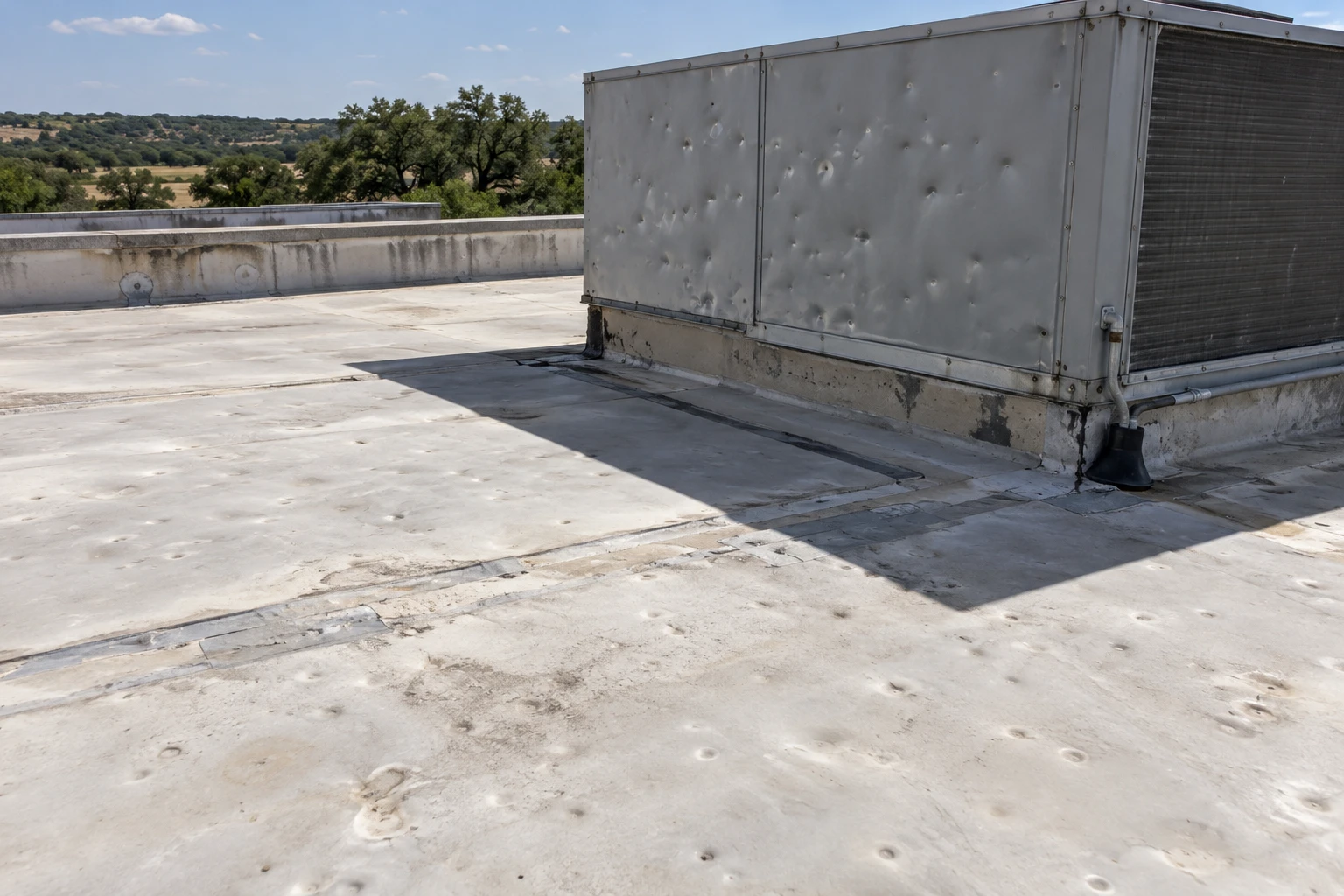
Hail complicates every recover. The weather service put hail from the May 9, 2024 storm at up to six inches across in Johnson City, so an owner whose roof may have sat in its path will reasonably ask whether a recover is still sensible. Bruised membrane over crushed insulation is not a sound substrate, and covering it hides the damage from future inspectors and from the insurer.

We inspect for fractures, dents and crushed board first. If a hail claim is possible, we document the roof before any overlay starts, because the claim usually depends on the condition the roof was in before new work covered it.

Roof Recover and Overlay

Flashings and Penetrations Get Redone

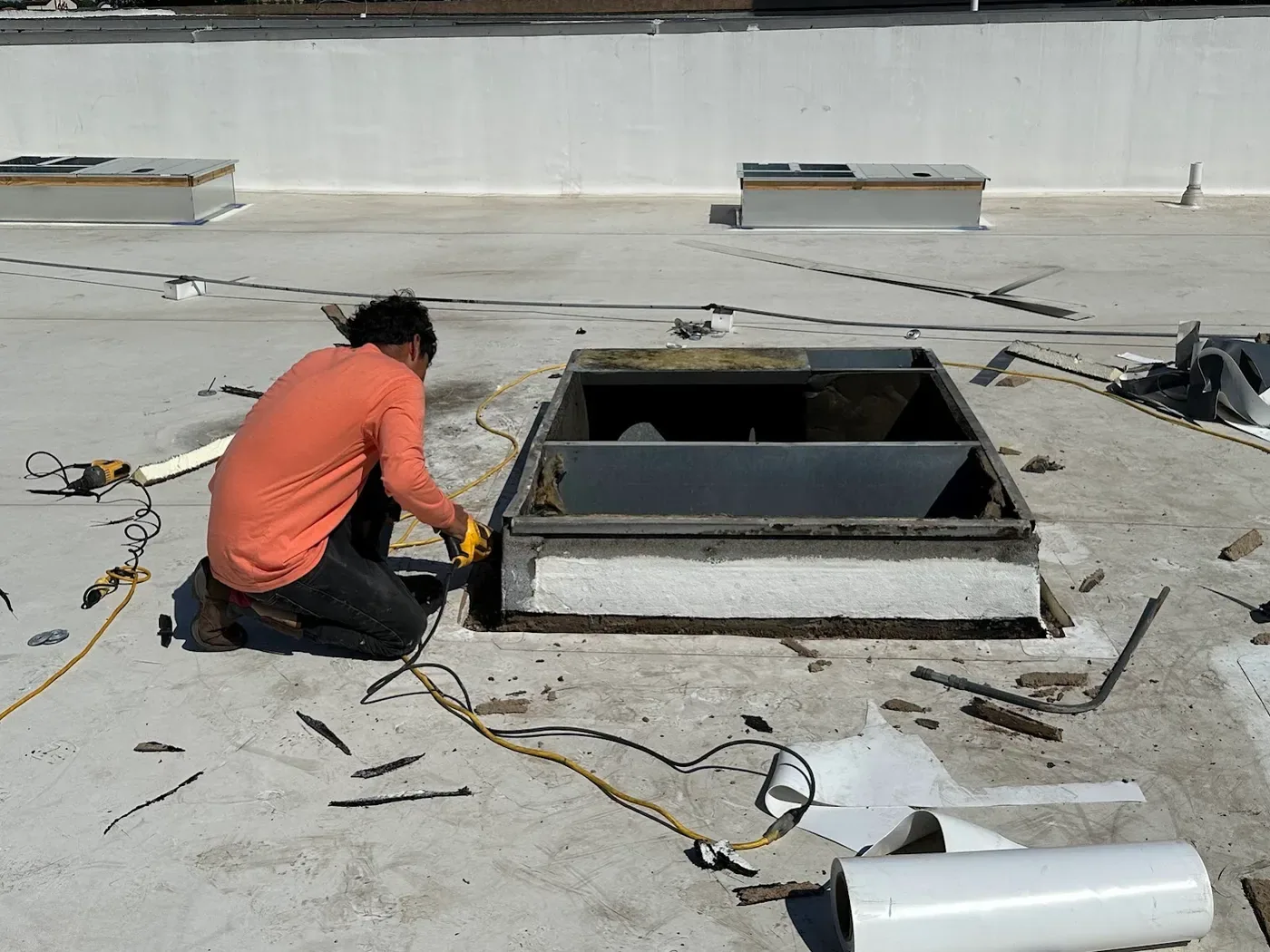
A recover raises the roof surface by the thickness of the new insulation and cover board, and every wall, curb and pipe that meets the roof has to rise with it. Base flashings are removed and rebuilt at the higher plane, counterflashing is reset or extended, and rooftop units on low curbs sometimes need to be lifted so the new flashing height still clears the code minimum. Skipping that step is how an overlay ends up with a pristine field and leaking perimeters.

Drains need the same attention. Sumps that sat flush with the old surface can end up as high spots after an overlay, so we reset or replace drain bodies and check that water still reaches them. On any large low-slope roof with many penetrations, those details account for a meaningful share of the labor, and they are where the bid should be most specific.

Roof Recover and Overlay

Match the Overlay to the Plan

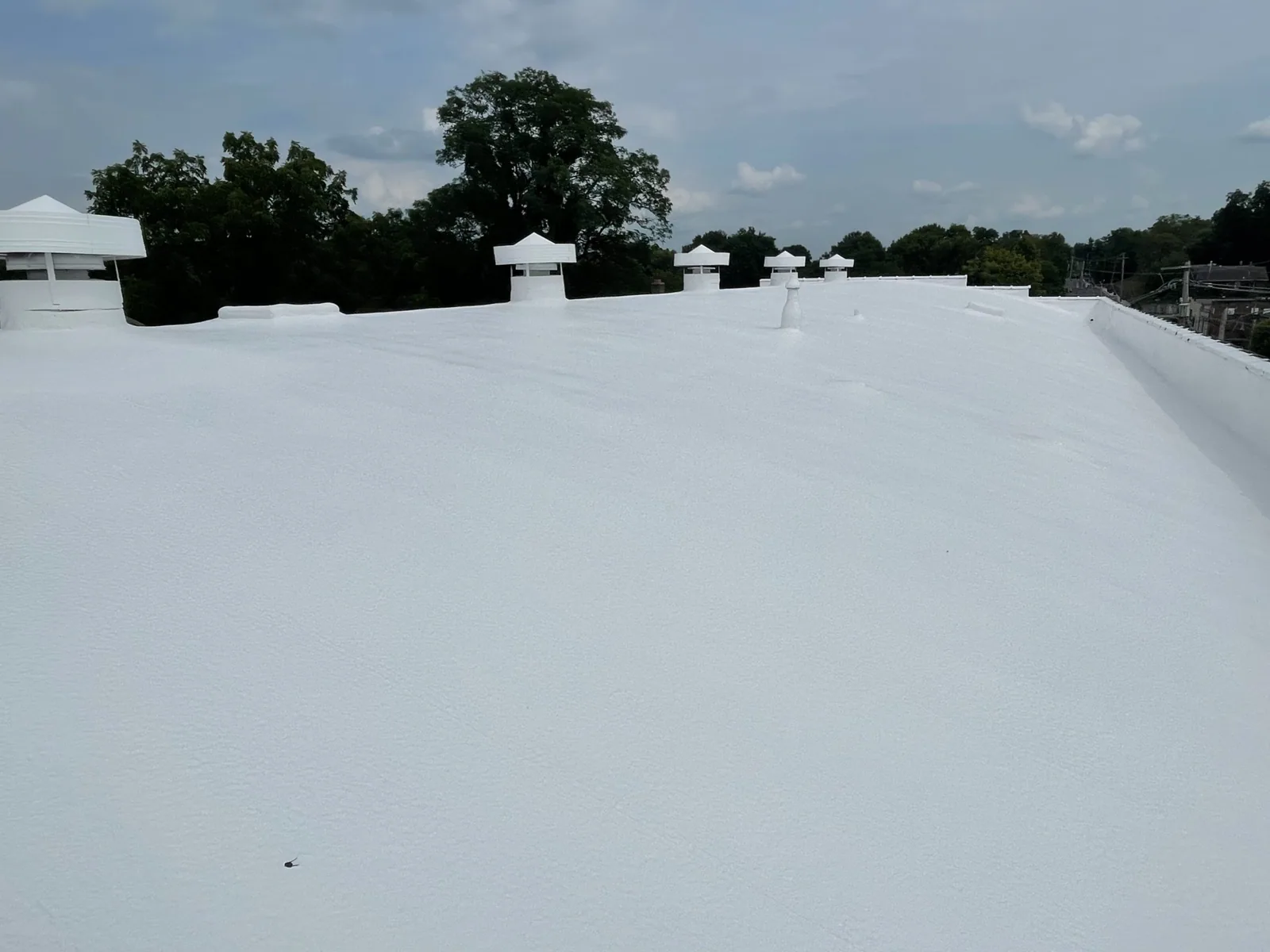
A recover buys time, so the remaining service of the overlay should line up with the owner's capital plan. A white TPO or PVC overlay over cover board suits a roof expected to last another cycle, while a roof coating may suit a roof that only needs to reach the next planned replacement year. The cheapest option now is rarely the cheapest option over the next ten years.

For owners in Kyle, Buda or along the San Marcos I-35 business park corridor, the same questions apply, and we confirm local code adoption for each jurisdiction before pricing.

When Removal Is the Better Buy

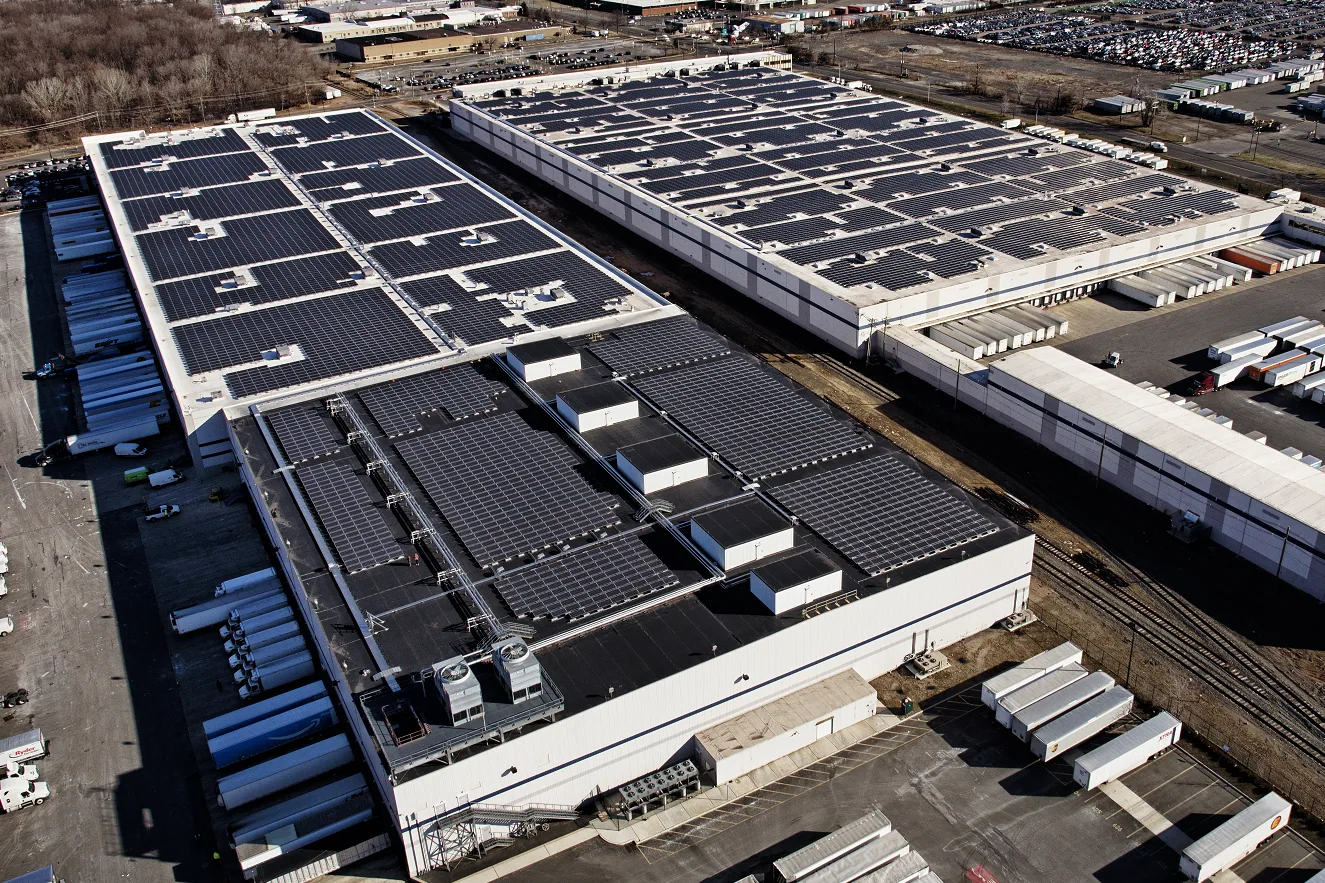
Tear-off wins when the insulation is wet, the deck is damaged, the layer count is at the limit or the structure cannot take more weight. It also wins when the roof will be disturbed again soon for new equipment or a solar array, since an overlay would then be cut apart. We provide both numbers on the same building so the director can compare an overlay with a full replacement and see where the break-even sits.

The comparison should also include the second cycle. A recover postpones the day the old layers must be removed, and removal later is rarely cheaper than removal now, so the budget should carry that deferred cost in the capital plan alongside the savings.

Commercial Roofing Questions

How many layers of roofing can stay on a building?

The adopted International Building Code limits how many layers may remain, and a prior recover often uses up the allowance. We confirm the count from cores and check the 2021 edition the City of San Marcos adopted before recommending any overlay.

Does a recover affect the warranty?

It can, since manufacturers set conditions for overlays such as moisture limits, cover board and fastening. We review the specific system's published requirements before pricing, and we state the terms in the proposal rather than assuming them.

What if only part of the roof is wet?

Localized wet insulation can be cut out and replaced, and the remaining field can then be covered. The size and pattern of the wet area decide whether that is cost-effective or whether the whole assembly should come off.

Can I recover a roof that was hit by hail?

Only after the damage is documented and the substrate is confirmed sound. Crushed insulation under a bruised surface does not make a stable base, and covering it removes evidence the owner may need later.

How long does a recover last compared with tear-off?

A recover over a sound substrate can reach the same service life as a new system, but one over compromised insulation or a weak deck will fail early. Condition at the start of the work matters more than the label on the method.

Test Before You Cover

Send the roof age, layer history and any moisture reports, and we will tell you whether an overlay passes the four checks or whether removal is the better buy.

Request a Roof Assessment

Related Roofing Work

ServicesRoof SystemsIndustriesProperty TypesService AreasRoof Damage RepairCapabilitiesManufacturersAboutContactRequest a Roof Assessment555-555-5555
Call555-555-5555