555-555-5555

Hail Damage Roof Repair

A wide, low-slope roof over retail, flex or fulfillment space presents the sky with a large flat target, and hail turns that target into a field of small impacts that the eye cannot always count. The one thing that class does to an owner's budget is raise a question the storm cannot answer: which of these roofs were hurt, and how badly? For an owner in San Marcos, TX, the answer comes from a walk, a moisture scan and a few core samples, written up section by section. We separate bruised fields from sound ones, damage from age, and repair from replacement, so the money lands on the roofs that were actually changed by the storm.

A news report covers a county. A roof file covers a deck.
Regional Hail, Local Damage

Regional facts explain why owners ask for reviews. For Johnson City, the May 9, 2024 storm meant hail up to six inches across, and for San Marcos it meant the wind that followed. Several blocks of northwest San Marcos saw trees toppled onto fences and homes by the storm's winds.

None of that says what happened on a given deck. Stone size varies across a storm path, wind direction changes which slopes and walls take impacts, and roof systems respond differently. A six-inch stone in one town does not mean the same impact in another. We treat the event as the reason to look and the roof as the evidence. The walk starts with the date of the storm, the reported hail sizes nearby and the age and system of each roof section.

Hail Damage Roof Repair

Find the Bruised Field

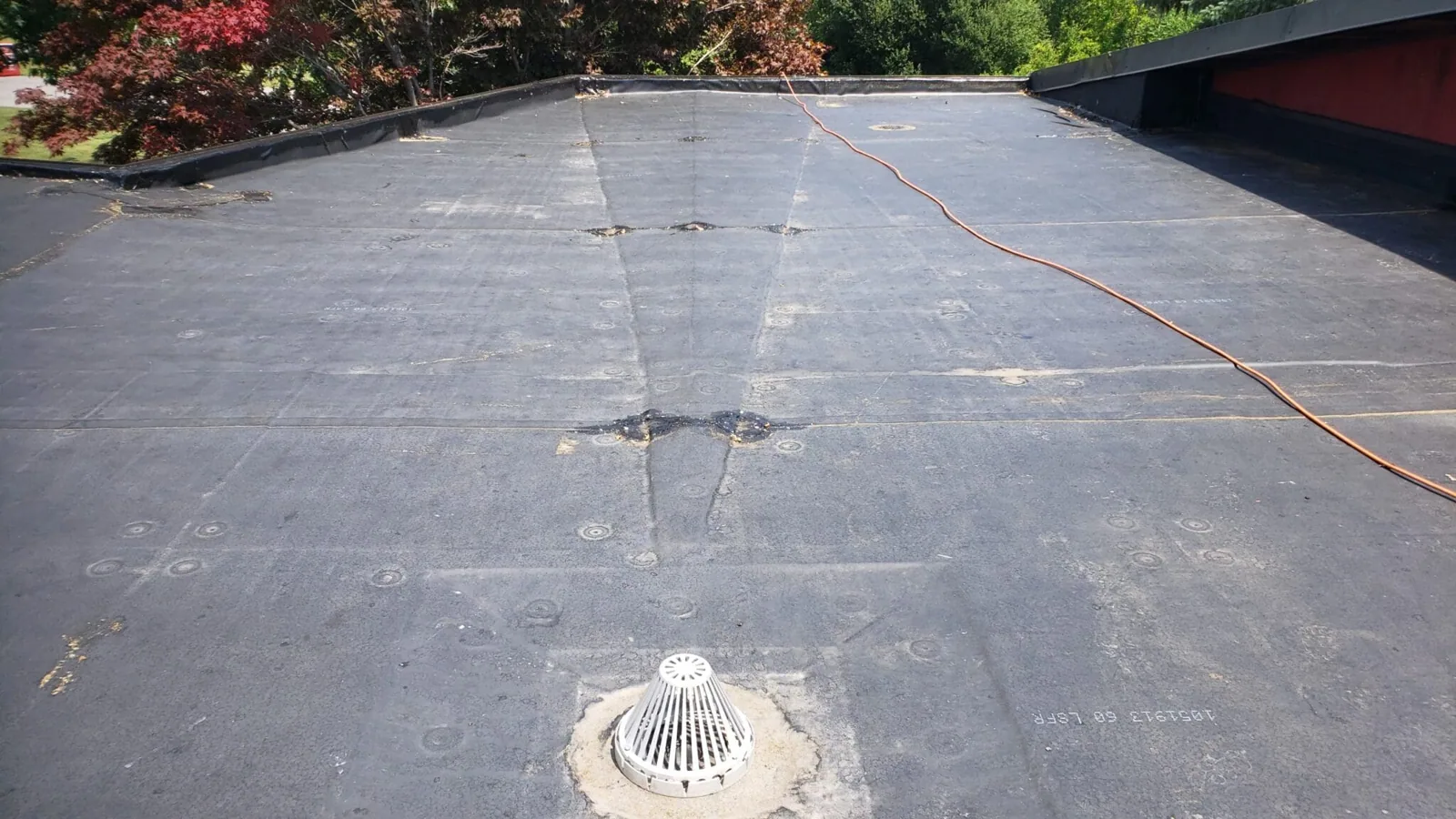
Hail marks a membrane in different ways. On some systems it leaves dents or spatter marks that show where stones landed. On others it fractures the reinforcement or crushes the insulation below without breaking the surface. A bruise may not leak for months and then fail at the first heavy rain, so the first walk looks for what the surface alone does not show.

We divide the roof into test squares, count impact marks in each, and record size and density. We press the surface to feel for soft spots over crushed insulation, look at edges and flashings for dents and check rooftop units for dented panels and bent fins. A drone inspection adds an overview of large roofs, showing impact patterns and staining that a walker misses. The count per square goes on the plan, and the density map tells us where damage concentrates.

Test the Insulation and Deck

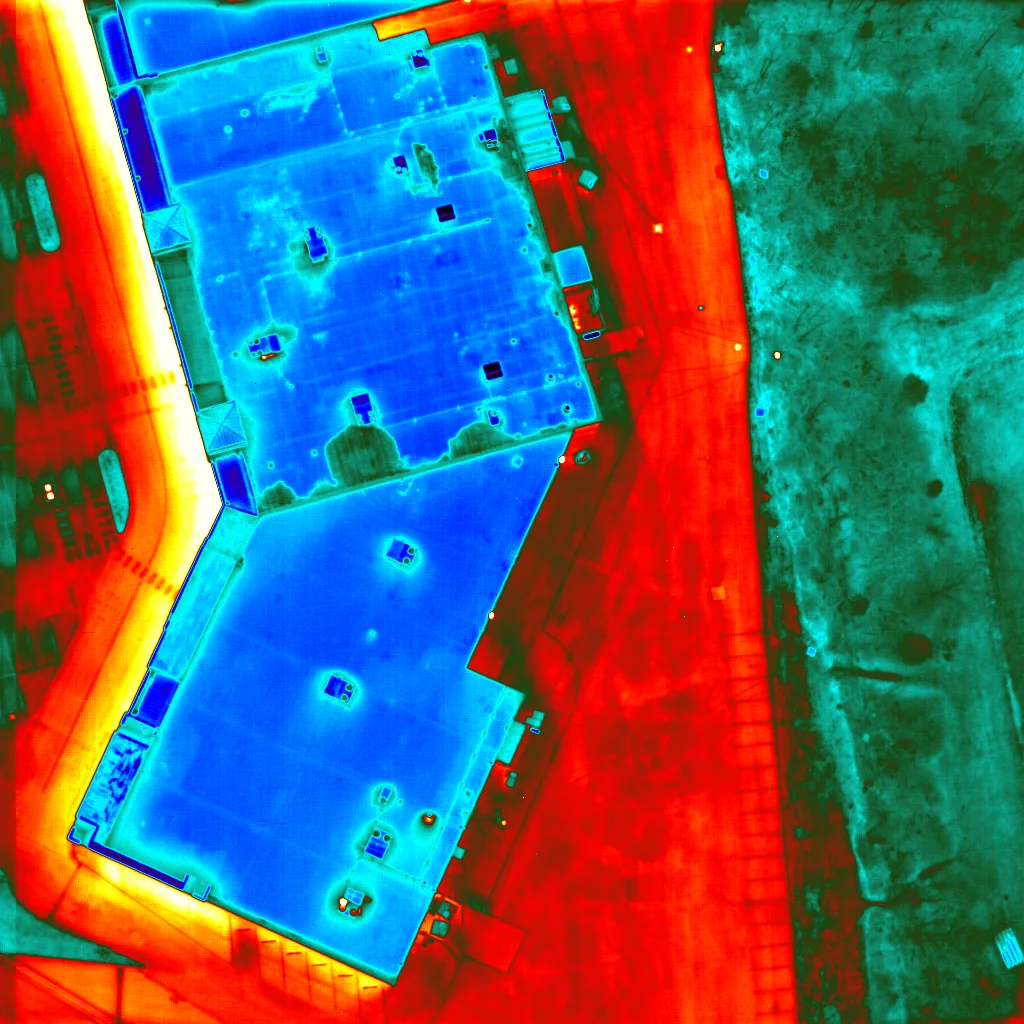
Marks are one layer of evidence. Moisture is another. An infrared moisture survey finds wet insulation, and core samples confirm what lies under a bruised area: layers, thickness, crushed board and wet material. The core also shows the deck condition and the number of previous roofs, which decide what repair is possible.

Results go on the plan with core locations and photographs. A bruised surface over dry, intact insulation may be repaired with local patches or restored with a coating. A bruised surface over crushed or wet board needs that area cut out and replaced. When cores show widespread damage across a section, replacement becomes the more practical path. The report states the number of cores, where they were taken and what each showed, so the carrier and the owner share the same basis for the call.

How Different Roofs Take Hail

The system matters. Thermoplastic and rubber single-ply sheets can be punctured or bruised at the reinforcement, with damage that shows as small round marks or hidden fractures. A modified bitumen roof loses granules, and a hard strike can fracture the layers under the cap sheet. Metal panels dent, and fastener heads and seams can be loosened. Coatings crack at impact points and expose the layer beneath.

Each type calls for its own test and its own repair. We identify the system by looking at the surface, reading the papers and checking a small area, then follow the right method. Cover boards and thicker insulation resist crushing better than soft board, which is why the layer under the membrane is part of the finding. Where hail bruises appear on rooftop units, curbs and flashing, we list them with the roof findings, since a dented curb can leak even when the field is fine.

Hail Damage Roof Repair

Write the Findings for the Claim

A good hail file separates storm damage from age. We photograph impact marks with a scale reference, record density per test square and note old repairs, weathering and surface wear. Dated pre-storm reports, when they exist, set the comparison. The findings are written so an adjuster can follow them without the author in the room. The roof insurance claim assistance package puts the photos, plan, test results and scope together.

We also state what was not found. A section with no impact marks and dry cores is recorded as sound. A section that cannot be accessed is recorded as unreviewed. Stated gaps strengthen the file, because they show where the findings are firm. If the carrier disagrees, the file supports a reinspection with the same plan, the same test squares and the same photo positions.

Hail Damage Roof Repair

Repair, Restore or Replace

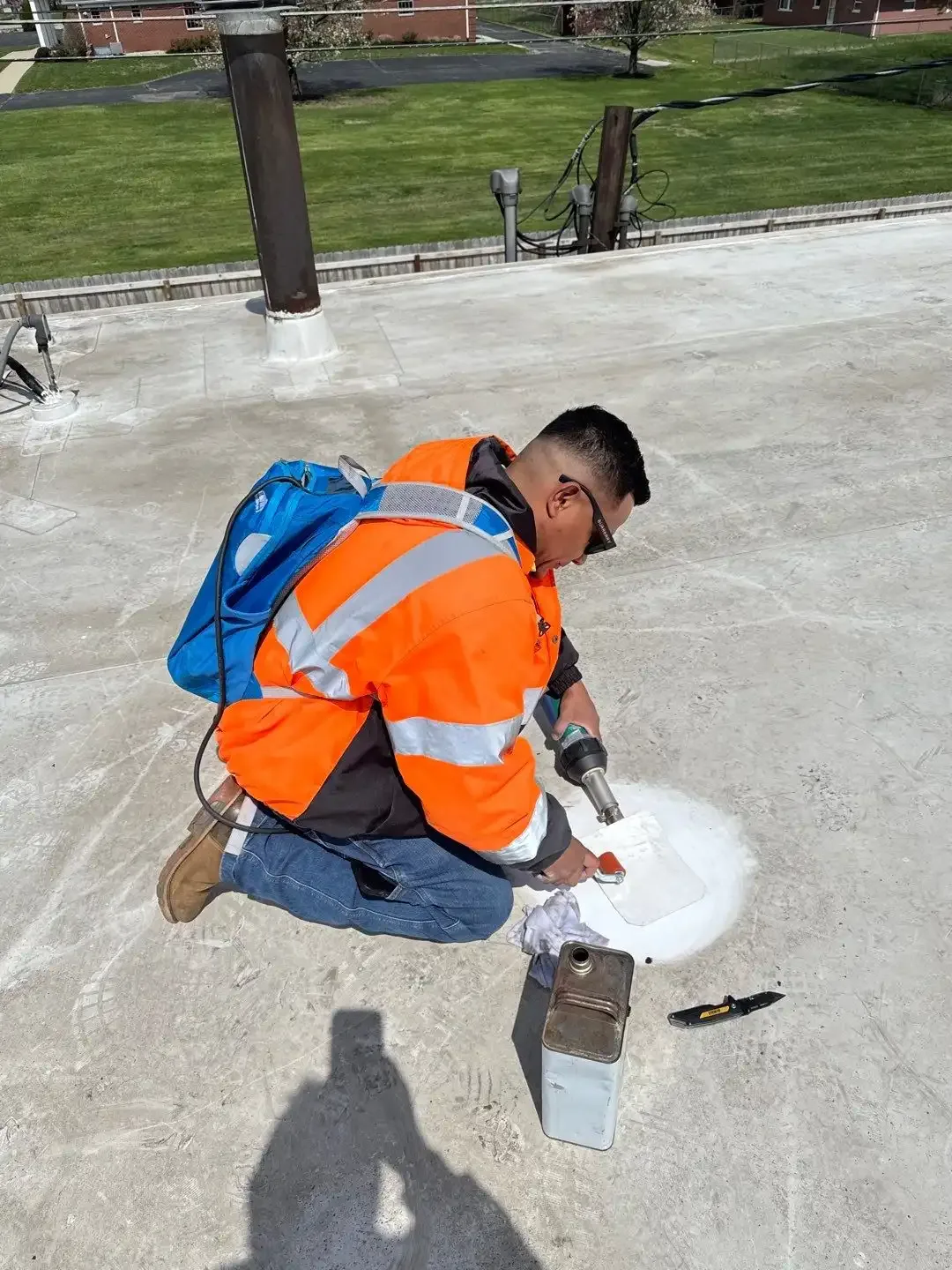
Scattered impact damage on a roof with dry insulation can be repaired with patches, and a sound membrane with minor bruising may be restored with a coating that seals marks and extends life. Concentrated damage, crushed insulation or fractured reinforcement across a section calls for replacement of that section. We price all three and show the cost of waiting, with the storm damage roof repair scope listing temporary measures separately.

San Marcos builds roofs to the 2021 International Building Code, with energy provisions from the 2021 International Energy Conservation Code. Where stones have cut through the sheet, membrane puncture repair applies to each hole. Wind often accompanies hail, and the wind damage repair review is run alongside, so edges and attachment are checked in the same visit.

Set the Replacement Queue

For a portfolio, the output is a ranked queue. Buildings with confirmed damage and little remaining service go first. Buildings with minor damage and years of life go on a watch list with a date for the next check. Buildings with no damage are recorded as sound, with the evidence behind that call.

The queue serves owners across the market, from Kyle logistics space and retail in the I-35 outlet and retail corridor to industrial buildings and campus roofs. Each is rated against its own history. Over time, the file shows how roofs age under repeated storms, which helps owners decide when to replace and when to restore. Hail has no schedule, so the best preparation is a current, dated condition record, taken before the next event.

Commercial Roofing Questions

How do you know hail damaged my roof?

By counting impact marks, testing for crushed or wet insulation and comparing with age and prior condition.

Can hail damage be invisible?

Yes. Insulation can be crushed under a membrane that looks intact. Scans and cores find it.

Does a hail report mean my roof is covered by a claim?

No. The report covers an area. A claim needs evidence from the roof itself.

Can a coating fix hail bruising?

On a sound, dry roof, a coating can seal marks. Crushed or wet insulation rules it out.

How soon after a storm should the roof be reviewed?

Soon enough to document damage before further weather and repairs change the evidence.

Send the Building List and the Storm Date

Send the building list, the roof plans and the date of the storm, and a superintendent will walk the highest-risk sections first and return a ranked condition summary. Start from the contact form.

Request a Roof Assessment

Related Roofing Work

ServicesRoof SystemsIndustriesProperty TypesService AreasRoof Damage RepairCapabilitiesManufacturersAboutContactRequest a Roof Assessment555-555-5555
Call555-555-5555