555-555-5555

Hunter Road and Airport Area

Aviation and research buildings share one demand on a roof: whatever is inside cannot get wet. Aircraft, avionics, lab equipment and test instruments are worth more than the roof above them, so the roof's job is simple and its margin for error is thin. For an owner in the Hunter Road and airport area of San Marcos, the budget year starts with a list of which buildings hold the most sensitive contents and which roofs above them are nearest the end of their service.

The district takes in Hunter Road, where Texas State University's STAR Park research park sits, and San Marcos Regional Airport, operated by Texas Aviation Partners. The airport is city-owned and lies about four nautical miles east of downtown.

Read the Building Mix

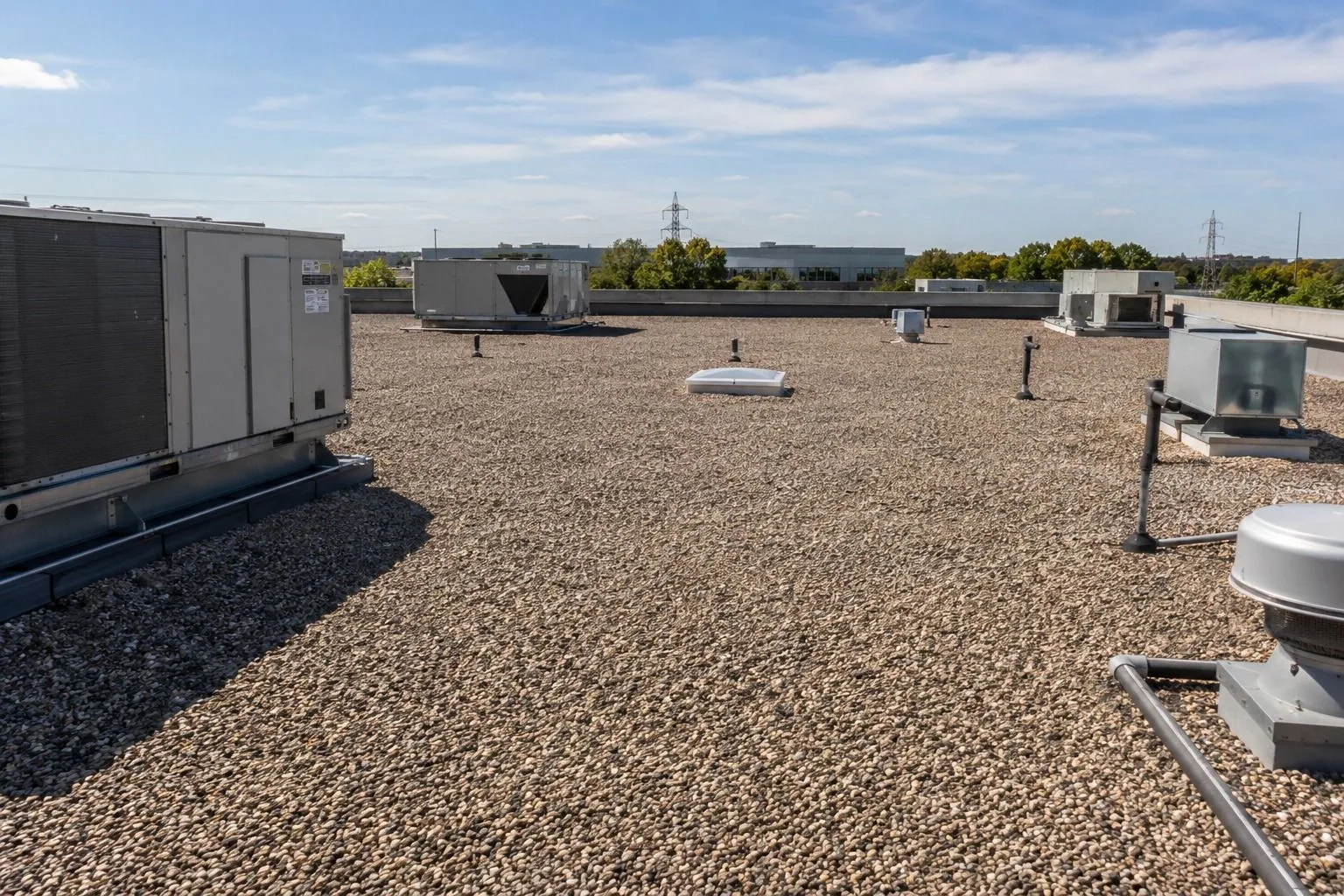
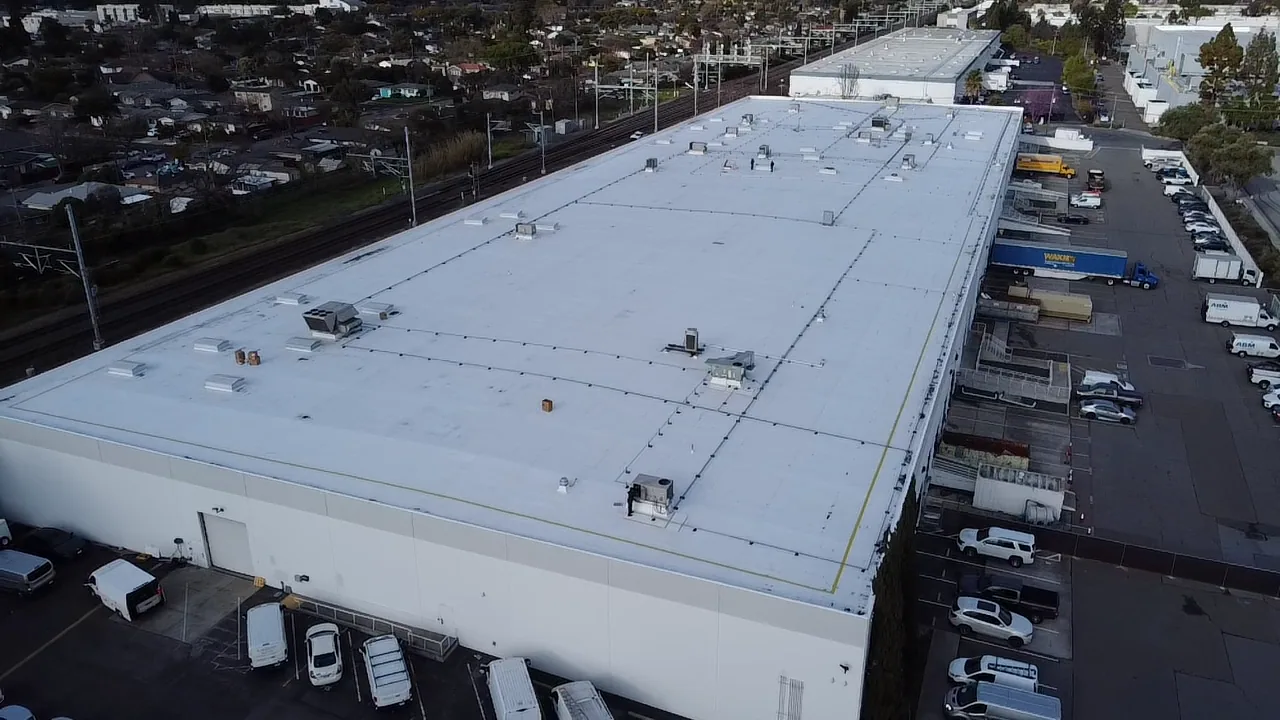
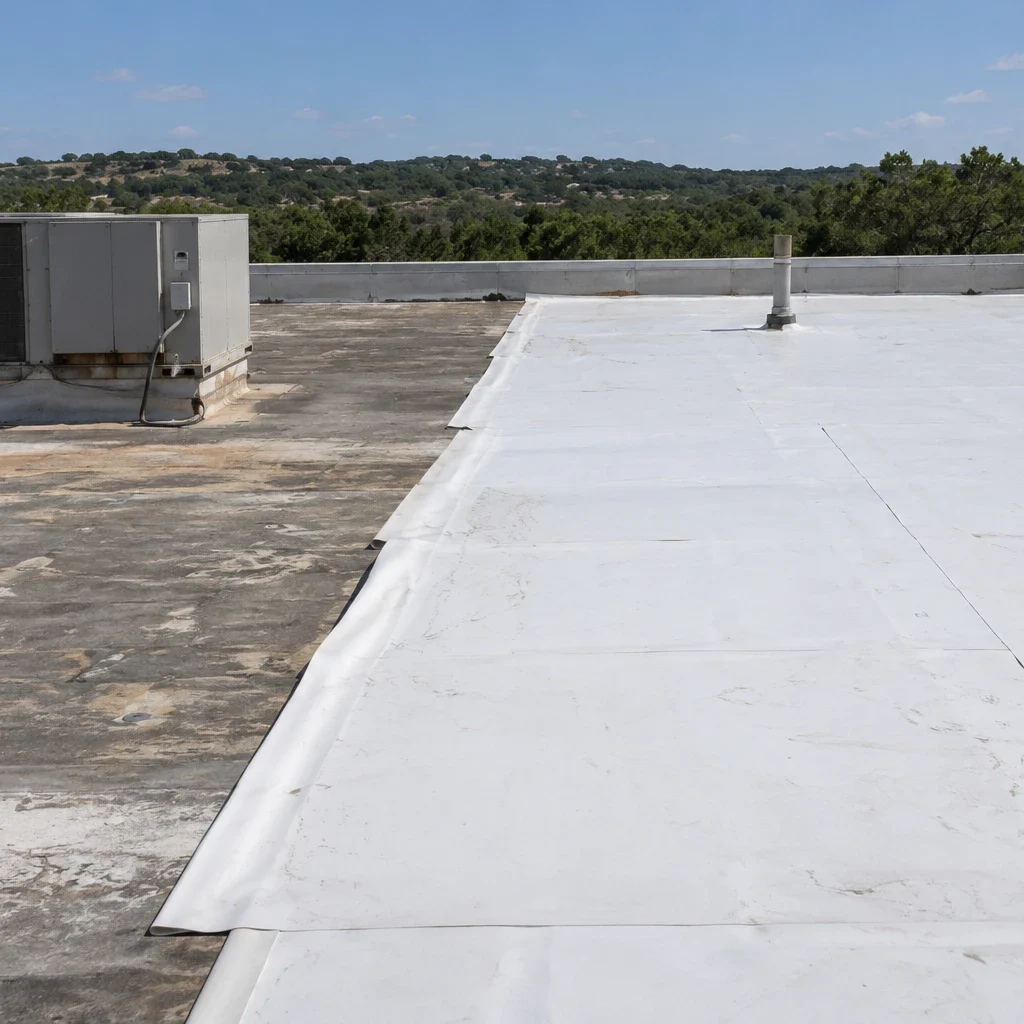
An area like this mixes building classes. Large-span hangars, maintenance shops, office wings, research buildings and training facilities can all sit within a mile of one another. Each roof is walked, its system named and what lies beneath noted, since a hangar with open bays and a lab with sealed rooms need different protection.

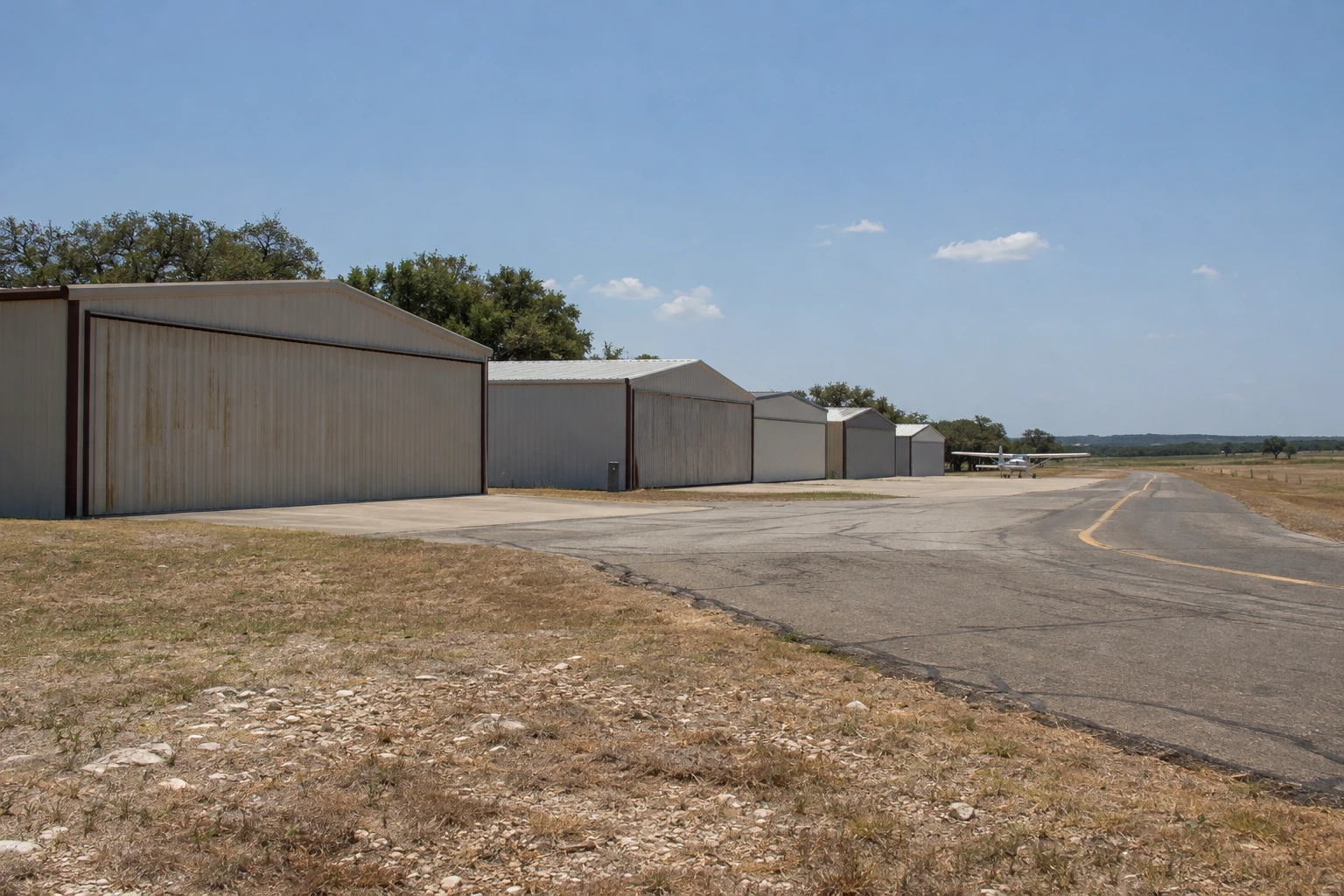
The mix matters for the budget year. A roof over empty storage can wait a season on a watch list. A roof over a lab or an aircraft bay should not. We rank each building by what a leak would cost and by remaining service, and the two rankings together build the replacement queue. An aircraft hangar roofing plan includes door-edge checks and drainage over the largest spans, which are the two places hangar roofs fail first.

Hunter Road and Airport Area

Check Wind at the Edges

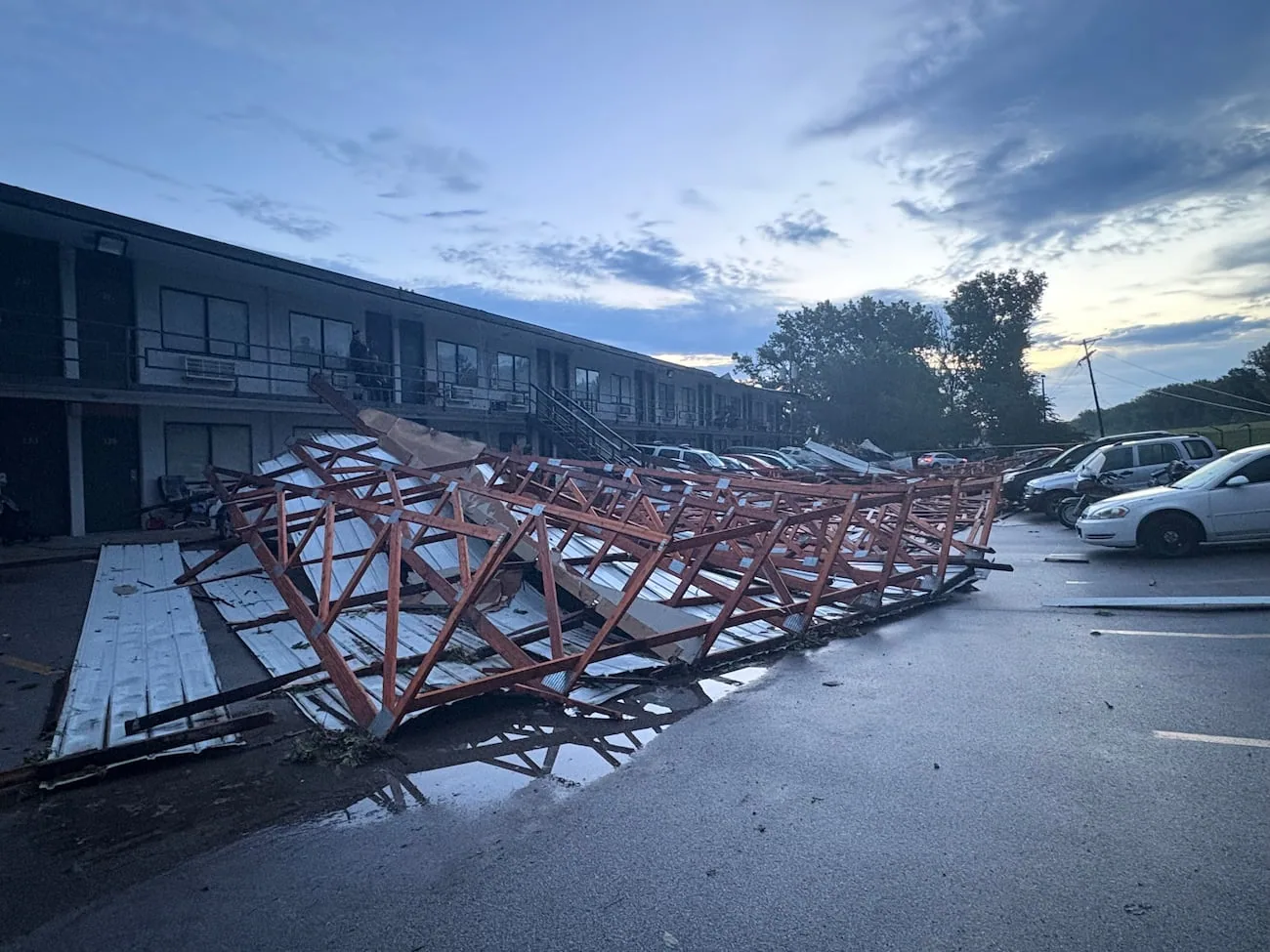
Airfields are open ground. Wind crosses with little to slow it, and large roofs with wide eaves catch it. Edge metal, coping and gable trim take the load first. A loose piece can peel in a gust and leave the membrane under it exposed.

We check each edge piece by hand. We tug the metal, press the sealant and count the fasteners. On metal roofs, we also check panel ends and clips. Wind-driven rain finds any gap in a hangar door header, so that flashing gets special attention. A wind damage roof repair that begins with the edge keeps the repair small. After a strong storm, we recommend a quick walk even if nothing is visible from the ground, since a lifted edge can look fine at a distance.

Protect Sensitive Interiors

Lab and aviation interiors cannot tolerate water, dust or fumes. We plan protection before work starts. We agree on stop-work signals with the occupant, cover equipment, shield air intakes and limit how much roof is open. A section is stripped, dried in and closed in one visit, and the forecast is checked each morning.

Hot work gets extra control. Torches and hot asphalt are replaced with cold-applied or welded systems near sensitive spaces when the specification allows. Fire watches are written into the scope. Where fuel or chemicals are stored, we coordinate with the safety lead. An occupied building reroofing plan puts these rules in writing, with names and phone numbers, so the facility director knows who to call and who can stop work.

Contents drive the schedule at an airfield or research site. Aircraft maintenance windows, instrument calibration runs and lab shutdown weeks are the periods when a roof can be opened with the least risk, so we ask for those calendars at the start and hold them as fixed dates. When the occupant cannot move equipment, protection goes up instead: rigid covers over instruments, plastic and drains over open bays, and a second person on the interior side who can stop the crew. Photographs of each protection measure go into the file, which also helps an insurer understand how the building was handled during the work.

Account for the Record

The Hill Country storm record is the shared risk. On May 9, 2024 six-inch hail was reported in Johnson City, and the storm moved on to San Marcos. During the March 21, 2022 outbreak, a tornado warning covered central Hays County, although no touchdown was surveyed in the county.

Those events explain why aviation and research owners ask for post-storm reviews. They are context, not proof. We press the membrane, scan for wet insulation and record each bruise on the plan. A hail damage repair scope shows what changed since the last scan. On a large span, hail damage is often patchy, so a sector map saves money by limiting the repair to the affected sections.

Hunter Road and Airport Area

Plan Repair, Restore or Replace

The scan sorts the roofs: widespread wet insulation means replace, a defined problem means repair and a sound roof means watch. For older roofs with sound membranes, restoration can extend service: a roof coating restoration over a dry, repaired surface adds life at lower cost than replacement.

Inside San Marcos the energy code is the 2021 International Energy Conservation Code, which came into effect with the building code. We confirm the jurisdiction at the address before pricing. Nearby work includes the Fortuna and Yarrington industrial area and the Texas State University district.

Hunter Road and Airport Area

Handle Large Spans and Doors

A hangar roof is a wide, open span with few interior supports. Its deck deflects. Its drains are far apart. Its door header is a long, exposed joint. Each feature has its own failure.

Deflection creates ponds, and ponds add weight to a span that is already carrying a long load. We measure low spots and note them on the plan. Drain spacing is wide, so a single clog affects a large area. We clear and test every drain, and we check overflow paths. The door header is where wind-driven rain meets a moving structure. We press the sealant, check the flashing laps and look inside for stains on the header and the wall beside it.

Where a repair would disturb the interior, we choose methods that work from above. Where the membrane is sound and the insulation dry, we favor repair or coating over replacement, since it keeps the aircraft and equipment below out of the work zone.

Document Roofs for Insurers and Lenders

Aviation and research owners carry insurance and often loans. Both ask what the roof looked like before a storm. A file with a numbered plan, a dated scan and a photo set answers that quickly. After a storm, a second scan shows what changed, and the repair scope covers only.

We also record the contents risk. For each building, the file notes what sits beneath the roof, how fast a leak could reach it and what protection is on hand. This is not a claim about the contents. It is a ranking tool, so the owner can set priorities. A roof condition report holds all of it in one document and gives the next inspector a place to start.

Emergency response runs around the clock, so an opening can be sealed the same night and photographed for the file, with the permanent repair after a scan.

Commercial Roofing Questions

What decides which roof goes first?

The contents below decide it. A roof over a lab or an aircraft bay moves ahead of one over empty storage, given similar condition.

Can reroofing happen while a lab is in use?

Yes, with a written protection plan, stop-work signals and a section-by-section schedule.

Does wind matter more on open ground?

It can. Open ground gives wind a clear run, so edges and door headers get checked first.

How is a very large span inspected?

With a drone pass to find ponding and open seams, then a hands-on walk of the flagged areas.

What should I send first?

List the buildings and what each one holds. Past reports help if you have them.

Send the building list and past reports

Share the addresses and any earlier reports, and we will sort the roofs into replace, repair and watch groups before your next budget year.

Request a Roof Assessment

Related Roofing Work

ServicesRoof SystemsIndustriesProperty TypesService AreasRoof Damage RepairCapabilitiesManufacturersAboutContactRequest a Roof Assessment555-555-5555
Call555-555-5555