555-555-5555

School Roofing

A K-12 school building is a roof inventory spread across many sections, built in different years, and the one thing the class does to a roof is multiply it: a single campus can carry a gym span, a cafeteria wing, classroom blocks and a covered walkway, each with its own membrane and its own age. For a facility director in San Marcos, TX, that means the budget year is rarely about one roof. It is about a queue of sections, ranked by remaining service, and a calendar that only opens fully in summer.

San Marcos CISD is one of the city's larger employers at about 1,400, which gives a sense of the scale of the campuses involved without telling us what any given roof holds. The first job is to learn that, section by section, before anything is priced.
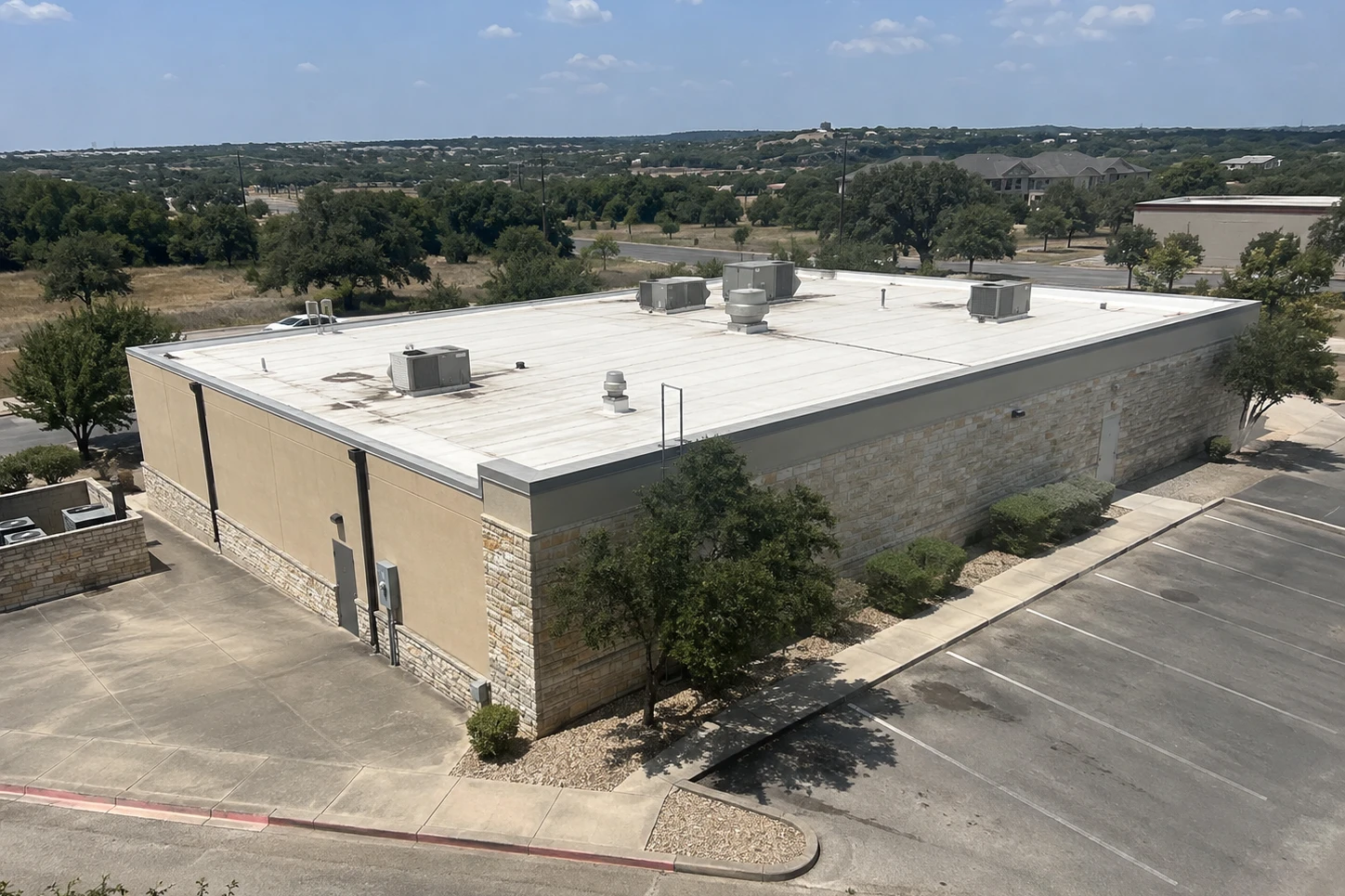
One Campus, Many Roofs

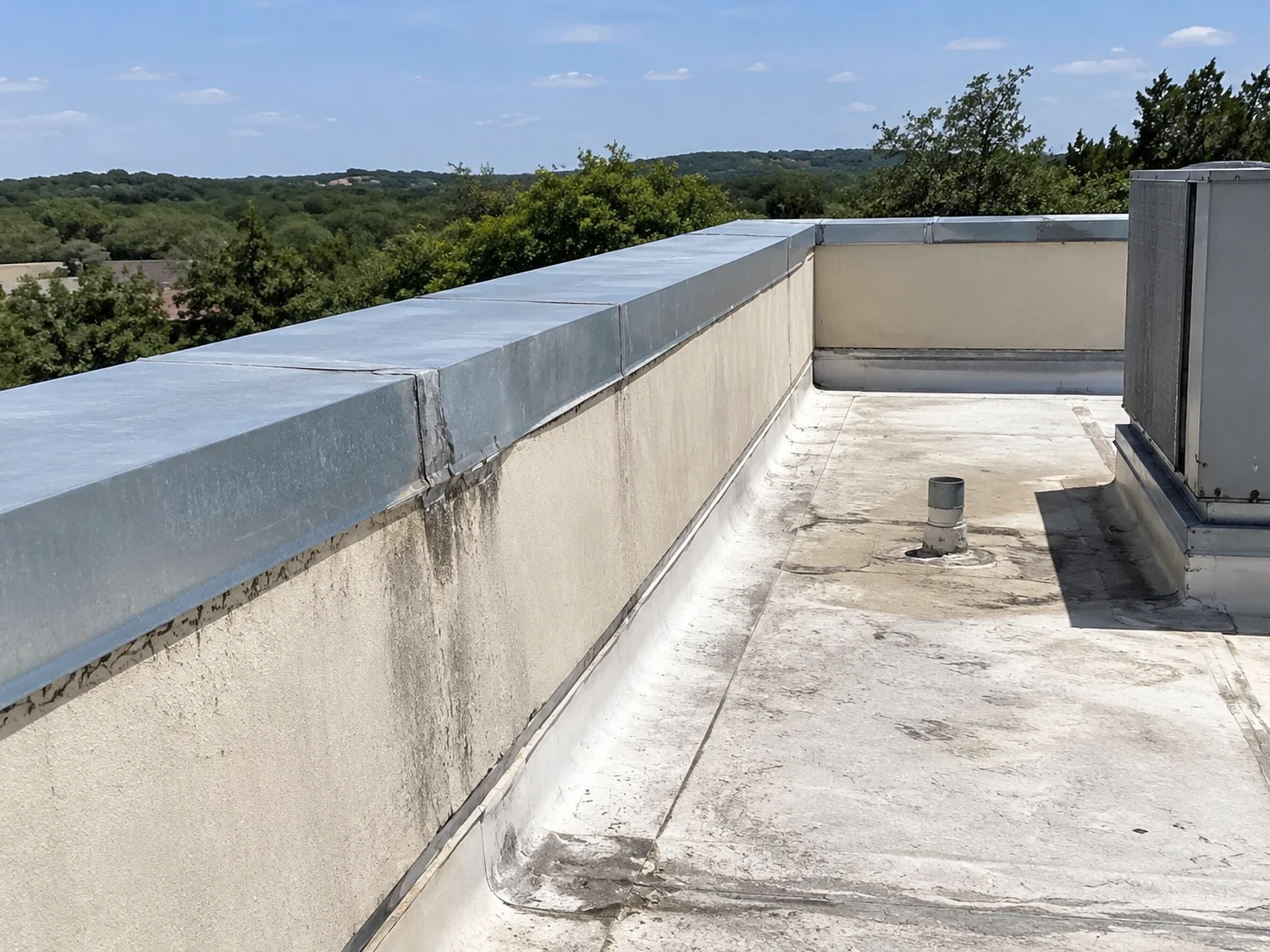
We start by splitting each campus into roof sections and giving every section its own record: system type, approximate age, drainage layout, penetrations and any repair history the district has on file. A gym or cafeteria span tends to be a different assembly from a classroom wing, and an addition from a later bond cycle may sit beside an original block with a decade or more between them. Treating the campus as one roof hides exactly the differences that decide the order of work.

The record that results is a campus map with colored sections and a short note on each. Directors use it to see which sections are earning their keep, which are carrying repairs and which belong in the replacement queue. A roof condition report for a school group is built from this map, with photographs tied to locations so a board can follow the reasoning.

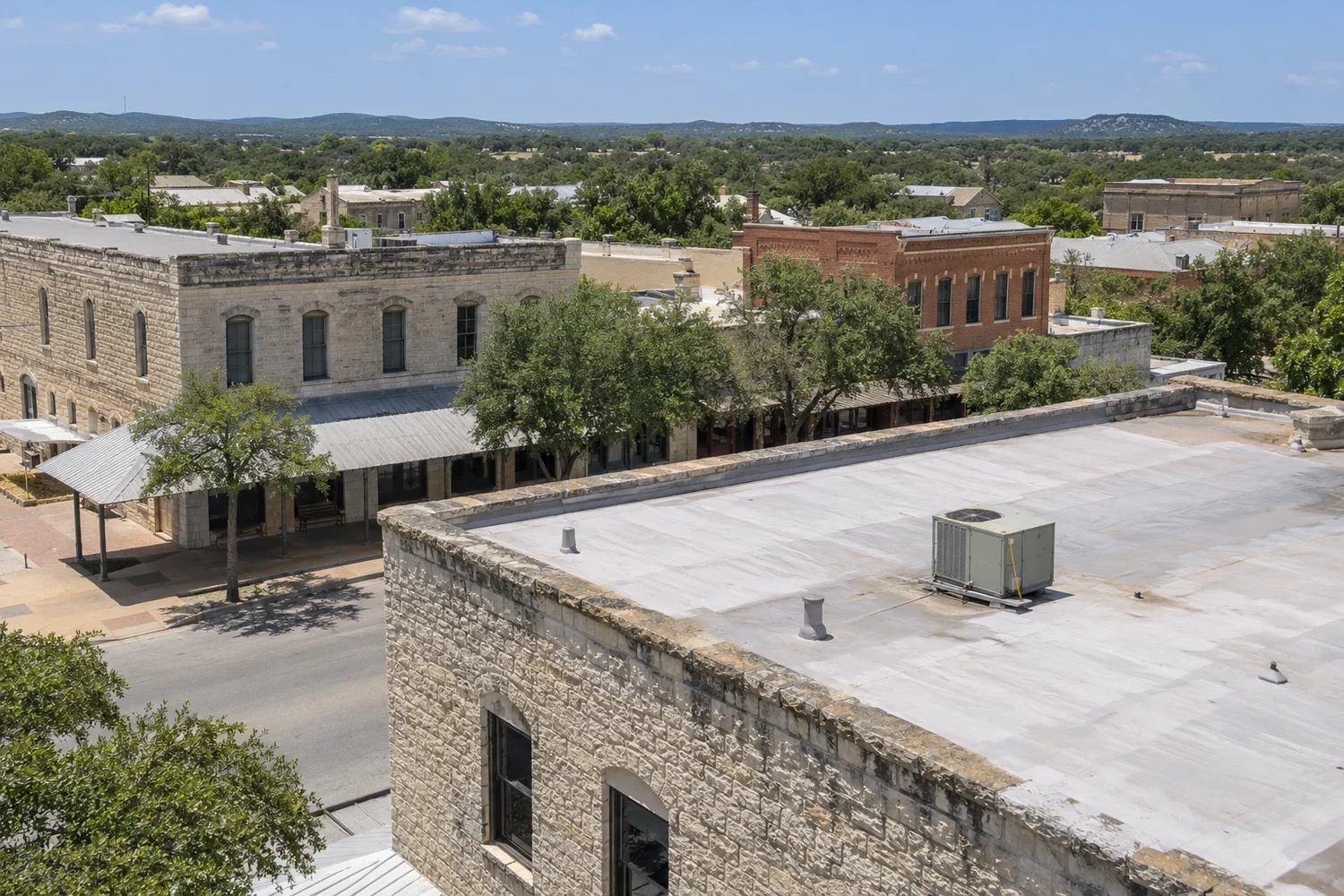
A district with buildings near the downtown square can keep one record format across all of them. The same section-by-section map works for college and university roofing, which makes comparing a school roof with a campus roof a matter of reading two pages of the same layout.

School Roofing
School Roofing

After the May 2024 Storm

At Johnson City on May 9, 2024, hail was reported at up to six inches across, and San Marcos was next in the storm's path. A tornado warning covered downtown San Marcos that evening, and San Marcos CISD delayed school so staff could inspect buildings for damage. That response is worth copying as a habit: inspect before occupancy, from the ground and the roof.

A regional storm is context, not proof that any one deck was hit. The right follow-up is a walk that records bruised areas, tests wet ones and separates storm damage from age. A hail damage roof repair scope for a school lists each affected section so the district and its insurer read the same document.

Work Fits the Calendar

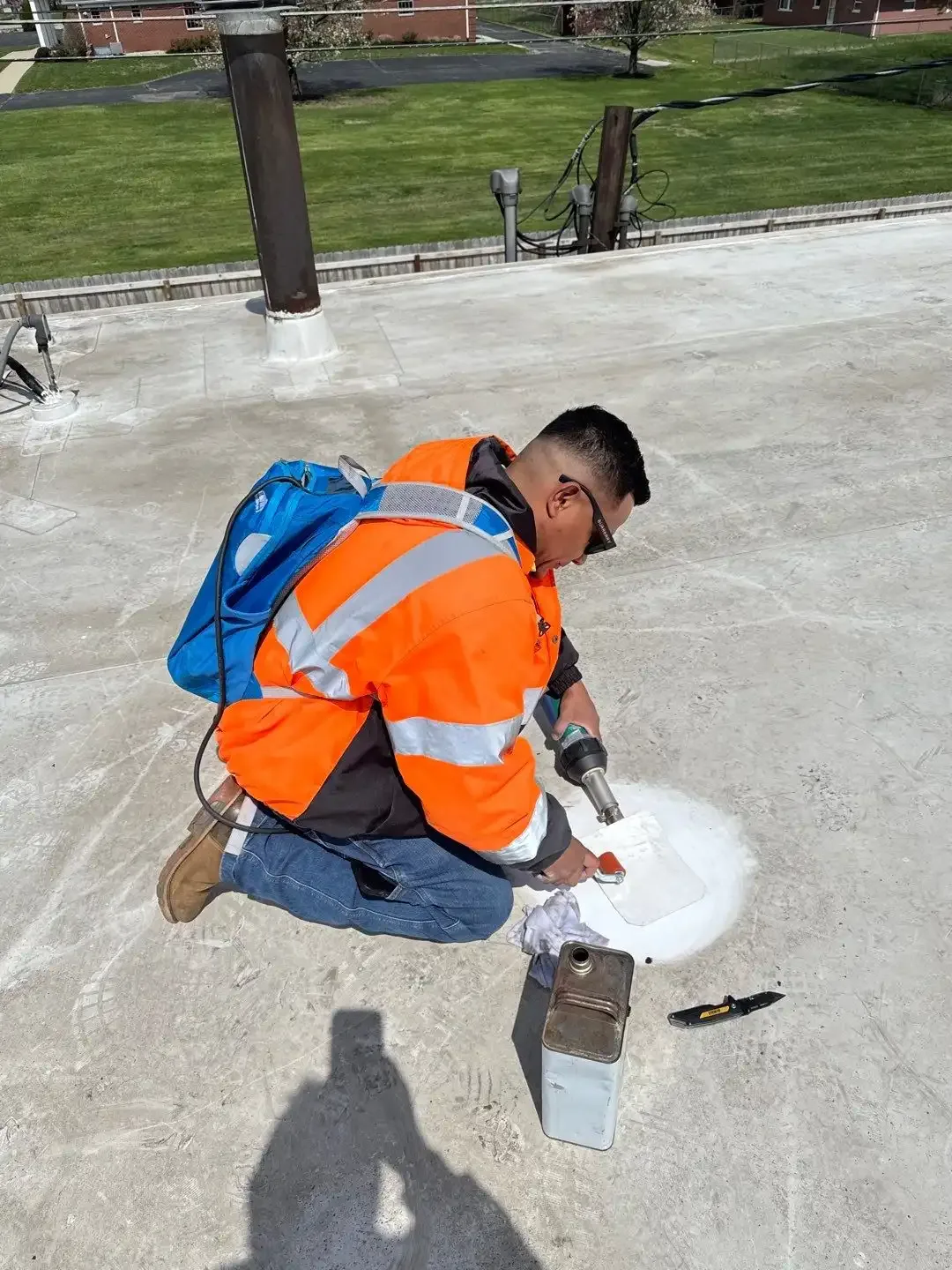
Summer is the long window, and large tear-off belongs in it: students are out, noise and dust matter less and crews can set up staging without sharing a drop-off lane. During the term, we confine work to repairs that stay on the roof side, keep material away from play areas and entrances, and avoid air intakes. The written plan names noise hours, the route crews use and the person who can stop work.

An occupied building reroofing plan carries the same logic into the school year for smaller jobs, such as a gym section that cannot wait for June. Where a district wants to spread cost, the replacement queue can be phased over several summers, one campus or one building class at a time.

Access is the other half of the schedule. Bus loops, pickup lines and fire lanes decide where a lift and a dumpster can stand, and a covered walkway can be the only clear route between a staging area and a roof. We walk those routes with the facilities lead before the plan is written, mark where debris nets go over entries and agree on the hour the site is handed back clean each day. A magnet sweep of drives and play surfaces closes every shift.

What Wears First on Campus Roofs

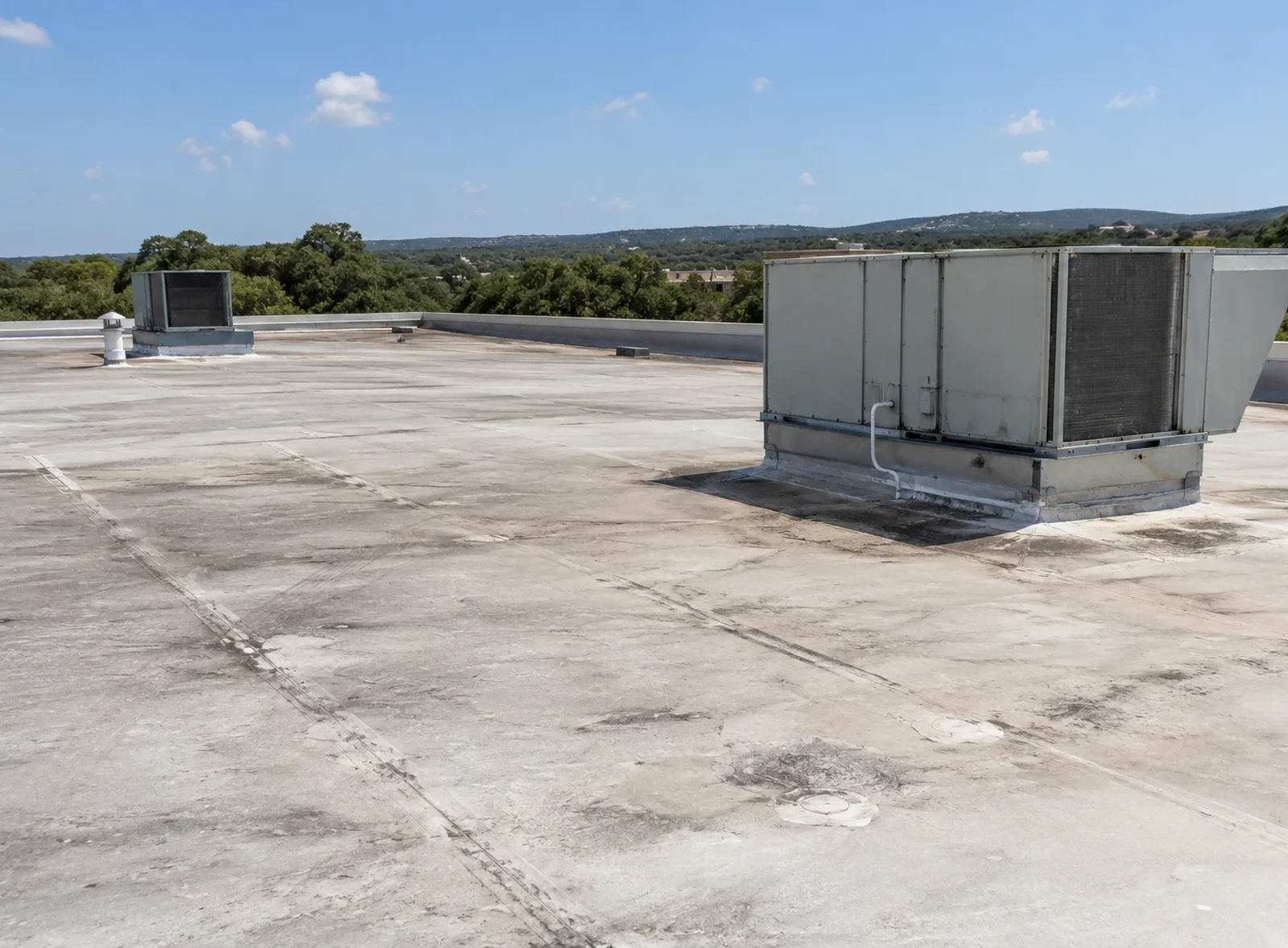
On school roofs the early failures cluster at details: rooftop units on curbs, kitchen and gym exhaust, parapet caps, scupper lines and the flashing where a covered walkway meets a main wall. San Marcos has about 36.55 inches of rain a year, hot, humid summers and effectively no snow, so water management and heat cycling do most of the damage. August highs near 98 F at Camp Mabry in Austin set the sustained summer heat that works seams and sealants.

Drainage deserves its own pass. A roof drain and scupper check before each school year costs little against a flooded classroom, and it catches debris from trees and playground activity before the first heavy rain.

Tenant turnover is not a concern on a campus, but program changes are: a wing converted to labs, a kitchen enlarged, a gym given new air handling. Each change adds a penetration or moves load, and the roof record should show it. We update the section note when equipment is added, so the next walk compares against the current layout and not against the original drawings.

School Roofing

Rank the Queue, Then Fund It

A district gets a ranked list that puts each section in replace, repair or watch, with a price and a reason. San Marcos reviews roof scopes against the 2021 building code and the 2021 energy conservation code. The board sees what the roof costs and what the code adds.

A roof capital planning report turns the ranking into dollars by budget year, and a school district program keeps the paperwork, warranty status and photographs in one file. Districts that also manage public buildings near the Hays County Courthouse can use the same layout for government building roofing.

Commercial Roofing Questions

Which school roof sections should be inspected first?

Start with the oldest sections and the ones carrying the most rooftop equipment, since those combine age with the most penetrations. Gym and cafeteria spans come next because their repairs are hardest to schedule. The first walk sorts every section into replace, repair or watch.

Can repairs happen while classes are in session?

Small repairs can, as long as work stays on the roof, material stays away from entrances and play areas and air intakes are protected. Tear-off and recover waits for summer. The plan names the noise hours and the person who can stop the crew.

How does a district budget for several campuses?

Sort every roof section into a queue ranked by remaining service, attach a price to each and spread the replacements across budget years. Repairs on watch sections keep them in service until their turn. A capital plan shows the whole sequence on one page.

What did the 2024 storm change for school roofs?

It reminded districts to inspect before reoccupying. Hail reported up to six inches across in Johnson City, a tornado warning for downtown and a school delay for building checks all followed the same storm. A roof walk after any such event separates real damage from age.

Do school roofs need different materials than other buildings?

The membranes are the same families used elsewhere, such as TPO, PVC, EPDM and modified bitumen. The difference is the process: noise limits, safe routes, fume control and the records a district keeps. Material choice follows the roof's slope, drainage and expected life.

Send the campus building list

Send the building list and any past roof reports. We will sort the sections into replace, repair and watch groups before the next budget year.

Request a Roof Assessment

Related Roofing Work

ServicesRoof SystemsIndustriesProperty TypesService AreasRoof Damage RepairCapabilitiesManufacturersAboutContactRequest a Roof Assessment555-555-5555
Call555-555-5555