555-555-5555

Metal Roof Retrofit and Restoration

Exposed-fastener metal is the roof of the working building class: warehouses, workshops, light industrial space, storage and agricultural-style structures, the kind of building owners also hold in the towns around San Marcos, TX. The one thing that class does to a roof is leave it alone for years, and the owner's budget year arrives with a roof whose screws have backed out, whose washers have cracked and whose laps have started to drip. A retrofit is the set of options for that moment: fix the fasteners, seal and coat the panels, or add a new roof over the old one.

An exposed-fastener roof is formed from ribbed steel panels screwed through their faces into the purlins beneath, with a rubber washer under each screw head. The washers are the weak link, and most of what we do on these roofs is deal with them.
What the system is

Panels lap side to side with a bead of sealant tape in the lap and screws through the high or low rib. Trim covers the ridge, eaves and gables. The panels sit on purlins, which are the horizontal supports, and below them there may be insulation draped over the framing, a liner or nothing at all. The structure is light and the installation is quick, which explains why owners of working buildings choose it.

The same speed brings trade-offs. Every screw is a hole, and every hole depends on a washer. The panels expand and contract with heat, and the screws flex with them, which loosens the hole over time. A roof with thousands of screws has thousands of places to watch.

Insulation, where it exists, is the part owners forget. Blanket insulation draped over purlins traps water if a screw leaks, and a stained or sagging blanket is the first visible sign from inside. Condensation is the other source: warm moist air meeting a cold steel underside produces drips that look like leaks. We separate the two by time of day, by weather and by moisture readings at the underside.

Metal Roof Retrofit and Restoration

What wears first

Washers harden and crack under sun, leaving a gap beside the screw. Screws back out because the purlin flexes or the hole has enlarged. Lap sealant dries and opens. Panels rust at cut edges and where scratches expose the steel. Trim fasteners fail at the ridge and gables.

Heat drives the cycle. August highs average near 98 F at Austin Camp Mabry, and a steel panel in direct sun runs hotter than the air. Dust and rain loosen the surface, and a roof that looks fine from the ground can leak at every fifth screw. We walk the panels rib by rib, marking loose and missing fasteners and failed laps on a roof plan.

Rust spreads in a predictable way. It starts at cut edges, at scratches and at the washers of leaking screws, then moves along the rib. Early rust can be wire-brushed, treated and coated. Advanced rust eats through the panel, and the only fix is a new panel. We photograph each rusted area and measure how much of the panel is affected, since the percentage of affected area decides between spot repair and replacement.

Hail, wind and corrosion

Hail dents ribbed panels and can break the coating at the crest of a rib, where corrosion starts. The May 9, 2024 storm put hail up to six inches across in Johnson City and strong winds in northwest San Marcos. That is context for the region, not a finding about any roof. We check dented panels for cracked coating and for fastener pull-through.

Wind loosens fasteners, particularly at the eave, ridge and gable where uplift is highest. A fastener pull test shows whether the screws still hold in the purlin. If they do not, the repair is a larger screw or a new purlin, not another application of sealant.

Gutters, flashings and trim take the same blows. Dented gutters hold water, and displaced trim opens a path behind the panel. The leak repair that follows storms begins at those details, then moves to the field. Because the field is mostly fasteners, a leak search means looking at screw lines.

Repair, restore or recover

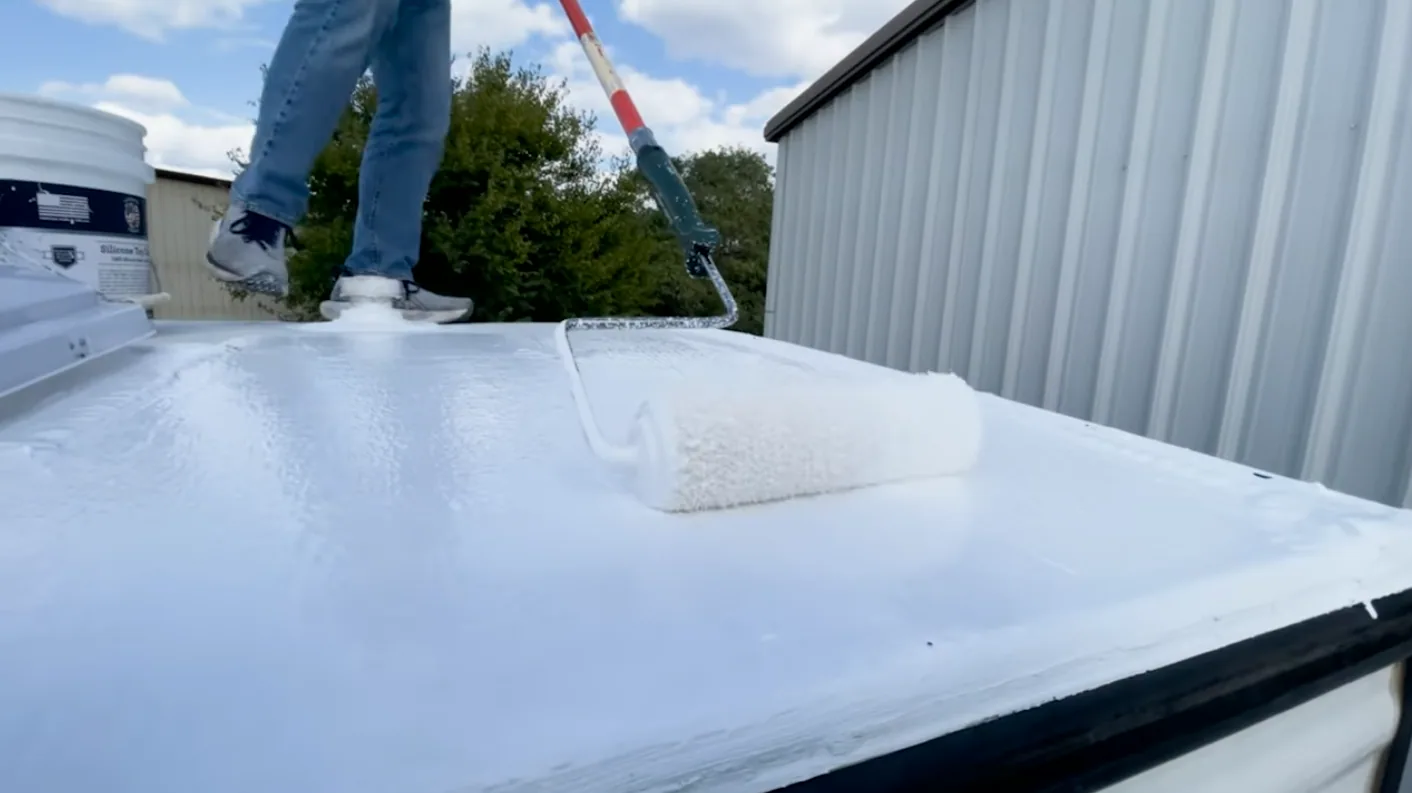
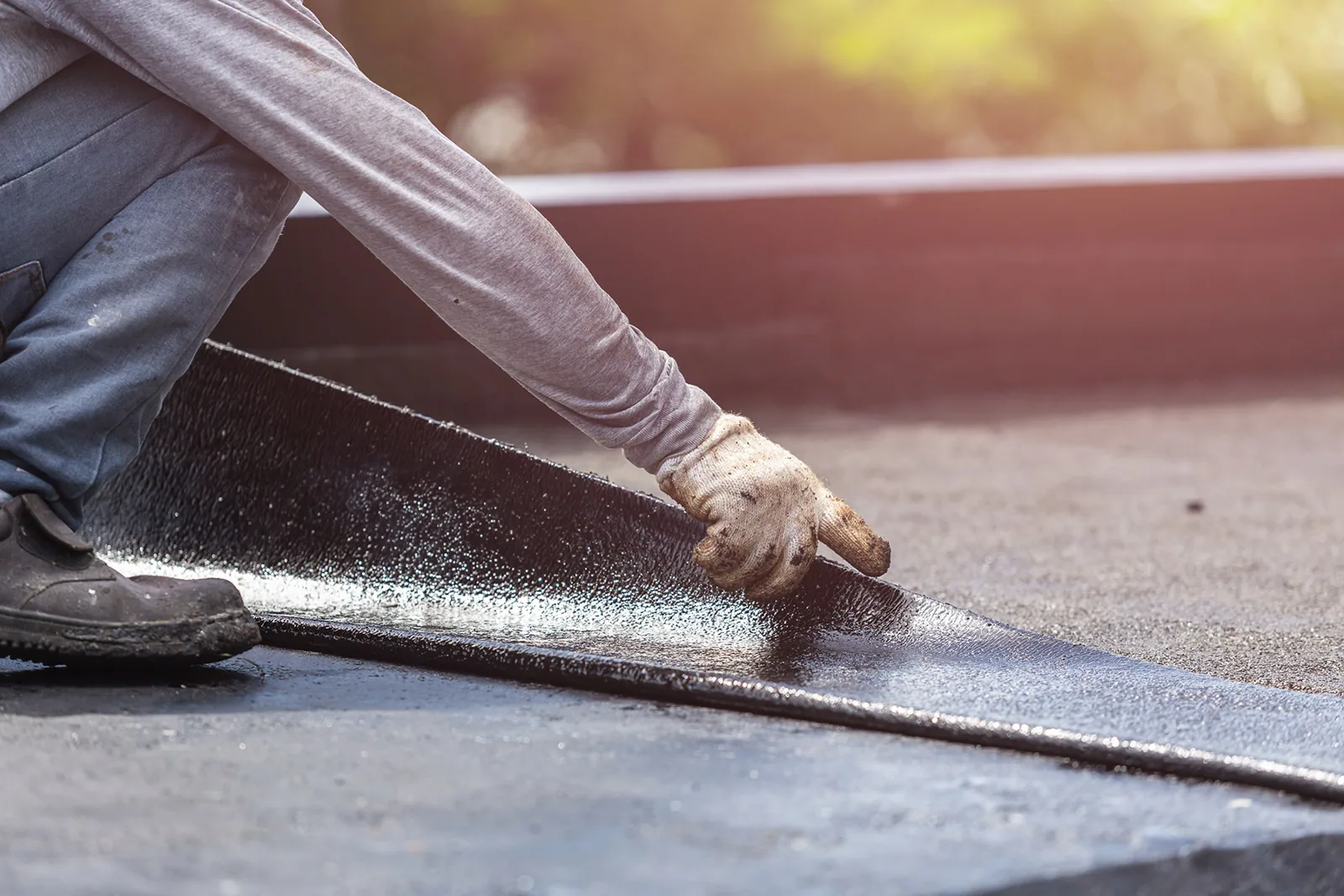
Three paths exist. Maintenance means replacing failed screws and washers with larger, better fasteners, resealing laps and trims, and recording the work. Restoration means cleaning the panels, repairing rust and applying a coating, usually silicone or acrylic, after an adhesion test. A retrofit means installing new framing and a new metal roof over the old one, often a standing seam system, without tearing off the old panels.

The best choice depends on rust, structure, insulation and the owner's plans. A roof with widespread corrosion or sagging purlins is a candidate for removal, while a sound roof with failed fasteners may be restored for a fraction of the cost of a new one. Roof coating restoration is the common middle path.

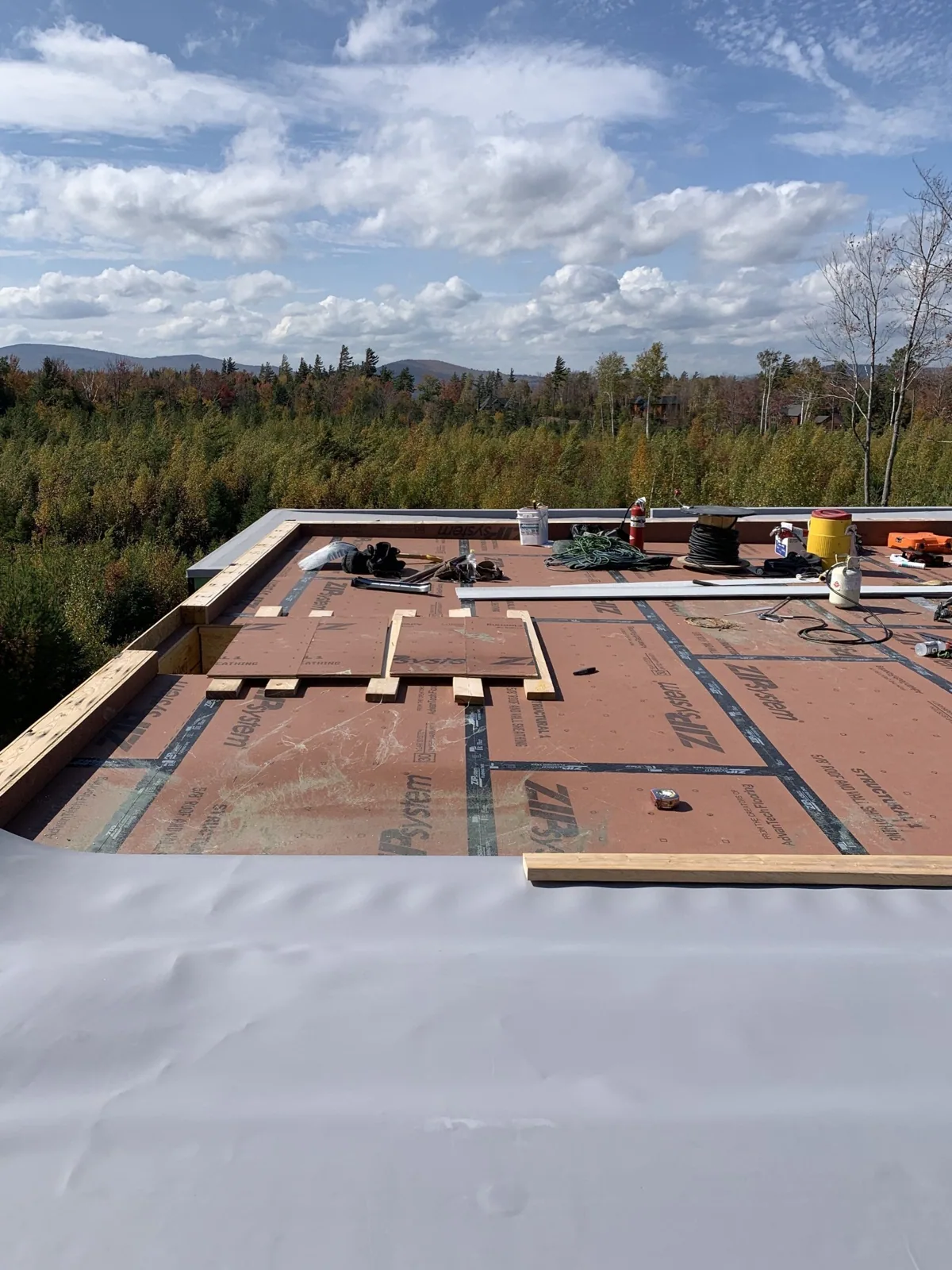
Retrofit design adds a few constraints. The new framing, often called sub-purlins or a framing system, must attach to the existing structure without creating thermal bridges, and the new insulation must handle moisture trapped between the old and new roofs. The structure needs a check for added load. When these are done, the building stays in use through the project, since the old roof remains as a working surface until the new one is closed in.

Metal Roof Retrofit and Restoration

Where it fits here

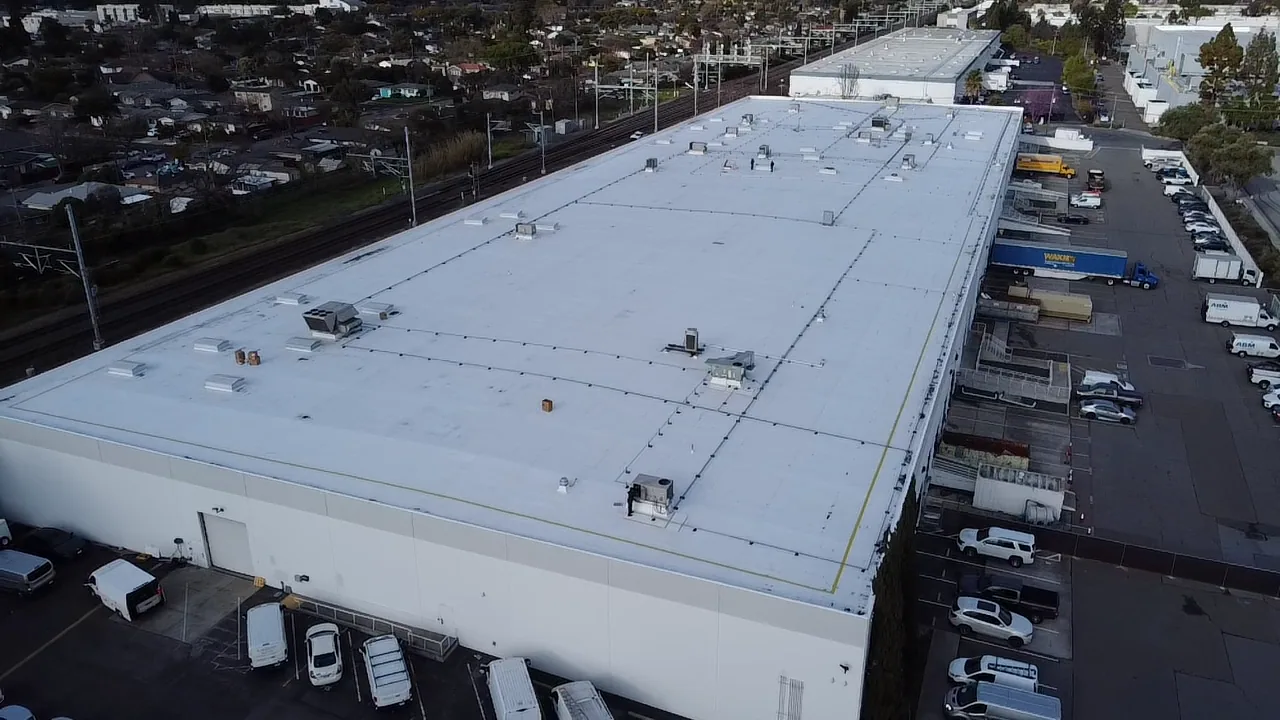
Owners of working buildings in the towns around San Marcos meet this roof type often enough to plan for it. Lockhart, the Caldwell County seat, grew as a shipping center for cattle, cotton and poultry processing, and Maxwell once had a manufacturing and supply company as its major employer, so storage, shop and light industrial space is part of those inventories, as it is in Buda and Kyle. A warehouse roof that leaks over stored goods raises the stakes, since the loss is the inventory, not just the building.

For each building, we mark the roof type, panel profile and insulation condition on a plan, so a later contractor does not have to guess.

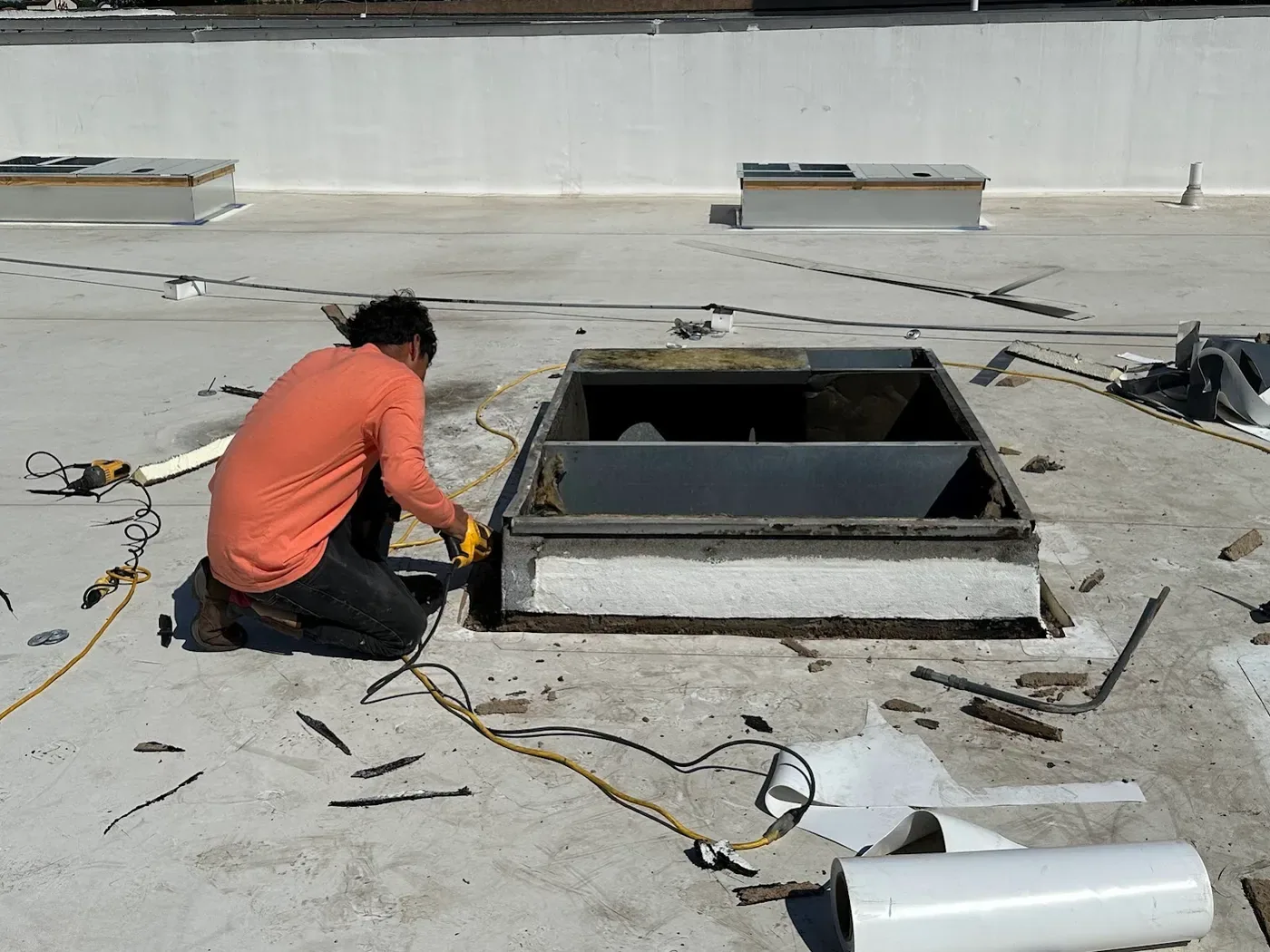
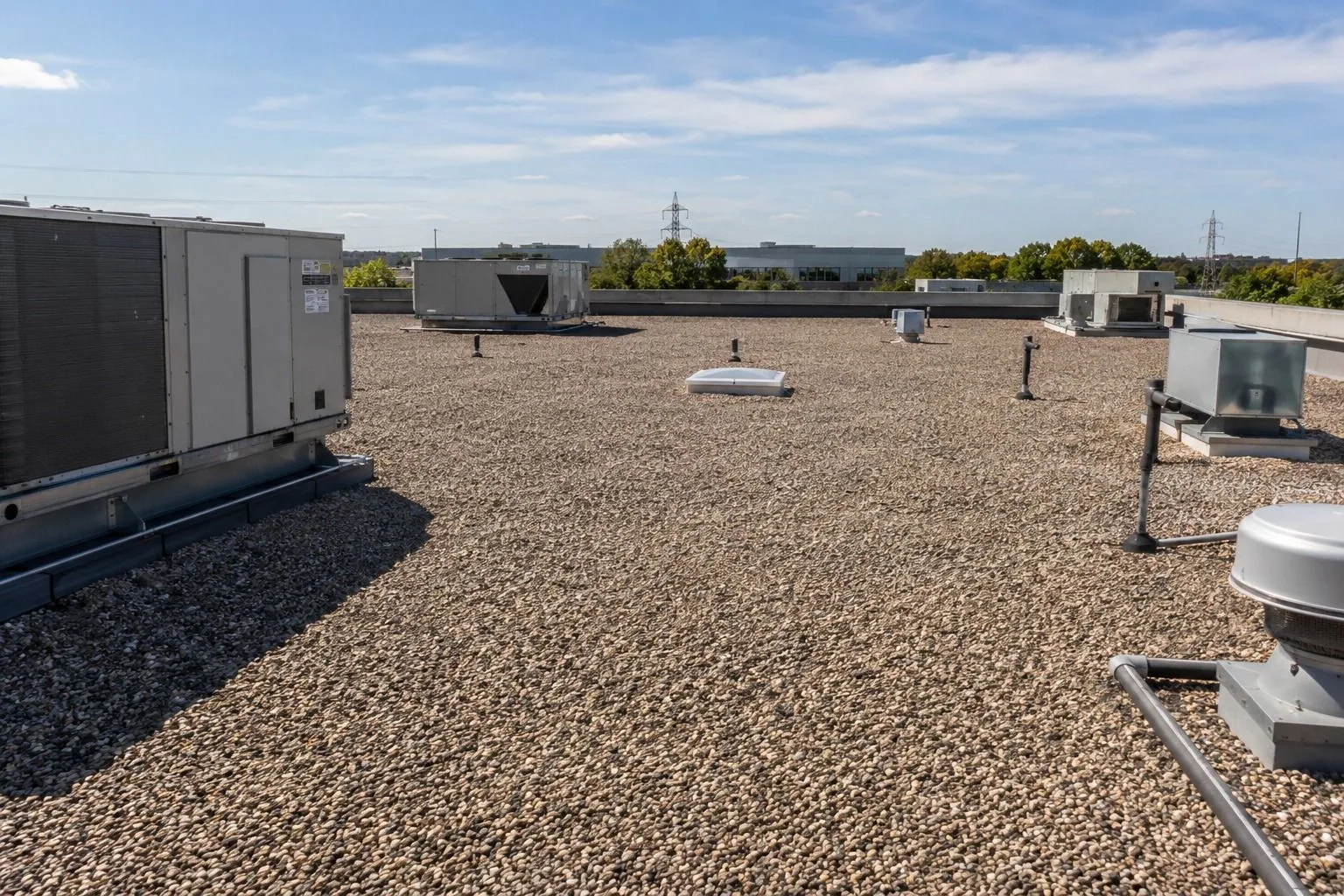
Equipment on these roofs, such as exhaust fans and skylight panels, adds penetrations that need curbs and flashings suited to ribbed panels, and we confirm each one before anything is sealed.

Metal Roof Retrofit and Restoration

The budget-year decision

The result is a ranked queue. Rust, sagging purlins, wet insulation and widespread fastener failure push a roof up; sound panels, tight laps and tested fasteners hold it down. Costs depend on roof area, access, number of fasteners, coating or panel choice, and building use. We price after the walk and schedule around operations.

Deferred areas are listed too. A section with sound panels and a few loose screws can wait a year if it is re-screwed now, and the note on the plan says what to recheck after the next hard storm. That kind of sequencing keeps the capital dollars on the sections that cannot wait.

Commercial Roofing Questions

Why do exposed-fastener roofs leak at screws?

Washers harden and screws back out as panels move with heat. Each screw hole then lets water in.

Can I just add sealant on top of the screws?

That is a short fix. Replacing the fastener with a larger one and a fresh washer lasts longer.

When is a coating the right choice?

When panels are structurally sound and rust is limited. An adhesion test comes first.

What is a retrofit?

New framing and panels installed over the old roof, so the building stays in use during the work.

Do I need an engineer for a retrofit?

Often, since the added load and attachment must be checked against the structure.

Send the building list

Send the building list and any past reports, and we will sort the roofs into replace, repair and watch groups before your next budget year.

Request a Roof Assessment

Related Roofing Work

ServicesRoof SystemsIndustriesProperty TypesService AreasRoof Damage RepairCapabilitiesManufacturersAboutContactRequest a Roof Assessment555-555-5555
Call555-555-5555