555-555-5555

Lockhart

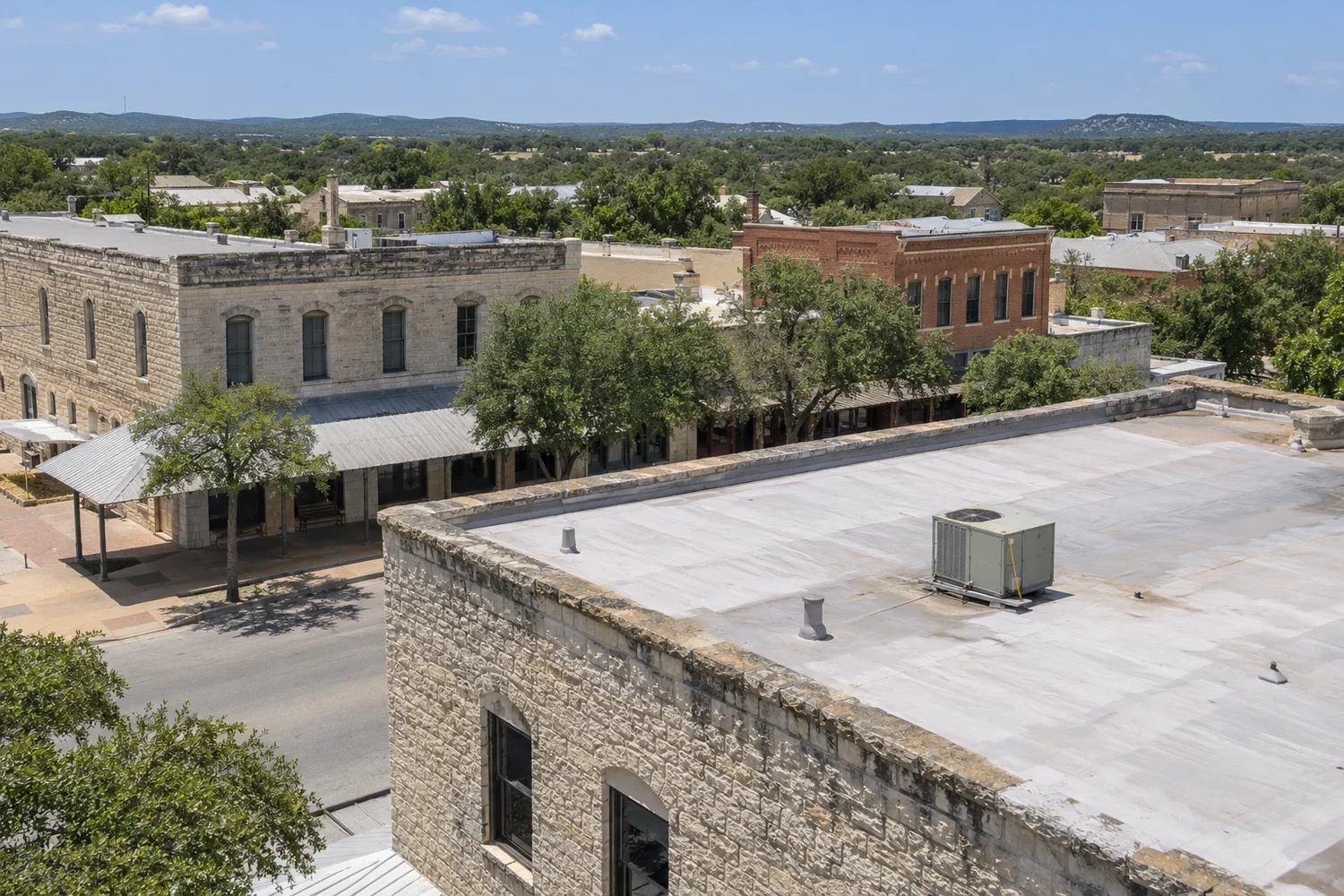
The county-seat building class is a roof problem with a long memory: courthouse, bank, office and storefront buildings around a town square, with masonry walls, parapets, cornices and flat roofs hidden behind them. Lockhart is the Caldwell County seat, about 30 miles south of Austin on US 183, with 14,379 residents in 2020. The Caldwell County Courthouse is a historic landmark on the town square, and the First Lockhart National Bank building stands across from it. For an owner around a square, the roof decides whether a historic building stays occupied and whether the next budget year brings a repair or an emergency. We walk each roof and grade it on its own terms.
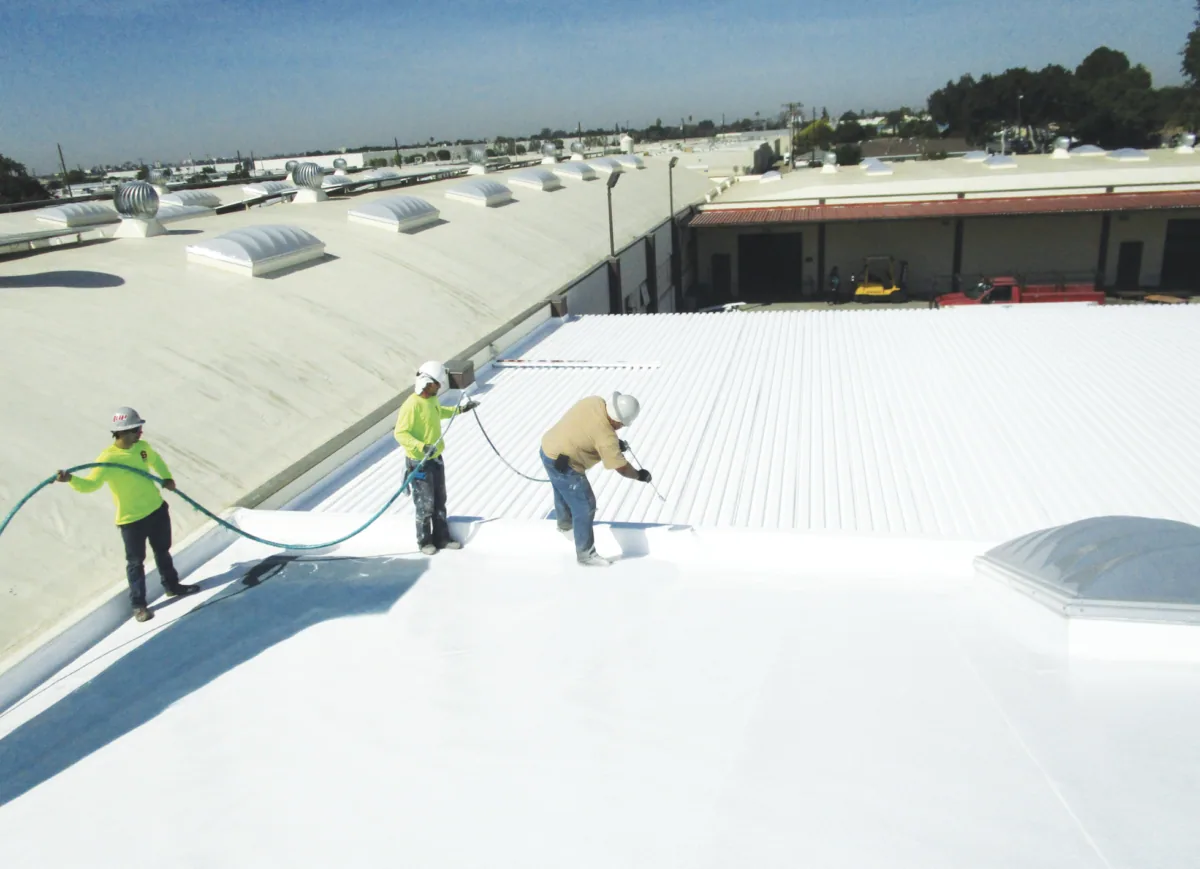
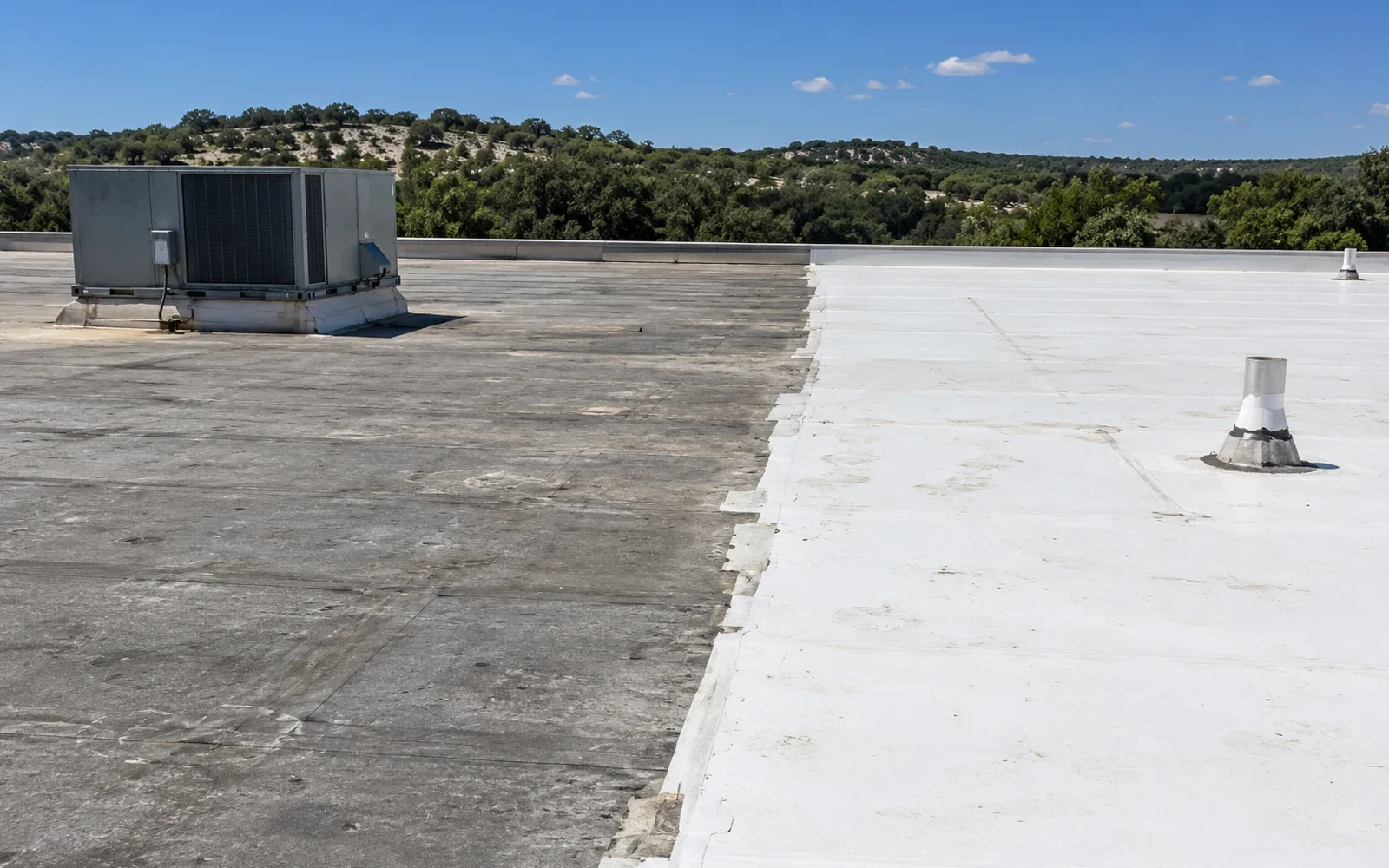
Roofs around the square

Buildings on a historic square often share walls, parapets and drainage paths. A roof over one storefront often drains toward the next, and water that leaves a failed scupper can land on a neighbor's wall. The party wall flashing, where two roofs meet at a shared parapet, is a frequent leak source because it is nobody's single responsibility. We check the cap or coping, the counterflashing, the base flashing and each scupper. Where a roof is out of reach from the street, a drone inspection shows the condition without scaffolding. We then walk the roof and confirm what the images suggest. The owner gets photographs and a grade for the roof, and a note about any shared element that needs a neighbor's cooperation.

Drainage on a square is also a street matter. A scupper that discharges at sidewalk height can soak pedestrians and stain the wall below, and a downspout tied into a failed underground line can back up into the roof. We trace each discharge point, confirm it reaches a proper outlet and note where a neighboring property needs to agree to a change. A drain fixed on one roof and not on the next solves half the problem.

Lockhart
Lockhart

Historic fabric and what repairs can touch

A historic landmark brings rules and care. Cornices, copings, parapet caps and decorative metal are part of the building's character, and replacing them with plain trim changes its look. Repairs on historic buildings aim to keep what is original where it is sound and to match what must be replaced. Flashing is set into the masonry with proper reglets, mortar joints are repointed before counterflashing is set and sheet metal is formed to the original profile. We work with the owner and, where required, with the review process that governs the building. The approach used around the Downtown San Marcos Square carries over to a square in Lockhart.

Records matter more on a landmark. We photograph every element before work begins, mark what is original and what has been replaced in the past and keep a log of materials used. If the building is later reviewed for a grant, a tax measure or a sale, the log shows the work was done with care. Cost drivers on historic work are access, masonry repair, sheet metal fabrication, hoisting and the time needed to match profiles.

Shipping-era buildings and warehouse roofs

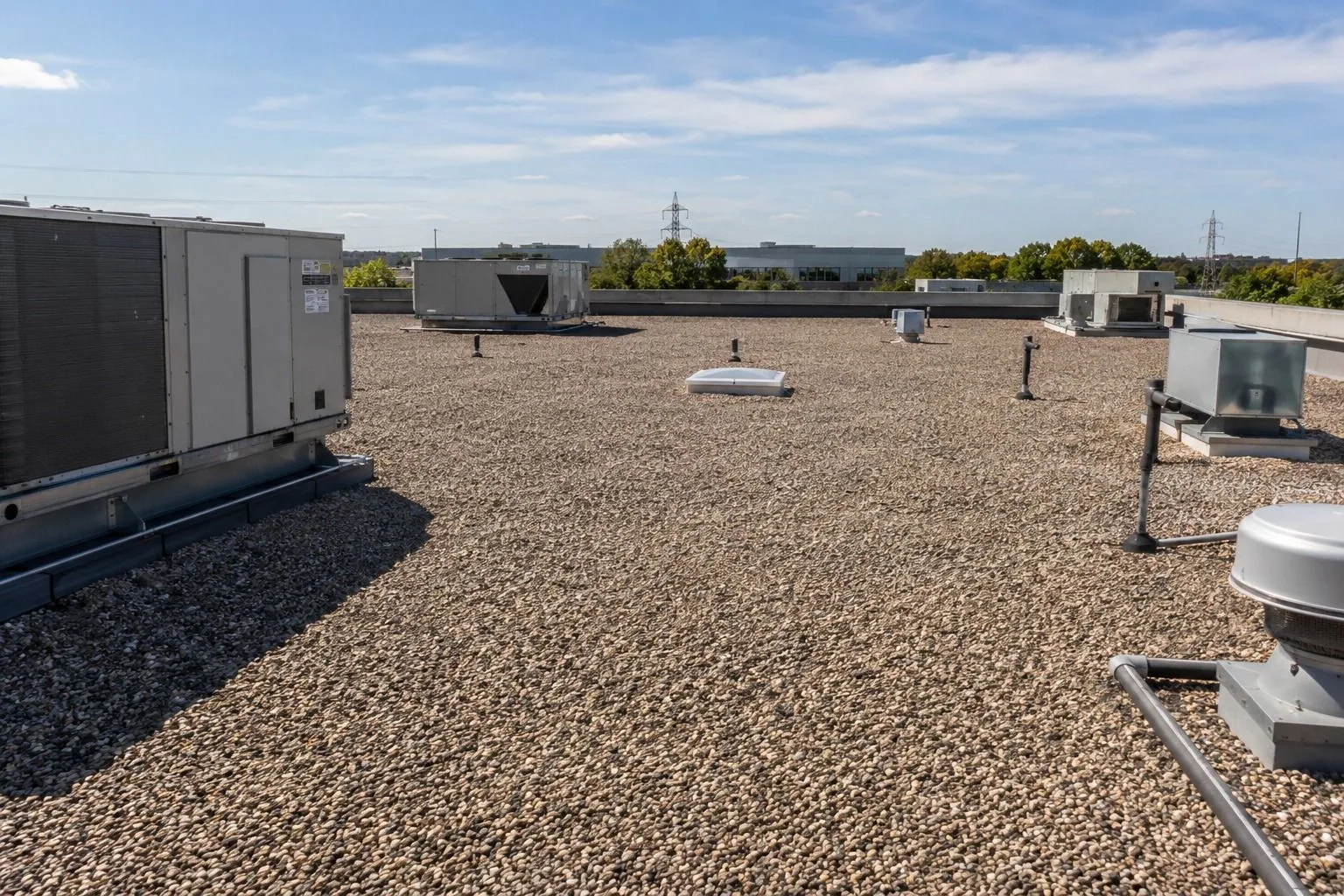
Railroad arrival in 1887 made Lockhart a regional shipping center, with cattle, cotton, corn, wheat and poultry processing central to its economy. A town with that history may hold older commercial and storage buildings, and the roof of any such building is worth a careful look. If an owner has one, the roof questions are familiar: a wide, low-slope or lightly pitched roof, an aging deck, skylights or vents added over the years and a drainage system that may rely on a few outlets. A warehouse roof of that kind gets the drain check first, then the seams and the edges, then a core to see what lies below.

Agricultural-era buildings often carry vents and monitors for grain, feed or product handling. Those openings are some of the oldest leaks on a roof, and abandoned ones are the worst. We cap or remove unused vents, replace failed gaskets on those in use and check any curb that supports a fan. Dust and debris from past uses can clog drains, so we flush the lines as part of the first visit.

County and government-class buildings

As the county seat, Lockhart is the kind of place where public bodies own buildings that must stay dry. A government building roof has a particular set of needs: written scopes that can be bid, a repair history that can be shown to an auditor and phasing that keeps offices and records safe. Records offices, courts and similar spaces cannot absorb a leak. We write scopes that name the existing system, the area, the deck and the flashing details, list alternates and hold unit prices for hidden conditions like wet insulation. Our roof condition reports carry the grades and photographs, so a board or a county body can read one page and act.

Lockhart

Storm context and what to check

The regional storm record applies in the Hill Country. A six-inch hail report from Johnson City opens the regional record for May 9, 2024; the storm then continued into San Marcos. That is context for owners in neighboring Caldwell County and does not prove damage to any roof in Lockhart. After any storm in the region, we check the exposed parts of a roof: parapet caps, cornice metal, skylights and the field membrane. We count hail marks in test squares and note displaced masonry. A sound historic roof with scattered storm items can often be repaired without replacement.

Lockhart

Scheduling and the budget year

Work around a square needs care for the street and the neighbors. We plan hoisting, staging and debris routes so sidewalks stay open and businesses keep customers. Roofs are sequenced by risk, with active leaks first and watch roofs on a yearly walk. An owner with property in Maxwell, about 8 miles west, or in Luling can book one route across several buildings. A recover may suit a flat roof with one dry layer, and a full replacement suits a roof with trapped moisture. What counts as code-compliant for a San Marcos roof is the 2021 International Building Code plus its energy companion, adopted by ordinance, and Lockhart's own rules are confirmed before pricing.

Planning ties it together. A yearly walk of each roof, timed before the spring storm season, keeps the grade current and the file dated. When a roof moves from watch to repair, the owner has a year of notice and a budget line. When a roof moves from repair to replace, the same file supports a bid.

Commercial Roofing Questions

How are shared parapets handled?

We flash and cap each side to the line between buildings and agree with the neighboring owner on who does what. A shared wall leak gets fixed once, from both sides.

Can a historic roof be repaired without changing its look?

Usually. We keep sound original metal and masonry in place and match what must be replaced to the original profile and finish.

What is a drone inspection good for on a square?

It shows roof condition where scaffolding or lift access is hard, and it records the parapets and cornices. We still walk the roof to confirm what the images show.

What do public owners need in a roof scope?

A clear description of the existing system, alternates, unit prices for hidden conditions and photographs. That keeps bids comparable and change orders short.

What should I send to start?

Address, roof type if known, past reports and photographs of stains, after which the roof gets walked and written up.

Send the Building List and Past Reports

Send the building list, which roofs have leaked and any past reports, and we will sort the roofs into replace, repair and watch groups before the next budget year. Use the contact form.

Request a Roof Assessment

Related Roofing Work

ServicesRoof SystemsIndustriesProperty TypesService AreasRoof Damage RepairCapabilitiesManufacturersAboutContactRequest a Roof Assessment555-555-5555
Call555-555-5555