555-555-5555

Maxwell

Two building classes frame what a facility director in Maxwell might need from a roof: the older light-industrial shell and the office or production building, since the community's history and present uses point to both. Maxwell is an unincorporated Caldwell County community at the junction of SH 142 and FM 1966, about 10 miles east of San Marcos and 8 miles west of Lockhart. Its history includes the Nagle Manufacturing and Supply Company, once the major employer, which made coat hangers there. Today Gospel Broadcasting Network films its World Video Bible School in Maxwell, and the National Hispanic Institute is headquartered there. Each roof gets walked, and the grade comes from the walk.
The older light-industrial shell

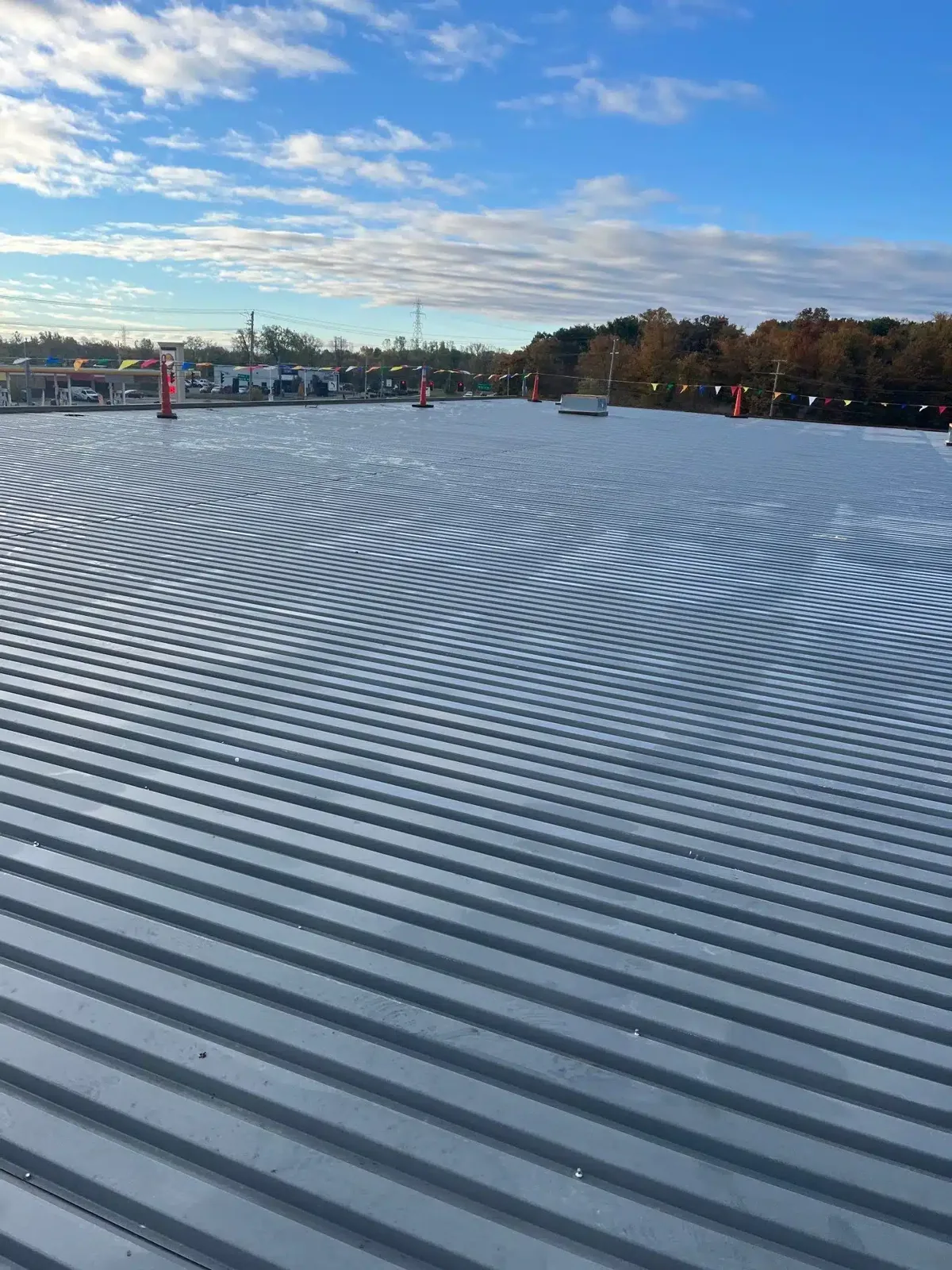
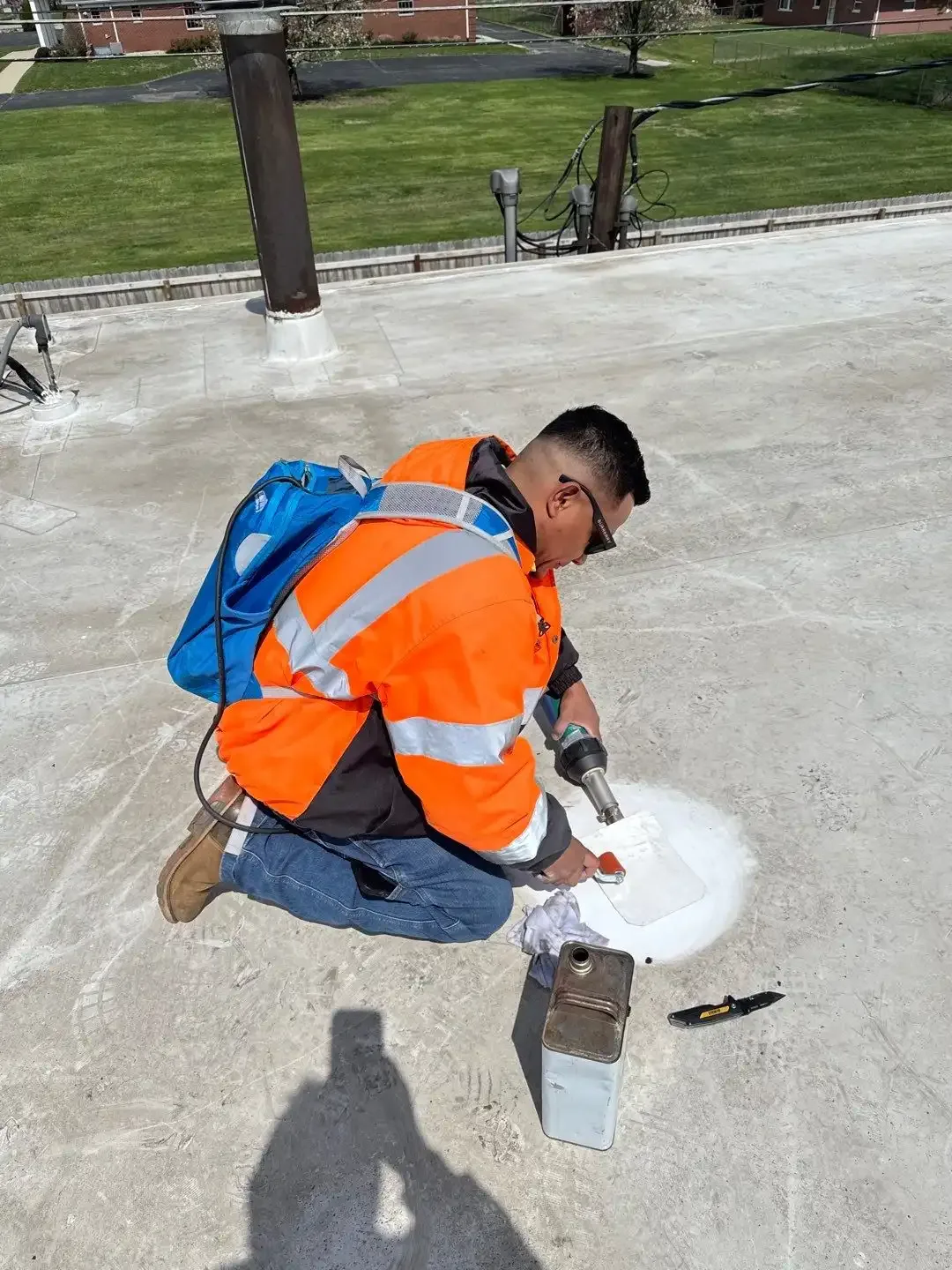
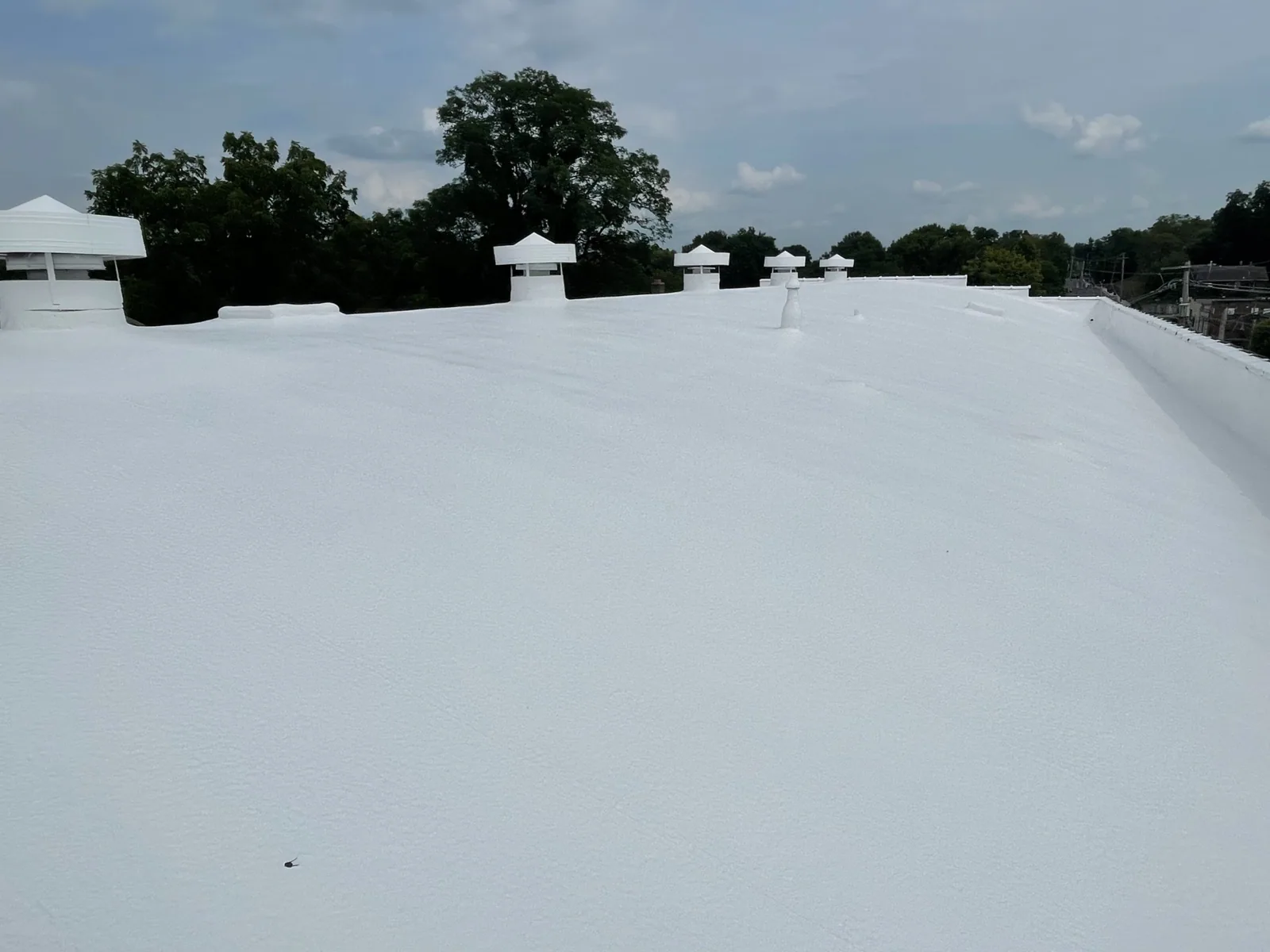
A building that once housed manufacturing tends to share a few roof features. It has a large, simple footprint, often with rooftop vents, exhaust fans, skylights or roof hatches added across decades. The roof deck may be steel or wood, the insulation may be old and the membrane may be a layered mix of repairs. Each penetration is a seal that has aged, and each layer hides the one below. On the first walk we map the penetrations, check each flashing and probe the membrane at soft spots. A core sample shows how many layers there are and whether the insulation is wet. That information is the base for deciding between repair, recover or replacement.

Fasteners and edges deserve attention on a roof of that age. A mechanically attached membrane on an old steel deck can have fasteners that have backed out, pushing small bumps through the sheet, and each bump wears on the membrane under traffic. Edge metal on an older building is often undersized by current standards, and wind finds the loose joints. We re-secure fasteners, replace failed edge runs and note where the original attachment pattern falls short, so the owner can decide whether to upgrade it during a larger project.

Maxwell
Maxwell

Office and production space in a converted building

When a factory floor becomes an office or a studio, the roof inherits new demands. Air conditioning loads rise, rooftop units are added or enlarged, and interior finishes matter in a way they did not before. Water on a ceiling tile over a workstation is a different problem from water on a concrete floor. A production space has an extra concern: noise. Roof work above a recording or filming area has to be scheduled around the sessions, and the loud steps, such as tear-off and fastening, belong in the quiet windows. We agree on a calendar with the building owner, keep a contact on site each day and keep equipment away from sound-sensitive areas.

Condensation is a second cost of conversion. A conditioned space under an older roof creates a temperature difference the old assembly was never designed for, and moisture can condense on the cold deck. The stains look like leaks. We check insulation, air sealing at the eaves and ventilation before assuming the membrane is at fault, and we point out which stains come from the weather and which come from the building's own air.

Curbs, skylights and added equipment

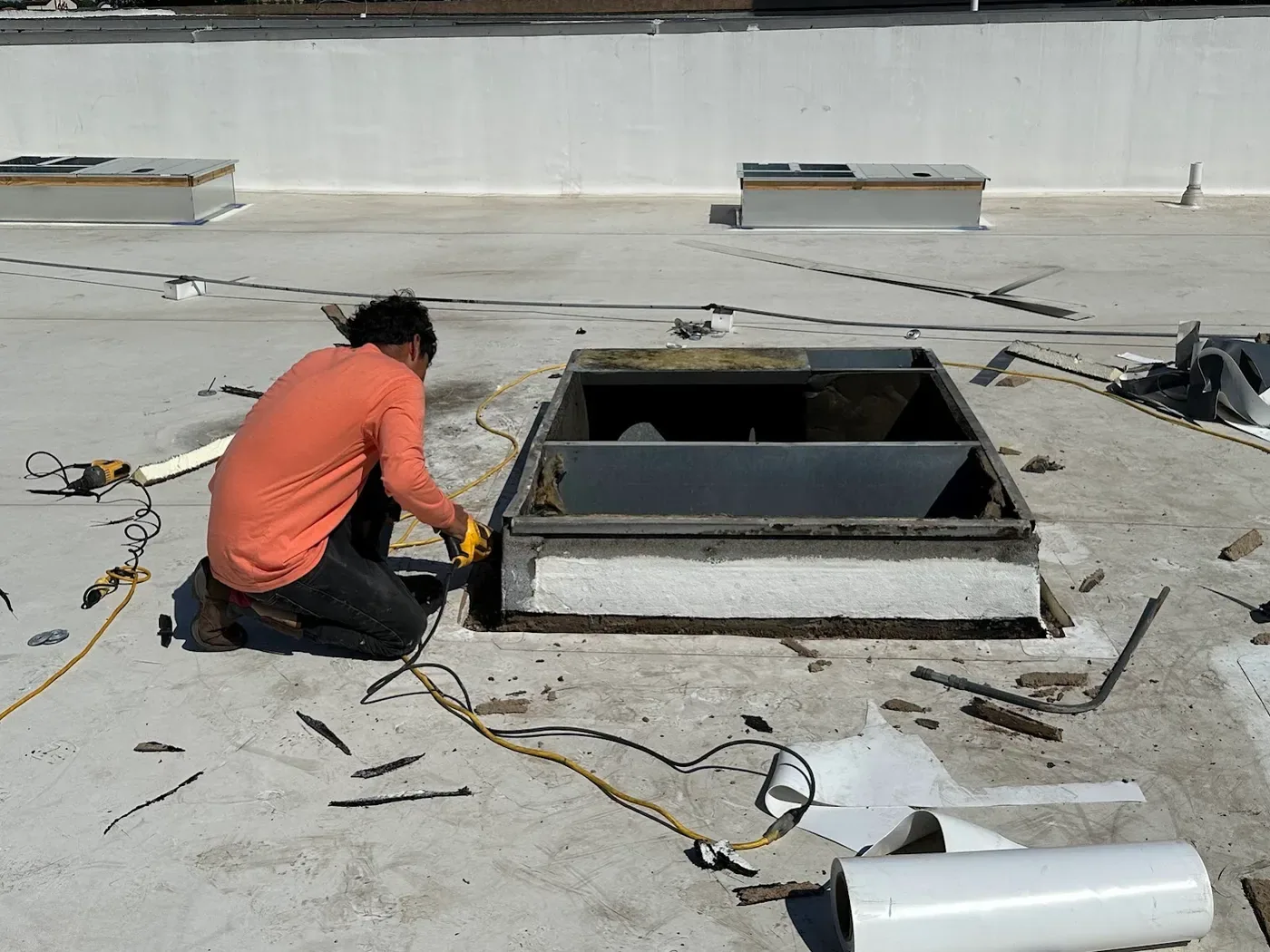
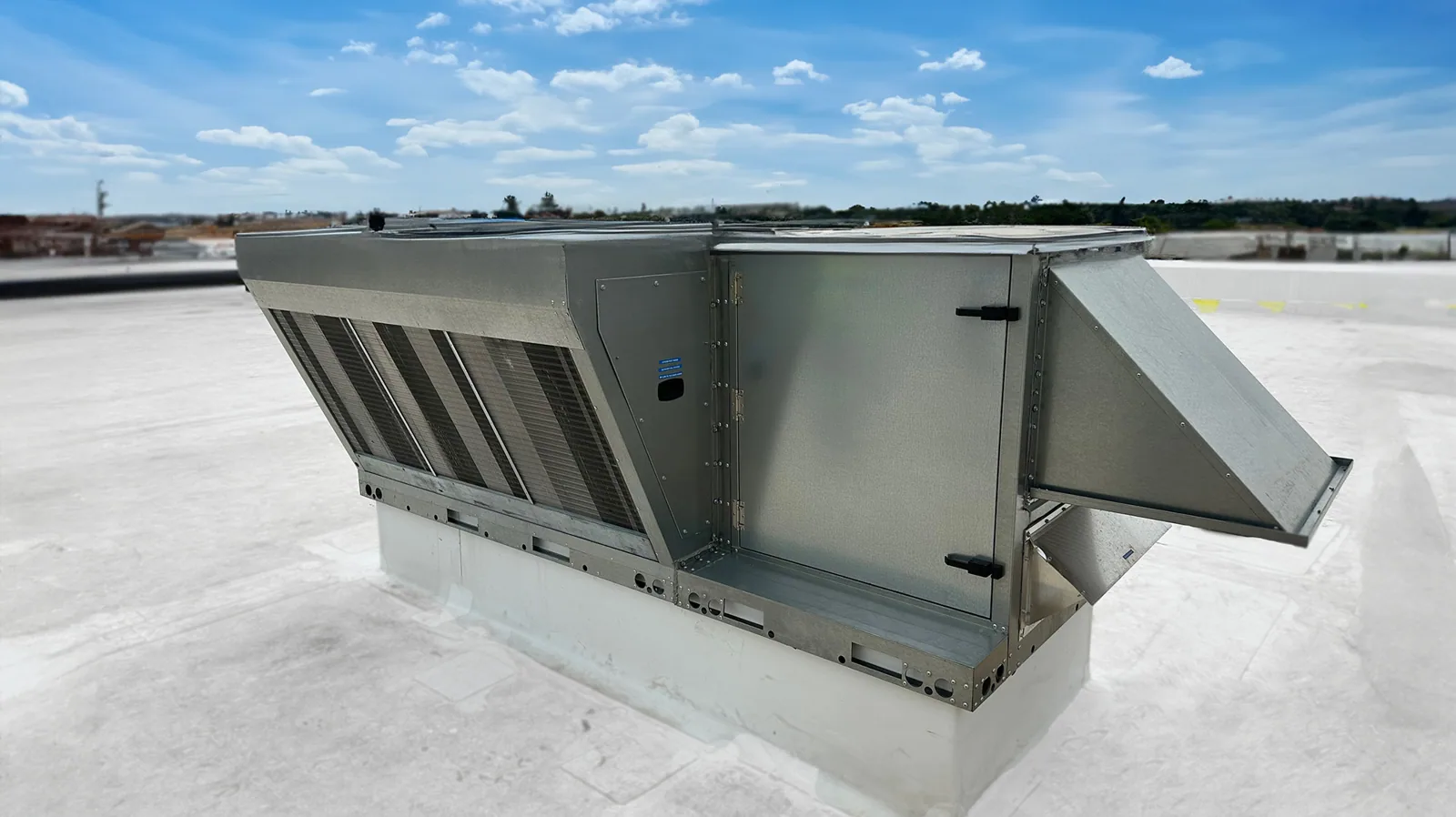
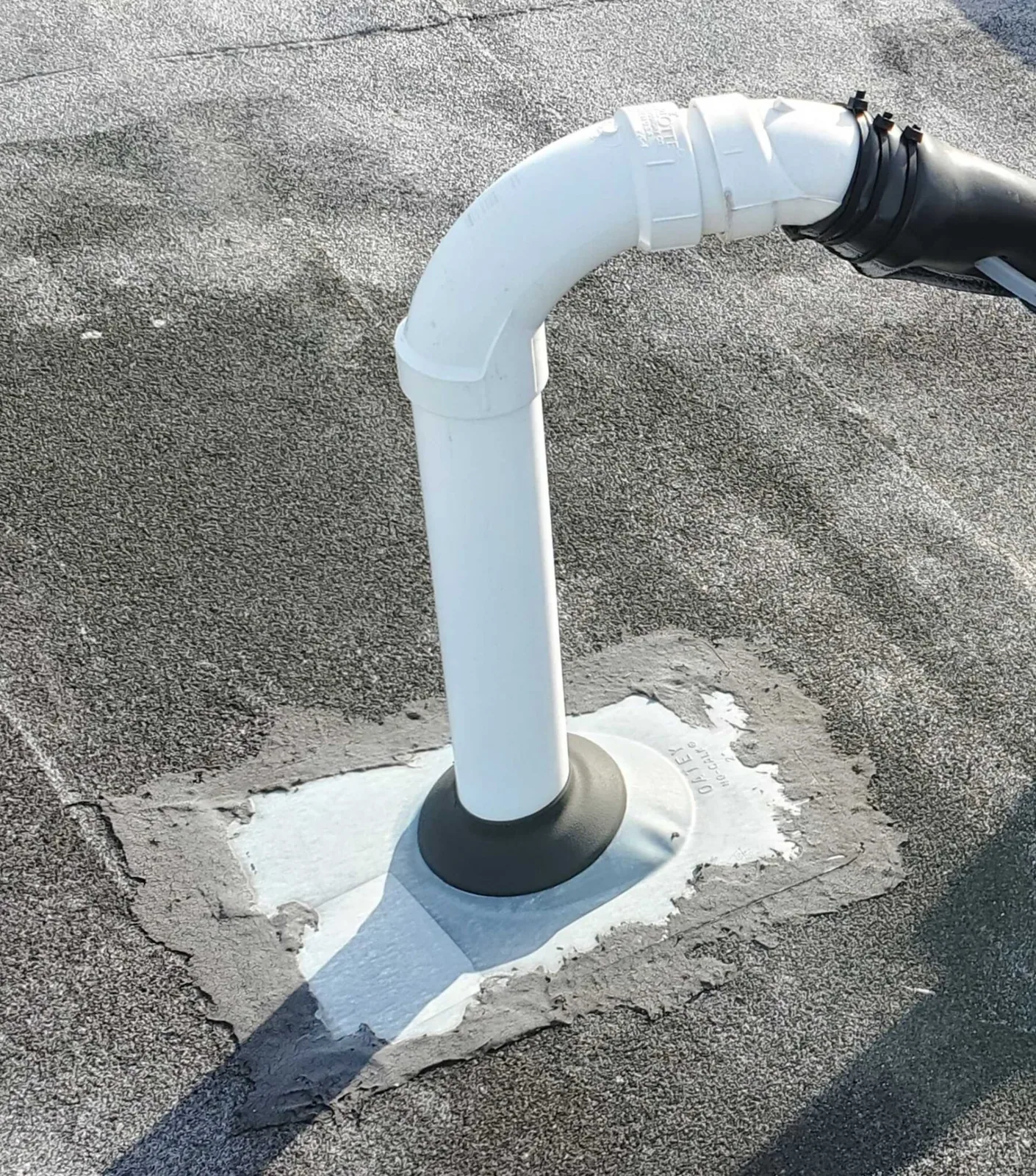
Conversions add penetrations. New units need curbs, new lines need boots and old skylights may be left in place or capped. We inspect every curb and support for height, flashing and sealant, and check skylight flashing at each frame. Abandoned penetrations are capped properly or removed. Walk pads go in along the routes technicians use to reach equipment, and condensate lines are routed off the membrane. The result is a roof with fewer places for water to enter and a drawing that shows every item. When a mechanical contractor returns, the drawing tells them where to work and what to protect.

Finding wet insulation under an old roof

Old roofs hold hidden water. Insulation that has been wet for years loses R-value, adds weight and feeds rust in a steel deck. A surface that looks dry can sit above a soaked layer. An infrared moisture survey maps the wet areas from the roof, and cores confirm the depth. Small wet areas are cut out and replaced. Large ones push the scope toward replacement. We never coat or cover wet insulation. The map also guides the budget: an owner can see whether one corner of the roof carries most of the water, or whether it is spread across the field.

Drains matter on these roofs as well. A large old roof may have few outlets, and the strainers can be crushed or missing. We clear and test each one and measure any pond. Ponding on old membrane speeds failure, and correcting it with a new drain or tapered insulation, done as part of a larger scope, often costs less than repeated repairs to a roof that keeps getting wet in the same place.

Maxwell

Hail, heat and the regional record

Hill Country hail applies across the county. Johnson City reported the largest hail of the May 9, 2024 storm, up to six inches across, before the storm reached San Marcos. That is regional context, not damage to any roof in Maxwell, and it explains why owners ask for field reviews. August highs near 98 F at Austin Camp Mabry mean a large dark roof runs hotter than the air. We count hail marks in test squares, check for heat damage and document the findings.

Maxwell

Scheduling and the budget year

Owners in a community like this often want a plan that fits a modest budget and a short calendar. We rank the roofs by condition, put the active leaks first and plan the rest by year. Work above occupied space follows the guidance in our occupied building reroofing approach: phased sections, protected interiors and daily contact. Owners with other holdings can combine visits with Lockhart, the Caldwell County seat about 8 miles east, or with Martindale. Ordinance 2023-09 brought the 2021 International Building Code and energy code to San Marcos, but a Maxwell parcel answers to its own jurisdiction, whose edition we check first.

The yearly file ties it together. One visit before the spring storm season clears the drains, checks the flashings and updates the grade, and a short written note goes to the owner. After any named storm in the county, a targeted walk of the roofs in its path adds a dated record. After several years the file reveals which roofs hold and which slip, so a replacement date becomes a planned decision.

Commercial Roofing Questions

Why does an old roof show no stain and still hold water?

Water can sit in the insulation for years without reaching the ceiling. A moisture survey finds it, and cores confirm how deep it goes.

How do you handle roof work above a production space?

We schedule the loud steps for quiet windows, protect the interior and keep a contact on site. The owner and the production staff agree on the calendar before work starts.

Should unused skylights stay?

Only if they are sound. A skylight that no longer serves a purpose is a leak risk, and removing it with a proper deck patch and membrane cap is often the better move.

Can an old roof take a recover?

If it has one dry layer and the deck and structure can carry the weight, yes. Multiple layers or wet insulation rule it out.

What should I send to start?

The building address, which rooms sit under the leaks and any past reports. A walk and a written report follow.

Send the Building Details and Leak Locations

Send the building address, the rooms under the stains and any past reports, and we will sort the roof into replace, repair and watch groups before the next budget year. Use the contact form.

Request a Roof Assessment

Related Roofing Work

ServicesRoof SystemsIndustriesProperty TypesService AreasRoof Damage RepairCapabilitiesManufacturersAboutContactRequest a Roof Assessment555-555-5555
Call555-555-5555