555-555-5555

Martindale

Older downtown commercial buildings often share one dominant roof trait: a flat or low-slope roof behind a parapet, resting on an aged deck, with a drainage path that was designed once and altered many times since. Martindale in Caldwell County, part of the Austin metropolitan area and home to 1,253 residents in 2020, has a historic downtown that includes empty general stores, a former bank and a 16-silo seed facility. A buyer purchased 36,000 square feet of downtown commercial property there in 2004. We walk each roof, name its system, grade it and tell the owner what it needs before the next budget year.
The roof behind the parapet

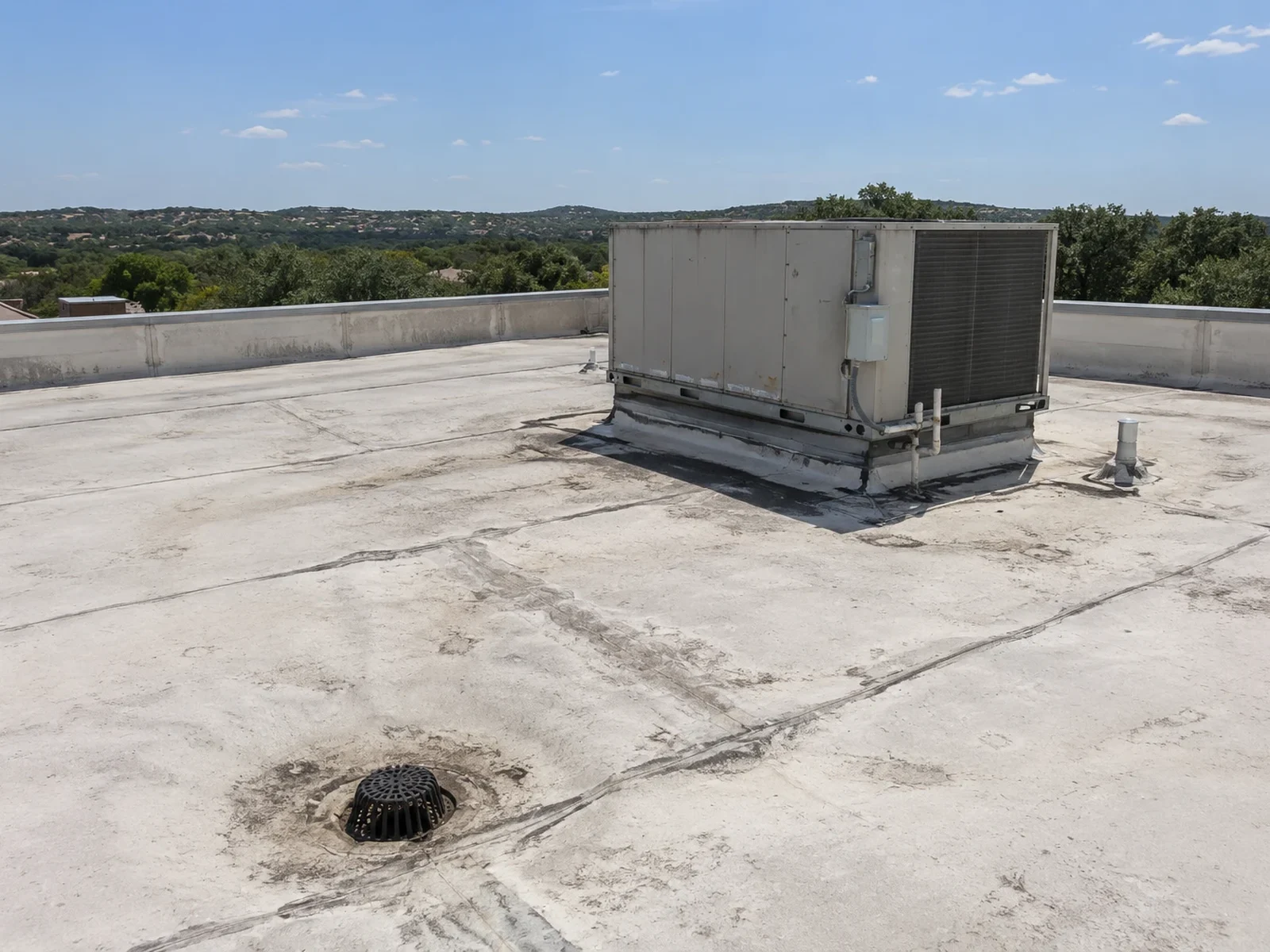
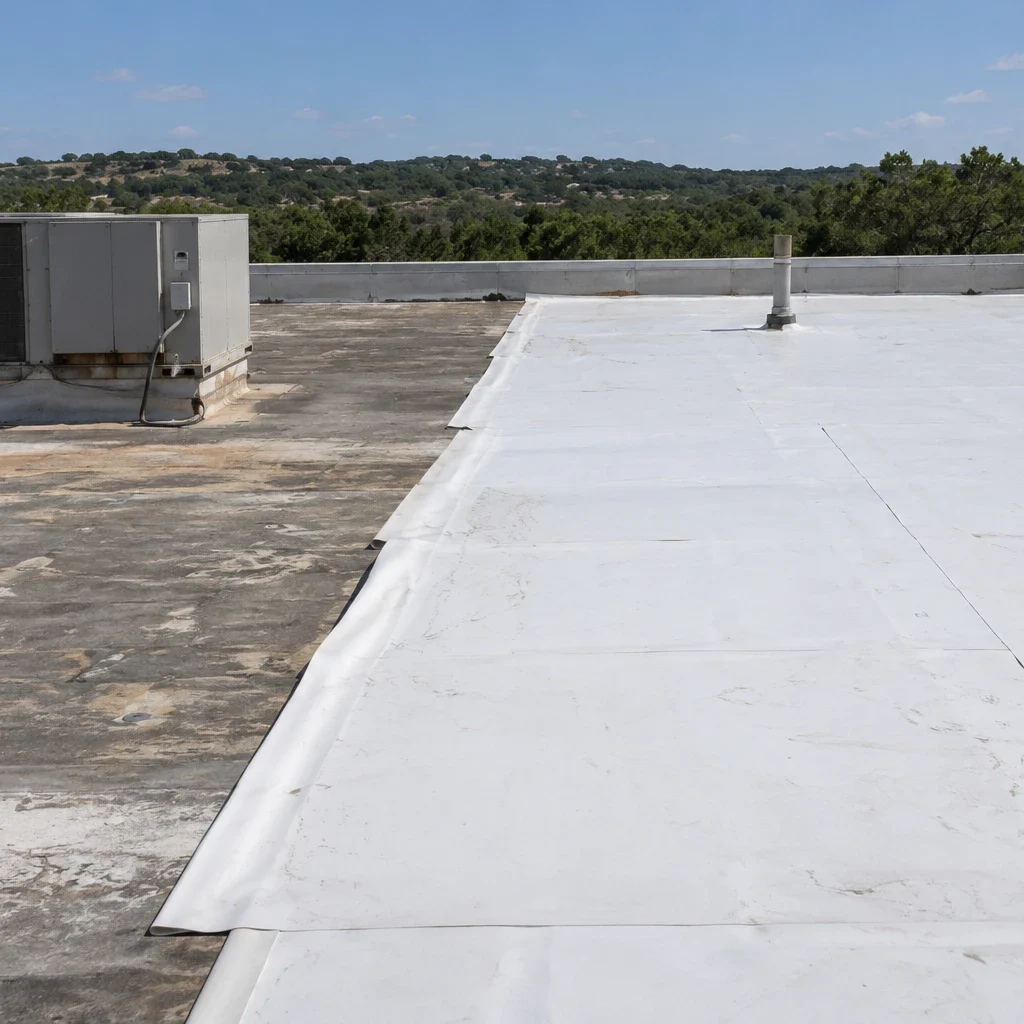
A masonry building with a parapet holds water in a shallow tray. The roof slopes toward a scupper or an internal drain, and the parapet wall rises above the roof edge on every side that is not open. Water stays on the roof until it finds an outlet, so a clogged scupper turns the roof into a pond within one storm. The flashing where the membrane meets the parapet face is the weakest part of the assembly, since masonry moves differently from the roof deck and the mortar joints behind the counterflashing age. Along the parapet, the walk takes in coping or cap, counterflashing, base flashing and each scupper opening. We probe the membrane at the wall, where water enters first.

Cornices and decorative masonry add another layer. A cornice shelf that projects past the wall collects water and sheds it onto the face below, and a cracked cap there lets moisture into the brick. We photograph any masonry that looks displaced or stained, because a leak at the parapet often shows first as efflorescence or a damp patch on the wall below. If the wall itself needs repair, we flag it for a mason and coordinate the sequence so the roof flashing is set once, after the masonry work.

Martindale
Martindale

Roofs over empty buildings

Vacancy changes the roof problem. Nobody is inside to see the first drip, so a leak runs for months before anyone knows, and the damage spreads from the ceiling to the walls and the floor. Rot in a wood deck, mold in the insulation and rusted steel can all develop under a roof that looks quiet from the street. The downtown includes empty general stores and a former bank. Whatever those roofs turn out to be, any roof over a vacant building should be walked on a schedule, drains cleared and interior ceilings checked, because an empty building has no one to report a stain. A yearly walk with photographs costs little against a deck replacement.

Temporary protection is sometimes the right answer for a roof in line for later work. A tarp or a temporary patch over an open section, with drains cleared and a dated photograph, buys time at a modest price. Temporary work goes into the file with its date and the permanent work it is waiting on, so nobody mistakes it for a repair. If an owner plans to sell or lease the space, a current roof grade makes the conversation easier for everyone.

Frontage on the San Marcos River

Martindale's commercial property includes frontage on the San Marcos River. Buildings near water often meet more humidity than inland ones, and tree cover near the water drops leaves and seed pods into gutters and scuppers. We clear drainage lines and check for algae and moss, which hold moisture on a roof surface and loosen coatings and sealants. Shade and humidity near the water hold moisture on a roof, so the drainage schedule follows the tree cover.

Phased restoration for a large downtown holding

A buyer who acquires a downtown holding on the scale of 36,000 square feet may take on several roofs at once. The right plan is phased. First, stop the water: clear drains, patch openings, tarp where needed. Second, assess the whole holding with a commercial roof inspection that grades each roof and lists repairs. Third, rank the buildings for work, with active or soon-to-be-leased spaces first and the rest on a plan. A roof condition report carries the grades, photographs and cost drivers. Phasing spreads the spend over budget years and avoids tying up funds in roofs that will not be used for some time.

Phasing has to respect how the property will be used. A building that will house a tenant soon deserves the full repair first. One that will stay empty for years can wait with a watch plan, a yearly walk and a stop-gap fix for any active leak. The ranking changes as plans change, and the file changes with it. A short update after each visit keeps the ranking honest.

Martindale

Repair, recover or replace

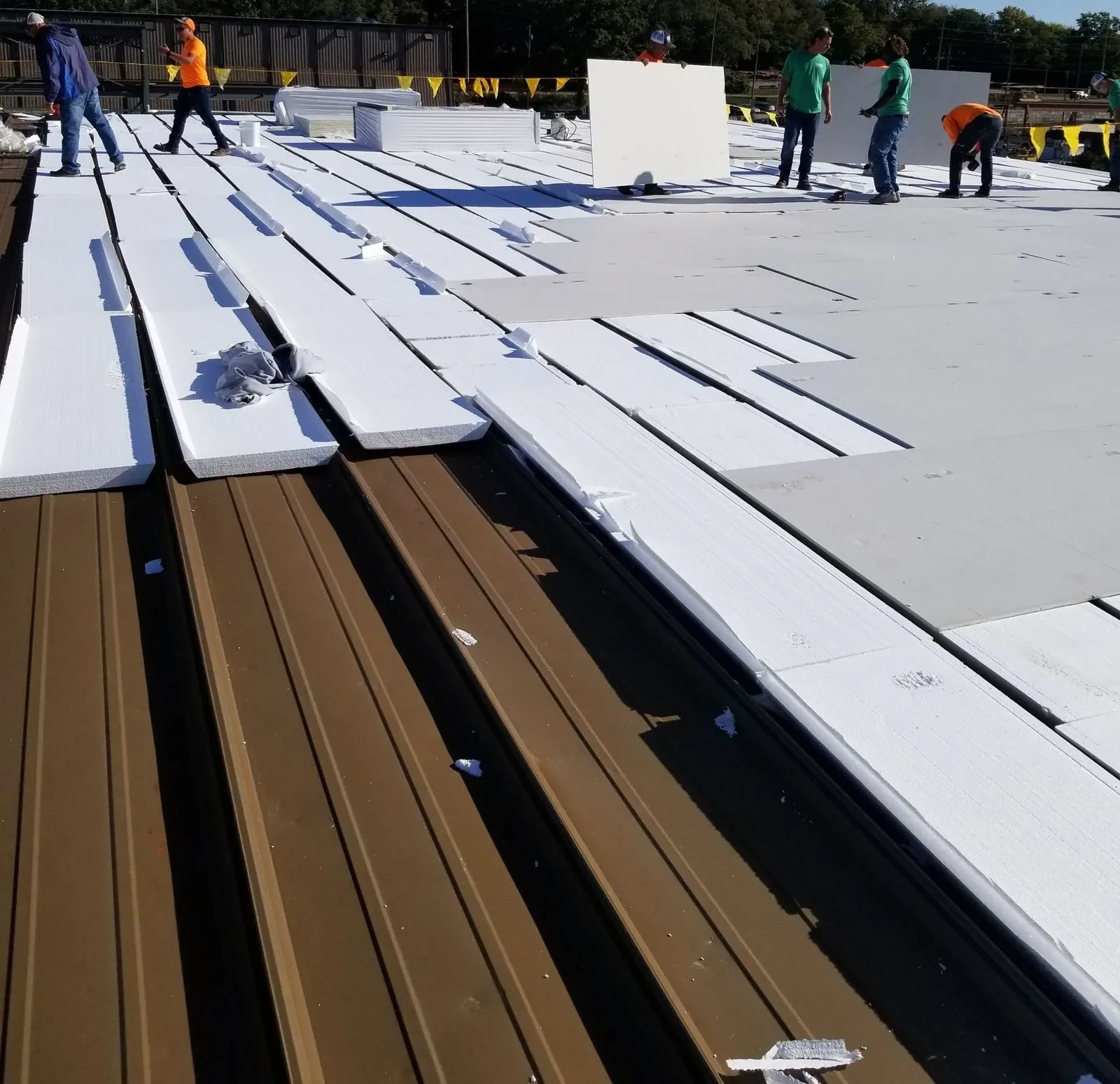
Many older flat roofs have been patched or overlaid, and the stack of layers matters. A roof with one dry layer of membrane may take a recover that avoids tear-off. A roof with several layers and trapped moisture needs to come down to the deck, with the deck repaired as needed before a new system goes on. A sound deck with surface wear can be coated. The choice follows measurement: a moisture scan, cores that show the layers and a deck check from below. Historic fabric can limit options, and parapet and cornice details may need to be preserved or matched. We work out what is possible and put the options in writing with cost drivers named.

Structure sets the ceiling on what a new roof can add. Old wood decks may not carry heavy ballast or equipment, and old steel framing may carry less than it did when new. Before any heavier system goes on, a qualified engineer should confirm what the deck can carry, and we build the scope around that answer.

Martindale

Storms, scheduling and the budget year

Storm context comes from the region. Before the May 9, 2024 storm crossed San Marcos, Johnson City already had hail of up to six inches across. That is not evidence about a Martindale roof, but it explains why owners want a post-storm review. We count hail marks, check parapets and cornices for displaced masonry and document findings for any claim. Owners with holdings in Maxwell or Lockhart, where the Caldwell County courthouse stands on the town square, can combine visits. A drain and scupper review belongs in every plan.

Commercial Roofing Questions

Why do old flat roofs leak at the parapet?

Masonry and roof deck move at different rates, and the mortar behind the counterflashing ages. The seal opens, and water follows the wall down.

How often should a vacant building roof be checked?

At least yearly, plus after storms. Nobody is inside to notice a drip, so a scheduled walk and interior ceiling check is the only early warning.

Can a recover go over several old layers?

Usually not. Multiple layers add weight, and trapped moisture in the lower layers makes the new roof unreliable. We core the roof to see what is there.

What happens to historic parapet details during reroofing?

We record them first. Cornices, coping and ornamental details are preserved or matched where possible, and counterflashing is set into the masonry in a way that respects the wall.

Where do I start with a large downtown holding?

With a written condition grade for each roof. It sorts the buildings into stop-the-water, repair and plan-later groups so money goes where the water is.

Send the Property List and Any Past Reports

Send the building addresses, which are occupied and which are vacant, and any past reports, and we will sort the roofs into replace, repair and watch groups before the next budget year. Use the contact form.

Request a Roof Assessment

Related Roofing Work

ServicesRoof SystemsIndustriesProperty TypesService AreasRoof Damage RepairCapabilitiesManufacturersAboutContactRequest a Roof Assessment555-555-5555
Call555-555-5555