555-555-5555

Texas State University District

A university district is a roof inventory built in layers over many decades, and the layers do not match. The class we are describing is the academic, residential and athletic building group around a large public campus. It puts a large number of roofs of different ages, systems and uses in a few square miles, so the budget year has to be managed building by building and phase by phase.

Texas State University's main campus in San Marcos spreads roughly 250 buildings over about 517 acres of hilly land beside the San Marcos River. Fall enrollment reached a record 47,513 students, the university employs about 3,730 people in San Marcos, and Bobcat Stadium's expansion doubled seating to 30,000. Property owners, facility offices and developers working in the district around that campus face the same planning problem: too many roofs, too few summer weeks.

Build the Inventory First

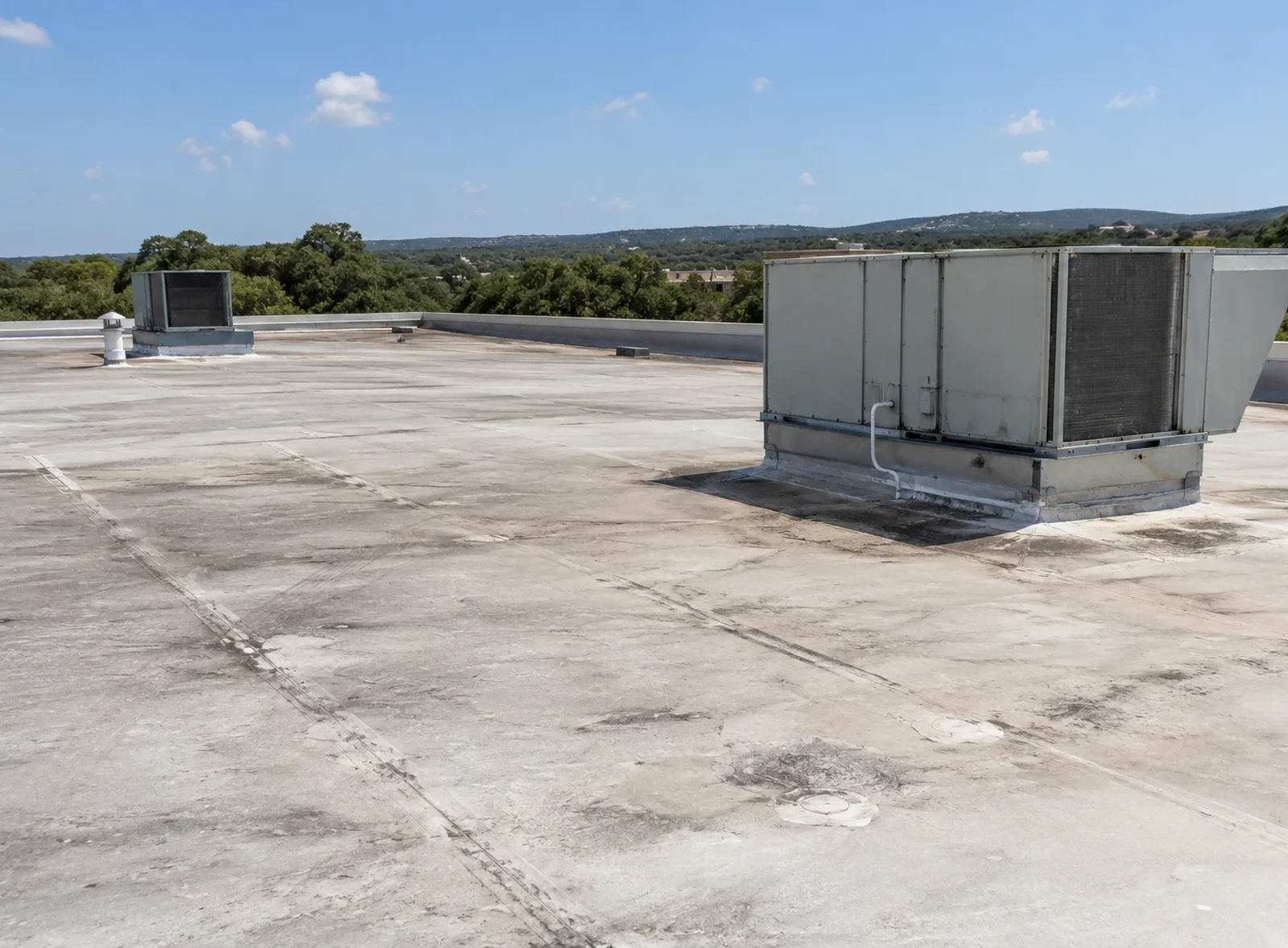
Before any work is priced, the roofs need to be listed. Each gets a number, a building class, an approximate age, a membrane type and a condition grade. On a district with mixed uses, the list usually reveals a pattern. Residence halls share a roof system and a failure mode. Lab and classroom wings share another. Athletic roofs, with long spans and large edge areas, sit in a third group.

We build the inventory from walks, drone passes where access is hard, and a few cores per group. A drone roof inspection is practical on a hilly site, since it can survey a steep or crowded roof without crews crossing a wet deck. The result is a table the facility office can sort by grade, age or use, which is how a replacement queue gets built. Each row links to photos and a plan sheet, so anyone on the team can open a building and see what we saw.

Residence halls and classroom buildings are not the only roofs in the district. Parking structures, service buildings and small outbuildings carry roofs that rarely appear on a facilities list, so we ask for every address, walk the unlisted ones and add them to the inventory with the same grade scale.

Texas State University District

Use the Summer Window

A university has one long quiet season. Residence halls empty, classrooms go dark and loud work can happen with less disruption. The window is short, and every building wants it. Planning starts the winter before, with the queue sorted by remaining service and the largest scopes assigned first.

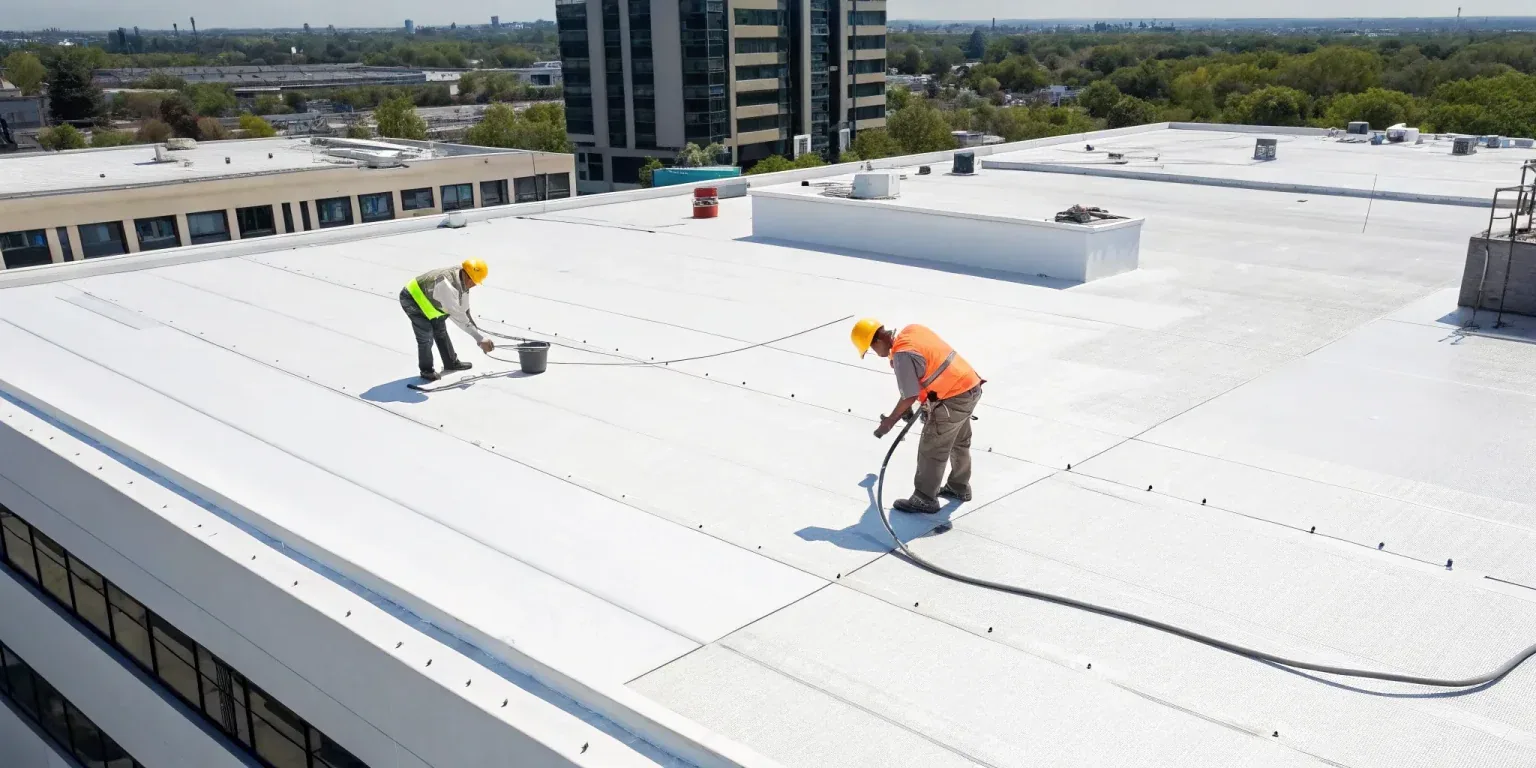
During the school year, the work narrows to surface repairs, with crews staying away from intakes, walkways and outdoor gathering areas. A college and university roofing scope lists each phase, the staging zone, the haul route and the person who can stop work for an event. Move-in week and commencement are fixed dates, and we write them into the schedule as no-work days. When a leak appears in a lab or a library, emergency response runs around the clock and a crew can close the opening the same night.

Handle Mixed Systems

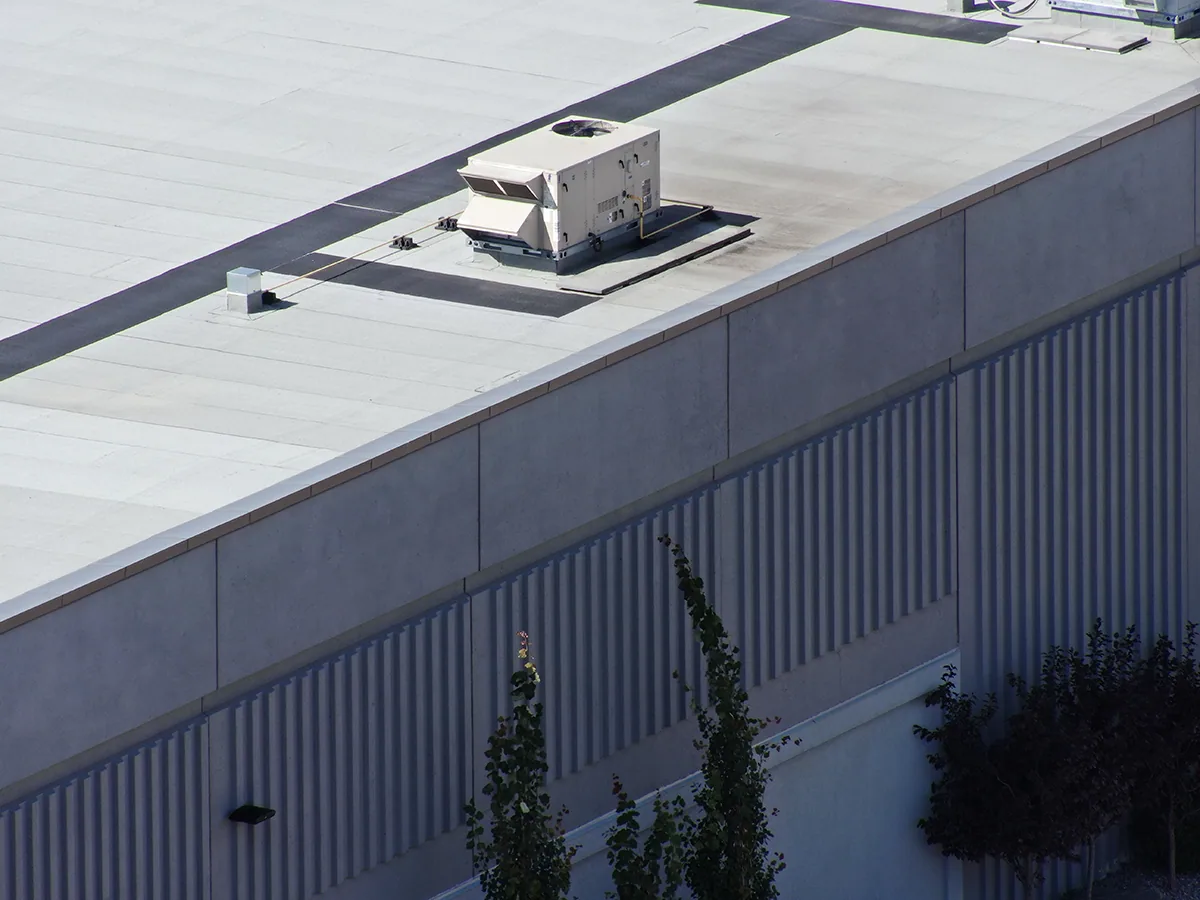
A district built over many decades does not have one roof system. It has several, installed in different eras by different crews. Built-up roofs sit next to single-ply, and metal sits next to modified bitumen. Each needs its own repair method. A patch that bonds to one fails on another.

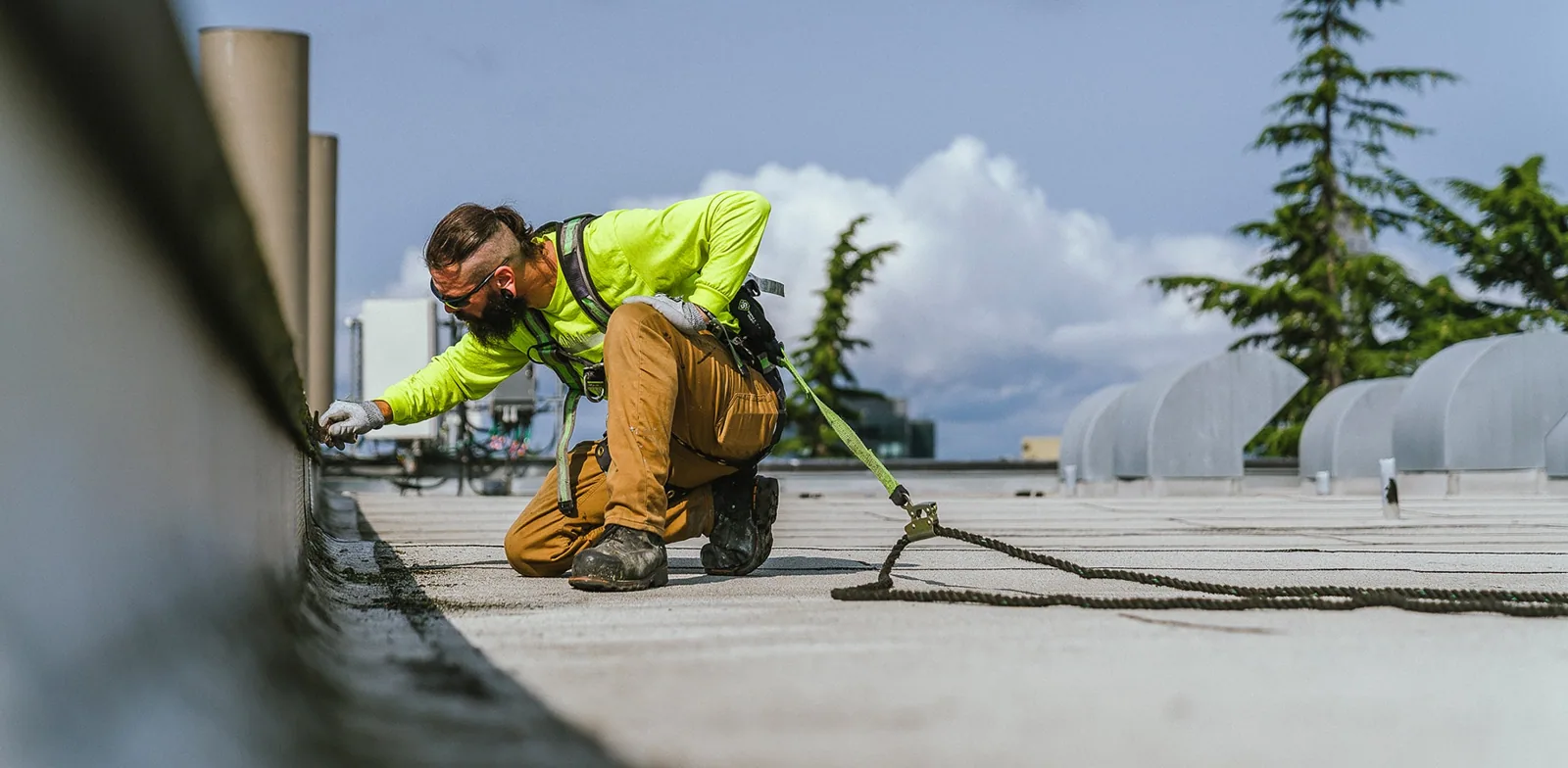
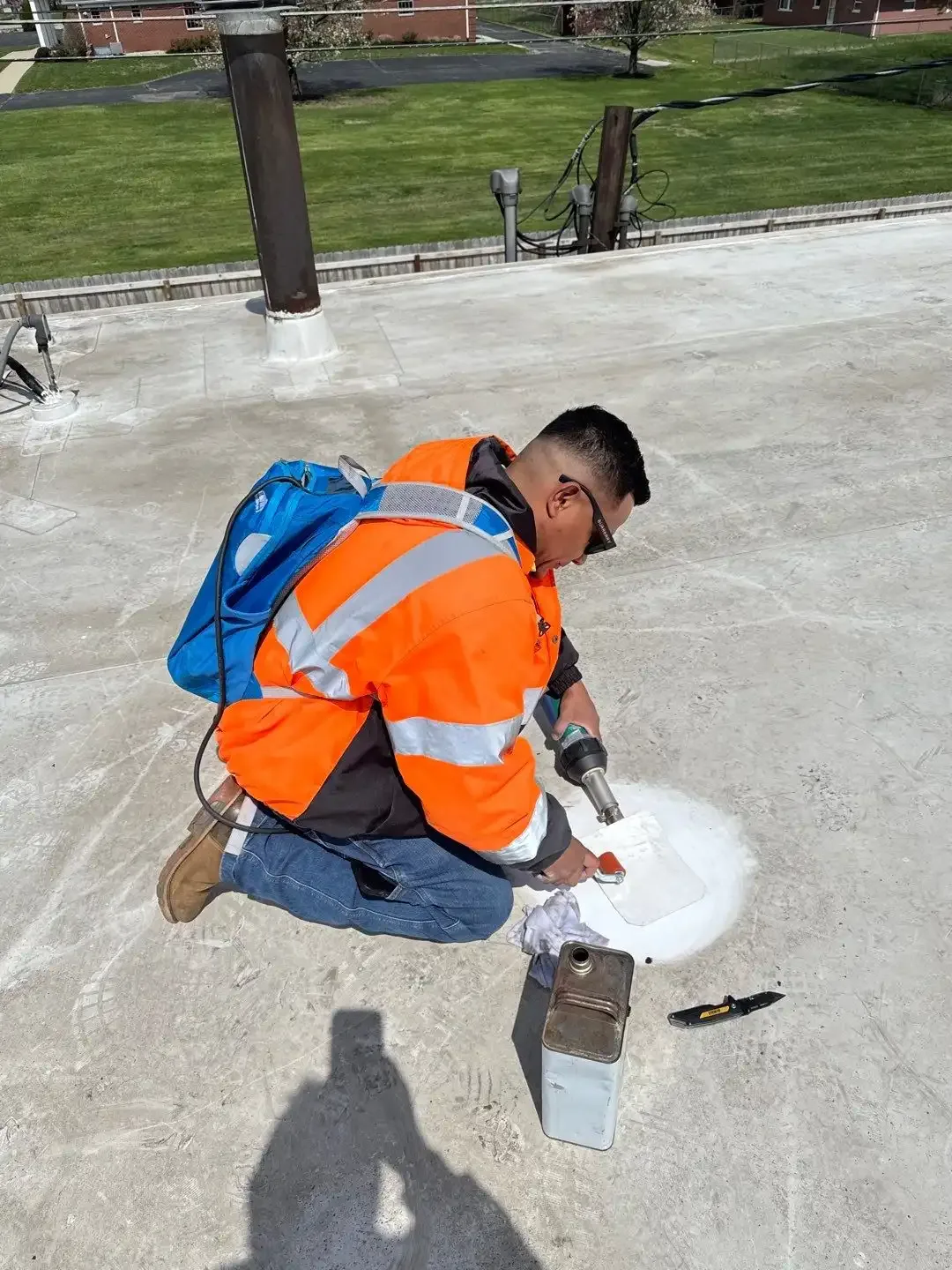
We identify each system before any repair and write the method beside the grade. Some buildings need a full modified bitumen roofing repair, others a seam weld, others a coating. Additions are the weakest points, because a new roof ties into an old wall or an old parapet. Those tie-ins get extra attention on every walk, since differential movement between old and new opens a joint.

Weigh Storms and Floods

The Hill Country storm record matters to an owner with many roofs. Johnson City sits where hail reached six inches across on May 9, 2024, before the same storm came on to San Marcos. A systematic check of every building is the model for any large inventory after a storm.

We offer the same approach for a district: a rapid field review of the roofs most exposed, a scan of any with bruises, and a ranked list. On May 25, 2015 the Blanco River crested at an estimated 41.5 feet at Wimberley during the Texas-Oklahoma floods, and the Blanco joins the San Marcos River near San Marcos. Flood history is a reminder that drainage and ground-level water control belong to the same conversation as the roof, and roof drains that discharge to an overwhelmed system can back up onto the deck.

Texas State University District

Plan the Budget Year

The budget year for a district is a queue. Roofs with wet insulation and failing membranes go first. Roofs with defined problems get repairs. Sound roofs get a scan. The queue turns into a multi-year schedule, and the schedule turns into a request that finance can read.

Inside the district, replacement scopes cite the 2021 building and energy codes that apply across San Marcos. A roof capital planning file keeps the schedule, the grades and the costs together, and it can be updated each spring.

Nearby work includes the downtown square district and the Hunter Road and airport area.

Texas State University District

Check Long Spans and Edges

Athletic and assembly buildings behave differently from classrooms. Their roofs span wide, carry large perimeter edges and often hold heavy equipment. An expanded stadium adds suites, press areas and canopies, each with its own roof, flashing and drainage.

On long spans, we look at drainage first. Even a shallow sag in a wide roof holds a pool, and a pool on a long span adds weight where the structure can least afford it. Then we check edges. Wind peels perimeter metal, and large edges give it more to peel. We press the coping, test the fasteners and check the gutters. Crowd areas below the edge get barriers during any work, and we plan lifts outside event days. The same logic applies to any big roof in the district, from a gymnasium to a parking structure canopy.

Protect Interiors During Work

Labs, libraries and studios do not tolerate water, dust or fumes. We agree on protections before the crew arrives. Intakes are covered during adhesive or torch work. Ceilings below the work area are checked and covered. Sensitive rooms get a contact person and a stop-work signal.

Open roof is kept to a minimum, with each section torn off, dried in and sealed before the crew goes and the morning forecast deciding whether work continues. That rule protects a collection or an instrument far better than a tarp. The written occupied building reroofing plan carries names and phone numbers, so the facility office knows whom to call at any hour.

Commercial Roofing Questions

What decides the order of replacement?

Remaining service decides it. Roofs with wet insulation or failed membranes move up, and sound roofs move down.

Can roof work run during the school year?

Surface repairs can. Large tear-offs belong in summer, with no-work days around move-in and commencement.

How are old and new sections handled?

Each section gets its own record. Tie-in joints between them get extra checks, since they move differently.

Does hail on one roof mean hail on all?

No. Hail falls in bands, so a field review sorts the exposed roofs from the clear ones.

What should I send first?

The building list, any earlier reports and the roof ages if known. We will build the inventory from there.

Send the building list and past reports

Share the addresses and any earlier reports, and we will sort the roofs into replace, repair and watch groups before your next budget year.

Request a Roof Assessment

Related Roofing Work

ServicesRoof SystemsIndustriesProperty TypesService AreasRoof Damage RepairCapabilitiesManufacturersAboutContactRequest a Roof Assessment555-555-5555
Call555-555-5555