555-555-5555

Logistics and 3PL Operators

A fulfillment or distribution building turns its roof into a very large number of square feet with very little else on it, which makes it a budget problem: a small unit cost multiplied across hundreds of thousands of square feet becomes a major line item the moment a section reaches the end of its service. For a logistics or 3PL operator in San Marcos, TX, the roof is also a promise to customers, because stock under a leak is stock that cannot ship. We start from the building list, walk each roof, and return a replacement queue ranked by remaining service, so the large spend arrives on a schedule chosen by the operator and not by the weather.

The goal is simple: no roof section becomes an emergency in the middle of peak volume.
Count the Roof Area

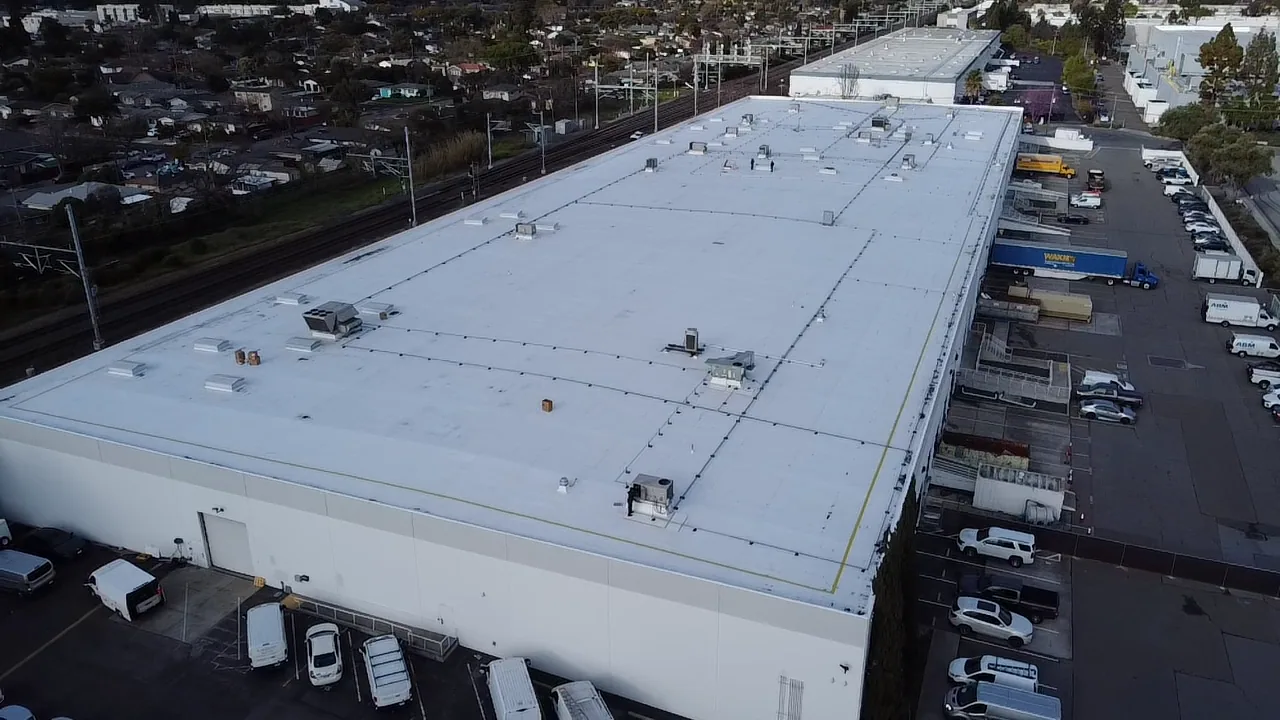
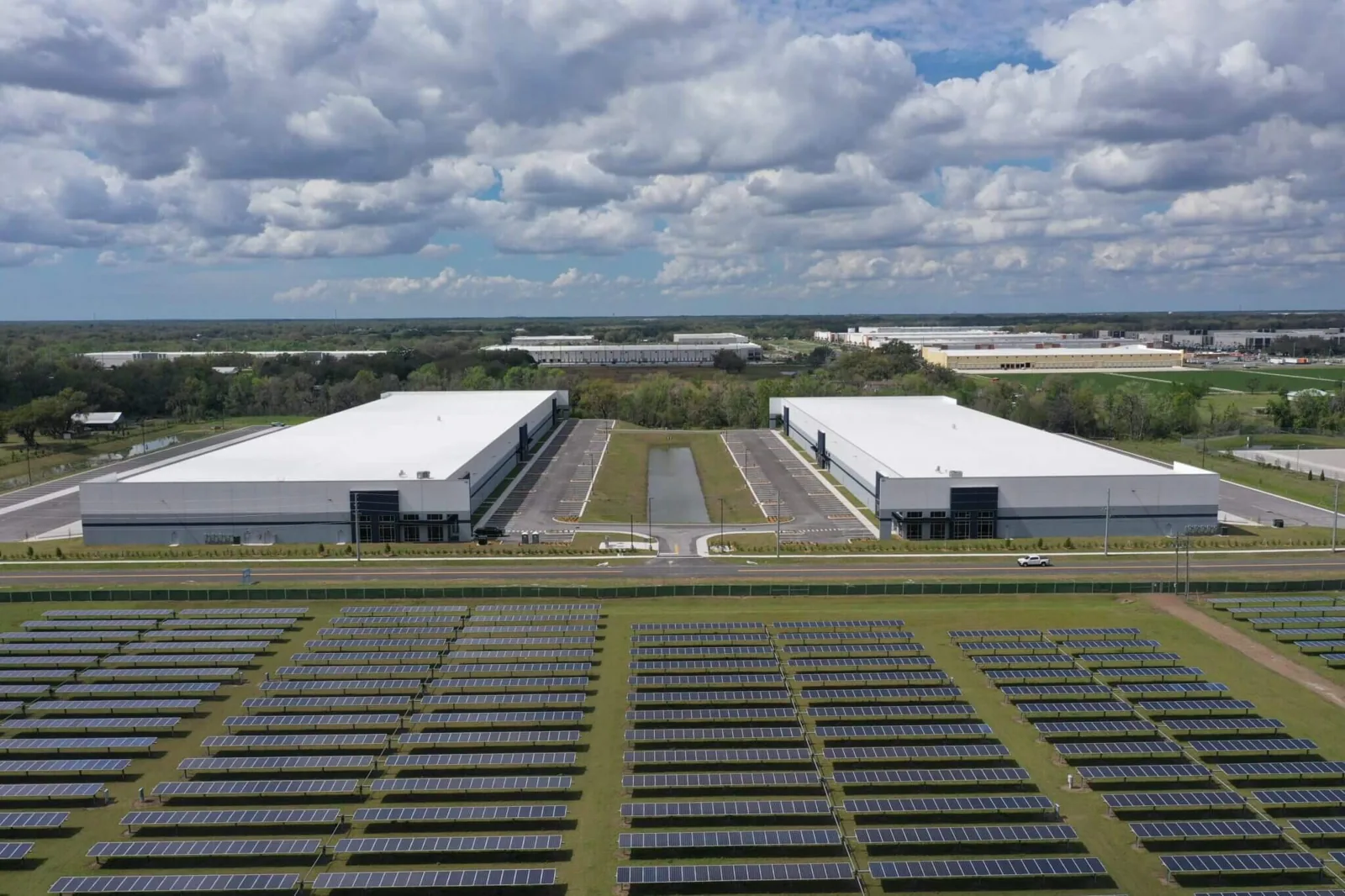
Scale shapes everything on a big-footprint roof. One of Amazon's larger buildings sits in San Marcos: the 855,000 square foot SAT2 fulfillment center. The San Marcos Business Park on I-35 adds about 665,000 square feet across three planned buildings. Floor area is not roof area, and it says nothing about the system on top, so we measure and map each roof before saying anything about it.

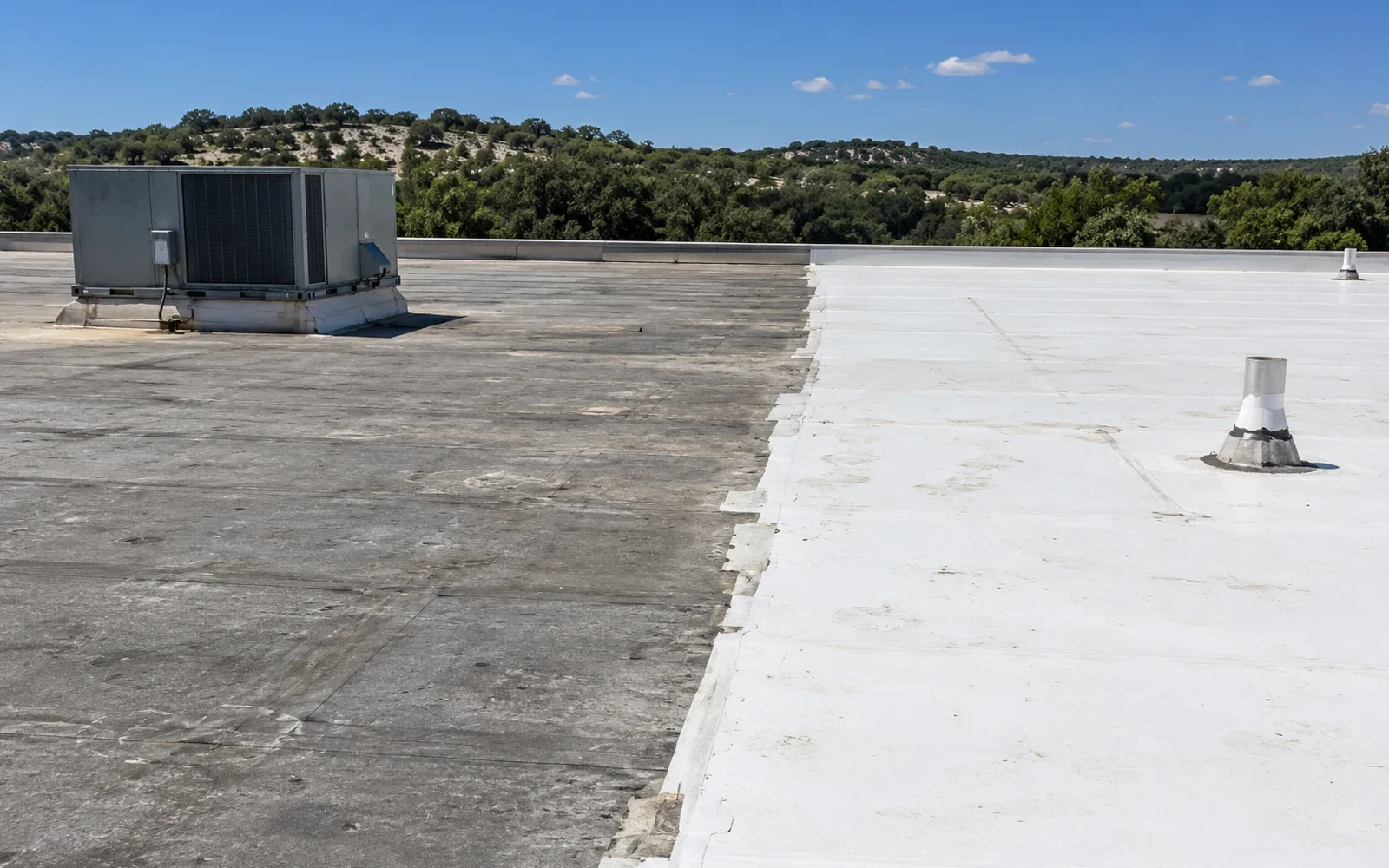
The map divides a roof into sections, usually by firewall, expansion joint, change in deck or roof level. Each section gets its own age, system, drainage and condition score. A roof that looks like one field can contain several sections at different ages, and the inventory shows which ones are spent.

Logistics and 3PL Operators

Protect the Dock-Side Edge

The dock side of a distribution building takes more abuse than the rest of the roof. Trucks, wind-driven rain at overhead doors and canopy structures all concentrate stress at the edge. Edge metal, coping and the membrane termination there loosen first, and a loose edge is where wind starts to peel a roof.

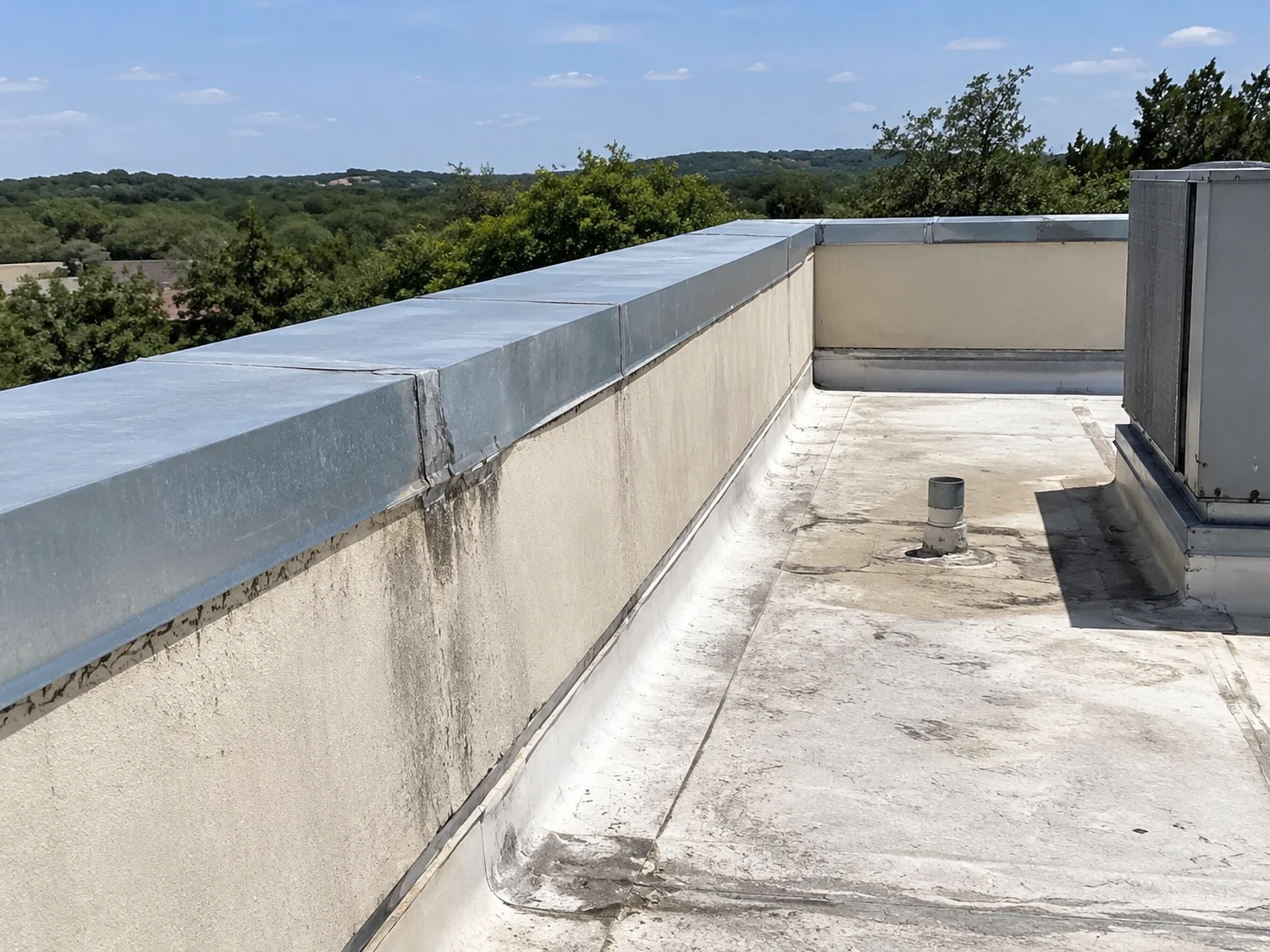
We inspect dock-side edges on every visit, checking edge metal, coping and gutters for gaps, short fasteners and failed sealant. Canopies and loading-dock roofs get the same look, since a leak at a dock door falls on staging space. Where wind has already moved metal, we repair the edge before the field, because edge failure spreads. The walk records the condition of every run of metal by number, so a future inspection shows whether it is holding.

Production buildings share some of these edge problems, and the plant-side checks described for manufacturers apply wherever a building also ships product. The difference is volume: a distribution building has more doors, more canopy, and more edge per square foot of floor, so edge failures show up as a pattern along the dock side and not as a single spot.

Yard and truck-court conditions affect the roof less directly but still matter. Gravel and grit blown from trailer parking reach drains and valleys, and a dock-side edge that sits over a busy lane takes vibration that a quiet edge does not. We note both when we rank sections, so the oldest, most heavily loaded edge goes ahead of a sound section in a quiet corner.

Drain Wide Roofs Properly

A very large roof collects a great deal of water in a storm, and the drains and scuppers have to move it. Annual precipitation in San Marcos runs about 36.55 inches, and heavy rain arrives in bursts. A drain that is half blocked on a wide roof can hold a pond that adds weight and tests every seam.

We clear drain sumps, check strainers and scupper lines, and look at how the roof drains after rain. Ponding areas are measured and marked. Our roof drain and scupper work includes adding overflow scuppers where a roof lacks a backup path, which is a small cost against the value of the stock inside. Drain maintenance goes on the calendar before storm season, so the system is clear when it matters.

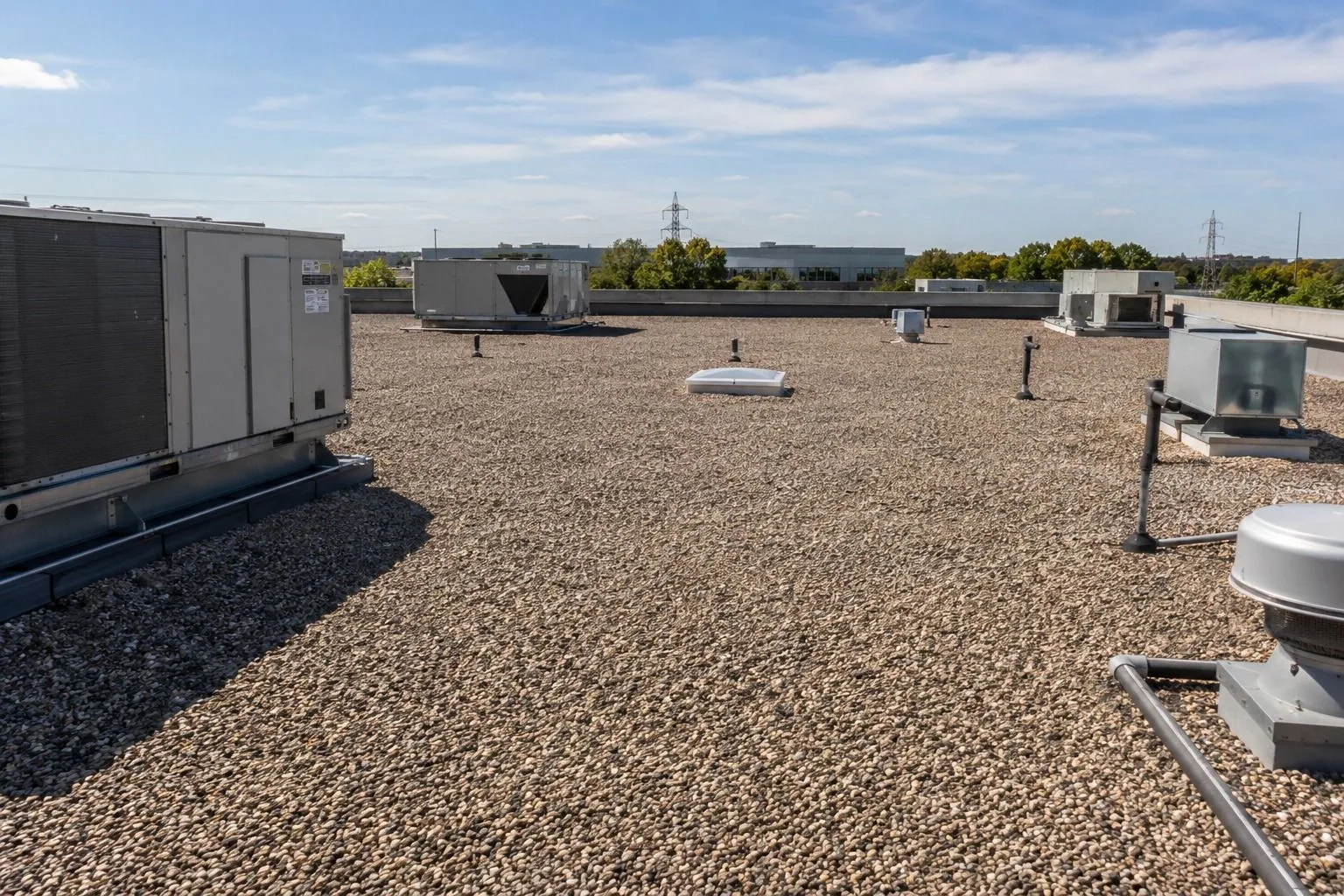
Rooftop equipment on a large roof adds its own drainage trouble. Units set on curbs can dam water behind them, and a missing cricket turns the upslope side of a curb into a pond. We note each unit that sits across the natural flow, photograph the area after rain and list the fix, which is often a small tapered insulation piece and not a major project. Small corrections like these protect seams that a full drain system cannot reach.

Treat Storm Events as Context

Hail is the shared regional risk. After the May 9, 2024 storm, with stones reported up to six inches across in Johnson City, the Hays County judge signed a disaster declaration. Large roofs invite questions after an event like that, and the answer comes from a field review, not from the news.

We walk the roof, look for hail-bruised field areas, test for wet insulation and document edges and penetrations. Findings go into a dated file that separates storm damage from age, which supports an insurance claim. For an operator with several buildings, the file also shows which sites need attention first. A distribution center roof and a smaller warehouse roof get the same method at different scale.

Logistics and 3PL Operators

Schedule Around Peak Volume

Logistics runs on seasons. Volume peaks, trucks arrive in waves and staff counts rise. Roof work in the peak season adds risk, so we plan large projects for slower periods and keep peak-season work to emergency repairs. With Amazon alone employing more than 5,000 people in the region, over 250 supply-chain businesses across Hays and Caldwell counties and an H-E-B distribution center among the larger local employers, schedules here run tight.

We ask for the operating calendar at the start and fit the roof scope to it. Work is phased by section, with a crane pick, a debris path and a truck staging area set away from dock doors. Material deliveries avoid shipping hours. A written plan lists the sequence and the traffic control, so the operations manager can approve it before the first load arrives. The I-35 business park corridor, the Kyle Hays Commerce Center and the Buda industrial and logistics corridor all follow the same approach.

Logistics and 3PL Operators

Set the Budget Year

A ranked list comes back with cost ranges for repair, restoration and replacement, plus the cost of waiting. A large roof with a few years left may justify a coating restoration, which adds service life for a fraction of replacement. A roof with wet insulation does not qualify and is replaced.

The 2021 International Building Code, adopted under Ordinance 2023-09, sets the roof design basis inside San Marcos. Owners who hold logistics space as an investment will find the same file useful, as described for real estate investors and REITs, and the roof data transfers cleanly to a buyer.

Commercial Roofing Questions

What decides whether to restore or replace a large roof?

Moisture. Dry insulation and a sound membrane allow restoration. Wet insulation means replacement of that section.

Can roof work go on during peak season?

Emergency repairs can. Planned projects are best placed in slower periods.

How are overflow scuppers justified?

By the cost of a blocked drain. A backup path is cheap against the value of the stock below.

What if a tenant's contractor damages the roof?

The access log and dated photos show it. We record the damage and the date for the responsible party.

How many sections does a large roof have?

As many as its firewalls, expansion joints and roof levels create. We map them in the first walk.

Send the Building List

Send the building list and any past roof reports, and we will sort the roofs into replace, repair and watch groups before your next budget year. Start from the contact form.

Request a Roof Assessment

Related Roofing Work

ServicesRoof SystemsIndustriesProperty TypesService AreasRoof Damage RepairCapabilitiesManufacturersAboutContactRequest a Roof Assessment555-555-5555
Call555-555-5555