555-555-5555

Roof Insurance Claim Assistance

Insured commercial property has one trait that shapes every claim: the carrier pays for what the policy covers and the owner carries the rest. For a facility director with a roof inventory, that means the roof file matters as much as the roof. A building whose condition is documented before a storm, and whose damage is documented after it, moves through a claim quickly. A building with no file starts an argument. In the budget year, the difference shows up as months of delay on repairs the owner needs and a replacement that may land earlier or later than planned. We build the file, support the claim and keep the roofing facts straight.
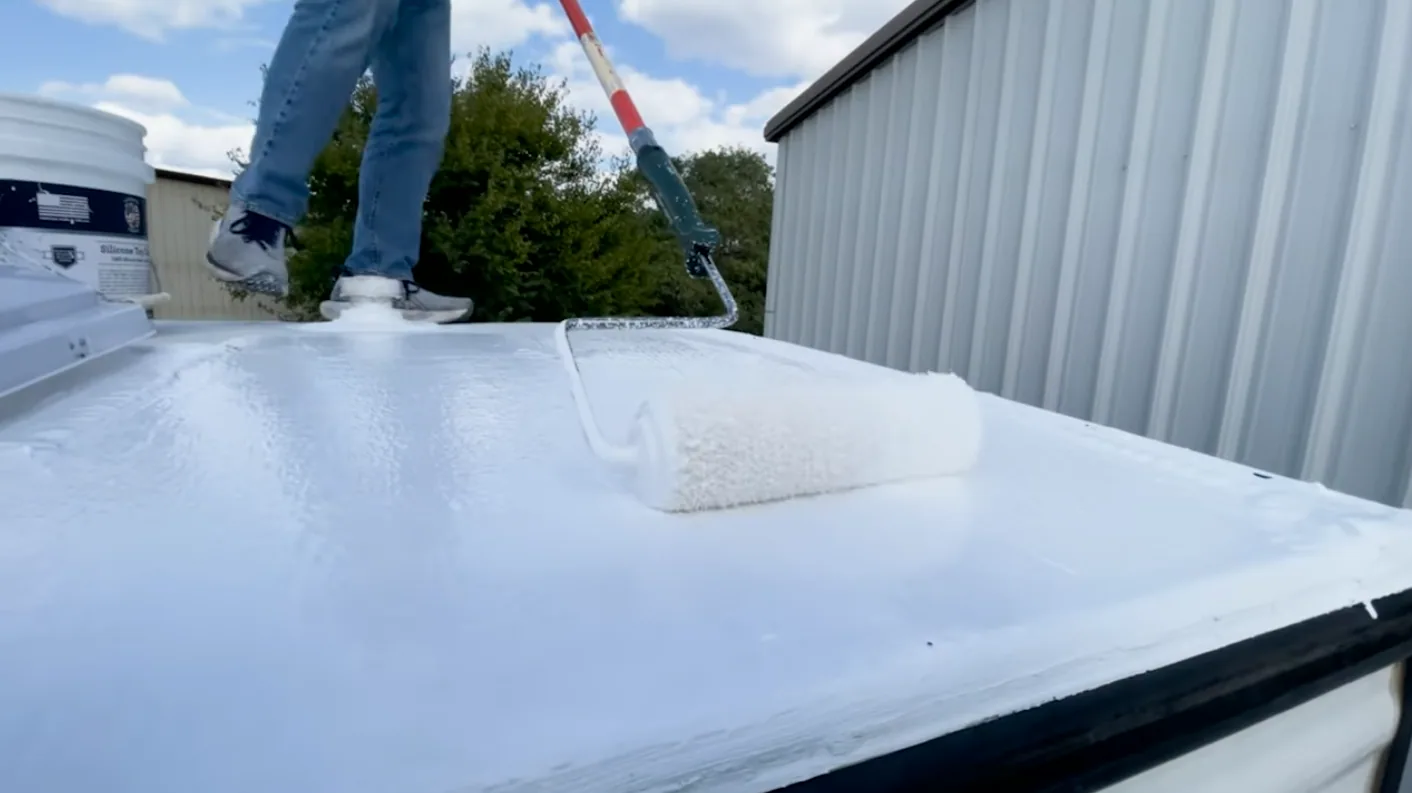
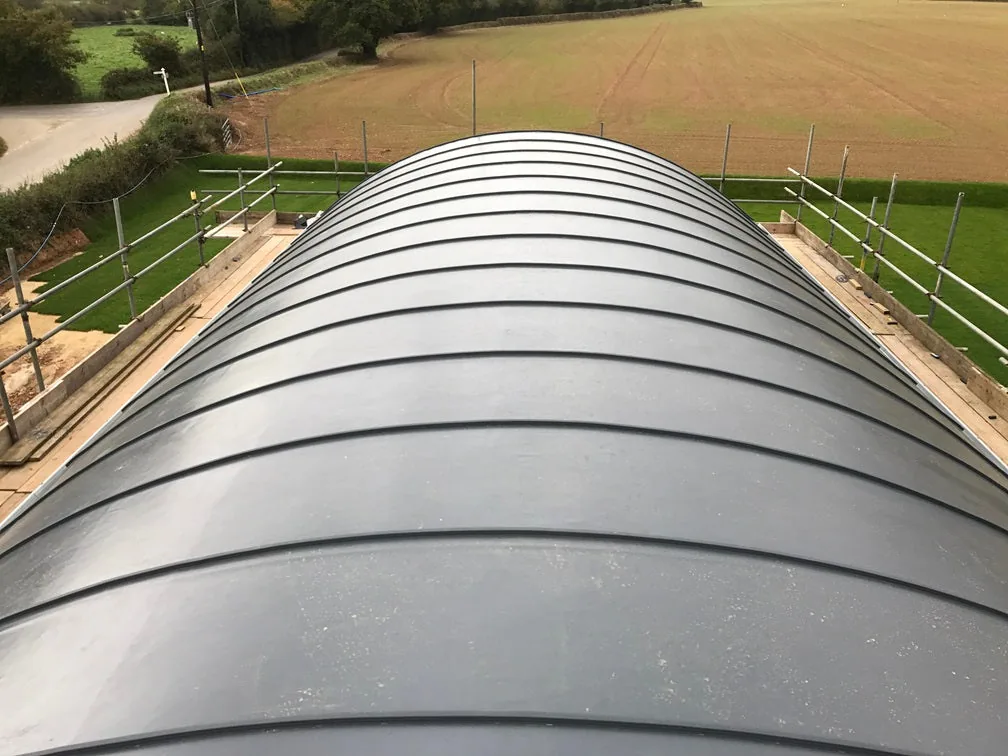
What we do and what we do not

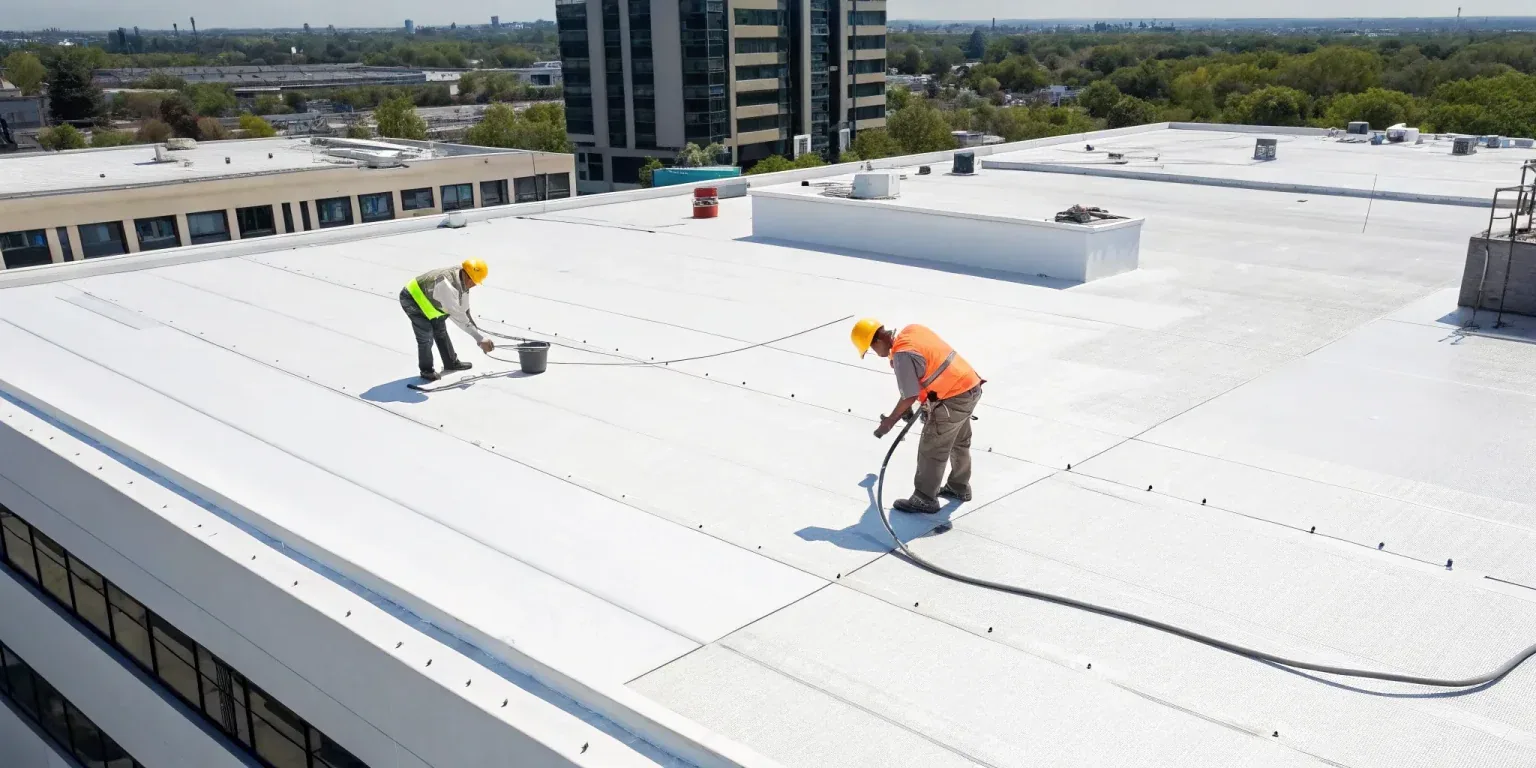
We are the roofer. We document the roof, scope the repair, meet the adjuster on site and answer technical questions about the work. We do not act as a public adjuster, argue coverage or negotiate the settlement, and we cannot promise an outcome. Owners who want that help can bring in a restoration professional, and the same file serves them. The line matters because a roofer who argues coverage loses credibility with the carrier, while a roofer who supplies clean facts is welcome on the roof. Our job is to make sure the carrier sees the same roof the owner sees, with the damage measured and the wear identified, so the discussion stays on the work.

Some owners ask whether a roofer's report carries weight with a carrier. It does when it is specific. A report that names the membrane, counts the impacts, measures the displaced metal and attaches the photographs gives the adjuster something to check. A report that says the roof is damaged gives them nothing. We write the first kind, and we keep our opinion about coverage out of it.

Roof Insurance Claim Assistance

The file before the storm

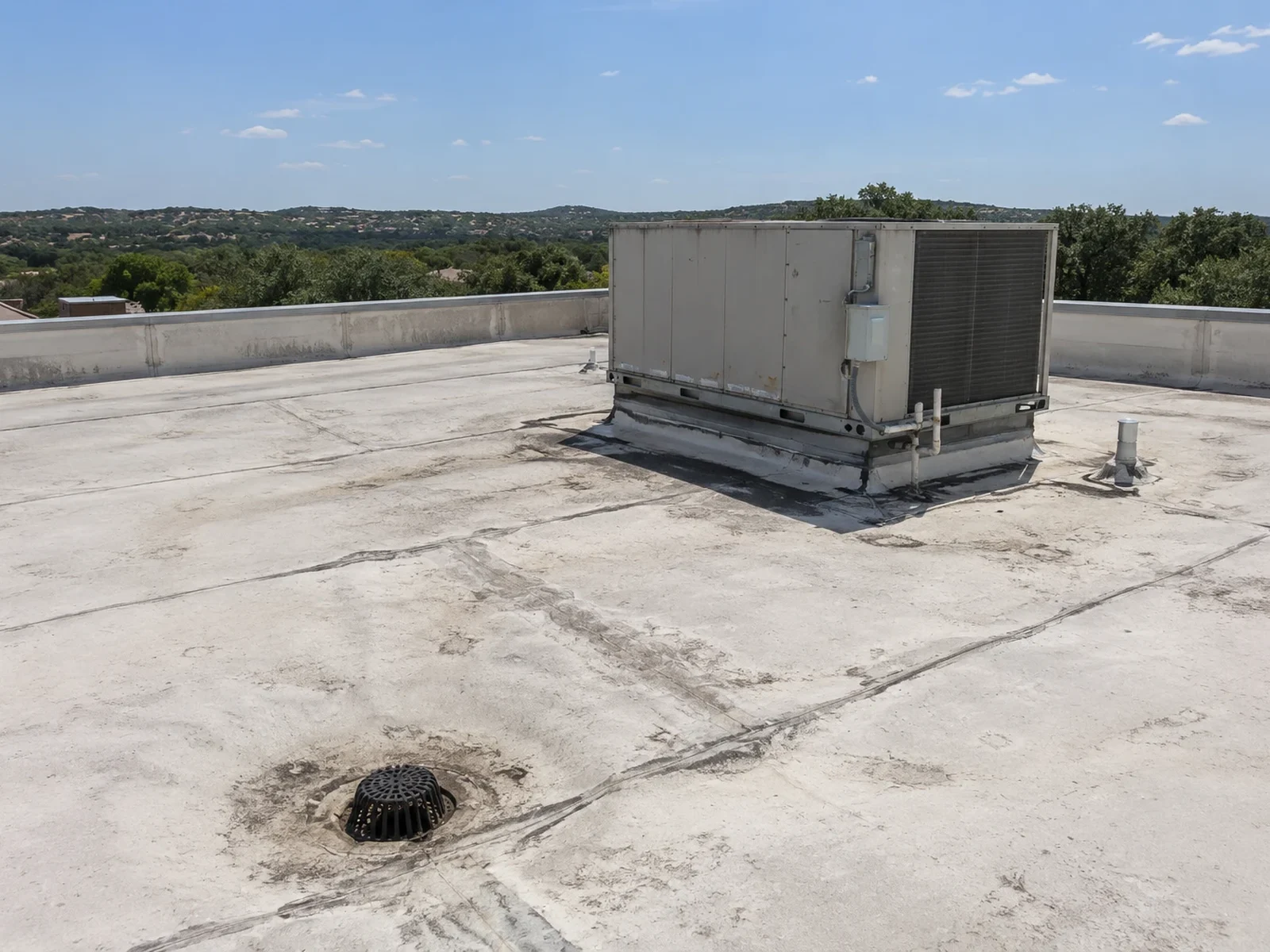
The strongest claim file starts before the loss. Dated photographs of drains, seams, edges, flashings and equipment show the roof as it stood. A preventive visit record shows the owner kept up the building. A commercial roof inspection report gives the carrier a baseline, so a later adjuster can see what changed. Where a policy has a roof-age schedule or a cosmetic-damage exclusion, the baseline also shows which items existed before the event. Owners with a portfolio do this once a year across all buildings, so the files are ready when weather arrives. It takes a few hours per roof and saves weeks in a claim.

Drainage records deserve a line of their own. A claim for water damage often turns on whether a drain was clear before the storm. A visit log that shows the drains cleared in the last season answers the question, and it protects the owner from an argument about maintenance. Equipment records help the same way, since a rooftop unit installed after the last inspection is a new penetration the carrier will ask about.

The file after the storm

After a loss we document the roof in the same order every time. Wide photographs show each elevation. Close photographs show each impact, split, tear and displaced edge, with a ruler for scale. Test squares give impact counts per area. A drone inspection helps on large roofs, and moisture readings show where water entered. The written summary names the cause and the extent, separates storm items from wear items and lists the temporary protection installed. After the May 9, 2024 storm, with six-inch stones documented in Johnson City, the Hays County judge signed a disaster declaration. A declaration covers a county, but each deck still has to be measured on its own.

Meeting the adjuster on the roof

The adjuster visit is where most claims are won or stalled. We schedule it, arrive with the file, open the roof for inspection and walk the same test squares we measured. We answer questions about membrane type, repair method, code requirements and cost drivers, and we note anything the adjuster wants to see again. If the carrier proposes a spot repair where the damage looks broad, we explain the reason for the larger scope with photographs and counts. If the carrier is right, we say so. The goal is agreement on the roof facts. Disputes then narrow to coverage terms, which sit outside our role and with the owner and the carrier.

Not every claim ends in a replacement. Many end in repairs and a note in the file about the remaining life. That outcome still has value: the owner has the storm items fixed, the adjuster has a closed claim and the director has a clearer replacement date. We write the closeout summary with the same detail as the opening scope, listing the work done, materials used and the open items that remain.

Roof Insurance Claim Assistance

Code, upgrades and the scope

Repairs to a commercial roof follow the code in force. Since April 1, 2023, San Marcos has enforced the 2021 editions of the International Building Code and the International Energy Conservation Code. When a repair or replacement triggers requirements for insulation, edge details or wind resistance, the scope has to reflect them, and the carrier needs to see why. Policies treat code upgrades in different ways, so we mark each code-driven item in the estimate as its own line. That lets the owner and the carrier see which parts of the work respond to damage and which respond to rules. Clean separation shortens the conversation and avoids surprises at the end.

Permits and inspections belong in the same record. When a repair needs a permit, the permit number, the inspection dates and the sign-offs go into the file next to the photographs. A carrier reviewing a payment, or a buyer reviewing a sale years later, can then follow the work from damage to closeout without calling anyone.

Roof Insurance Claim Assistance

The budget-year decision

A settlement rarely arrives on the owner's calendar. The director has a budget year, a replacement queue and tenants who need a dry building now. We therefore price the scope in phases: temporary protection immediately, repairs when the scope is agreed and replacement when the claim and the budget meet. In a medical corridor like the Kyle FM 1626 medical and retail corridor, or on a campus phase, operations set the order of work. The repair itself runs alongside the claim, with storm damage roof repair scoped by cause and hail damage counted impact by impact, and a warranty file keeps the manufacturer paperwork aligned with what was done.

Where a claim pays less than the full cost of the preferred scope, the director has a choice to make. Repair now and plan the replacement, or hold the funds and put the remaining cost into the next budget year. We lay out both paths with their costs and risks so the decision is made on numbers.

Commercial Roofing Questions

Do you file the claim for me?

The owner files with the carrier. We supply the roof documentation, the scope and the cost detail, and we meet the adjuster on site when asked.

What if the adjuster's scope is smaller than yours?

We compare the two line by line with photographs and impact counts. Many gaps come from missed test squares or hidden wet insulation, and a second look settles them. Remaining differences go back to the owner and the carrier.

Does an older roof reduce the payout?

That is a policy term, and policies differ. We record the roof's age and condition as found, and the carrier applies its own schedule.

Should temporary repairs wait for the adjuster?

No. Protecting the building is the owner's duty under most policies. We photograph the damage first, then install protection and keep the receipts.

How long should we keep roof records?

As long as the roof is in service, plus any warranty or limitation period. A dated file helps with future claims, sales and lender requests.

Send the Policy Dates and Building List

Send the building list, the storm date and any past reports, and we will assemble the roof file before the adjuster visit. Use the contact form.

Request a Roof Assessment

Related Roofing Work

ServicesRoof SystemsIndustriesProperty TypesService AreasRoof Damage RepairCapabilitiesManufacturersAboutContactRequest a Roof Assessment555-555-5555
Call555-555-5555