555-555-5555

Roof Warranty Management

A retail center changes tenants faster than its roof changes membrane, and every tenant change is a chance to cut the warranty. A new rooftop unit needs a curb, a curb needs a hole, and a hole made by the wrong crew with the wrong flashing can be the reason a manufacturer's reviewer declines a claim ten years later. The outlet malls east of Interstate 35 in San Marcos, TX draw about 14 million visitors a year, and a landlord in that class manages a steady flow of tenant work above the ceiling. Warranty management is the discipline of knowing what the warranty says, what has happened to the roof since it was issued and what paperwork proves it.

It is dull work until the day it is needed. Then it decides who pays.
Read the Terms First

Every manufacturer warranty has terms that govern what it covers, for how long and under what conditions. The terms are in the document the owner received at closeout, and they vary from system to system. Some cover materials only. Some cover materials and labor. Some require a periodic inspection, a specific maintenance routine or notice within a set number of days after a leak.

We read the document before we touch the roof. We note the covered components, the exclusions, the conditions on repairs and the notification rules. We also note who issued it and who has authority to approve changes. The summary goes into the roof file in plain language, so the next facility director does not have to hunt for the original paper.

If the warranty file is missing, we help rebuild what can be rebuilt: the system type from cores, the installation date from permits and invoices, and the manufacturer from labels and records.

The summary then joins the roof inventory, where each section shows its system, its warranty status and the date the coverage ends. A facility director planning the budget can see at a glance which sections are covered, which have lapsed and which are approaching the end of their term, and can time inspections and repairs to match.

Roof Warranty Management

Log Every Penetration

The most common way a warranty loses force is a cut through the membrane. Rooftop units, exhaust fans, antennas, signs, conduit and pipe supports all cut it. A penetration that follows the manufacturer's detail and is flashed by a qualified crew usually stays within the warranty terms; a penetration made by a tenant's contractor with a bead of caulk usually does not.

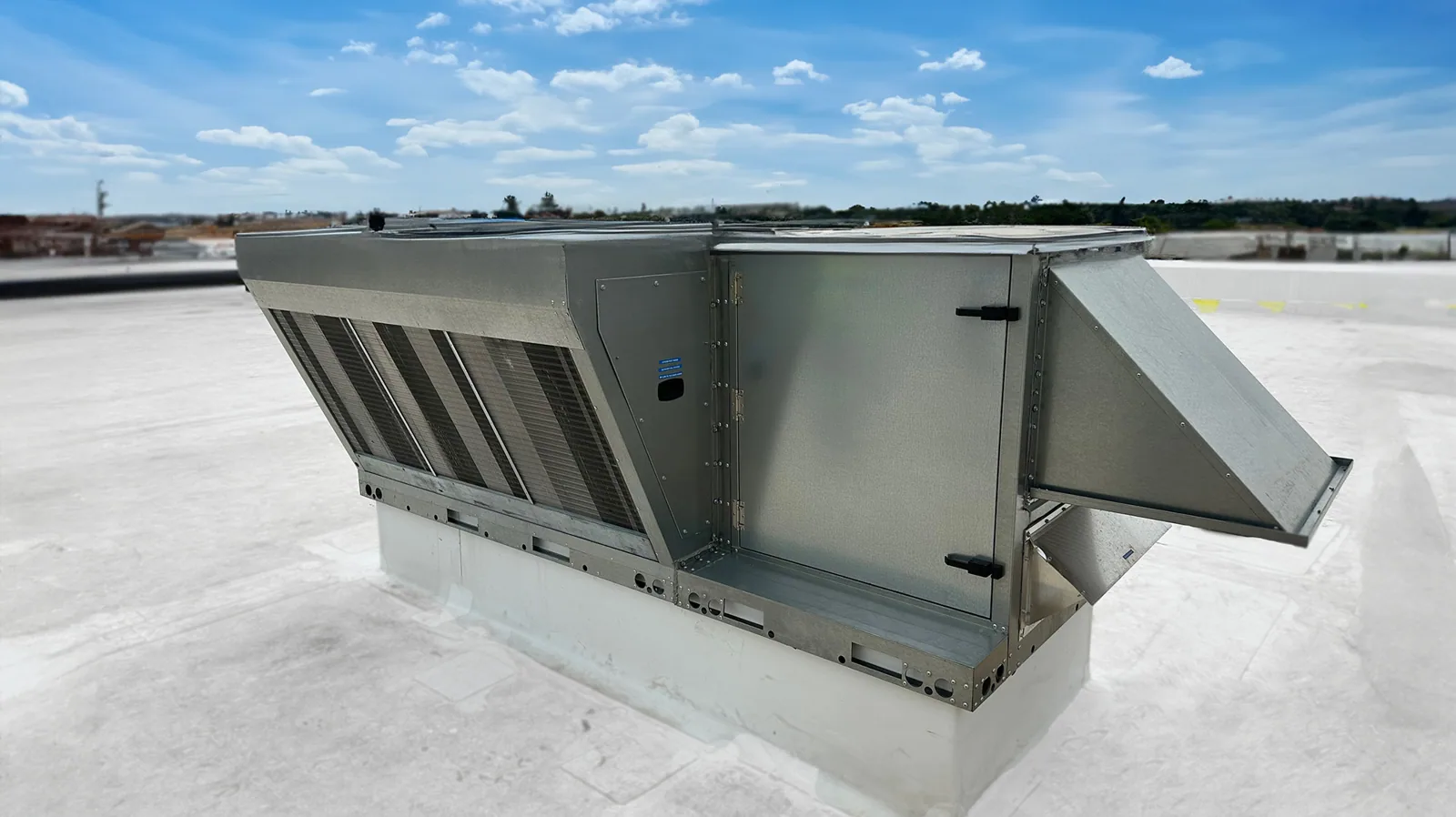
We keep a penetration log with location, date, contractor and detail used, and we photograph each flashing before it is covered. For an owner who allows tenant work, we recommend a simple rule: nothing goes through the roof without a notice to the facility manager and a visit to inspect the flashing afterward. Our rooftop equipment curb and support work follows the manufacturer's detail where one applies.

Equipment changes deserve extra attention. When a tenant replaces a unit, the old curb often stays, and the new unit sits on it with whatever adapters the installer had. Mismatched curbs leak at the corners, and a reviewer will ask why. We check each replacement against the original detail and flag any that do not match before the roof is covered again.

Keep the Maintenance Record

Most warranties assume the owner maintains the roof. Drains are cleared, debris is removed, traffic is controlled and small repairs are made promptly. A record that shows those things happened is stronger than an owner's recollection.

A preventive maintenance visit produces that record. We clean drains and scuppers, check flashings and seams, note ponding and photograph the roof. Each visit adds a dated entry. If a leak appears and a reviewer asks whether the roof was maintained, the file answers.

Heat matters to the schedule. August highs average near 98 F at Camp Mabry in Austin. Sealants and flashings age under that load, and the record shows when each was last checked.

Foot traffic is part of the record. Technicians who service rooftop units cross the membrane, and some warranties limit unprotected traffic. Walkway pads along the route show that the owner took the precaution, and the file notes the date they went in.

Give Notice the Right Way

When a leak appears, the clock may start. Many warranties require written notice to the manufacturer or its representative within a set time. We help the owner prepare that notice: what was observed, where, when and what temporary action was taken. Photographs and a roof plan go with it.

Temporary repairs need care. A patch applied to stop water is usually fine, but a permanent repair by a crew the manufacturer has not approved can complicate a claim. We keep the temporary scope narrow, document it and wait for the manufacturer's response before doing permanent work that the warranty may govern.

The manufacturer decides coverage. Our part is to give it the facts in an order it can read.

Photographs taken at the time of the leak carry more weight than photographs taken a month later. We recommend that a facility team keep a camera, a roof plan and a contact list handy, so a first call produces a first record the same day.

Roof Warranty Management

Treat Storm Events Separately

Many warranty terms treat storm damage differently from workmanship and material defects. Hail, wind and impact from debris are often excluded or handled under separate conditions, and the owner's property insurance usually responds to them instead. Johnson City's six-inch hail on May 9, 2024 was recorded by the weather service before the storm carried on to San Marcos.

We document storm findings with dated photographs and a moisture scan, and we keep them separate from defect findings. That separation helps both the insurance conversation and the warranty conversation. The same photographs support roof insurance claim assistance when the policy is the path.

Roof Warranty Management

Plan for Transfers and Sales

A warranty may transfer to a new owner, but often only with notice and sometimes with a fee or an inspection. A buyer reading the file wants to see the document, the maintenance history and the penetration log. A seller who has those items ready closes faster.

We pair the warranty file with a written condition report, so a buyer or lender sees both what the warranty promises and what the roof looks like today. Owners along the San Marcos I-35 outlet and retail corridor can keep every center's file in one set.

Commercial Roofing Questions

Does a repair by another roofer void the warranty?

It can, depending on the terms. Many warranties require repairs by an approved crew or to the manufacturer's detail. Read the conditions before work, and tell the manufacturer if you are unsure.

What if the original warranty paperwork is gone?

We rebuild the file from cores, permits, invoices and labels, then ask the manufacturer to confirm what it has on record. The roof file then holds whatever the manufacturer confirms.

Do tenant units affect coverage?

Yes, when they cut or load the membrane. Each penetration needs the right flashing and a log entry. Without them, a reviewer can attribute a leak to the tenant work.

How often should the maintenance record be updated?

After every visit and every repair. Twice a year is a workable rhythm for most roofs, with an extra visit after major storms.

Who decides whether hail damage is covered?

The manufacturer decides under the warranty terms, and the property insurer decides under the policy. Our file gives both the same dated photographs.

Send the Warranty Papers and Building List

Share the warranty documents, roof ages and any past reports, and we will sort the roofs into replace, repair and watch groups before your next budget year.

Request a Roof Assessment

Related Roofing Work

ServicesRoof SystemsIndustriesProperty TypesService AreasRoof Damage RepairCapabilitiesManufacturersAboutContactRequest a Roof Assessment555-555-5555
Call555-555-5555