555-555-5555

Solar-Ready Roofing

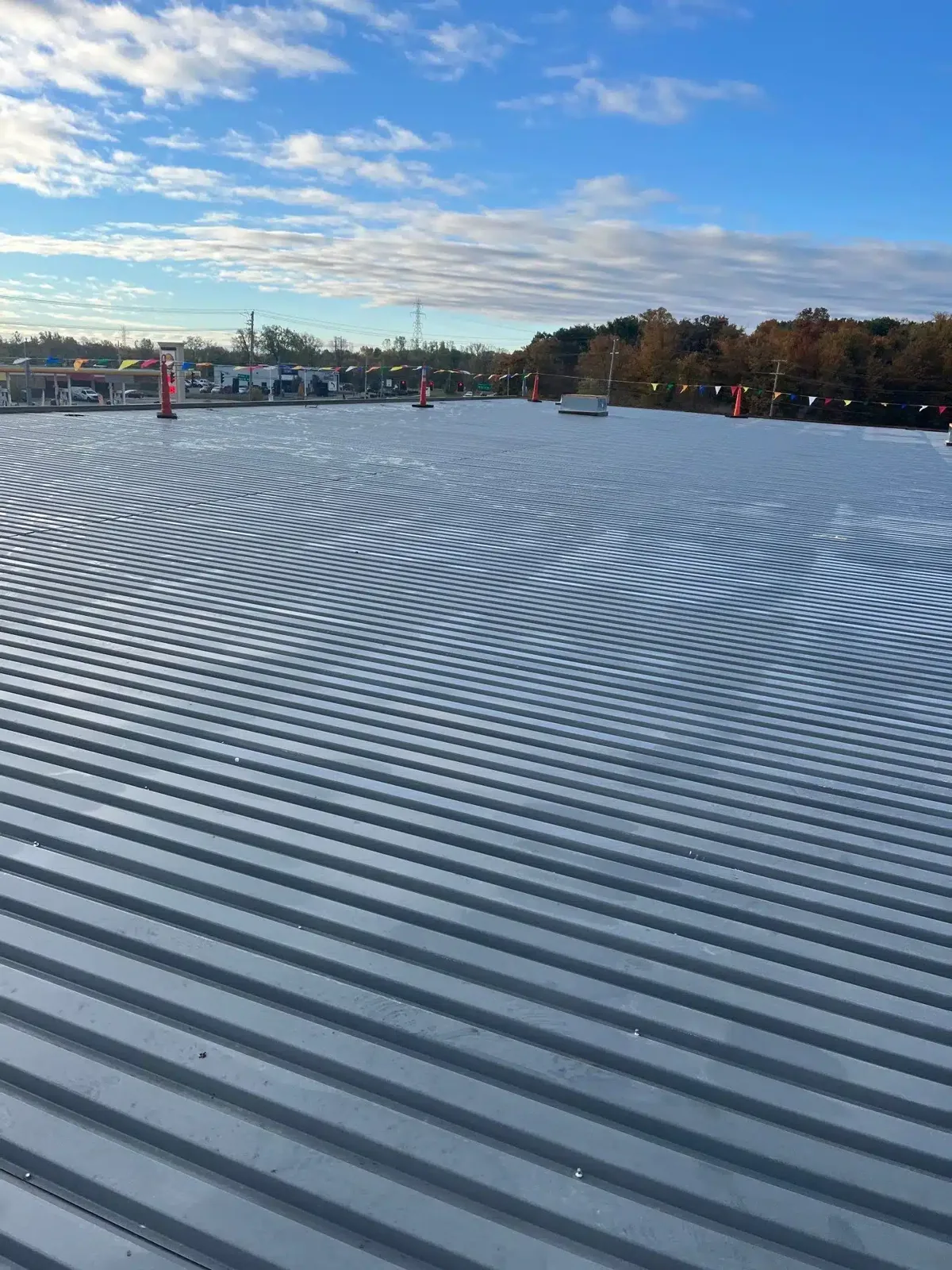
A solar array is a long-term tenant on a roof that may have fewer years of service left than the array contract runs. That mismatch is the whole story for the large, flat building class that is most often asked about solar: warehouses, fulfillment shells, big-box stores and business park buildings with wide, unshaded fields. What a solar plan does to a budget year is sharp. If the roof is replaced first, the array goes on a membrane that will outlast it. If the array goes first, the roof underneath either has to be replaced later at a premium or has to be good for the whole term. We help the owner put the roof and the array in the right order.

Roof age and the array term

Arrays are removed and reset when the roof beneath them is replaced, and the cost of that reset can rival the roofing work. So the sequence matters. A roof with a decade or more of remaining service can often host an array, if the roof is sound and the term is realistic. A roof near the end of its life should be replaced or restored before panels go on. We grade the roof by remaining service, using a walk, a moisture survey and cores, and we tell the owner whether the roof can carry an array for the length of the contract. That answer is the first deliverable on any solar-ready job, and it shapes the rest of the plan.

Solar-Ready Roofing
Solar-Ready Roofing

What solar-ready means on the roof

A solar-ready roof is one that has been prepared so an array can be added without damaging the roof or voiding its warranty. The preparation covers four things. The membrane gets reinforced walk and ballast areas where panels will sit. The deck and framing are checked for added weight and wind uplift. Drains, crickets and slope are corrected so water does not pond under the array. And penetrations, conduit paths and equipment space are laid out in advance so installers use planned routes instead of cutting new holes. For a reflective membrane, the cool roof installation choice and the array layout should be settled together, since panels shade the roof and change what reflectivity is worth.

Weight needs a number. Ballasted arrays can add substantial load per square foot, and the deck, the joists and the insulation must carry it. Roofs with lightweight deck or thin steel may need reinforcement. A structural review comes before any layout, and the roof file records the allowed load, the zones where panels may sit and the zones where they may not.

Roof color and surface also change under an array. Panels shade the membrane, which slows weathering beneath them and leaves the uncovered margins to take the full sun, so the two zones age at different rates. We record both zones separately in the roof file, mark the boundary and set the inspection interval for the covered area according to how often the array owner allows access, since an area nobody can reach is an area nobody can watch.


Mounting methods and roof types

Arrays are held by one of three methods. Ballasted mounts rest on the roof by weight, with concrete blocks or trays and no penetrations. Attached mounts fasten into the deck or structure through the membrane, each fastening point flashed and sealed. Clamp mounts grip the seams of a metal roof without piercing it. A standing seam metal roof is well suited to clamps. A low-slope membrane roof may take ballast if the deck can carry the load, or attachments with flashed bases. Each method has trade-offs in weight, wind resistance, leak risk and removal cost. We review the structural capacity with the owner's engineer and choose the method that suits the roof, not the one that is cheapest to install.

Removal cost belongs in the plan. Every mount type can be removed, but the effort differs, and the roof usually needs repair where hardware sat. Ballast leaves marks and compressed insulation, attachments leave flashed bases to remove and clamps leave little. We estimate the removal and repair as a line, so the owner sees the true end-of-term cost before the array goes up.

Coordinating with the installer

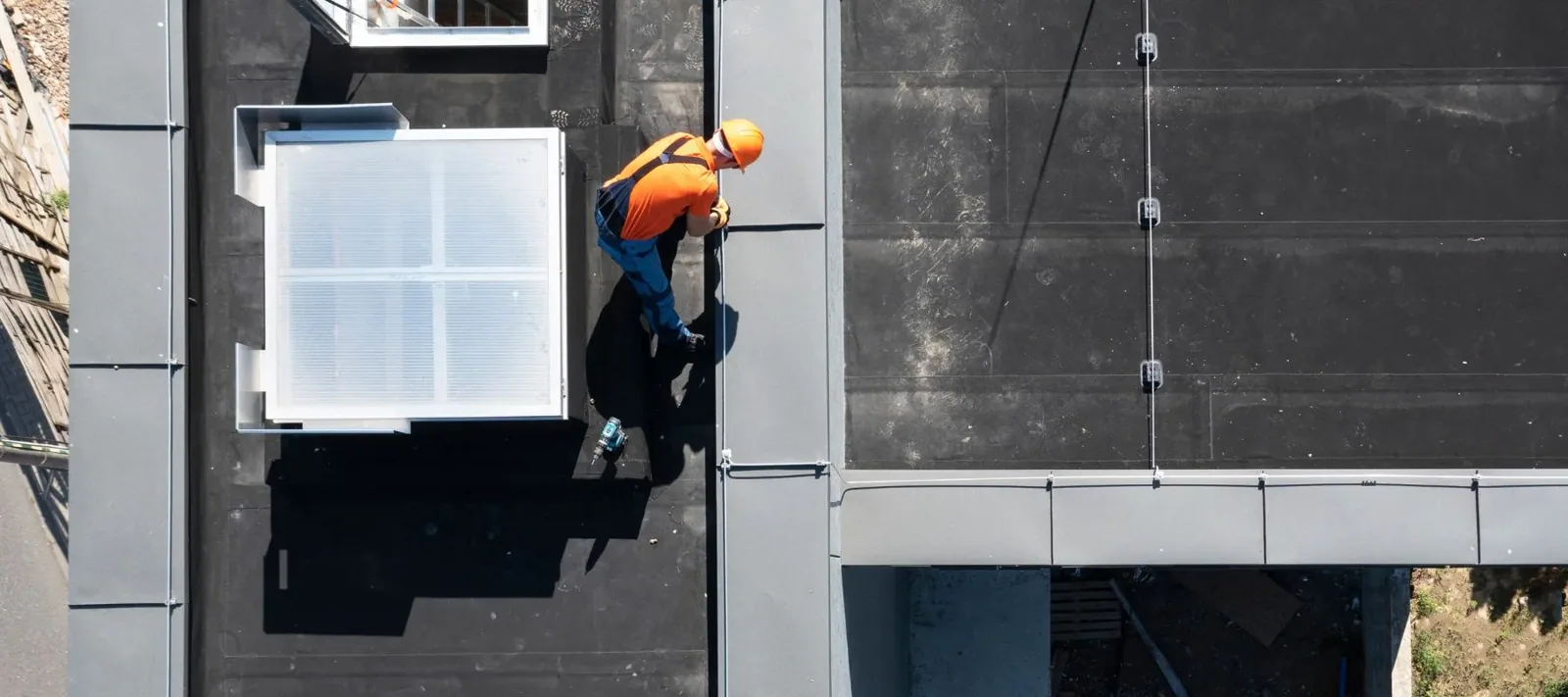
Most solar problems on roofs come from poor coordination. An installer who does not know the roof's layout may drill through insulation, block a drain or set ballast on a seam. A roofer who is not told about the array may use a material that cannot take foot traffic. We meet the installer before the work, share the roof inventory and mark the keep-out zones: drains, scuppers, curbs, expansion joints and areas of known wet insulation. We agree on walk paths and on who repairs what if a membrane is damaged. The roof warranty needs the same attention, and a roof warranty management file records manufacturer requirements for attachments and the sign-offs they call for.

Service access is built in from the start. Roofers need to reach seams, drains and flashings under and around the array, and installers need to reach inverters and wiring. We leave clear aisles at set spacing, keep panel rows back from edges and parapets, and mark equipment paths. A layout that treats the roof as a machine to be serviced, not a surface to be filled, costs little more and makes every later visit easier.

Solar-Ready Roofing

Hail, heat and local rules

Hail comes first in the questions owners ask. The storm of May 9, 2024 produced hail reported up to six inches across in Johnson City, which is why panel impact ratings and the membrane under the panels come up in the same conversation, even though the storm settles nothing about a given roof. Heat is second: August afternoons average near 98 F at Austin Camp Mabry, and an array traps warmth against the roof beneath it. Code is third. Under Ordinance 2023-09, the city moved to the 2021 International Building Code and Energy Conservation Code.

Solar-Ready Roofing

The budget-year decision

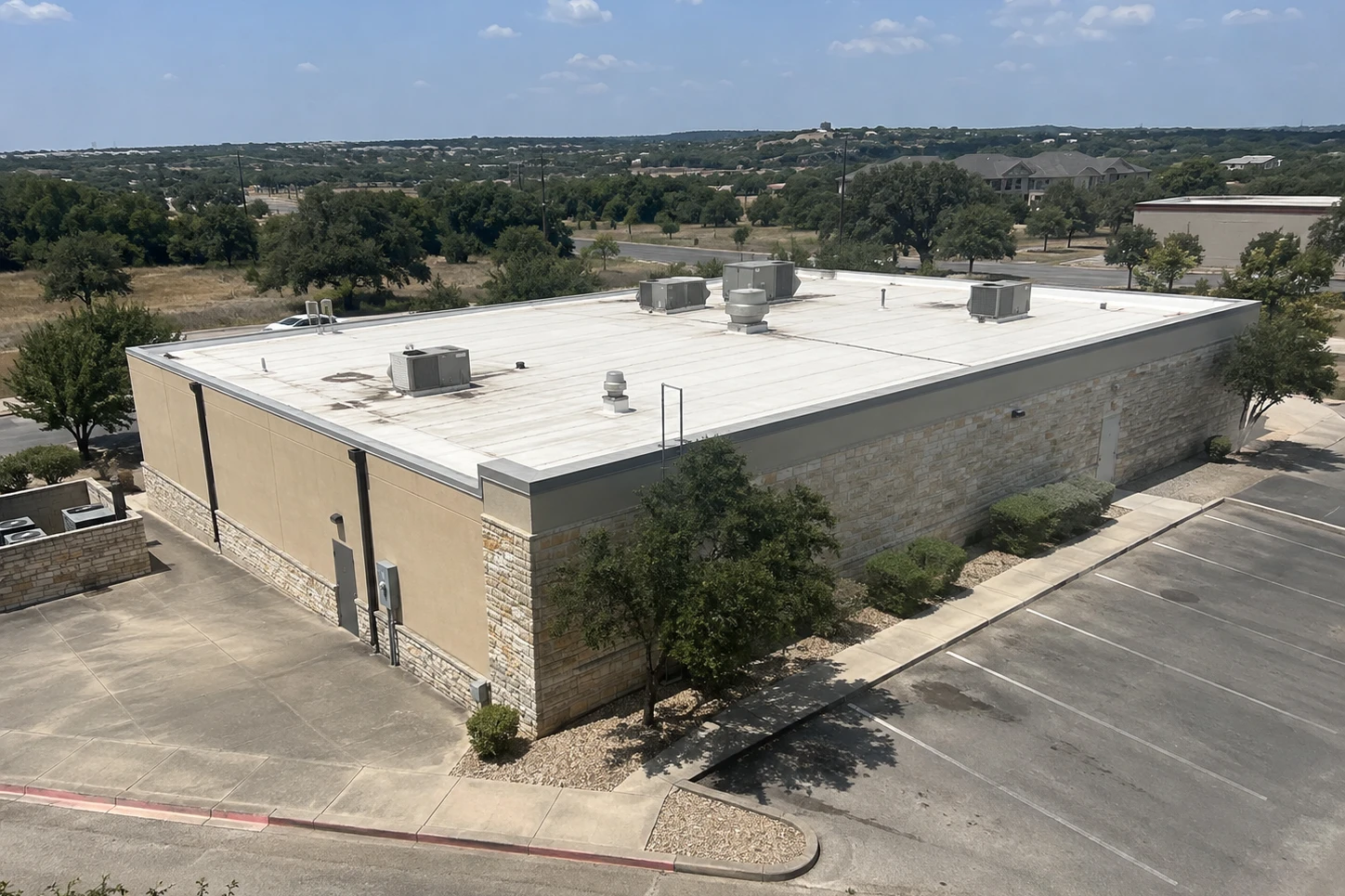
For the owner, solar is a roof decision with an energy decision attached. A large flat building of the kind planned in the I-35 business park corridor, where the San Marcos Business Park calls for three buildings, may offer wide, clear fields. A warehouse roof of that type is a natural candidate. We work with the capital plan to put the roof work ahead of the array, and where the roof is due, we fold solar-ready details into the commercial roof replacement. Equipment stays accessible through planned curbs and supports. The scope lists cost drivers: area, structural work, drain correction, walk pads and conduit paths.

Commercial Roofing Questions

Should the roof be replaced before solar is installed?

If the roof has less service life left than the array contract, yes. Replacing first avoids removing and resetting the array later. A sound roof with many years left may host panels as is.

Will solar void my roof warranty?

It can if the work is done without the manufacturer's rules. We read the warranty terms, coordinate the installer and record the sign-offs so the file shows the work met them.

What about servicing a roof under existing panels?

Panels may need to be lifted or moved for repairs. We plan access, document the layout and coordinate with the array owner. A clear layout makes the work faster and safer.

Can ballasted arrays leak?

Ballast has no penetrations, but weight can crush insulation, block drains or abrade the membrane. Pads under blocks and clear drainage prevent most trouble.

Do you install the solar panels?

We prepare and repair the roof, and we coordinate with the installer. The array itself is the installer's work.

Send the Roof Ages and Solar Plans

Send the building list, the roof ages and any solar proposals, and we will sort the roofs into ready, replace-first and not-suited groups before the next budget year. Use the contact form.

Request a Roof Assessment

Related Roofing Work

ServicesRoof SystemsIndustriesProperty TypesService AreasRoof Damage RepairCapabilitiesManufacturersAboutContactRequest a Roof Assessment555-555-5555
Call555-555-5555