555-555-5555

I-35 Business Park Corridor

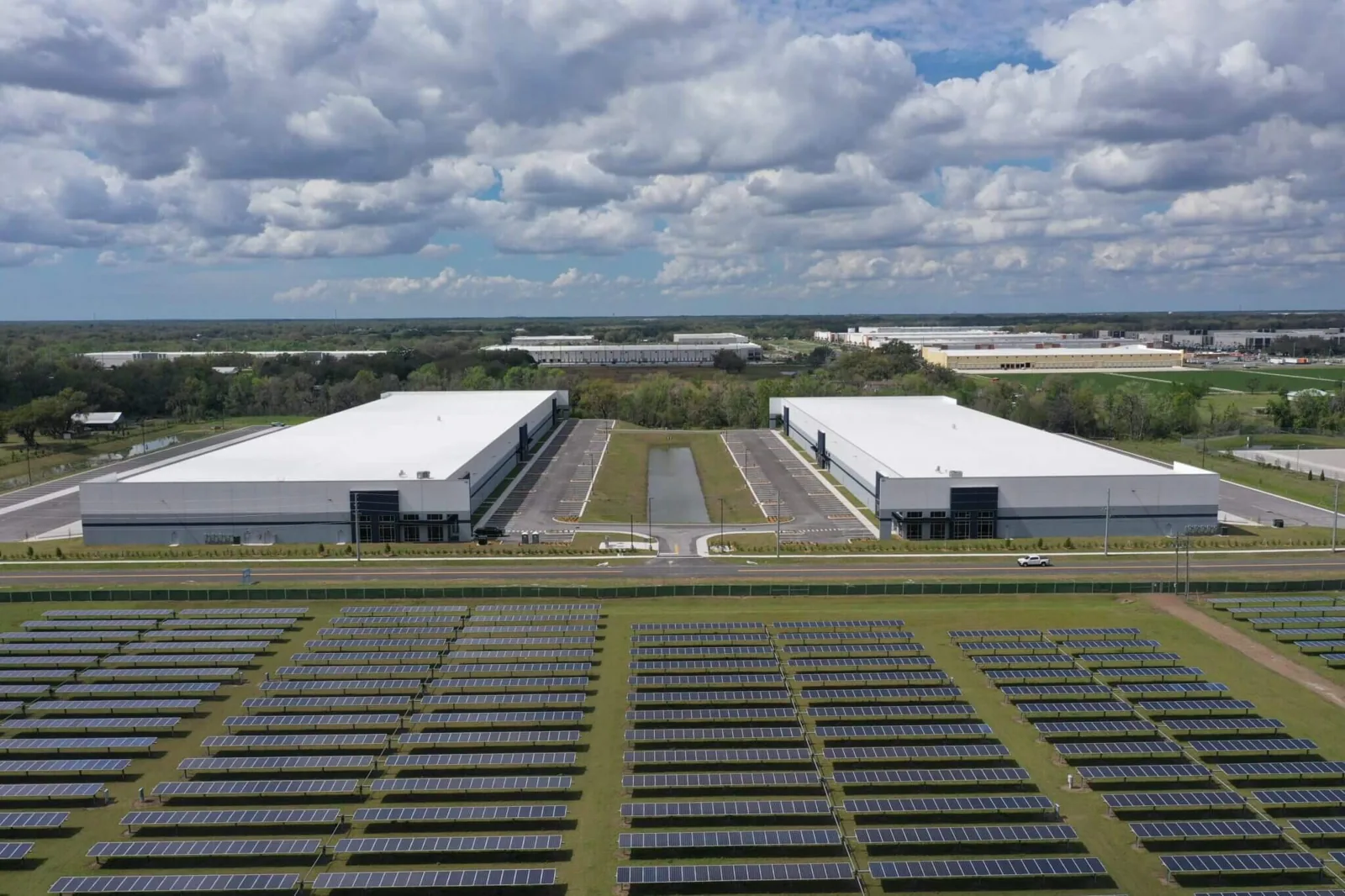
A business park roof starts its life as a record, and the owner who keeps that record controls the budget for the next twenty years. The class we are describing is the new distribution or flex building on a tilt-wall deck, with wide low-slope fields, a dock-side edge and a handful of rooftop units. Its roof is young, so the question for the budget year is not what to replace but what to document before the first tenant moves in.

The San Marcos Business Park along Interstate 35 is planned as three buildings: Building A at 204,460 square feet fronting the highway, Building B at 84,000 and Building C at 377,000. Building C is the first phase, interior roads and a new TxDOT entry are nearing completion, and Phase Two is fully entitled. A facility director who will own or manage buildings of that kind gets the best value from a roofer in the first year, not the fifteenth.
Baseline the New Roof

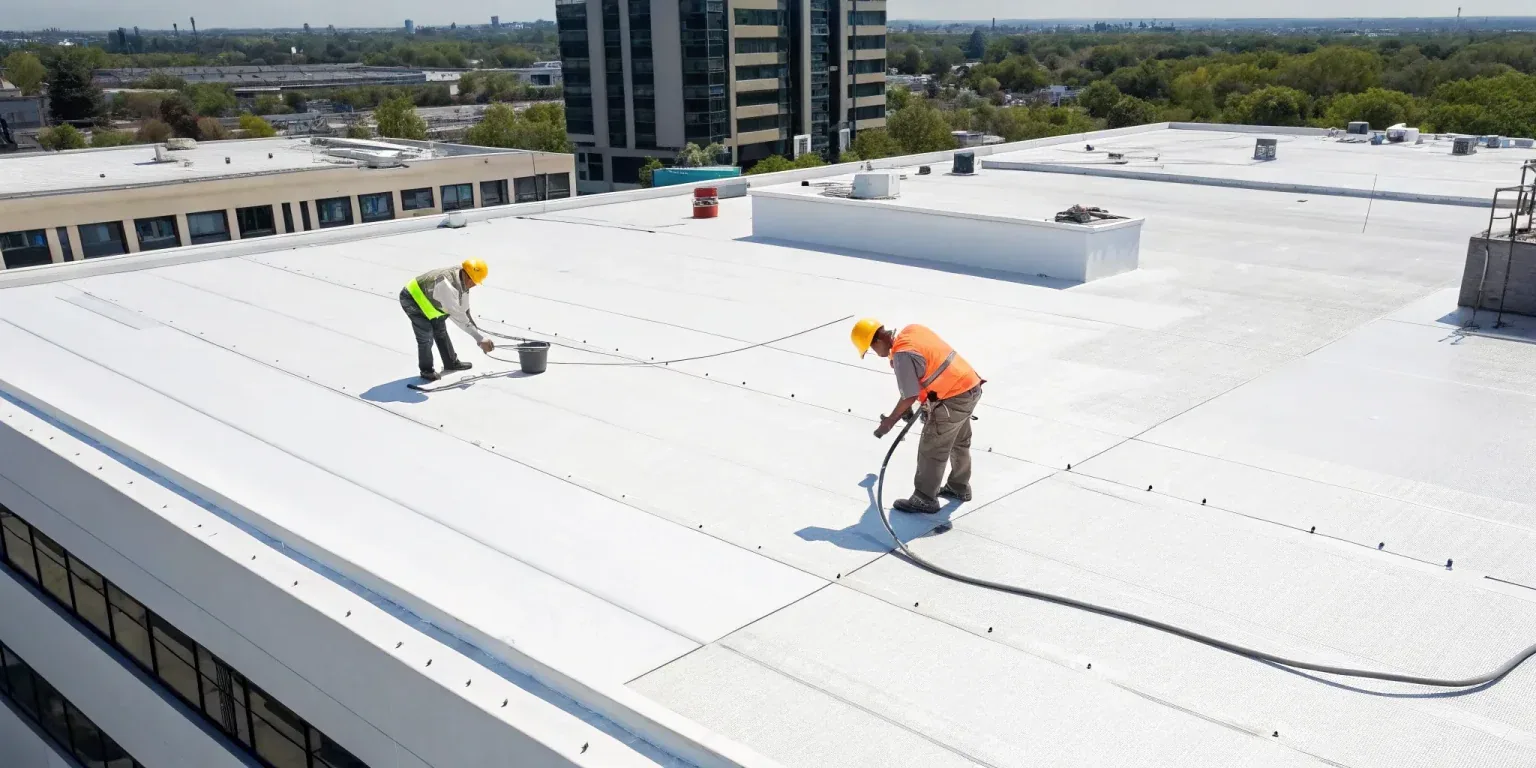
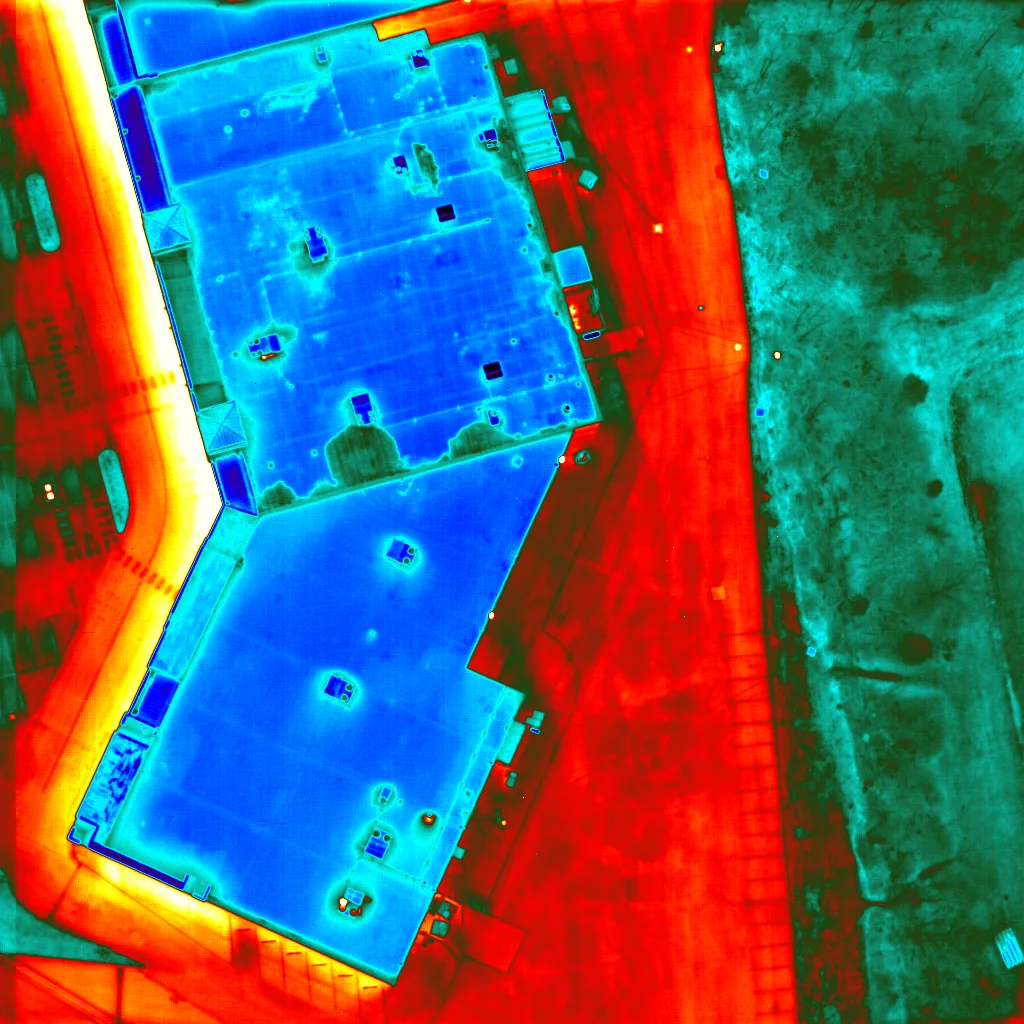
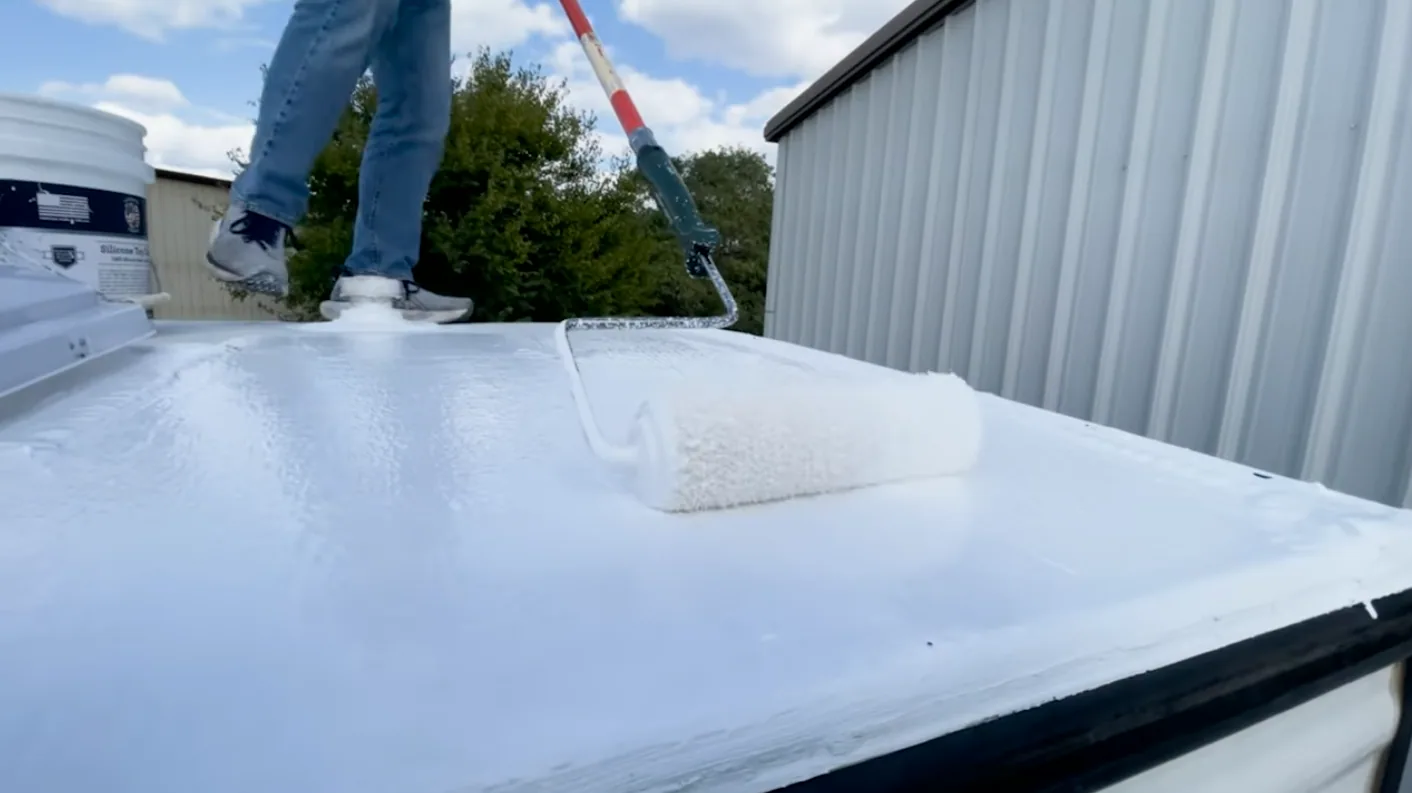
Every new roof should be scanned and walked before it carries a tenant. A baseline scan maps dry insulation, and a walk records the seams, flashings, drains and edge metal as they were left on completion day. Photos tie each detail to a plan.

That baseline answers two questions later. If a leak appears in year three, the scan shows whether the insulation was dry at the start, which separates a workmanship issue from a damage issue. If a storm hits, the scan shows what changed. An infrared moisture survey at completion costs little compared with the argument it prevents. We also collect the manufacturer paperwork, the as-built drainage plan and the list of penetrations, so one file holds everything a buyer or lender will ask for.

I-35 Business Park Corridor

Walk the Dock-Side Edge

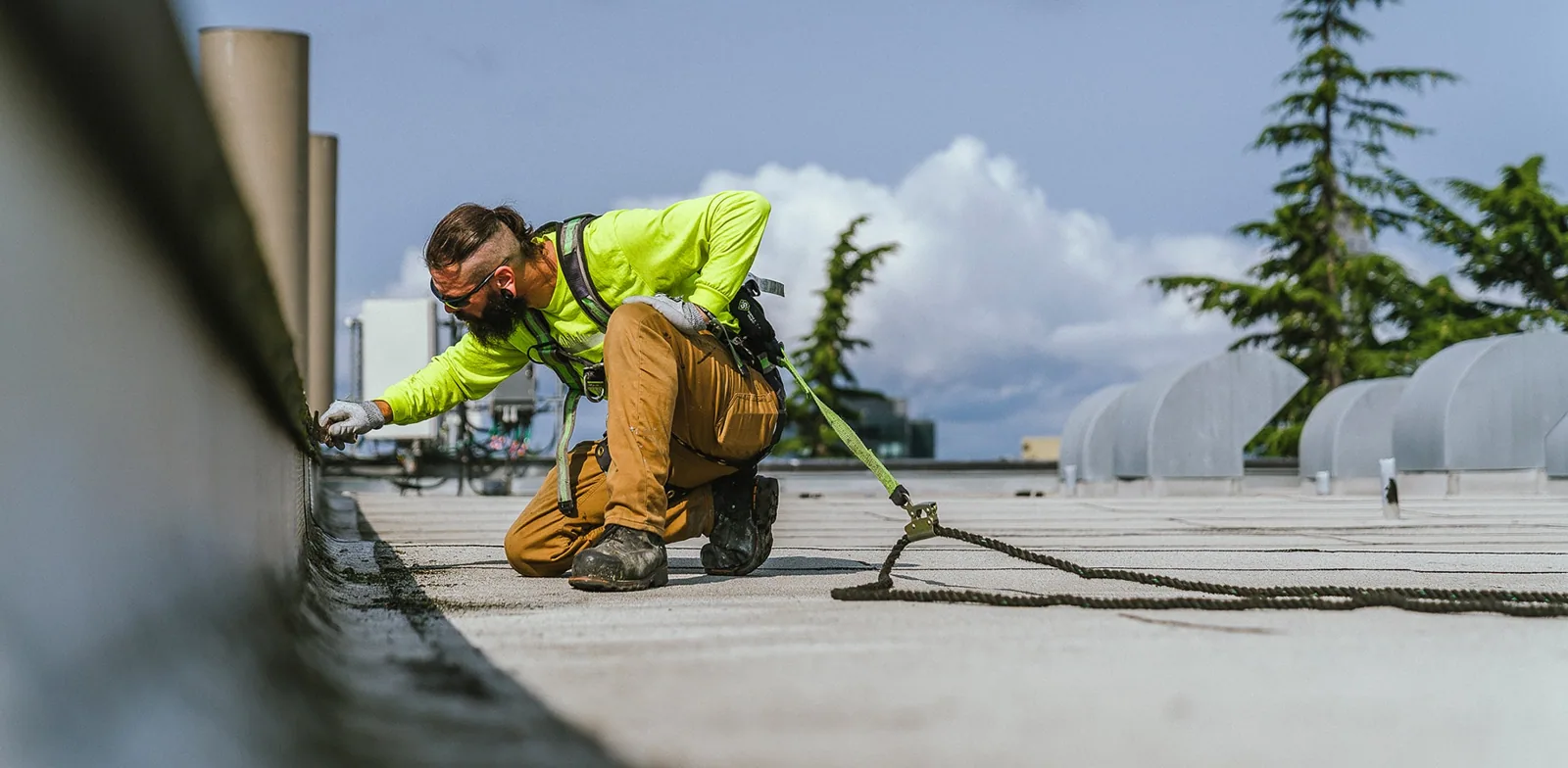
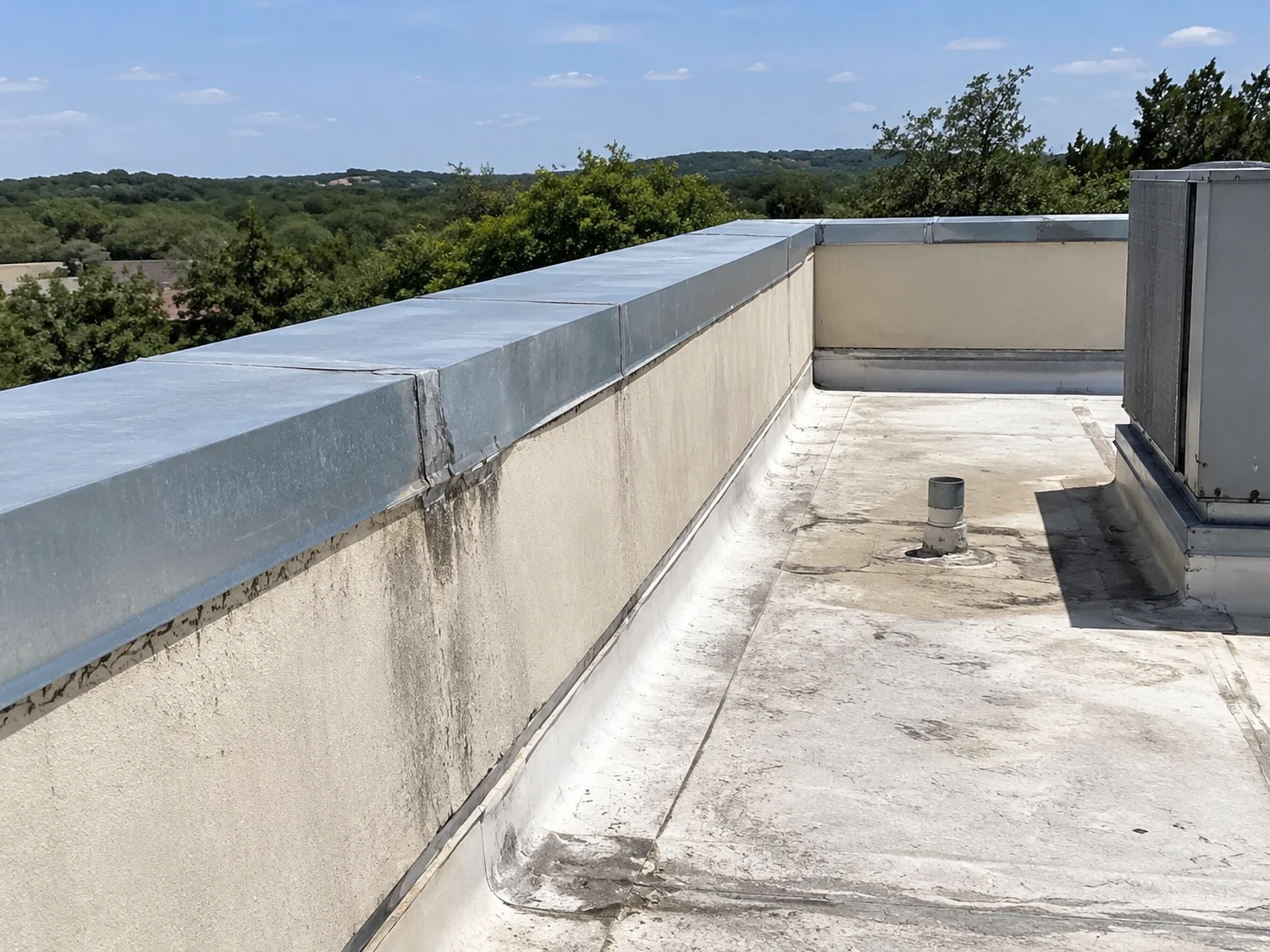
The dock-side edge of a distribution building takes more punishment than the field. Trucks vibrate the wall. Canopies add weight and catch wind. Parapets and copings take thermal movement in both directions, and the sealant at the joints ages first. We walk the edge on a new building early, because a defect built in at installation shows up there sooner than anywhere else.

We check coping joints, termination bars and the counterflashing line. We press each sealant bead and tug each cap piece. A loose fastener found in the first year is a ten-minute fix, and found after a windstorm it is a lifted edge and a wet corner. The detail work on edge metal, coping and gutters belongs in the first-year warranty review for the same reason.

Plan Phase by Phase

A park built in phases has roofs of different ages from the start. Building C will be a year or more older than anything in Phase Two. That matters for the replacement queue, because the first roof in will be the first to reach the end of its service. We keep a separate record for each phase and each building, with an install date, a scan history and a repair log.

Phasing also matters for access. Construction traffic on a half-finished park puts debris, fasteners and foot traffic on roofs that are already complete, and a dropped screw under a boot can cut the sheet in the first week of foot traffic. We recommend walk pads along service routes and a quick debris sweep after each trade leaves. A distribution center roof that is clean at turnover starts its service ahead of one that is not.

Landscaping and site utilities finish after the roofs do, and the trades involved carry tools and materials across completed roofs; a final debris walk after the last site trade leaves is cheap insurance.

Account for Supply-Chain Tenants

Hays and Caldwell counties host more than 250 supply-chain businesses, and that is the tenant pool a park along I-35 draws from. Distribution and light manufacturing tenants add rooftop equipment, exhaust and sometimes racking loads that matter to the structure. Each addition is a cut in the membrane and a change to the drainage.

We write a short rule set for tenants: where units may go, which curbs to use, how to protect the membrane during installation and who to notify. It protects the owner's warranty and keeps the roof log current. When a tenant turns over, a quick scan before the next lease confirms the roof is where the log says it is. A warehouse roofing program of that kind costs little and keeps the replacement queue honest. Owners who skip the step tend to learn about tenant cuts from a stain, and by then the insulation below is already wet.

I-35 Business Park Corridor

Read the Storm Record

The Hill Country storm pattern applies here. Six-inch hail came down on Johnson City on May 9, 2024; the storm then moved through San Marcos. A tornado warning was issued for downtown San Marcos the same evening.

Those events are context. They explain why owners ask for a field review after a storm. A new roof is not immune, but a new roof with a baseline answers the question quickly. The membrane gets pressed, wet spots are scanned and the results are laid over the original map. If the two maps match, the roof is clear and the report says so. If they differ, the difference is the scope, and nothing else is. A hail damage repair scope then covers only what changed.

I-35 Business Park Corridor

Set the Budget Year

For a park owner, the budget year decision is to fund inspections now and replacements later. A small annual line for scans, drain cleaning and sealant checks keeps the roofs in the watch group for years. A later replacement or addition is scoped to the two 2021 model codes in force in San Marcos, building and energy.

A roof capital planning file spreads future replacements across years and shows the owner when each building's service is expected to end. The Fortuna and Yarrington industrial area and the I-35 outlet corridor sit close by.

Prepare the File for a Sale or Loan

Business park buildings change hands. A developer sells to a long-term owner, and a lender asks for a condition review before it funds. The roof is one of the first items on the list, and a ready file shortens the process.

We assemble that file as the buildings come online. It holds the baseline scan, the as-built plan, the penetration list, the warranty papers, the repair log and a dated photo set. When the request arrives, the owner hands over one document. A due diligence roof survey from a buyer's side then confirms the file instead of starting from nothing, which shortens the window and reduces the number of surprises.

The same file serves the insurer. After a storm, a before-and-after comparison on a numbered plan lets the adjuster see exactly which sections changed.

Commercial Roofing Questions

What decides when a new roof gets its first scan?

The turnover date decides it. A scan at completion captures the dry baseline, before any tenant work or storm.

Should every building have its own record?

Yes. Install dates, tenants and exposures differ, so each roof needs a separate log.

Do tenants need roof rules?

They do. A short rule set on curbs, protection and notice keeps the warranty and the log intact.

How often should drains be cleaned?

At least twice a year, and after any heavy rain or construction activity on the park.

What should I send first?

The building list, the plans and any manufacturer papers. We will set up the baseline from there.

Send the building list and past reports

Share the addresses, the plans and any earlier reports, and we will sort the roofs into replace, repair and watch groups before your next budget year.

Request a Roof Assessment

Related Roofing Work

ServicesRoof SystemsIndustriesProperty TypesService AreasRoof Damage RepairCapabilitiesManufacturersAboutContactRequest a Roof Assessment555-555-5555
Call555-555-5555