555-555-5555

Due Diligence Roof Surveys

A speculative warehouse, a flex-industrial project and a multi-tenant retail center all enter a deal with the same unknown: how much roof is left. Along Interstate 35 in San Marcos, TX and the cities north of it, warehouse and distribution space, retail centers and flex-industrial projects are the building classes a buyer or lender is likely to price. The buyer or lender who is pricing one of them has a short window, a large roof and a decision about reserves that depends on what the roof actually is. A due diligence survey answers that question in the time the deal allows.

The goal is a document that sorts the roof into what is sound, what needs repair now and what will need replacement soon, with a cost range for each group that a buyer or lender can use.

Scope the Survey to the Deal

The survey starts with the transaction. We ask about the closing date, the access agreement, the number of buildings and whether the roof has a warranty or an earlier report. Those answers decide how much time we need on site and how deep the review goes.

For a refinancing, the lender usually wants a statement of condition and an estimate of near-term capital need. For an acquisition, the buyer wants those and a view of deferred maintenance that bears on price. For a portfolio sale, the buyer wants consistency, so each roof is scored the same way and the results are comparable across buildings.

We agree on the scope in writing before the first visit and note any limits the access agreement sets, such as areas that cannot be cored or tenants who must be warned.

Access shapes the schedule more than the size of the roof. Tenants in occupied space may need notice, security may need an escort and a roof hatch may be locked or blocked. We ask for contacts and keys at the start, so the first day on site is spent on the roof and not in a hallway.

Due Diligence Roof Surveys

Walk and Scan Within the Window

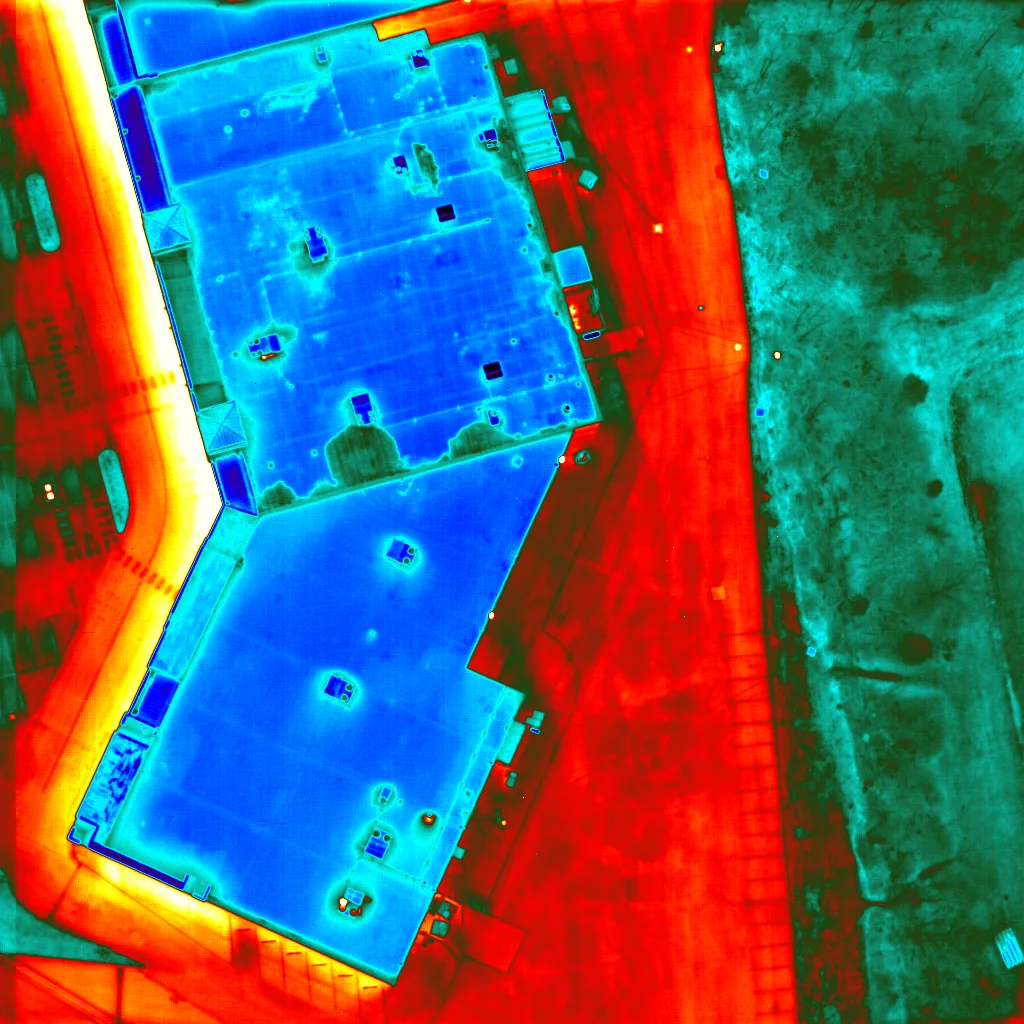
Deals do not wait for a leisurely survey, and a good survey does not need one. A team can walk a large roof quickly, scanning with infrared where conditions allow and cutting cores at the edges of anomalies. For roofs with a high chance of wet insulation, the scan comes first so the cores are cut where they matter.

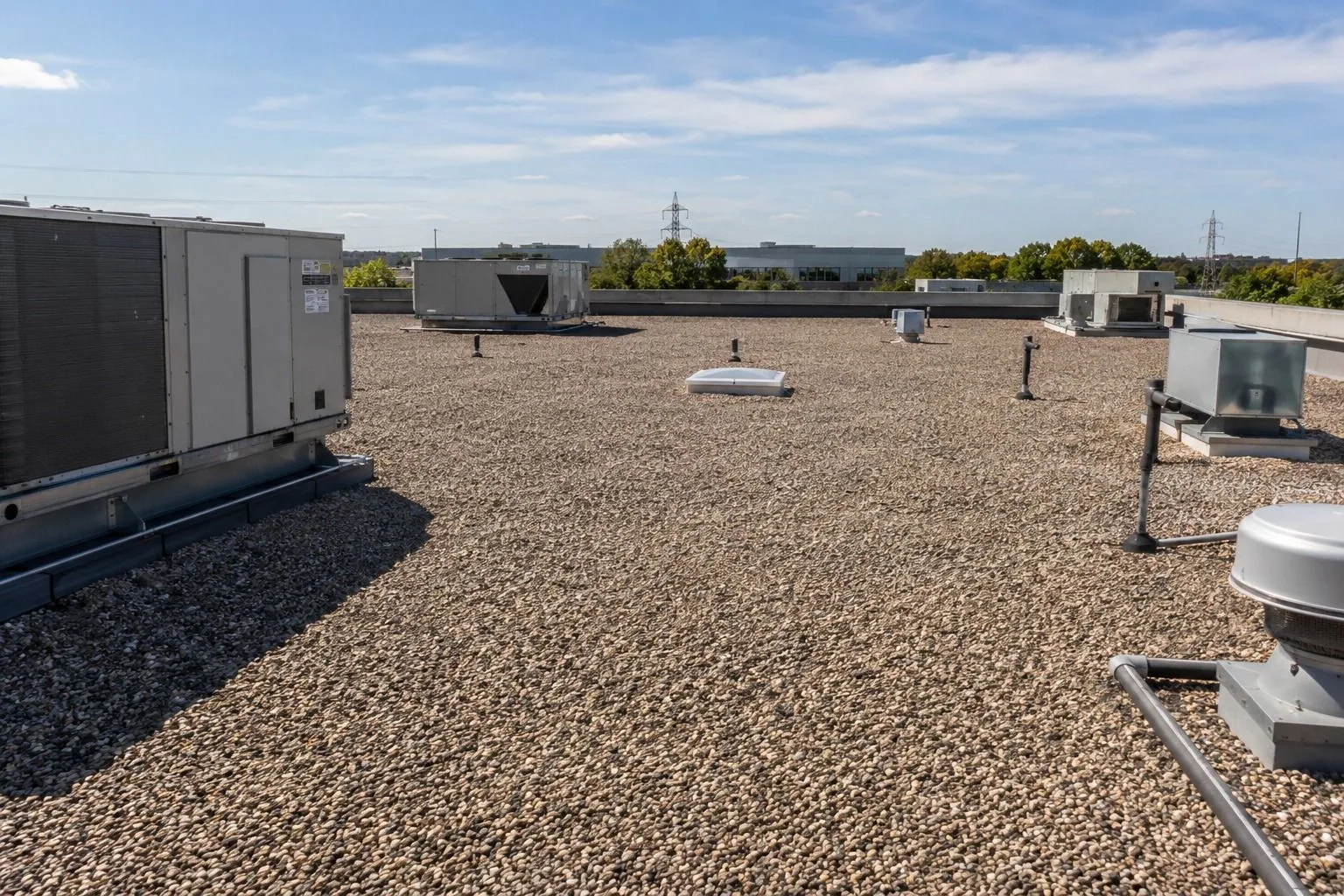
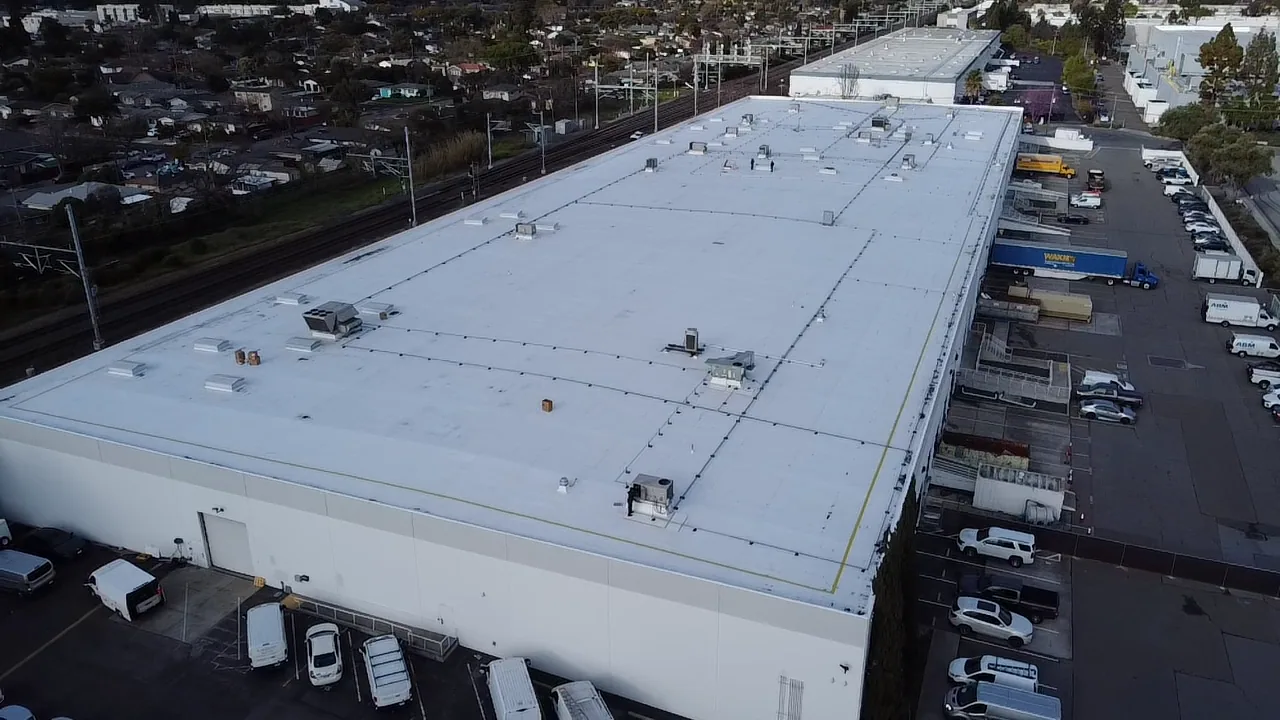
We use drone imagery to cover areas that are hard to reach and to record the overall pattern of ponding and staining. We still walk the roof to probe seams, check flashings and press sealant, because those details decide whether a roof has years left.

The infrared moisture survey is the item most likely to change a buyer's view of price. Wet insulation is the single biggest driver of the difference between a recover and a tear-off, and the survey puts a number on it.

Weather is the other variable. Infrared scans need a clear evening after a sunny day, and cores need a dry surface to reseal well. We build a weather margin into the schedule and tell the deal team which findings depend on conditions, so no one is surprised by a delay.

Put a Number on Deferred Areas

A roof entering a deal usually carries areas that someone put off. The survey names them: sections with open seams, flashings that have pulled away, drains that have clogged for years, curbs added without proper detail. Each one gets a location, a photograph and an estimated scope.

The totals go into three groups. The first group is work needed before closing or soon after, because water is entering or will enter. The second group is work needed within the next few budget years. The third group is a replacement horizon for roofs that are sound today. A buyer can drop those numbers into a pro forma, and a lender can compare them to the proposed reserve.

Where the survey finds nothing alarming, we say so and record what supports that conclusion: dry cores, sound seams, clear drains, flashing in good order.

Photographs carry the argument. A buyer's team may include people who have never seen the roof, and a clear image of a split seam or a wet core does more than a paragraph of description. Every item in the deferred list has at least one photograph and a location on the plan.

Check New and Speculative Buildings

New buildings are surveyed for a different reason. The San Marcos Business Park adds about 665,000 square feet across three planned buildings. In Buda, the Buda Gateway project is described as five speculative warehouses totaling about 500,000 square feet, and Onion Creek Trade Center is a roughly 23-acre, eight-building, 216,750 square foot flex-industrial project with 25-foot clear heights. In Kyle, the Hays Commerce Center holds a logistics center that was built as two distribution buildings, together over 400,000 leasable square feet.

A roof on a building like those starts its life with trades walking it. A due diligence survey at turnover, or when a buyer steps in, finds punctures, loose flashings and blocked drains while the cost of repair is small. The survey also becomes the baseline against which later scans are compared. The same walk applies to the flex-industrial roof and to a larger distribution building.

Due Diligence Roof Surveys

Check Code and Energy Edition

Roof scopes in the city get checked against the building and energy codes adopted by Ordinance 2023-09. A buyer planning a replacement within the hold period should know how those editions shape the scope, including insulation and edge detailing.

We note the edition in force and flag any roof that would likely need upgrades beyond like-for-like replacement. The estimate reflects those upgrades, so a lender sees the real cost of the future scope and not a reduced figure that only holds if the code stood still.

Permit history is worth requesting as well. A roof that was replaced under permit leaves a record of the system and the date, and that record can confirm what the cores show. Where no permit exists for visible work, the survey flags the gap for the buyer's attorney.

Due Diligence Roof Surveys

Deliver Findings Buyers and Lenders Can Use

The report comes in a form that works for people who do not climb roofs. A summary page lists each building, the roof sections, condition notes and cost ranges. A photo appendix backs every finding, and a moisture map shows where the roof is wet. The structure matches the written condition reports we prepare for owners, so a buyer can carry the same file forward after closing.

For owners with multiple assets, the same findings feed the capital plan and the multi-site roof program. Investors working in the San Marcos I-35 business park corridor get a consistent format from building to building.

Commercial Roofing Questions

How fast can a survey be completed?

The deal window sets the pace. A single building can be walked and scanned quickly, and the report follows shortly after. Larger portfolios are staged building by building.

What if the seller will not allow coring?

Then we rely on infrared scans, probing and visual evidence, and the report states what could not be verified. Cores are valuable but not always permitted before closing.

Does the survey replace a property condition assessment?

No. It goes deeper on the roof than a general assessment can. The roof section of a broader assessment can reference it.

Can the survey help negotiate price?

It supplies numbers for deferred work and near-term replacement. A buyer can use them to adjust price or reserves, and a lender can use them to size holdbacks.

What happens to the survey after closing?

It becomes the baseline for the roof inventory. Later scans, repairs and storm reviews attach to it.

Send the Deal Timeline and Building List

Share the addresses, closing date and any prior reports, and we will sort the roofs into replace, repair and watch groups in time for your decision.

Request a Roof Assessment

Related Roofing Work

ServicesRoof SystemsIndustriesProperty TypesService AreasRoof Damage RepairCapabilitiesManufacturersAboutContactRequest a Roof Assessment555-555-5555
Call555-555-5555