555-555-5555

Multi-Site Roof Programs

An owner with one building can get by on memory. An owner with twelve cannot, and the roof that gets forgotten is the one that leaks first. The I-35 corridor between Austin and San Antonio places many owners in that position. San Marcos, TX is about 30 miles from Austin and 51 from San Antonio, and its neighbors Kyle and Buda are on the same interstate. With more than 250 supply-chain businesses across Hays and Caldwell counties, an owner with buildings in more than one of these cities faces the same problem.

A multi-site roof program applies one standard, one schedule and one ranked list across all of them. The goal is simple: the next dollar goes to the roof that needs it most, wherever it is.
Set One Standard for Every Building

The program starts with a shared method. Every roof is walked the same way, scored on the same factors and recorded in the same format. Moisture, seam condition, flashing condition, drainage, deck movement and penetrations are measured the same on a fulfillment-class roof in San Marcos and on a flex-industrial roof in Buda.

A shared method makes the results comparable. The facility director can read two reports side by side and see which roof is in worse shape, and why. Without it, each report speaks its own language, and the ranking turns into an argument about scoring.

We write the method down and give it to the owner. If another contractor takes over a building, the method still applies, and the file keeps its meaning.

Training the people who touch the roof matters as much as the scoring. Maintenance staff, tenants' contractors and landlords' site managers all cross it. A one-page rule sheet for each building says where to walk, what to avoid and whom to call, and the program keeps those sheets current as buildings change hands or tenants.

Multi-Site Roof Programs

Sort the Portfolio by Building Class

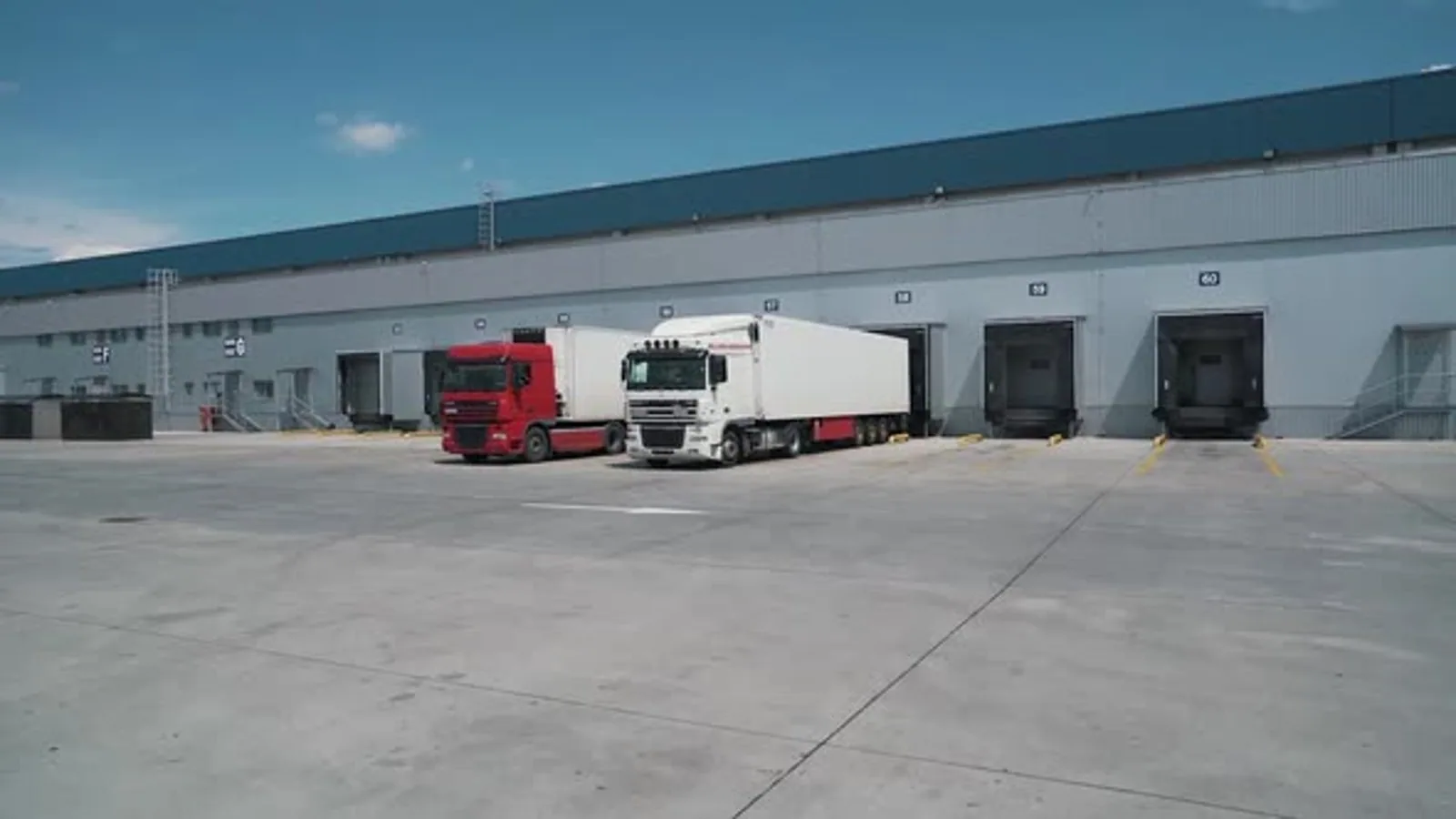
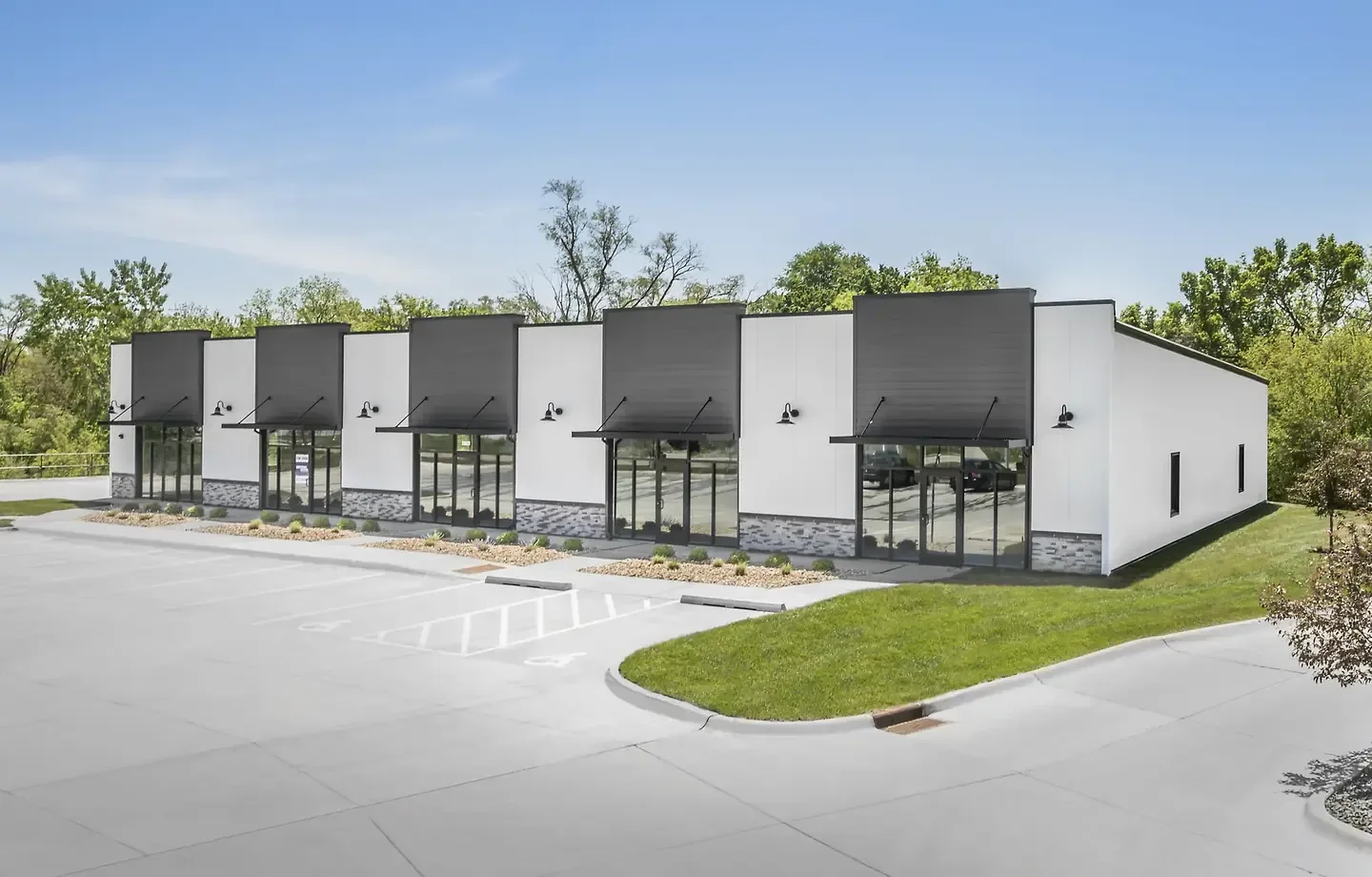
A program holds different classes of building, and each needs its own questions. Distribution and warehouse roofs ask about drainage across long fields, dock-side edges and rooftop traffic. Retail roofs ask about tenant units and penetrations. Medical and school roofs ask about noise, dust and calendars. Campus roofs ask about phases and joints between wings.

Amazon runs an 855,000 square foot fulfillment center in San Marcos, a 305,000 square foot delivery station in Buda and a 370,840 square foot sortation center in Kyle, which shows how one operator can hold buildings in three cities. Owners with that kind of spread benefit from one set of scoring rules and one ranked list. A logistics and 3PL operator and a property management company both fit that pattern.

Mixing classes in one program also protects against a common mistake: applying a rule that fits one class to another. A recover that suits a dry warehouse field would fail on a hospital roof with wet insulation. The program records the reason for each choice, so a later reader sees why two neighboring buildings were handled differently.

Schedule Along the Corridor

Distance costs time, and time costs money. A program that visits buildings in a logical order along I-35, from Buda through Kyle to San Marcos and out to Lockhart or Luling, saves trips and keeps crews productive. We group roofs by geography as well as by priority, so urgent work still goes first while routine work moves in efficient batches.

Each visit has a purpose. A walk updates the inventory. A maintenance visit cleans drains and checks flashings. A repair visit fixes defined failures. A scan visit maps moisture. Keeping those purposes distinct makes the schedule easier to read and the cost easier to track.

The calendar follows each building's operation. Retail centers avoid the holiday season. Schools wait for summer. Distribution sites choose slow shifts. The program lists those constraints once and applies them every year.

Emergency calls fit the route as well. When a leak is reported at one building, the nearest crew can reach it, make it safe and add the finding to the shared file. The next scheduled visit then picks up the permanent scope with the facts already on record.

Run Maintenance on a Rhythm

The cheapest roof repair is the one made before water arrives. A preventive maintenance rhythm of two visits a year, plus a storm visit when needed, clears drains, finds loose flashings and catches seam wear while it is small. Across a portfolio, that rhythm turns scattered emergency calls into scheduled work.

Heat shapes the timing. August highs average near 98 F at Camp Mabry in Austin, so we schedule the first visit of the year before the hottest months and the second after, so each roof is checked on either side of the season that stresses it most.

Records make the rhythm worth keeping. Each visit leaves dated photographs, a note on drains and a list of items for the next visit. After two or three years the file shows which roofs stay quiet and which keep asking for attention, and the ranked list changes with that evidence.

Multi-Site Roof Programs

Respond to Storms Across the Whole List

Hail and wind do not respect property lines. Johnson City, in the path ahead of San Marcos, had six-inch hail on May 9, 2024, and an owner with buildings in several cities has to decide which ones to look at first. A program answers that question in advance with a ranked list of exposure, so the first visits go to the roofs most likely to be affected.

The post-storm routine is the same everywhere: check edges and equipment, scan for bruising, cut cores where the scan flags and photograph what we find. The results join the shared file, and the owner sees one picture of the portfolio instead of a dozen separate reports. Our storm damage roof repair work follows that routine.

Insurance paperwork follows the same file. A carrier or adjuster asked about several buildings can be sent the pages for each, with the dated before and after photographs that show the effect of the event on each roof.

Multi-Site Roof Programs

Report Once and Plan Once

A program ends in one report. It shows each building, each roof section, its condition, its warranty status, the work done this year and the work planned for the next. The totals roll into the capital plan, and the warranty files sit with the warranty records.

The report is written for the person who defends the budget. It lists the replace, repair and watch groups, the estimates and the reasons. Backing photographs and moisture maps sit behind it. Whether the roofs sit in the Kyle logistics corridor or on the Texas State campus, the format stays the same.

Commercial Roofing Questions

How many buildings justify a program?

Three or four buildings with different roof ages already benefit from one standard and one schedule. The value grows with each building added.

Can buildings in different cities share one schedule?

Yes. We group visits by geography along the corridor and by priority within each group. Urgent work still goes first.

What if buildings have different roof systems?

The method adapts to each system. A membrane roof and a metal roof are scored on the factors that matter to each, and the results sit in one file.

How are tenants handled across sites?

The program records each building's access rules and tenant notice requirements once. Crews follow them at every visit.

What does the owner receive at year end?

A portfolio report with condition by building, work completed, warranty status and the next year's ranked list.

Send the Portfolio List

Share the addresses, roof ages and any past reports, and we will sort the roofs into replace, repair and watch groups before your next budget year.

Request a Roof Assessment

Related Roofing Work

ServicesRoof SystemsIndustriesProperty TypesService AreasRoof Damage RepairCapabilitiesManufacturersAboutContactRequest a Roof Assessment555-555-5555
Call555-555-5555