555-555-5555

Storm Damage Roof Repair

Storm repair is the one service where every building class lands in the same queue on the same morning. A fulfillment roof, a school wing, an outlet building and a courthouse all want attention after a hard storm, and each needs a different first move. What a storm does to the budget year is also unusual: it forces a spending decision on a date the director did not choose. The way to keep control of that decision is to sort fast. First stop the water. Then separate what the storm broke from what was already worn. Then match each roof to a repair scope, a claim and a place in the replacement queue.
The storms behind the calls

The May 9, 2024 storm is the one people in town still point to: the National Weather Service reported hail up to six inches across in Johnson City ahead of it, and in northwest San Marcos high winds toppled trees onto fences and homes across several blocks. A tornado warning covered downtown that evening, the Hays County judge signed a disaster declaration and San Marcos CISD delayed school so staff could inspect buildings. On March 21, 2022 a tornado warning covered central Hays County, yet the survey found no tornado touchdown in the county. Those events explain why owners call. They do not show what happened to any one deck, which is why the roof gets walked.

That March 2022 day still matters to owners along the corridor, since the six tornadoes recorded occurred along and east of I-35. A campus of the size of the Texas State main campus, about 517 acres with roughly 250 buildings, shows the other side of the problem: with that many roofs, a post-storm review has to be organized by building group before the first ladder goes up.

Storm Damage Roof Repair

The first day

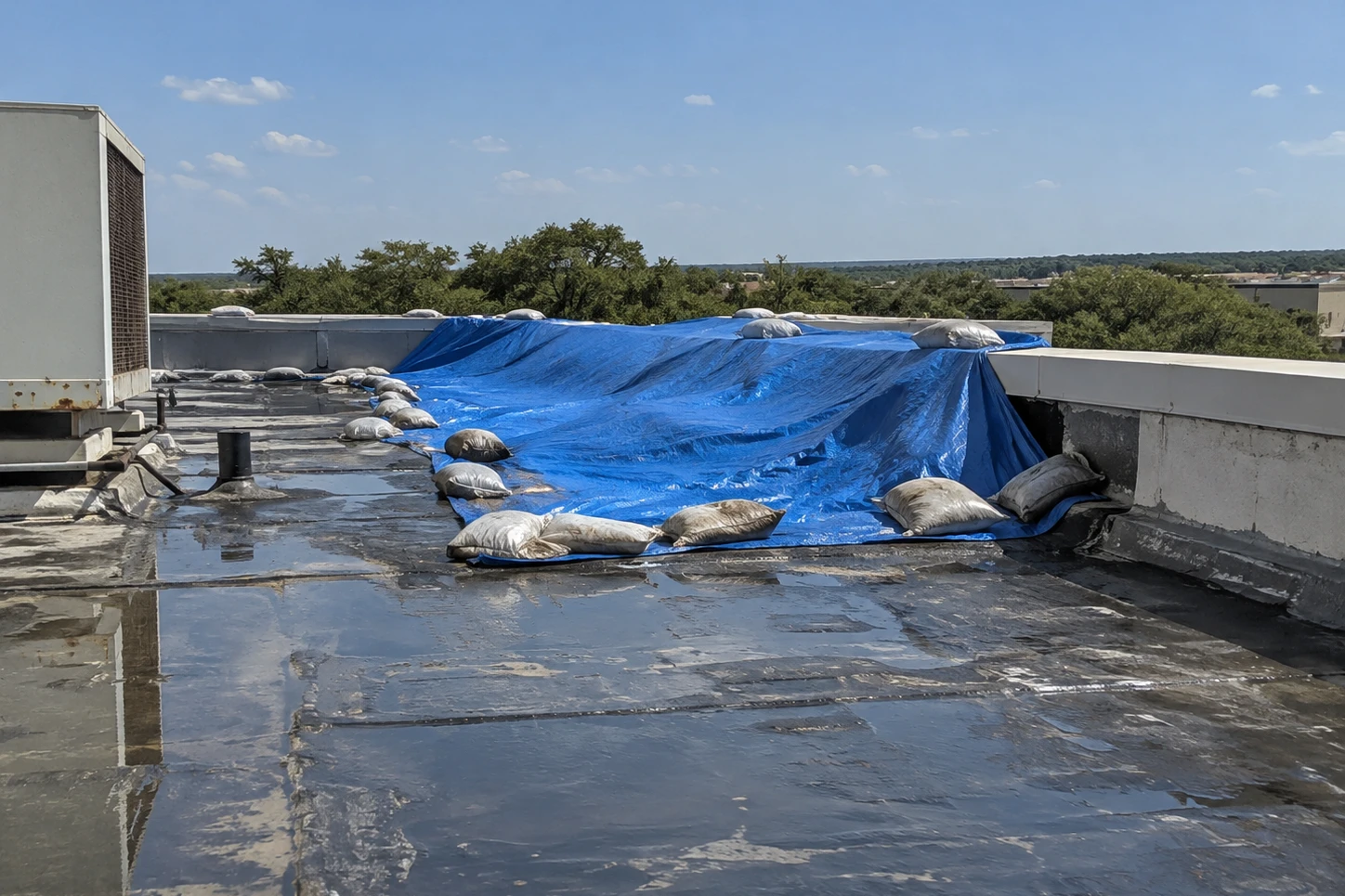
The first job is to stop water entering the building. We tarp open areas, secure loose metal, clear blocked drains and shut down any section where wet insulation threatens the ceiling below. Our emergency roof repair response runs around the clock all week, holidays included, so a Friday-night storm does not become a Monday-morning shutdown. We also photograph everything before we touch it: the damage as found, the temporary protection as installed and the surrounding roof. Those images become the opening pages of the claim file. Safety comes first on the roof itself, because wet membrane, bent edge metal and loosened rooftop equipment make a damaged roof more dangerous to walk than a sound one.

Temporary protection has limits. A tarp holds for days or weeks, not months, and a patch over wet insulation only hides a problem that keeps spreading. We label every temporary repair in the file with its date and the permanent work it waits for, so nothing slides into the next budget year unnoticed. If a storm leaves several buildings open at once, we triage by exposure: roofs over occupied space, electrical rooms and stock first, then the rest.

Assessing the damage

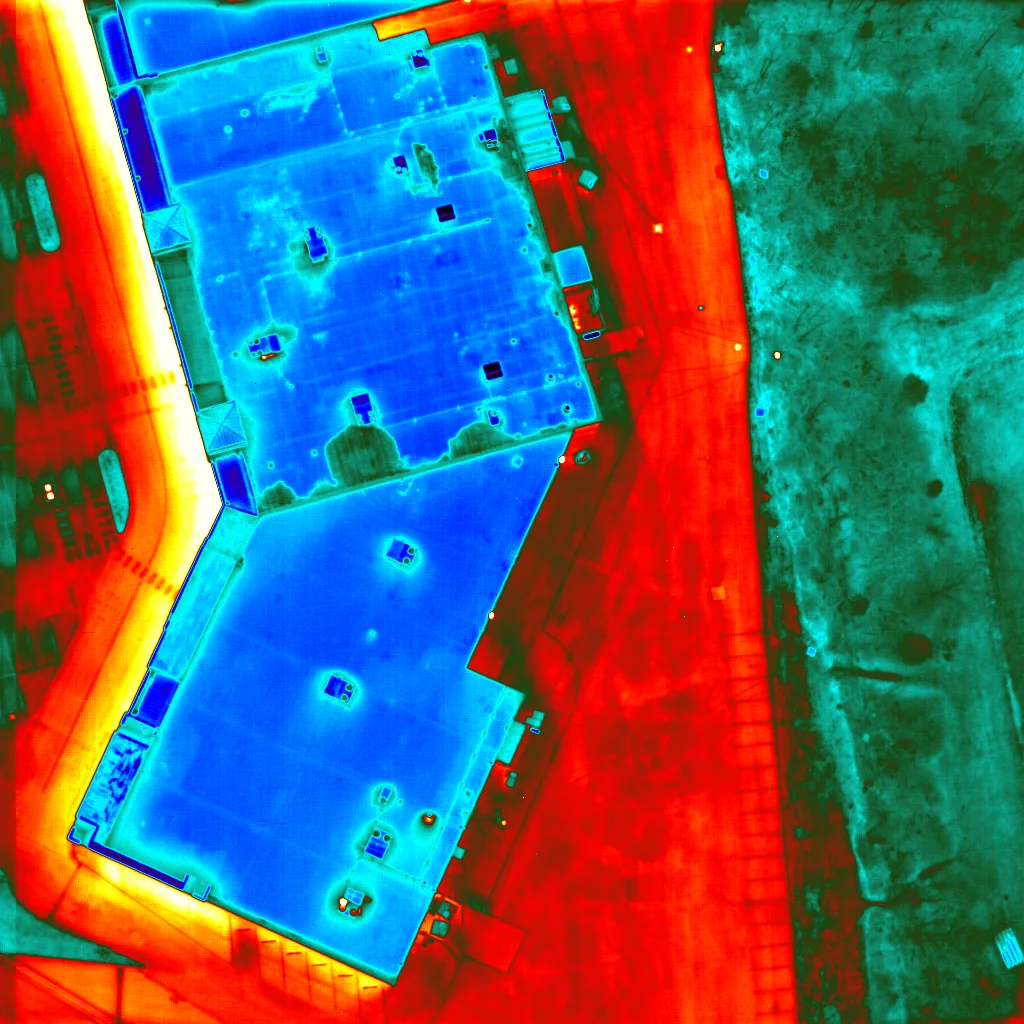
A good assessment answers three questions. What did the storm break? What was already worn and now exposed? And what is still unknown? We walk the roof in test squares, count hail impacts, measure displaced edge metal and note punctures, torn flashing and lifted seams. A drone inspection speeds the first pass on large roofs, and an infrared moisture survey shows where the insulation took on water. Cores confirm the survey. The hail-bruised field is the hardest case, since fractured insulation or a cracked membrane can sit under a surface that looks intact. The result is a written scope that separates storm items from wear items, so the repair and the claim each get a clean list.

The assessment also feeds the budget. A director who sees the storm scope on one page and the wear scope on another can decide which items to fund now, which to claim and which to schedule. A roof that took a hit but has years of service left may only need repairs. A roof that was already near the end of its life may tip into the replacement queue a year or two early, and the file shows the difference clearly.

Hail, wind and the repair scope

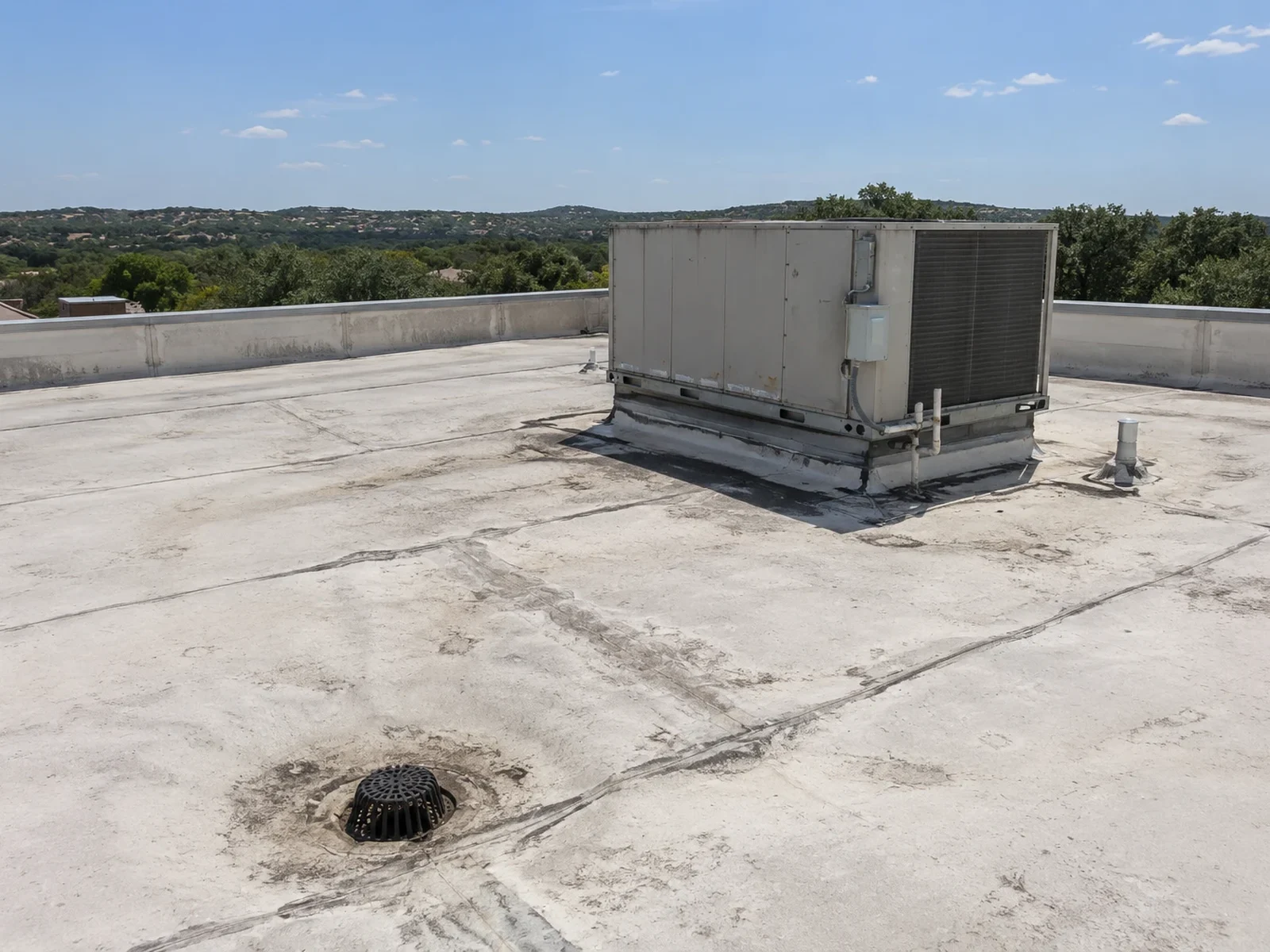
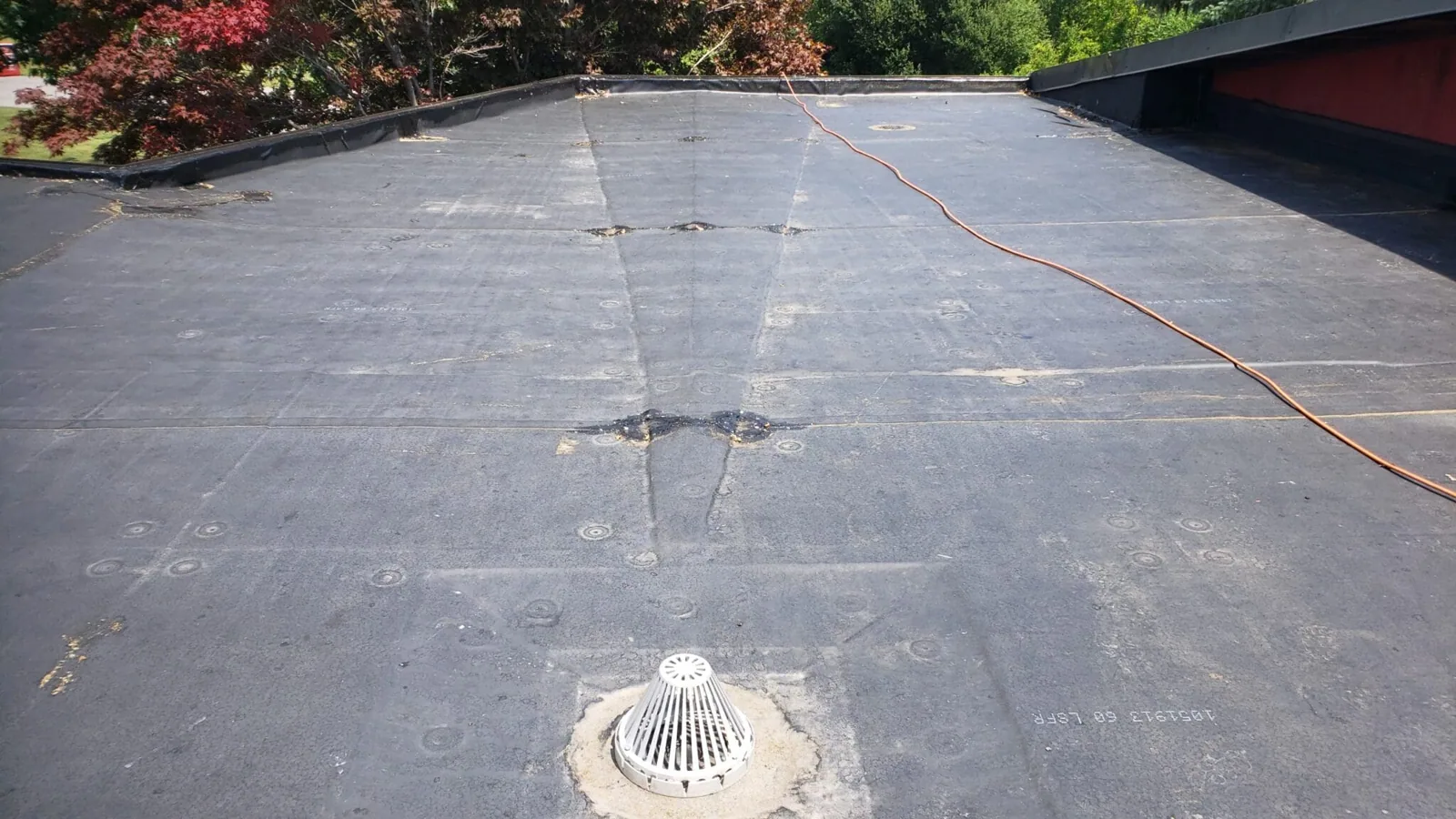
Hail and wind leave different marks and need different repairs. Hail leaves impact bruises, cracked coatings, split membrane and dented metal, and the question is how many per hundred square feet and how deep. The repair may be spot patches, a partial recover or a full replacement if the field is broadly compromised. The thresholds are measured, not guessed: impacts per test square and whether the cells beneath are fractured, which is the basis of any hail damage repair scope. Wind peels edges, lifts flashing and moves loose equipment. A wind-damaged roof usually starts at the perimeter, and restoring the edge metal and the first few feet of membrane often matters more than the center of the field. We price each scope with its cost drivers listed: area, access, deck repair, insulation replacement and the number of penetrations affected.

Storm Damage Roof Repair

Records for the claim

Insurers pay on evidence. We keep a dated file with photographs, impact counts, measurements, moisture readings and a short written summary of cause and extent. The file separates new damage from older wear, which limits disputes. Our claim assistance work goes further: we meet adjusters on the roof, answer questions about the repair method and put the scope into the format the carrier expects. For owners working with a restoration professional, the same file feeds the insurance restoration process. We cannot promise a claim outcome, and we do not argue coverage. We make the record complete so the decision rests on the roof as it stands.

Timing matters on the paperwork side. Policies carry notice and filing deadlines, and the exact terms differ. We tell owners early to read theirs, to report the loss promptly and to keep receipts for temporary work. The earlier the file is built, the less time anyone spends reconstructing it, and the repair can start without waiting on an argument about what happened.

Storm Damage Roof Repair

Different classes, different repairs

A school roof with many small wings needs a quick sweep of every section, and the work has to be finished before students are back, the same priority San Marcos CISD showed when it delayed school after the May 2024 storm. A historic building, like the 1908 Hays County Courthouse on the Public Square, needs repairs that respect the detail and the listing, with careful attention to flashing at the walls. A fulfillment roof needs the dock edge and the rooftop-unit curbs checked first. We pick the order of work by the building, not by the storm.

Commercial Roofing Questions

How soon after a storm should the roof be walked?

Within a few days, before the next rain turns small openings into interior leaks. Emergency calls go first, and the broader review follows once the building is safe.

Can hail damage be repaired without replacing the roof?

Often, when the impacts are scattered and the insulation is dry. Widespread bruising across the field may call for a recover or replacement. Test squares and moisture readings show which case applies.

What if the damage and the age of the roof overlap?

We record both. The scope marks storm items and wear items separately, so the carrier pays for what the storm did and the owner plans for the rest.

Do temporary repairs hurt a claim?

No. Insurers expect owners to protect the property. Photographs before and after the temporary work, and receipts, keep the file clean.

How long do storm repairs take?

Temporary protection comes first, usually the same day. Permanent work depends on materials, access and the number of buildings in line, and we give a schedule once the scope is set.

Send the Building List and Storm Date

Send the building list, the date of the storm and any past reports, and we will sort the roofs into stop-the-water, repair and watch groups. Start from the contact form.

Request a Roof Assessment

Related Roofing Work

ServicesRoof SystemsIndustriesProperty TypesService AreasRoof Damage RepairCapabilitiesManufacturersAboutContactRequest a Roof Assessment555-555-5555
Call555-555-5555