555-555-5555

Data Center Roofing

A data center is a roof over equipment that cannot get wet, and the one thing that class does to a roof is raise the cost of every leak: water above racks, power gear or cooling plant is an outage risk, not a repair ticket. San Marcos, TX sits on I-35 about 30 miles southwest of Austin and 51 miles northeast of San Antonio, with SH 130, US 183 and I-10 within reach, so owners and operators who work this corridor weigh roof risk against uptime commitments. For the facility director, the budget year question is how to keep the roof as dull and predictable as the equipment below it.

Our approach is conservative and documented. We inventory the roof, scan for moisture before anything fails, and plan every repair as a controlled event with protection below and a clear stop point above.
The building class

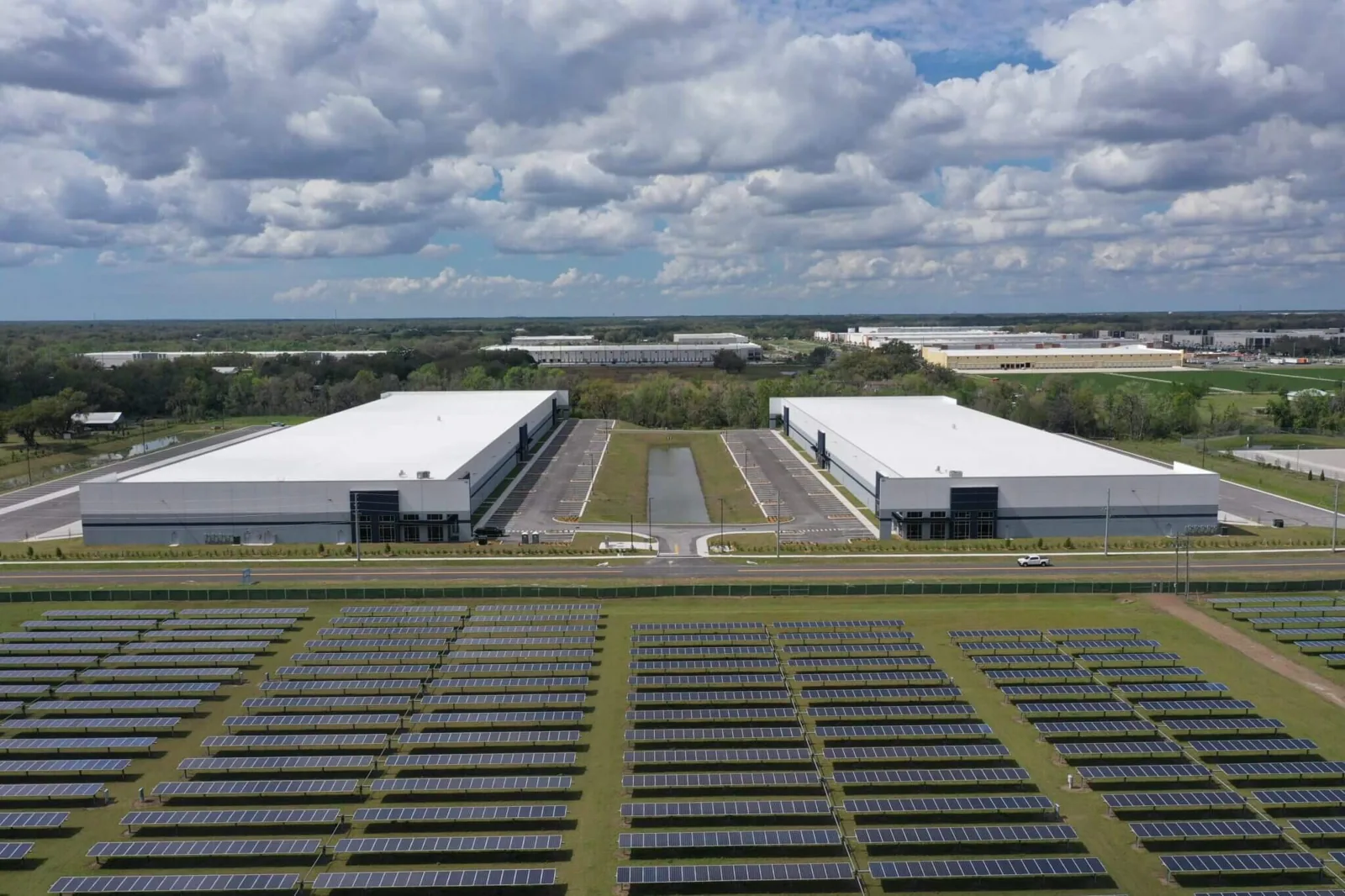
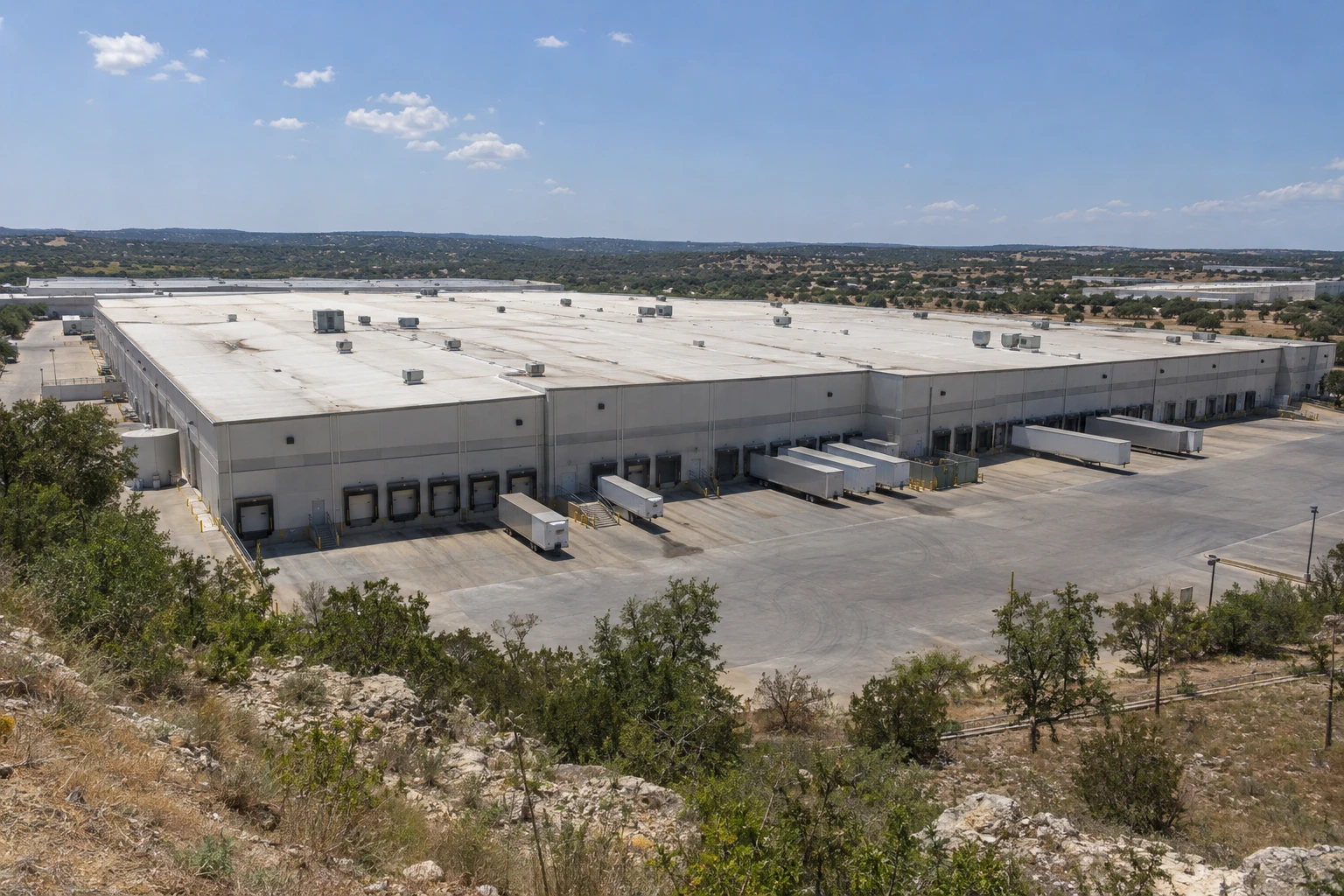
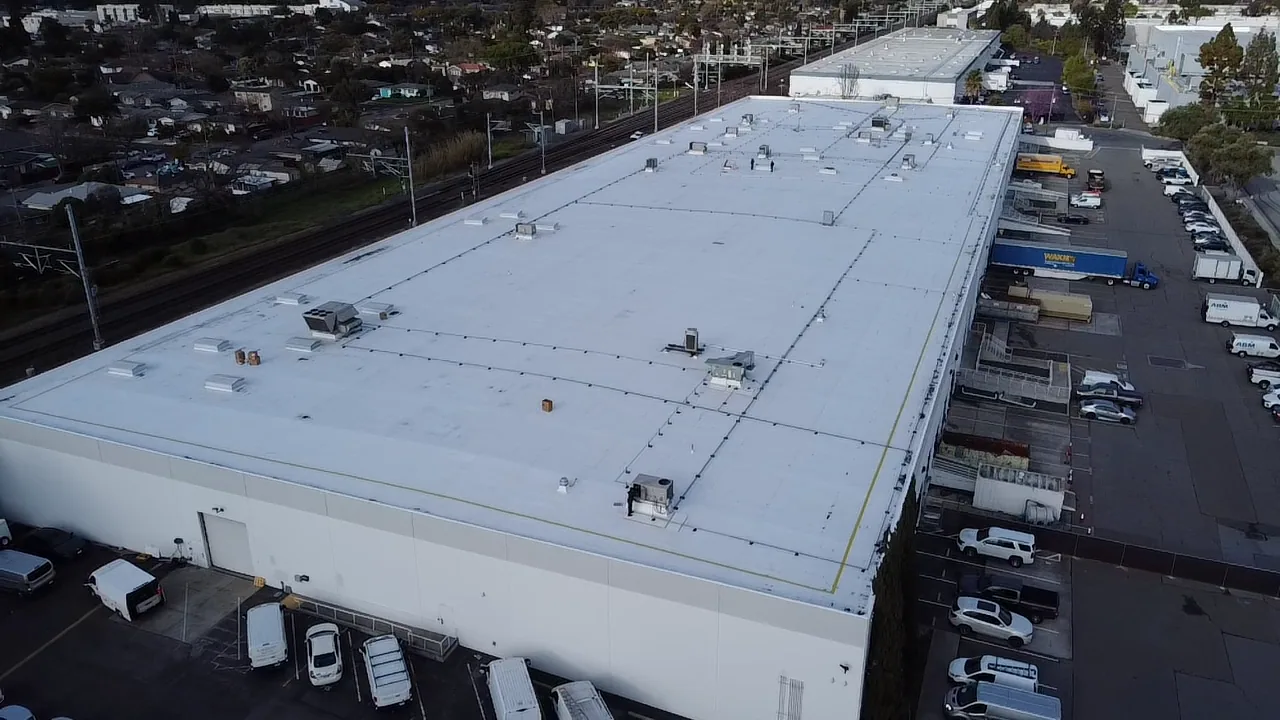
Data center roofs tend to be large, flat and crowded. They carry chillers, condensers, dry coolers, exhaust, generators' air paths and cable and pipe penetrations, all on structures designed for heavy loads. Redundancy is the design principle below the roof, and it should be a principle on top as well: two drain paths where possible, overflow scuppers, protected penetrations and walkways to every unit.

Operators differ in how they handle roof access. Some require escorts, background checks and change-control tickets for every visit. We plan for that by sending a roster in advance, scheduling visits in approved windows and writing a method statement for each task. Roof work in a live facility is never improvised.

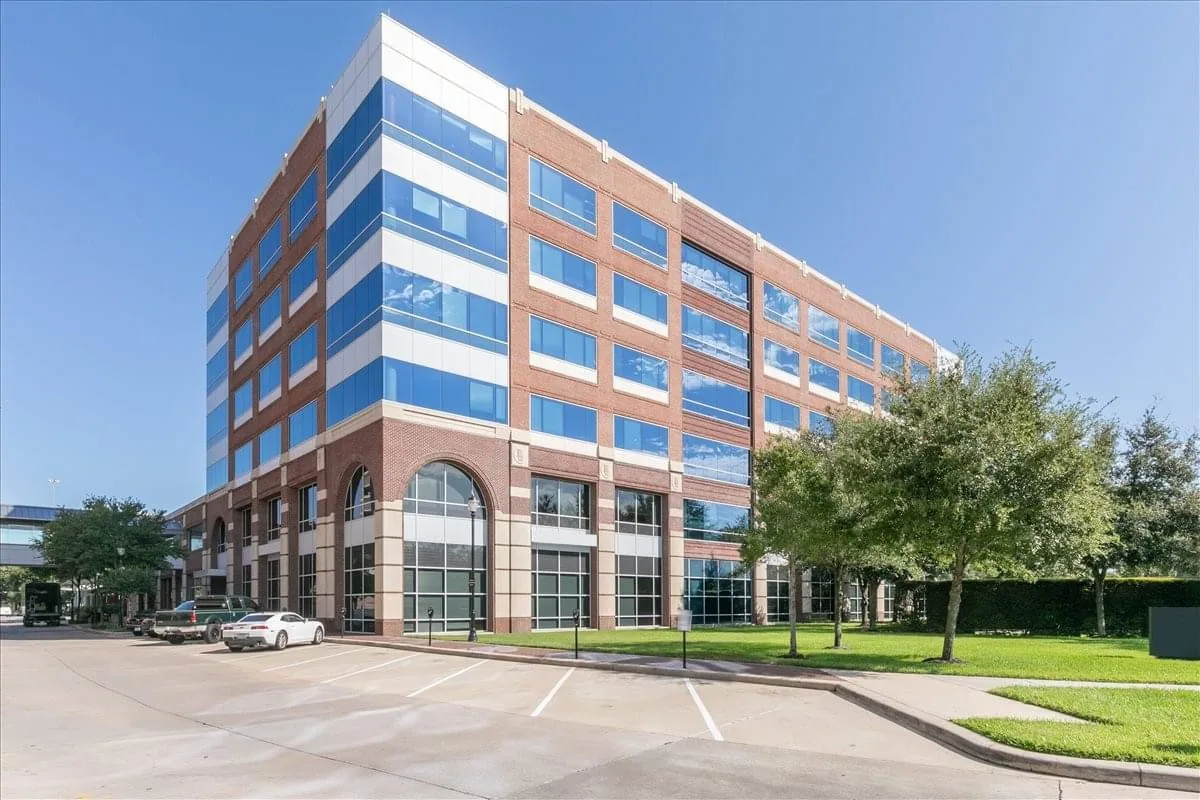
The class has close cousins. An office building with a server room shares the concern in a smaller space, and a distribution center with automated systems shares the large field. An operator comparing sites along the I-35 freight corridor, including the Kyle logistics corridor, weighs roof condition alongside power and fiber.

Data Center Roofing
Data Center Roofing

What wears first

Equipment curbs and penetrations wear first. Vibration from chillers and fans loosens fasteners and cracks sealants. Pipe and cable penetrations, often added after the original build, are common leak paths. Walkways wear where technicians travel. Drains collect debris from the roof's many hands.

Summer heat adds load. August in this region runs close to 98 F on average, according to the Camp Mabry station in Austin. A reflective membrane reduces roof temperature, and a cooler roof deck reduces heat entering the building. We record membrane condition near each heat source and note any discoloration or softening.

Equipment changes drive most new risk. When an operator adds a chiller or a row of dry coolers, the roof gains curbs, supports, pipe runs and cable trays, and each is a chance to damage the membrane or create a leak path. Equipment curbs and supports are therefore designed and flashed before the equipment arrives, and the roof is walked again after installation to catch any damage from rigging.

Storm exposure and uptime

Storms are a design assumption in this region. Large hail, up to six inches across at Johnson City, accompanied the May 9, 2024 storm on its way into San Marcos. For a data center, that is a reminder to confirm rooftop equipment anchorage, check for hail damage to condenser fins and scan the roof promptly after any severe weather.

A storm response plan names who authorizes roof access, who protects the interior and how temporary seals are applied. We write it with the operator so it can be followed under pressure, and we keep photographs and readings from each visit in the building file.

Moisture surveys give early warning. An infrared moisture survey run on a calm evening after a sunny day can reveal wet insulation without opening the roof, which matters when the building cannot tolerate a cut over live equipment. Findings are confirmed by cores taken in approved windows, and the openings are sealed the same day. The survey is repeated at set intervals so trends are visible.

Repair, restore or replace

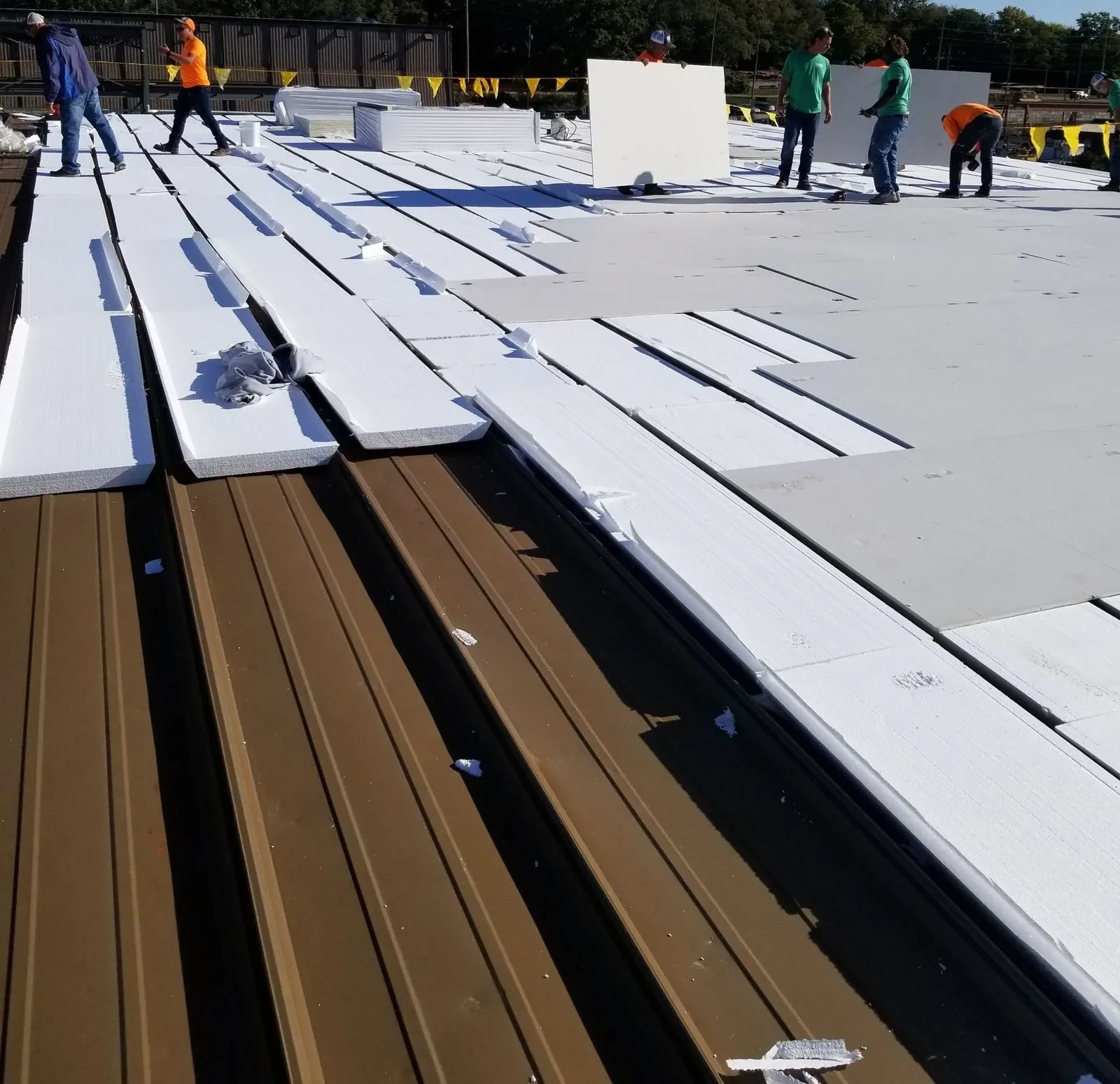
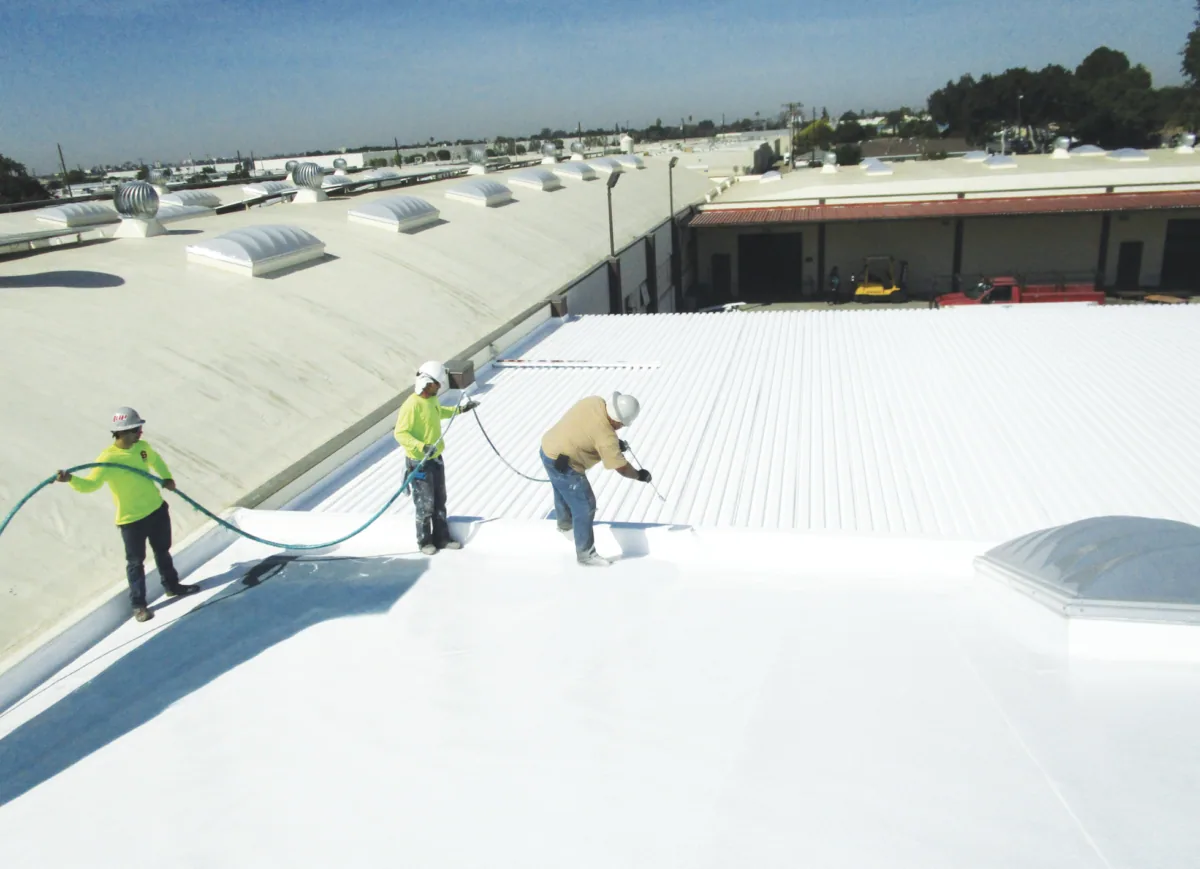
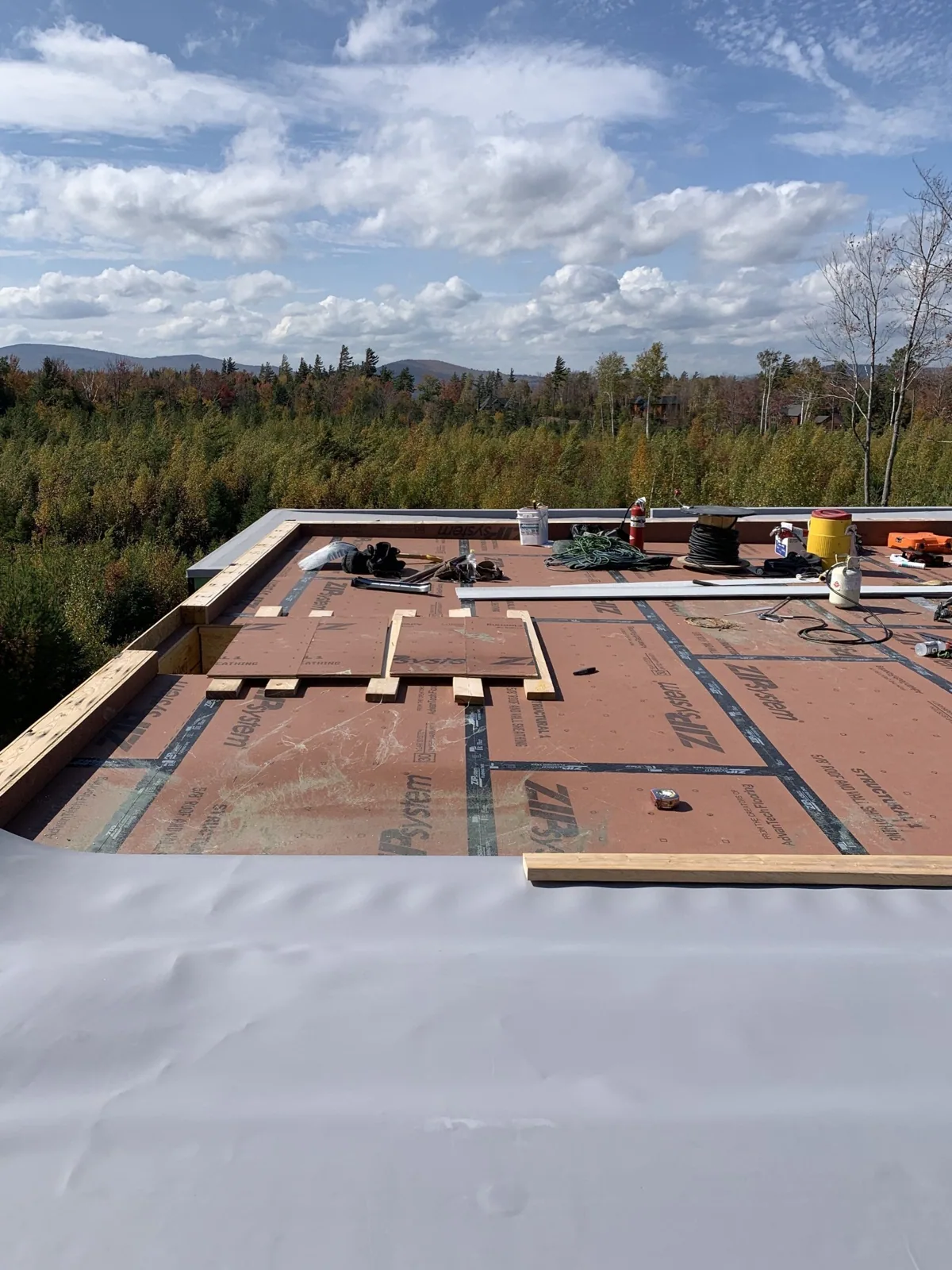
Repair covers curb flashings, penetration seals, seams and punctures, done in short windows. Restoration with a coating, such as silicone, can extend a sound membrane and add reflectivity. Replacement is a major project that must be phased by section, with each section closed in and tested before the next opens.

Single-ply membranes such as TPO are common on this class because welded seams and light color suit large, equipment-heavy roofs. Whatever the membrane, the scope states the attachment method, the wind rating, the drain plan and the leak-detection approach. Some owners add electronic leak detection under the membrane, and we discuss it when a replacement is planned.

Wind and uplift deserve attention on equipment-heavy roofs. Rooftop units and screens create turbulence, and edge conditions near tall equipment can see higher loads. The attachment pattern, the perimeter and the edge metal are checked against the design wind speed and the local code. Inside San Marcos the 2021 International Building Code applies, and the scope states the edition used.

Data Center Roofing

Scheduling around operations

Data center schedules are fixed by change control. We submit a plan in advance, attend the pre-task briefing, follow escort rules and report at the end of each shift. Hot work, hoisting, and any activity near power or cooling require specific approvals. Debris and dust are controlled so air intakes stay clean. Where roof work might affect cooling performance, we coordinate with the operator's engineers.

Documentation is part of the deliverable. Each repair is photographed before and after, mapped on the roof plan, and entered in the building file with materials and methods, so the operator's records stay current.

Cable and pipe routing across the roof gets its own rule set. Conduits and refrigerant lines run on supports that keep them off the membrane, and any new run is added to the roof plan with its support type and spacing before it is installed. A line laid directly on the sheet wears through it in a few seasons, and that kind of damage is easy to prevent and slow to find.

Data Center Roofing

The budget-year decision

The result is a ranked queue with notes on risk to uptime. Wet insulation, aging curbs, failed penetrations and ponding push a roof up; dry readings, sound details and good drainage hold it down. Our roof condition reports give an operator a baseline that fits its asset-management process. Costs depend on area, access rules, phasing, equipment protection and schedule, and we price after the readings.

Records close the loop. Every visit adds to a dated file: drain list, curb ratings, moisture maps and photo sets taken from fixed points. A sudden change between visits stands out immediately, and an operator's auditor or insurer can see how the roof has been managed. Deferred items carry a recheck date, so nothing sits on a list without an owner.

Commercial Roofing Questions

How do you protect equipment during roof work?

We coordinate with the operator, cover or relocate sensitive items and work in sections that are closed in each shift.

Do you follow escort and access rules?

Yes. We send rosters and method statements in advance and follow the operator's procedures.

Is electronic leak detection worth it?

For critical roofs, it can pinpoint a leak early. We discuss it when a replacement is planned.

What should happen after a hail storm?

A prompt scan, an equipment check and a photo record, run under the operator's access plan.

Can roof work avoid affecting cooling?

Usually, with planning. We coordinate with the operator's engineers on intakes, dust and schedule.

Send the building list

Send the building list and any past reports, and we will sort the roofs into replace, repair and watch groups before your next budget year.

Request a Roof Assessment

Related Roofing Work

ServicesRoof SystemsIndustriesProperty TypesService AreasRoof Damage RepairCapabilitiesManufacturersAboutContactRequest a Roof Assessment555-555-5555
Call555-555-5555