555-555-5555

Office Building Roofing

An office building is a roof whose damage shows up on someone's desk, and the one thing that class does to a roof is turn a small leak into a tenant relationship problem: a stained ceiling tile, a wet carpet, a call to the property manager before the roof has been looked at. In San Marcos, TX the class can span downtown buildings near the Public Square, offices around Texas State University, business park buildings along I-35 and professional space in Kyle and Buda. The owner's budget year has to cover both the roof and the lease obligations that depend on it.

Our approach is to treat the roof as part of tenant service. We trace each leak to its entry point, protect the finishes below, and document everything so the manager can give tenants a clear account.
The building class

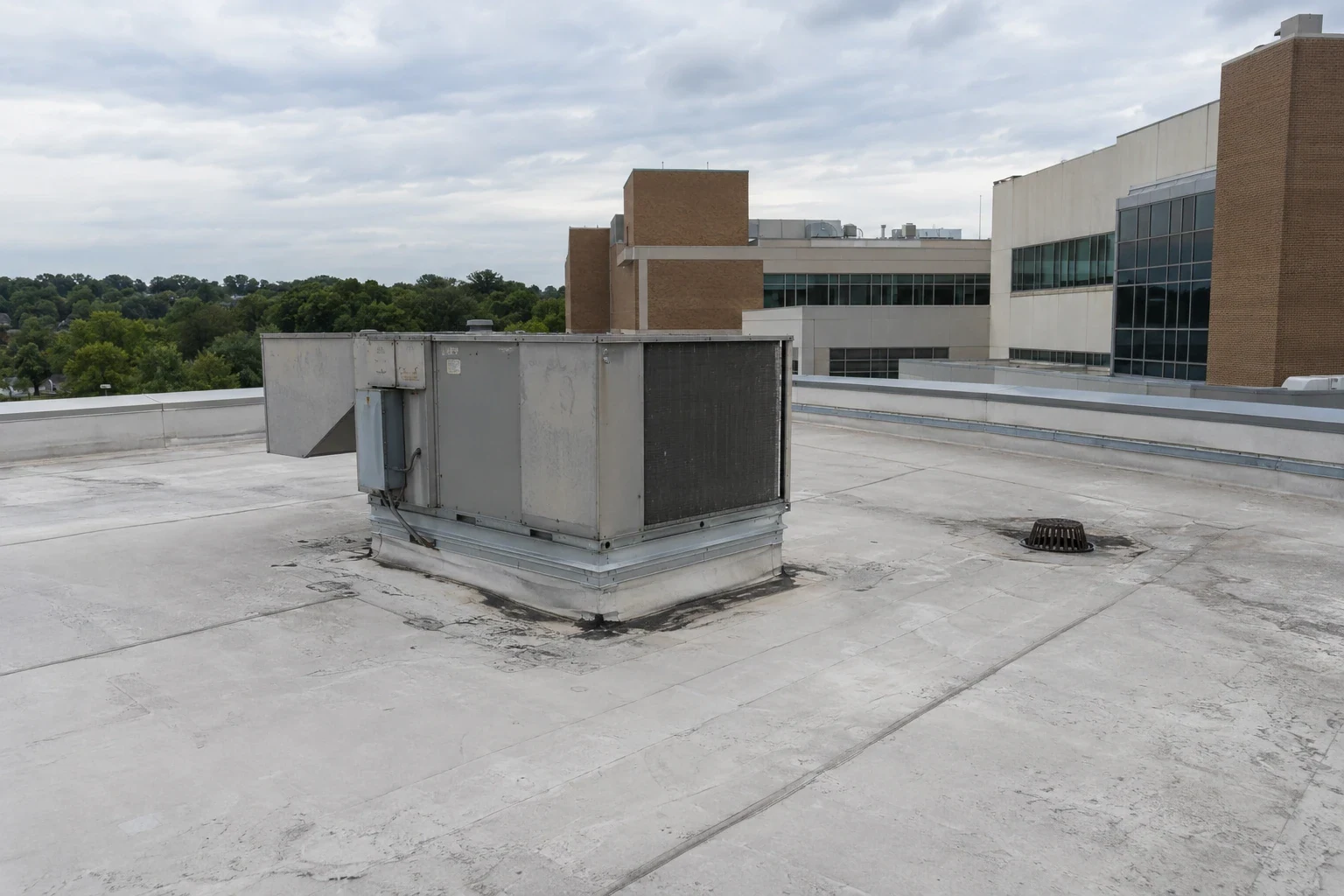
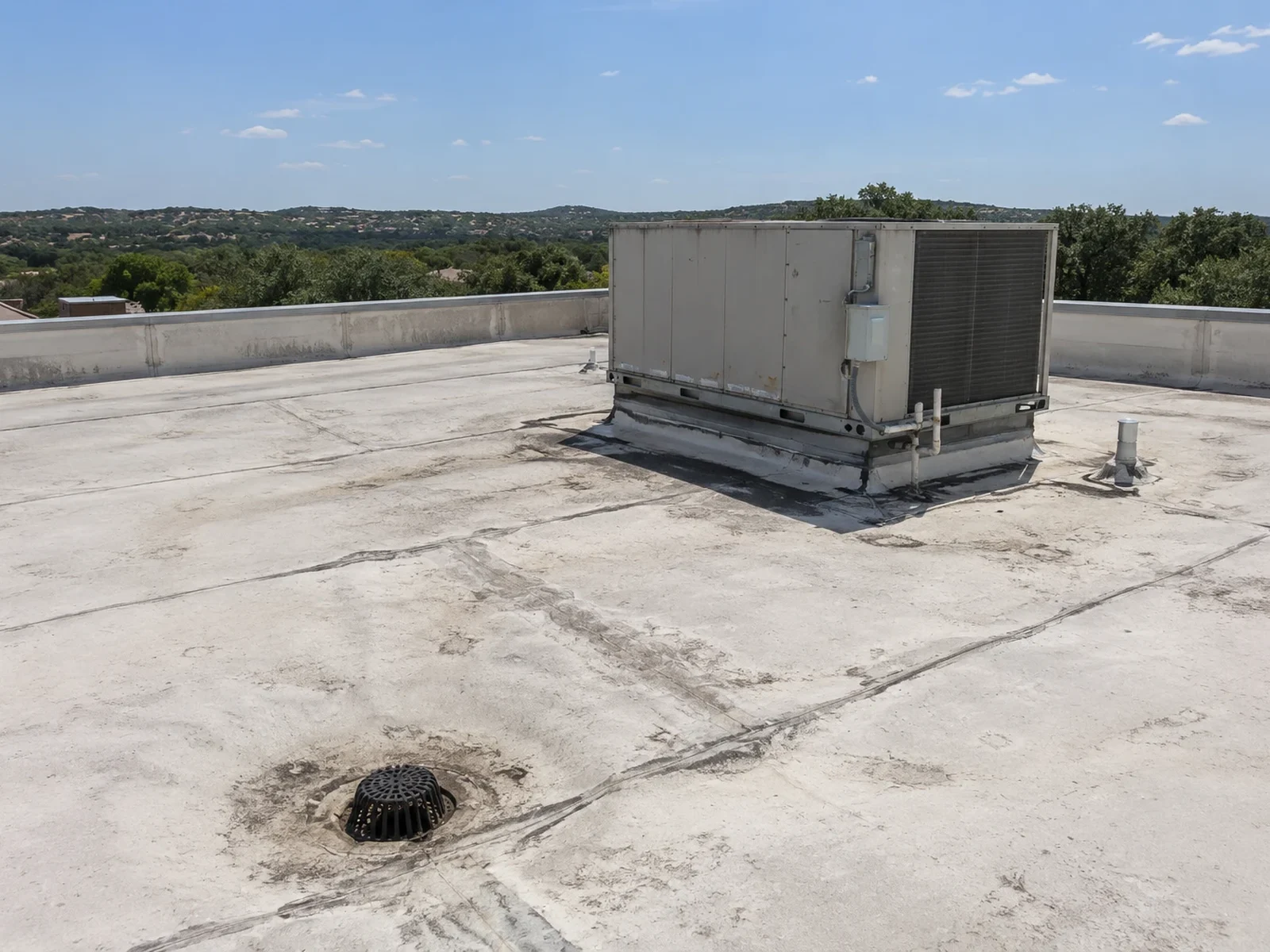
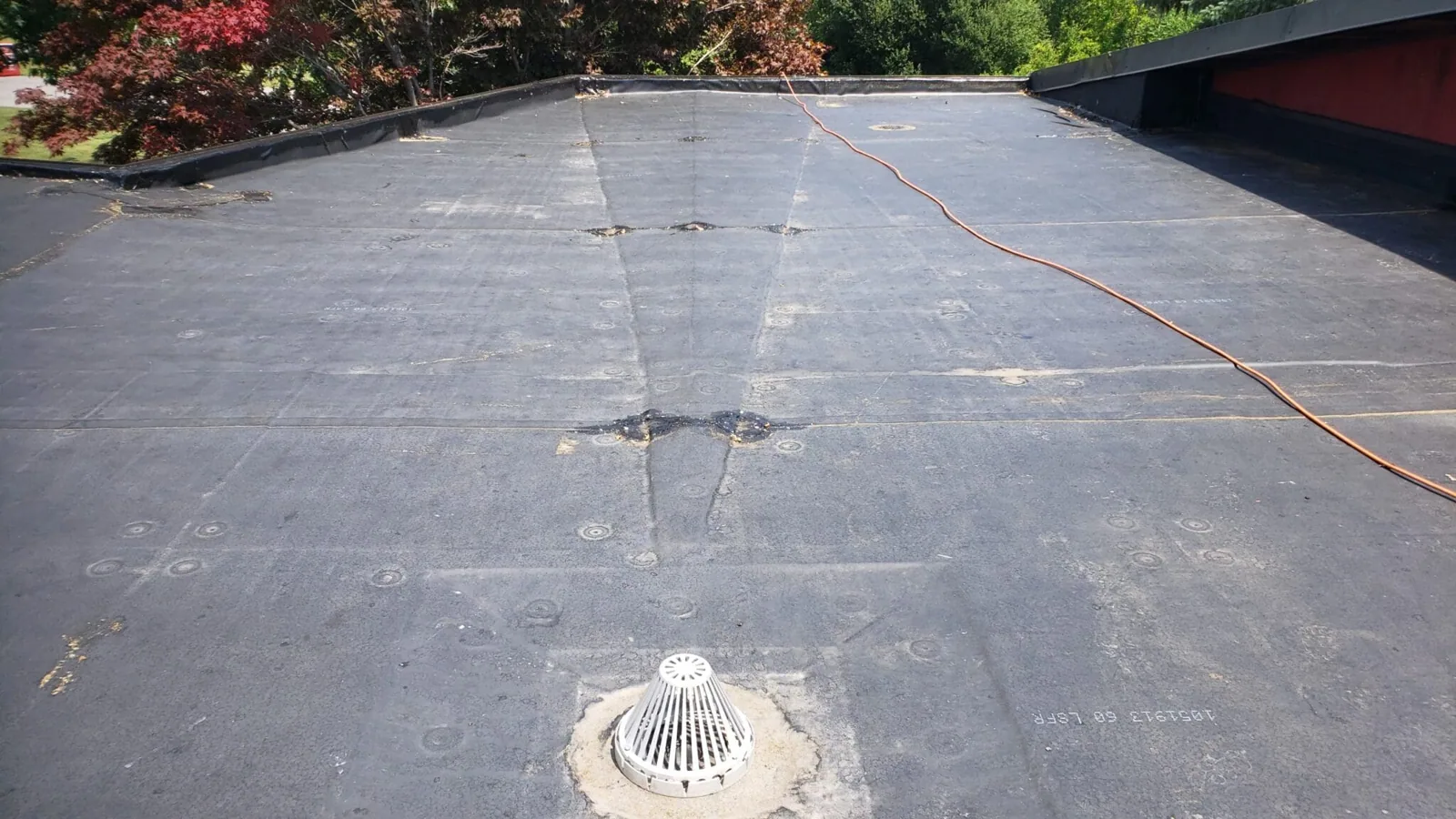
Office roofs come in several types. Low-rise suburban offices often have large, flat roofs with rooftop units serving individual suites. Mid-rise buildings may have a penthouse for mechanical equipment and a smaller roof area with more complex edges. Older downtown buildings may have parapets, built-up or modified bitumen roofs and a history of repairs.

Tenant turnover is a defining trait. When a suite is renovated, a new unit may go on the roof, a vent may be added or a line may be rerouted, and each change touches the membrane. We keep a roof plan with every curb, penetration and unit marked, and we update it with each change, so a manager can see when a leak path was introduced.

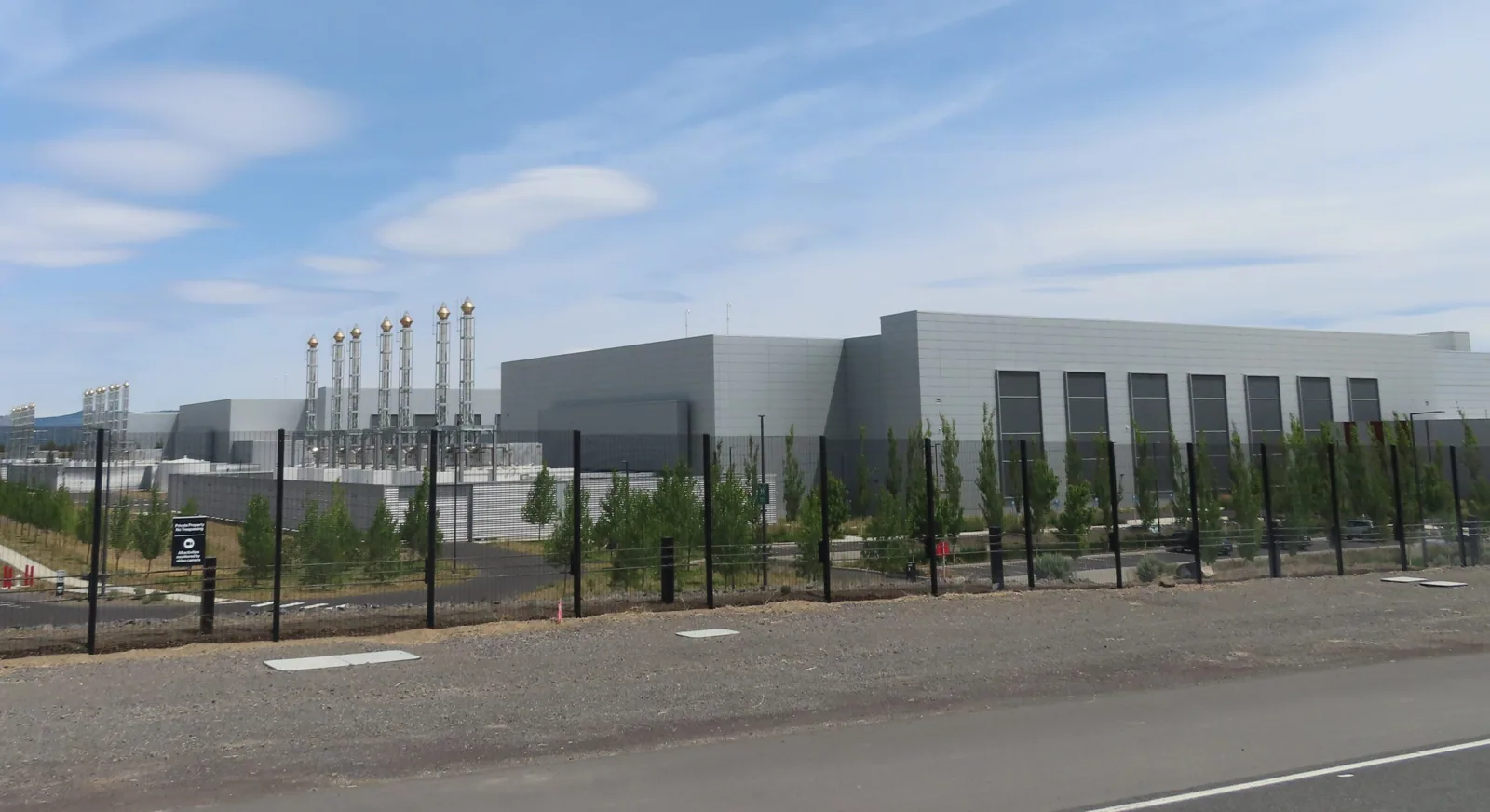
The class meets its neighbors at the edges. A data center or server-heavy suite inside an office raises the stakes of any leak, and a hospital office wing brings infection-control rules. Offices near Texas State University and along the I-35 business park corridor see the same weather as warehouses, but a different kind of sensitivity below the roof.

Office Building Roofing

What wears first

On an office roof the first wear is at rooftop unit curbs, drains and parapet flashings. Units vibrate, curbs shift and sealants dry. Drains clog with leaves and debris from nearby trees. Parapet flashings split as the wall and roof move at different rates. Walkways to units wear where technicians travel.

With an August normal near 98 F at Austin's Camp Mabry, sealants and membranes in this region spend months under strain. Roof surfaces absorb that heat, and the units on them work harder as a result. We check the membrane near each unit for softening and the flashing at each curb for movement.

Parapets deserve their own paragraph on offices. Many have coping caps, counterflashing and sealant joints that open as the wall moves, and a small gap at a coping joint can feed water down inside the wall for years before a stain appears. We probe coping joints, check the counterflashing laps and look for efflorescence on the wall face, which is a mineral stain that shows water has been moving through masonry.

Hail, wind and tenant impact

Regional storms affect offices as they do other classes. The storm on May 9, 2024 left Johnson City with six-inch hail reports before it arrived in San Marcos. Those facts say nothing about the condition of any one roof.

Following a storm, the scan for wet insulation is paired with a look at rooftop units for dented coils and broken housings, and at skylights and vents. For tenants, we recommend a quick notice: what was found, what was done and what is next. A short, dated account reduces calls and protects the manager's relationships.

Gutters, downspouts and interior drains complete the picture. A clogged roof drain pushes water to the overflow scupper or, if there is none, back onto the membrane, where it ponds. We test each drain by running water to it, clear what we find and record the flow. Overflow scuppers at parapets are checked for height, since a scupper set too high does not relieve a pond until it is already deep.

Repair, restore or replace

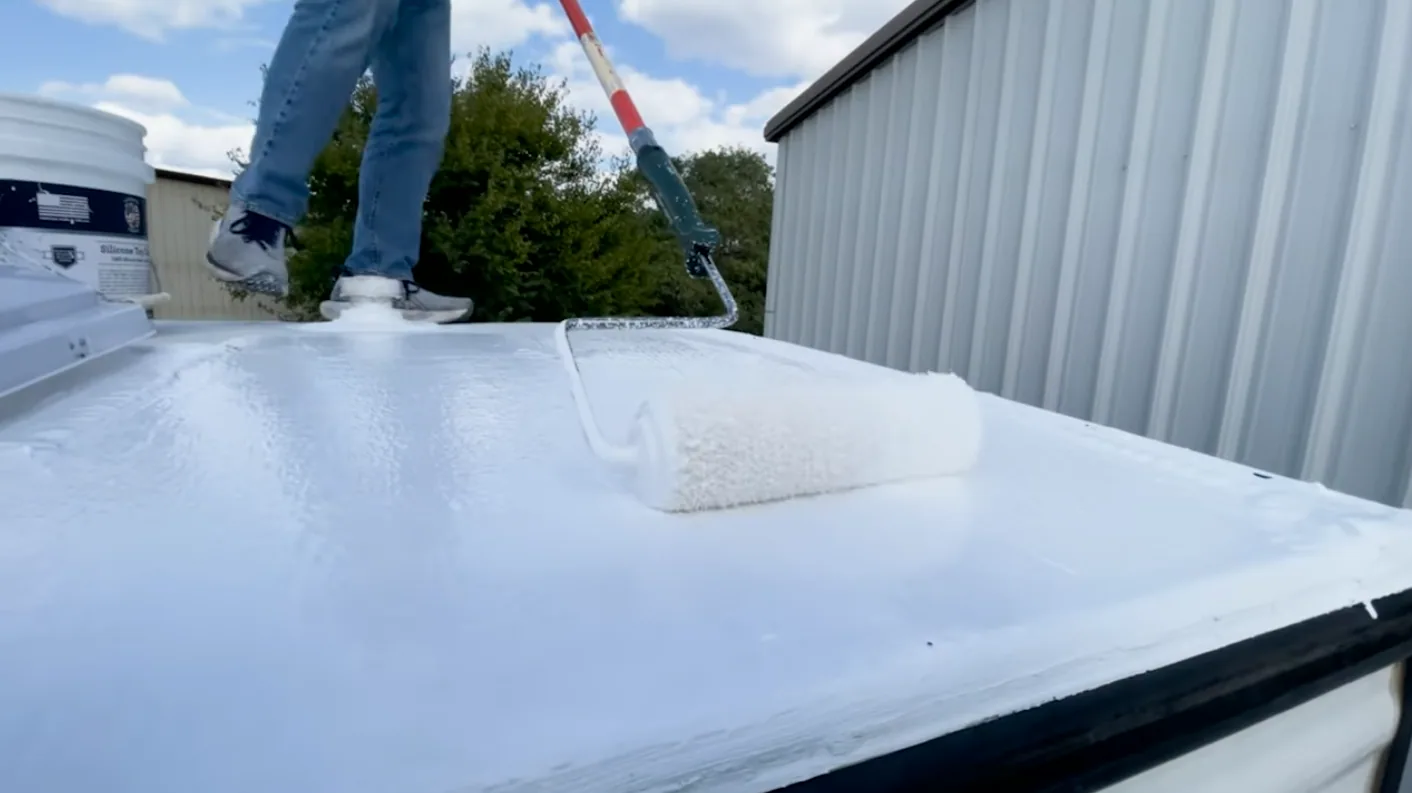
Many office roofs are single-ply membranes, with TPO common on newer buildings, and older downtown roofs often use modified bitumen or built-up assemblies. Curb flashings, seams, punctures and parapet details call for repair. A sound roof can take a coating. Wide wet areas, failed seams or a worn-out sheet point to replacement.

The decision follows moisture readings and cores. A roof with scattered wet areas may be repaired in sections, and a roof with wet insulation across most of its area belongs on the replacement side. We write each option with its cost drivers so a manager can compare it against other buildings in the portfolio.

Energy performance enters the choice for offices. With the 2021 International Energy Conservation Code in force in San Marcos, a replacement may need insulation and reflectivity that meet it. We confirm the requirement with the building official, and the scope states what was assumed. Adding insulation at replacement is cheaper than adding it later.

Office Building Roofing

Scheduling around tenants

Office tenants care about noise, dust, odors and access. We schedule loud work for early mornings or weekends where leases allow, protect air intakes during hot work and keep parking and entrances clear. Crews start and finish with a short check-in with the property manager. Notices go to tenants before the work begins, with dates, hours and contacts.

Floors under the work are protected. Where a ceiling is open or a leak is active, plastic and drains are placed, and wet materials are documented for insurance. Sensitive suites, such as server rooms or medical offices, get extra attention, and our approach to medical office roofing follows the same discipline.

Parking and access need a plan too. Dumpsters, lifts and material deliveries occupy spaces tenants use, so we agree on a staging area with the manager and keep fire lanes and accessible routes clear. A named contact on site answers questions during work hours, and any change to the schedule is announced as soon as it is known.

Tenant improvement drawings are worth reading before the crew arrives, because a suite remodel can move an exhaust or add a unit without anyone mentioning the roof.

Office Building Roofing

The budget-year decision

A replacement queue ranked by remaining service is the output, and owners with offices in the Downtown San Marcos Square area, in business parks and in Kyle get the same method. The queue puts roofs with wet insulation, repeated leaks or aging sheets first and marks roofs that can wait. Price follows area, access, detail count, insulation and tenant constraints, and the numbers wait for the readings.

Deferred areas are listed with what to recheck after the next heavy rain, so the manager knows which roofs need attention and which can wait another year.

Commercial Roofing Questions

How do I explain a roof leak to tenants?

Give the date, the location, what was done and the next step. We supply photos and a short summary.

Do tenant improvements affect the roof?

Yes. New units, vents and lines add penetrations. We update the roof plan with each change.

Can roof work happen during business hours?

Often, with noise controls and notice. Loud steps can move to early mornings or weekends.

What is the usual leak source on an office roof?

Curbs, drains and parapet flashings. Moisture scans and cores confirm before repair.

Does the roof affect air-conditioning cost?

A reflective surface lowers roof temperature and can reduce heat entering the building.

Send the building list

Send the building list and any past reports, and we will sort the roofs into replace, repair and watch groups before your next budget year.

Request a Roof Assessment

Related Roofing Work

ServicesRoof SystemsIndustriesProperty TypesService AreasRoof Damage RepairCapabilitiesManufacturersAboutContactRequest a Roof Assessment555-555-5555
Call555-555-5555