555-555-5555

TPO Roofing

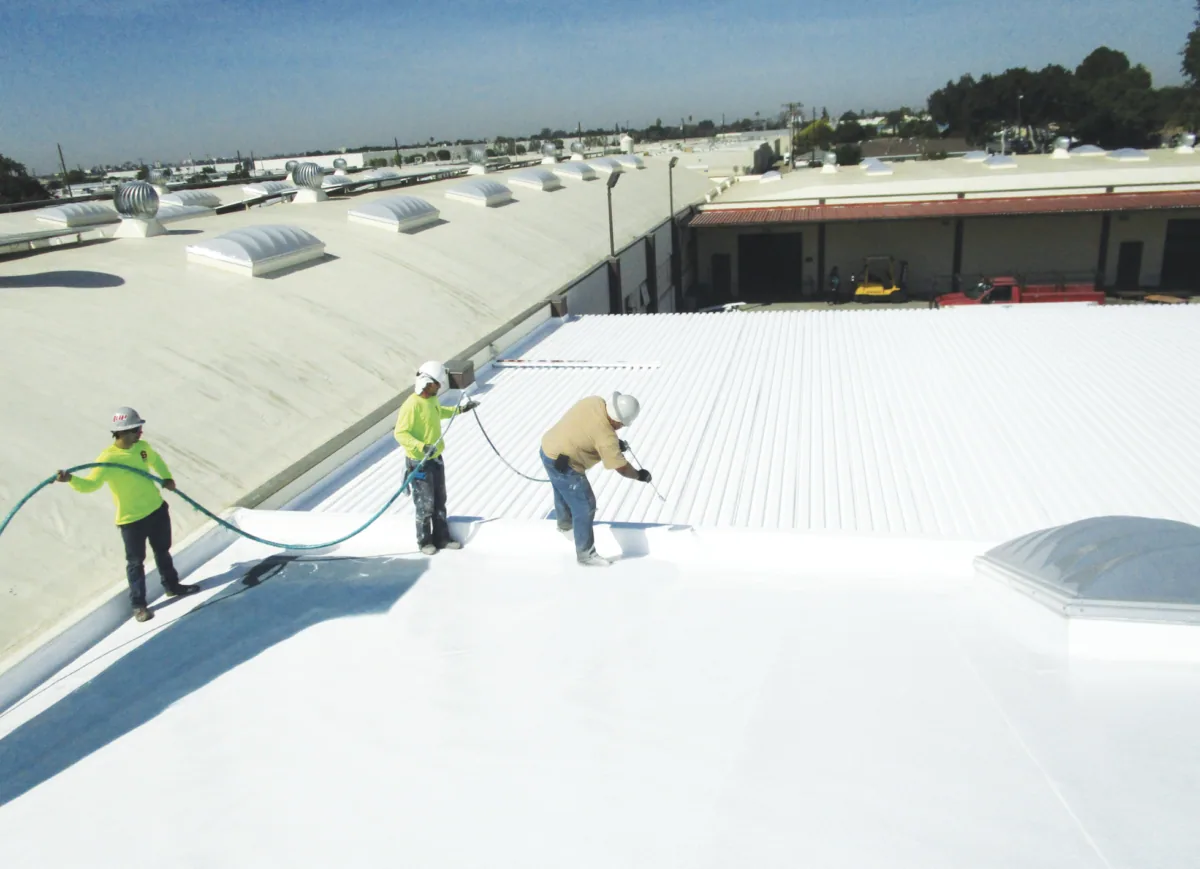
TPO is the membrane specified most often for wide, low-slope buildings like those along I-35 through San Marcos, TX, and the one thing that class does to the sheet is ask it to cover enormous fields with very few interruptions. A thermoplastic polyolefin roof is a white or light sheet whose seams are welded with hot air, so the finished roof behaves as one continuous membrane. That is its strength and its exposure: when a weld is sound the field is tight, and when a weld lets go the water has a long path to travel. For a facility director with several buildings, the question is how much of that membrane inventory is still earning its keep before the next budget year.
What the system is

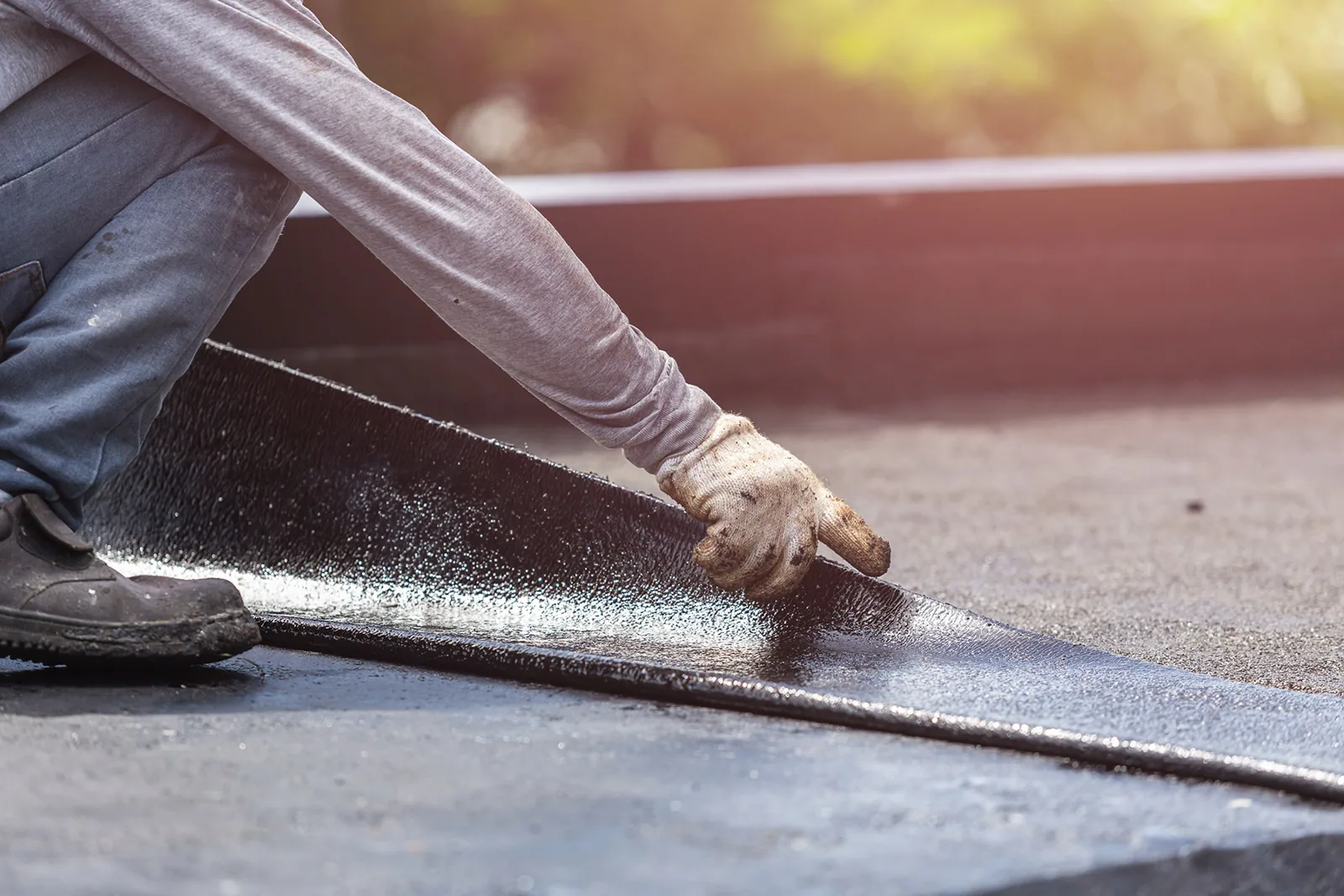
A TPO assembly has three parts that matter: the deck, the insulation above it and the sheet on top. The sheet is either mechanically attached with fasteners and plates along the seams, fully adhered across the whole surface, or ballasted in a few older cases. Each method loads the roof differently under wind, and each leaves its own signature when it ages.

The seams are the heart of the system. Adjacent sheets overlap by a few inches and a welding machine fuses the overlap into a single piece of plastic. Details at walls, curbs and drains are made with the same material, hand-welded around the shape of the penetration. A well-made TPO roof therefore has very few places where one material is simply stuck to another, which is why we spend our time on the welds.

Among single-ply sheets, TPO sits between a PVC sheet, which resists grease and chemicals better, and an EPDM rubber sheet, which relies on tape or adhesive at the laps. The choice usually comes from the building class and the equipment on the roof, not from a brand preference, and we lay out the trade-offs for each building before anything is ordered.

TPO Roofing
TPO Roofing

What wears first

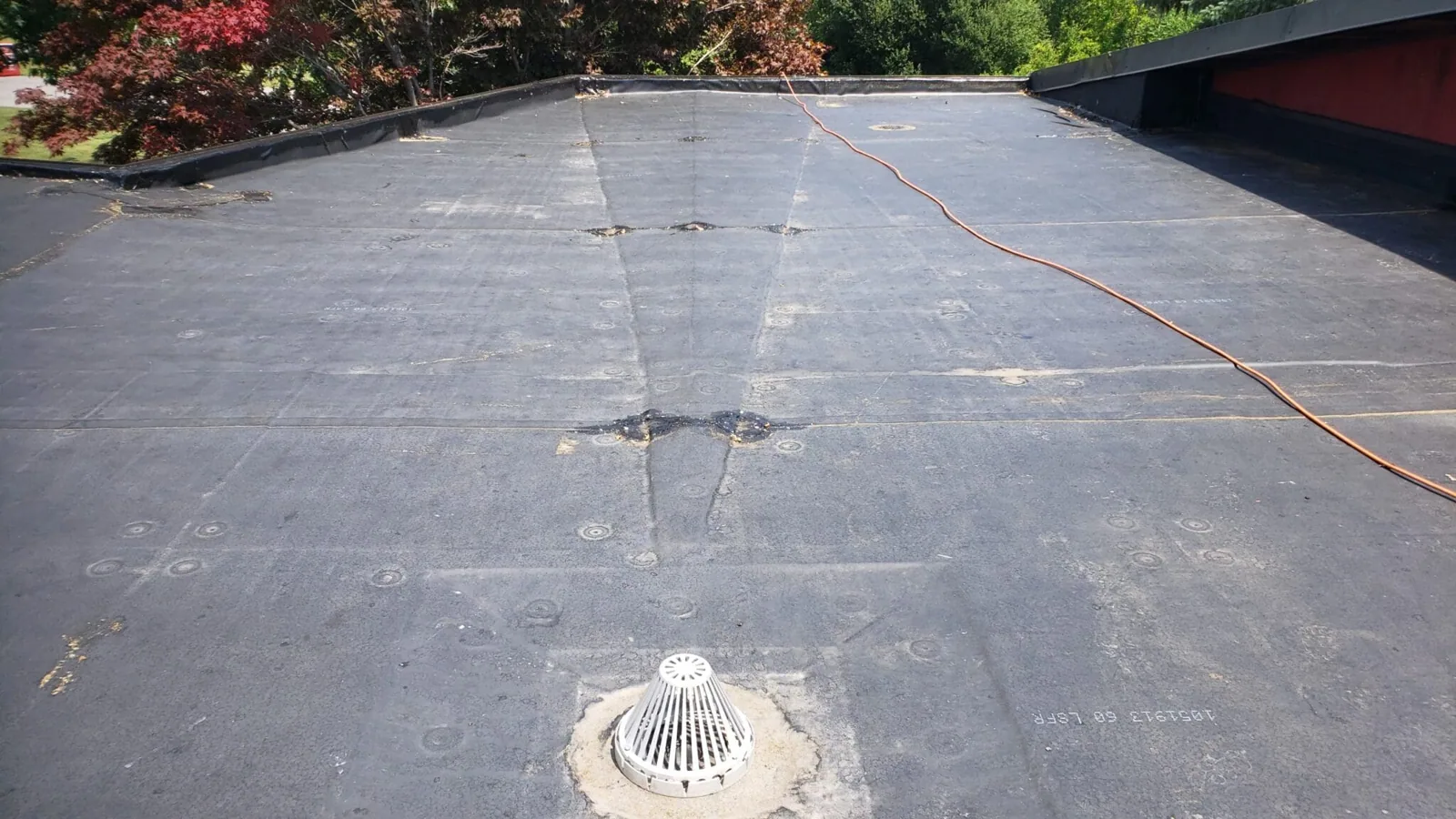
On most TPO roofs the first thing to show age is a seam or a corner, not the middle of a sheet. Heat cycling expands and contracts the membrane every day, and the movement concentrates at laps, at inside corners and at the base of rooftop unit curbs. Weld width can look correct from above and still hide a cold joint that never fully fused.

The surface also changes. Dirt and mildew dull the white finish, which reduces reflectivity, and areas where water stands tend to chalk and craze sooner. A good roof inventory records each of these conditions by roof section, so a scupper line with stained membrane is read differently from a clean field. A single probe along a lap tells us more than a long look from the edge.

Ponding adds to the list. Water that stands for days after a rain stresses seams and speeds the chalking of the surface, and it points back to a drain, a deck deflection or a slope problem that the membrane alone cannot solve. Where a scupper line runs along a long wall, we check the sump and the scupper sleeve for damage, since a sleeve that has pulled away from the sheet leaks quietly for months.

Hail and heat

Hail is the risk every building class here shares. On May 9, 2024 the weather service reported stones up to six inches across in Johnson City ahead of the system that reached San Marcos, and a Hays County disaster declaration followed. The storm says nothing yet about any one roof. TPO can bruise under hail, and a hail-bruised field often shows no hole at all, so we test with moisture scans and a few core cuts before calling any area damaged.

Heat is the second load. August highs near 98 F at Austin Camp Mabry set the pace, and a white sheet reflects much of that heat, but the sealants and flashings around it still cycle hard.

Wind gets its own check. That same evening winds put trees onto fences and homes in northwest San Marcos, with a tornado warning for downtown. A mechanically attached sheet can flutter at the perimeter in such wind, and repeated flutter loosens fasteners over time. Edge metal and the first rows of fasteners are therefore tested after any severe storm, whether or not a leak appears.

Repair, restore or replace

The decision follows the condition of the sheet and the insulation beneath it. A roof with a few open seams, dry insulation and a sound field is a repair candidate: reweld the laps, rebuild the failed details and record the areas to watch. A roof with scattered wet insulation may qualify for sectional replacement. A roof whose sheet has aged through, with widespread seam failure and wet board, belongs in the replacement queue.

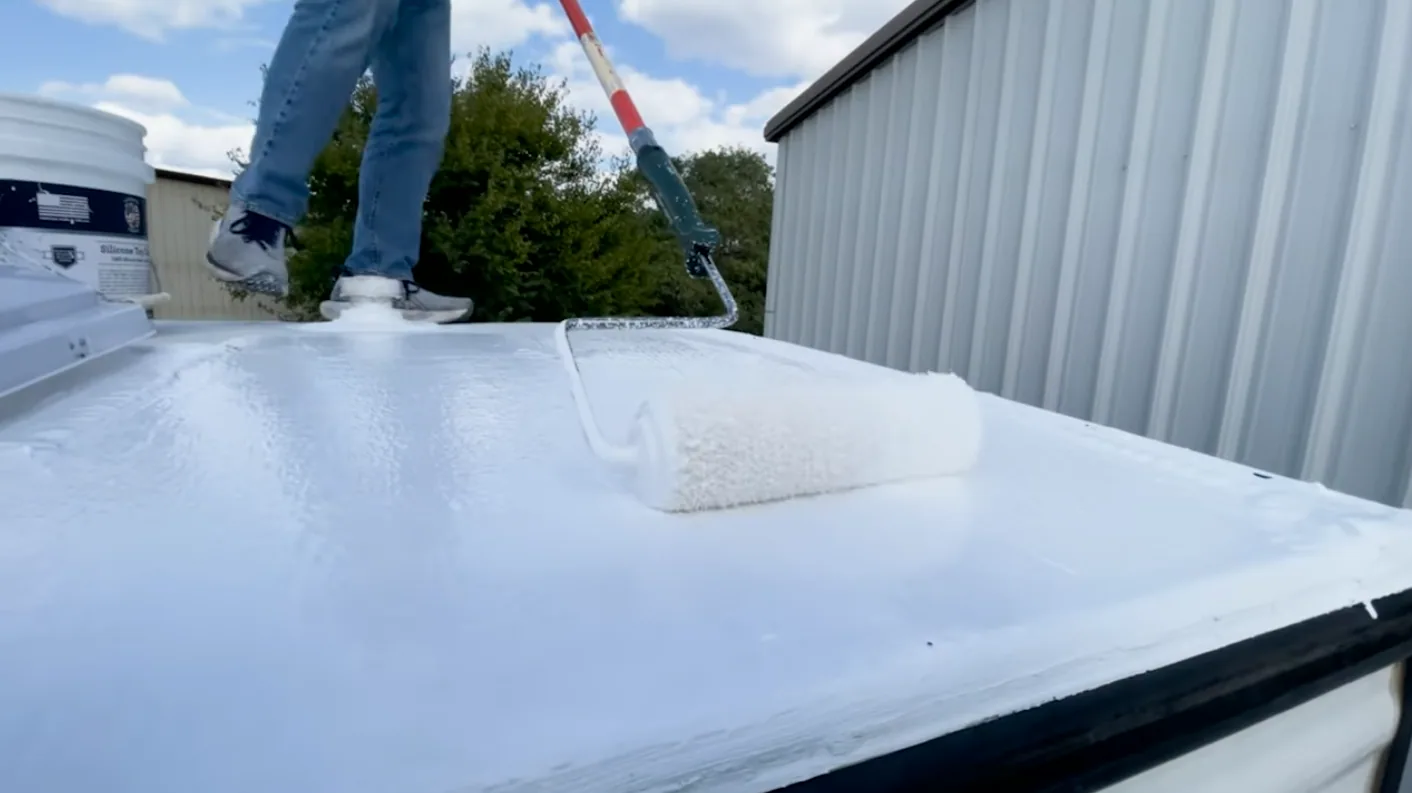
A fourth path exists for sound roofs: roof coating restoration can extend remaining service on a dry, well-bonded membrane. A recover over the old sheet is possible only when the insulation below tests dry. We do not recommend either until the readings are in, because a coating or a new layer over a wet roof simply hides the problem.

TPO Roofing

Where TPO shows up here

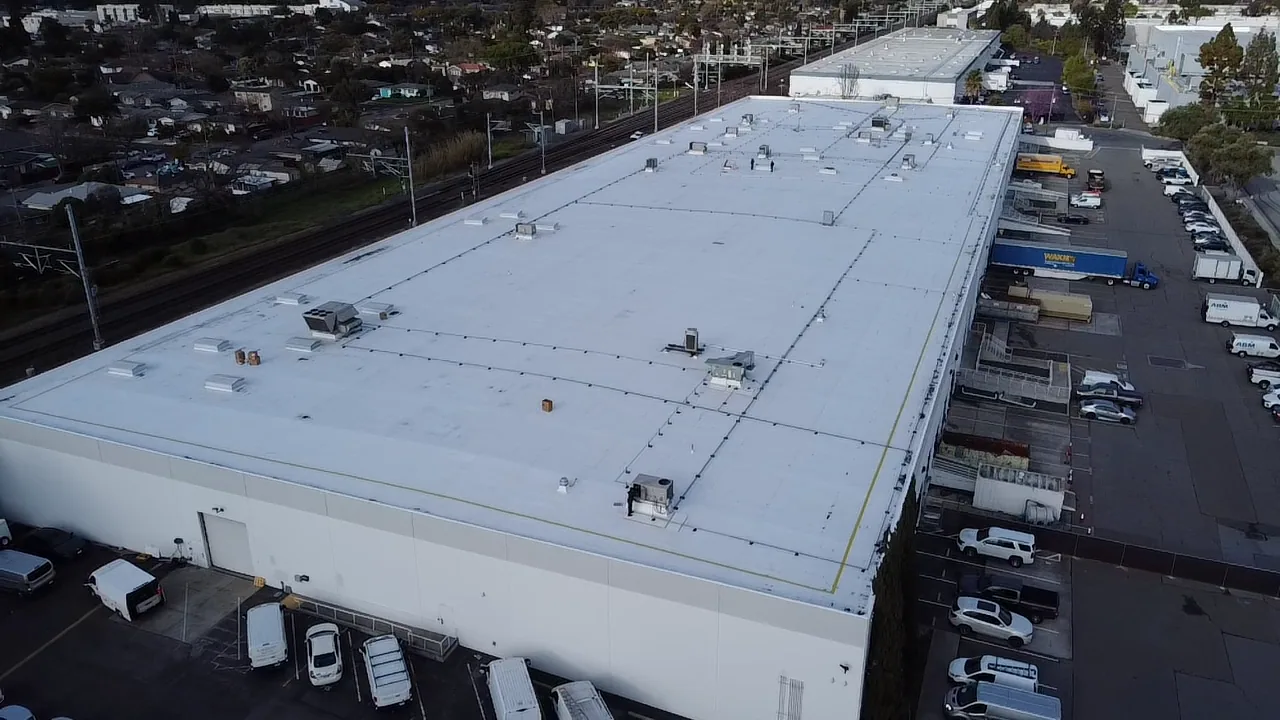
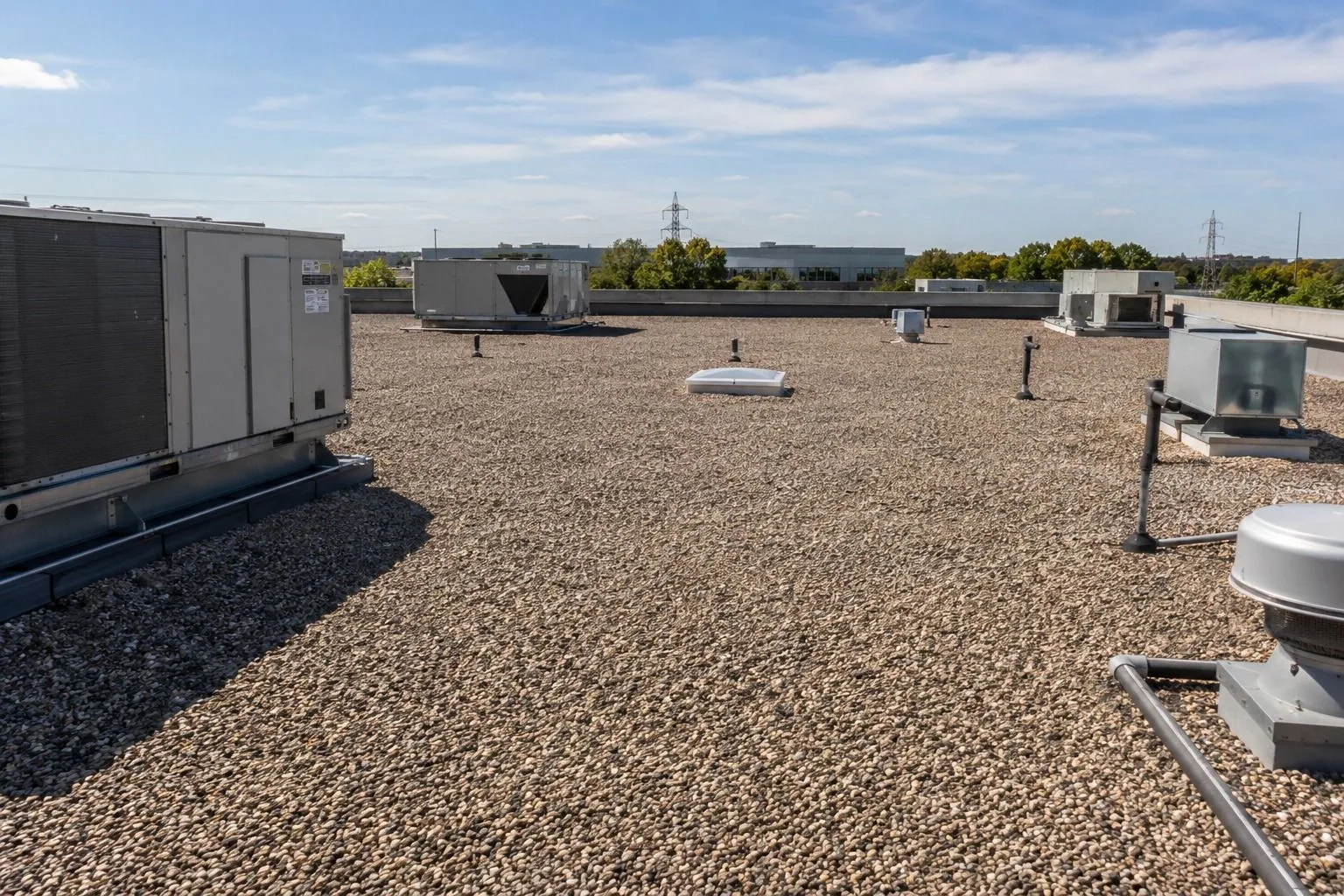
The San Marcos corridor holds fulfillment and delivery buildings, the outlet retail east of I-35, business park buildings and the commercial centers of Kyle and Buda. TPO is a frequent choice across those classes because it is economical over large areas. A distribution center roof brings long dock-side edges and rooftop units across a very wide field, while the outlet and retail corridor adds tenant turnover and frequent rooftop equipment changes.

Each equipment change is a chance for a new penetration, and each penetration is a detail that someone must weld correctly. We keep a roof plan with every curb and pipe marked, so a technician adding a unit can be pointed to the path that does the least harm.

TPO Roofing

The budget-year decision

For a facility director the output of a TPO review is a ranked list: areas to replace, areas to repair and areas to watch. Price follows the volume of wet insulation, the count of details, equipment access and how the schedule fits operations. We describe those drivers without guessing at prices, then price the sections once the readings are complete. Seams, wet board and flashing condition are the three items that most often move a roof from one group to another.

The queue also records what can be deferred. A deferred area is a section whose remaining service is long enough to wait, with a note on what to recheck and when. That note is as useful to a budget committee as the replacement list, because it shows which spending can safely move to a later year and which cannot. Where several roofs sit near each other, such as buildings in the business park corridor, grouping the work into one campus phase often lowers mobilization cost.

Commercial Roofing Questions

How long does a TPO roof last in Central Texas?

Service life depends on the sheet thickness, seam quality, maintenance and hail history, so we judge each roof by test, not by a year count.

Can hail damage a TPO roof without a visible hole?

Yes. Bruises and fractures can let water in later. Moisture scans and core samples show whether a field was affected.

What does a seam failure look like?

A lifted or open lap edge, a gap at a corner, or a dark stain below. A blunt probe along the weld finds the rest.

Can TPO be installed over my old roof?

Often, if the existing insulation is dry and the deck can carry the added layer. Core cuts confirm both points before we quote.

Which building classes benefit most from TPO?

Large, low-slope buildings such as distribution centers, warehouses and big-box retail, where reflective, welded sheets cover wide fields economically.

Send the building list

Send the building list and any past reports, and we will sort the roofs into replace, repair and watch groups before your next budget year.

Request a Roof Assessment

Related Roofing Work

ServicesRoof SystemsIndustriesProperty TypesService AreasRoof Damage RepairCapabilitiesManufacturersAboutContactRequest a Roof Assessment555-555-5555
Call555-555-5555