555-555-5555

Buda Industrial and Logistics Corridor, Buda

A speculative building is roofed before anyone knows what will happen underneath it. That is the defining fact of the class, and it shapes what the roof does: it must accept the first tenant's equipment, the second tenant's changes and the third tenant's complaints without a redesign. For an owner in the Buda industrial and logistics corridor, the budget year depends on managing that sequence of changes on a roof that was never drawn for any of them.

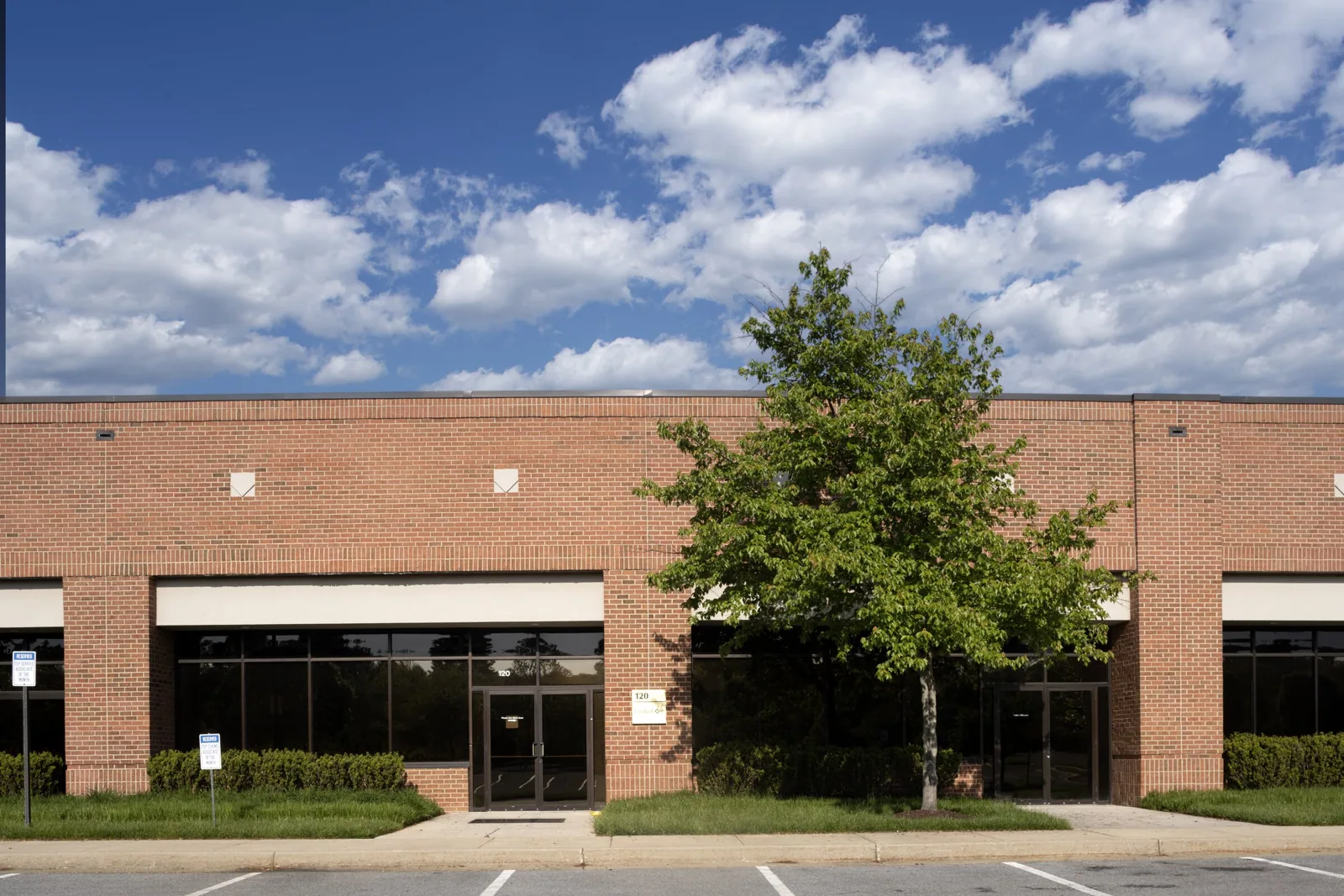
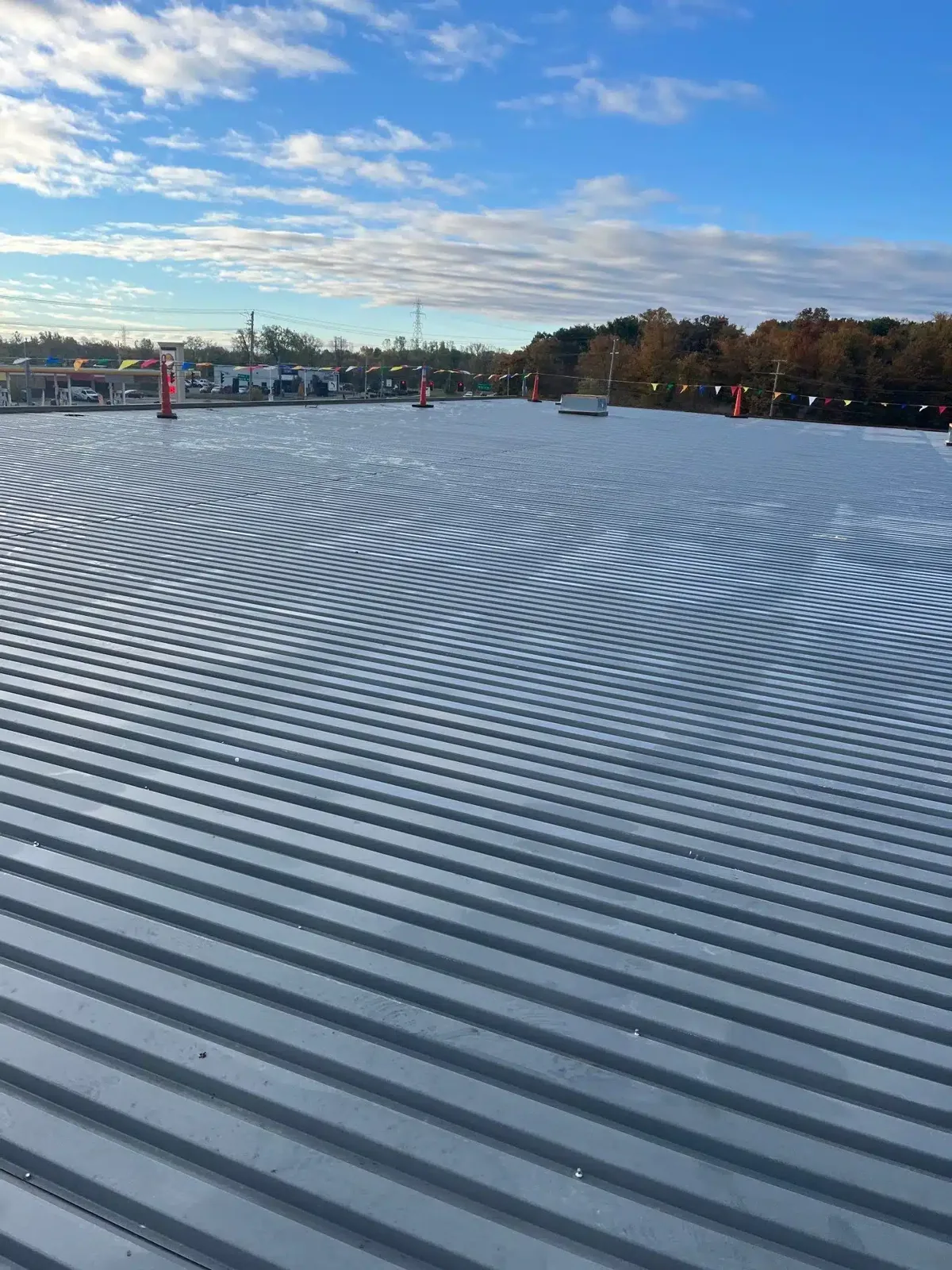
Arenaman's Buda Gateway is an $80 million, 49-acre project of five speculative warehouses totaling about 500,000 square feet near Robert S. Light Boulevard and FM 967. Nearby, Onion Creek Trade Center is a flex-industrial project of eight buildings on roughly 23 acres, built with 25-foot clear heights, and Amazon runs a 305,000 square foot delivery station in Buda. The corridor mixes warehouse and flex classes, and we inspect each on its own terms.
Plan for the First Tenant

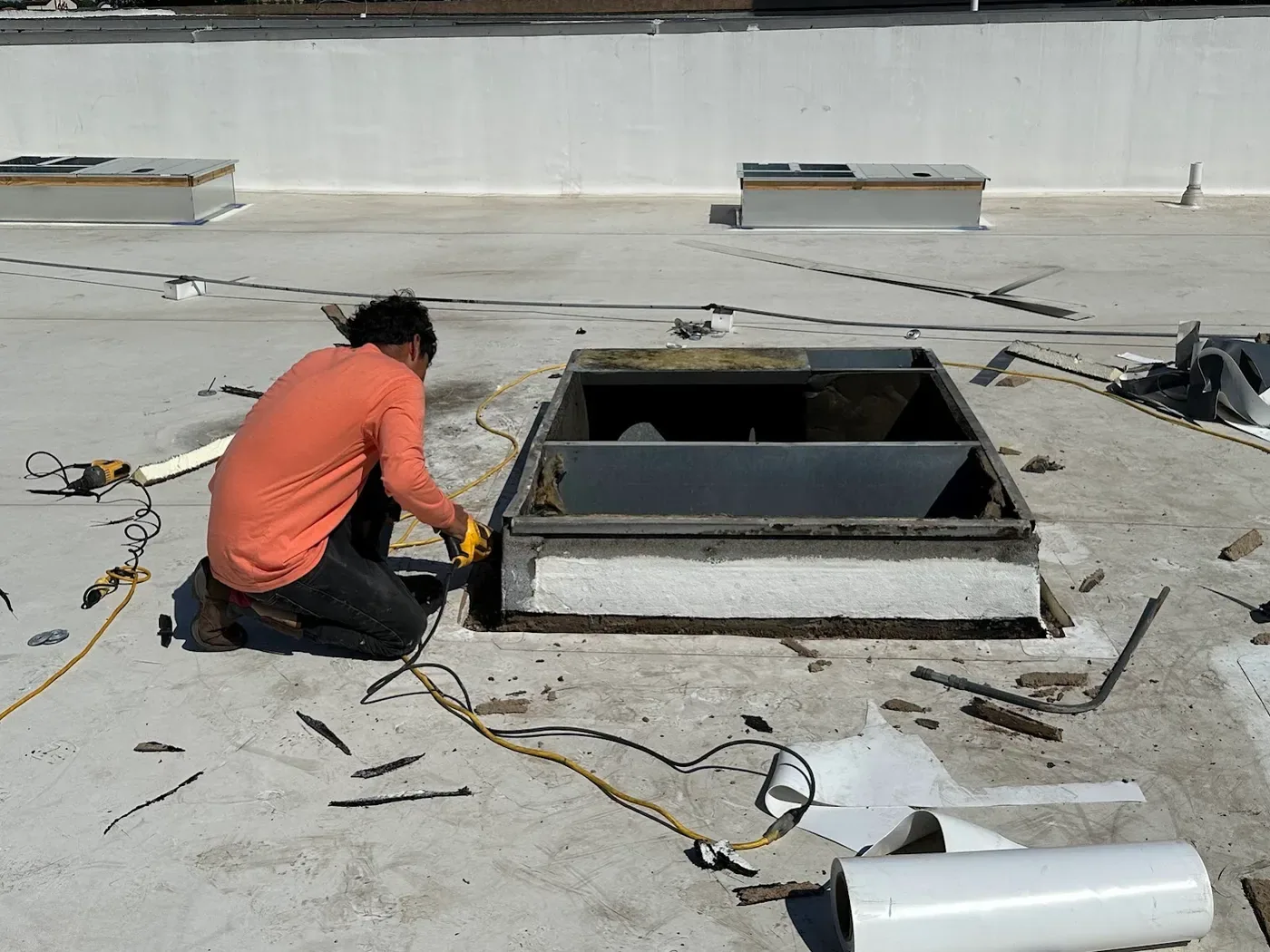
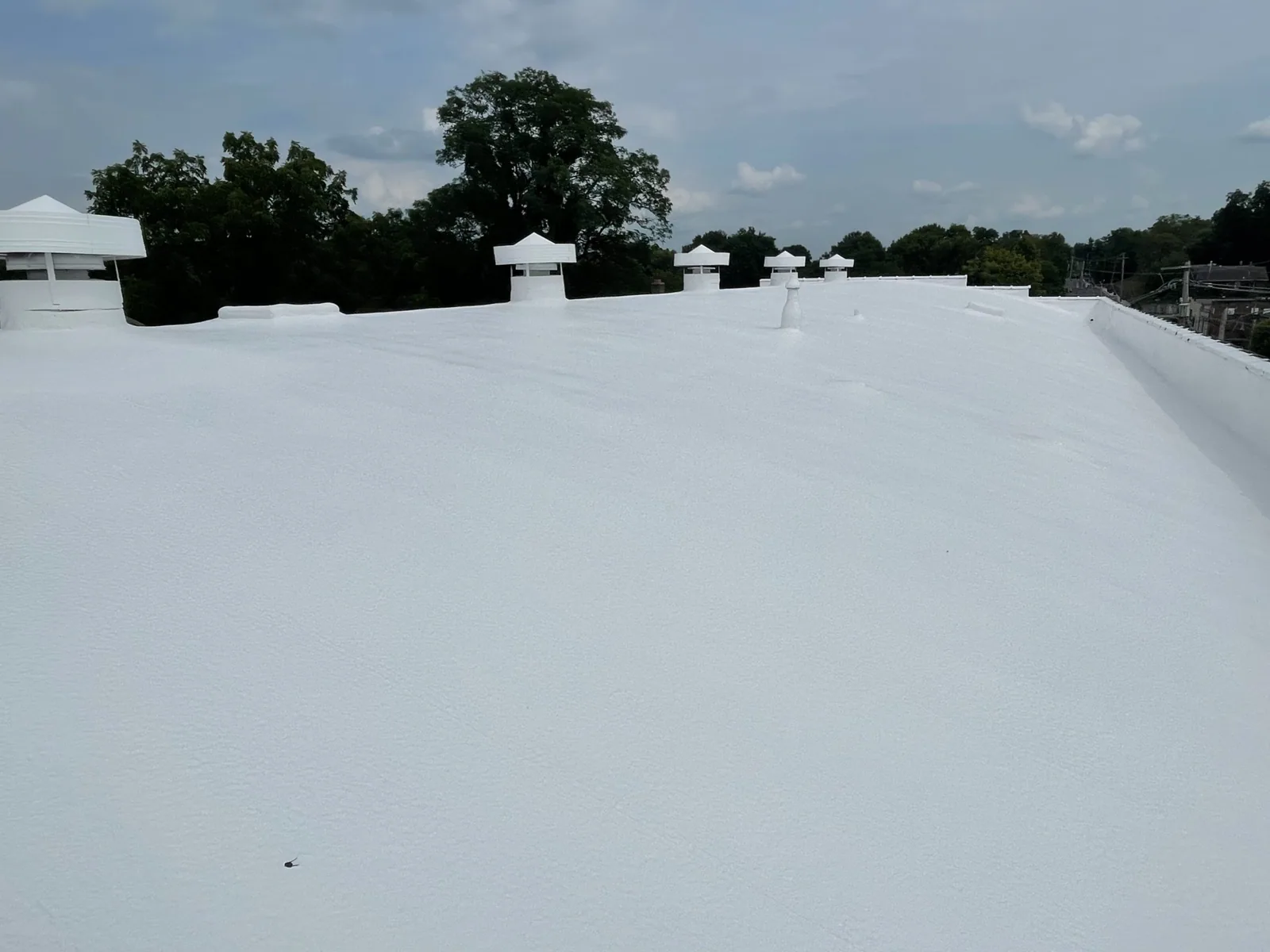
The first tenant's fit-out is the first stress on a spec roof. Heaters, make-up air, exhaust, lighting controls and conduit all go through the deck or onto the membrane. Each cut needs a curb or boot that matches the system, installed in the manufacturer's way.

We recommend a pre-fit-out walk and scan, so the dry baseline is on record before the first cut. After the fit-out, a second walk compares the roof to the baseline and logs every new penetration. If a cut was done wrong, the repair is small and the paper trail is clear. A flex industrial roofing program built on this routine keeps the roof file current as the building fills.

Small-bay tenants bring more cuts per square foot than a single warehouse tenant does. A multi-building flex project can mean dozens of units, and every one needs its own flashing. We count them, group them by tenant and check each curb. The count alone often shows where leaks are most likely.

Buda Industrial and Logistics Corridor, Buda

Handle Access at Height

A 25-foot clear height means a tall wall and a long climb. Roof access is by ladder or hatch, and service techs carry tools up that route. A poorly planned access point leads to wear, damage and risk.

We map the access route and the walk paths to each unit, and we note any spot where a ladder lands on the membrane. We check hatches and ladder cages, and we note any skylight or soft spot along the way. We recommend walk pads at the hatch exit and along the main routes. Fall protection is standard on our visits, and we coordinate with the building manager before climbing. On a small-bay flex building with several tenants, the access plan matters even more, because several service companies use the same hatch.

Keep Drainage Working

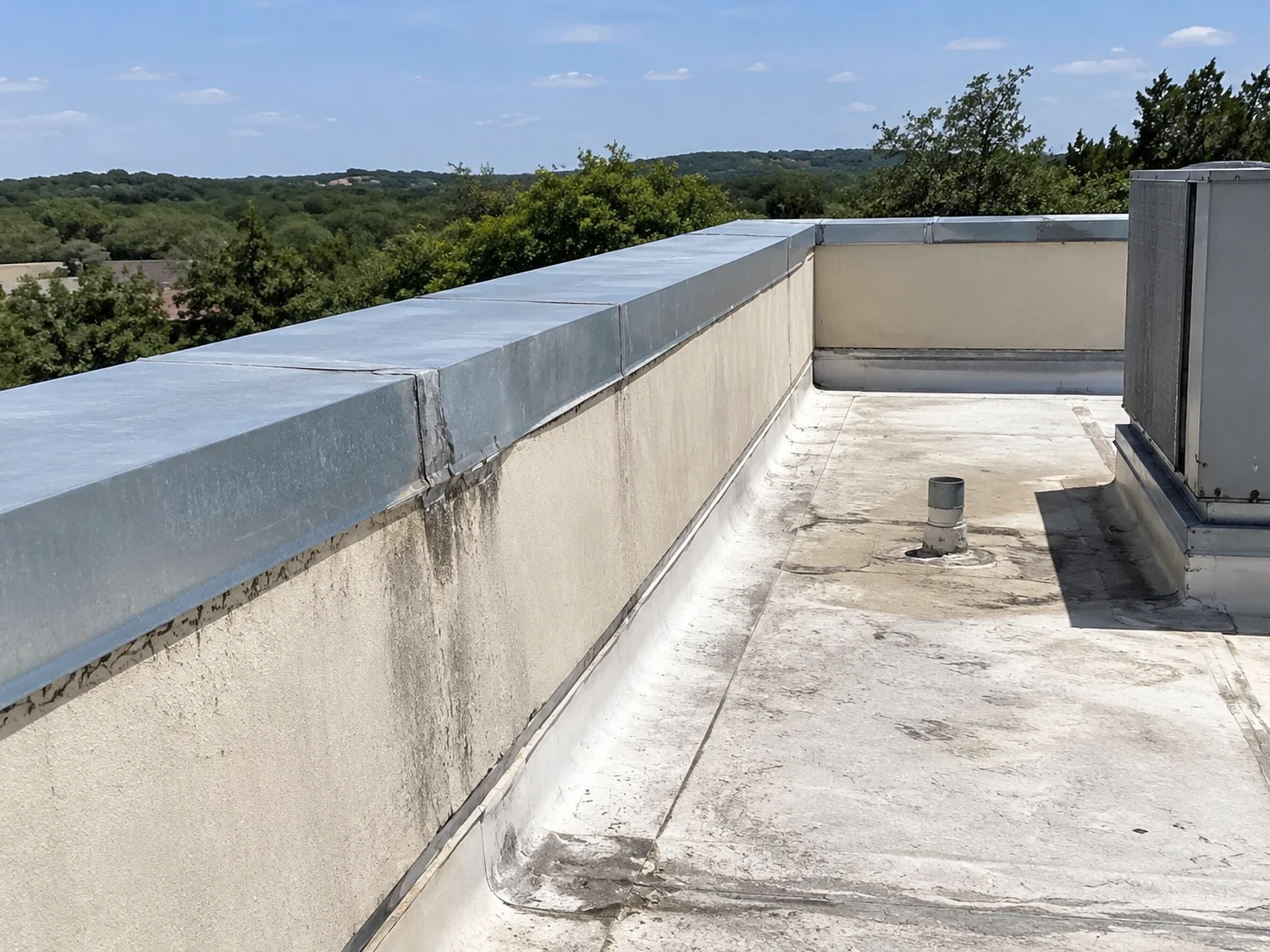
Warehouse roofs shed water through a few drains and scuppers. Flex buildings add complexity: parapets, canopies and varied heights. A clogged drain puts water against a parapet, and a parapet finds every open joint.

We clear and test each drain, pour water through leaders and measure scupper height against the deck. Pools are marked on the plan the morning after rain. A pool that lingers more than two days is a signal to trace the cause. We look at the drain, the deck between supports and the insulation under the pool, and we write down which one it is. For a new building, the cause is often a drain set too high or a slope that fell short of design. A roof drains and scuppers correction in the first year is cheap, and a deferred one becomes a replacement.

Read the Dock-Side Edge

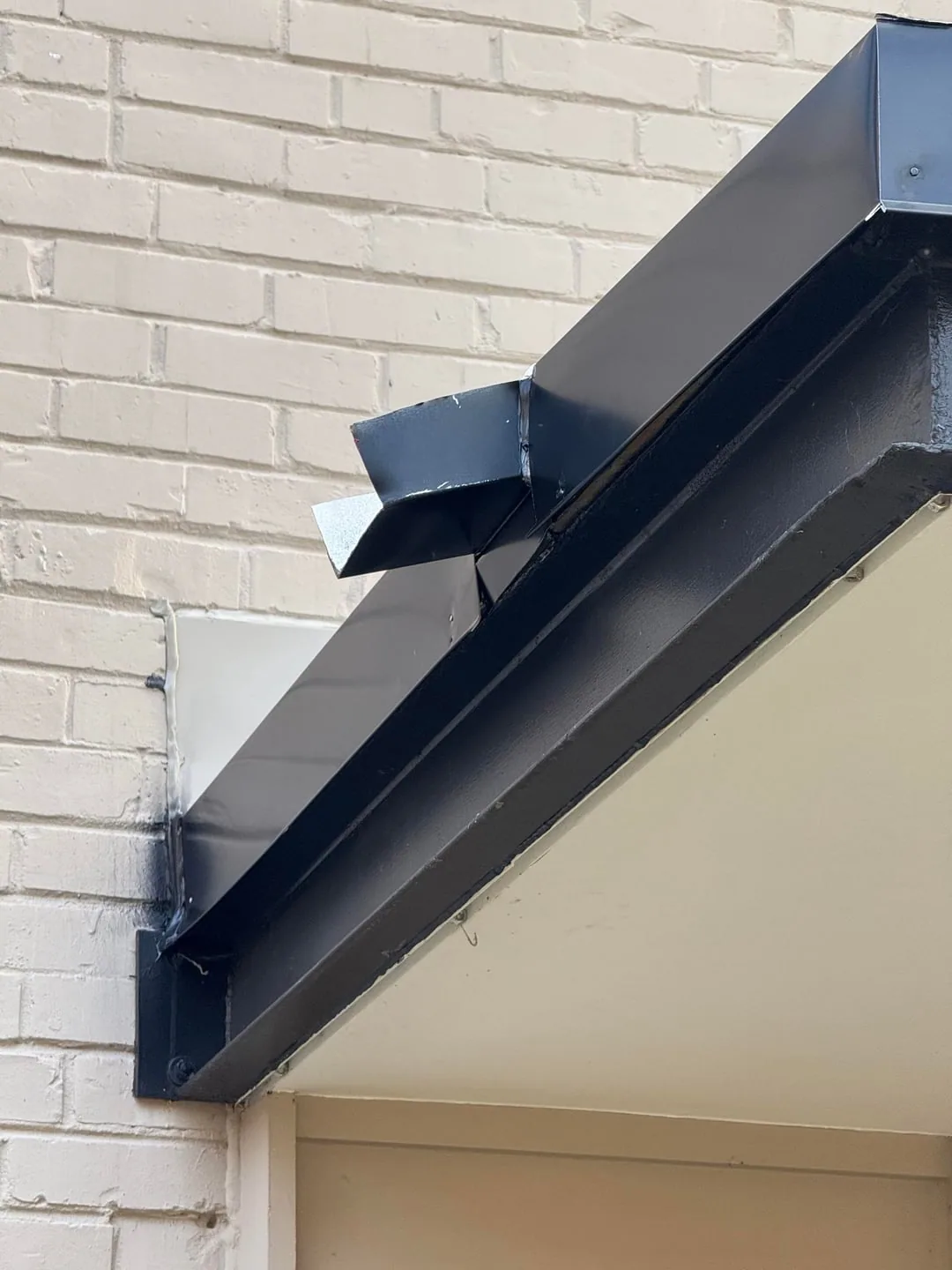
On the loading side, canopies, parapets and coping take wind and vibration. We work the coping joint by joint, probe each termination bar and tug the edge fasteners. Early defects are small. A loose cap found in the first year is a ten-minute fix. A lifted cap found after a windstorm is a wet corner and a larger repair.

Edge metal also matters for warranty. Many manufacturers require specific edge details, and a missing or wrong detail can limit a claim. We photograph each edge and compare it to the specification. Where a detail is missing, we say so before anyone files a claim, because a documented fix beats a denied one. An edge metal, coping and gutters check every spring keeps the perimeter tight.

Buda Industrial and Logistics Corridor, Buda

Weigh the Regional Weather

Storm history in Hays County sets the frame. Johnson City's hail, up to six inches across on May 9, 2024, marked the opening of a storm that then arrived in San Marcos. During the March 21, 2022 outbreak, six tornadoes occurred along and east of the I-35 corridor, though no touchdown was surveyed in Hays County.

These are regional events. They tell us to review roofs after a storm, not what happened on any one deck. We press the membrane, scan for wet insulation and map the bruises. A hail damage repair scope then limits work to the bruised sectors. Summer heat is measured at Austin Camp Mabry, where August highs average near 98 F.

Buda Industrial and Logistics Corridor, Buda

Set the Queue

An owner with several buildings needs a ranked list. The replace group holds roofs with wet insulation across most of the deck. The repair group holds roofs with a defined problem and dry board around it. The watch group holds sound roofs that get a scan next year. Two tests sort most roofs quickly: a moisture scan for the insulation and a seam probe for the membrane. The combined result sets the group, and the group sets the budget line. A roof capital planning file turns the ranking into a schedule. Nearby work includes the city of Buda and the Kyle logistics corridor.

Track Turnover Across the Park

Spec parks turn over. A tenant signs, builds out, operates for some years and leaves. The next tenant makes its own changes. Over a decade, a roof can host several generations of equipment, and each generation leaves marks.

The simplest control is a roof log. Each entry records the date, the tenant, the work and the photo. A move-out inspection compares the roof to the log. Orphaned curbs, unsealed conduit and abandoned units are found and closed before the next lease. The cost is small. The alternative is a leak that begins in an abandoned opening and soaks insulation for a year before anyone looks up.

The log also serves sale and financing. A buyer of one building in a park, or of the whole park, asks about roofs early. A file with a baseline scan, a penetration list and a repair history shortens the review. A due diligence roof survey from the buyer's side then confirms what the file says.

Emergency response runs around the clock. A crew can seal an opening the same night and photograph it for the log.

Commercial Roofing Questions

What decides when a spec roof gets its first scan?

The first tenant's fit-out decides it. A baseline before the first cut is the most useful scan the roof will get.

Can flex buildings share a roof plan?

Each building needs its own, with zones for each tenant bay.

Who owns a penetration after a tenant leaves?

The landlord does. The log should show whether the opening was removed, capped or reused.

How is access handled for service companies?

With a mapped route, walk pads and a notice rule at the hatch.

What should I send first?

Building addresses, the tenant plan and any roof reports from the developer.

Send the building list and past reports

Share the addresses and any earlier reports, and we will sort the roofs into replace, repair and watch groups before your next budget year.

Request a Roof Assessment

Related Roofing Work

ServicesRoof SystemsIndustriesProperty TypesService AreasRoof Damage RepairCapabilitiesManufacturersAboutContactRequest a Roof Assessment555-555-5555
Call555-555-5555