555-555-5555

Membrane Puncture Repair

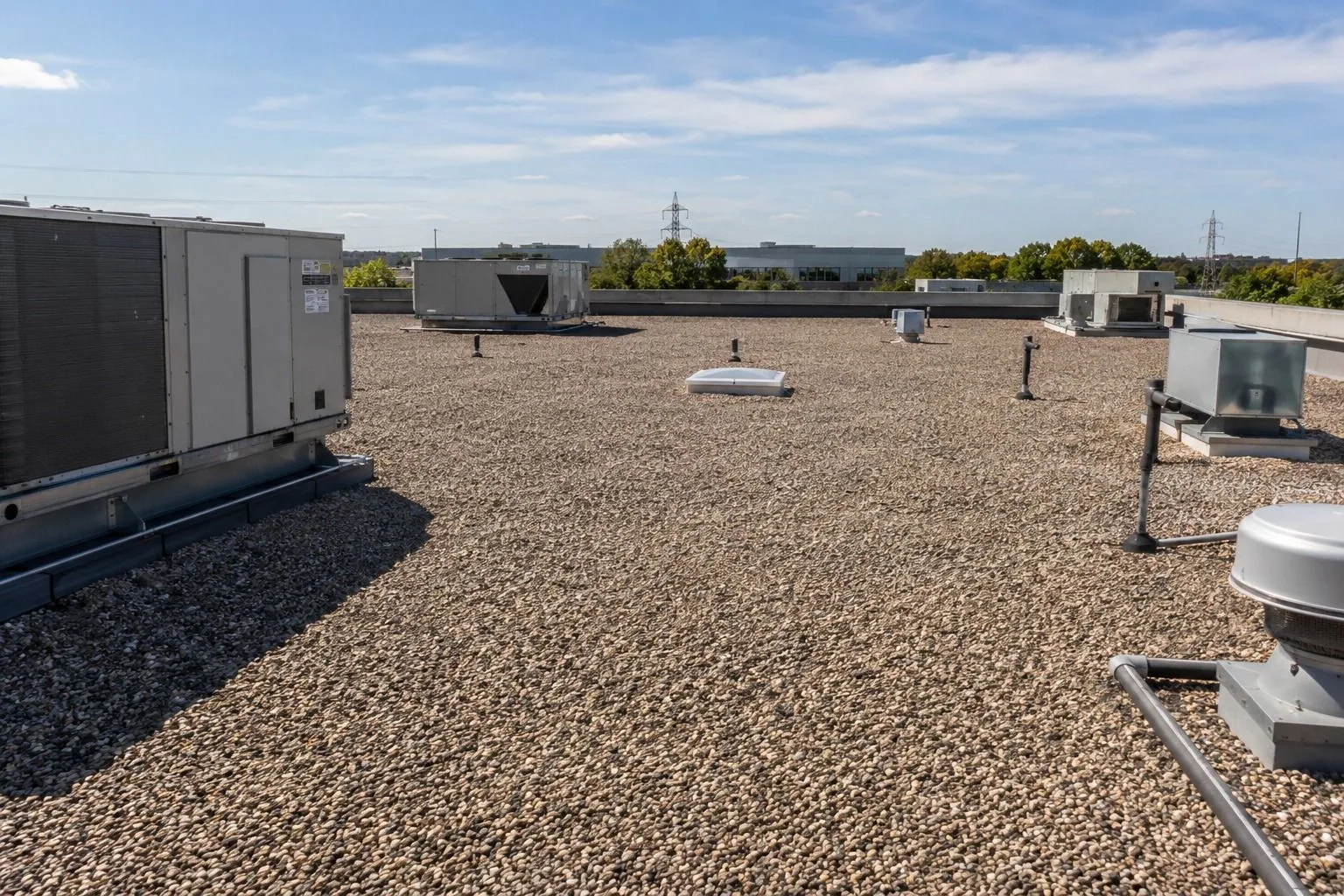
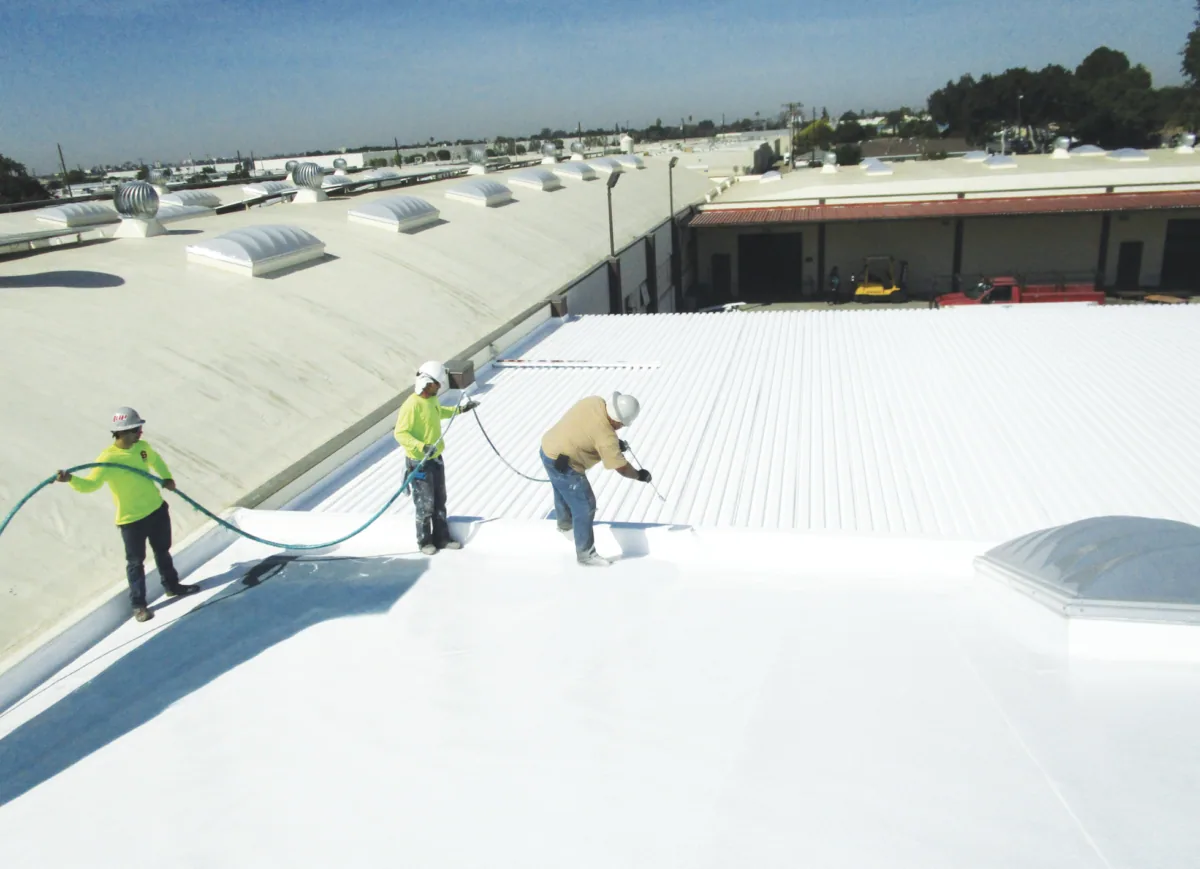
A roof with a dozen rooftop units has a dozen service routes, and those routes are where punctures begin. Technicians carry tools, set down panels and step where the membrane is thinnest, and a membrane made to keep out rain was not made to take every one of those visits. For an owner in San Marcos, TX, with retail, flex or industrial roofs carrying heavy equipment, the one thing that class does to a budget is turn ordinary maintenance traffic into a steady supply of small holes. We find them, patch them by membrane type, test the insulation beneath and mark the routes that keep producing them.

A puncture is cheap to patch and expensive to ignore, because the water goes where the hole does not.
Know Where Punctures Come From

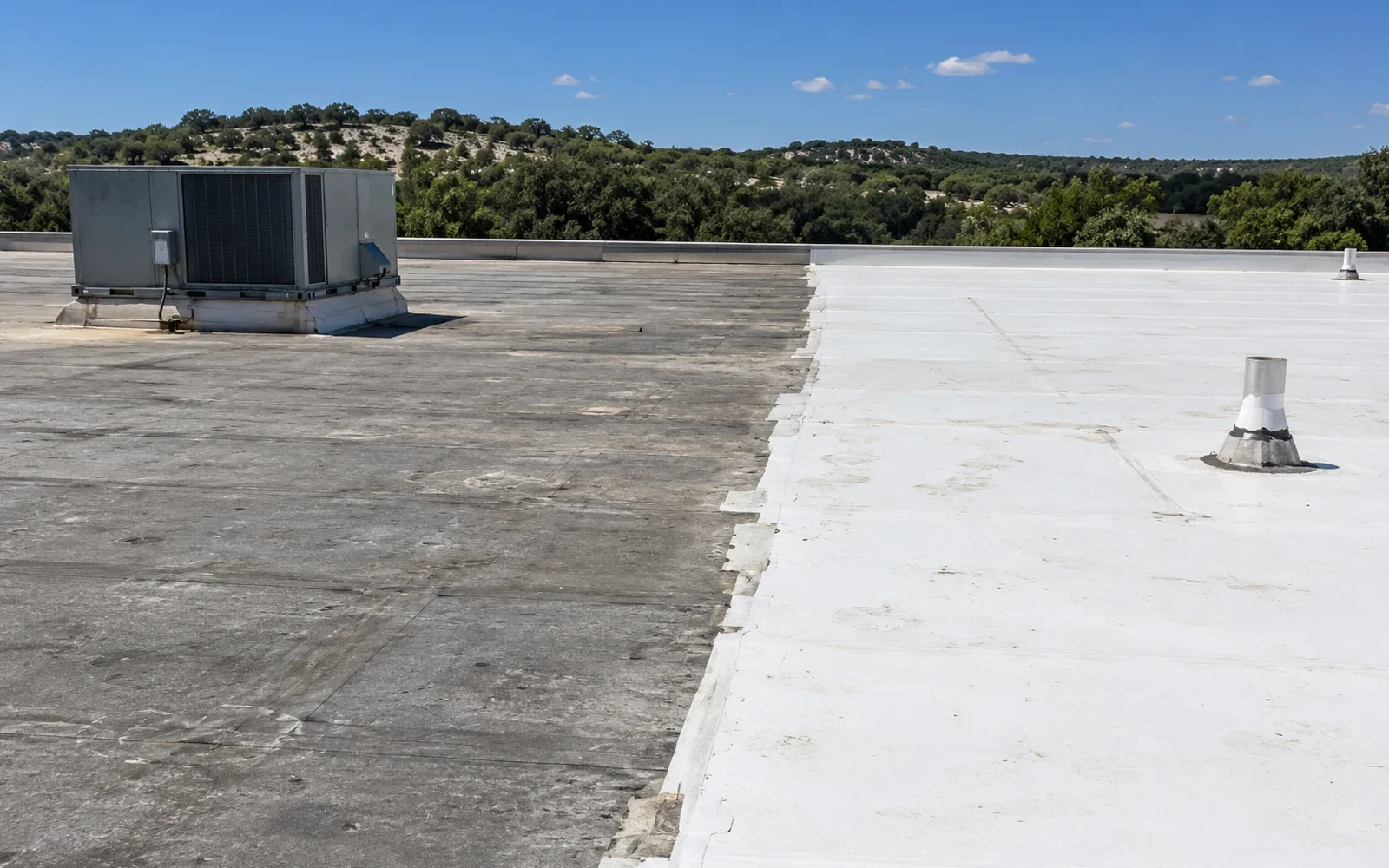
Most punctures have a pattern. They cluster along the path from the hatch to the nearest unit, around the base of equipment, at the places where tools are set down and near anything a trade has recently installed. Fewer come from weather, though hail and flying debris add their share after a storm.

We trace the pattern on the plan. Marks and scuffs show the walking routes. Fresh cuts near a curb point to recent work. Gouges beside a unit show where a panel was dropped. The map tells the owner whether the problem is a route, a trade or an event, and each answer leads to a different fix. A route gets walk pads. A trade gets instructions. An event gets a claim file. Our commercial roof leak repair begins with the same trace when a stain points to a hole we have not yet found.

Membrane Puncture Repair

Find the Hole Under the Stain

Water enters at a puncture and travels along the top of the insulation until it finds a joint, a fastener or an edge. The stain on the ceiling can sit many feet from the hole. We trace from the stain uphill along the likely path, probe the membrane and look for the opening.

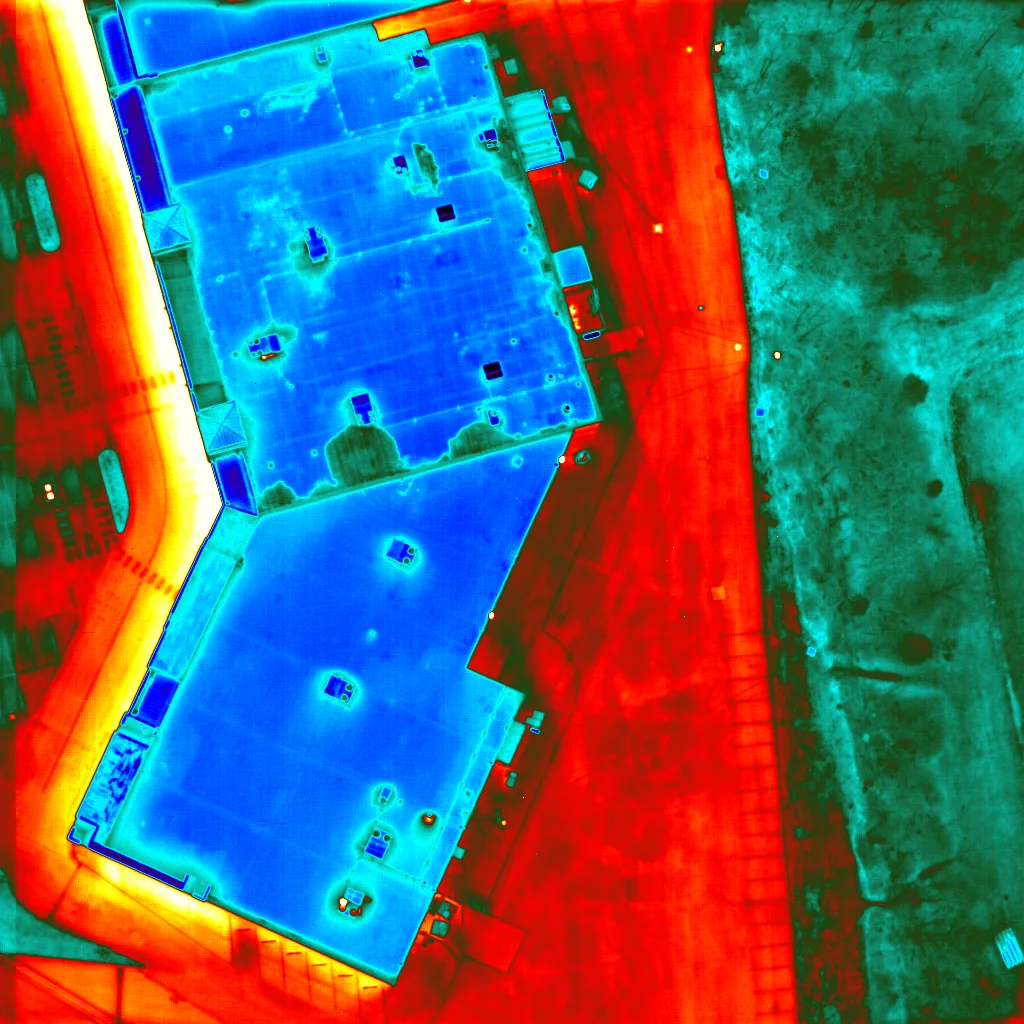
When the hole is not visible, we scan. An infrared moisture survey maps the wet insulation, and the wet area points back to the entry. Cores confirm the boundaries. Small punctures hide under debris, dirt or a patch of granules, so we clear and clean the suspect area before we decide there is no hole. The photo of the hole goes in the log with its location, size and the tool or event likely to have caused it.

Records speed the next search. When a hole is found, the log notes the stain location, the distance to the hole and the direction the water traveled. After a few entries, a roof shows its habits: water on this roof runs east along the insulation, or collects at a particular joint. That knowledge shortens later calls and lets the first crew on site go straight to the likely entry.

Patch Each Membrane Type Its Own Way

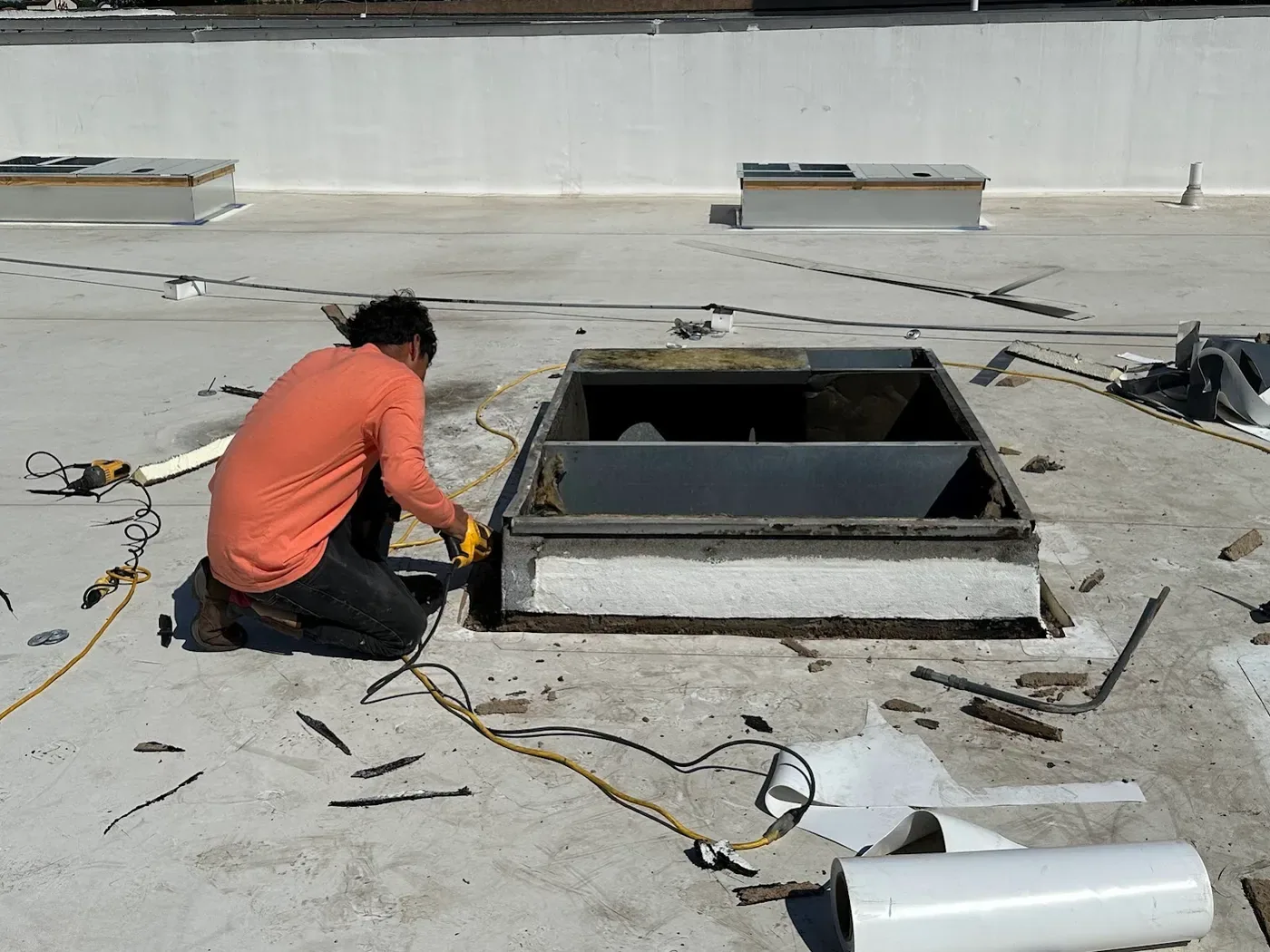
A patch must be made of the same family as the sheet. A thermoplastic sheet takes a welded patch of matching material. A rubber sheet takes a primed, adhered patch or tape. A modified bitumen sheet takes a patch set in adhesive or heated asphalt. A wrong-family patch looks complete and peels.

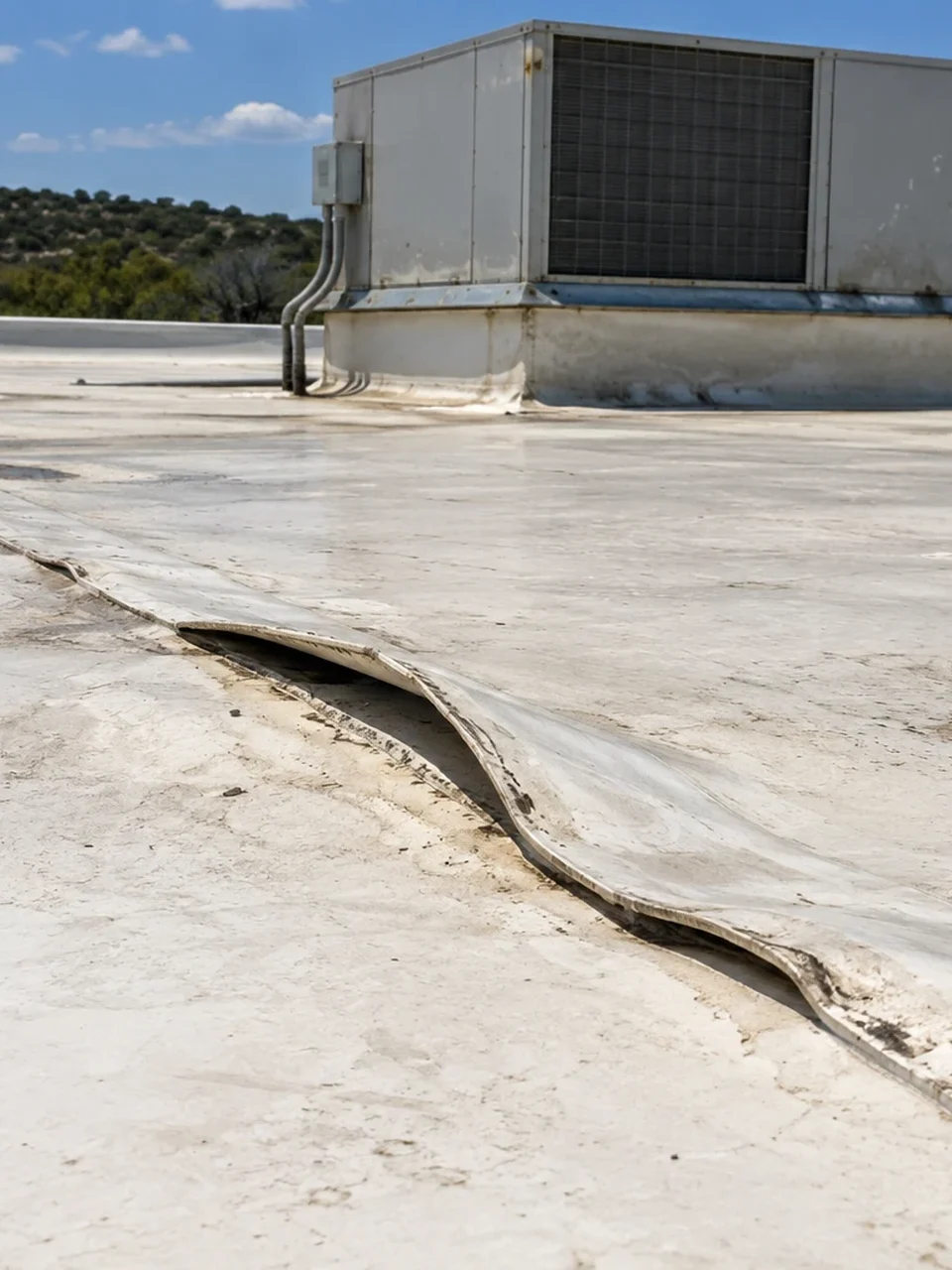
The patch extends well beyond the hole in every direction, with rounded corners, because square corners lift first. The surface is cleaned, the patch is applied with the right tool or adhesive, and the edge is checked with a probe when it cools. Large holes and tears may need a cut-out and replacement piece. We record each patch by number and location, so repeat damage at one spot is visible. Laps that sit beside a puncture get probed the way any seam failure repair begins, because impact can loosen a weld next to the hole.

Dry the Insulation Below

A patch over wet insulation traps the water. If the puncture has been open through even a few rains, the board below may be wet, and the wet area will spread. We test with a moisture meter and confirm with a core before closing the hole.

Small wet areas are cut out, the board replaced with dry material and the membrane patched over it. Large wet areas change the scope to a section repair or replacement. Rain in San Marcos totals about 36.55 inches a year and often arrives in bursts, so an open puncture can take on a lot of water quickly. The scope states how much insulation was removed and how much remains, so the owner knows what the roof can still do. Wet insulation left behind is the usual reason a patched leak returns.

Membrane Puncture Repair

Protect the Routes and the Equipment

Walk pads along service routes take the wear in place of the membrane. We lay them from the hatch to each unit and around the unit itself, using material compatible with the roof. A hatch log records who goes up, and a rule that no one cuts a penetration without calling a roofer closes another source. At a big-box retail roof or a strip of retail in the Kyle FM 1626 medical and retail corridor, the number of units makes these controls pay quickly.

Equipment brings its own risks. Condensate lines that drain onto the roof wear a spot over time. Cable runs lie across the membrane and rub. Units that vibrate can abrade the sheet under their feet. We note each case and fix the cause, with a splash pad, a support or an isolating strip, so the same hole does not reappear.

Membrane Puncture Repair

Storm Debris and Dropped Tools

Storms add punctures from debris. After the May 9, 2024 storm, with trees down across several blocks of northwest San Marcos and hail reported up to six inches across in Johnson City, we clear debris carefully. After a storm like that, we clear debris carefully and check for cuts and impacts beneath it. We photograph pieces before moving them.

Dropped tools and materials leave a similar mark during projects. Before turnover on any job, we walk the roof with the superintendent and record the condition with dated photos. Punctures found later have a known date, which helps assign responsibility. The flashing failure repair work often follows, since a strike near a wall can damage the termination.

Count Punctures by Building

The ranking counts punctures per building, per year, and weighs them by the cost of the water that came in. A roof with a dozen punctures a year is a roof with a traffic problem, and walk pads pay back fast. A roof with a few punctures after a storm needs only a claim file and patches. A roof with punctures and wet insulation moves up.

Replacement work inside the city follows the 2021 International Building Code. The file gives the owner a cost per puncture, a pattern by building and a recommendation. Over time, the trend shows whether the controls are working. When the count falls, the roof has years of life it would not have had.

Commercial Roofing Questions

Can a small puncture be patched without removing insulation?

Only if a moisture check shows the insulation is dry. Wet board must come out first.

Why does a leak appear far from the hole?

Water runs along the top of the insulation or deck until it finds a way down.

Do walk pads really help?

Yes. They take wear on routes where the membrane would otherwise thin.

Can an old brittle membrane be patched?

Sometimes, but brittle sheet often cracks beside the patch. We test before committing.

How are punctures recorded?

By number, location, size, cause and date, with photos, so patterns are visible.

Send the Building List and the Last Roof Report

Send the building list and the last roof report, and a superintendent will walk the busiest service routes first and return a ranked condition summary. Start from the contact form.

Request a Roof Assessment

Related Roofing Work

ServicesRoof SystemsIndustriesProperty TypesService AreasRoof Damage RepairCapabilitiesManufacturersAboutContactRequest a Roof Assessment555-555-5555
Call555-555-5555