555-555-5555

Seam Failure Repair

A single-ply or lapped roof is a quilt, and the seams are the stitching. Rolls are made wide, laid side by side and joined on the roof, so every building in this class has miles of laps between its edges. The one thing that class does to the budget is make the seam the likeliest place for a leak to begin, and the cheapest place to stop one. For a retail, flex or industrial owner in San Marcos, TX, the question is how many laps are open, how fast the rest are opening, and what the roof will cost to keep. We probe every lap line, mark every open seam and rank the buildings by the pattern we find.

A seam that looks closed from standing height can be open at the touch of a probe.
Probe the Laps, Not the Surface

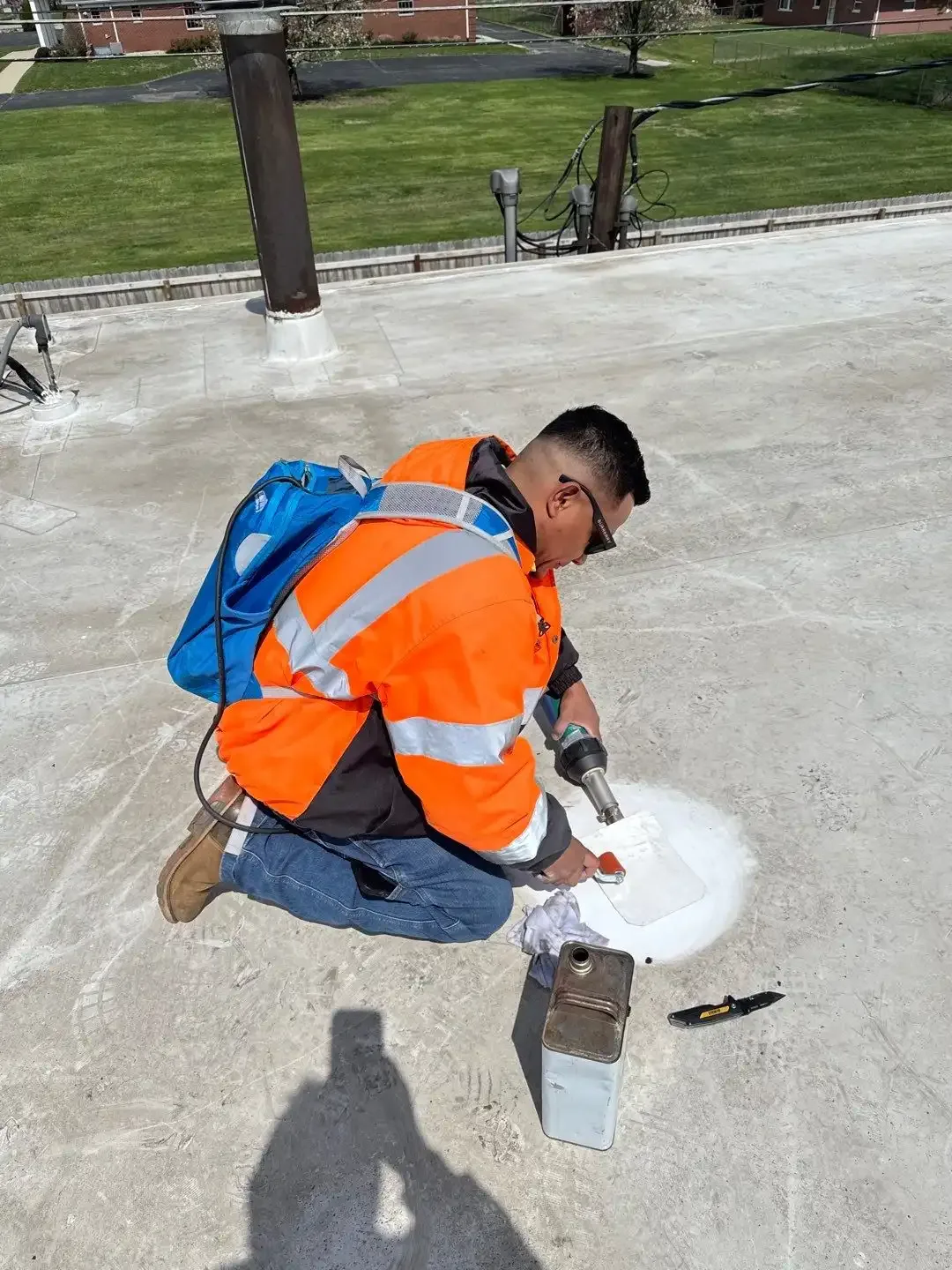
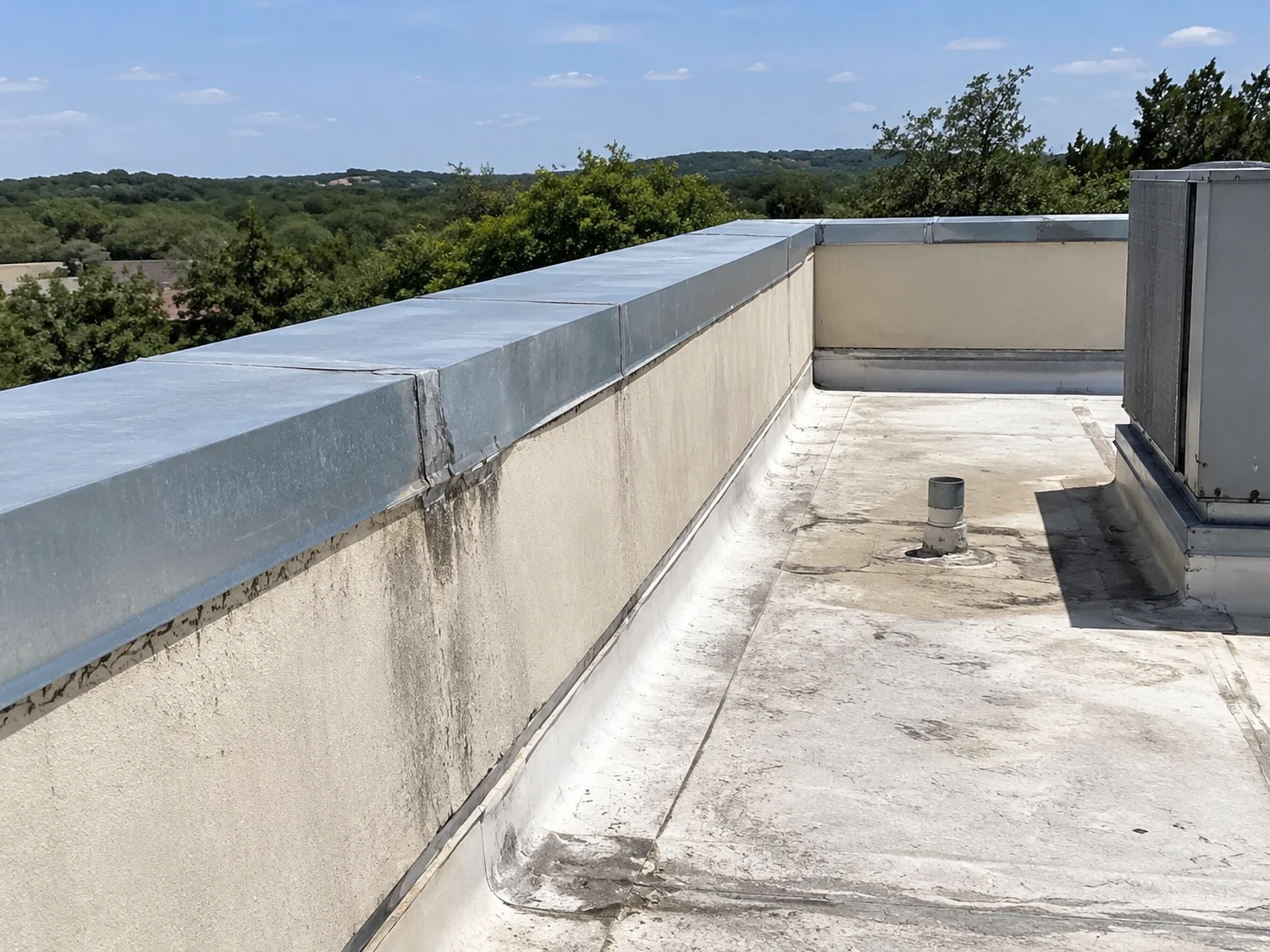
We walk each lap line with a seam probe and press along the edge. A closed seam resists the probe. An open one lets the tip enter, or the edge lifts under a thumb. We mark the location of every suspect lap on the plan, measure its length and photograph it with the probe in the gap.

The map shows the pattern. Isolated open seams near a wall or curb point to local stress. Open laps along a whole run point to a method problem or an aged membrane. Laps open at their ends point to thermal movement. On a TPO roof or any other thermoplastic sheet the probe is the main tool, and the same sequence works on rubber and modified bitumen with tools suited to each. The map decides whether the repair is a handful of patches or a broader program.

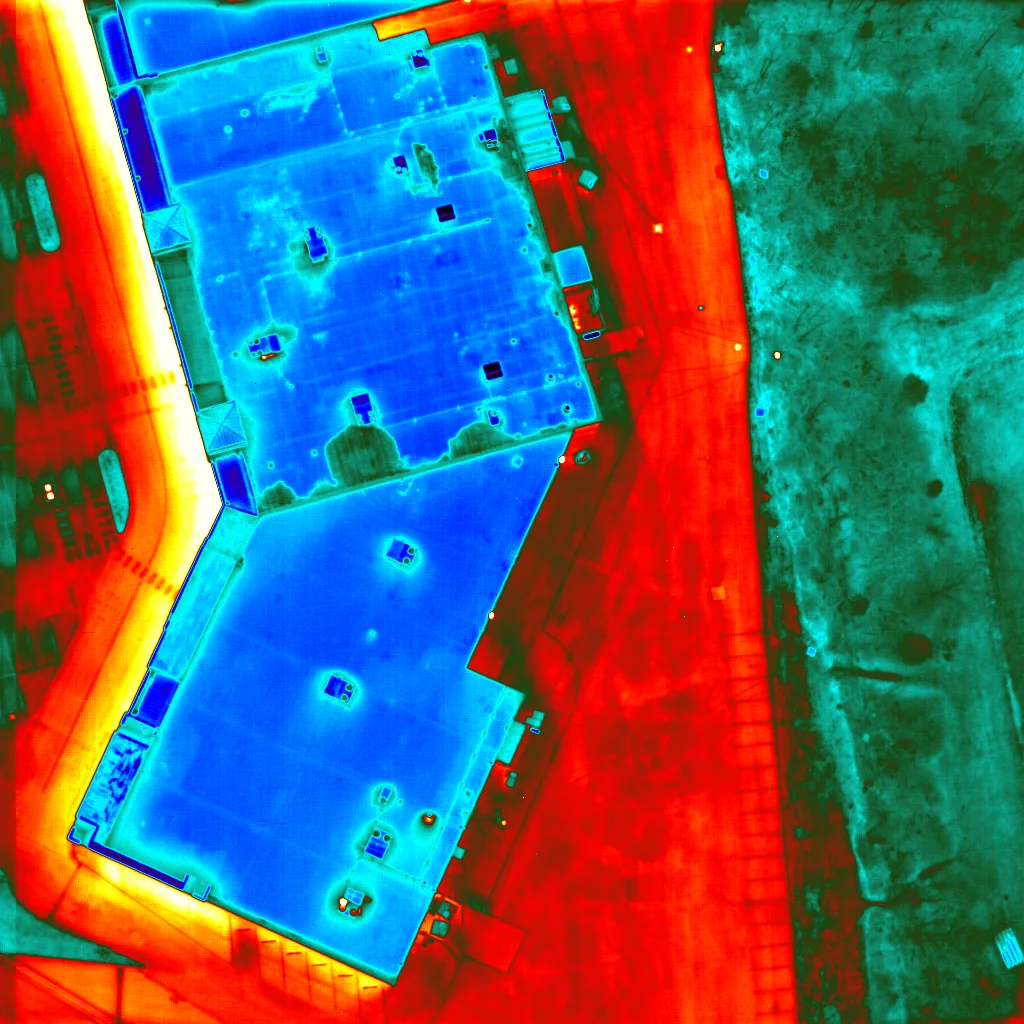
Where laps are open and the insulation may be wet, an infrared moisture survey maps the water before any patch goes on. Sealing a seam over wet insulation traps the water and leads to blisters and early failure. The map lets us cut out the wet area, replace it and then repair the seam over dry material, which gives the patch a stable base.

Seam Failure Repair
Seam Failure Repair

Welded, Taped and Lapped Seams Fail Differently

A heat-welded seam fuses two sheets. When it fails, it usually peels from the edge or lets go at a spot that was contaminated or underheated. A taped or adhered seam depends on a bond, and failure shows as lift at the edge, creep or a gap at the end of a lap. A modified bitumen lap relies on melted or adhered asphalt, and failure appears as an open edge, a fish-mouth or a split.

Knowing the type changes the repair. A welded seam is cleaned and re-welded or covered with a welded patch. A taped seam is cleaned, primed and re-taped with a cover strip. A bitumen lap is cleaned, heated or adhered and sealed. We identify the type by looking at the surface, reading the papers and testing a small area, then match the method to the sheet. Using the wrong method gives a patch that looks fine and peels in a season.

Some roofs combine types. An older modified bitumen roof may have a single-ply addition beside it, and the junction between them is its own seam with its own method. We mark every transition on the plan and repair it with a detail that suits both sides, since a repair designed for one will not hold on the other.

Fastener Back-Out and Seam Stress

On mechanically attached roofs, fasteners and plates sit near the seam. When one backs out of the deck, it pushes a bump through the sheet and strains the weld beside it. The bump rubs on traffic and wears through, and the strained seam opens.

We tap along fastener lines and look for bumps and flutter. A pull test on a sample shows how well the deck holds. Fasteners that have backed out are replaced or supplemented, and the weld beside them is rechecked. Where the deck is corroded or weak, the repair widens to the surrounding area. A wind damage repair review overlaps here, since wind pulls on the same fastener lines and strains the same seams.

Heat, Cycling and the Summer Load

Seams move with temperature. The sheet expands in the afternoon and contracts overnight, and the strain collects at laps. August highs near 98 F at Austin Camp Mabry load the laps every afternoon, and a weak seam opens under it.

Cold fronts add the opposite strain. A sheet that tightens overnight pulls at every lap. We schedule seam probing before summer and after the first cold snap, because the two seasons reveal different failures. The log compares each visit with the last, so a lap that has grown a few inches is visible. San Marcos gets about 36.55 inches of rain a year, often in bursts that push water into any gap, so an open seam found in dry weather is a leak avoided in wet weather.

Seam Failure Repair

Storms Find the Weak Laps

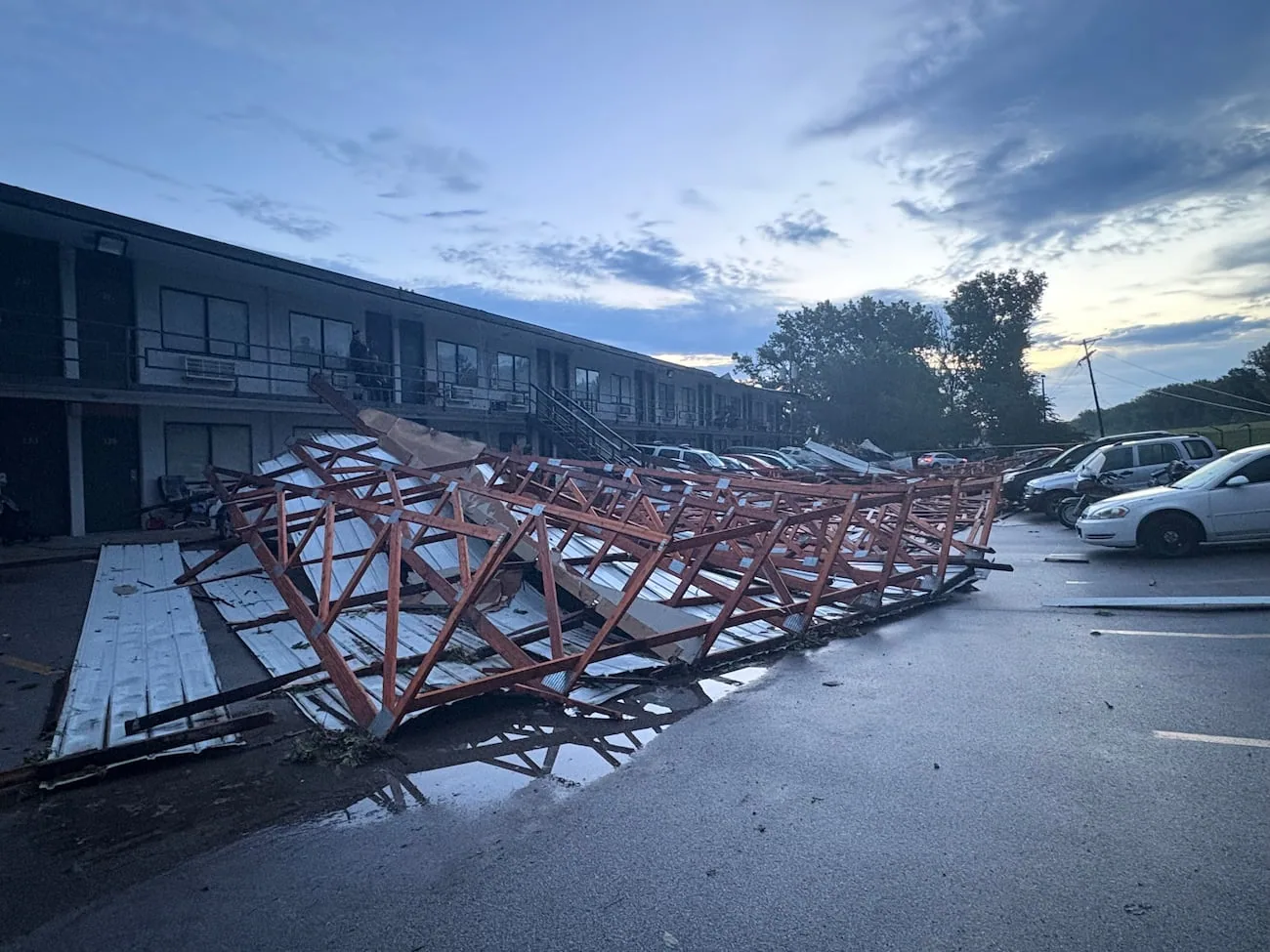
Hail and wind do not create every open seam, but they test the weak ones. Across Johnson City on May 9, 2024, stones up to six inches wide fell, and then the storm made its way to San Marcos. After events like that, we check laps near impact marks, at corners and at edges. A seam that opened after a storm shows clean faces and no weathering, while an old one shows dirt and age.

That distinction supports an insurance claim. The file records which laps were open before and after, when a dated pre-storm report exists. Retail buildings in the I-35 outlet and retail corridor and flex industrial buildings get the same method, with different quantities. Our flashing failure repair addresses the details that sit where seams meet walls and curbs.

Seam Failure Repair

Rank the Buildings by Seam Condition

The ranking uses the share of laps open, the rate of change and what sits below. A roof with a few isolated open laps goes on a repair list. A roof with open laps across a field, aged sheet and wet insulation moves toward replacement. The price for each path is shown, along with the cost of waiting.

The edition question is settled inside the city: 2021 International Building Code and 2021 International Energy Conservation Code. For a facility director, the output is a seam map for each roof, a repair scope and a replacement queue. Updated each year, the maps show the rate at which seams are opening, which is the best predictor of when a roof will need to be replaced.

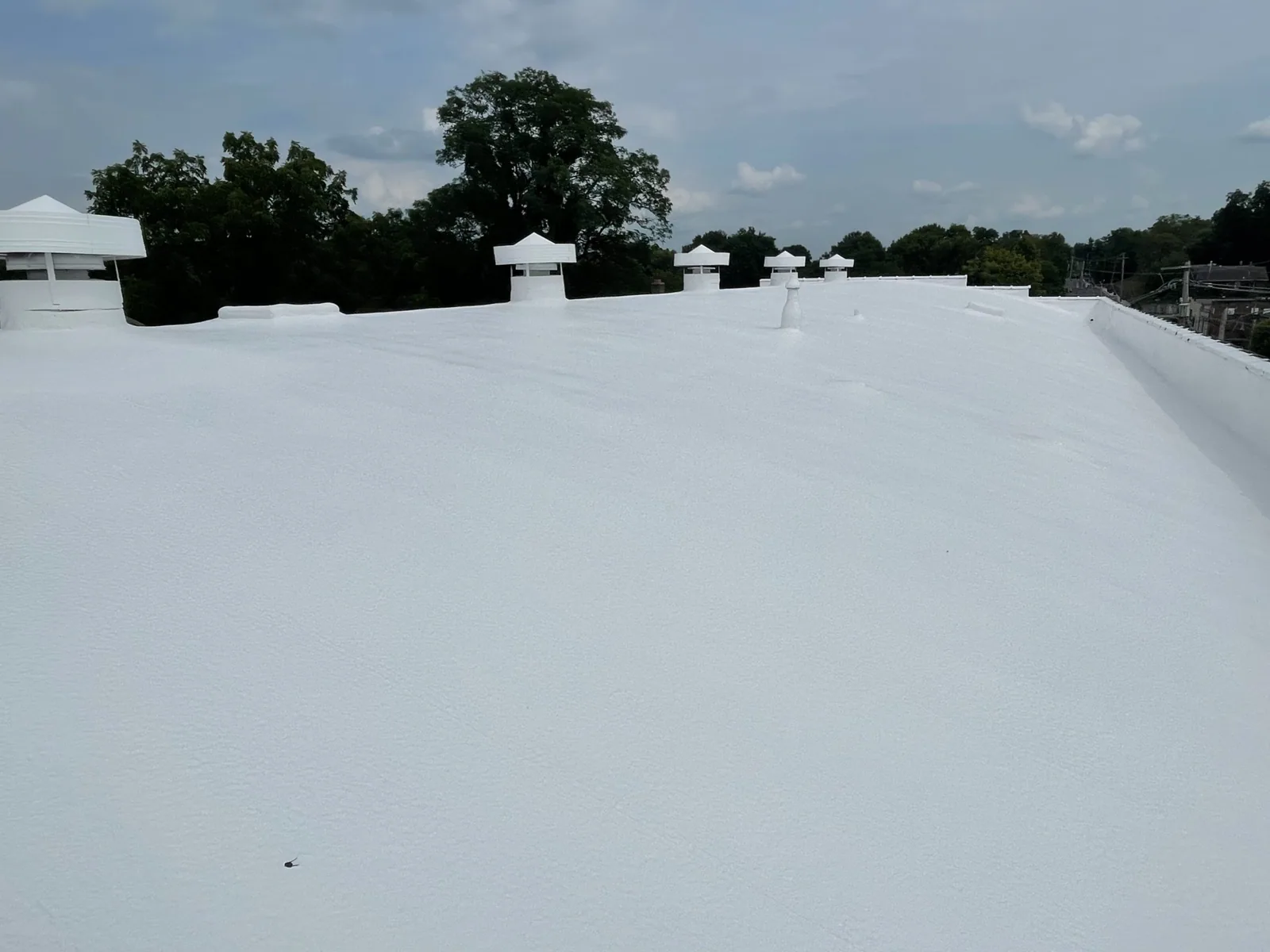
Where seams are open but the sheet is otherwise sound and the insulation is dry, a roof coating restoration can seal and reinforce laps across the roof and extend service. The scope shows the years gained and the cost, set beside the cost of a full replacement, so the owner chooses with both numbers in view.

Commercial Roofing Questions

How is an open seam found?

By probing along the lap and pressing the edge. A closed seam resists; an open one lets the probe in.

Why does a seam open months after installation?

Marginal welds or bonds take the first stress from heat cycling and fail when the load rises.

Can an open seam be caulked?

As a stopgap only. A proper repair cleans the surface and re-welds, re-tapes or re-seals.

When is seam failure a sign the roof is finished?

When laps open across the field, the sheet is brittle and insulation is wet.

Do seam repairs need a core?

Only when moisture is suspected. A scan comes first, then a core to confirm.

Send the Building List and the Last Roof Report

Send the building list and the last roof report, and a superintendent will probe the highest-risk laps first and return a ranked condition summary. Start from the contact form.

Request a Roof Assessment

Related Roofing Work

ServicesRoof SystemsIndustriesProperty TypesService AreasRoof Damage RepairCapabilitiesManufacturersAboutContactRequest a Roof Assessment555-555-5555
Call555-555-5555