555-555-5555

Big-Box Retail Roofing

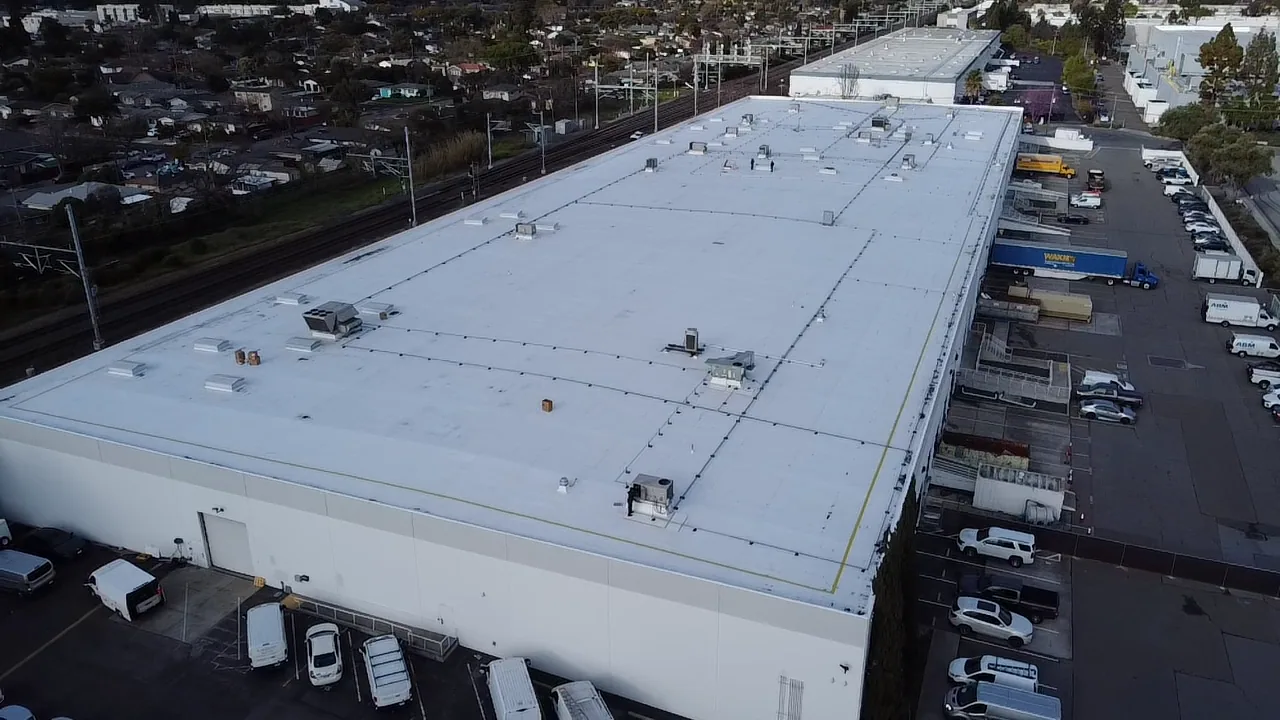
A big-box store has one very large roof, and the one thing that class does to a roof is concentrate risk: a single wide, low-slope field carries all the drainage, all the rooftop equipment and all the perimeter, so one failed detail can wet the sales floor and the stock on it. For a retail asset manager in San Marcos, TX, the budget year comes down to a few large calls per store rather than dozens of small ones.

The retail trade along I-35 is busy enough that the outlet malls east of the interstate draw about 14 million visitors a year, and a store owner knows what a closed department costs. That is the frame we use: protect the sales floor first, then plan the roof around it.

Scale also changes the arithmetic of a repair. A patch that costs little per square foot still adds up across a field with dozens of defects, and the owner needs to know when the running total approaches the price of renewing the roof. We keep that tally current after every visit.
Walking a Wide Field

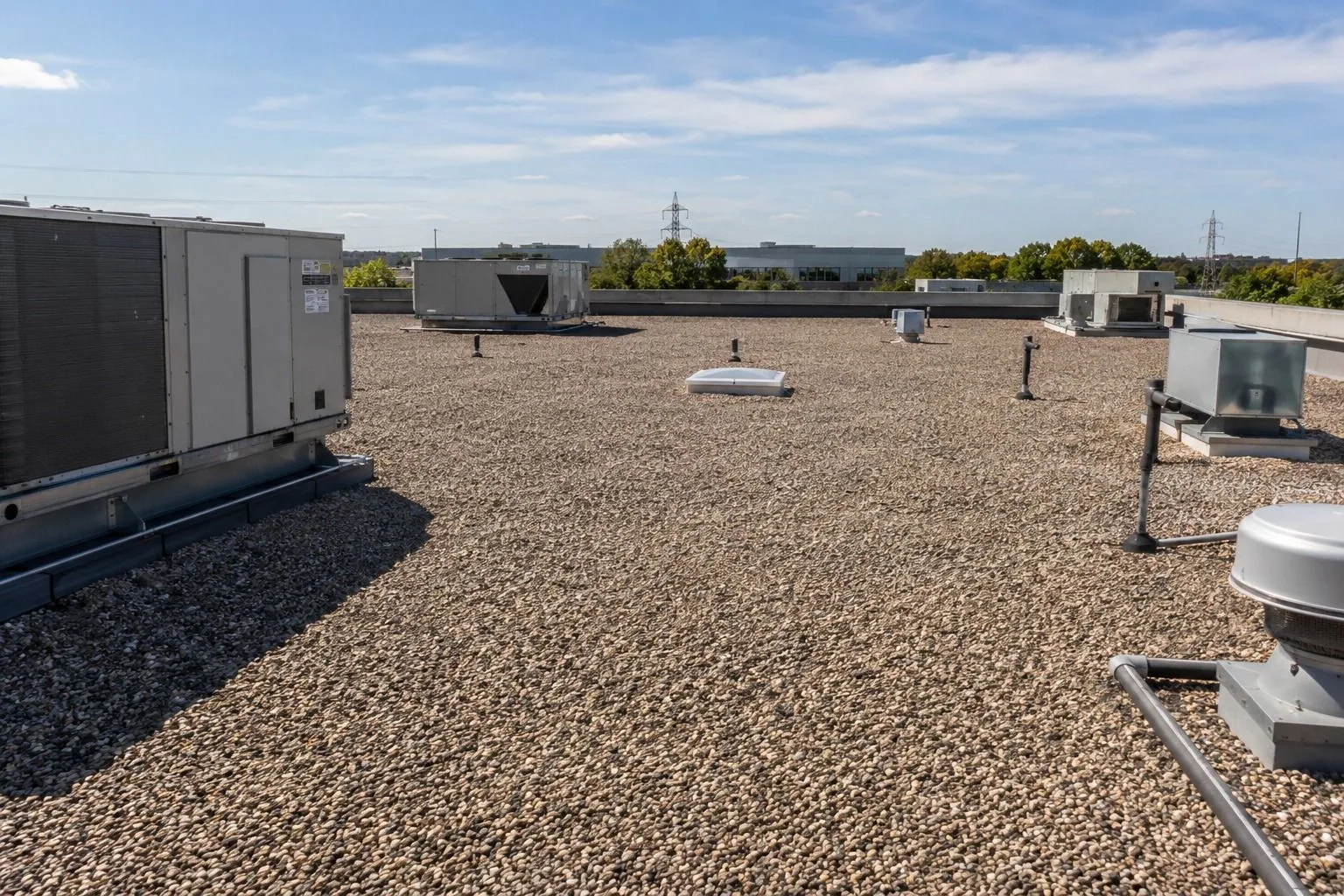
A big-box roof is walked on a grid. We divide the field into bays, record each bay's seam condition, ponding, patches and equipment, and mark penetrations on a plan. Long runs of seam matter more here than on a small roof, because a seam that opens in the middle of a field is far from any wall and far from a drain.

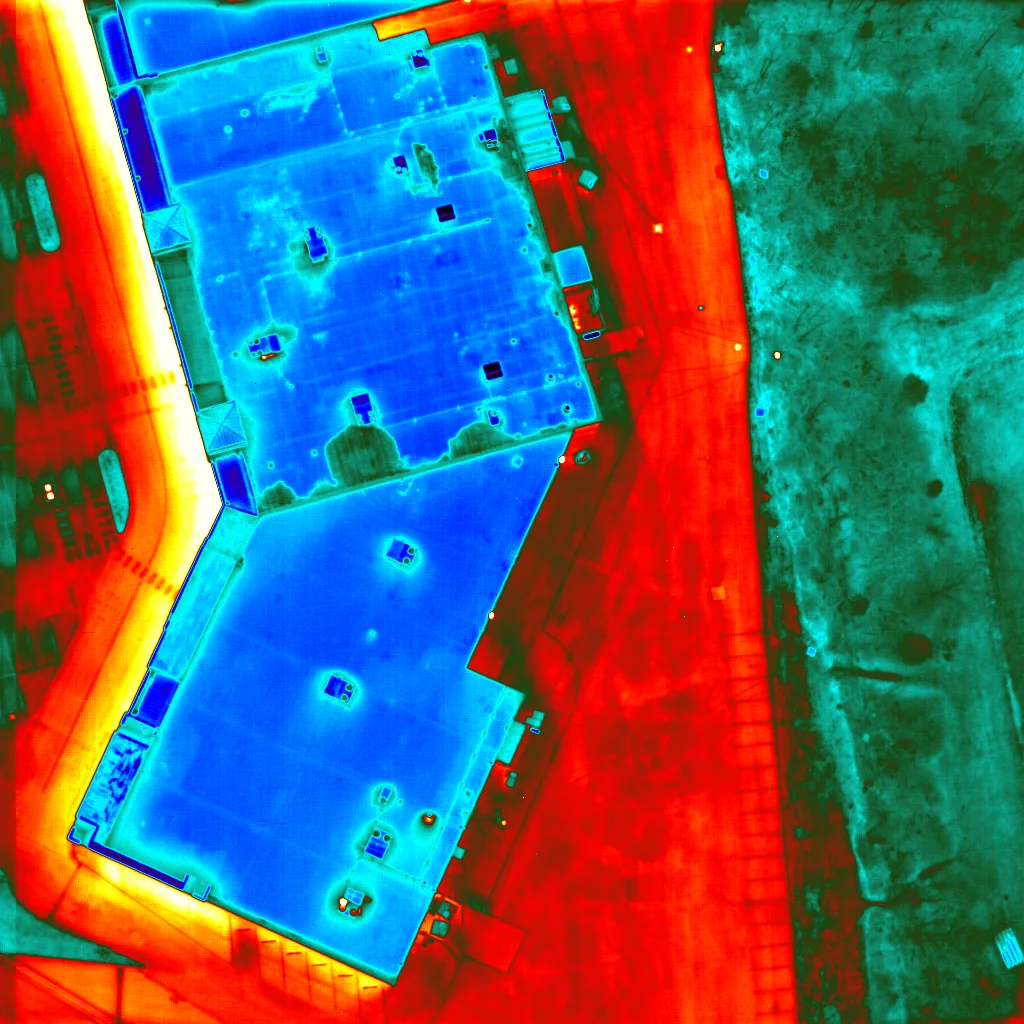
A moisture scan comes before any decision on scope. A infrared moisture survey maps wet insulation across the whole field, which lets us price a partial replacement of the wet zones against a full one. Cores at the wet areas confirm what the scan suggests and show how many layers the roof carries.

Drainage on a wide field deserves its own pass. We count drains against roof area, check each sump, strainer and clamping ring, and walk the low points after rain to see where water stays. Ponding that lasts more than a couple of days adds weight, ages the membrane faster and softens seams, so each pond goes on the plan with a measured depth and a likely cause: a blocked drain, a drain set high or a deck that has sagged. The scope prices each correction separately.

Overflow provisions get checked too. A roof with a blocked primary drain and no working overflow turns a rainstorm into a structural question, so we look for overflow scuppers at the right height, clear openings and a safe discharge path.

Big-Box Retail Roofing

Dock-Side Edge and Receiving

The receiving side of a store has its own wear. Truck traffic, rooftop vents from compactors and coolers, and the edge metal along the dock all sit within a few feet of one another. Wind pulls hardest at perimeters, so loose edge metal on the dock-side edge is the first thing we test.

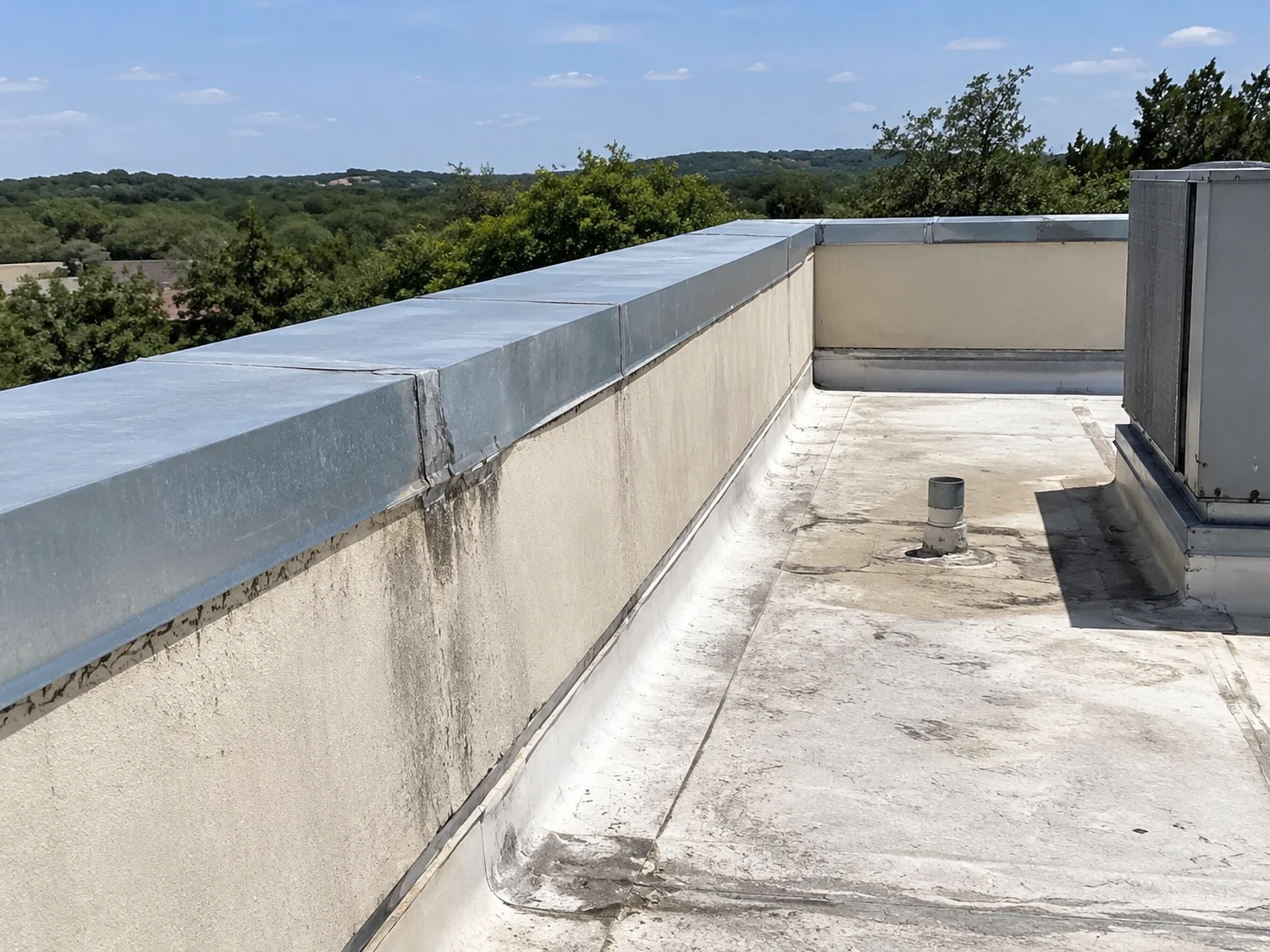
We pull-test fasteners, check cleat and coping joints and look for torn or lifted laps at the parapet. A coping and edge metal repair replaces what has moved and seals the joints. Receiving hours set the schedule: lifts and dumpsters go where trucks do not, and the crew finishes the loud work before the first delivery.

Compactor and cooler vents add grease, moisture and heat close to the membrane. Some single-ply sheets soften under constant contact with grease, so we look for blistering and swelling near exhaust and recommend a protective detail where the roof shows damage.

Counting the Rooftop Units

Rooftop units are the second source of leaks on a big-box roof. A store can carry a long row of them, each on its own curb with flashing, a condensate line and a service path. The curbs age at a different rate than the membrane. We count the units, check curb height and flashing, and mark every condensate line that dumps onto the roof surface.

Service routes matter. If technicians cross the membrane to reach the units, walk pads protect the path, and worn pads are replaced. When a curb is low or its base has split, a curb and support repair raises the flashing and reseats the unit, and the date of each repair goes on the plan for the next walk.

Hill Country Hail and the Retail Field

Johnson City's hail on May 9, 2024, reaching six inches across, came ahead of the storm that struck San Marcos. A wide field catches hail across its whole area, and bruises do not show from the ground. They show as soft or cracked spots in a scan.

That is regional context. It tells us why a post-storm field review is sensible, not what happened on a given deck. After a storm we walk the grid, photograph bruises and record which bays are wet. A hail damage roof repair scope names each affected bay so the owner and the insurer see the same record.

Wind is the other storm load on a wide field. Uplift is strongest at corners and edges, so we check attachment there first and compare it against the roof's original attachment pattern. A loose corner is a replacement-queue item even when the field looks sound.

Big-Box Retail Roofing

Recover, Restore or Replace

On a dry, attached roof with surface wear, a roof recover adds a new membrane over the old one at lower cost than tear-off. A coating can restore a sound membrane for less. Wet insulation or heavy bruising changes the answer: replacement removes the wet material and rebuilds the roof.

We price all three on one page. Inside the city, insulation and attachment items in a replacement scope are written against the 2021 International Building Code and Energy Conservation Code. A cool roof installation may fit stores with heavy summer cooling loads, since August highs run near 98 F at Camp Mabry in Austin.

The decision turns on three numbers: the share of insulation that is wet, the number of repairs already on the roof and the remaining life of the membrane. We show them for each store in a short table, then price repair, recover and replacement beside them, with the assumptions that could change each price once the roof is opened.

Big-Box Retail Roofing

Sorting the Portfolio

For an owner with several stores, the deliverable is a ranked queue: replace, repair or watch, with a price and a reason beside each store. The same layout covers shopping center roofing and the warehouse roofing behind a store's receiving docks, and a multi-site roof program keeps the stores in one file. Stores along the I-35 outlet and retail corridor are where this sorting applies first.

Commercial Roofing Questions

What decides a partial versus full replacement?

The extent of wet insulation decides it. A moisture scan maps the wet zones, and cores confirm them. If the wet area is a small share of the field, partial replacement with new tie-ins can work. A wide wet area favors full replacement.

Can a store keep trading during a reroof?

Yes, with planning. The crew works in bays, dries in each day and keeps loud work away from opening hours. Receiving and customer entries stay protected.

How do you handle rooftop units during the work?

We coordinate with the mechanical contractor. Units are lifted or lowered, curbs are rebuilt and flashing is replaced. The schedule includes the shutdown windows for each unit.

Does a recover work on any big-box roof?

No. It needs a dry, attached base and drains that can take the added height. A scan and cores tell us if it fits.

What records go to the asset manager?

Photographs by bay, the moisture map, core logs, the scope sheet and a ranked price list. They go into the building file.

Send the store list

Send the building list and any past roof reports. We will sort the stores into replace, repair and watch groups before the next budget year.

Request a Roof Assessment

Related Roofing Work

ServicesRoof SystemsIndustriesProperty TypesService AreasRoof Damage RepairCapabilitiesManufacturersAboutContactRequest a Roof Assessment555-555-5555
Call555-555-5555